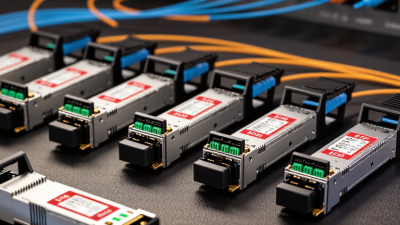
China Top 10 10G DWDM 80km Transceiver Manufacturers
China’s 10G DWDM 80km transceiver market deserves a careful comparison, not a ranking built on product-page claims alone. These modules carry 10-gigabit signals over selected wavelengths, but an “80km” label does not guarantee the same performance in every network. Fiber quality, optical power, dispersion, receiver sensitivity, and link engineering all affect the usable reach. Small details matter.
Optical-network researcher Dr. Andrew Lord provides relevant context for evaluating long-reach optical systems. The following is an editorial paraphrase, not a verified direct quotation: “A stated reach is only meaningful when the complete link budget and operating conditions are clear.” That principle helps frame this look at China’s leading manufacturers. It also explains why buyers should examine test data, wavelength accuracy, interoperability, warranty terms, and technical support—not just price.
The comparison focuses on evidence that procurement teams can verify: published specifications, product consistency, and practical deployment details. A useful checklist includes connector options, temperature range, power consumption, and compatibility with the intended DWDM platform. Ask for measured results. Confirm the configuration. A manufacturer may offer a capable 10G DWDM 80km product, yet still be a poor fit for a particular route. The ranking should therefore guide further evaluation, not replace it. Real-world performance can vary, and that uncertainty deserves attention.
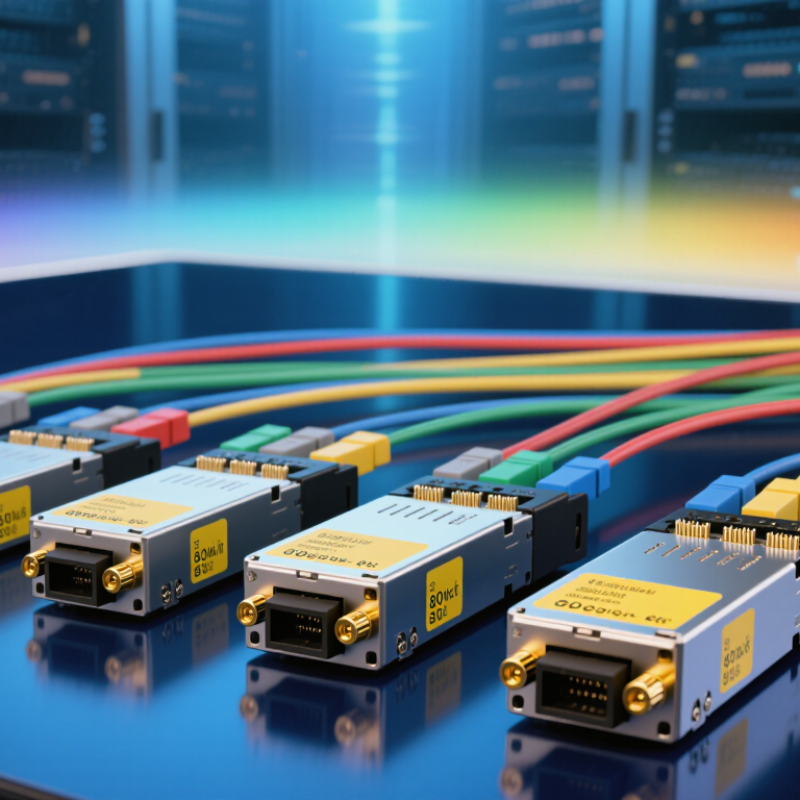
What Is a 10G DWDM 80km Transceiver?
A 10G DWDM 80km transceiver converts electrical data into an optical signal and assigns it to a precise wavelength. DWDM allows multiple wavelengths to travel through one single-mode fiber, each carrying a separate data channel. IEEE 802.3ae specifies a 10.3125 Gb/s serial rate for 10GBASE-R; the transceiver adapts this client signal for optical transmission. ITU-T G.698.1 describes optical interface parameters for multichannel DWDM systems. In practice, module compatibility depends on wavelength, channel spacing, transmit power, receiver sensitivity, and the host equipment.
80 km is a target, not a guarantee. Fiber attenuation, connector loss, splices, and dispersion all affect the link budget. A technician might measure power at the rack, then find the far-end signal weakened by several patch panels and aging connectors. The exact result depends on the route. Some modules need dispersion compensation or forward error correction, while others rely on the receiving equipment’s capabilities. Check the module specification against the actual fiber path and system interface; distance labels alone can mislead. DWDM channels also need accurate wavelength planning to avoid conflicts with neighboring signals. A little uncertainty remains: real links rarely match clean laboratory conditions.
10G DWDM 80 km: Selected 100 GHz Channel Wavelengths
The chart shows nominal wavelengths calculated from selected ITU-T 100 GHz grid frequencies using wavelength = speed of light ÷ frequency. It illustrates channel spacing, not a manufacturer ranking. An 80 km link’s performance also depends on factors such as optical power budget, fiber characteristics, and system design.
How Does an 80km DWDM Transceiver Work?
An 80km DWDM transceiver sends a 10-gigabit data stream as light through a specific wavelength channel. Its laser must stay accurately tuned, so the signal fits beside other channels on the same fiber. A multiplexer combines those wavelengths at the sending end; a demultiplexer separates them at the far end. Simple in principle. Fiber loss gradually weakens the light, while chromatic dispersion can spread pulses and blur their edges. The receiver converts incoming light back into electrical data and checks whether the bits remain readable.
The distance rating is not a promise for every cable route. A common planning mistake is to focus only on kilometers and overlook connector loss, patch panels, splices, and signal quality. Measure the link budget. Check receiver sensitivity, transmit power, and the transceiver’s wavelength compatibility. Some links also need optical amplification or dispersion management, but adding equipment without measurements can create new problems. Error correction may help recover damaged data, depending on the transceiver design. In practice, engineers verify the optical power at both ends and monitor error rates under real operating conditions. A few decibels can matter. Even careful calculations deserve field testing, because fiber records are not always complete.
Key Specifications and Compatibility Factors
An 80 km reach is not a guarantee of compatibility. A 10G DWDM transceiver must match the host’s supported wavelength, channel spacing, modulation, and optical budget. For 10GbE, the client-side line rate is typically 10.3125 Gb/s. ITU-T G.694.1 defines DWDM frequency grids, including 50 GHz spacing, while G.698.2 describes optical interface characteristics. These references help narrow choices, but host coding and firmware support still matter.
Not enough.
The ITU’s Facts and Figures 2023 estimated that 5.4 billion people, or 67% of the world’s population, were online. That scale makes dependable backbone links important, but it does not determine the right module. Check transmit power, receiver sensitivity, dispersion tolerance, and whether FEC is required at both ends. Compare the module’s specified reach against the actual fiber type, connector loss, and patch-panel path—not just the cable-route estimate. A practical bench test should verify link stability, error counts, and temperature behavior with the intended host. One detail is easy to miss: two modules on the same nominal channel may still differ in tuning range or host interoperability. Recheck the datasheet against the deployed equipment; specifications alone can leave gaps.
China’s Top 10 10G DWDM 80km Transceiver Manufacturers
China’s Top 10 10G DWDM 80km transceiver manufacturers are best compared by measurable performance, not catalogue claims alone. An 80-kilometer link depends on fiber quality, channel spacing, optical power, and the receiver’s sensitivity. Small differences matter. Buyers should check the specified wavelength, supported grid, dispersion limits, and whether the system needs optical amplification. A stated reach is not a guarantee for every route.
Ask each supplier for current test data, temperature ratings, and digital diagnostic monitoring details. Then test sample modules in the intended switch or transport equipment. Watch for stable transmit power, clean error readings, and reliable link recovery after a restart. Compatibility is practical, not just a line in a datasheet. Some specifications may look complete yet leave system-level questions unanswered.
For a shortlist, compare production consistency, traceable quality checks, technical response times, and warranty terms. Request reports tied to the actual module model and hardware revision. A controlled test across several units can reveal variation that one sample misses. Be cautious with broad “80 km” promises; connector loss and intermediate components can reduce the usable margin. Even a careful comparison has limits when field conditions are unknown.
Applications and Manufacturer Selection Considerations
A 10G DWDM 80km transceiver can carry separate 10-gigabit channels over one fiber pair, making it useful for metro links, data-center interconnects, and capacity upgrades. The 80-kilometer rating is a planning reference, not a promise. Actual reach depends on fiber loss, connectors, dispersion, and the optical budget. A link with several patch panels may need more margin than a clean point-to-point route. Measure the path. Then check whether amplification or dispersion compensation is required.
When comparing manufacturers in China, ask for clear test data, not just a reach claim. Confirm the supported wavelength grid, transmit power, receiver sensitivity, and operating temperature range. Verify host-device compatibility with the exact switch or router model, and request sample testing before a large order. Reliable suppliers should explain inspection procedures, failure handling, and warranty terms in writing. Ask how they track calibration and lot consistency, too. Small differences matter. A low price can look convincing, yet unstable output may create recurring field work. I would also review the datasheet carefully; it may not answer every question. Real networks are less tidy than lab tests.

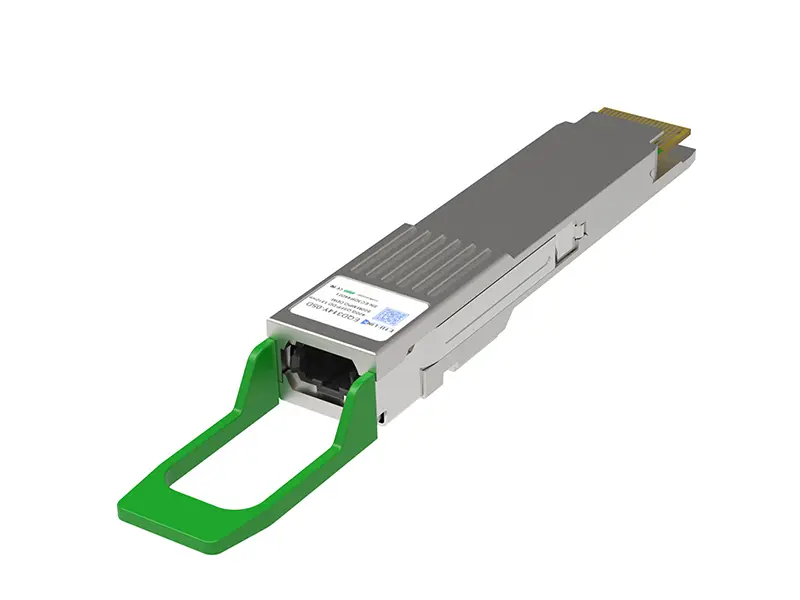 400G
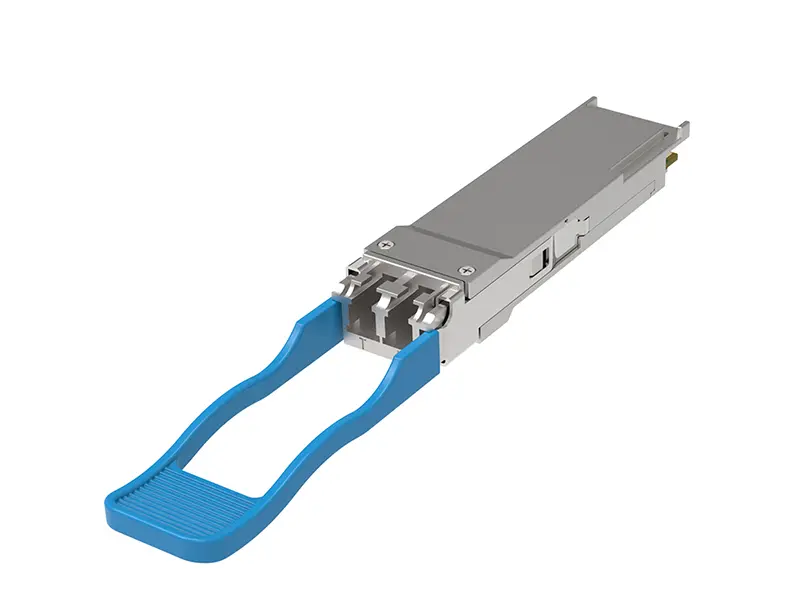 200G
 100G
 40G
 25G
 10G
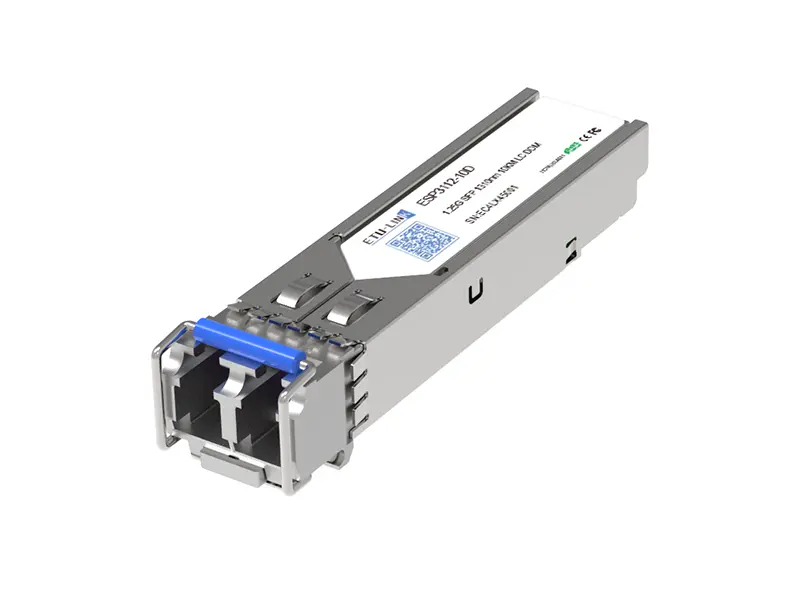 1G
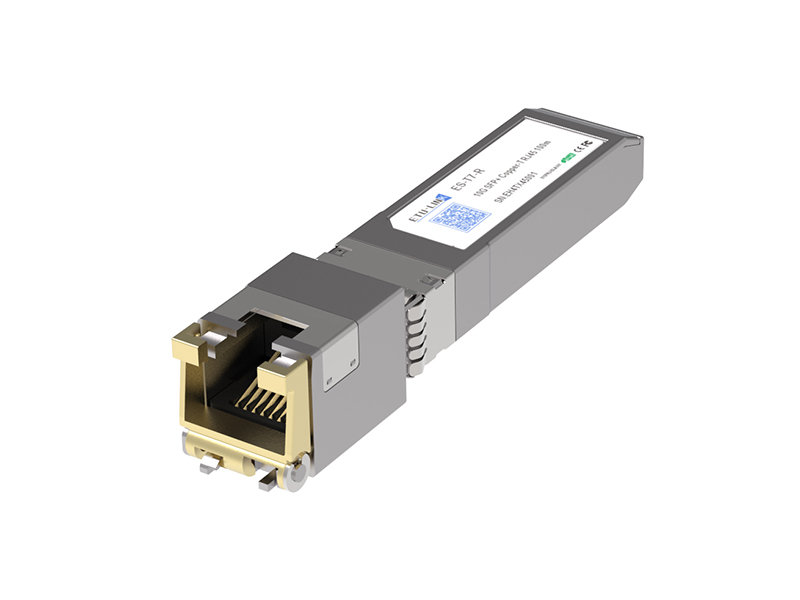 COPPER-T
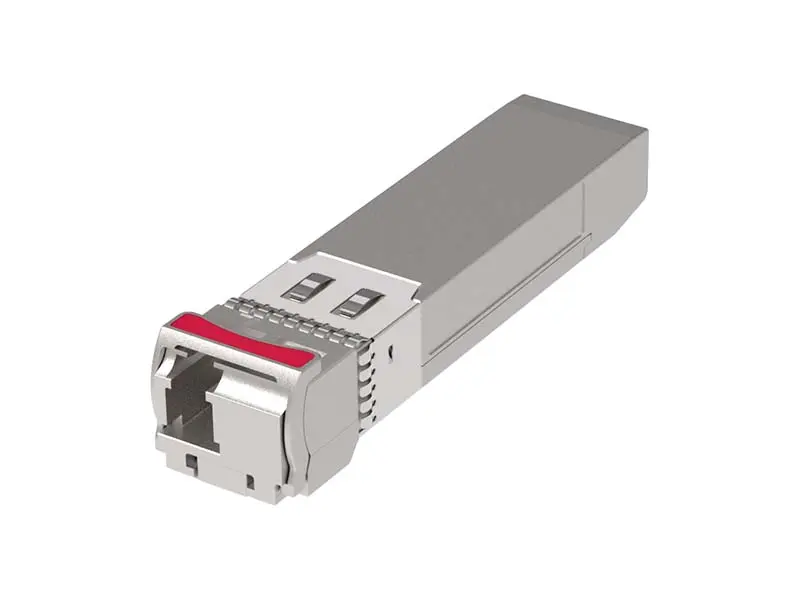 Other
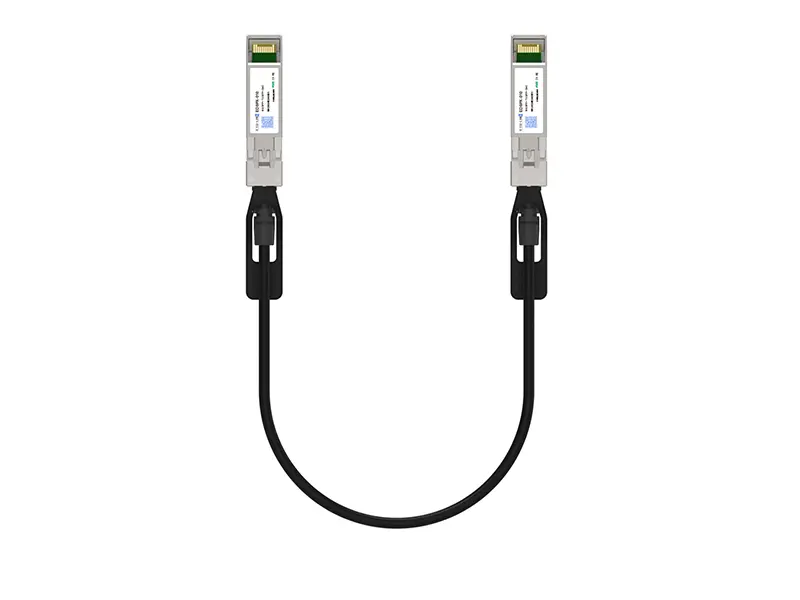 10G SFP+ DAC
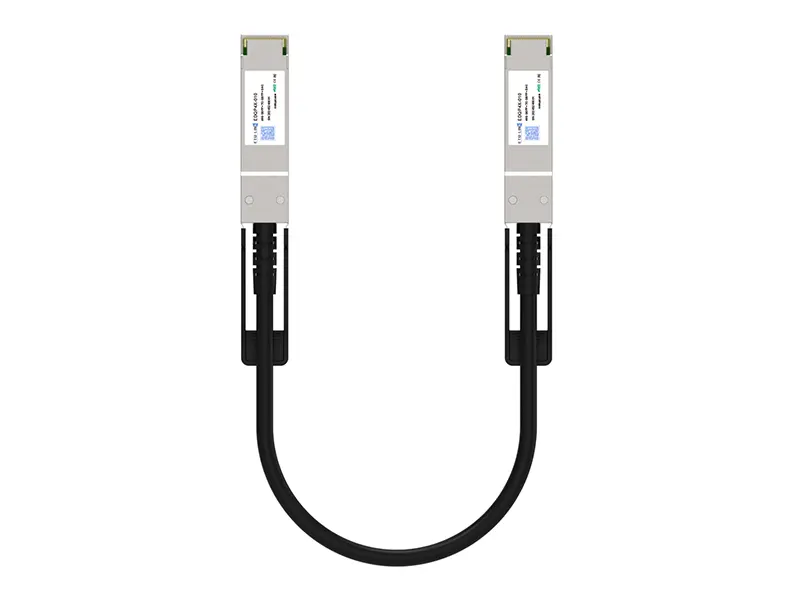 40G QSFP+ DAC
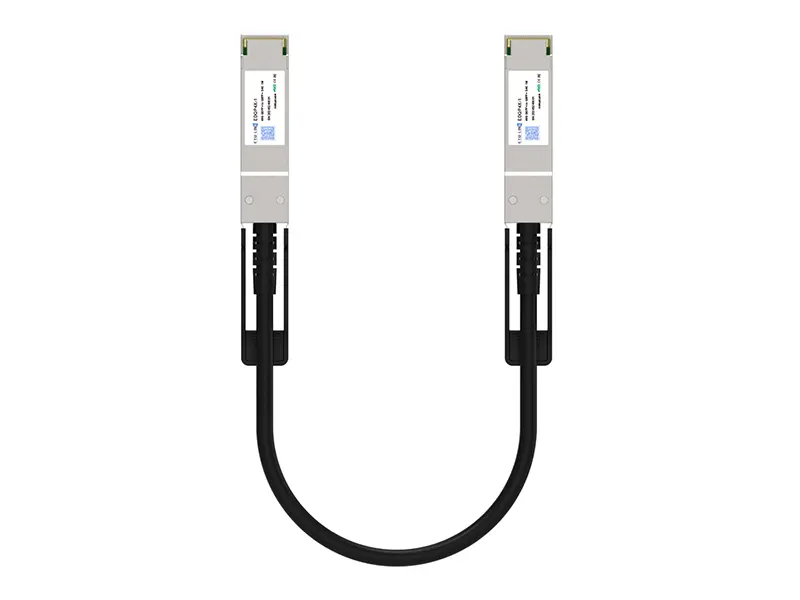 56G QSFP+ DAC
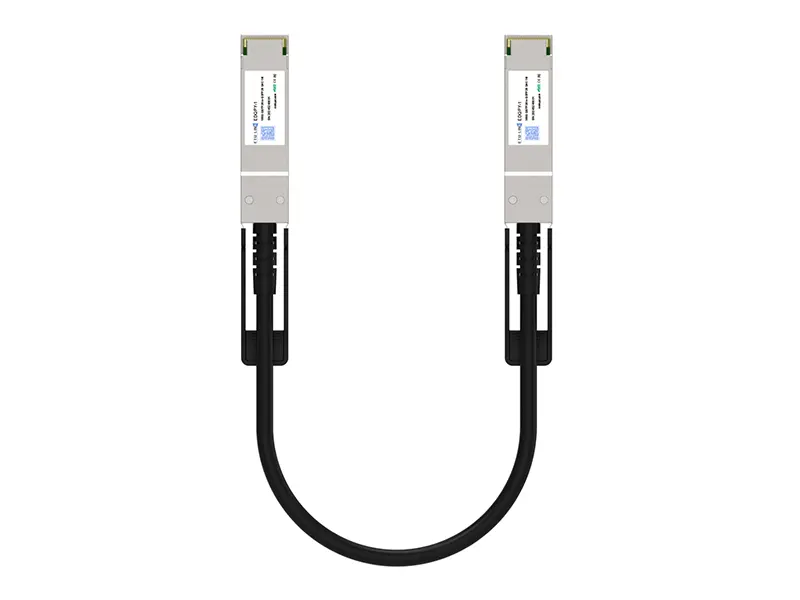 100G QSFP28 DAC
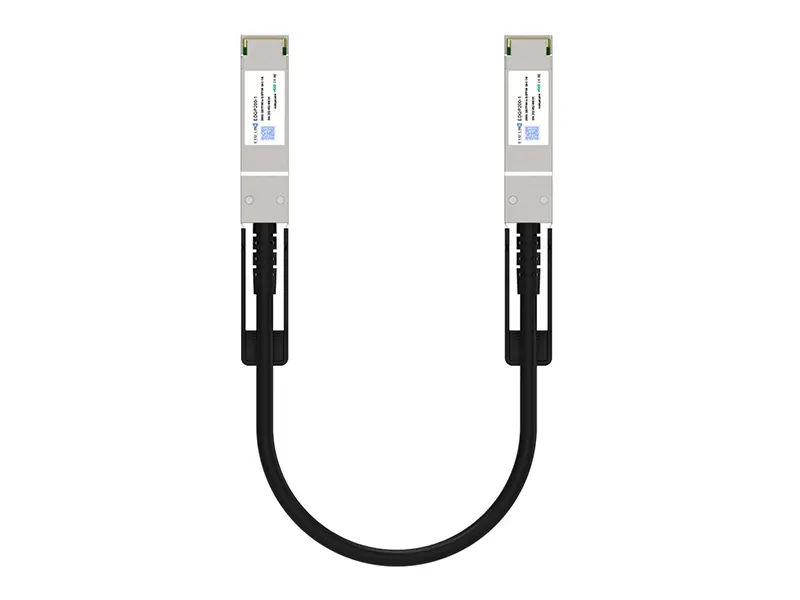 200G QSFP56 DD DAC
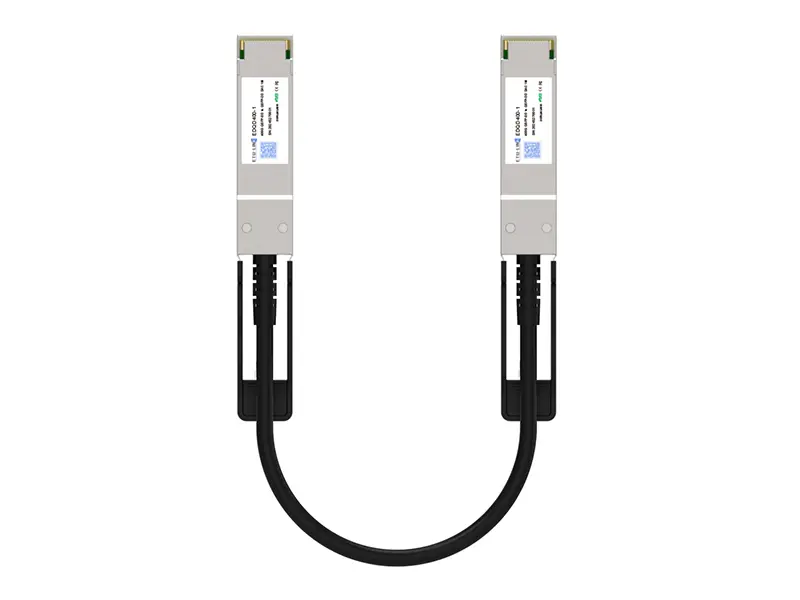 400G QSFP DD DAC
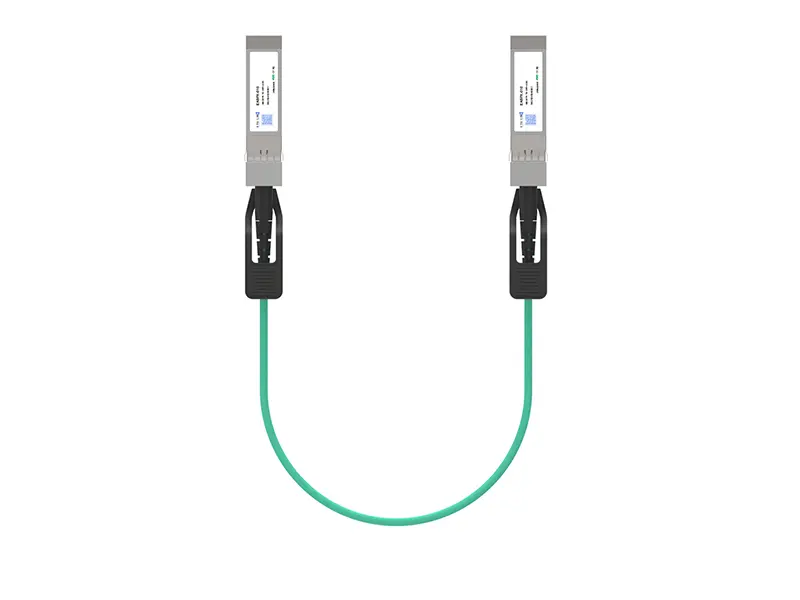 10G SFP+ AOC
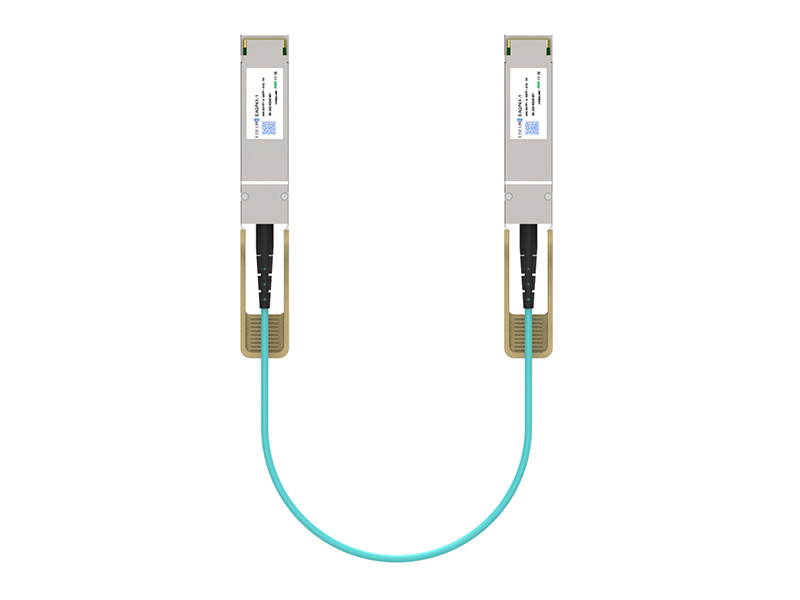 40G QSFP+ AOC
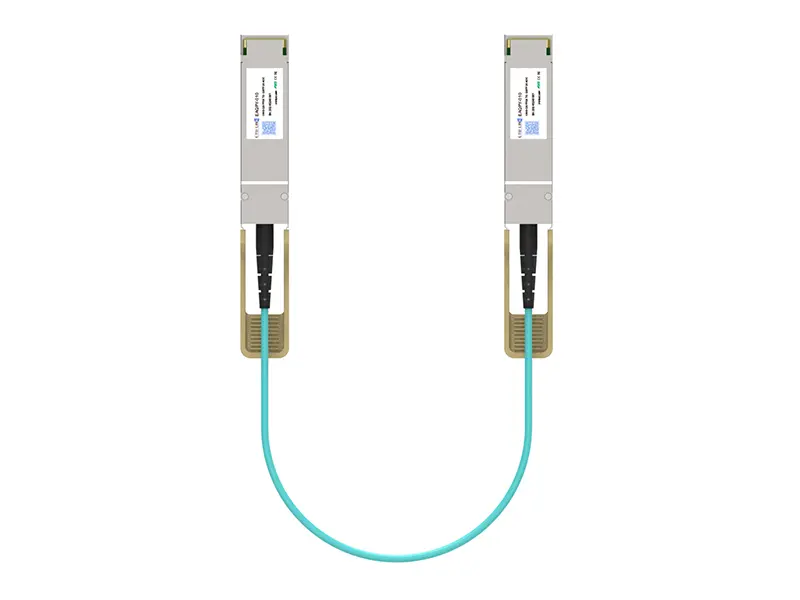 100G QSFP28 AOC
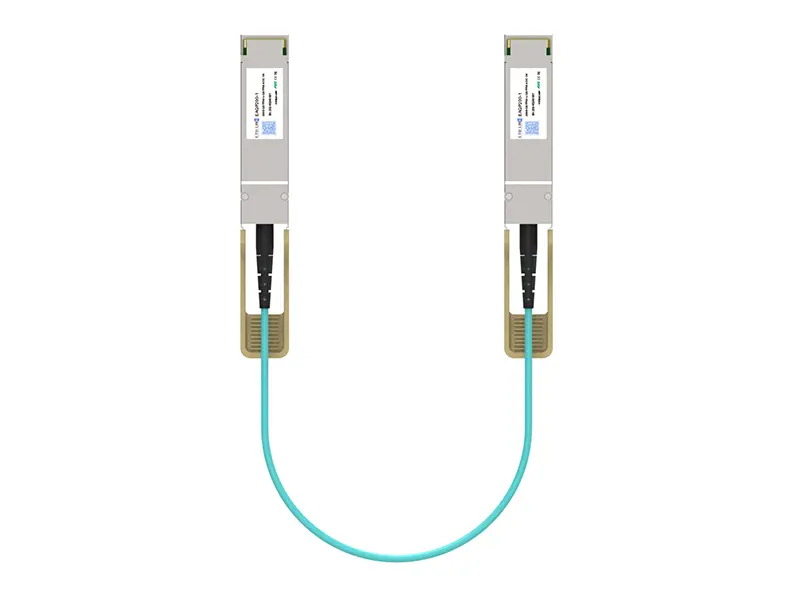 200G QSFP56 AOC
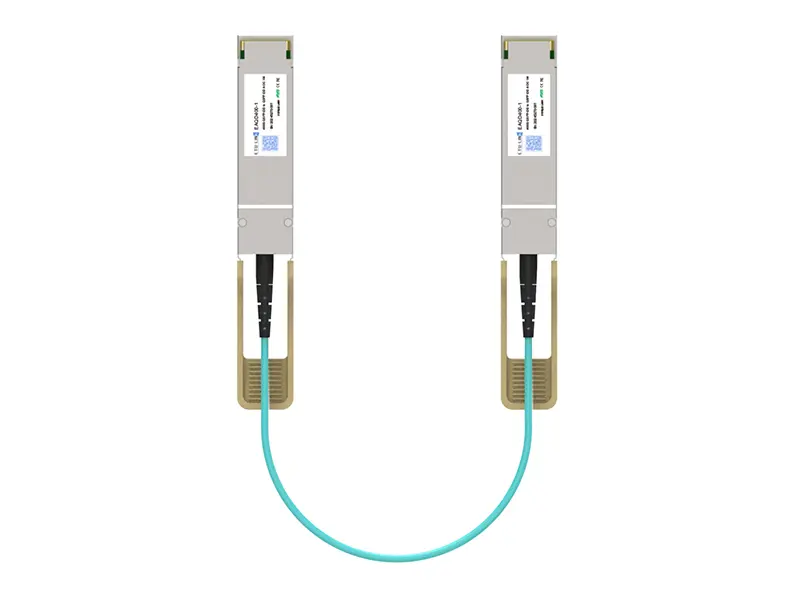 400G QSFP-DD AOC
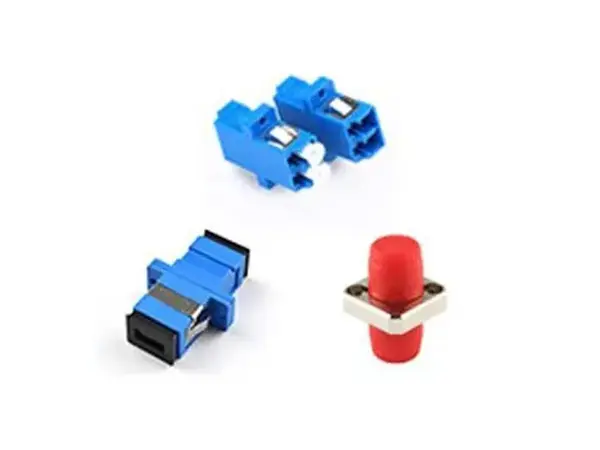 Adapter Details
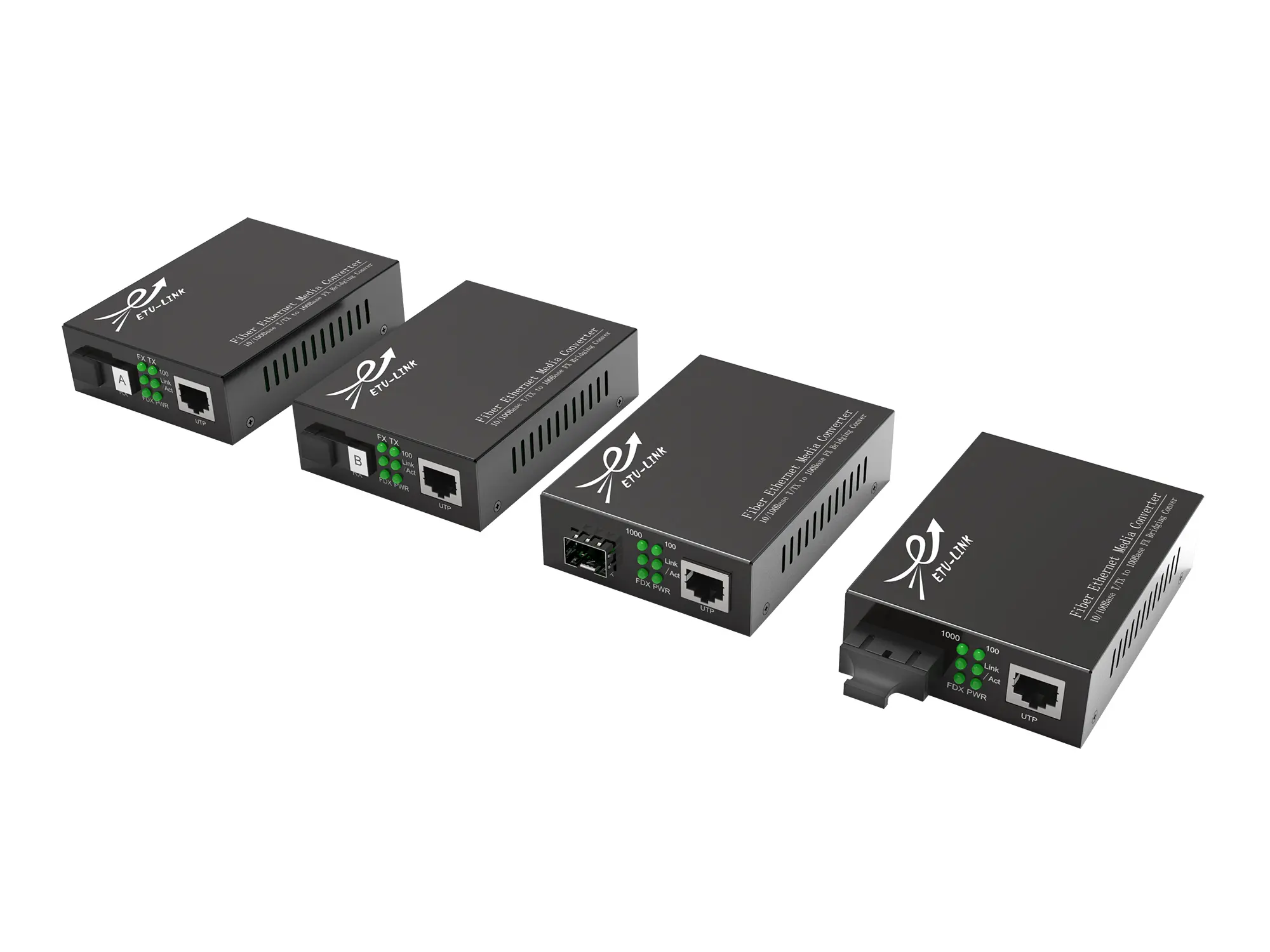 Media Converter