What Is the Best 10G DWDM Optical Transceiver in 2026?
Choosing the best 10G DWDM Optical Transceiver in 2026 is not simply a matter of finding the longest wavelength range or lowest price. The right module must fit the fiber route, equipment, and operating conditions. A neat specification sheet cannot reveal every field problem.
Claude Shannon, the information theory pioneer whose work underpins modern communications, wrote: “The fundamental problem of communication is that of reproducing at one point either exactly or approximately a message selected at another point.” His principle helps frame the task: a transceiver must carry the intended signal reliably across a real link, not just meet a headline data rate.
For a practical comparison, this guide examines wavelength options, channel spacing, reach, power consumption, and compatibility with switches and line systems. It also considers the small details that can decide an installation: whether the module’s tunable range matches the assigned channel, whether the link budget leaves enough margin, and whether monitoring data helps engineers spot drift. A 40-kilometer rating, for example, does not guarantee the same result on every route. Fiber quality, connectors, and optical loss matter.
The best choice depends on the network. A fixed-wavelength module may suit a stable, single-channel link. A tunable option can simplify spares and channel changes, but may cost more. There is no perfect universal pick. This comparison weighs documented specifications and deployment needs, while noting where vendor claims require careful checking. The answer may be less tidy than a ranking suggests. That is worth remembering.

What a 10G DWDM Optical Transceiver Is and Where It Is Used
A 10G DWDM optical transceiver sends and receives data at 10 gigabits per second using a tightly spaced wavelength of light. It usually connects to network equipment through a pluggable interface, while optical filters combine or separate wavelengths on a fiber. This lets operators carry several independent data channels over one fiber pair. The exact module must match the system’s wavelength plan, interface, and optical budget. “Best” depends on those details, not speed alone.
These transceivers are used in metro networks, carrier links, and data center connections where fiber capacity is limited or costly to expand. For example, a network team can add a wavelength to an existing fiber route instead of laying another cable. Actual reach depends on loss, connectors, amplification, and the equipment at both ends. A specification sheet may look reassuring, but real routes are rarely perfect.
Tips: Check wavelength compatibility at both ends, then verify link budget and connector type. Keep clean spare connectors nearby. Small details matter. DWDM planning can feel fussy, and it is easy to overlook one setting. Test the complete path before putting it into service.
How DWDM Transceivers Send Data Across Wavelength Channels
What Is the Best 10G DWDM Optical Transceiver in 2026?
A 10G DWDM transceiver carries data on a precise wavelength of light. Think of each wavelength as a separate lane on one fiber. The transmitter converts electrical signals into rapid light pulses using a tightly controlled laser. A multiplexer then combines several wavelengths, allowing them to travel together through the same strand.
At the other end, a demultiplexer separates the wavelengths. Each receiver detects its assigned channel and converts the light pulses back into electrical data.
One color, one lane.
In practice, channel spacing, optical power, and receiver sensitivity all matter. A wavelength that looks suitable on paper may perform poorly if the link has excess loss or mismatched equipment.
Choosing the best 10G DWDM optic in 2026 depends on the actual link, not just its data rate. Check the wavelength grid, fiber distance, connector type, and compatibility with the network equipment. Fixed-wavelength modules can suit stable routes, while tunable options offer more flexibility during network changes. Yet flexibility may add cost and setup complexity. There is no perfect choice for every link; even careful planning can miss real-world variation in fiber loss or temperature. Measure the optical path, leave power margin, and verify the module against the receiving end before deployment.
Which Specifications Matter When Choosing a 10G DWDM Transceiver
What Is the Best 10G DWDM Optical Transceiver in 2026?
Which Specifications Matter When Choosing a 10G DWDM Transceiver
The best 10G DWDM transceiver is the one that fits the link, not simply the one with the longest reach rating. Check its exact wavelength and channel spacing against the optical plan. A 100 GHz grid and a 50 GHz grid are not interchangeable. Confirm that both ends use matching channels. Small wavelength mismatches can disrupt a carefully planned link.
Next, compare the optical budget. Read transmit power, receiver sensitivity, and overload limits together, then account for fiber loss, connectors, and any intermediate components. A reach figure alone can mislead. Fiber type and chromatic dispersion also matter on longer spans. Ask for the supported distance under your actual link conditions, not just a headline number.
Check host compatibility, too. Verify the module form factor, data-rate support, temperature range, and FEC requirements against the switch or router documentation. Digital diagnostics can help track temperature and received power during operation. Useful details. In a real deployment, those readings can reveal a dirty connector before it becomes an intermittent fault. I would still inspect and clean the fiber; monitoring is not a substitute. One specification is easy to overlook: receiver overload. A short, low-loss path may need attenuation, so “more power” is not always better.
How Reach, Wavelength, and Compatibility Shape Transceiver Selection
The best 10G DWDM optical transceiver depends on the link, not a headline reach figure. A 40-kilometer module may sound safer than a 20-kilometer one, but extra reach does not fix a poor optical budget. Check fiber loss, connector count, patch-panel routing, and any amplifiers along the path. A dirty connector can matter more than the distance estimate. Small details count.
Wavelength planning is just as important. DWDM channels sit close together, so the transceiver’s exact wavelength must match the assigned channel and the optical system’s filter plan. Confirm spacing, channel grid, and transmit power against the network design. On a live link, record the wavelength at each end; relying on labels alone is an avoidable risk. I would still leave room for doubt when documentation is incomplete.
Compatibility goes beyond a matching port. Verify the host’s supported module type, electrical interface, coding, and software settings, then check the receiver’s sensitivity and overload limits. A unit can fit physically and still fail to establish a stable link. Test with the intended fiber and measure received power before deployment. It is tempting to choose the longest reach and move on, but that shortcut can create new problems.
How to Match a 10G DWDM Transceiver to Network Requirements in 2026
What Is the Best 10G DWDM Optical Transceiver in 2026?
How to Match a 10G DWDM Transceiver to Network Requirements in 2026
Choosing a 10G DWDM transceiver starts with the link, not the product label. Check the required wavelength against the optical system’s channel plan, then verify reach, fiber type, connector, and link budget. A module rated for 40 km may not reach that distance on a lossy route with multiple patch panels. Cisco’s Annual Internet Report (2018–2023) forecast global IP traffic at 4.8 zettabytes annually by 2022. That historical forecast signals traffic growth, but it is not a 2026 capacity estimate. Use measured network demand to guide upgrades.
A datasheet alone is not enough. Compare transmit power and receiver sensitivity with the route’s measured loss, and leave operating margin for aging or repairs. Confirm compatibility with the mux or demux, channel spacing, host port, and monitoring features. Fixed-wavelength modules can suit stable links; tunable optics may help where spare inventory or wavelength changes matter. Check these details with the equipment documentation and, when possible, test the exact pair before deployment. On paper, easy. In the rack, small mismatches can cost hours.
Tips: Record the wavelength, route loss, and module temperature at both ends. Verify alarms after installation. If the link works only with unusually high transmit power, investigate the fiber path rather than assuming the optic is the problem.
What Is the Best 10G DWDM Optical Transceiver in 2026?
Match the transceiver’s optical budget to the required fiber reach—not reach claims alone.
How to read this: These planning estimates assume 0.22 dB/km fiber loss, 2 dB of fixed passive-component loss, and 3 dB of engineering reserve. Estimated reach is calculated as (optical budget − 5 dB) ÷ 0.22 dB/km. These are illustrative budget scenarios, not universal module specifications. For a real link, verify the ITU-T wavelength, transmitter and receiver specifications, mux/demux loss, OSNR, dispersion limits, and required margin.

 400G
 200G
 100G
 40G
 25G
 10G
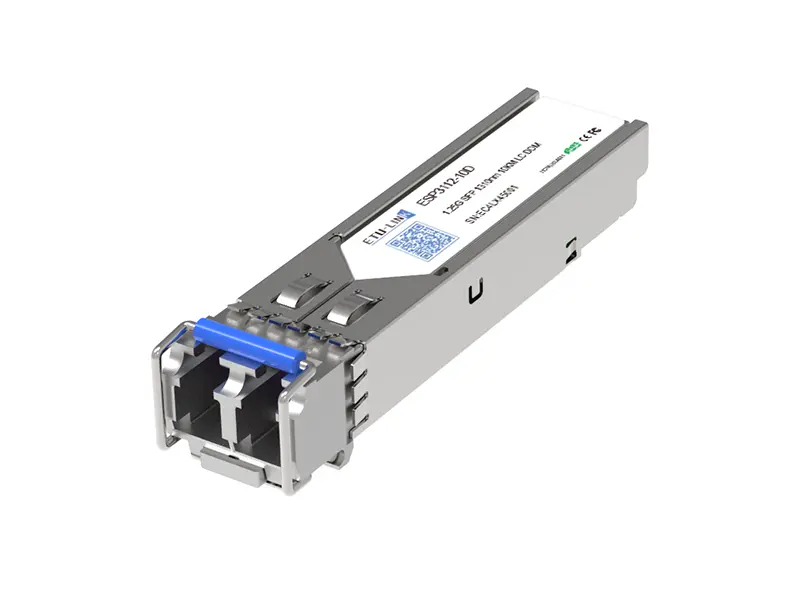 1G
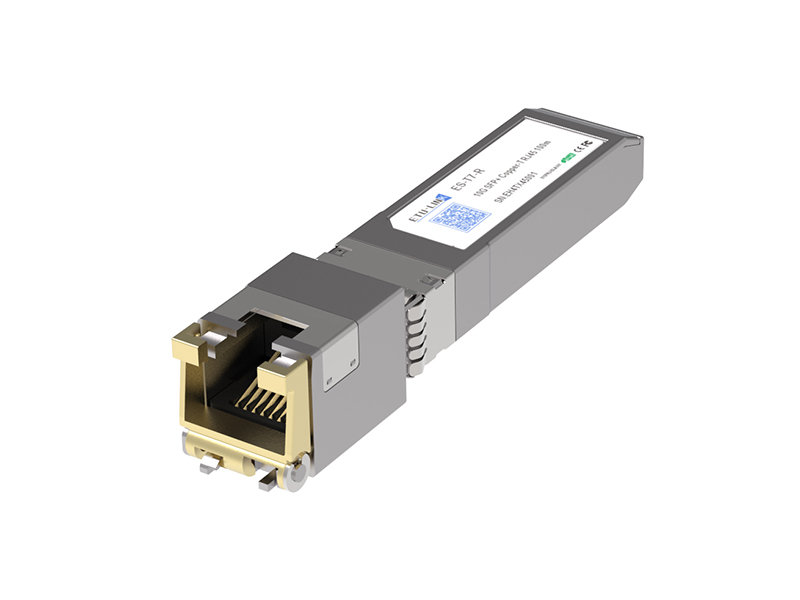 COPPER-T
 Other
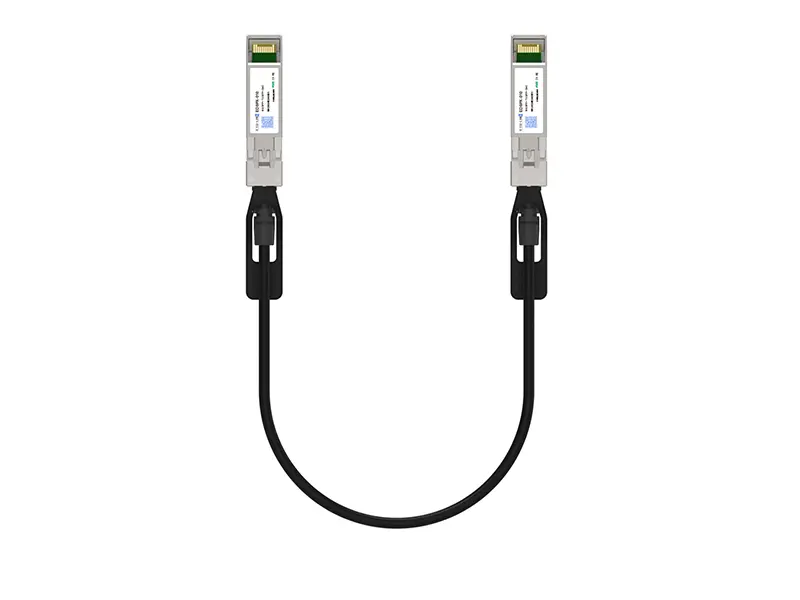 10G SFP+ DAC
 40G QSFP+ DAC
 56G QSFP+ DAC
 100G QSFP28 DAC
 200G QSFP56 DD DAC
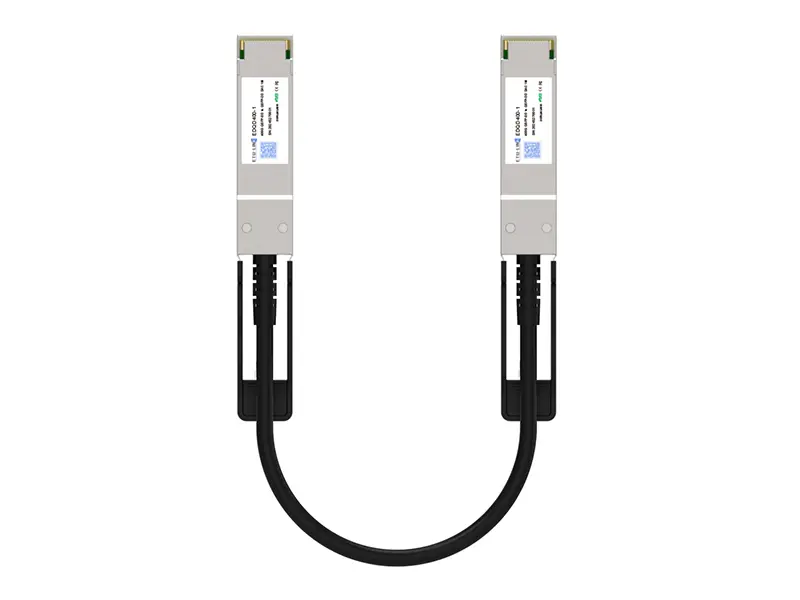 400G QSFP DD DAC
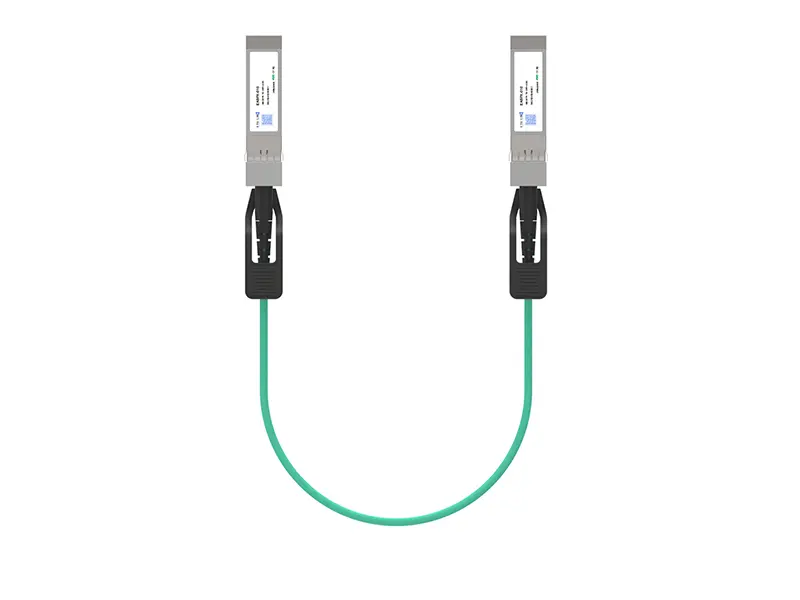 10G SFP+ AOC
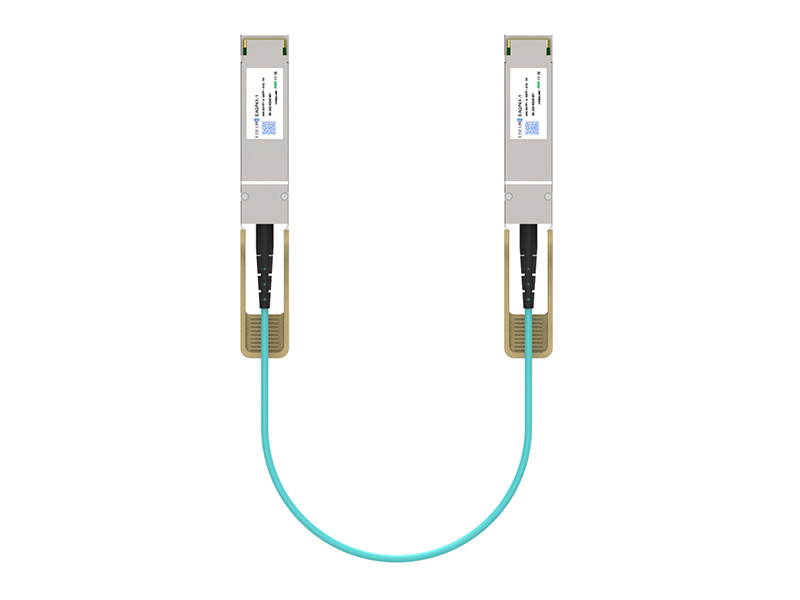 40G QSFP+ AOC
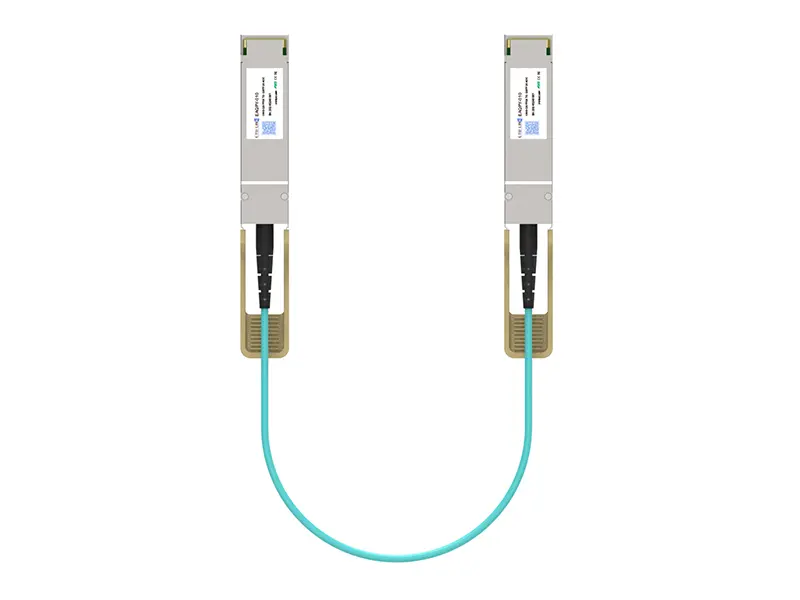 100G QSFP28 AOC
 200G QSFP56 AOC
 400G QSFP-DD AOC
 Adapter Details
 Media Converter