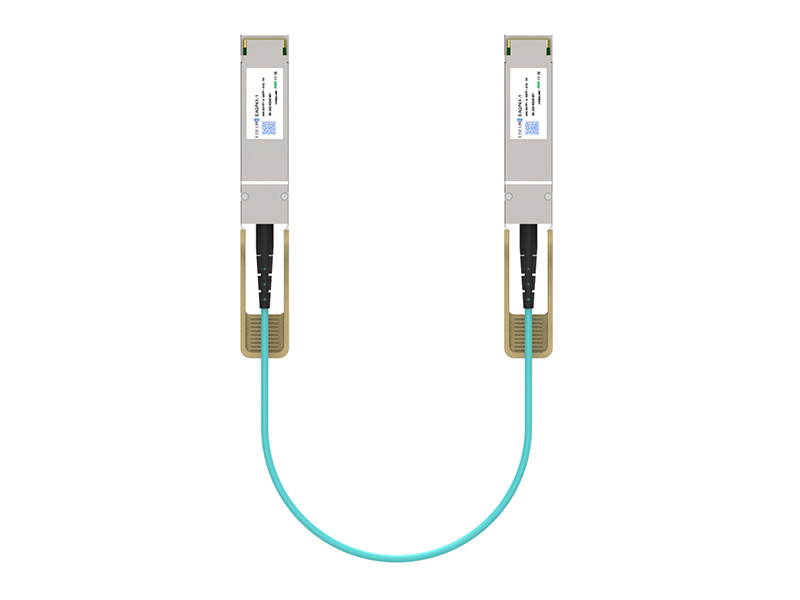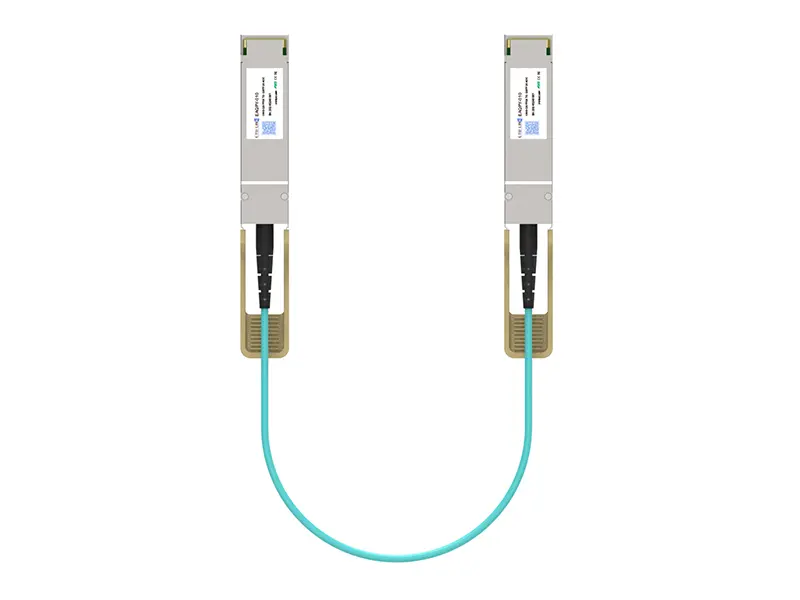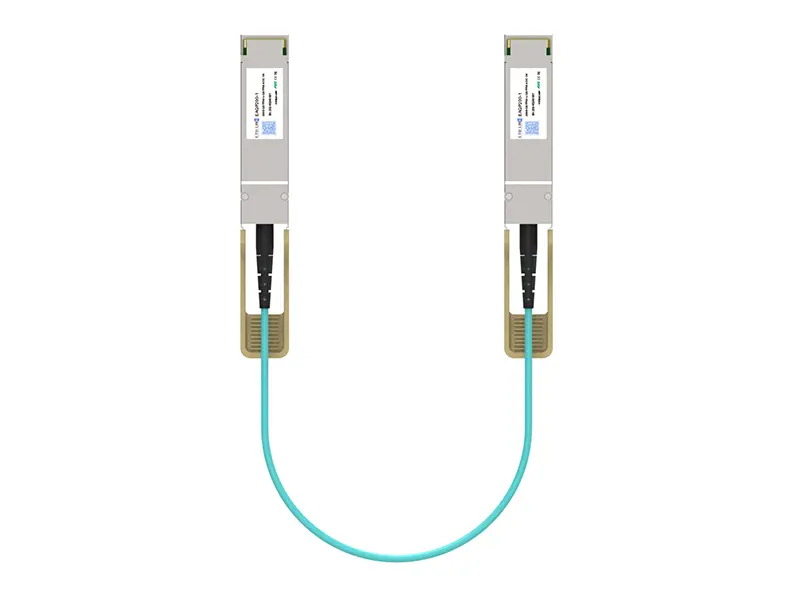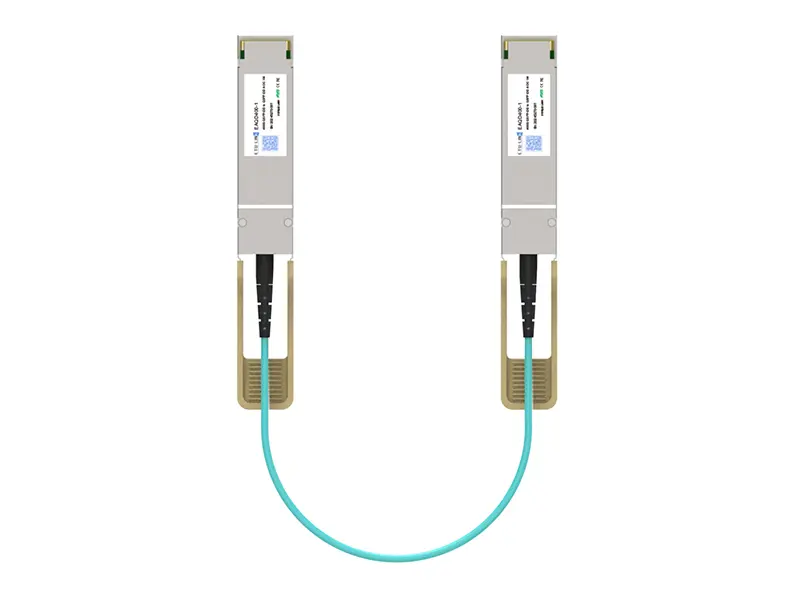
Why Is 10GBASE SRL Ideal for Data Centers?
Data centers demand speed, stability, and predictable operating costs. 10GBASE SRL addresses these needs through short-reach, high-bandwidth fiber connectivity. It commonly operates over multimode fiber, making it suitable for server rooms, switch cabinets, and structured data-center rows.
The technology helps carry 10-gigabit Ethernet traffic across short distances with low latency. Fiber also resists electromagnetic interference near power equipment and dense server racks. That practical advantage matters when hundreds of connections run continuously. John D’Ambrosia, a longtime Ethernet Alliance leader, has described Ethernet as “the most ubiquitous networking technology in the world.” His observation reflects Ethernet’s broad deployment and mature standards.
Installation can be straightforward.
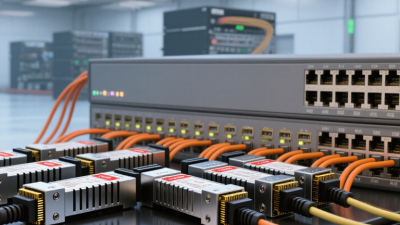
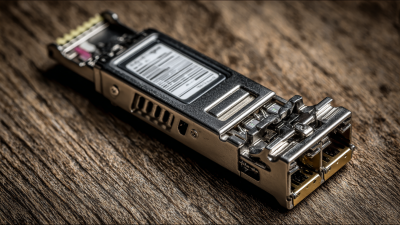
Technicians can use compatible optical transceivers, fiber patch cables, and clearly labeled panels. This reduces copper congestion and supports cleaner airflow around equipment. However, 10GBASE SRL is not automatically the best choice for every facility. Distance limits, multimode-fiber quality, connector cleanliness, and transceiver compatibility still require careful review. A poorly maintained link can produce intermittent errors, even when specifications appear correct.
That is where experience becomes important. A reliable deployment includes optical power testing, polarity checks, and documented cable routes. Monitoring tools should confirm link health after installation. Costs can also change with labor, optics, and future expansion plans. 10GBASE SRL offers a strong balance for short data-center links, but its value depends on disciplined design and maintenance. The technology is capable, not magical.

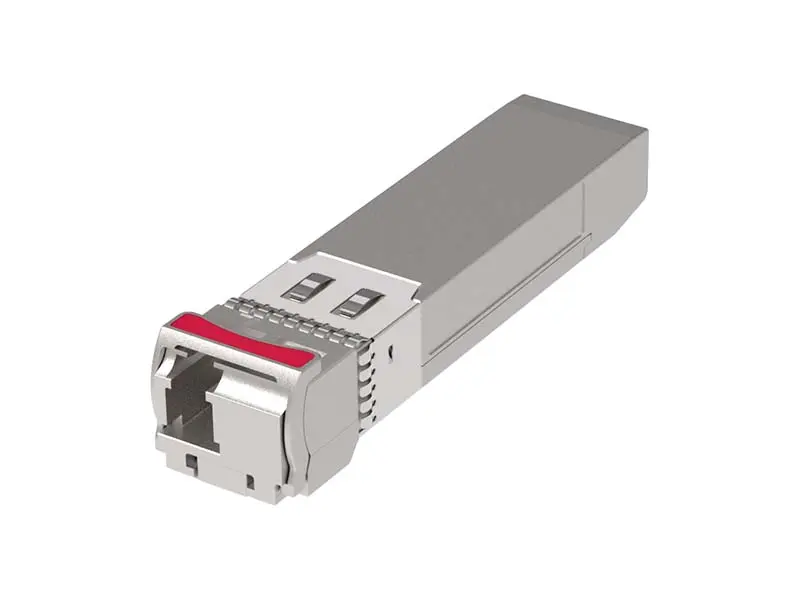
10GBASE-SRL is a short-reach 10Gbps optical connection designed for data-center links. It normally uses an 850 nm VCSEL transmitter and multimode fiber. The signal travels through several tightly packed glass cores, carrying data between switches, servers, and storage systems.
Its operation is straightforward. The transmitter converts electrical data into rapid light pulses. The fiber carries these pulses, while the receiver changes them back into electrical signals. A typical installation uses OM3 or OM4 multimode fiber, with the practical distance depending on fiber quality, connector loss, and the transceiver specification. Many SRL modules support around 100 meters on OM3 fiber, while suitable OM4 links may reach farther. Check the data sheet.
In a real rack row, this reach is often enough. Short patch cables can connect adjacent cabinets without copper’s bulk or heat concerns. SRL also helps reduce power use and simplifies high-density cabling. However, “longer reach” is not guaranteed. Dust, sharp bends, poor polarity, and mixed fiber types can weaken the optical margin. I have seen link failures caused by one contaminated connector. That detail is easy to overlook. Engineers should test insertion loss, confirm fiber compatibility, and leave room for future moves. The technology is efficient, but installation discipline still matters.

10GBASE-SR/SRL-class optics use short-wavelength 850 nm VCSEL light over duplex multimode fiber to deliver 10 Gb/s connectivity. The maximum distance depends on the fiber grade: approximately 33 m on OM1, 82 m on OM2, 300 m on OM3, and up to 400 m on OM4 or OM5. This combination of high bandwidth, low latency, and short-distance efficiency makes the technology well suited to data-center switch and server interconnects. SRL implementations may specify a shorter reach than the full 10GBASE-SR limits, so the optical module datasheet should always be checked.
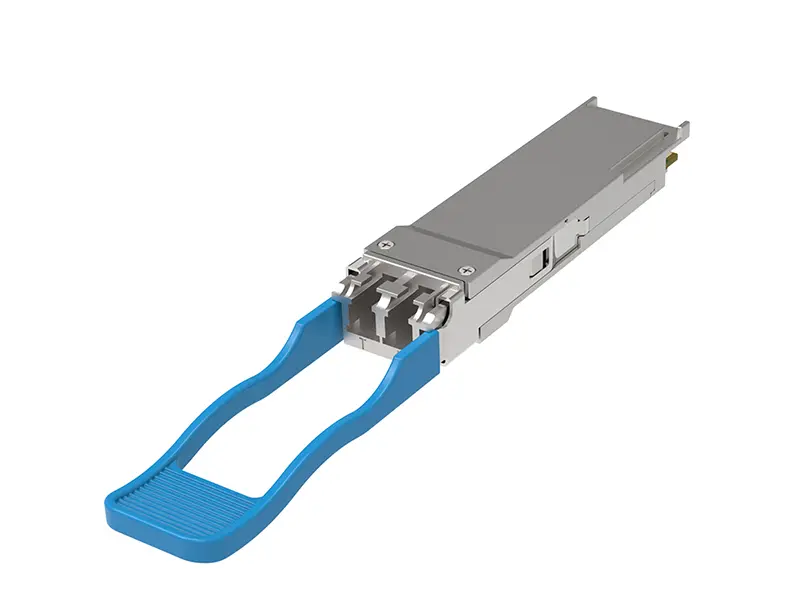
10GBASE-SRL is designed for short, high-speed links inside modern data centers. It typically operates at 10.3125 Gb/s over multimode optical fiber. An 850 nm VCSEL provides efficient short-distance transmission with relatively low power consumption. The common duplex LC interface also supports compact rack layouts and easier cable management.
Its practical reach depends on the fiber grade, connector quality, and link budget. Many deployments specify distances around 100 meters, making 10GBASE-SRL suitable for server-to-switch connections across nearby racks. Technicians should check attenuation, polarity, and connector cleanliness before installation. A tiny dust particle can create noticeable insertion loss. That detail is easy to underestimate.
The optical design supports stable, low-latency communication without electrical interference from nearby power equipment. This matters in dense environments filled with servers, storage systems, and cooling controls. Multimode fiber is also easier to handle than longer-reach optical infrastructure in many indoor pathways. However, SRL is not a universal replacement for longer-distance Ethernet. A poorly measured path can exceed its reliable range. Test results should guide the final choice, rather than assumptions based only on cable length. In real maintenance work, labeling each fiber and recording test readings can prevent avoidable troubleshooting later. Density matters. So does discipline.
10GBASE-SRL fits data center networks because it matches the short distances found between racks, switches, and storage systems. In practical deployments, multimode fiber can connect equipment across a server row without unnecessary reach or cost. The 10-gigabit rate supports virtualization, backup traffic, and database access with predictable performance. Latency stays low.
Its compact optical modules also suit dense switch panels. Less front-panel space is consumed, leaving room for additional links and cleaner cable routing.
Engineers can inspect fiber paths, verify light levels, and replace failed modules without disturbing nearby connections.
This simplicity improves daily maintenance. It matters during busy service windows.
10GBASE-SRL can also support gradual network upgrades when suitable multimode fiber already exists. That reduces recabling work and limits disruption inside operating facilities. However, distance, fiber quality, connector condition, and transceiver compatibility still require careful checks.
It is not a universal answer. Some environments need longer-reach optics or higher bandwidth. A reliable design should test the actual path, not trust a specification sheet alone. That small step is often overlooked.
Why Is 10GBASE-SR Ideal for Data Centers?
Fiber, Distance, and Connectivity Requirements
10GBASE-SR uses 850-nanometer multimode fiber for short, high-density links. IEEE 802.3 supports distances up to 300 meters over OM3 fiber. OM4 can extend the reach to 400 meters. That range fits most server-room, row-to-row, and adjacent-floor connections.
Its duplex LC connectivity also supports clean, predictable patching. In a typical rack, short fiber trunks reduce cable congestion and improve airflow around switches. This matters as equipment density increases. The 2024 Global Data Center Survey from Uptime Institute reported that 53% of respondents experienced an outage during the previous three years. Connectivity mistakes are not always the main cause, but poor labeling and patching can amplify recovery time.
10GBASE-SR is practical, yet distance assumptions can fail. OM2 fiber normally supports only 82 meters at 10 Gb/s. Excessive bends, dirty connectors, and poorly matched transceivers can reduce the real margin. I have seen “short” links become unreliable after several patch panels. That detail is easy to miss.
Tips: Keep each permanent link within the fiber standard’s distance limits. Clean and inspect every connector before insertion. Record the fiber type, polarity, port, and measured loss. Leave modest headroom instead of designing exactly to the maximum distance.
| Category | Specification or Requirement | Data Center Relevance |
|---|---|---|
| Ethernet Standard | 10GBASE-SR, defined for short-reach 10 Gb/s Ethernet over multimode fiber | Well suited to high-density connections between servers, switches, and storage systems. |
| Nominal Data Rate | 10 Gb/s Ethernet; 10.3125 GBd line signaling rate | Provides substantially higher capacity than 1 Gb/s links for east-west data center traffic. |
| Operating Wavelength | Nominal 850 nm | Supports cost-effective short-distance optical transmission using multimode components. |
| Light Source | VCSEL-based optical transmitter | Designed for efficient short-reach links with high port density and practical power consumption. |
| Supported Fiber Type | Multimode fiber, including OM1, OM2, OM3, and OM4 grades | Matches the structured cabling commonly used inside equipment rooms and data halls. |
| Core and Cladding Sizes | OM1: typically 62.5/125 µm; OM2–OM4: typically 50/125 µm | Fiber grade and link design directly affect the maximum supported distance. |
| Maximum Distance by Fiber Grade | OM1: up to 33 m; OM2: up to 82 m; OM3: up to 300 m; OM4: up to 400 m | Covers most server-to-switch and switch-to-switch connections within a data center. |
| Optical Configuration | Duplex transmission using two optical fibers: one transmit and one receive | Provides a straightforward point-to-point connection and simplifies troubleshooting. |
| Common Connector Format | Duplex LC is commonly used; connector selection must match the installed equipment and cabling | Small-form-factor connectors help maximize rack and patch-panel port density. |
| Typical Applications | Server-to-switch, switch-to-switch, storage, virtualization, and high-throughput uplinks | Supports demanding workloads while remaining appropriate for short cable pathways. |
| Distance Planning | The total channel length must remain within the limit for the selected fiber grade, including patching and routing | Allowing installation margin helps accommodate patch cords, moves, and future cabinet changes. |
| Installation Requirements | Clean end faces, correct polarity, compatible transceivers, controlled bend radius, and compliant optical loss | Proper installation reduces link failures, intermittent faults, and maintenance time. |
| Latency Consideration | Fiber propagation is approximately 5 ns per meter; a 100 m fiber span adds about 0.5 µs one way, excluding equipment delay | Short internal links help maintain predictable latency for distributed applications and storage traffic. |
| Key Advantages | High bandwidth, low electromagnetic interference, compact cabling, and practical short-reach coverage | Offers an efficient balance of performance, reach, cable density, and deployment cost for data center environments. |
Deployment Considerations and Common Limitations
10GBASE-SRL is attractive where short, predictable links matter. It typically uses multimode fiber and short-wavelength optics for server-to-switch connections. IEEE 802.3 defines 10GBASE-SR for short-reach 10 Gb/s Ethernet, while “SRL” may appear in equipment documentation. Verify the exact optical specification before ordering.
Standard multimode links commonly support up to 300 meters with suitable OM3 fiber and up to 400 meters with OM4 fiber. Real installations lose margin through patch panels, dirty connectors, tight bends, and aging equipment.
Keep links short.
Leave optical headroom.
The 2024 Uptime Institute Global Data Center Survey identifies power problems as a major contributor to reported outages. That finding indirectly supports simple, localized fiber designs: fewer conversion points can reduce operational complexity, but they cannot fix poor power or cooling planning. The Telecommunications Industry Association recommends structured cabling practices, polarity control, and documented test results. Do not skip certification testing.
It cannot replace longer-reach single-mode optics between distant buildings or across large campuses. It also requires compatible transceivers at both ends. Mixed fiber grades may work, but performance becomes harder to predict.
In practice, technicians often discover labeling errors only during migration. That is an avoidable weakness. Store insertion-loss results, port maps, fiber grades, and cleaning records before the first production cutover.