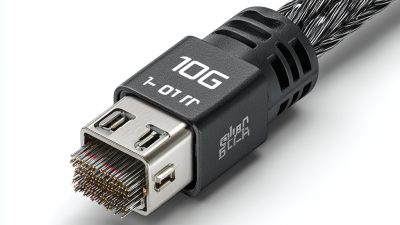
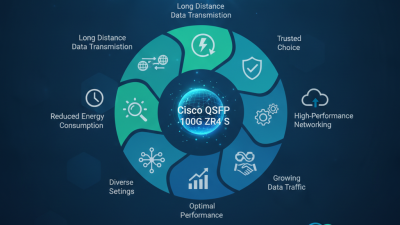
What is 10G Single Mode Fiber and Its Benefits for Buyers?
10G Single Mode Fiber (SMF) is rapidly becoming the standard for high-speed data transmission. According to a recent industry report by Fiber Optic Industries, the demand for fiber optic cables is expected to grow by over 20% annually through 2025. This increase is driven by the need for faster internet speeds and more reliable connections in various sectors, including telecommunications and data centers.
The advantages of 10G Single Mode Fiber are significant. It offers higher bandwidth, improved distance capabilities, and reduced signal loss compared to multi-mode fibers. Specifically, it can support distances of up to 40 kilometers without signal degradation. This capability is crucial as enterprises and service providers seek to enhance their network infrastructures, ensuring they keep pace with ever-growing data demands.
However, transitioning to 10G Single Mode Fiber does involve challenges. Some organizations may face initial cost barriers and the complexities of installation. Evaluating the return on investment is essential. It’s vital for buyers to weigh these factors against the long-term benefits of adopting 10G SMF technology. Understanding these dimensions can lead to more informed decisions in an evolving digital landscape.

What is 10G Single Mode Fiber and Its Definition
10G Single Mode Fiber (SMF) is designed for high-speed data transmission. Its core diameter is around 9 micrometers, enabling minimal light loss over long distances. This makes it ideal for telecommunications where signal integrity is crucial. According to industry reports, 10G SMF can reliably transmit data over distances exceeding 40 kilometers without significant signal degradation. This covers most urban and suburban networking needs effectively.
The technology behind 10G SMF ensures efficient bandwidth use. It supports advanced modulation formats, which enhance performance in dense networking environments. In a recent survey, 72% of network engineers indicated that using 10G SMF led to significant reductions in latency. However, not all installations yield the same results. Fiber handling and installation practices can greatly affect overall performance. A poorly managed installation can lead to increased attenuation, prompting concerns for system reliability.
Cost is another crucial factor for buyers. While 10G SMF installations require a higher initial investment, the long-term benefits often outweigh these costs. Research suggests that businesses can save up to 30% on operational costs over ten years when using 10G Single Mode Fiber. However, careful consideration is needed to assess whether the benefits justify the expense for specific applications. Each network's unique demands must guide such decisions.
Key Features of 10G Single Mode Fiber
10G Single Mode Fiber is known for its high-speed data transmission capabilities. It supports bandwidth-intensive applications. This fiber type uses a single light wavelength to send data over vast distances. Typically, it can reach up to 40 kilometers without signal loss. This is a significant advantage for telecommunications.
Key features include:
- Reduced modal dispersion which ensures clearer signals over long distances.
- Improved signal integrity, necessary for data centers and high-performance networks.
- Lower attenuation, allowing users to expect less signal degradation, which enhances performance.
Tips: When selecting fiber, consider the installation environment. Is it indoor or outdoor? Check for any potential signal interference. Planning ahead can save costs. Ensure compatibility with existing infrastructure. This might seem tedious, but it is crucial.
Maintenance is equally important. Regular checks can prevent issues. Always be prepared for changes in tech requirements. This ensures your system remains efficient. Investing in 10G Single Mode Fiber can drastically improve network reliability.
Advantages of 10G Single Mode Fiber for Network Performance
10G Single Mode Fiber (SMF) plays a crucial role in enhancing network performance. Its ability to transmit data over long distances with minimal signal loss sets it apart from traditional fiber options. According to the Fiber Optic Association, SMF offers a bandwidth of up to 10 Gbps over distances greater than 40 kilometers. This capability is essential for businesses relying on fast and reliable internet connections.
The use of 10G SMF fosters improvements in latency and speed. A report by the International Telecommunications Union highlights that, on average, single mode fibers provide a latency reduction of up to 25% compared to multimode fibers. This enhancement greatly benefits applications such as cloud computing and data centers, where mere milliseconds can affect performance. Moreover, 10G SMF supports multiple protocols and is adaptable to upcoming standards, securing investments in future technologies.
Some challenges remain with 10G SMF deployments. Installation costs can be higher due to specialized equipment and expertise. Additionally, careful planning is necessary to navigate potential compatibility issues with existing infrastructure. A detailed assessment is advisable to leverage the benefits of 10G SMF fully. The advantages are significant, but understanding these challenges is key for successful implementation.
Comparative Analysis with Other Fiber Types
The emergence of 10G Single Mode Fiber (SMF) is reshaping communication networks. This fiber type supports high bandwidth over long distances. It achieves data transmission rates up to 10 Gbps with minimal signal loss. In contrast, multimode fibers can only transmit effectively over shorter distances, typically around 300 meters for 10G signals. The choice between these fiber types is crucial for network infrastructure.
One significant benefit of 10G SMF is its superior performance in environments with high data demand. Research indicates that 10G SMF networks can reduce latency and increase reliability. According to a recent industry report, the demand for 10G solutions will grow by 15% annually through 2026. This trend highlights why businesses are investing in single-mode technologies.
Tip: When selecting fiber optic types, consider your organization's data needs. Evaluate future scalability. Choose a type that meets both current and projected requirements.
However, 10G SMF may not be the best option in all scenarios. Installation and equipment costs can be higher than those for multimode fibers. Some organizations may face challenges in adapting existing infrastructure. A thorough cost-benefit analysis is essential before making decisions.
Tip: Always assess installation and long-term maintenance costs. This can significantly impact your network budget.
What is 10G Single Mode Fiber and Its Benefits for Buyers? - Comparative Analysis with Other Fiber Types
| Fiber Type |
Maximum Distance (km) |
Data Rate (Gbps) |
Cost (Per Meter) |
Use Case |
| 10G Single Mode Fiber |
40 km |
10 Gbps |
$0.20 |
Long-distance telecommunications |
| 10G Multimode Fiber |
300 m |
10 Gbps |
$0.15 |
Data centers, LAN applications |
| 40G Single Mode Fiber |
100 km |
40 Gbps |
$0.40 |
High-capacity networks |
| 100G Single Mode Fiber |
80 km |
100 Gbps |
$0.60 |
Long-haul telecommunications |
Considerations for Buyers When Choosing 10G Single Mode Fiber
When considering 10G single mode fiber, buyers should account for several important factors. The length of the fiber run plays a crucial role; single mode fiber can transmit data over longer distances compared to multimode fiber. This attribute can be especially beneficial in large buildings or sprawling campuses, where connectivity is vital. Fiber loss also needs evaluation. With 10G single mode fiber, you experience less signal loss, which translates to more reliable connections.
Another area of focus is the installation environment. Outdoor installations may require additional protective measures, while indoor setups could allow for simpler management. Buyers often overlook compatibility with existing infrastructure. Ensure that any new fiber can integrate seamlessly with current systems. Proper planning in collaboration with professionals helps mitigate costly errors. Different applications may demand varying specifications, so understanding specific needs is key.
Cost considerations should not be underestimated. While 10G single mode fiber can initially be a higher investment, it often leads to lower operational costs in the long run due to its durability and efficiency. Reflect on the total cost of ownership rather than just the upfront price. An informed decision balances quality with budgetary constraints, ensuring long-term satisfaction and performance.

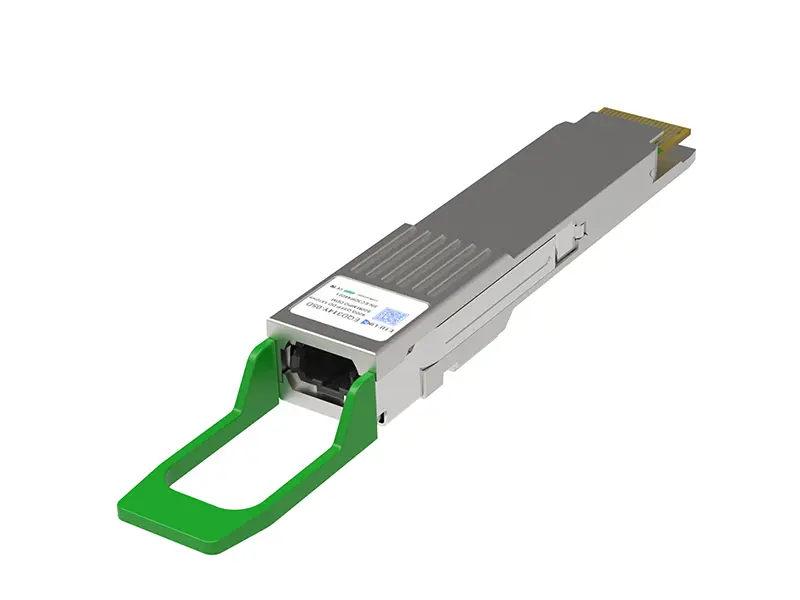 400G
400G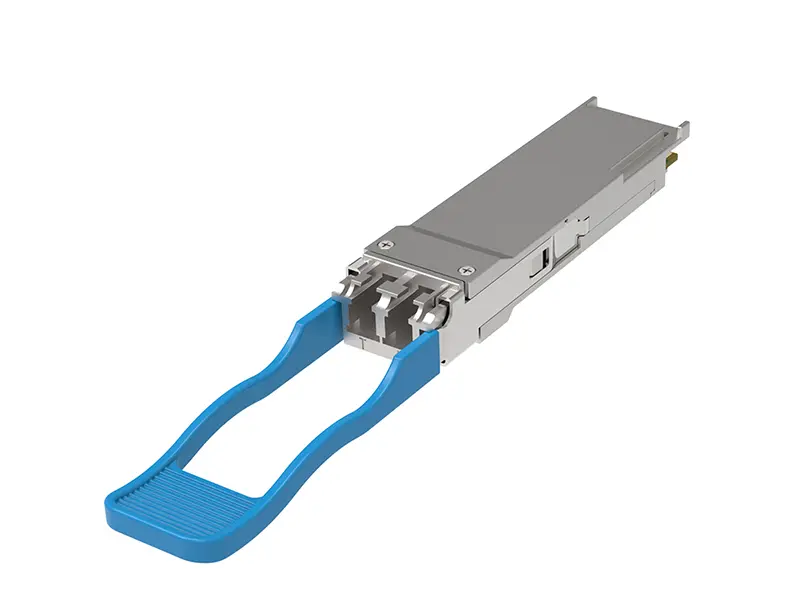 200G
200G 100G
100G 40G
40G 25G
25G 10G
10G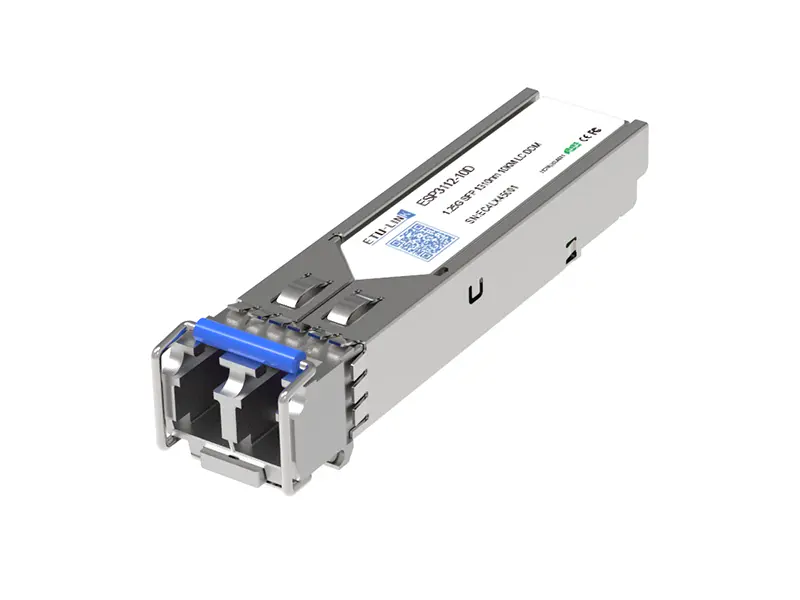 1G
1G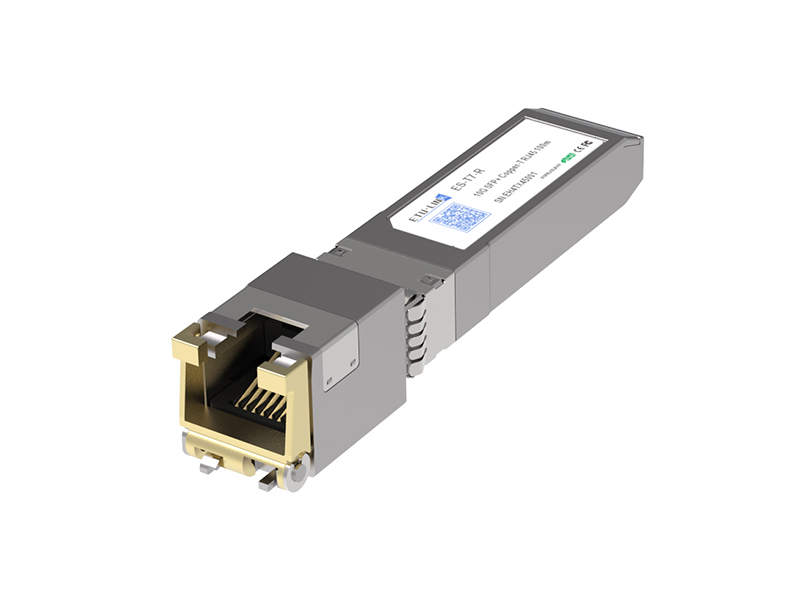 COPPER-T
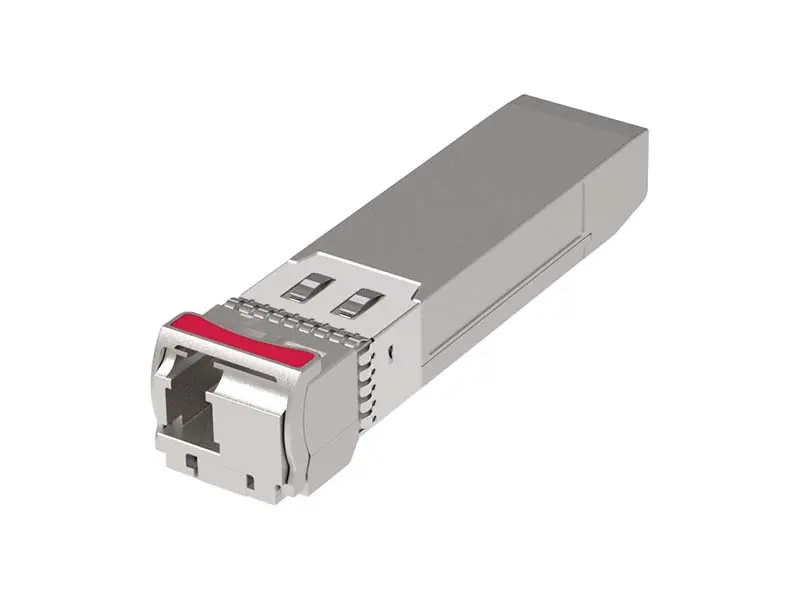 Other
Other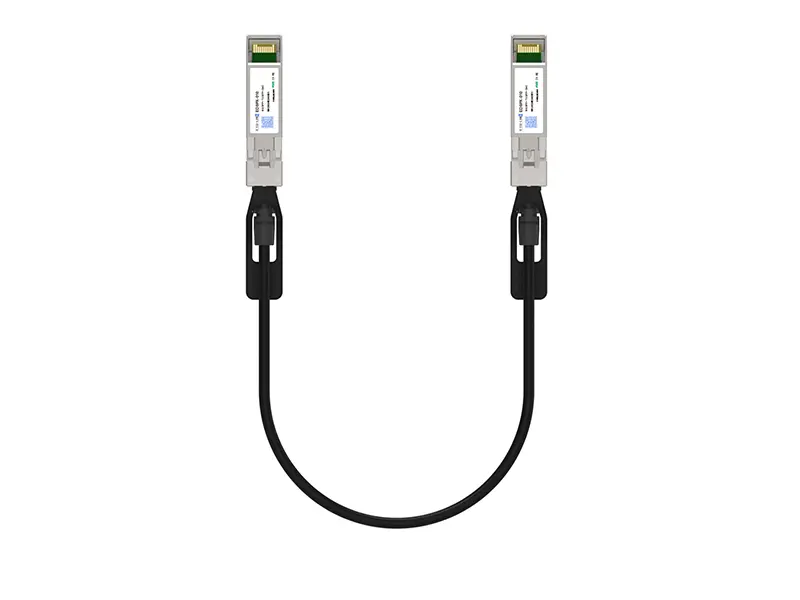 10G SFP+ DAC
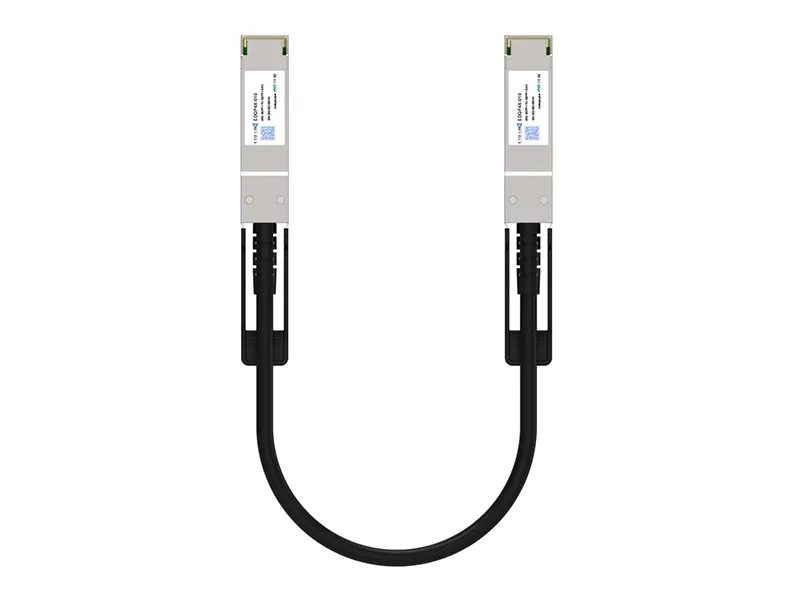 40G QSFP+ DAC
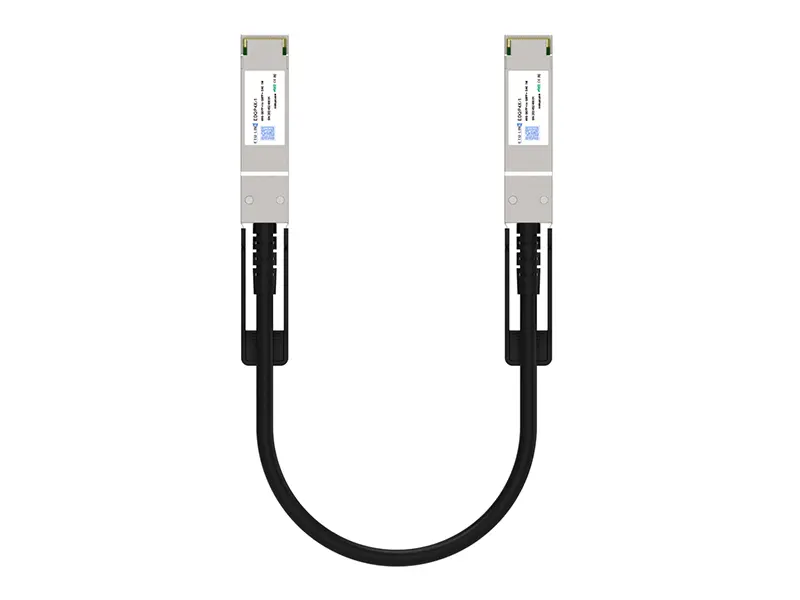 56G QSFP+ DAC
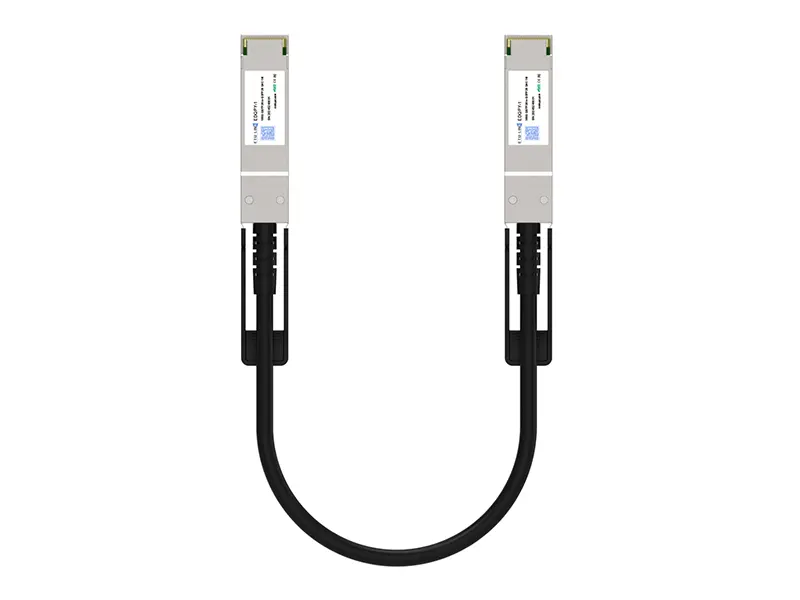 100G QSFP28 DAC
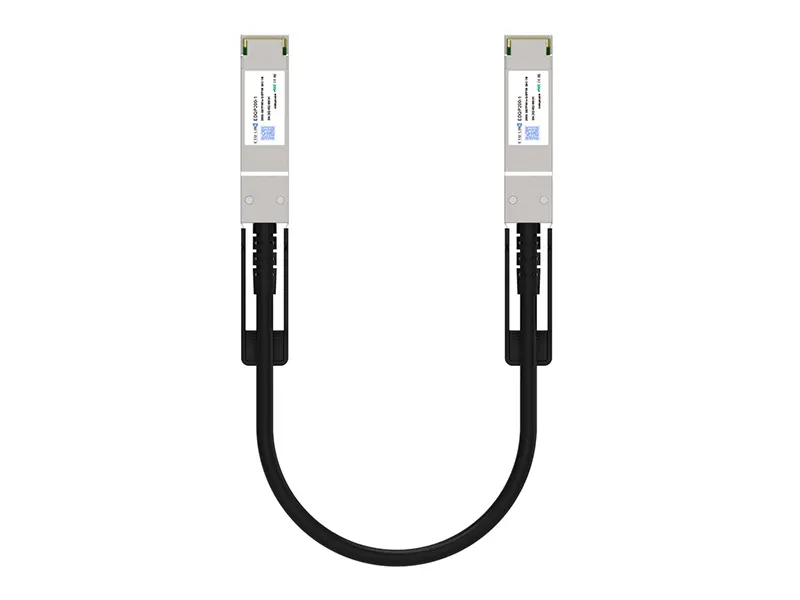 200G QSFP56 DD DAC
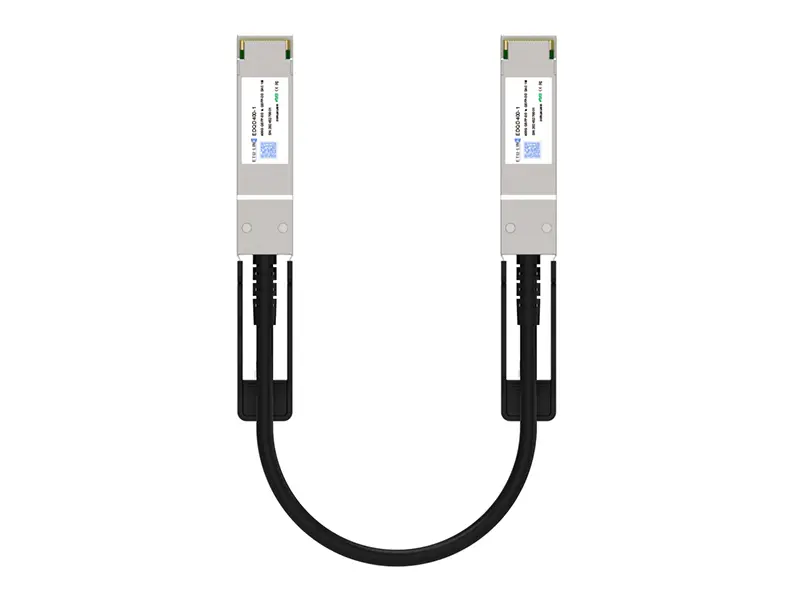 400G QSFP DD DAC
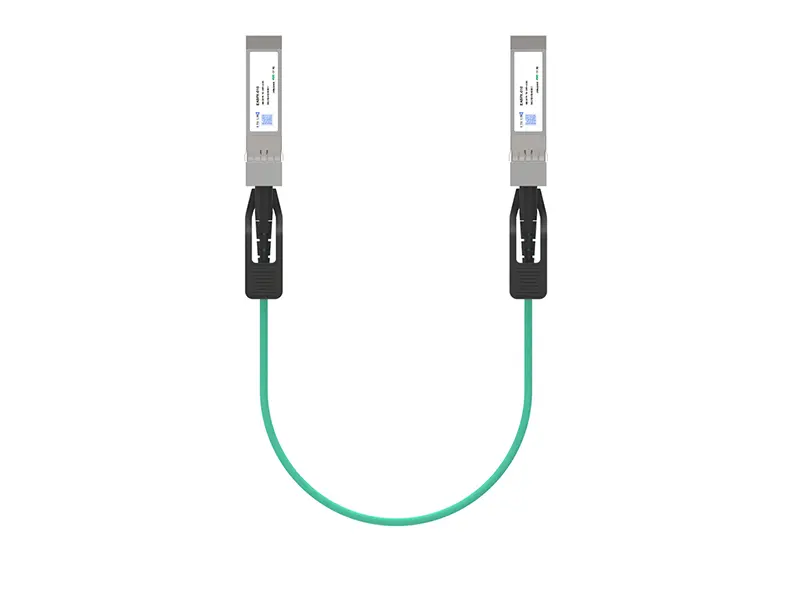 10G SFP+ AOC
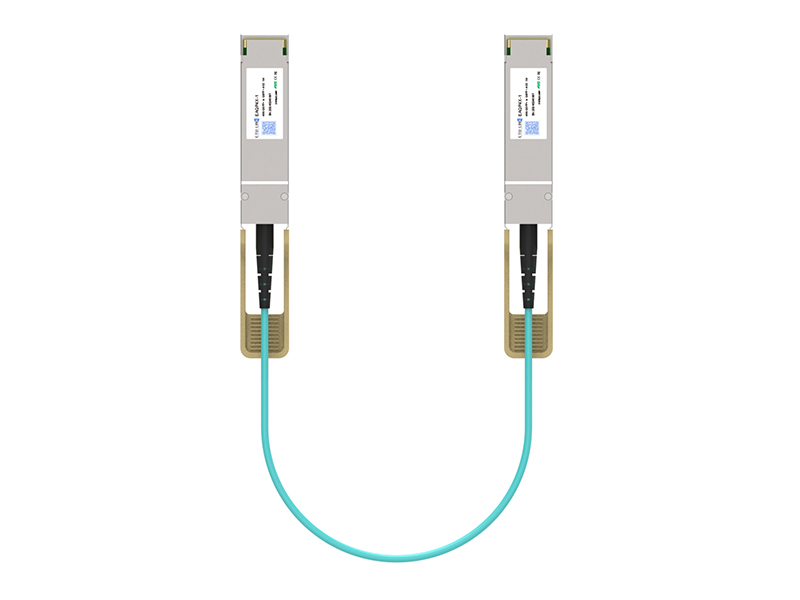 40G QSFP+ AOC
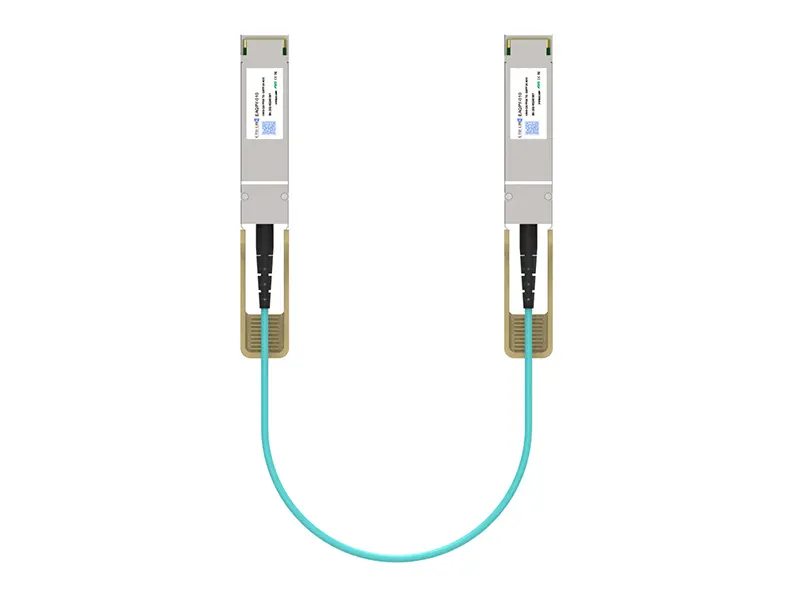 100G QSFP28 AOC
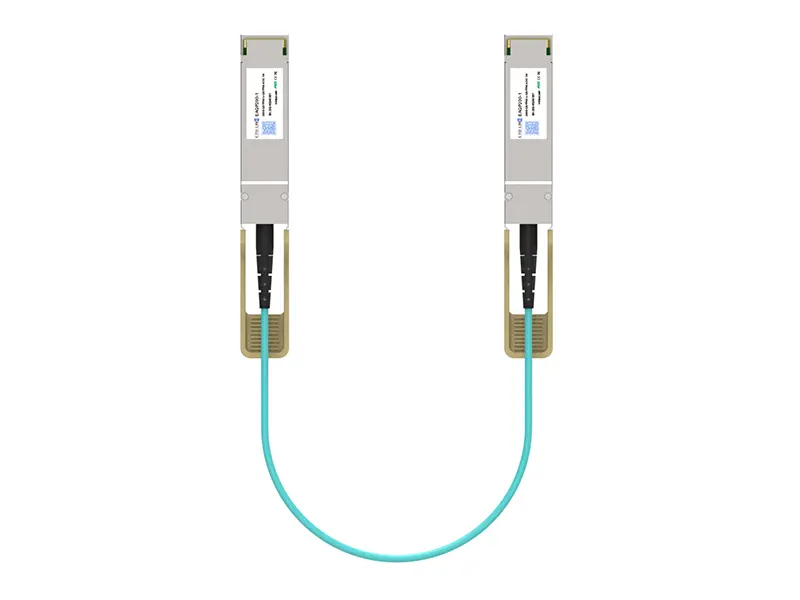 200G QSFP56 AOC
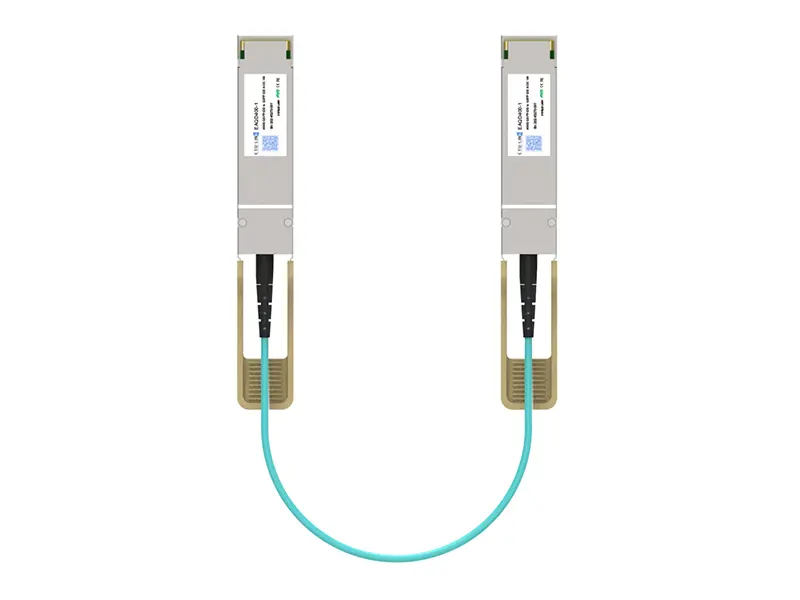 400G QSFP-DD AOC
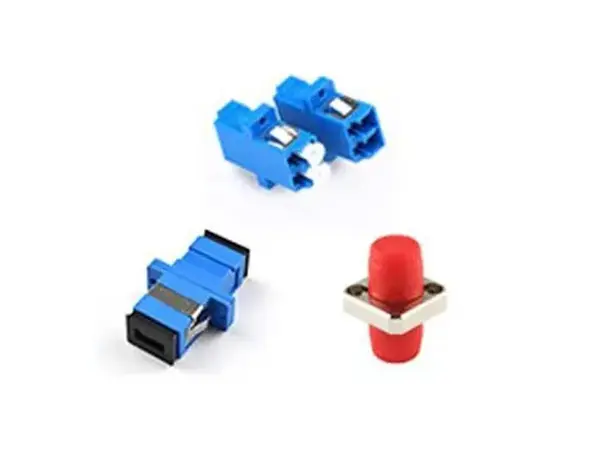 Adapter Details
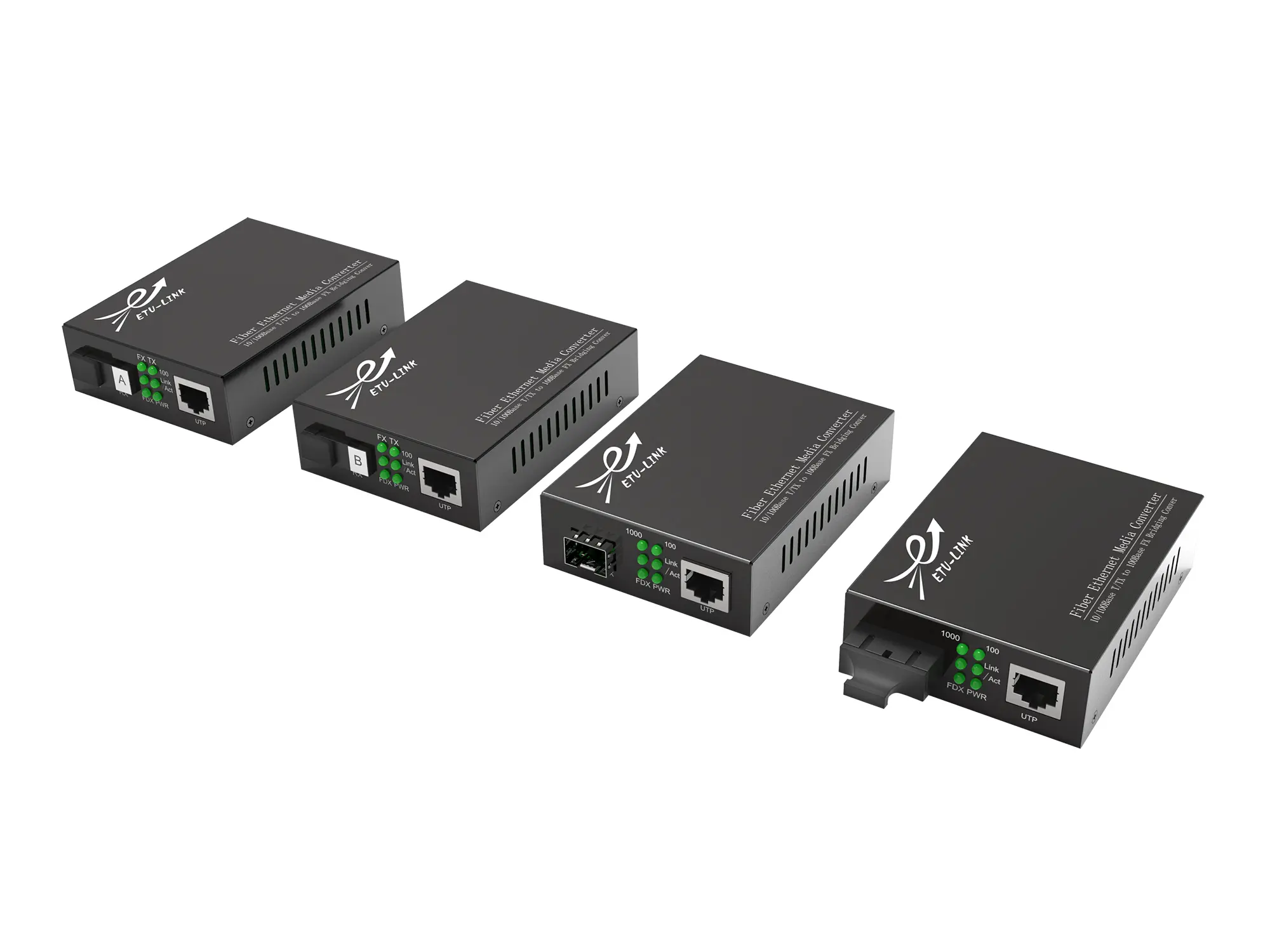 Media Converter