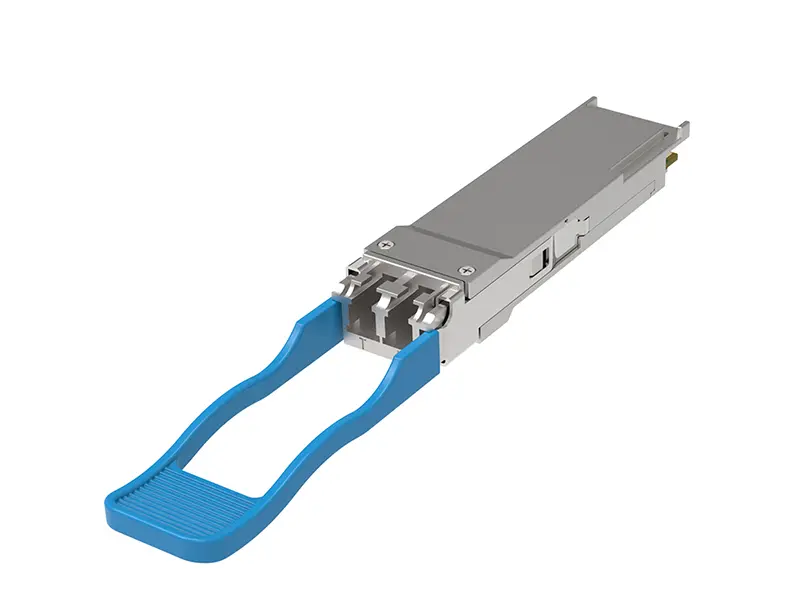
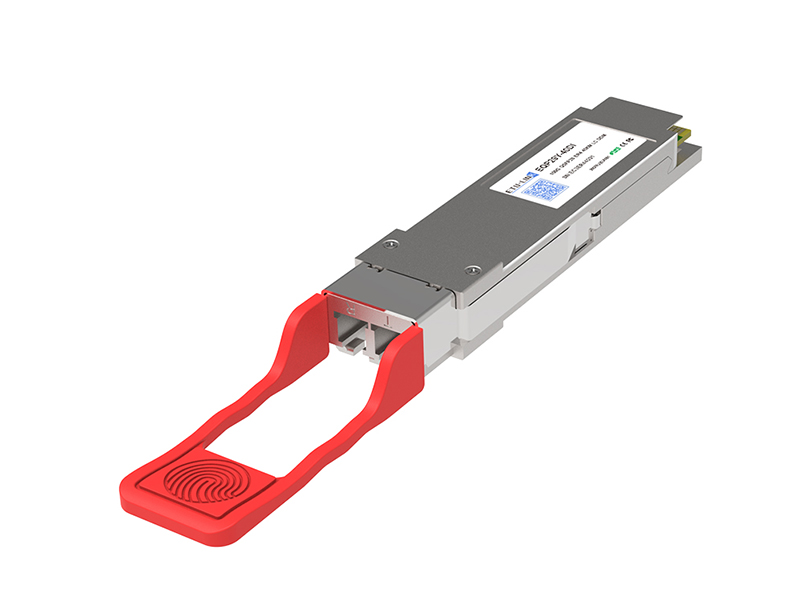
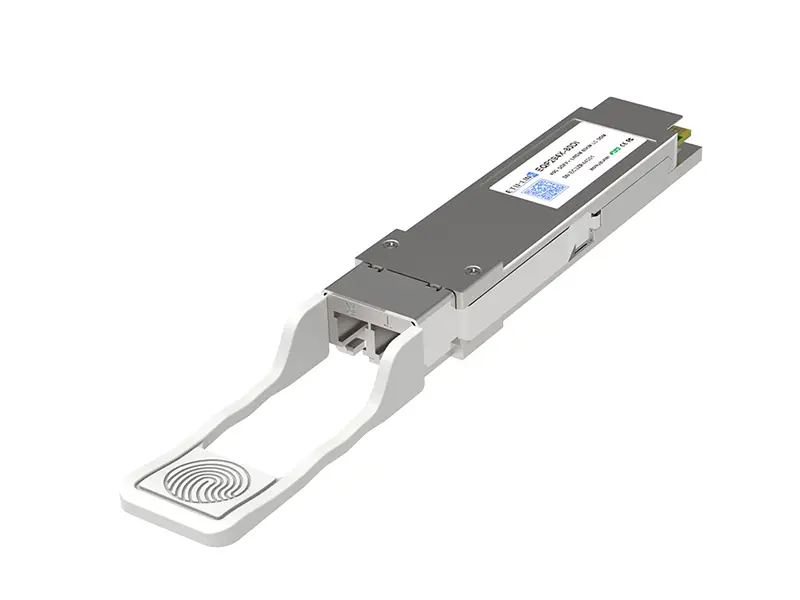
Leave Your Message

What Is a 400G OSFP AOC Cable?

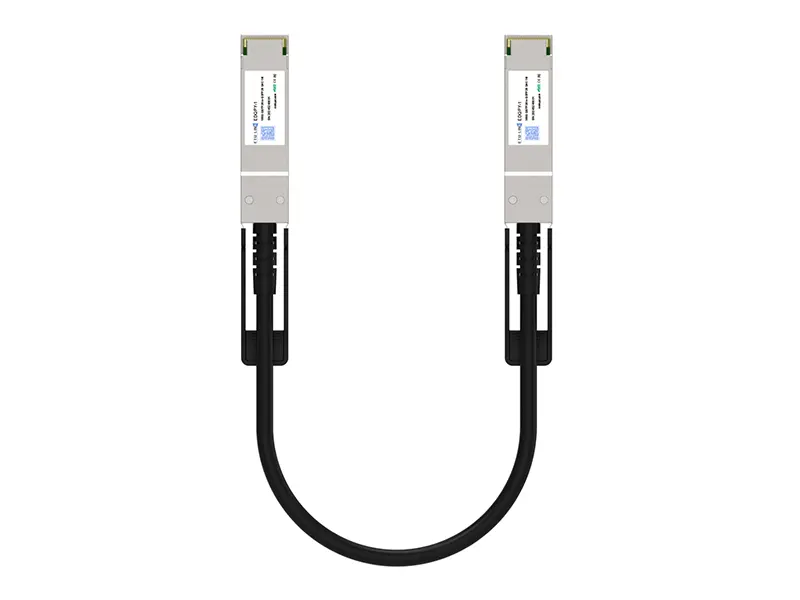
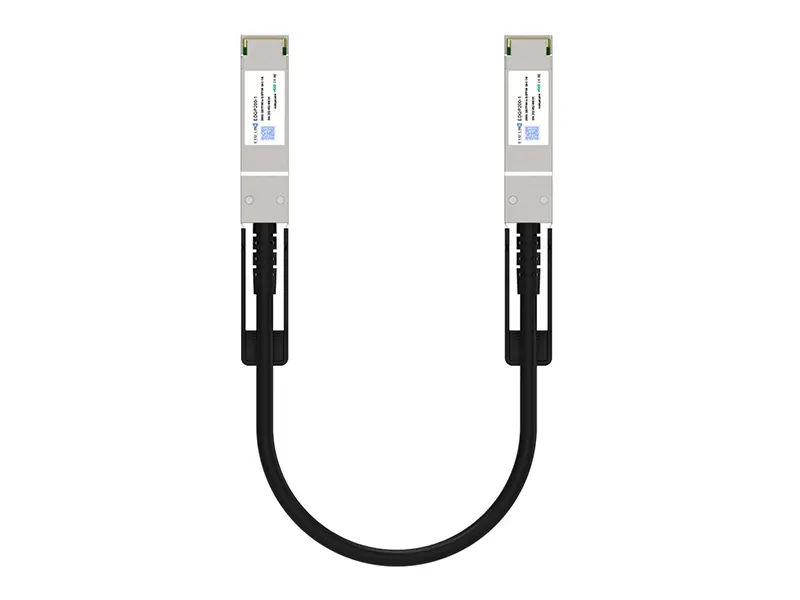
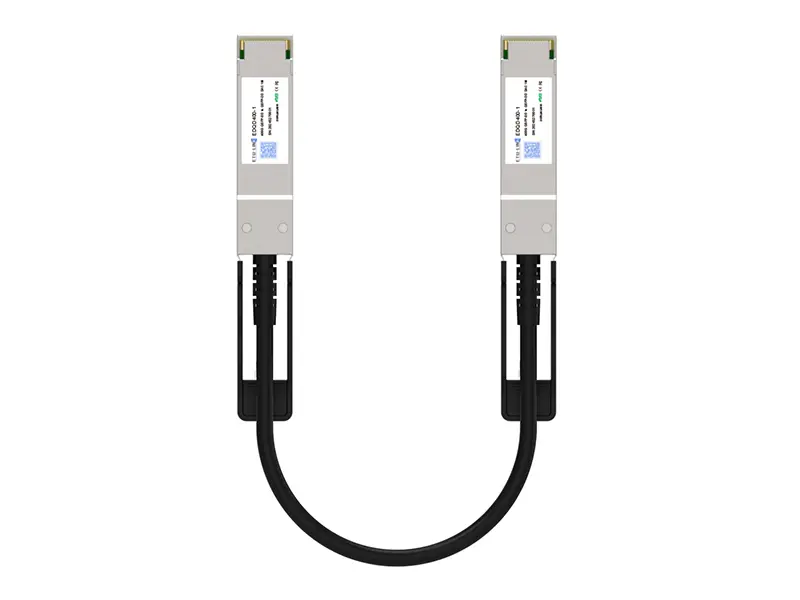
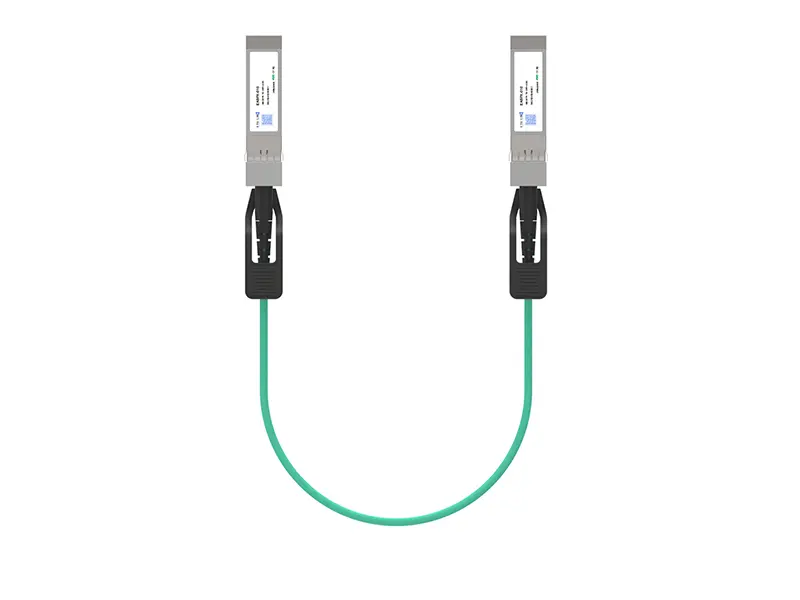
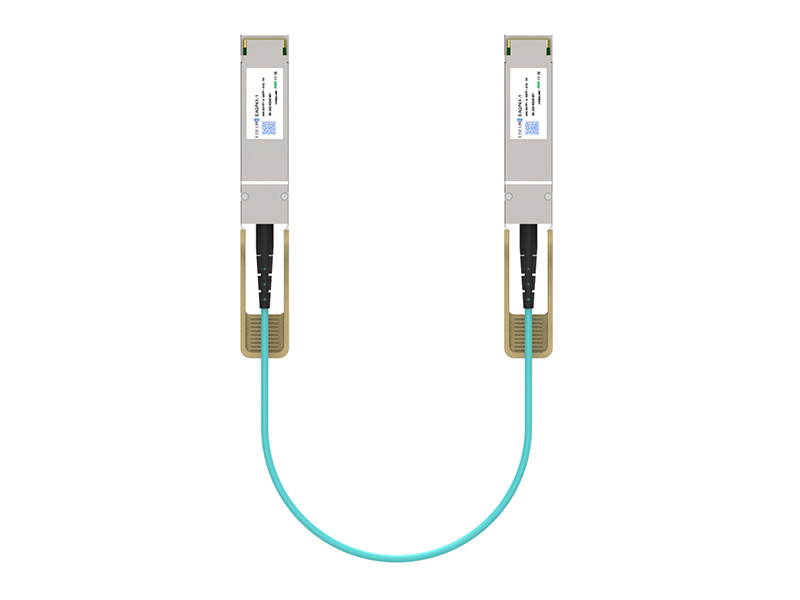
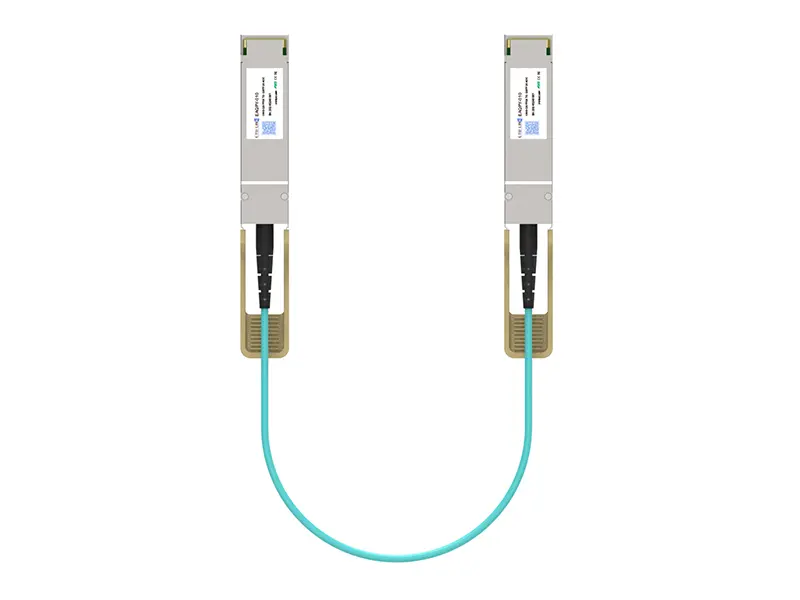
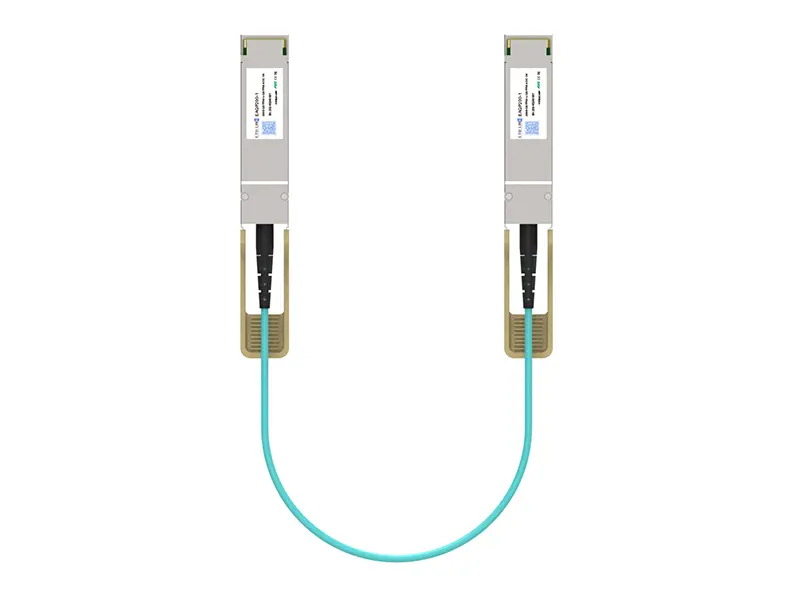
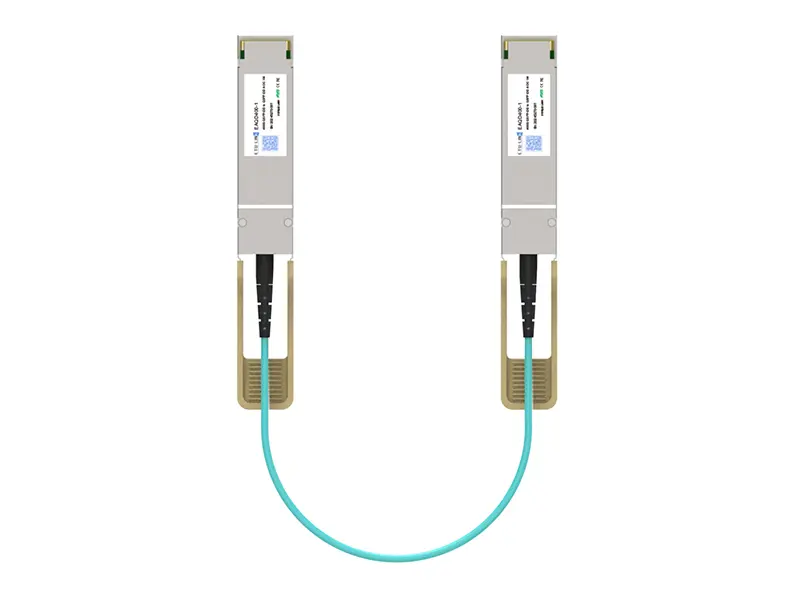
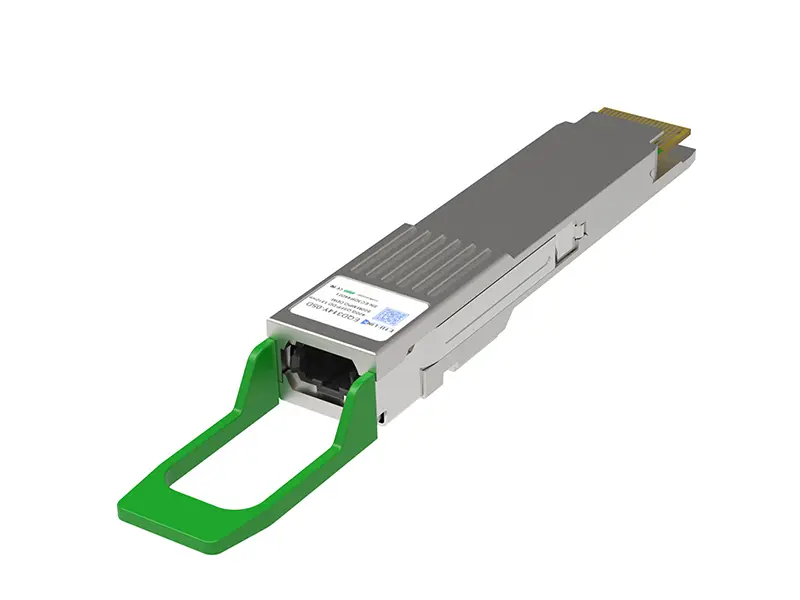
A 400G OSFP AOC is an active optical cable designed to connect equipment through OSFP ports at up to 400 gigabits per second. It combines optical engines and fiber strands inside one factory-terminated assembly. Plug in both ends. No separate transceivers are needed.

In a data center, this cable can link a switch to a server or connect switches across a rack. Its optical path can support longer reaches than many passive copper cables, while avoiding some copper-cable weight and signal-integrity limits. Exact reach depends on the product. Check the manufacturer’s specifications.

The OSFP form factor is built for high-density, high-speed systems, but physical fit alone does not guarantee compatibility. Verify the host’s supported cable type, firmware requirements, and operating conditions before deployment. Also check bend radius and airflow near densely packed ports. Small details matter.

A 400G OSFP AOC may simplify installation, yet it is not a universal fix. Its fixed length can limit later rack changes, and a cable fault may require replacing the assembly. Plan the route first.

I can’t verify a named expert quotation from the material provided, so I won’t invent one or attribute words without a reliable source. A sourced expert comment can add useful context, but it should be checked before publication. The specifications tell part of the story. Real compatibility testing tells the rest.
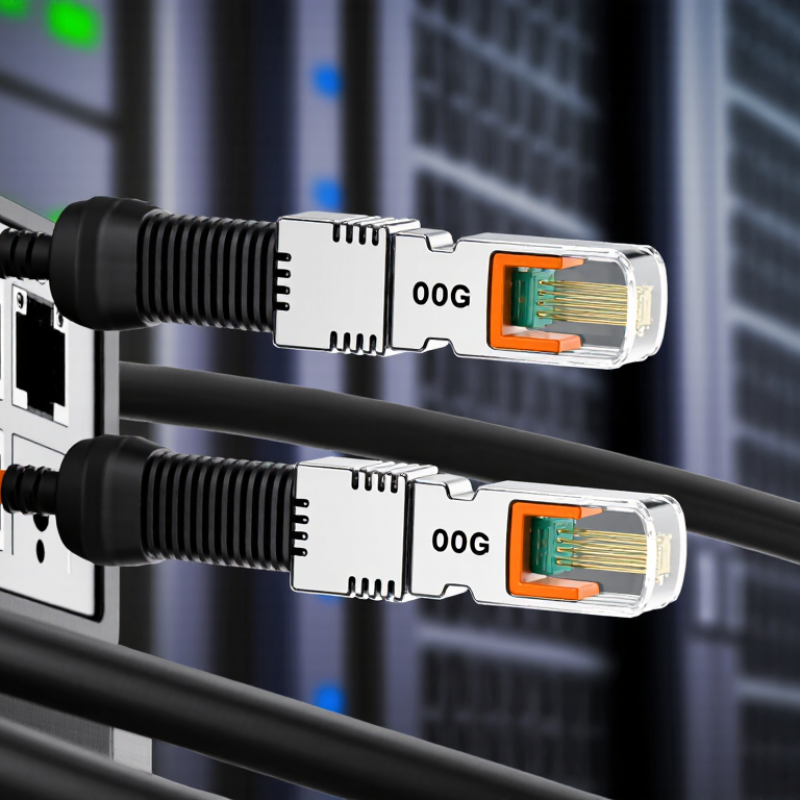
What Is a 400G OSFP AOC Cable?

What a 400G OSFP AOC Cable Is

A 400G OSFP AOC cable is a factory-assembled optical link with an OSFP connector at each end. AOC means active optical cable: electronics inside the connector housings convert electrical signals into light and back again. The cable carries up to 400 gigabits per second across its optical fibers. No separate transceivers or detachable fiber patch cords are needed.

In a data center, one end may plug into a switch and the other into a server or another switch. The cable’s slim fiber bundle can help reduce copper-cable weight in crowded racks. It is often used for short, direct connections, but supported distance depends on the cable specification. Check the equipment’s OSFP support, link speed, and required reach before installation. Small details matter.

Because the optical engines are attached to the cable, installation is straightforward, but repair is less flexible. If a connector housing or cable is damaged, the complete assembly may need replacement. Not always ideal. The label “400G” also describes aggregate link capacity, not a promise that every connected device will deliver that throughput. Heat, airflow, port configuration, and system compatibility still affect operation. In practice, product specifications can be easy to skim past, especially when several cable lengths look nearly identical.
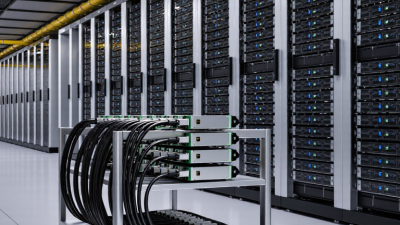
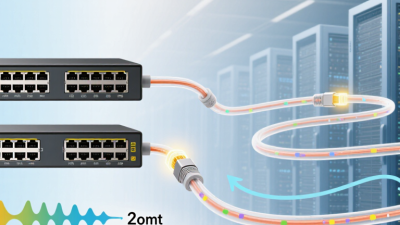
How Its Optical and Electrical Components Work

What Is a 400G OSFP AOC Cable?
How Its Optical and Electrical Components Work

A 400G OSFP AOC cable connects compatible network equipment using an OSFP plug at each end and a fixed fiber-optic cable between them. AOC means active optical cable: electronics inside the plugs convert electrical data into light, then convert incoming light back into electrical signals. The fiber carries the data across the link.

At the transmitting end, the host device sends electrical signals through the OSFP interface. Driver circuitry prepares them for optical transmitters, which encode the data as light pulses. Fine glass fibers guide those pulses to the receiving end. There, photodetectors turn the light back into electrical signals, and receiver circuitry conditions them for the host. The cable’s internal electronics also help manage signal integrity and operating conditions. Heat still matters. A tightly packed switch can make airflow and cable temperature worth checking.

Tips: Confirm the switch’s OSFP type, supported speed, and cable reach before installation. Check that both ends seat firmly, and keep fiber bends gentle. A link may fit physically yet still need device-level compatibility checks.

Key Design Features and Performance Characteristics

A 400G OSFP AOC combines OSFP connectors with a factory-attached optical cable. Electrical signals are converted to light inside the connector ends, so the link avoids separate transceivers and patch cords. Many designs use eight 50 Gb/s lanes to deliver 400 Gb/s aggregate bandwidth. The exact lane mapping and reach depend on the cable’s specifications.

IEEE 802.3bs-2017 defines 400 GbE physical-layer options, including 400GBASE-SR8, with reach up to 100 metres over OM4 multimode fiber. This is a useful reference, not a guarantee that every AOC reaches 100 metres. Check the cable’s rated distance and host compatibility before deployment. That matters in practice. A short link between a switch and a nearby server can be neat and light, while longer runs need careful routing and bend-radius checks.

The integrated ends simplify installation, but they still contain active electronics and generate heat. Dense OSFP ports can make airflow and access awkward. I would also leave room for cable movement; a tidy rack photo rarely shows the strain of later maintenance. Not quite plug-and-forget. IEEE’s reach figures describe standardized interfaces, while actual AOC performance should be confirmed from measured insertion loss, error-rate testing, and the supplier’s operating-temperature data.

Where 400G OSFP AOC Cables Are Used

Where 400G OSFP AOC Cables Are Used

A 400G OSFP active optical cable connects equipment through optical fiber, with OSFP connectors attached at both ends. It is commonly used inside data centers, where high-capacity switches link to servers, storage systems, or other switches. In a leaf-spine network, these cables can carry traffic between racks without adding separate optical transceivers.

They are especially useful when a copper connection is too short for the planned layout or difficult to route through a crowded rack. The cable is lighter than many copper alternatives and does not carry electrical interference along its length.

Short links matter.

In dense GPU and high-performance computing clusters, 400G connections can support heavy traffic between compute nodes and network equipment. Heat still matters: OSFP ports and nearby components need adequate airflow.

AOC cables suit fixed connections where the required reach is known and both devices support the cable’s specifications. Check port compatibility, cable length, routing space, and bend limits before installation. An AOC is not automatically the neatest answer; its attached ends make replacement different from swapping a separate transceiver and fiber patch cord. A label at each end and a link check after installation can prevent a small cabling mistake from becoming a long troubleshooting session.

How to Choose a Cable for a Network Setup

What Is a 400G OSFP AOC Cable?

How to Choose a Cable for a Network Setup

A 400G OSFP AOC combines OSFP electrical interfaces with permanently attached fiber. It carries high-speed data between compatible switch or server ports without separate optical transceivers.

Before choosing one, confirm that both devices support the same 400G interface and OSFP type. Check firmware compatibility, too. A matching connector alone is not enough.

Measure the actual cable path

Measure the actual cable path, including rack routing and service loops. Many 400G AOCs come in fixed lengths, and supported reach varies by design, so verify the stated distance rather than assuming.

Check airflow and port density as well: OSFP modules can affect neighboring ports and cage temperatures. The IEA’s 2025 Energy and AI report estimates data-center electricity use could rise from about 415 TWh in 2024 to 945 TWh by 2030. That projection is not a cable-sizing rule, but it underscores why capacity and power planning belong together.

Measure twice.

One easy mistake is ordering for the straight-line distance; real racks need slack, yet excess cable can obstruct airflow. A small margin helps, but too much becomes clutter.