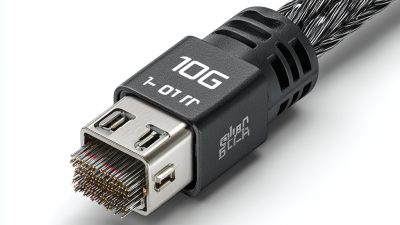
2026 Top Benefits of 10G Single Mode Fiber for Global Buyers?
As the demand for faster connectivity grows, 10G Single Mode Fiber emerges as a transformative solution. This technology offers high-speed data transmission over long distances. It holds the potential to revolutionize communication networks for various industries.
One key advantage of 10G Single Mode Fiber is its ability to support bandwidth-intensive applications. As businesses expand, they require robust and reliable infrastructure. This fiber type minimizes signal loss, ensuring consistently high performance. However, not all buyers are fully aware of these benefits.
Investing in 10G Single Mode Fiber can yield significant returns. It safeguards data integrity and enhances operational efficiency. Still, potential buyers must evaluate their specific needs. Understanding the technology's capabilities and limitations is crucial for informed decision-making.
Key Advantages of 10G Single Mode Fiber for International Markets
In the modern world, the demand for faster internet speeds continues to rise. 10G Single Mode Fiber (SMF) presents a compelling solution for international markets. This technology supports extremely high bandwidth, capable of transmitting data at speeds up to 10 Gbps. According to a report by a leading telecommunications research firm, the global market for fiber optic cables is projected to reach $15 billion by 2025. The increasing adoption of cloud services and IoT devices drives this growth.
10G SMF offers numerous advantages for global buyers. It ensures superior signal quality over long distances, minimizing data loss and latency. Studies indicate that using SMF can reduce energy costs by up to 30% compared to multimode fibers. This efficiency is crucial for businesses looking to optimize operational budgets. Furthermore, the long lifespan of 10G SMF reduces the need for frequent upgrades, making it a cost-effective investment.
However, relying solely on advanced technologies can have drawbacks. Companies must weigh the initial setup costs against long-term benefits. It's vital to consider local infrastructure and compatibility. Not all regions are equipped for the transition to 10G SMF. Therefore, a thorough assessment of both technical capabilities and market needs is essential for successful implementation.
Enhanced Bandwidth and Speed Capabilities of 10G Fiber Optics
10G single mode fiber optics represent a significant leap in bandwidth and speed. With 10 gigabits per second capacity, this technology can support demanding applications. Businesses can transfer large data volumes swiftly. This is crucial for data centers, cloud services, and enterprises handling high-definition video.
The enhanced speed reduces latency. Users experience smooth online interactions. Professionals rely on it for teleconferencing and remote work. The technology also caters to growing Internet of Things (IoT) devices. As more devices connect, consistent performance becomes vital.
Adoption of 10G fiber optics might reveal challenges. Upgrading existing infrastructure requires planning and investment. Some may find the transition complex. Learning curves may occur for teams responsible for maintenance. Despite these hurdles, the benefits often outweigh the limitations. Grasping the potential of 10G fiber optics can position businesses for future growth.
2026 Top Benefits of 10G Single Mode Fiber for Global Buyers
This chart illustrates the top benefits of 10G single mode fiber as reported by global buyers in 2026. Enhanced bandwidth and speed capabilities are paramount, with a significant percentage acknowledging the advantages of low latency and improved scalability.
Cost Efficiency and Long-Term Savings with 10G Single Mode Fiber
The emergence of 10G Single Mode Fiber has brought significant cost efficiency.
This technology allows for faster data transmission over longer distances. The reduction in the number of required repeaters lowers installation costs substantially. Many businesses find that while the initial investment may be higher, operational expenses decrease.
Moreover, organizations can save on maintenance costs as single mode fiber lasts longer than traditional options. The longevity reduces the need for frequent upgrades. However, implementing this technology can be daunting. Transitioning from older systems requires careful planning and training. Teams must familiarize themselves with new equipment and installation methods.
Additionally, efficiency is only part of the equation. Smaller companies might initially feel overwhelmed. They need to assess whether the transition aligns with their growth strategy. There’s also a chance that some older infrastructures may not support the new technology seamlessly. However, for those who embrace it, the long-term savings and enhanced performance present compelling reasons to explore 10G Single Mode Fiber. It’s a proactive choice for the future.
Improved Reliability and Performance in Various Applications
The transition to 10G single-mode fiber (SMF) is revolutionizing connectivity across industries. Improved reliability and performance stand out as key benefits. Reportedly, 10G SMF can reduce latency to below 1 millisecond, making it ideal for real-time applications. This is especially crucial in sectors like finance and telemedicine, where every millisecond counts.
In harsh environments, 10G SMF offers enhanced durability. Its robust construction withstands extreme temperatures and physical stress. According to industry studies, SMF links can achieve up to 99.999% uptime. This reliability supports mission-critical systems that cannot afford disruptions. While installing 10G SMF may initially seem daunting, proper planning ensures effective deployment and long-term benefits.
A solid strategy for implementing 10G infrastructure can provide a competitive edge. Organizations should consider scalability when investing in new technologies. Embracing adaptability is essential as demands shift. Reflecting on the integration of new systems is important to avoid potential setbacks. Engaging with knowledgeable professionals can help address challenges and optimize performance.
Global Trends Driving the Adoption of 10G Fiber Technology
The adoption of 10G single mode fiber technology is accelerating globally. Organizations are recognizing its potential for higher bandwidth and improved data transmission rates. As businesses demand more reliable connectivity, 10G fiber becomes an attractive solution. Network efficiency improves significantly, making it a necessity for data-intensive operations.
Incorporating 10G fiber can reduce latency, enhancing user experience. Many businesses see a direct link between speed and customer satisfaction. As online transactions increase, robust infrastructure becomes vital. It’s important to assess your current network capabilities before upgrading. A thoughtful approach can help you avoid unnecessary costs.
When considering 10G fiber, evaluate your future needs. Trends show that multimedia applications and the Internet of Things (IoT) are on the rise. Small businesses may feel overwhelmed by the rapid pace of change. However, they can develop a phased strategy. Start with the most critical areas of your operations. This keeps investment manageable while still reaping benefits.

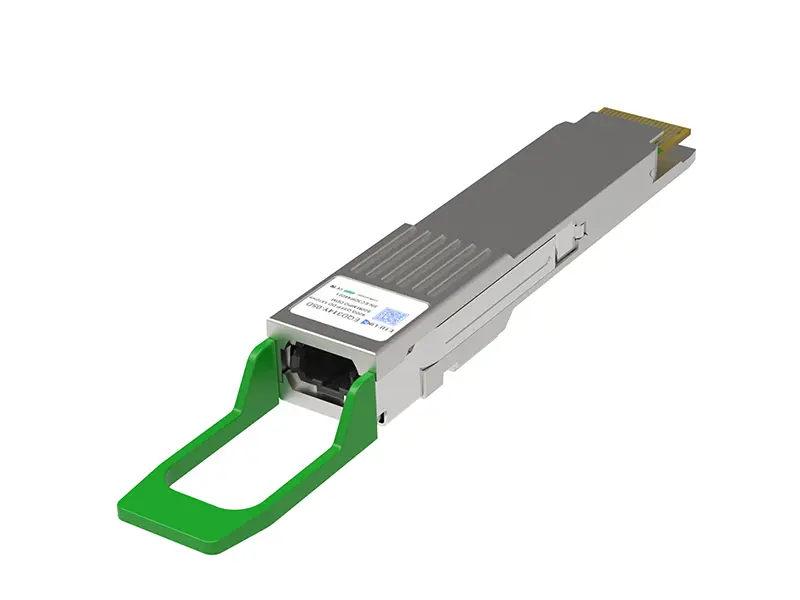 400G
400G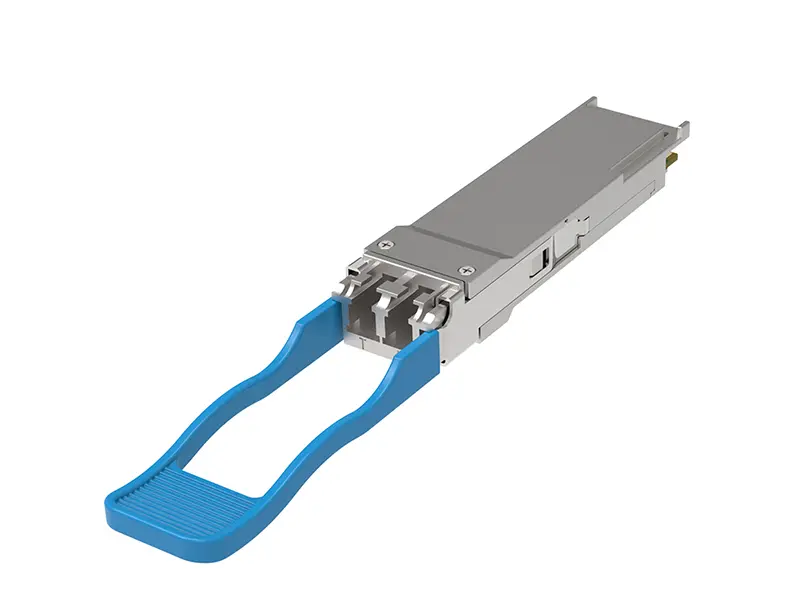 200G
200G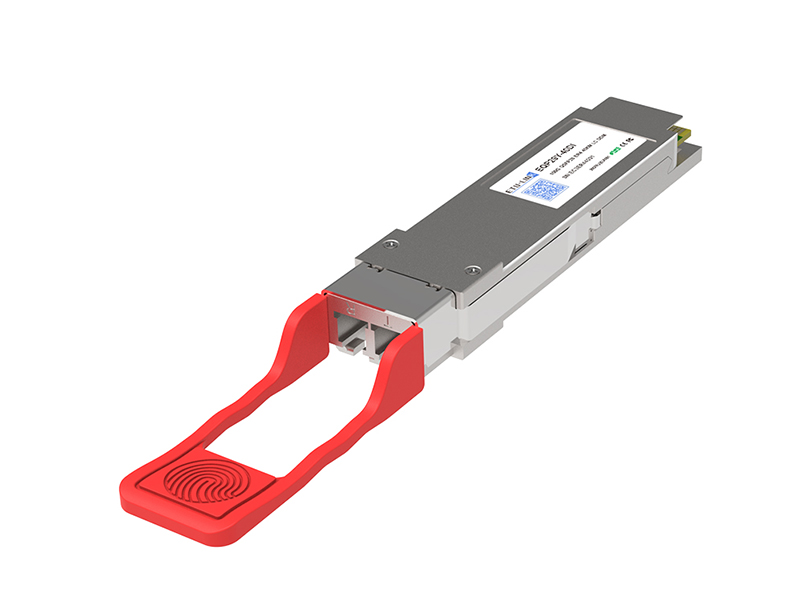 100G
100G 40G
40G 25G
25G 10G
10G 1G
1G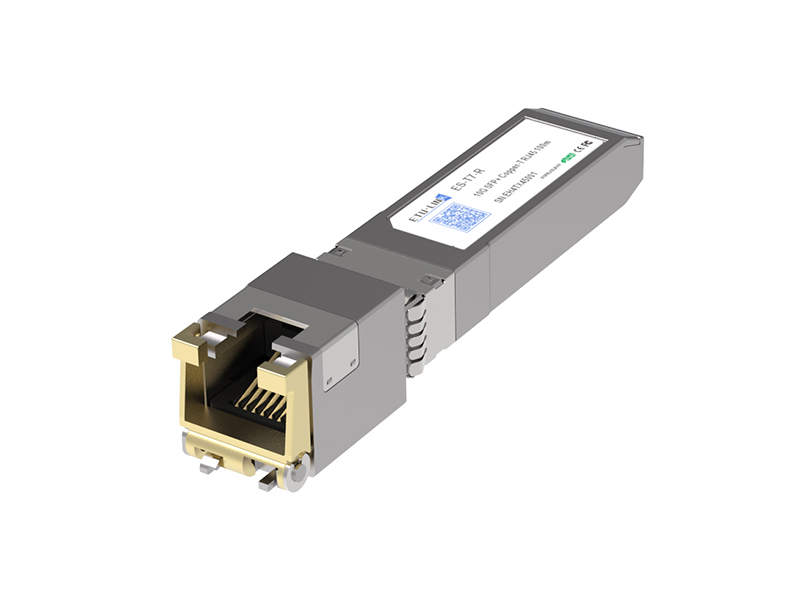 COPPER-T
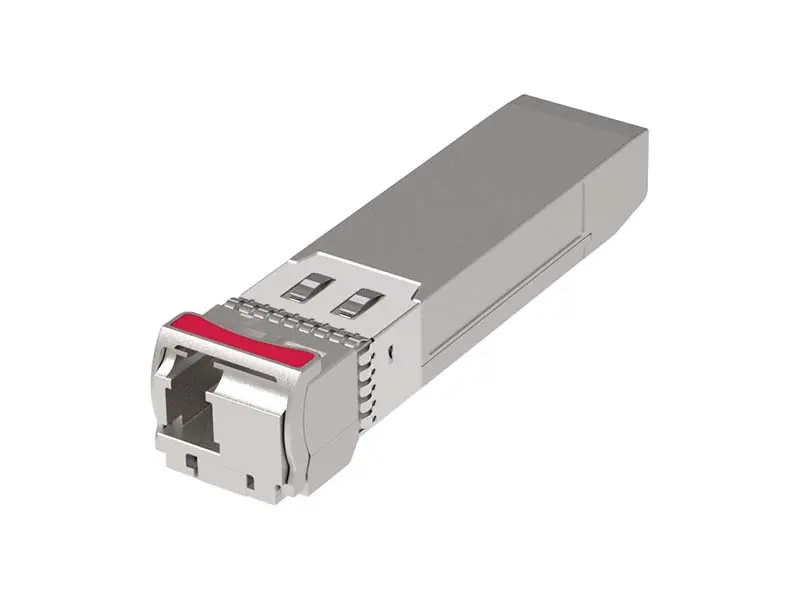 Other
Other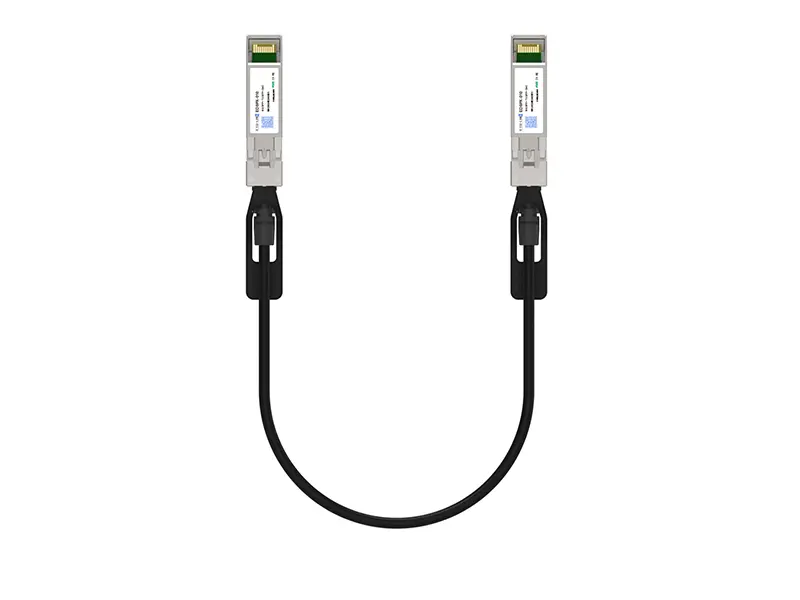 10G SFP+ DAC
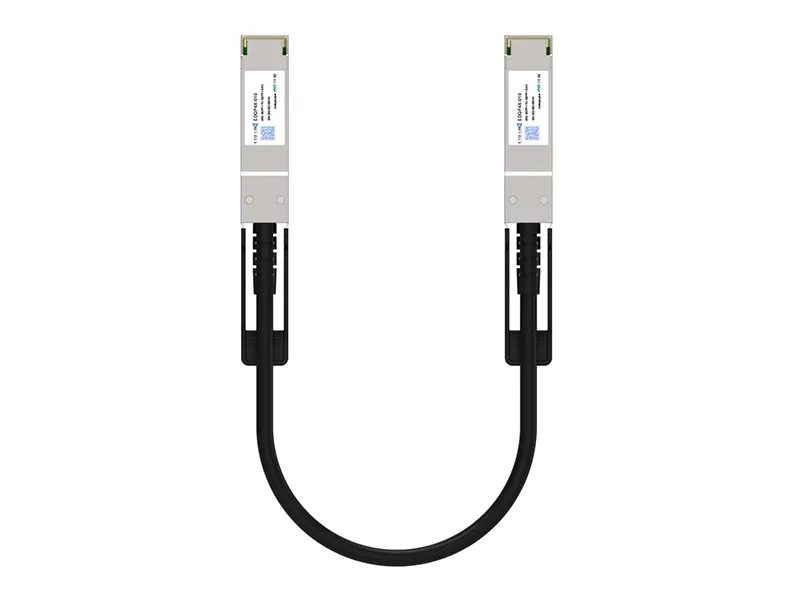 40G QSFP+ DAC
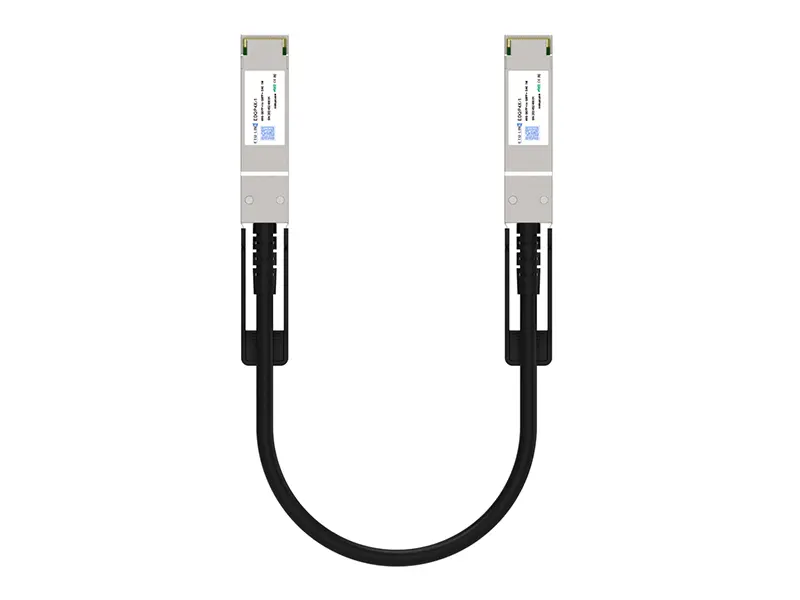 56G QSFP+ DAC
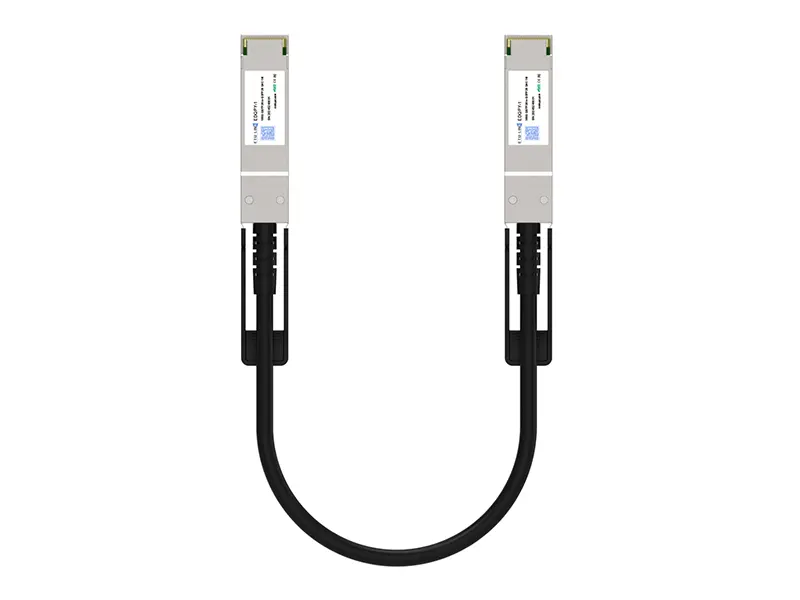 100G QSFP28 DAC
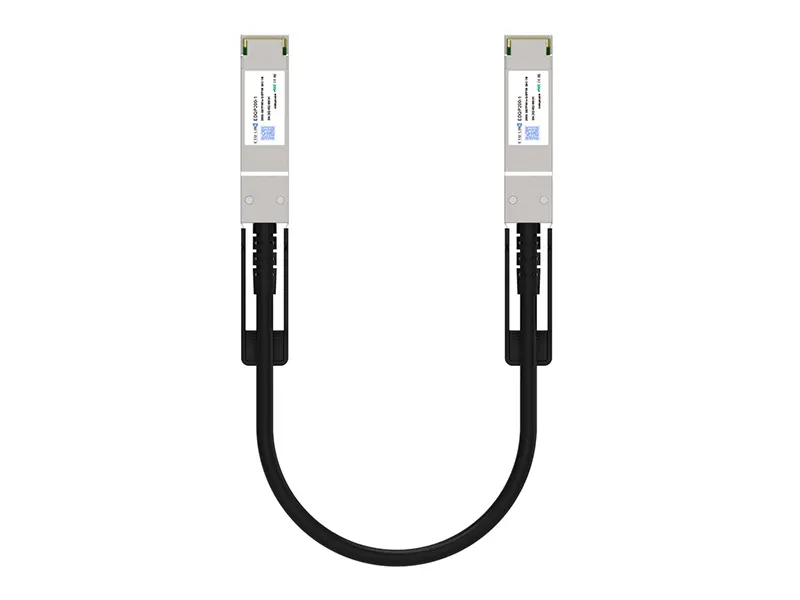 200G QSFP56 DD DAC
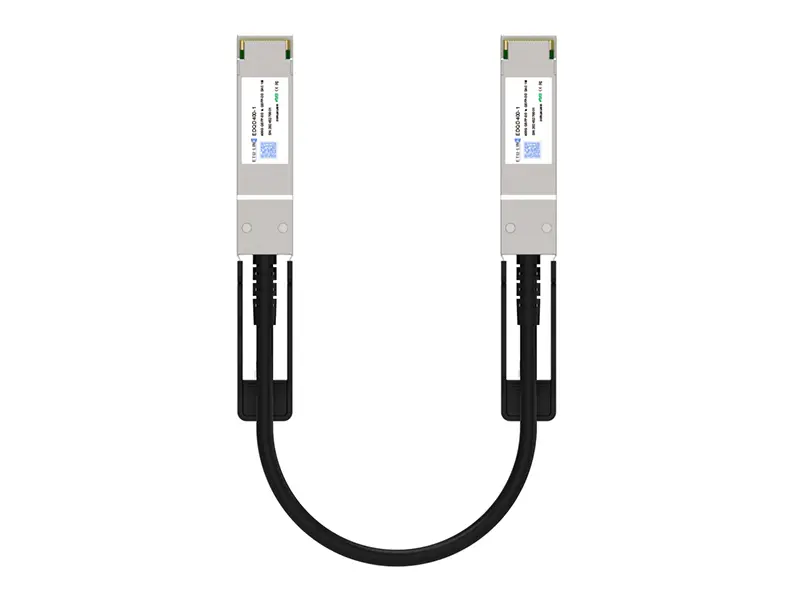 400G QSFP DD DAC
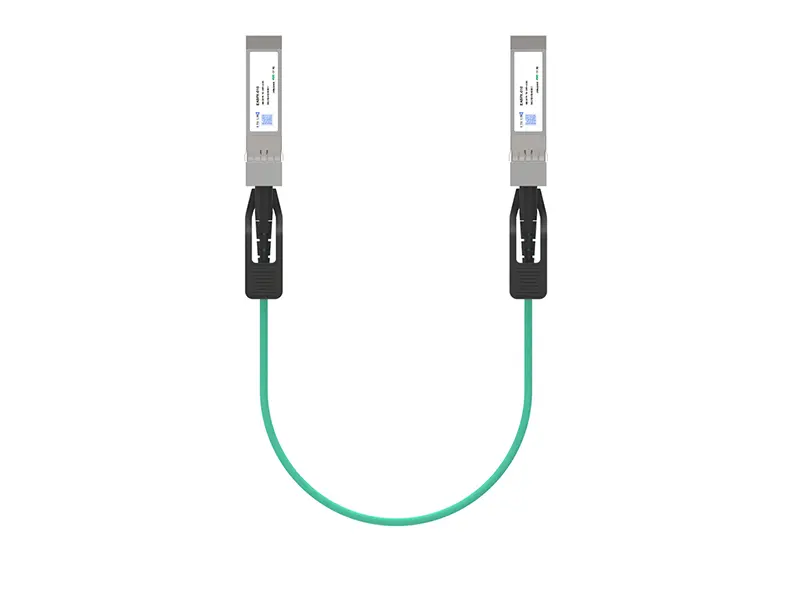 10G SFP+ AOC
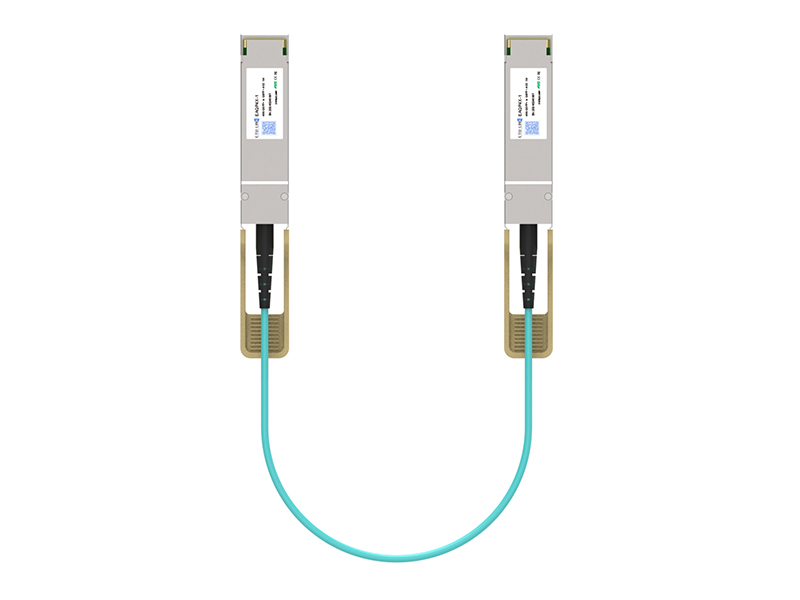 40G QSFP+ AOC
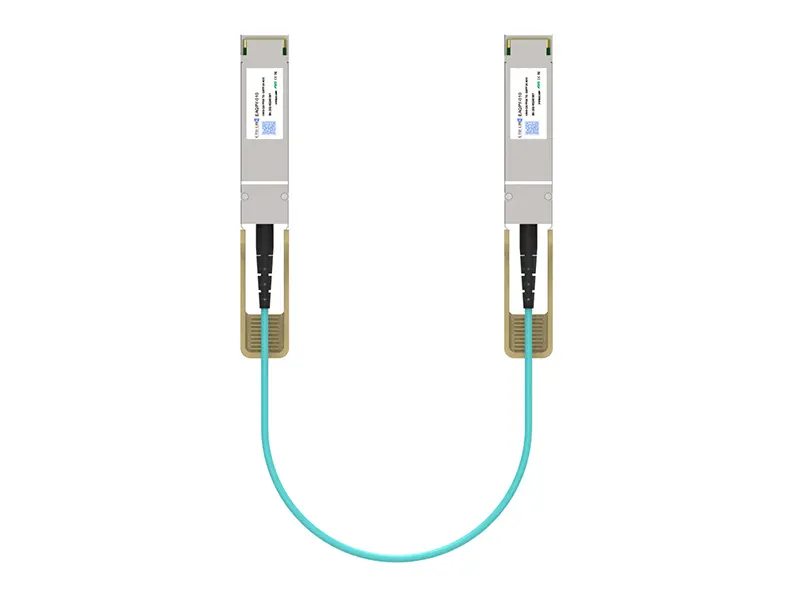 100G QSFP28 AOC
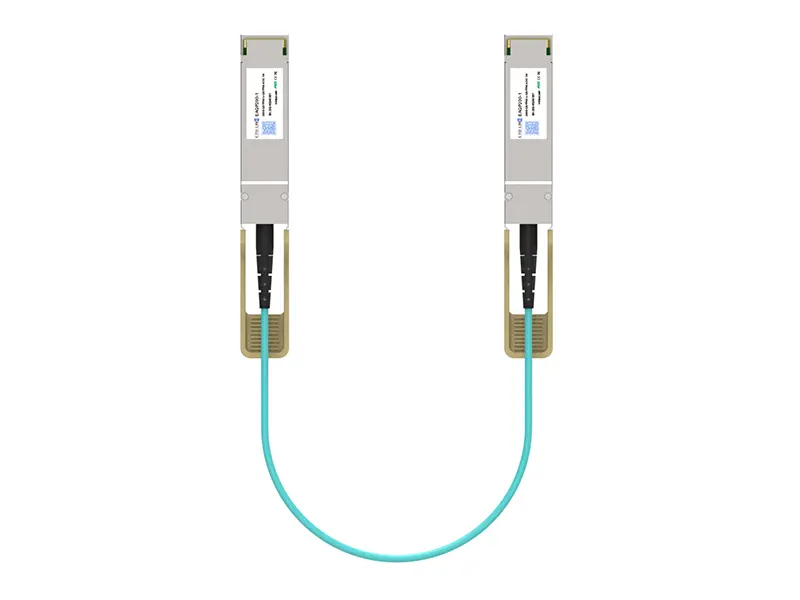 200G QSFP56 AOC
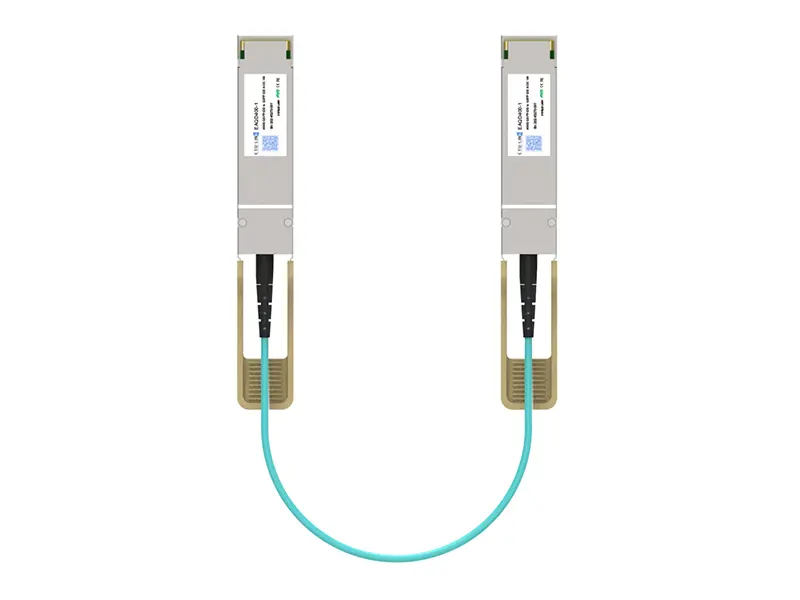 400G QSFP-DD AOC
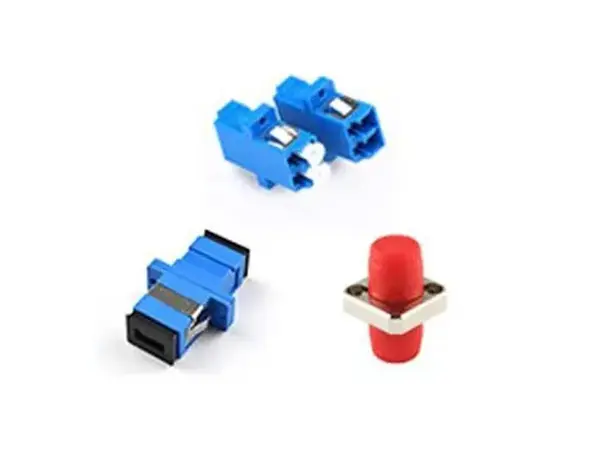 Adapter Details
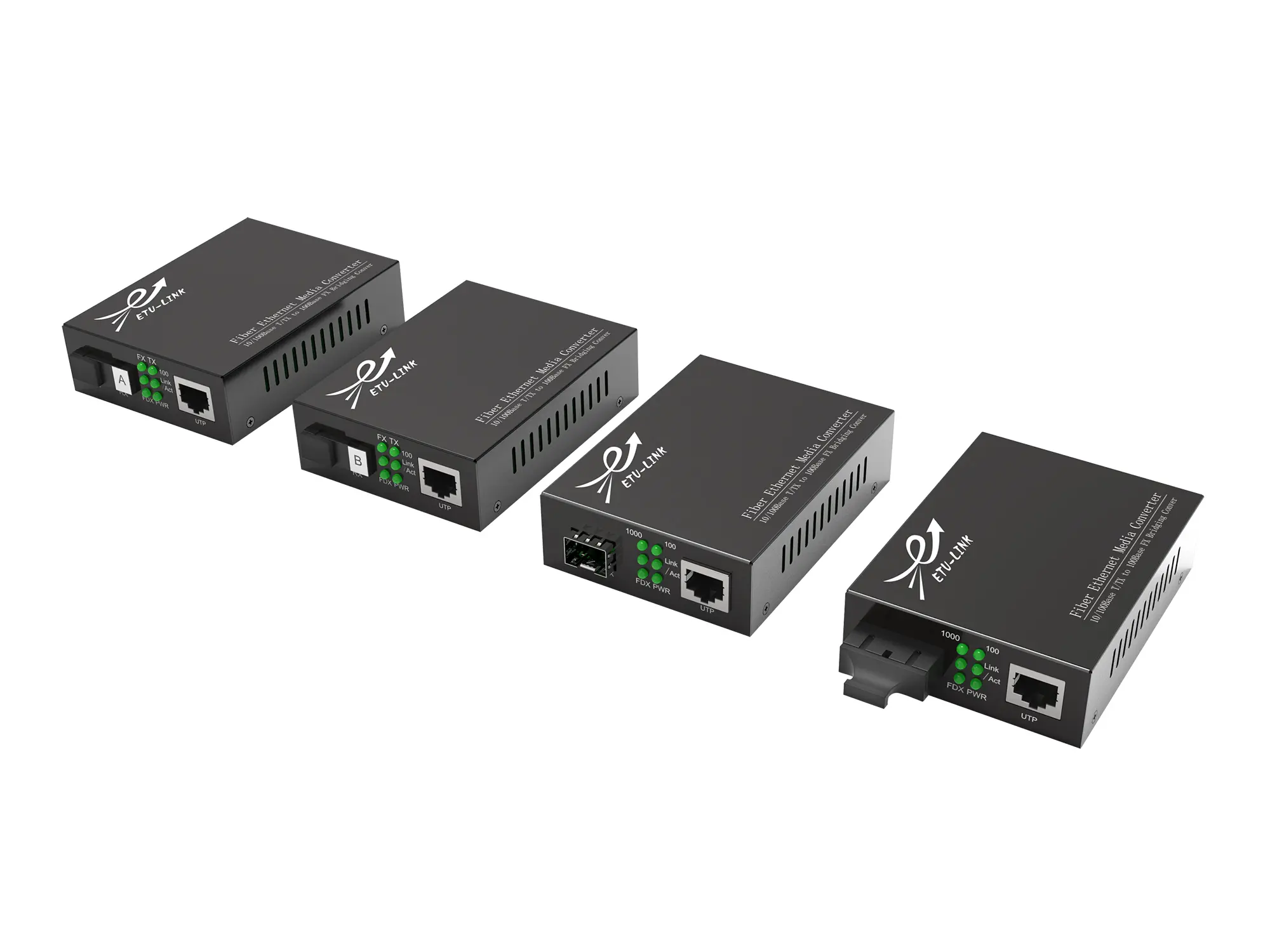 Media Converter