2026 Top Trends in 100G QSFP28 Active Optical Cable Technology?
As we look ahead to 2026, the landscape of 100G QSFP28 Active Optical Cable technology is evolving rapidly. Experts like Dr. Lisa Chen, a leading specialist in optical networks, emphasize the importance of staying ahead in this competitive field. She once stated, "Innovation in 100G QSFP28 AOCs is crucial for future-proofing high-speed data centers."
The trends shaping this technology reflect a growing demand for bandwidth and lower latency. Companies are investing in higher-performance cables, which are essential for data-intensive applications. Dr. Chen notes that the integration of advanced materials and miniaturization techniques plays a significant role in this evolution.
However, challenges remain. The need for standards across the industry can slow down advancements. Not every innovation finds immediate market acceptance. Reflecting on these factors can help stakeholders better navigate future developments in 100G QSFP28 Active Optical Cables.

Top Innovations in 100G QSFP28 Active Optical Cables for 2026
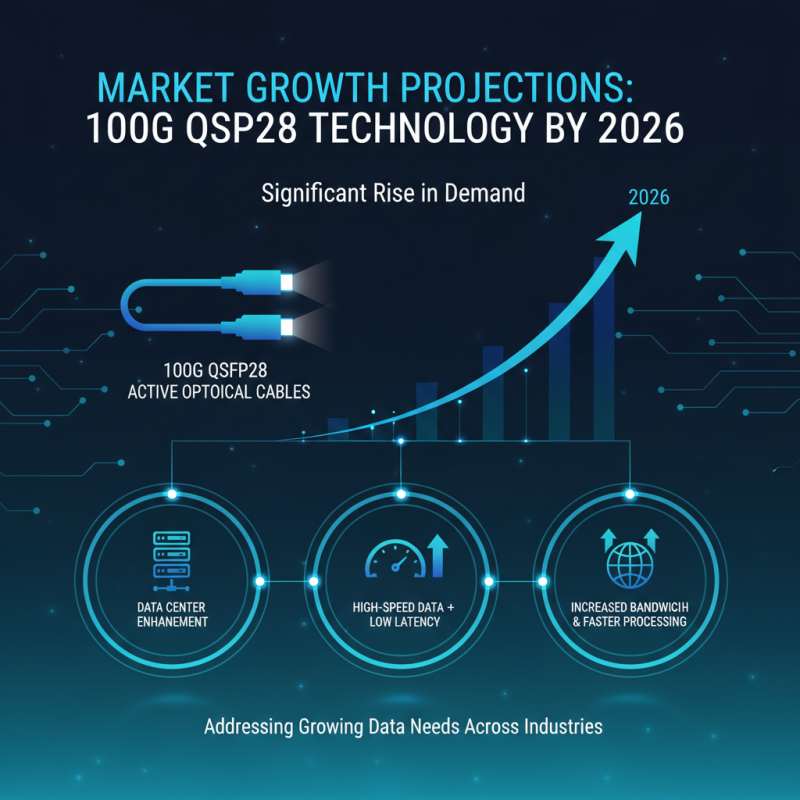
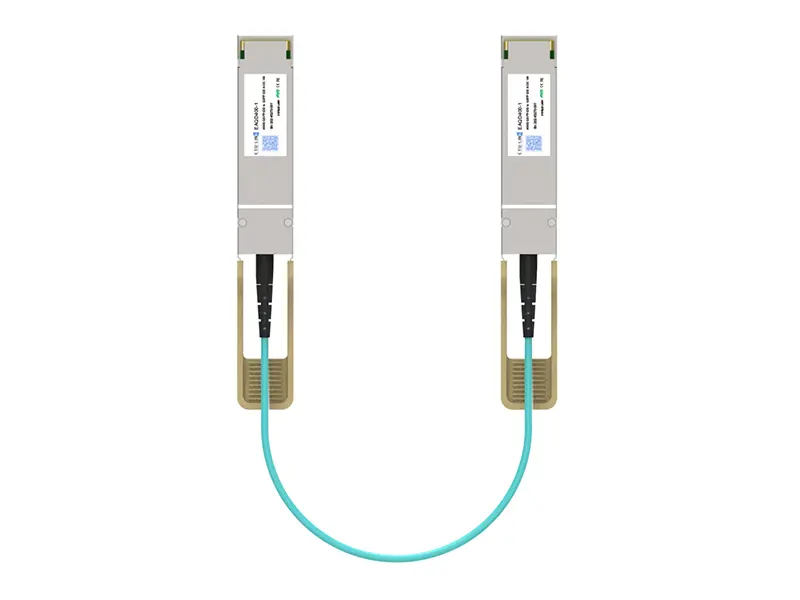
The 2026 landscape for 100G QSFP28 Active Optical Cables (AOCs) will showcase remarkable advancements in data transmission. As demand for high-speed connectivity surges, innovations will focus on enhancing bandwidth capacities and reducing latency. According to industry reports, the global market for AOCs is expected to reach $3.6 billion by 2026, reflecting a compound annual growth rate (CAGR) of 14.2%.
One key innovation is the integration of advanced materials that improve signal integrity. These materials reduce attenuation, making longer distances achievable without significant loss. The use of multicore fiber technology is gaining traction as well. This technology allows multiple data streams over a single cable, enhancing efficiency. These changes reflect a shift toward higher performance in data centers and enterprise networks.
Tip: Consider your cabling needs carefully. Not all environments require the highest specifications. Evaluate your current network performance and future needs. Also, the market is increasingly favoring eco-friendly solutions in cabling. Sustainable manufacturing practices can reduce the overall carbon footprint. As technology evolves, staying informed is crucial for making optimal decisions.
2026 Trends in 100G QSFP28 Active Optical Cable Technology
Key Performance Metrics Drive Adoption of 100G QSFP28 Cables
As the demand for high-speed data transfer continues to rise, the adoption of 100G QSFP28 active optical cables (AOCs) is gaining momentum. Key performance metrics play a crucial role in this transformation. Latency, power consumption, and bandwidth are essential factors influencing the choices of organizations today. A 100G AOC can achieve low latency, ensuring faster communication between servers and data centers. This is vital for applications requiring quick data processing.
Power consumption is another metric to consider. While some solutions draw excessive power, 100G QSFP28 cables are engineered for energy efficiency. This aspect not only reduces operational costs but also aligns with sustainability goals. Organizations are now focusing on solutions that minimize their ecological footprint while maximizing performance.
Moreover, bandwidth is critical as network demands increase. The ability to handle larger data packets efficiently can set a product apart. However, companies often overlook the importance of compatibility with existing infrastructures. Ensuring interoperability can sometimes be challenging. It’s a reminder of the complexities involved in upgrading systems to meet modern requirements effectively. This nuanced approach to performance metrics drives the industry forward.
2026 Top Trends in 100G QSFP28 Active Optical Cable Technology
| Metric |
2024 |
2025 |
2026 |
| Market Growth (%) |
15% |
18% |
20% |
| Average Price per Meter (USD) |
$2.50 |
$2.40 |
$2.30 |
| Bandwidth (Gbps) |
100 |
100 |
100+ |
| Number of Ports Shipped (Million) |
12 |
15 |
18 |
| End User Industries (%) |
Data Center: 50% |
Telecom: 30% |
Enterprise: 20% |
Emerging Applications Fuel Demand for 100G QSFP28 Solutions
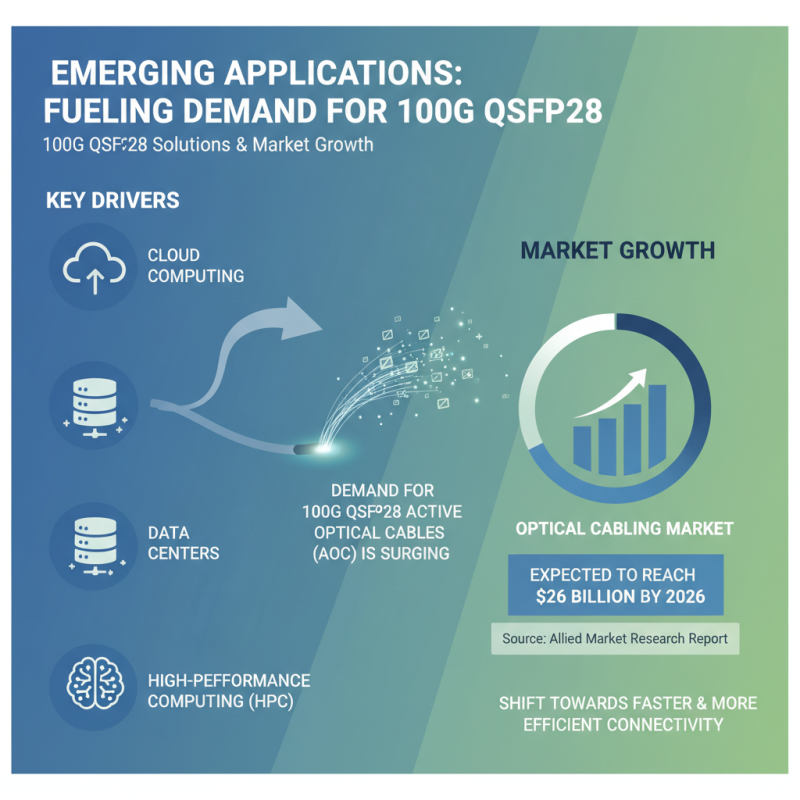
The demand for 100G QSFP28 active optical cables (AOC) is surging. This growth is fueled by emerging applications across various sectors. Data centers, cloud computing, and high-performance computing are key drivers of this trend. According to a report by Allied Market Research, the optical cabling market is expected to reach $26 billion by 2026. This indicates a significant shift toward faster and more efficient connectivity solutions.
100G QSFP28 solutions are pivotal for supporting these advancements. They provide high bandwidth and low latency, making them essential for real-time data processing. As video streaming, AI, and IoT applications demand more bandwidth, the need for high-performance cables grows. The transition to 100G technology enhances the capabilities of network infrastructures, allowing for seamless data transfer and improved overall efficiency.
Tips: When selecting 100G QSFP28 solutions, consider compatibility with existing systems. Evaluate the total cost of ownership, including installation and maintenance. Additionally, pay attention to the cable's length and environment for optimal performance. These factors can affect overall reliability and efficiency in your network setup. Addressing potential supply chain issues early can also prevent interruptions.
Technological Advancements Enhancing 100G QSFP28 Cable Efficiency
In the evolving landscape of data communications, 100G QSFP28 Active Optical Cables (AOCs) are at the forefront. Recent studies from industry leaders indicate that demand for high bandwidth continues to surge. They project the market for 100G AOCs will grow at a compound annual growth rate (CAGR) of over 15% by 2026. This growth is fueled by the increasing need for efficient data transfer in cloud computing and data center environments.
Technological advancements play a pivotal role in enhancing the efficiency of 100G QSFP28 cables. Innovations such as improved optical transceiver designs and advanced materials are crucial. A report by MarketsandMarkets notes that the use of low-loss optical fibers can significantly reduce signal degradation. This has allowed AOCs to support longer distances without loss of data integrity. Another key improvement is the integration of heat management solutions, which enhances the overall reliability and performance of these cables.
However, challenges remain. As technology improves, the complexity of AOC systems increases. Engineers must continuously adapt to these changes and ensure compatibility with existing infrastructures. The balance between innovation and operational efficiency is delicate. An increase in efficiency by even a small percentage can make a substantial difference in overall performance and user experience. As we progress, continual assessment and adaptation will be essential for sustaining growth in this sector.

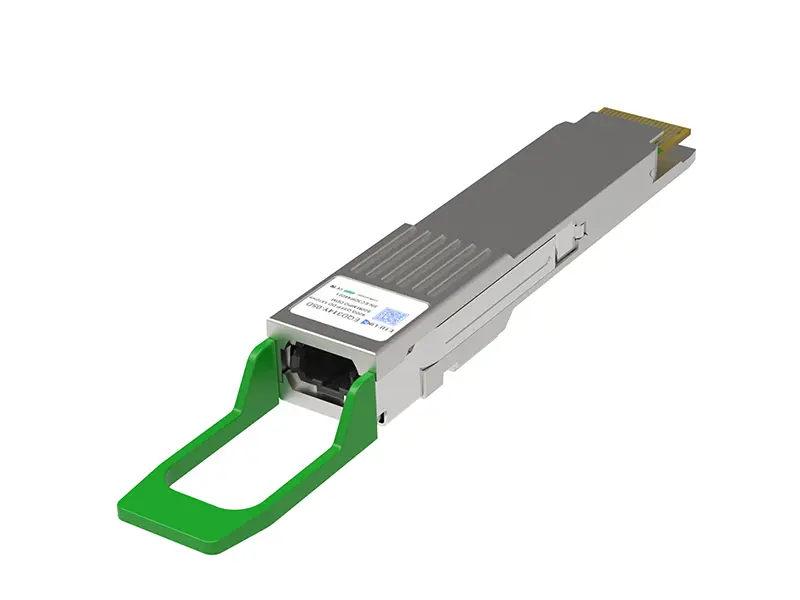 400G
400G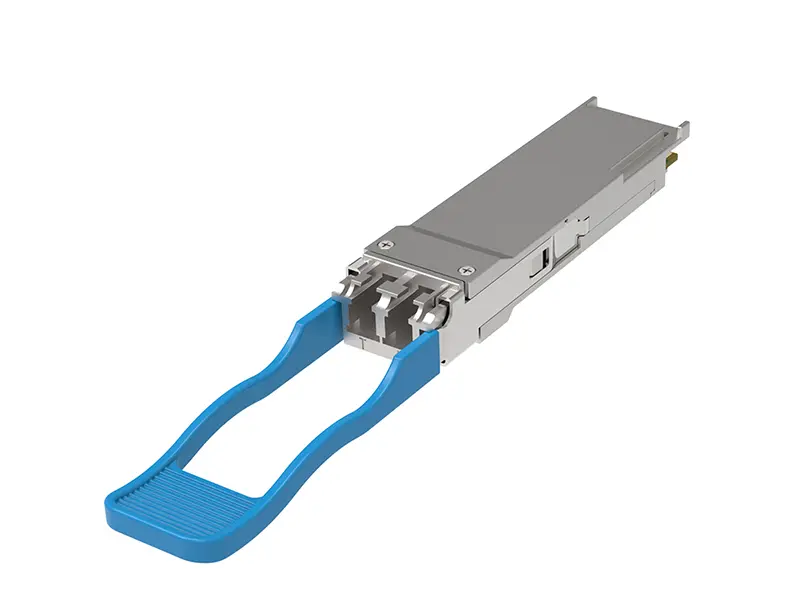 200G
200G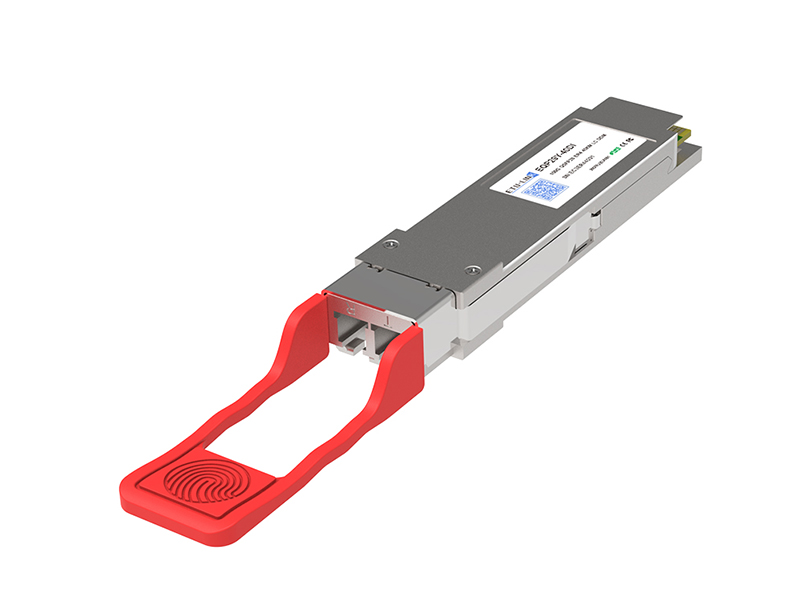 100G
100G 40G
40G 25G
25G 10G
10G 1G
1G COPPER-T
 Other
Other 10G SFP+ DAC
 40G QSFP+ DAC
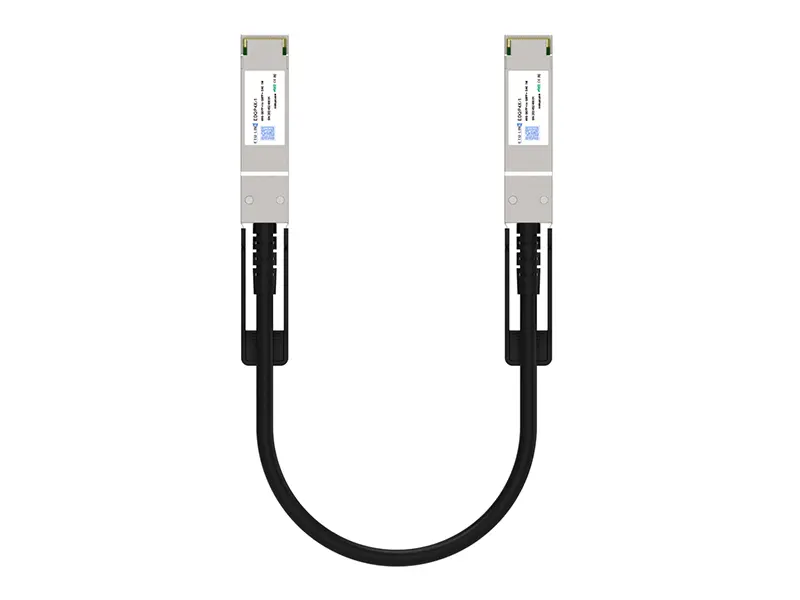 56G QSFP+ DAC
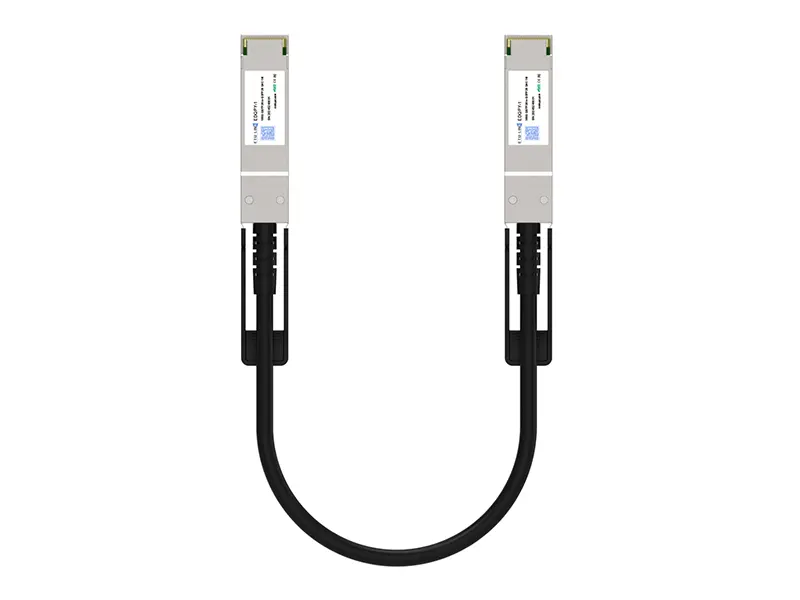 100G QSFP28 DAC
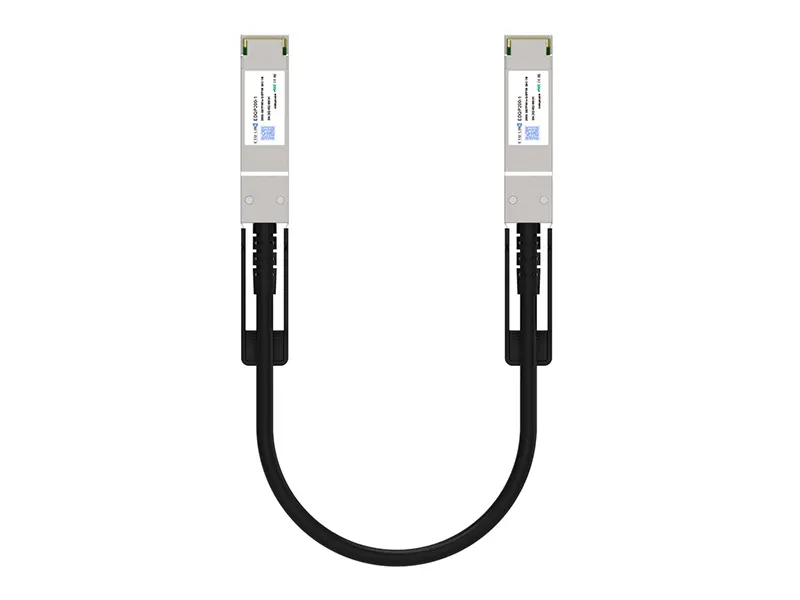 200G QSFP56 DD DAC
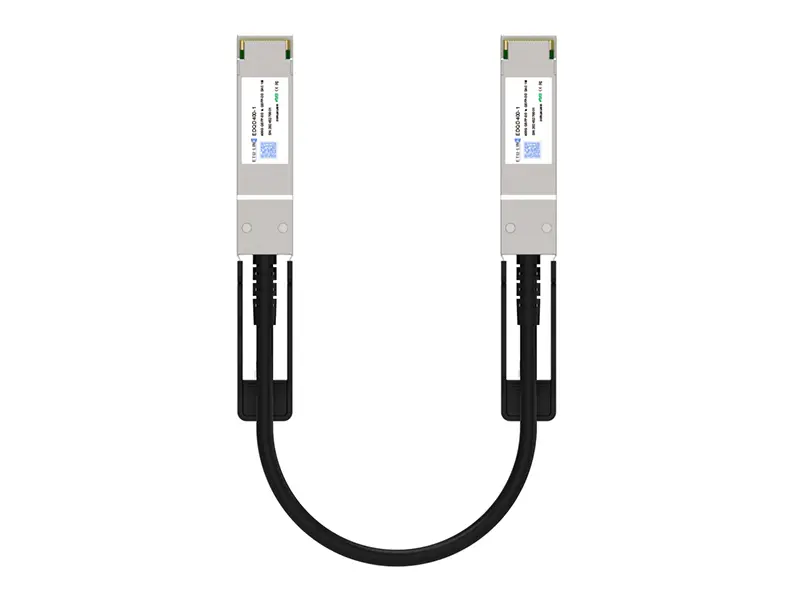 400G QSFP DD DAC
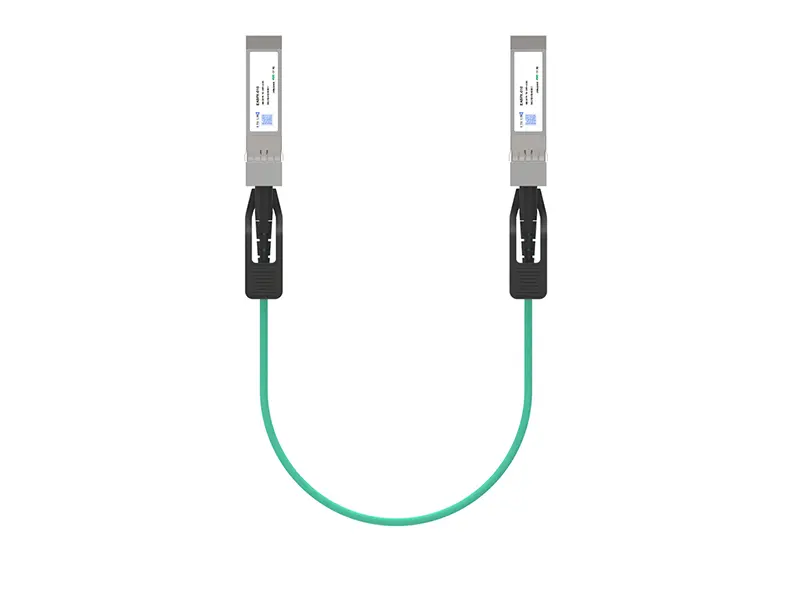 10G SFP+ AOC
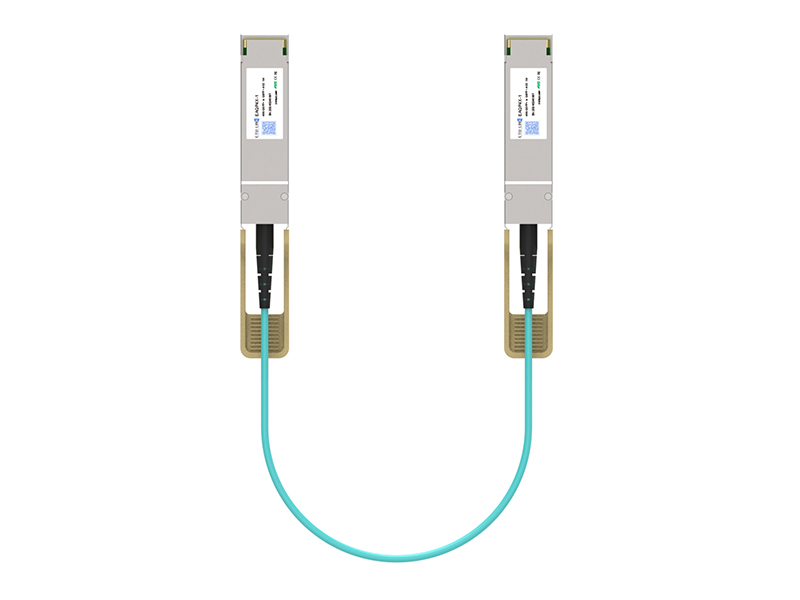 40G QSFP+ AOC
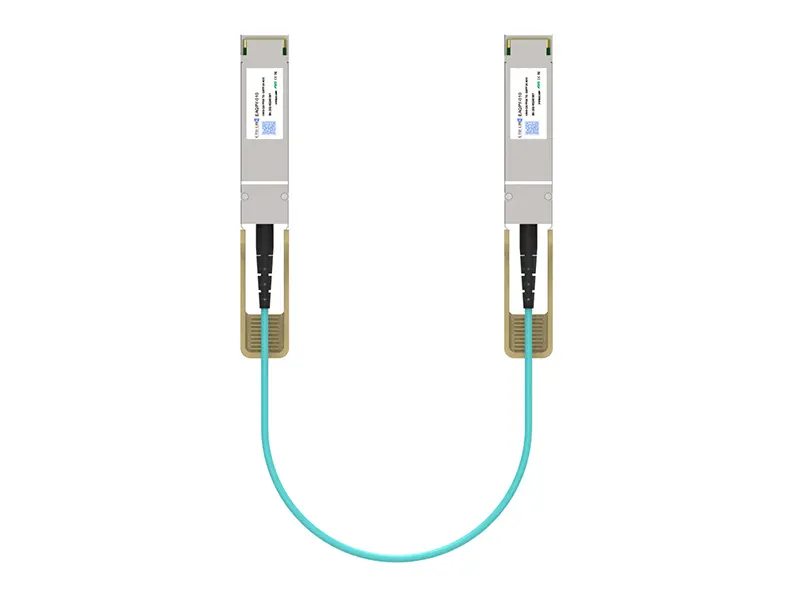 100G QSFP28 AOC
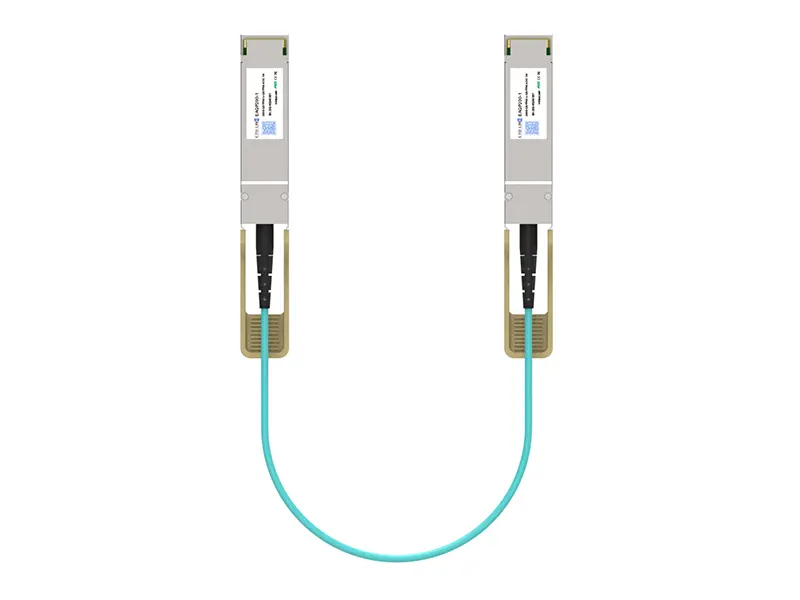 200G QSFP56 AOC
 400G QSFP-DD AOC
 Adapter Details
 Media Converter