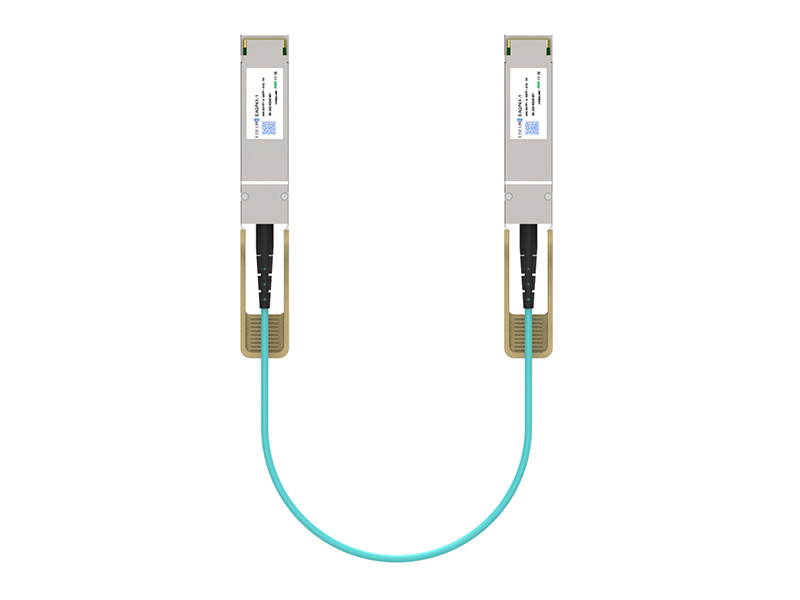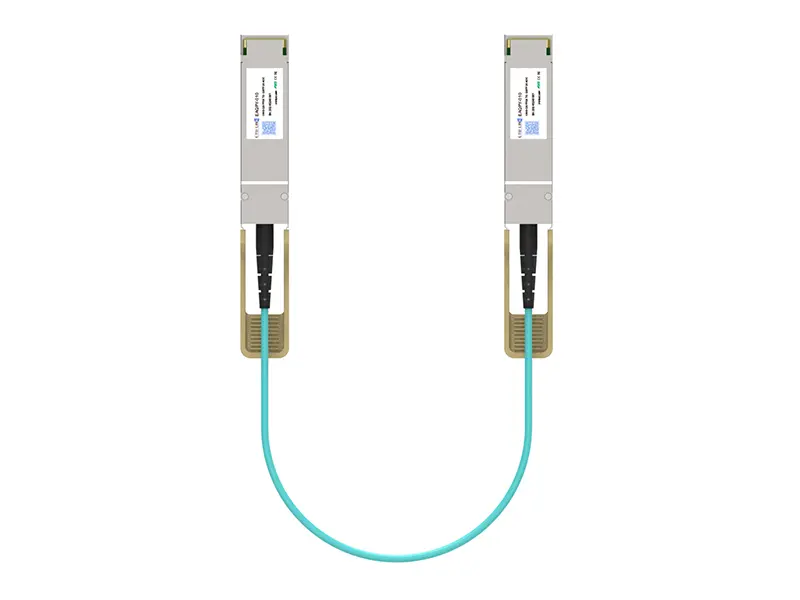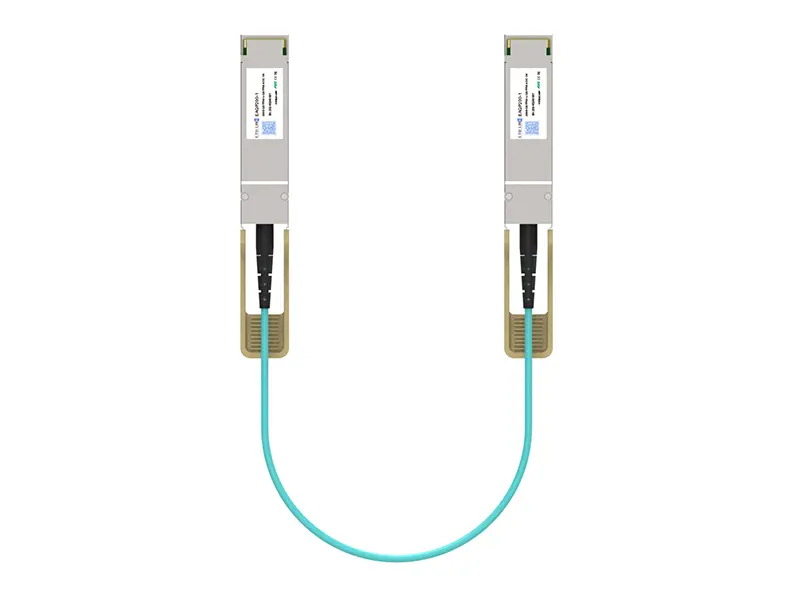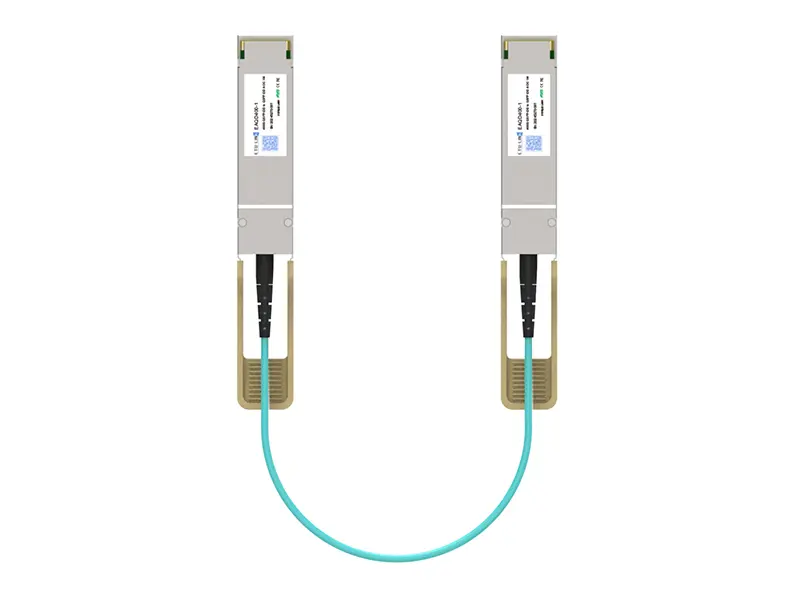
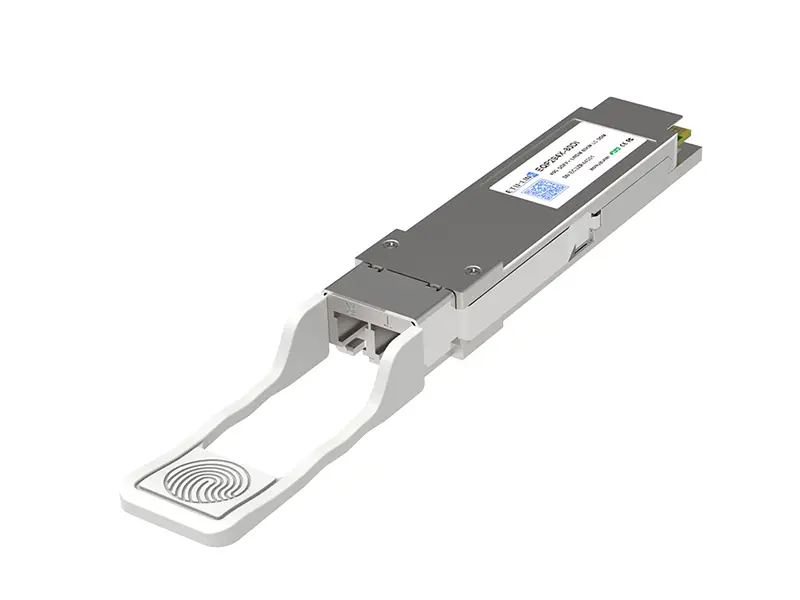
Choosing a 100G QSFP28 CWDM4 supplier in China takes more than comparing unit prices. Buyers need to check optical specifications, production consistency, testing procedures, and after-sales support. The CWDM4 MSA defines a 100Gb/s optical interface using four wavelengths over duplex single-mode fiber, typically for links up to 2 km. Its nominal wavelengths are 1271, 1291, 1311, and 1331 nm. These details help distinguish a compatible module from a product described only with broad marketing claims.
Industry reports offer useful context, but they do not certify individual suppliers. LightCounting’s optical transceiver market research tracks demand and technology shifts, while Cignal AI’s optical components analysis follows market and supply-chain developments. Readers can use these reports to understand the wider market, then verify supplier claims through datasheets, sample testing, and documented quality controls. A polished catalog is not proof. Ask for test records.
This guide examines Chinese suppliers through practical criteria: CWDM4 compliance, interoperability, manufacturing capability, delivery reliability, and technical support. It also highlights questions worth asking before a purchase, such as whether modules are tested with the buyer’s equipment and how failures are handled. Supplier rankings can change, and public information may be incomplete. That is an inconvenient caveat, but an important one. The aim is not to declare a universal winner; it is to help buyers build a shortlist they can verify.
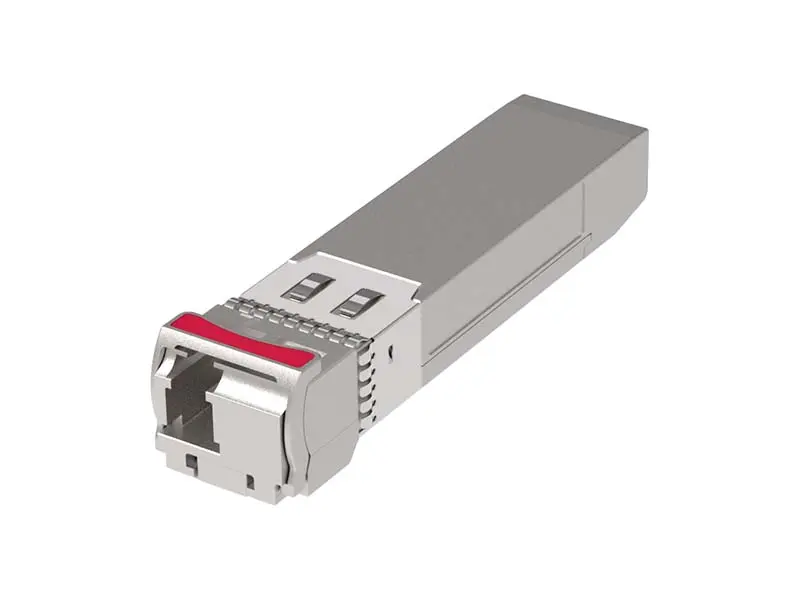
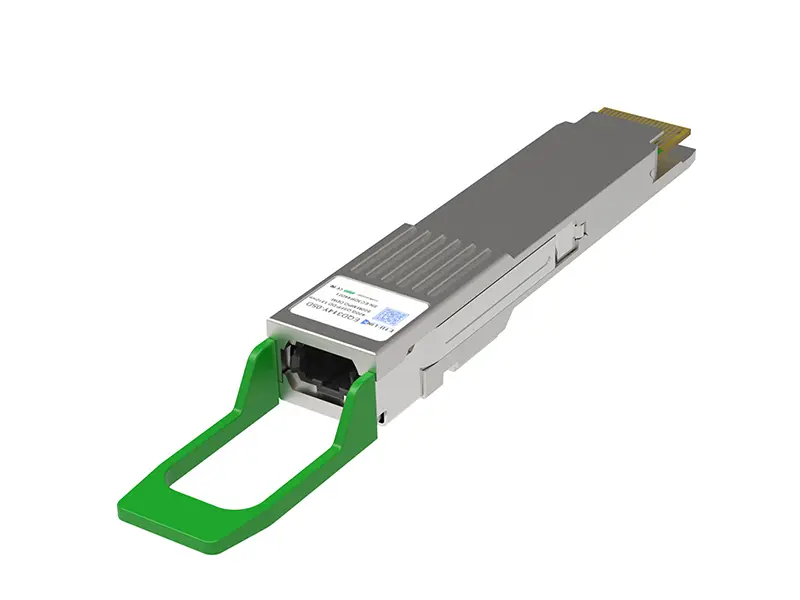
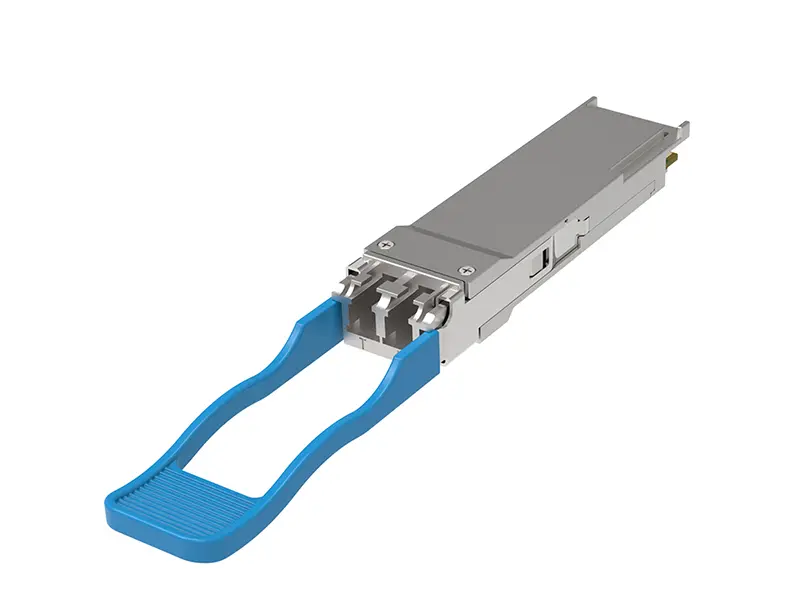
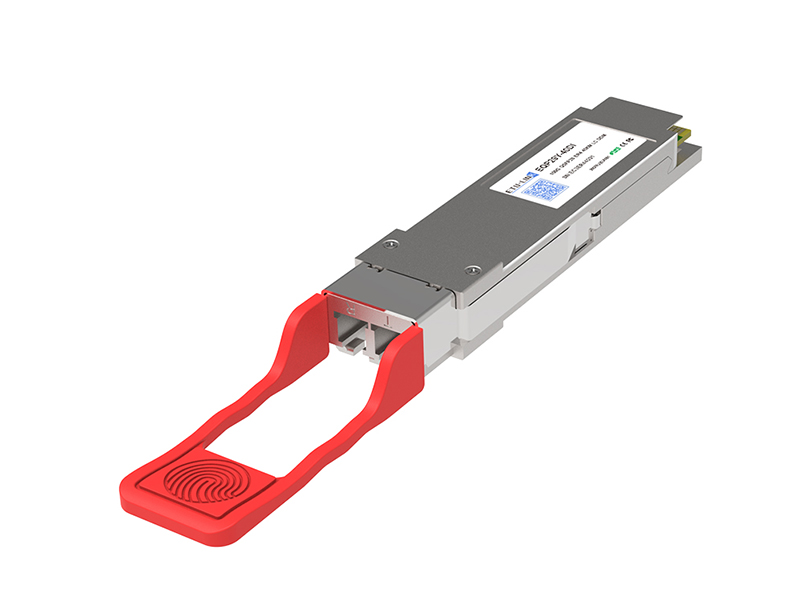
A 100G QSFP28 CWDM4 optical transceiver converts electrical data from a network switch into light and back again. Its QSFP28 form factor fits a standard high-speed port, while four optical lanes carry roughly 25 gigabits per second each. CWDM4 combines these lanes at different wavelengths—commonly 1271, 1291, 1311, and 1331 nanometers—onto one strand of single-mode fiber.
One fiber pair.
The module typically uses duplex LC connectors and supports links up to about two kilometers, depending on the equipment and fiber conditions. At the receiving end, the wavelengths are separated and converted back into electrical signals. It is a compact way to connect data-center racks without running four separate optical paths.
But the label “100G” alone does not guarantee a working link. Check the switch’s supported module specifications, fiber type, link distance, and FEC settings. Compatibility can be less straightforward than a product sheet suggests.
Optical monitoring readings, such as transmit power and temperature, also help technicians spot a weakening link before errors become frequent. CWDM4 is useful, but the installation still deserves careful testing.

CWDM4 carries 100 gigabits per second across four optical wavelengths on duplex single-mode fiber. Each lane runs at roughly 25 gigabits per second, with wavelengths near 1271, 1291, 1311, and 1331 nanometers. The CWDM4 MSA specification supports links up to two kilometers, making the format useful for many data-center connections between rooms or across a campus. One fiber pair does the work. That simplifies cabling compared with parallel-fiber approaches, though it does not remove the need for careful link planning.
Demand keeps rising. Synergy Research Group reported more than 1,000 operational hyperscale data centers worldwide by late 2024, reflecting the scale of modern infrastructure. For operators, CWDM4 can provide a practical 100G upgrade where single-mode fiber is already installed. Check the actual path loss, connector cleanliness, and transceiver compatibility before deployment; a dusty connector can spoil an otherwise sound link.
CWDM4 is not automatically the cheapest option, either. Fiber distance, port density, and power budgets still matter, and those trade-offs deserve a fresh look as network needs change.
A 100G QSFP28 CWDM4 module carries four 25.78 Gb/s lanes over duplex single-mode fiber. The CWDM4 MSA specification sets four center wavelengths at 1271, 1291, 1311, and 1331 nm, with a typical reach of 2 km. These figures help buyers compare supplier datasheets against the same baseline. Check the details.
Compatibility depends on more than the QSFP28 label. Confirm the switch supports 100GbE CWDM4, the correct host-side FEC setting, and the module’s required optical power range. The IEEE 802.3 specification defines Ethernet interfaces, while CWDM4 MSA documents add the application-specific optical requirements. A port that accepts the module physically may still reject it through software or fail to link. That distinction is easy to miss.
Tips: Ask suppliers for wavelength, reach, FEC, and interoperability test results. Verify compatibility in the exact switch model and firmware version before ordering at scale. A short lab test helps catch coding or receive-power issues. Supplier datasheets can be incomplete, so request the underlying test conditions—not just a “compatible” claim.
Vendor-neutral guide for evaluating 100G QSFP28 CWDM4 supplier offerings. It summarizes common interface requirements and checks; confirm exact limits and supported host platforms in the product datasheet.
| Specification or Compatibility Factor | Typical 100G CWDM4 Requirement | What to Verify When Evaluating a Supplier |
|---|---|---|
| Module form factor | QSFP28 hot-pluggable optical transceiver. | Confirm the host port supports QSFP28 modules and that the module’s mechanical, electrical, and management interfaces match the equipment. |
| Aggregate data rate | 100 Gb/s, carried over four optical lanes. | Check the host port’s supported Ethernet mode and ensure it is configured for 100G CWDM4 rather than another QSFP28 optical type. |
| Optical lane rate | Four lanes operating at approximately 25.78 GBd per lane. | Confirm the module and host support the required 100G lane signaling and encoding. |
| Wavelengths | Four CWDM wavelengths with nominal center wavelengths of 1271 nm, 1291 nm, 1311 nm, and 1331 nm. | Verify the offered module is specifically CWDM4 and that its optical interface is compatible with the far-end transceiver. |
| Reach | Typically up to 2 km over single-mode fiber, subject to the applicable CWDM4 specification and link conditions. | Check the supplier’s guaranteed reach, link budget, and any stated fiber or environmental limitations. |
| Fiber type | Single-mode fiber (SMF). | Confirm the installed fiber plant is single-mode and suitable for the required distance and wavelength range. |
| Optical connector | Duplex LC connector is commonly used for the two-fiber transmit-and-receive connection. | Check connector type, polish, fiber polarity, and patch-panel compatibility before ordering. |
| FEC support | Host-side forward error correction is commonly required for CWDM4 link operation; the exact mode depends on the applicable implementation. | Confirm the module’s requirements and verify that both host ports support and enable the required FEC mode, commonly RS-FEC. |
| Host compatibility | Compatibility depends on the switch, router, NIC, firmware, and port configuration—not only on the optical specification. | Request a written compatibility statement for the exact equipment model and software version. Check any platform coding or qualification requirements. |
| Digital diagnostics | Many QSFP28 modules provide digital monitoring, such as temperature, supply voltage, and optical transmit/receive power. | Confirm which diagnostic readings are available, their accuracy specifications, and whether the host can read them through its management interface. |
| Power and thermal limits | Power consumption and operating temperature vary by module design and product grade. | Compare the datasheet’s maximum power and temperature ratings with the host port’s power budget, airflow, and installation conditions. |
| Interoperability | Both ends should use compatible 100G CWDM4 interfaces and meet the applicable optical and link-layer requirements. | Validate the intended module pairing, fiber path, FEC settings, and link configuration; do not assume that all 100G QSFP28 modules interoperate. |
| Supplier documentation | Clear specifications should identify the optical standard or MSA, reach, wavelengths, connector, power, temperature range, and diagnostics. | Request a current datasheet, test or compliance documentation, warranty terms, and a process for confirming compatibility before purchase. |
China’s 100G QSFP28 CWDM4 market includes several supplier types. Specialist optical-module makers design and assemble transceivers, often managing optical alignment, firmware, and final testing in-house. This can make technical support more direct.
Ask for test records, not just a specification sheet.
Original design and manufacturing providers build modules to a customer’s requirements, while contract manufacturers focus on assembly at scale. Distributors and trading suppliers offer broader sourcing and quicker stock access, but may have less visibility into component origins.
The CWDM4 MSA specification defines four wavelengths over single-mode fiber for links up to 2 kilometers. That detail matters when checking compatibility and reach.
Demand context helps, but it is not a supplier ranking. The ITU’s Facts and Figures 2023 estimated that 5.4 billion people, or 67% of the world’s population, were online. This reflects expanding connectivity, not direct sales of 100G modules.
Paper specifications are tidy; production is not always. Buyers should compare interoperability results, temperature testing, warranty terms, and traceability.
One awkward point: a low quote can look attractive until replacement lead times become clear.
How to Evaluate and Select a China-Based Supplier
Selecting a China-based 100G QSFP28 CWDM4 supplier takes more than comparing prices. Check whether the module’s stated reach, wavelength plan, and fiber interface match your network. The CWDM4 MSA specification describes 100G transmission over up to 2 km of single-mode fiber, using four wavelengths near 1271, 1291, 1311, and 1331 nm. Ask suppliers for the exact specification version and test conditions. A data sheet alone is not proof.
Request sample units and review optical test results, serial-number traceability, temperature performance, and interoperability records. Confirm that reported measurements include transmit power, receiver sensitivity, and error-rate testing. Ask how the supplier handles failures and replacement timelines. A clear answer matters. The IEEE 802.3 standards provide a useful reference for Ethernet requirements, but CWDM4-specific performance should also be checked against the relevant MSA documentation. I would not treat a low price as a quality signal; I have seen procurement comparisons overlook test setup differences.
Tips: Send the same checklist to every candidate. Test samples in your own switch and fiber path, including longer runs and warm operating conditions. Keep one question open: can the supplier reproduce the same results across production batches? Request dated reports, not screenshots without context.
100G QSFP28 CWDM4 Supplier Evaluation: Nominal Optical Channel Wavelengths
The chart shows the four nominal CWDM4 wavelengths specified by the CWDM4 MSA. A compliant 100G CWDM4 link is designed for up to 2 km over single-mode fiber. When evaluating suppliers, request product specifications and test evidence covering wavelength, reach, interoperability, and operating conditions.