 400G
400G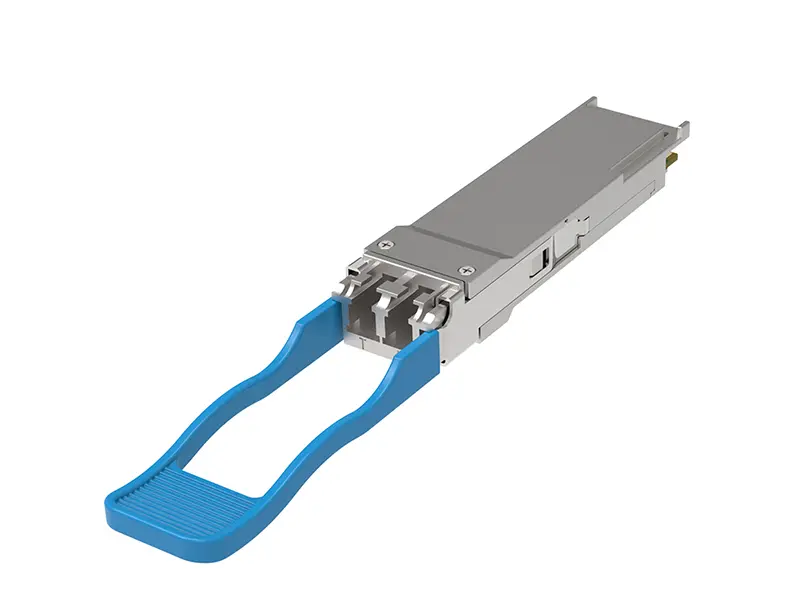 200G
200G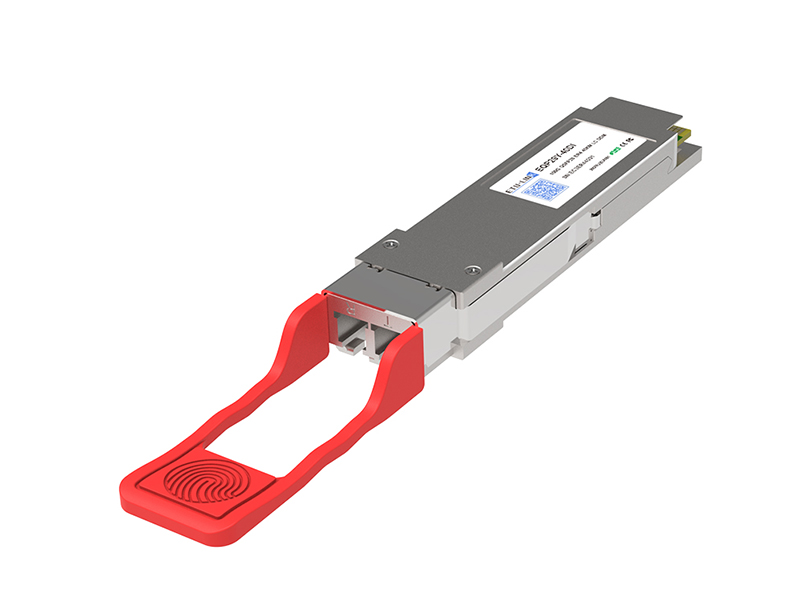 100G
100G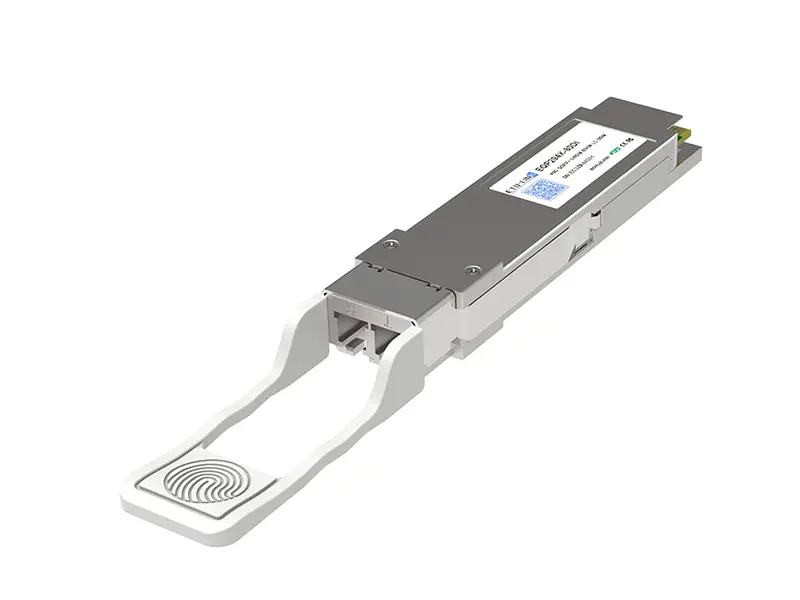 40G
40G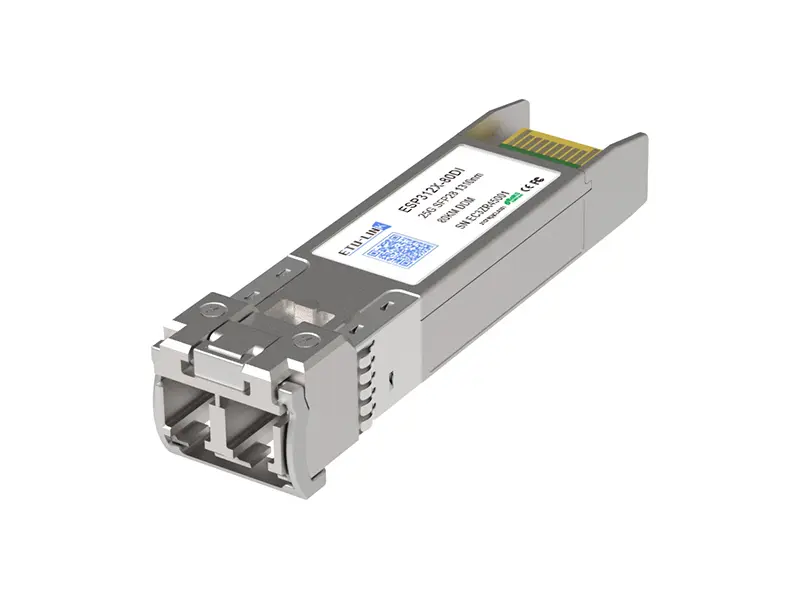 25G
25G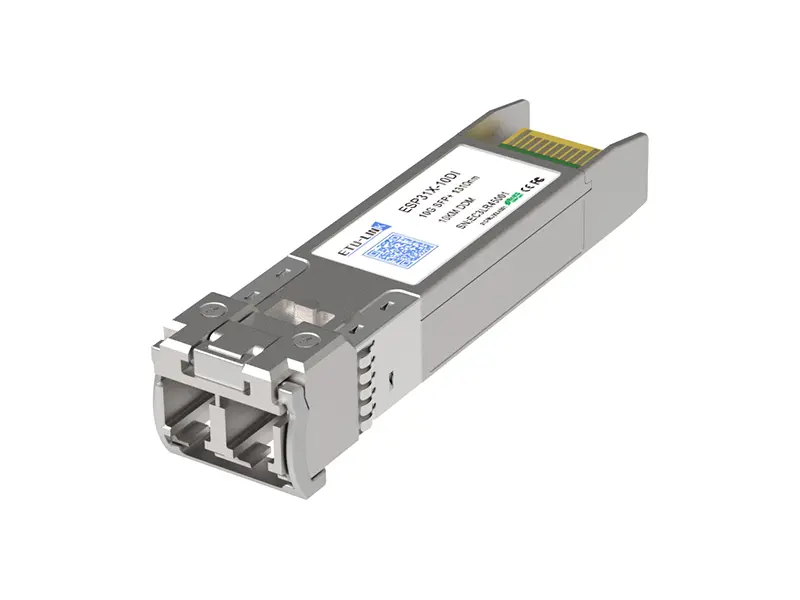 10G
10G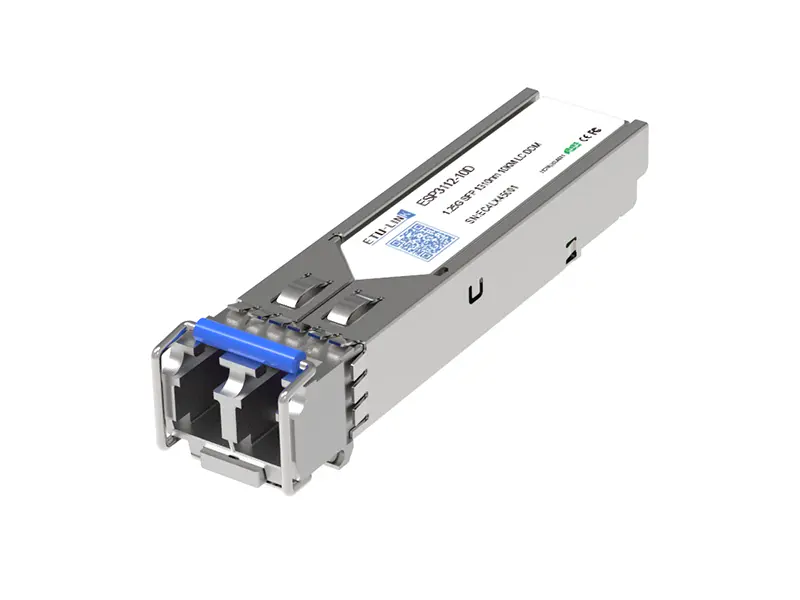 1G
1G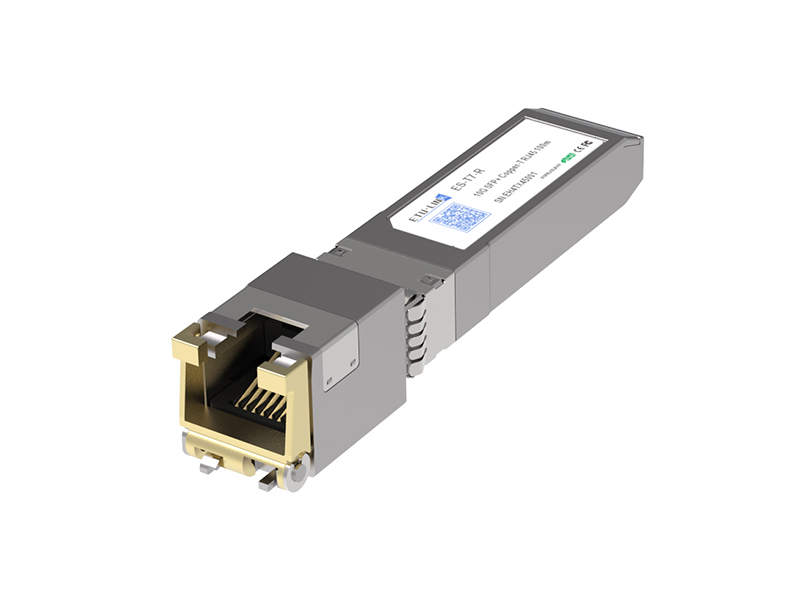 COPPER-T
 Other
Other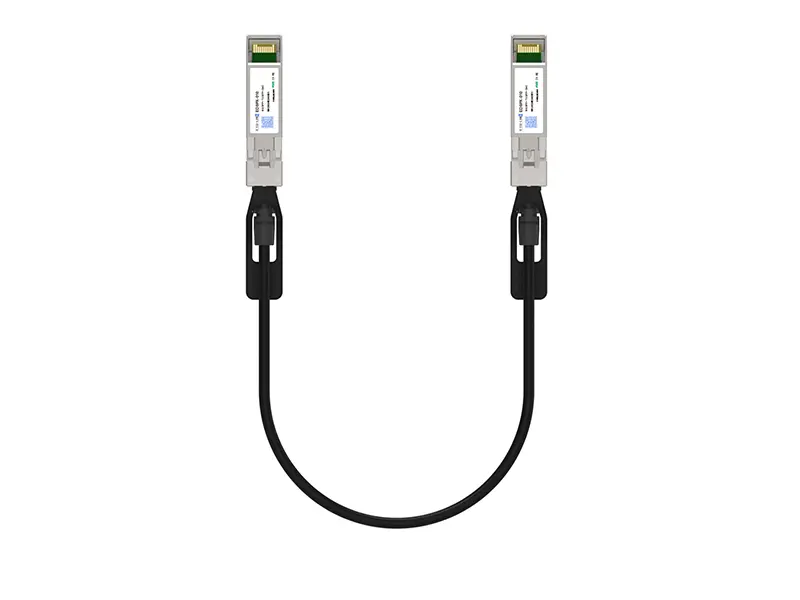 10G SFP+ DAC
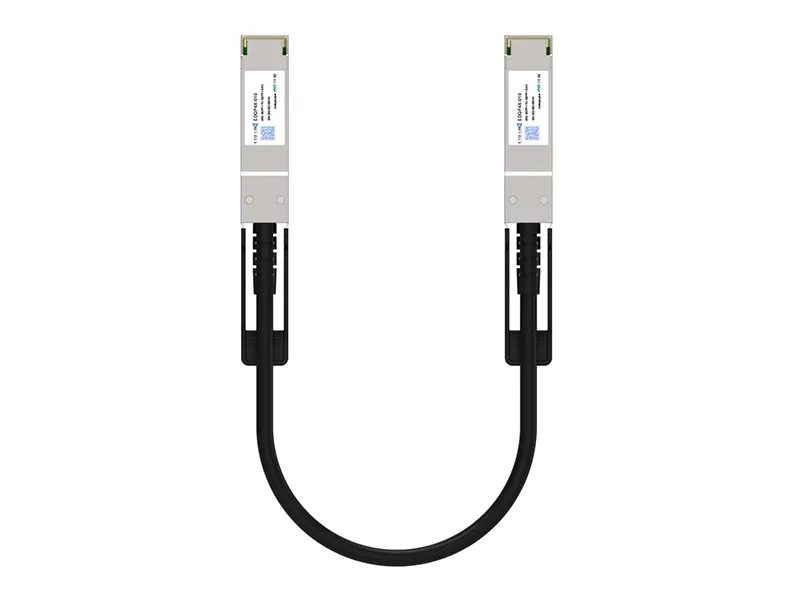 40G QSFP+ DAC
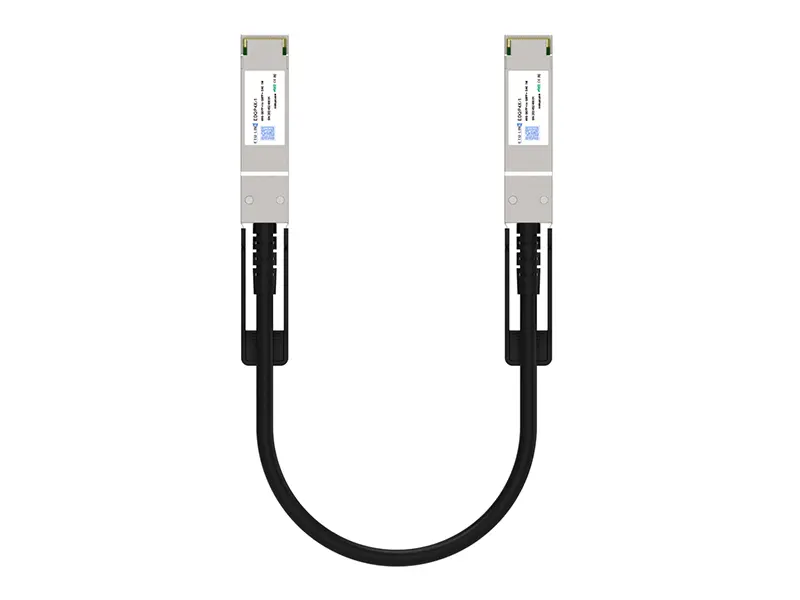 56G QSFP+ DAC
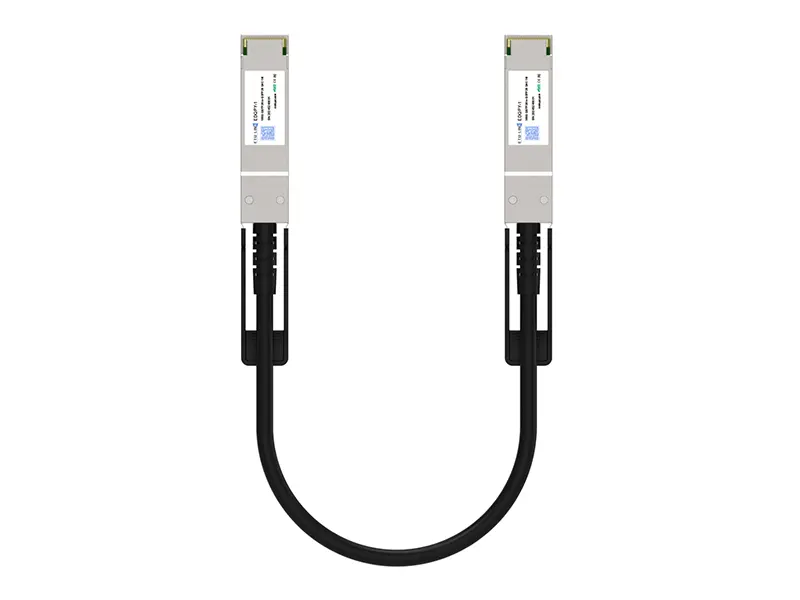 100G QSFP28 DAC
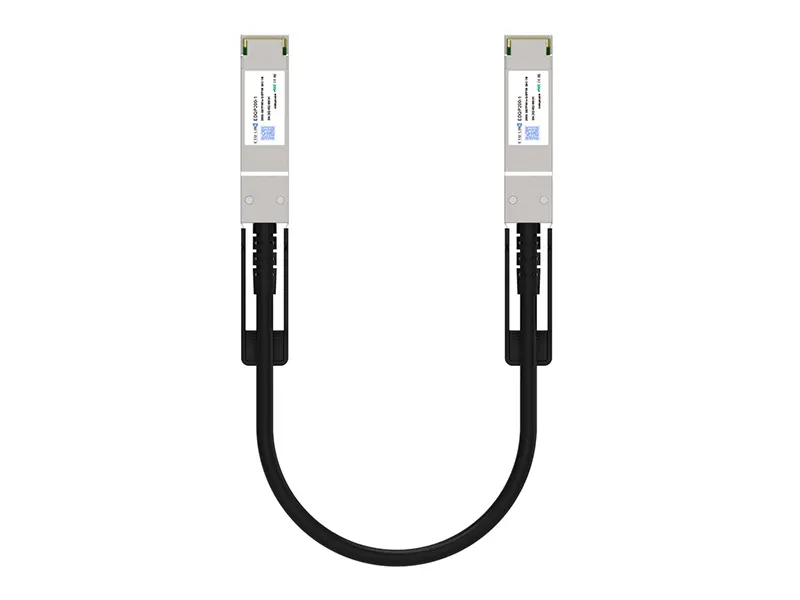 200G QSFP56 DD DAC
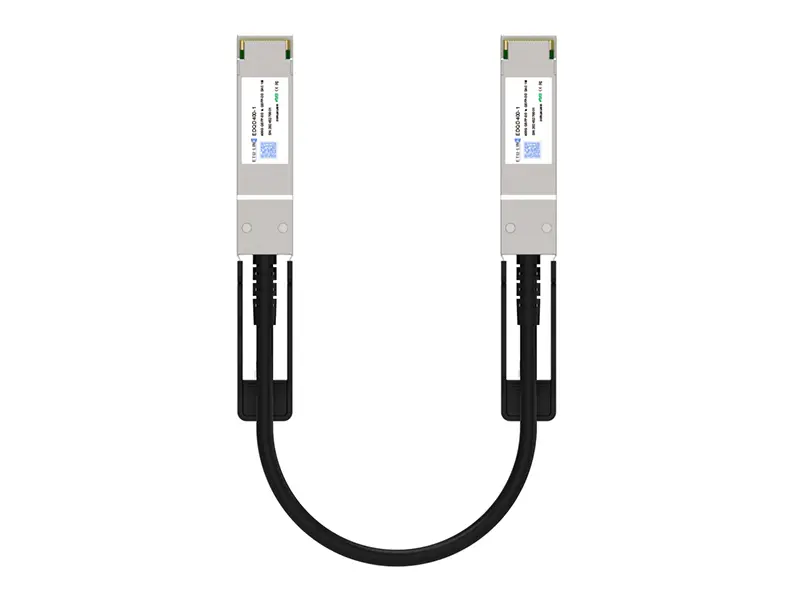 400G QSFP DD DAC
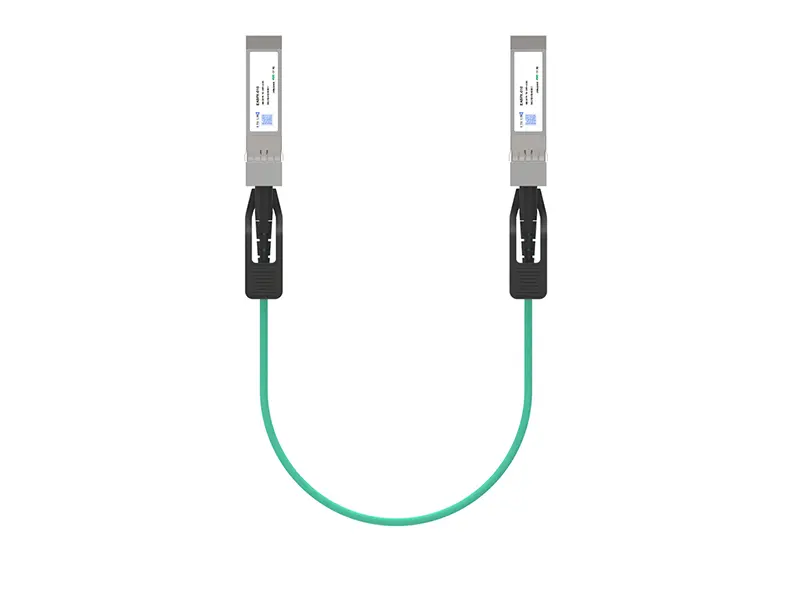 10G SFP+ AOC
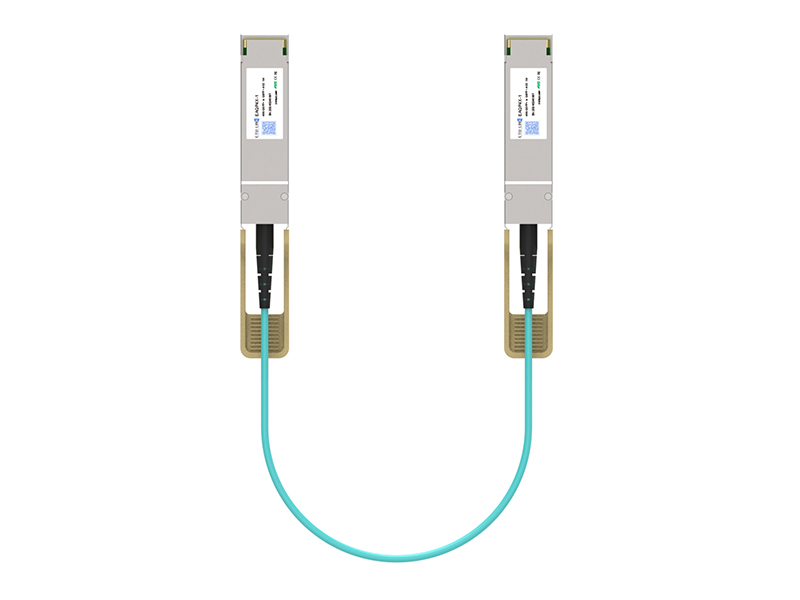 40G QSFP+ AOC
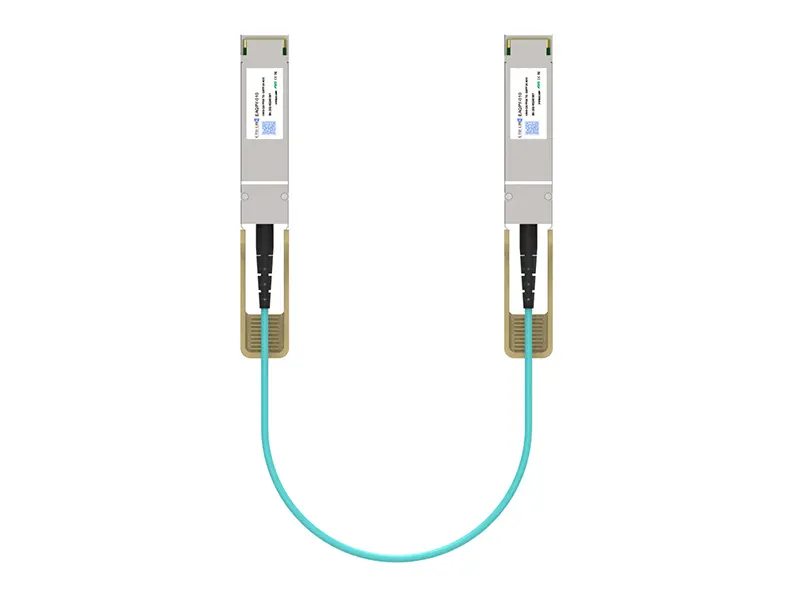 100G QSFP28 AOC
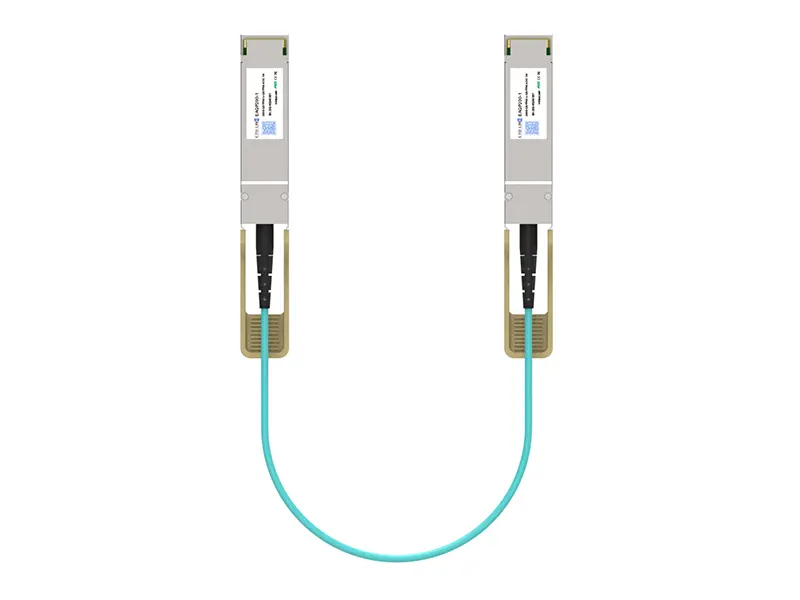 200G QSFP56 AOC
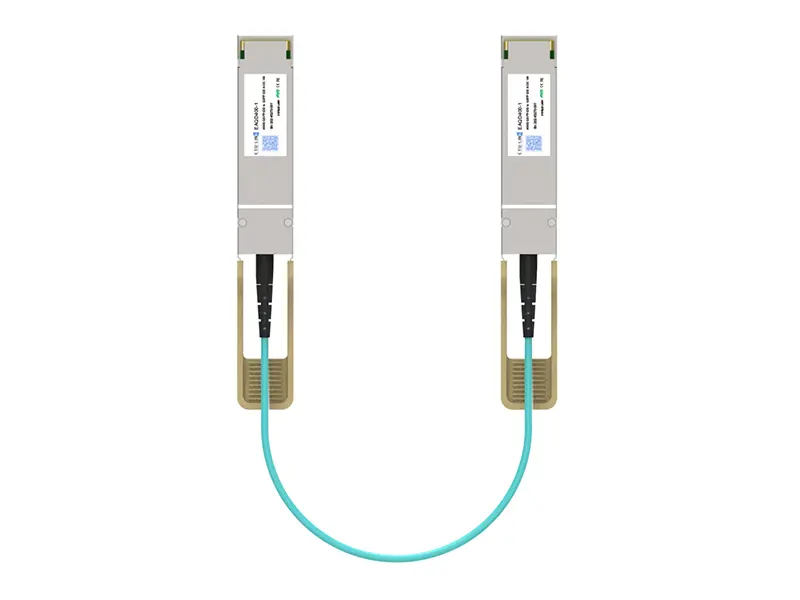 400G QSFP-DD AOC
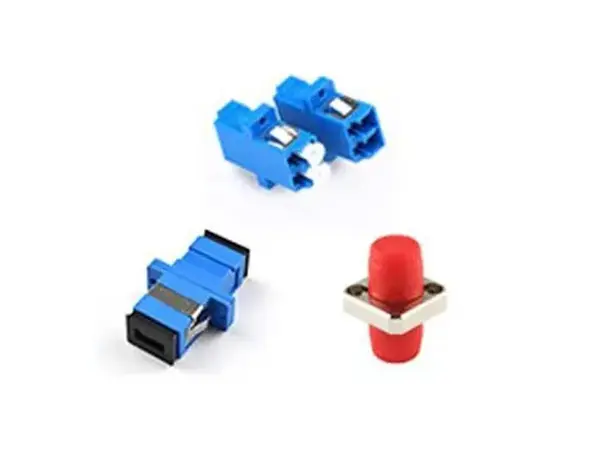 Adapter Details
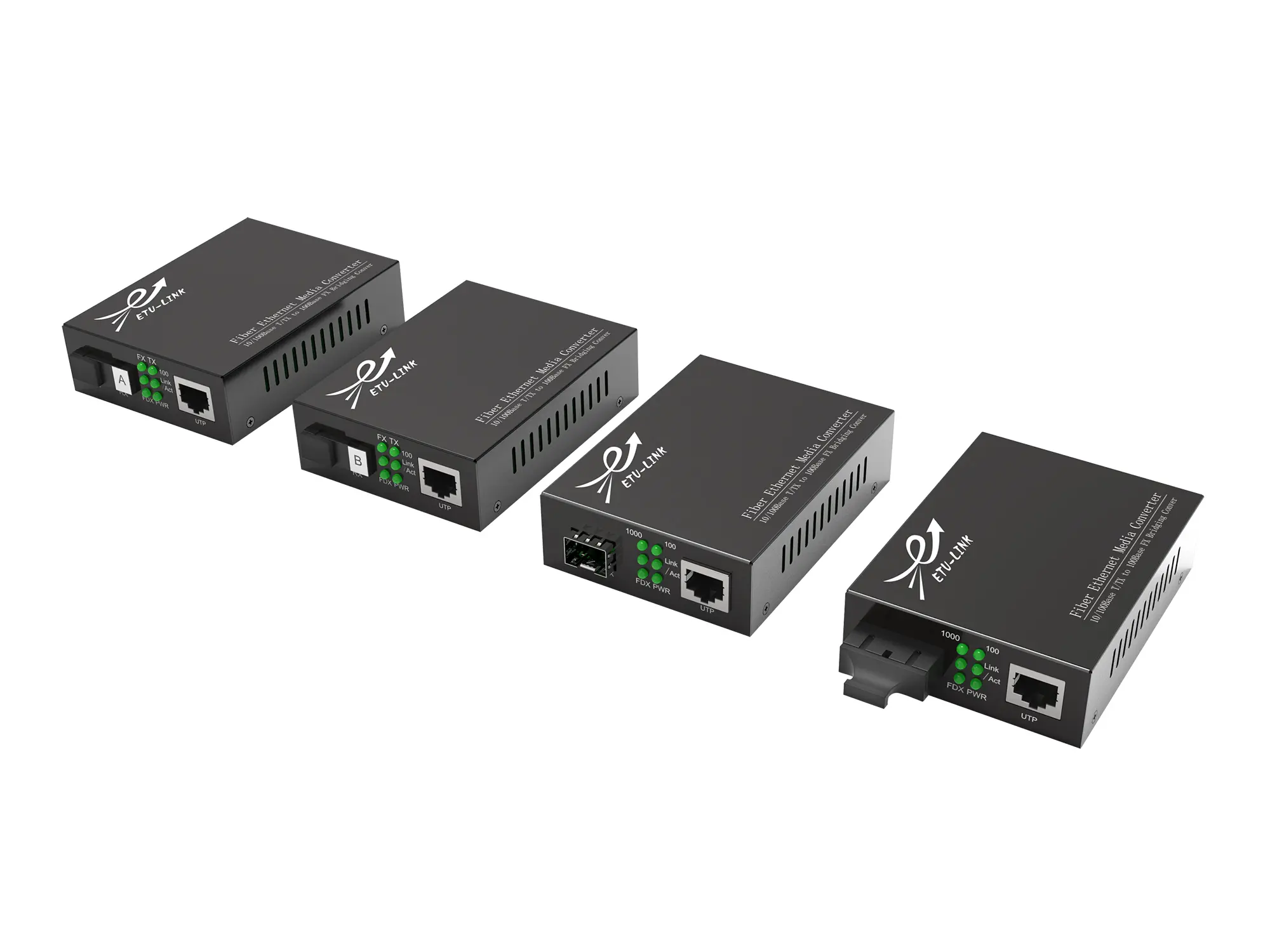 Media Converter
Leave Your Message
Choosing the best China 10G Single Mode Fiber supplier requires more than comparing price lists. It demands evidence, testing discipline, and a clear understanding of network operating conditions. According to the ITU Facts and Figures 2024 report, about 5.5 billion people used the internet worldwide. Cisco’s Annual Internet Report projected global IP traffic could reach 396 exabytes per month by 2022. These figures underline a practical reality: fiber infrastructure must support growing traffic with minimal loss and stable performance.
A reliable supplier should provide compliant OS2 fiber, usually based on ITU-T G.652.D or bend-resistant G.657 specifications. Buyers should verify attenuation results, chromatic dispersion data, cable geometry, jacket materials, and temperature performance. Factory test reports matter. So do independent samples. Look for OTDR traces, insertion-loss measurements, IEC compliance, ISO 9001 certification, and traceable batch records. A professional manufacturer should explain whether its 10G Single Mode Fiber is designed for data centers, campus networks, telecom backbones, or outdoor deployment.
Price alone is a weak filter. The lowest quotation may hide inconsistent coating quality, poor connector polishing, or uncertain delivery capacity. That risk becomes visible when technicians inspect a reel under harsh site lighting. No supplier is perfect. This comparison should therefore examine production experience, laboratory capability, export history, warranty terms, and after-sales response. Supplier claims still need verification. A careful evaluation can identify the strongest Chinese partner for a specific project, rather than declaring one universal winner.

Best China 10G Single Mode Fiber Supplier?
A 10G single mode fiber supplier provides optical fiber products for high-speed networks. These products commonly support 10 Gigabit Ethernet connections over long distances. A reliable supplier should offer fiber cables, patch cords, connectors, and related testing services.
The supplier must understand core size, wavelength, attenuation, and connector compatibility. For 10G systems, common operating wavelengths include 1310 nm and 1550 nm. Experienced suppliers usually provide test reports, clear specifications, and stable production records. They should also explain bend performance, jacket materials, and operating temperatures in practical terms.
A datasheet can still miss important details. Ask for sample testing before placing a large order. Site experience matters.
Tips: Check insertion loss and return loss carefully. Confirm the required fiber standard before purchasing. Request samples from the same production batch when possible. Inspect cable markings, packaging, and end-face cleanliness. A capable supplier should answer technical questions without vague promises. Delivery history also deserves attention, especially for projects with fixed installation dates. Mistakes happen, but a dependable supplier documents them and improves the process.
| Evaluation Dimension | Typical Technical Requirement | Recommended Selection Benchmark | Why It Matters |
|---|---|---|---|
| Data Rate | 10 Gb/s Ethernet; 10GBASE optical interfaces commonly operate at 10.3125 GBd. | Confirm full compatibility with the intended 10GbE equipment and transceiver type. | Matching the optical module and network standard helps prevent link instability. |
| Fiber Mode | Single mode fiber, normally 9/125 μm core/cladding construction. | Use OS2 cable for structured cabling and long-distance 10GbE applications. | Single mode fiber supports longer transmission distances and lower attenuation than multimode fiber. |
| Common Fiber Standard | ITU-T G.652.D is widely used for standard single mode optical links. | Request compliance documentation and test results for the stated fiber standard. | A recognized standard provides predictable attenuation, dispersion, and compatibility. |
| Typical Wavelength | 1310 nm is commonly used for 10GBASE-LR; 1550 nm is used for selected extended-reach solutions. | Select the wavelength specified by the optical transceiver and network design. | The wavelength affects reach, optical budget, dispersion, and component compatibility. |
| Standard Transmission Distance | 10GBASE-LR is specified for up to 10 km over suitable single mode fiber. | Choose a supplier that can provide distance-specific attenuation and link-budget data. | Actual reach depends on transceiver power, receiver sensitivity, splices, connectors, and fiber attenuation. |
| Maximum Attenuation | OS2 single mode cable is commonly specified at no more than approximately 0.4 dB/km at 1310 nm and 0.4 dB/km at 1550 nm, depending on the applicable cable specification. | Compare attenuation test reports at the required wavelengths. | Lower attenuation leaves more optical power margin for long links and passive connections. |
| Connector Options | LC duplex is common for 10GbE; SC, FC, and other connector configurations may also be available. | Specify connector type, polish method, boot design, polarity, and cable length. | Correct connector and polarity configuration simplifies installation and reduces rework. |
| Insertion Loss | A typical low-loss duplex patch cable target is around ≤0.3 dB per connector, subject to the selected connector grade and test method. | Request individual test results or batch test records. | Low connector loss improves the available link budget. |
| Return Loss | UPC and APC connector configurations have different return-loss characteristics; APC generally provides higher return loss. | Use the same polish type at both ends and verify equipment compatibility. | Proper return-loss performance reduces reflected optical power and connection-related errors. |
| Cable Construction | Simplex, duplex, breakout, distribution, armored, and other constructions are used for different installation environments. | Select jacket material, fiber count, bend radius, and protection level according to the installation site. | The correct construction improves mechanical protection, routing, and service life. |
| Bend Performance | G.657.A1 or G.657.A2 bend-insensitive fiber may be selected where tighter routing is required. | Confirm minimum static and dynamic bend-radius specifications. | Improved bend performance helps maintain optical performance in dense cabinets and pathways. |
| Operating Temperature | Indoor patch cables commonly support approximately −20°C to +70°C; outdoor designs may support wider ranges. | Verify the supplier’s temperature rating for the complete cable assembly. | Temperature suitability is essential for outdoor, industrial, and data-center environments. |
| Testing and Quality Control | Recommended records include insertion-loss, return-loss, continuity, end-face inspection, and geometry test results where applicable. | Prioritize traceable batch testing and inspection documentation. | Documented testing improves consistency and simplifies acceptance inspection. |
| Customization and Order Support | Useful options include custom length, jacket type, connector combination, polarity, labeling, packaging, and cable assemblies. | Evaluate sample approval, production lead time, minimum order quantity, and after-sales response. | Flexible support helps align the fiber solution with project specifications and deployment schedules. |
Note: Values shown are typical industry reference points. Final specifications should be confirmed against the applicable Ethernet standard, cable construction, optical transceiver, installation environment, and supplier test documentation.