Choosing the China Best SFP+ 10G Transceiver Supplier requires more than comparing prices and product photos. A dependable supplier should demonstrate optical engineering experience, stable manufacturing, and clear quality-control procedures. Buyers should examine compatibility with switches, routers, storage systems, and network platforms before placing large orders. Small details matter. Wavelength, reach, connector type, temperature range, and digital diagnostics can affect daily network performance.
A professional evaluation should review test reports, coding options, sample results, and warranty terms. Experienced suppliers normally provide data sheets with transmission distance, operating temperature, power consumption, and supported standards. They should also explain whether each SFP+ 10G Transceiver is original, compatible, or coded for a specific brand. Honest communication is essential when a module may not work with older equipment. Practical testing remains valuable, even when the technical documents look complete.
Look beyond the catalog.
Factory audits, production capacity, and response speed can reveal operational reliability. Ask how the supplier handles failed samples, batch inconsistencies, and urgent replacement requests. Delivery performance also matters, especially for data centers with narrow maintenance windows. However, no supplier is perfect. Some companies may offer strong pricing but limited engineering support. Others may provide excellent customization but longer lead times. This article will compare supplier capabilities through product quality, technical expertise, certification evidence, customer support, and long-term consistency. The goal is not to promote a single name without verification. It is to help buyers make a careful, evidence-based decision when selecting a China-based SFP+ 10G Transceiver partner.

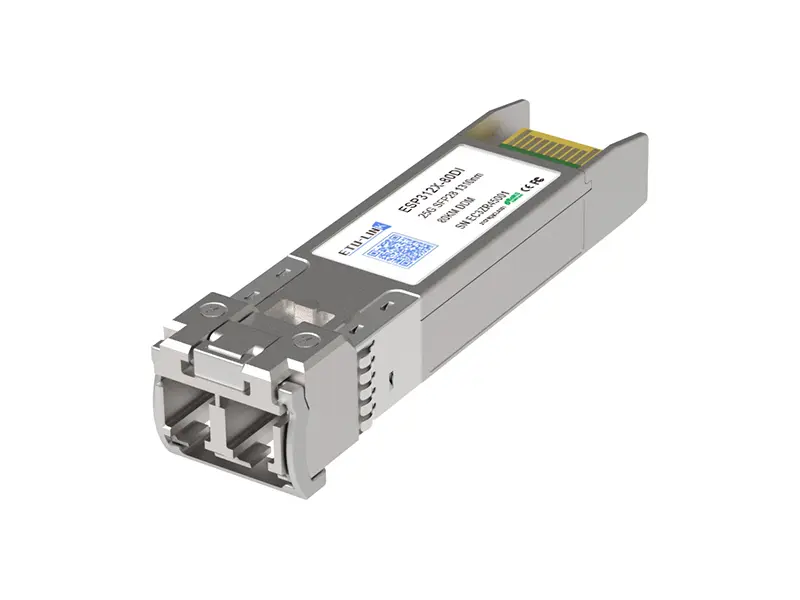
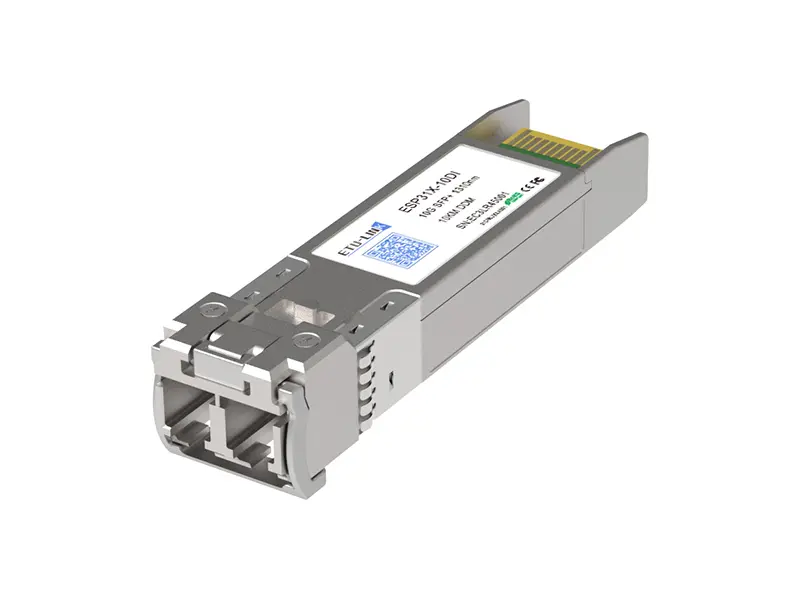
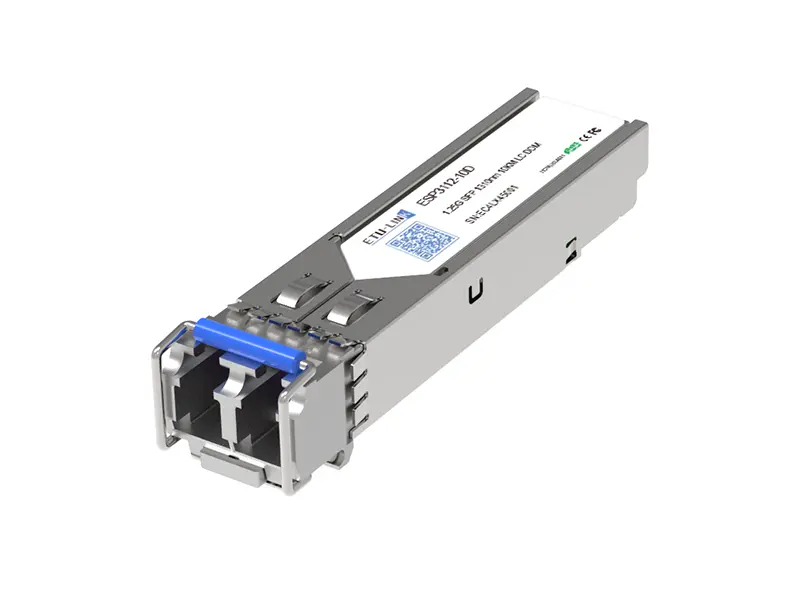
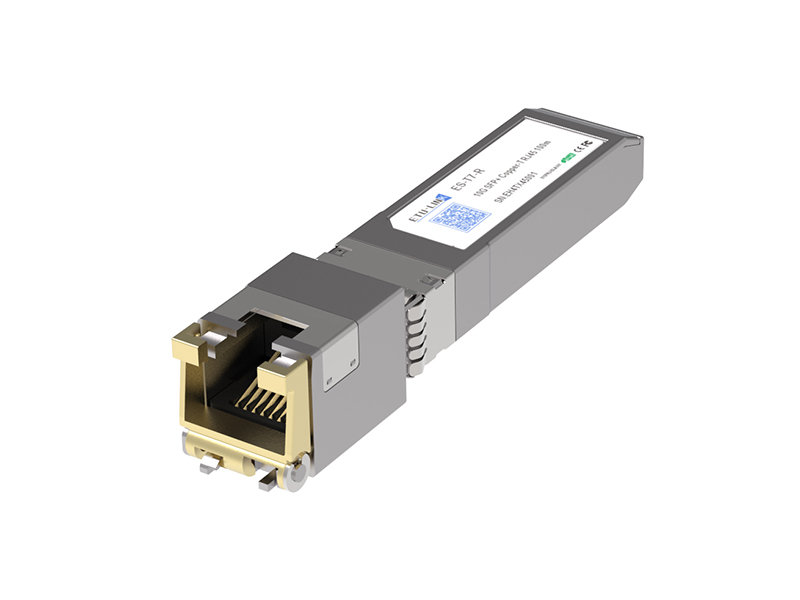
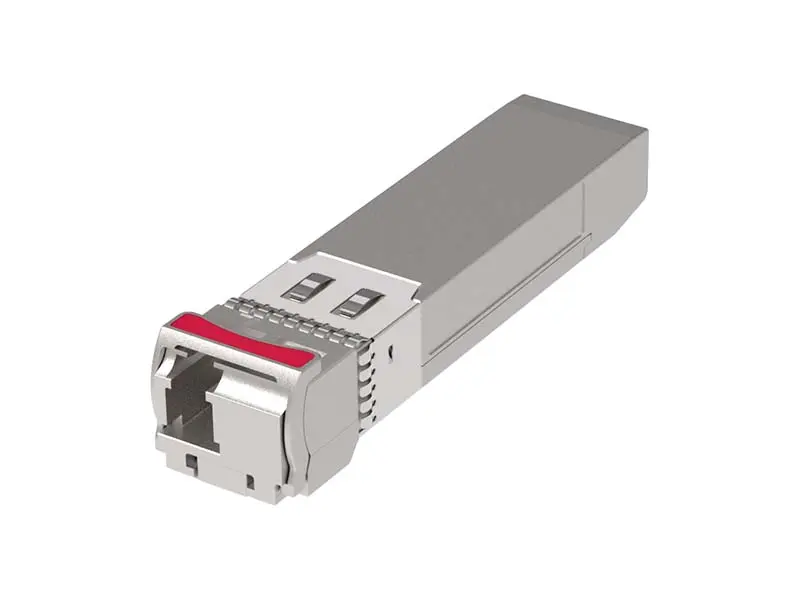
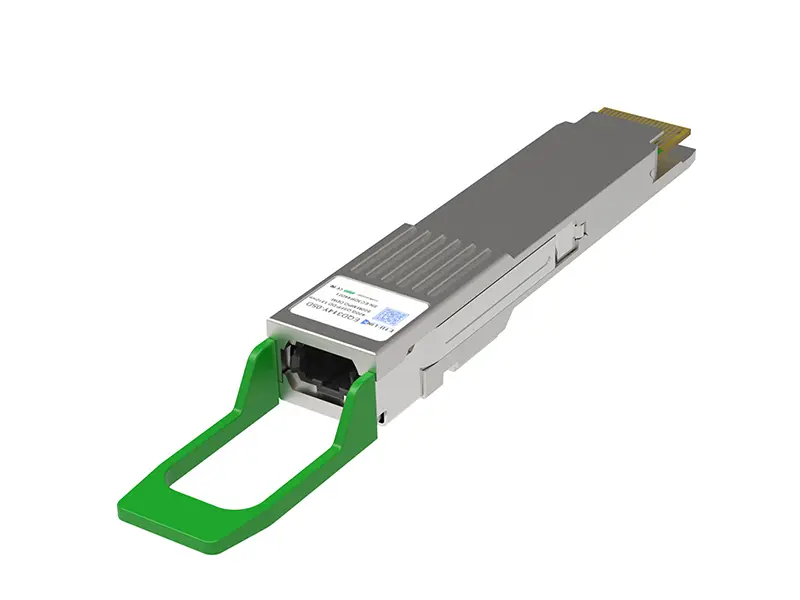
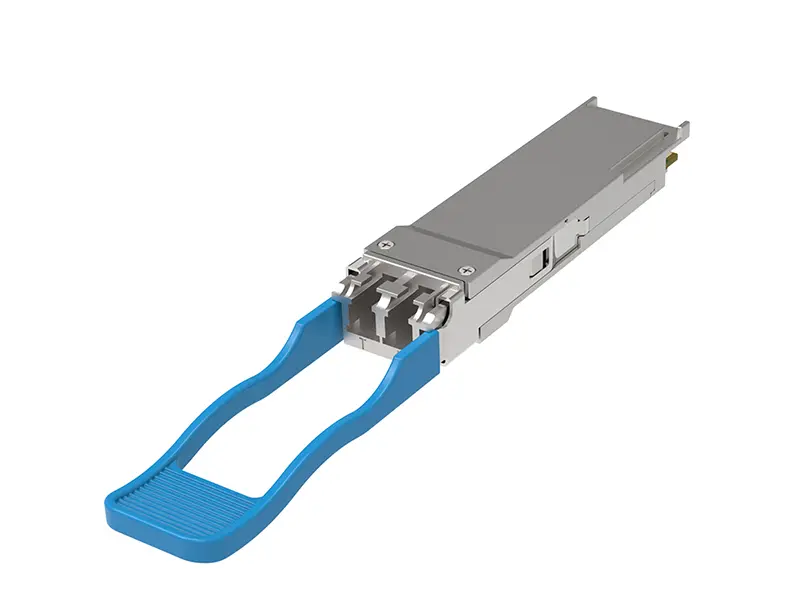
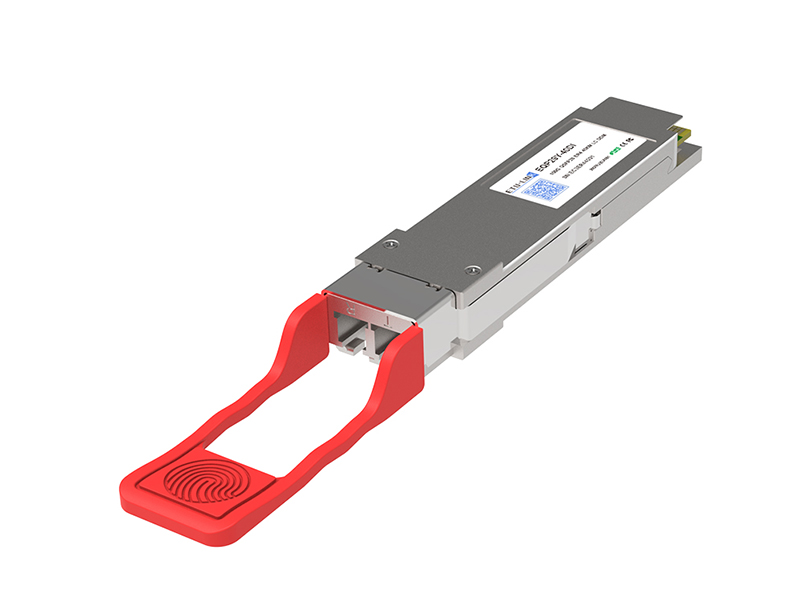
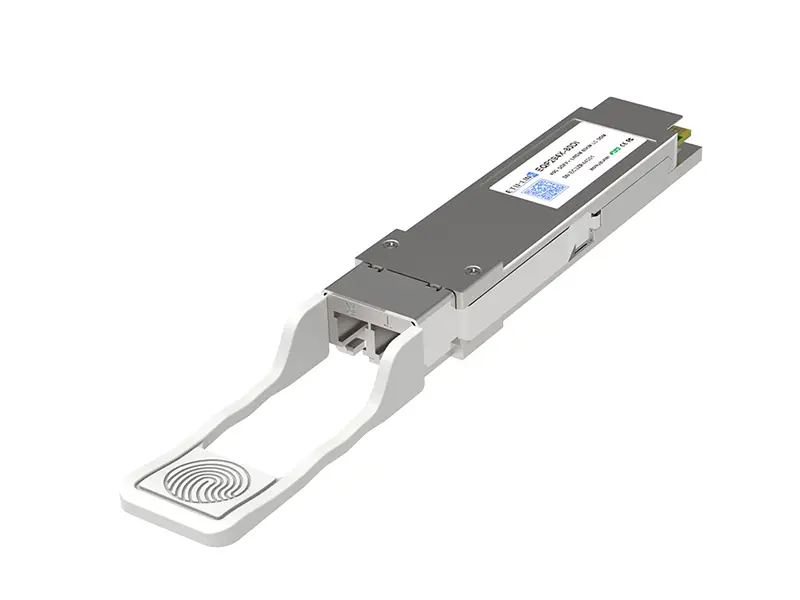
An SFP+ 10G transceiver is a compact, hot-swappable optical or copper module for 10 Gigabit Ethernet links. It converts electrical data into optical signals, or the reverse, inside a network switch, server, or storage device. The SFP+ form factor usually supports 10Gb/s transmission while using less space than older modular designs. It is compact.
Common optical versions use multimode fiber for short connections, often around 300 meters, or single-mode fiber for distances from several kilometers to roughly 80 kilometers. Actual reach depends on fiber quality, wavelength, and link budget. IEEE 802.3 standards and SFF-8431 provide important technical references, but compatibility still requires careful checking. A module can fit physically and fail operationally.
Demand for faster links is understandable. Cisco’s Annual Internet Report projected global data-center traffic at 20.6 zettabytes annually by 2021. Grand View Research estimated the global optical transceiver market at about 11.5 billion dollars in 2022, with continued growth through 2030. These figures support sustained investment, but they do not guarantee every 10G module suits every network. When evaluating a China-based supplier, I would verify coding, temperature range, DOM monitoring, optical power, warranty terms, and test records. Datasheets are useful. Independent testing is better.

Choosing the best China-based SFP+ 10G transceiver supplier starts with technical specifications, not attractive pricing. Confirm the module type, wavelength, transmission distance, and connector design. Common options include 850 nm for short data-center links and 1310 nm for longer fiber routes. Check whether the transceiver supports single-mode or multimode fiber.
Compatibility requires careful testing. Ask for coding support, digital diagnostics monitoring, operating temperature, and power consumption. A reliable supplier should provide clear limits for transmit power, receiver sensitivity, and maximum data rate. Request test reports for each production batch. Small variations can affect network stability.
Look beyond the PDF.
Supplier experience matters in real installations. Ask how the factory handles firmware coding, optical calibration, and failure analysis. A transparent quality process may include incoming material checks, temperature testing, and connector inspection. Samples should run in your own switches before a larger order. This step often reveals issues that laboratory sheets miss. I would also verify warranty terms, replacement procedures, and traceability records. Low prices can be useful, but unclear test evidence creates expensive uncertainty. No supplier is perfect. Even experienced teams should review field feedback and update their selection criteria.
Choosing a 10G SFP+ supplier requires more than comparing online prices. Ask for production records, component traceability, and test procedures. A reliable manufacturer should explain how each module is inspected before shipment.
Check the optical power, receiver sensitivity, wavelength, and transmission distance. Test data should cover the full operating temperature range, not only room temperature. Request eye diagrams, bit error rate results, and digital diagnostic monitoring records. The label should match the EEPROM information. Small mismatches can create large network problems.
C ompatibility needs practical testing. Confirm the module supports your switch, router, fiber type, and link distance. Verify single-mode or multimode operation carefully. Coding details also matter because some devices reject unsupported modules. I once trusted a specification sheet without testing the actual switch. The link appeared stable, then dropped under sustained traffic. That was my mistake.
Look for controlled assembly areas, calibrated instruments, and documented quality checks. Certifications can support credibility, but they do not replace sample testing. Request several samples from different production batches. Compare connector alignment, housing quality, temperature readings, and long-duration performance. A thoughtful supplier should accept technical questions and share clear inspection evidence. Vague answers deserve caution.
A capable SFP+ 10G transceiver supplier should offer more than attractive specifications. Reliable suppliers provide tested optical modules for single-mode and multimode fiber networks. They verify transmission distance, wavelength, power consumption, and operating temperature. Clear datasheets matter. So does traceable quality control.
Experienced suppliers usually support customized coding, connector options, and digital diagnostics monitoring. These capabilities help engineers check temperature, voltage, and optical power during operation. Modules may serve data centers, enterprise networks, storage systems, and telecom access links. They can connect switches, servers, routers, and aggregation equipment across short or extended distances. Compatibility testing remains essential because identical labels do not guarantee identical performance.
Real conditions can be less predictable. Fiber cleanliness, cable bending, and airflow may affect results. A supplier’s laboratory data may not fully match a crowded rack. This is where engineering support becomes valuable, although no supplier fits every project perfectly.
Tips: Request sample testing before deployment. Confirm switch compatibility and coding requirements. Check the warranty, failure process, and diagnostic support. Keep installation records. Small details prevent expensive troubleshooting.
China Best SFP+ 10G Transceiver Supplier?
Choosing a Chinese supplier for SFP+ 10G transceivers requires more than comparing prices. Start with compatibility. Ask for the exact fiber type, wavelength, transmission distance, connector, and operating temperature. Request EEPROM coding for your switch model. A sample order can expose coding errors before a large purchase. It also reveals packaging quality, labeling accuracy, and actual delivery speed. Keep written records of every specification.
Certification needs careful checking. Ask for current RoHS, CE, FCC, and ISO 9001 documentation where applicable. Confirm that test reports match the exact product model. Generic certificates are not enough. Check the issuing laboratory and report date. An experienced supplier should explain optical power, receiver sensitivity, DOM readings, and temperature limits clearly. If answers remain vague, pause the order. I have seen buyers trust a certificate without checking its scope.
After-sales support should be defined before payment. Confirm warranty length, replacement procedures, response times, and return shipping responsibility. Request a practical troubleshooting process for alarms, unstable links, or abnormal DOM values. Keep several tested spare modules for urgent failures. This costs more initially. Downtime costs more. Some suppliers promise fast support but provide slow technical replies after shipment. That is an uncomfortable warning sign. A written service agreement, batch traceability, and accessible engineering contact make later problems easier to manage.
| Evaluation Dimension | Relevant Data or Specification | What to Verify Before Ordering | Recommended Acceptance Criteria |
|---|---|---|---|
| Optical Standard | 10GBASE-SR, 10GBASE-LR, and 10GBASE-ER are defined under IEEE 802.3 standards. | Request the exact Ethernet application, optical wavelength, fiber type, transmission distance, and supported data rate. | The proposed module must match the switch port, network architecture, fiber plant, and required link distance. |
| Multimode SR Compatibility | 10GBASE-SR normally uses an 850 nm VCSEL over multimode fiber. The standard reach is up to 300 m on OM3 and up to 400 m on OM4 under suitable conditions. | Confirm OM3 or OM4 fiber type, connector polarity, insertion loss, and the required link length. | The supplier should provide a datasheet with optical power, receiver sensitivity, maximum reach, and operating temperature. |
| Single-Mode LR Compatibility | 10GBASE-LR generally operates at 1310 nm over single-mode fiber with a nominal reach of up to 10 km. | Check single-mode fiber compatibility, optical budget, connector type, and whether the stated distance is supported at the required temperature. | The quoted optical budget and link distance should be supported by a formal test report or production test record. |
| Extended-Range ER Option | 10GBASE-ER commonly uses 1550 nm optics for links up to approximately 40 km, subject to system loss and dispersion limits. | Verify attenuation, dispersion, connector loss, optical safety information, and whether the equipment supports the module's transmit power. | A link-budget calculation should be completed before purchase; do not select ER solely by its advertised distance. |
| Host-System Coding | SFP+ modules commonly use digital diagnostic information defined by SFF-8472 and a serial management interface based on the SFP MSA. | Confirm host compatibility, EEPROM coding requirements, DOM/DDM support, firmware behavior, and any port restrictions. | The supplier should provide a compatibility list and confirm coding requirements in writing before shipment. |
| Operating Temperature | Common commercial-temperature specifications cover 0°C to 70°C; industrial-temperature versions may cover approximately -40°C to 85°C. | Check the exact temperature grade, housing airflow, installation environment, and performance limits across the full range. | The purchase order should state the temperature grade rather than relying on a general product-family description. |
| Product Certification | Common compliance evidence may include RoHS documentation, a CE Declaration of Conformity where applicable, and EMC or safety documentation relevant to the finished equipment. | Request document numbers, issue dates, applicable directives or standards, test scope, and the matching product or part number. | Accept only traceable documents that clearly cover the supplied model; do not treat a generic logo image as certification evidence. |
| Quality Management | ISO 9001 certification indicates that a quality-management system has been assessed against the applicable standard; it does not certify the performance of every product. | Review the certificate scope, issuing body, validity period, manufacturing location, and corrective-action process. | The certificate should be current and cover the activities related to optical transceiver design, manufacture, or supply. |
| Sampling and Validation | A pre-production sample can reveal interoperability, optical-budget, coding, and thermal issues that may not appear in a catalogue. | Test the sample in the actual host equipment and record link stability, DOM readings, error counters, temperature, and power consumption. | Approve the supplier only after sample results meet the agreed specification under representative operating conditions. |
| Order Quantity and Pricing | Pricing can vary with quantity, temperature grade, coding, optical reach, packaging, and testing requirements. | Request tiered pricing, minimum order quantity, sample charges, tooling or coding fees, packaging details, and quotation validity. | The quotation should separate product price, testing, freight, taxes, duties, and any one-time engineering charges. |
| Lead Time and Supply Continuity | Lead time may depend on component availability, coding, test requirements, order quantity, and production capacity. | Confirm sample lead time, mass-production lead time, production capacity, forecast requirements, and notification of component or specification changes. | Use written delivery milestones and require advance notice for substitutions, redesigns, or end-of-life changes. |
| Inspection and Traceability | Traceability may include serial numbers, lot codes, incoming inspection records, optical test data, and final test results. | Define inspection level, acceptance sampling, test parameters, labeling, packaging protection, and certificate-of-conformance requirements. | Every shipment should be identifiable by model, lot, date code, and applicable test or inspection record. |
| Warranty and DOA Policy | Warranty terms differ by supplier and may exclude damage caused by incorrect installation, contamination, electrostatic discharge, or unauthorized modification. | Confirm warranty duration, start date, dead-on-arrival window, return authorization process, replacement method, and excluded conditions. | The warranty and DOA terms should be included in the quotation, sales contract, or purchase order. |
| Technical Support | Effective support should cover compatibility, optical diagnostics, link-budget review, troubleshooting, and replacement coordination. | Check response channels, technical response time, language coverage, escalation procedure, and availability of application engineers. | Prefer suppliers that provide documented troubleshooting procedures and measurable response-time commitments. |
| Logistics and Import Documents | International shipments may require a commercial invoice, packing list, transport document, customs classification, and applicable origin or compliance documents. | Agree on Incoterms, shipping method, insurance responsibility, export packaging, customs data, and document format. | All shipping and customs responsibilities should be defined before the purchase order is released. |
| Overall Supplier Decision | The lowest unit price does not necessarily provide the lowest total cost when testing, failures, downtime, freight, and replacement handling are included. | Compare technical compliance, documented quality, delivery performance, support capability, warranty exposure, and total landed cost. | Select the supplier with verified interoperability, complete documentation, stable supply, transparent commercial terms, and a practical after-sales process. |