Why Choose a 10G SFP+ RJ45 Copper Transceiver for Your Network?
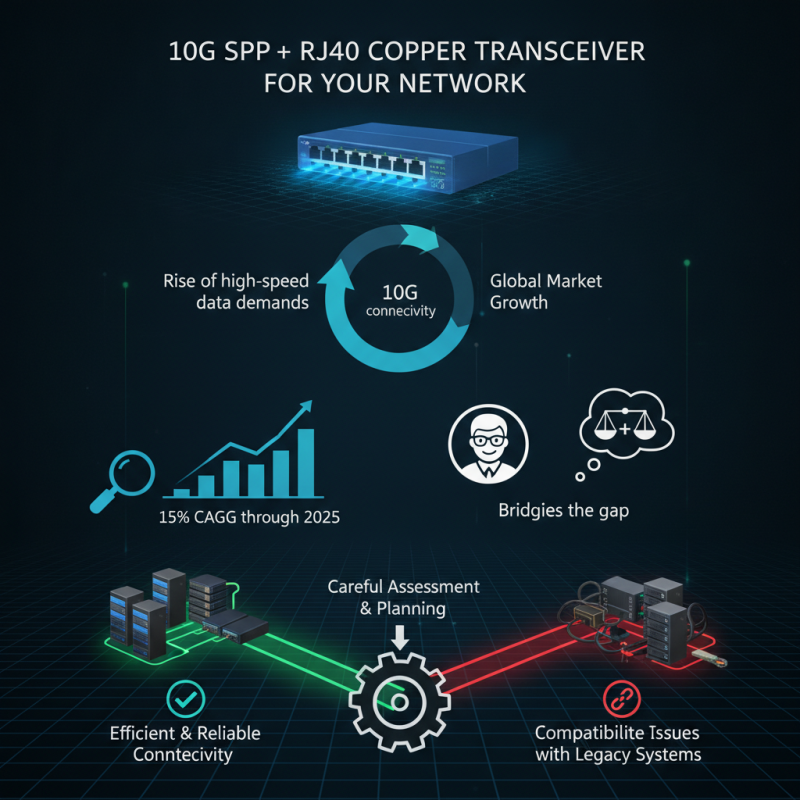
The rise of high-speed data demands has made the 10G SFP+ RJ45 Copper Transceiver increasingly relevant in networking solutions. As companies adapt to evolving requirements, the need for efficient and reliable connectivity becomes vital. According to a recent report by the International Data Corporation (IDC), the global market for 10G transceivers is expected to grow at a compound annual growth rate (CAGR) of 15% through 2025, highlighting the increasing reliance on high-speed connections.
Experts like Dr. James Holloway, a leading specialist in optical networking, have emphasized the advantages of the 10G SFP+ RJ45 Copper Transceiver. Dr. Holloway states, "These transceivers bridge the gap between performance and cost, making them ideal for enterprises seeking connectivity without sacrificing quality." This statement reflects a growing consensus in the industry about the balance between affordability and exceptional performance.
Despite the obvious advantages, it is crucial to reflect on potential limitations. Compatibility issues may arise, particularly with legacy systems. Organizations must carefully assess their network infrastructure before making the switch to 10G SFP+ RJ45 Copper Transceivers. Thus, while they offer significant benefits, the transition requires thoughtful consideration and planning.
What is a 10G SFP+ RJ45 Copper Transceiver?
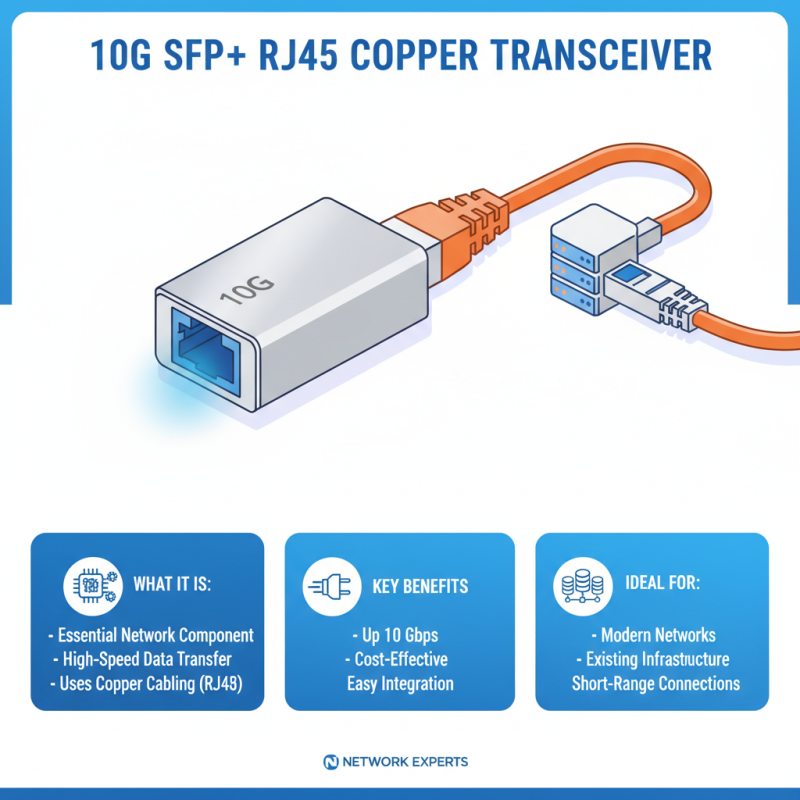
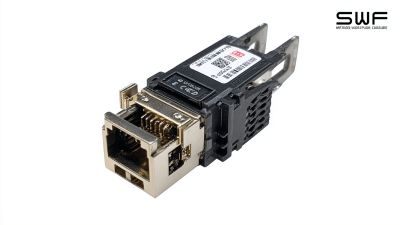
A 10G SFP+ RJ45 copper transceiver is an essential component for modern networks. It supports high-speed data transfer over copper cabling. Typically, it utilizes standard Ethernet cables, allowing for easy integration with existing infrastructure.
Using a 10G SFP+ RJ45 transceiver offers significant advantages. It provides a cost-effective solution for short-distance connections, up to 100 meters. This makes it ideal for within-building applications. Network managers appreciate its ease of installation and compatibility with various hardware.
**Tips:** Always check the maximum distance supported by your transceiver. Using it beyond specified limits can degrade performance. Keep an eye on cable quality, as poor cabling can lead to unexpected network issues.
When considering a transceiver, be aware of its thermal and electrical characteristics. Not every transceiver performs well under all conditions. Reflecting on your network's needs can prevent costly mistakes. Flexibility and scalability should be core considerations in your choice.
Key Features of 10G SFP+ RJ45 Copper Transceivers
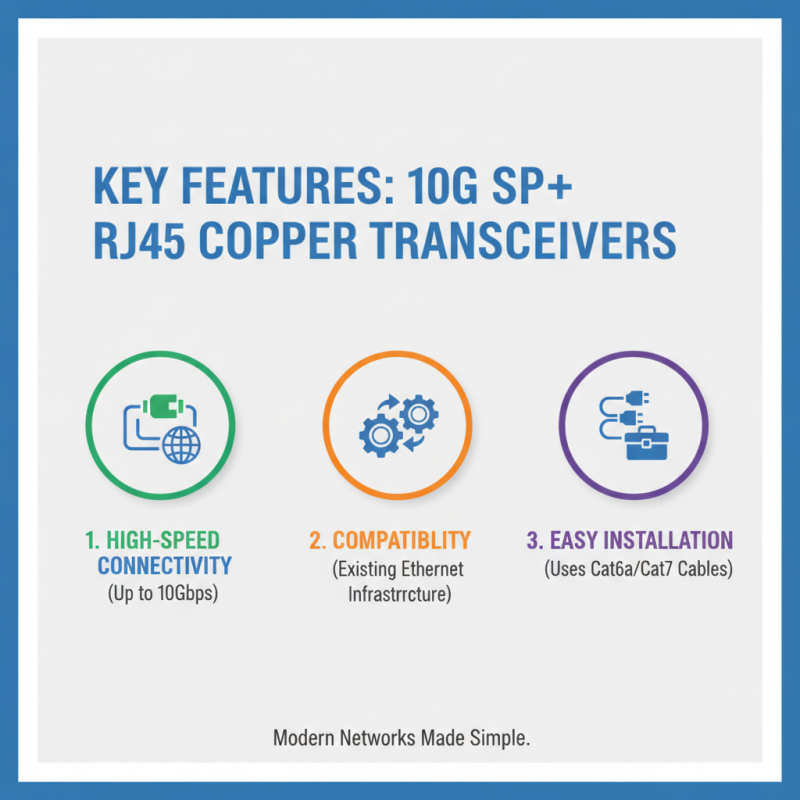
The 10G SFP+ RJ45 copper transceiver is a vital component for modern networks. It supports high-speed connections, essential for data-intensive applications. One key feature is its compatibility with existing Ethernet infrastructure. This allows for easy integration without significant upgrades. Additionally, the transceiver uses standard Cat6a or Cat7 cables, making installation straightforward.
**Tip:** Always check your cable type against the transceiver specifications. This ensures optimal performance.
Another significant attribute is its reach. The 10G SFP+ RJ45 can transmit signals up to 100 meters. This range offers flexibility in network design, accommodating various layouts. The device also maintains low power consumption, contributing to energy efficiency.
**Tip:** Monitor your network's power usage regularly. This can help in identifying potential inefficiencies.
Performance can vary depending on environmental factors. Noise and heat can affect signal integrity. It's crucial to install the transceiver in well-ventilated areas to minimize issues. Regular testing can help maintain reliable communication within your network.
Advantages of Using 10G SFP+ RJ45 Copper Transceivers in Networks
When considering enhancements for your network, the 10G SFP+ RJ45 copper transceiver stands out. This device is designed to support 10 Gigabit Ethernet. It can seamlessly integrate with existing copper cabling, allowing for an upgrade without the need for extensive rewiring. Reports show that up to 70% of enterprises prefer copper for short-range connections, primarily due to its cost-effectiveness and simplicity.
One key advantage of using 10G SFP+ RJ45 copper transceivers is their ability to cover distances of up to 100 meters over standard Cat6a cabling. This makes them ideal for data centers and local area networks (LANs). A study by industry analysts indicates that networking conversion to 10G technology can boost throughput by more than 50%, translating to significant productivity gains.
However, there are challenges to consider. While copper transceivers are typically less expensive than fiber options, they may be more susceptible to electromagnetic interference. This can affect signal integrity, especially in densely populated environments. Network managers should weigh the benefits against potential drawbacks, emphasizing the importance of a tailored network strategy that addresses specific physical environments and operational needs.
Why Choose a 10G SFP+ RJ45 Copper Transceiver for Your Network? - Advantages of Using 10G SFP+ RJ45 Copper Transceivers in Networks
| Feature |
Description |
Advantages |
| Data Rate |
Supports 10 Gbps data transmission |
High-speed connectivity for demanding applications |
| Cable Type |
Compatible with standard CAT6/CAT6a Ethernet cables |
Cost-effective cabling solutions already in place |
| Distance |
Can reach distances up to 100 meters |
Ideal for short to medium-range connections |
| Form Factor |
SFP+ (Small Form-factor Pluggable) |
Flexibility in network design and easy upgrades |
| Power Consumption |
Low power usage |
Reduced operational costs and heat output |
| Compatibility |
Works with a variety of network equipment |
Versatile use in various network setups |
Comparative Analysis: 10G SFP+ RJ45 vs. Other Transceivers
When considering network systems, the choice of transceivers is crucial. The 10G SFP+ RJ45 copper transceiver stands out due to its cost-effectiveness and simplicity. According to industry reports, up to 80% of enterprises prefer copper over fiber for short-distance connections due to reduced installation complexities. In contrast, fiber transceivers generally come with higher costs, both in terms of materials and necessary infrastructure.
Moreover, the 10G SFP+ RJ45 copper transceiver supports distances up to 100 meters, making it adept for most data center applications. While fiber offers unparalleled bandwidth potential, copper solutions cater well to environments where flexibility is vital. Reports indicate that nearly 60% of network edge deployments utilize copper, suggesting it meets modern needs successfully. However, there are limitations. For extensive distances over 100 meters, fiber remains superior, especially in environments with high electromagnetic interference.
Reliability is another consideration. Copper cables can experience degradation over time, impacting performance. In contrast, fiber optic cables are less susceptible to such issues. Ultimately, the decision should be informed by specific network environments and goals. While 10G SFP+ RJ45 copper transceivers present clear advantages for short runs, thorough evaluations of long-term needs are necessary for an optimal system.
Comparison of 10G SFP+ RJ45 Copper Transceiver and Other Transceivers
Best Applications and Use Cases for 10G SFP+ RJ45 Copper Transceivers
The 10G SFP+ RJ45 copper transceiver emerges as a practical choice for various networking scenarios. Organizations require fast data transmission over short distances. These transceivers effectively deliver 10 Gbps speeds over Cat6a or Cat7 cabling, reaching lengths of up to 100 meters. A 2022 report indicated that over 75% of data center operators prefer copper solutions for their cost-effectiveness and ease of installation.
One of the best applications of 10G SFP+ RJ45 transceivers is within data centers. Their ability to support high-density connections makes them ideal for server-to-switch links. Furthermore, enterprises benefit from their interoperability with existing Ethernet infrastructure. A recent study highlighted that more than 60% of IT professionals believe leveraging copper transceivers streamlines their upgrade processes. However, challenges persist. Potential electromagnetic interference may concern some network administrators.
Branch offices and smaller networks also find value in these transceivers. Their plug-and-play nature reduces setup complexities. Moreover, businesses can expand their network speeds without overhauling entire setups. Yet, certain limitations arise when distances exceed recommended lengths. Users must address signal degradation over longer cables. As technology evolves, balancing these factors will be crucial for optimizing network performance.

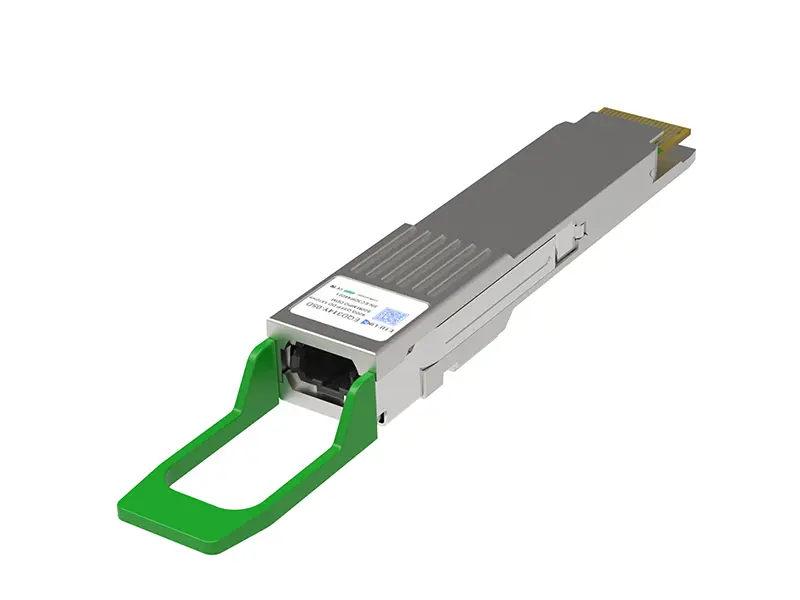 400G
400G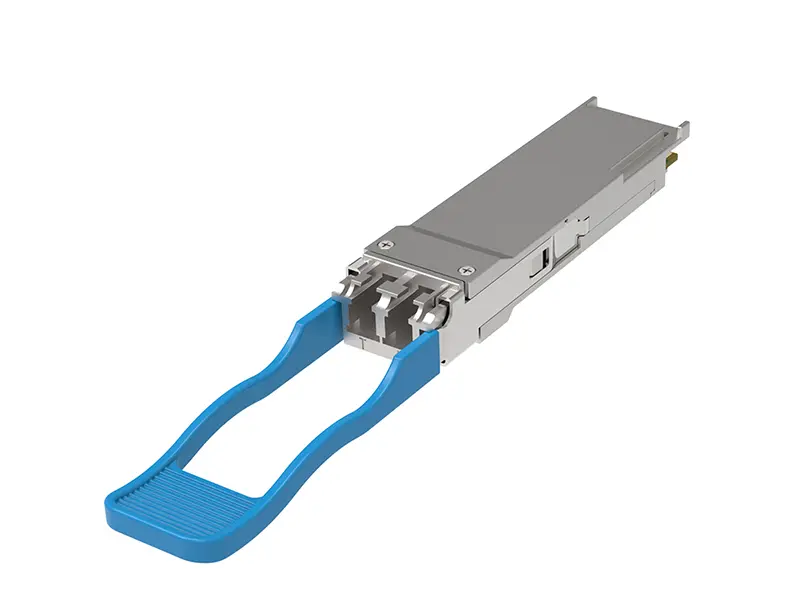 200G
200G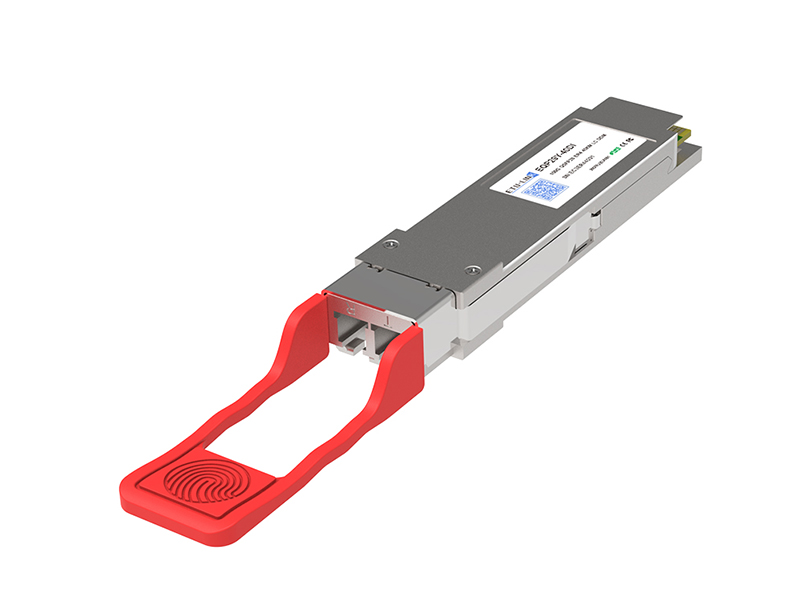 100G
100G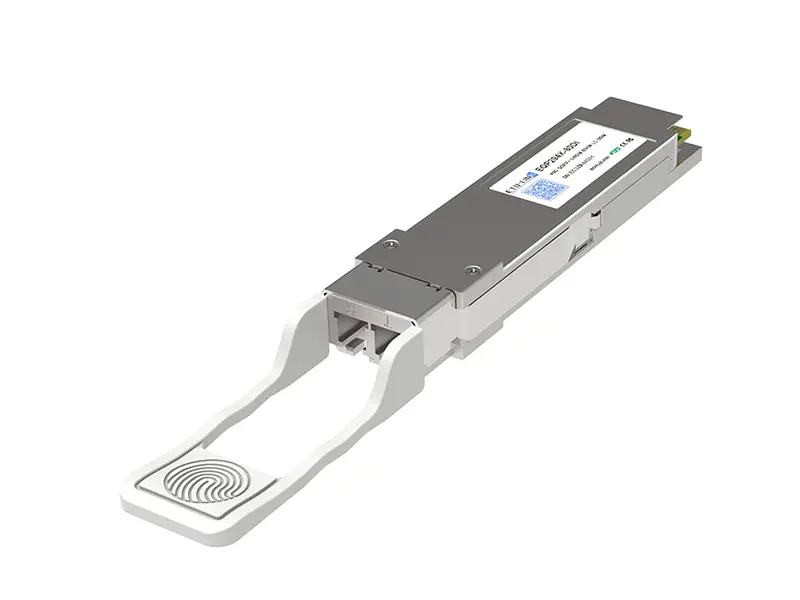 40G
40G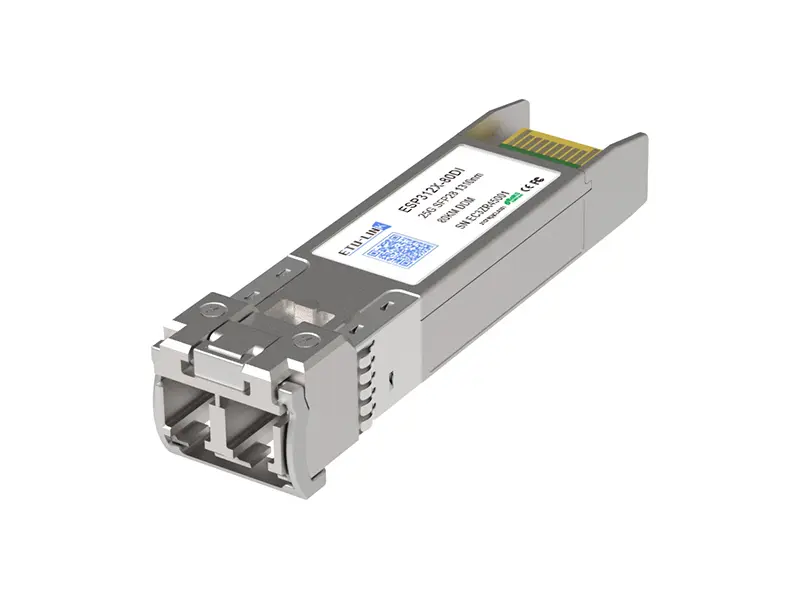 25G
25G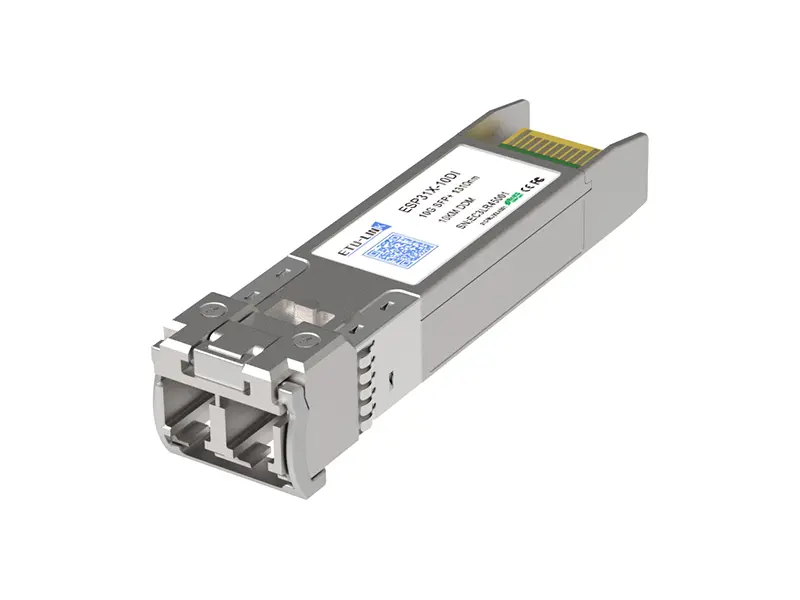 10G
10G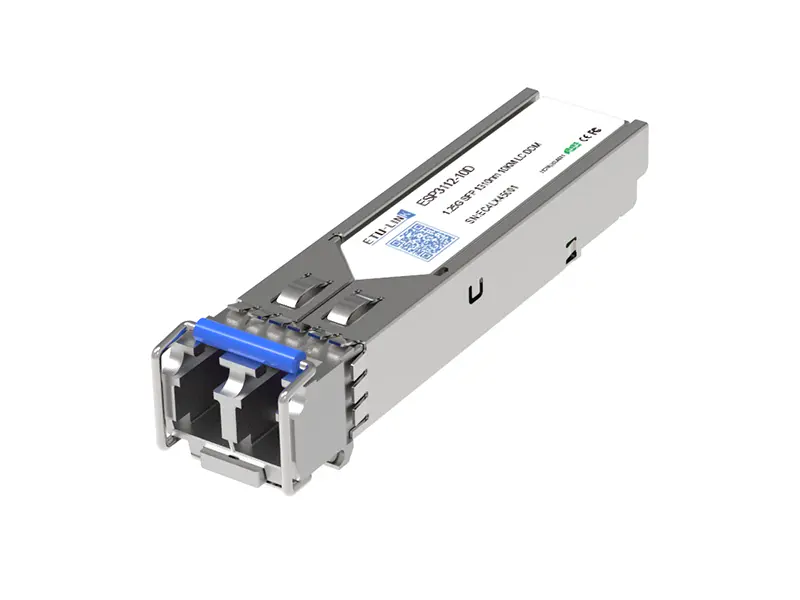 1G
1G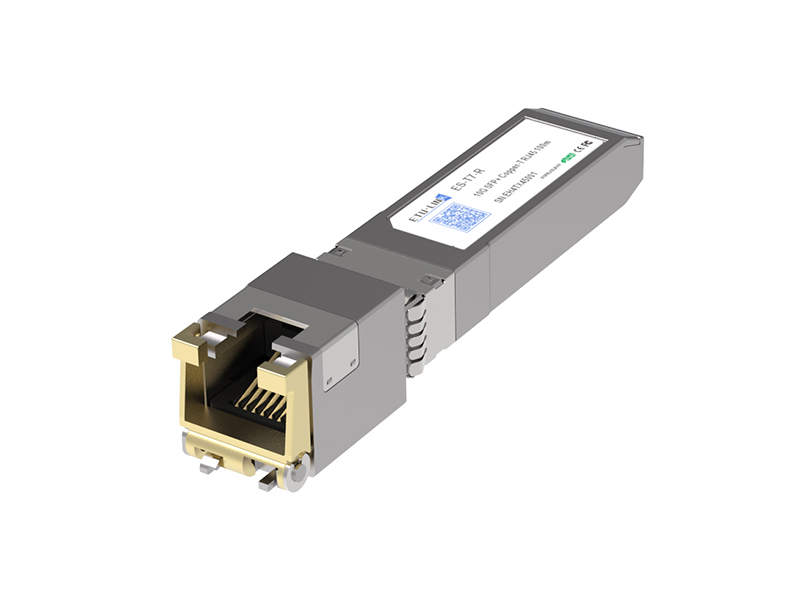 COPPER-T
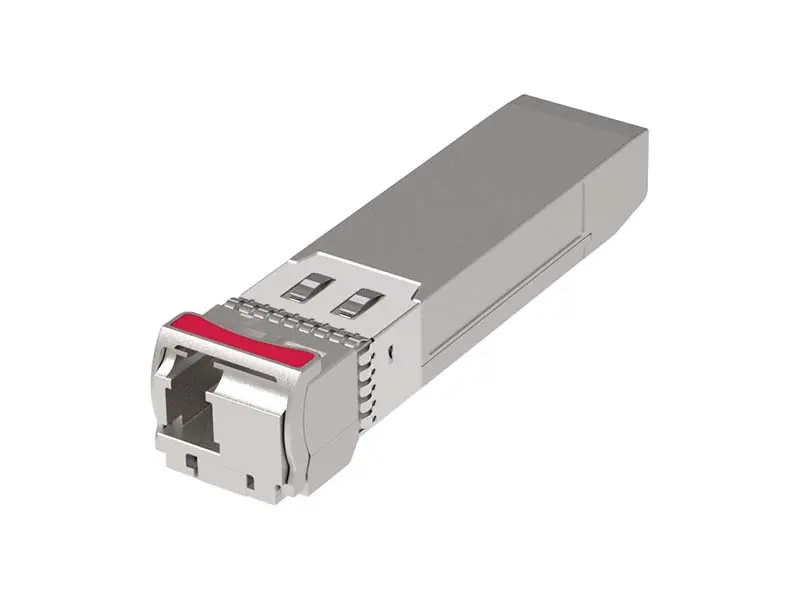 Other
Other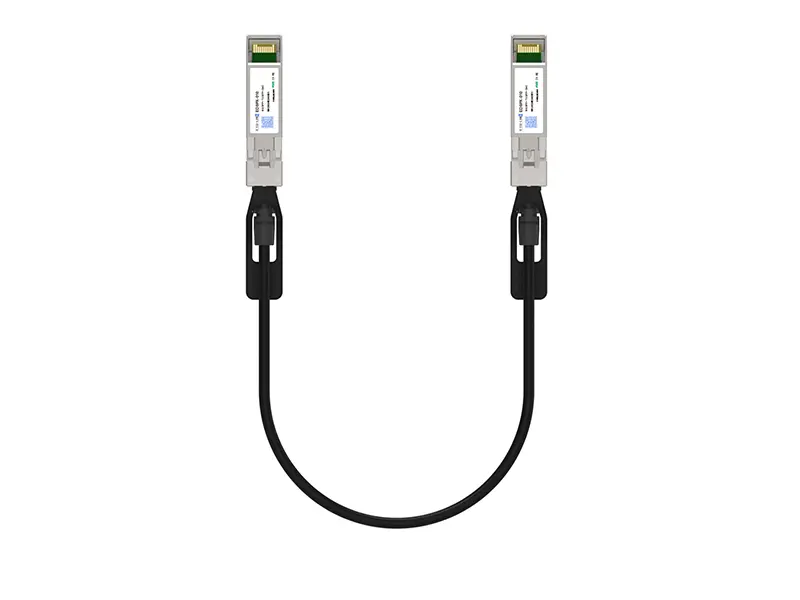 10G SFP+ DAC
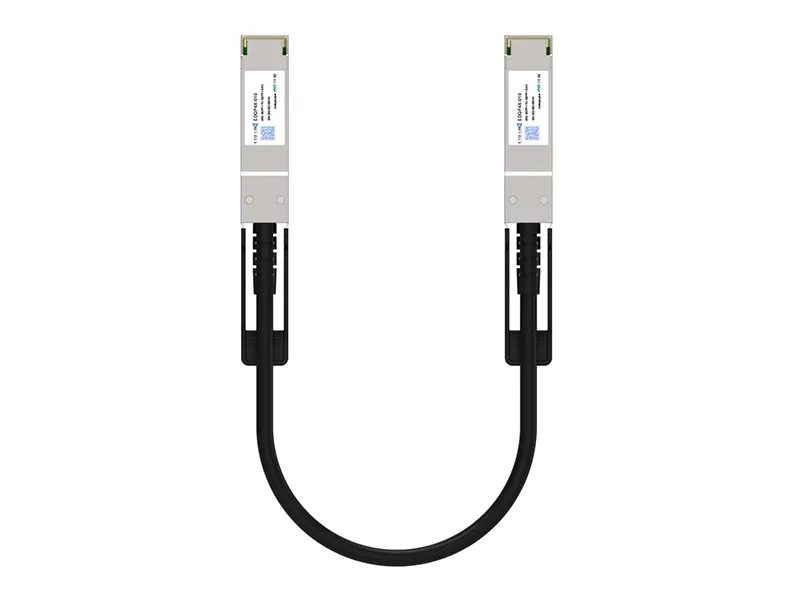 40G QSFP+ DAC
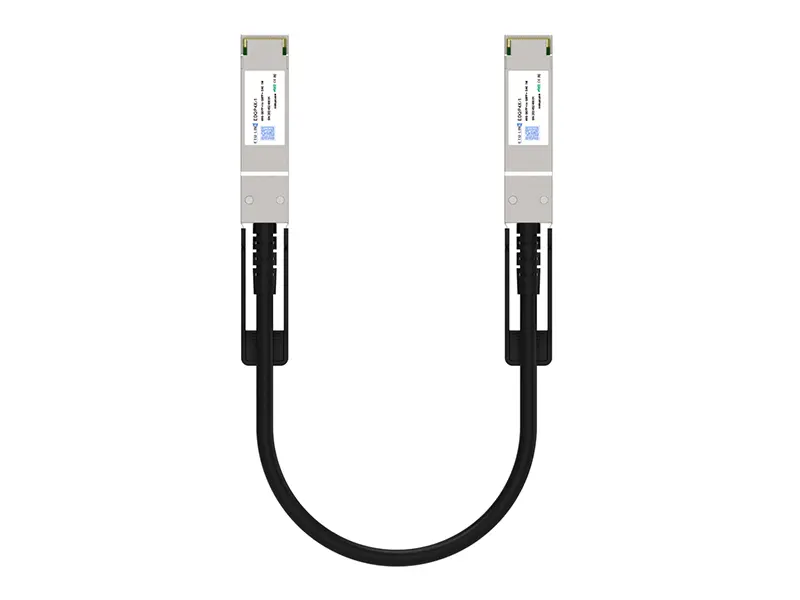 56G QSFP+ DAC
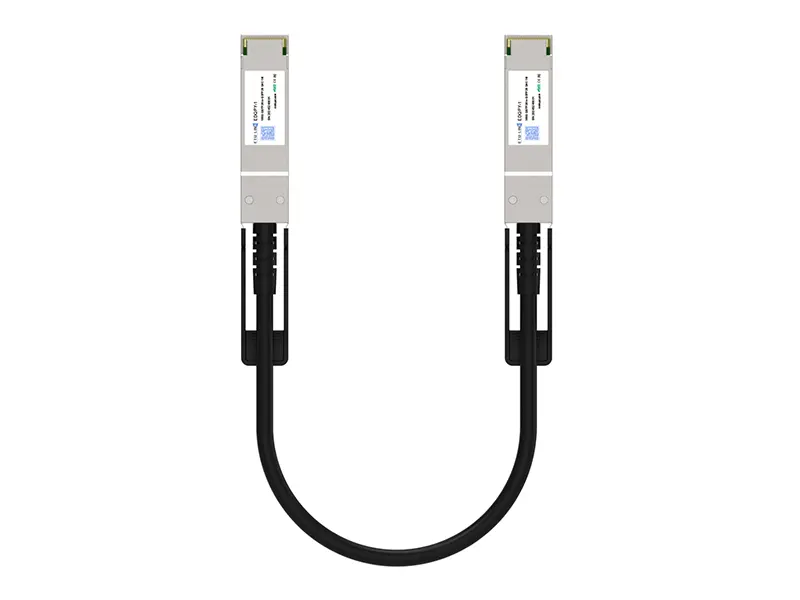 100G QSFP28 DAC
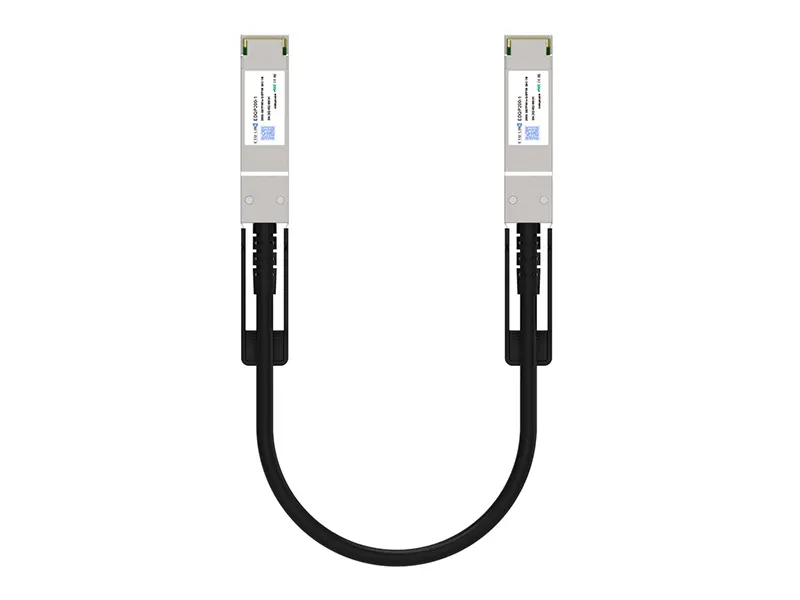 200G QSFP56 DD DAC
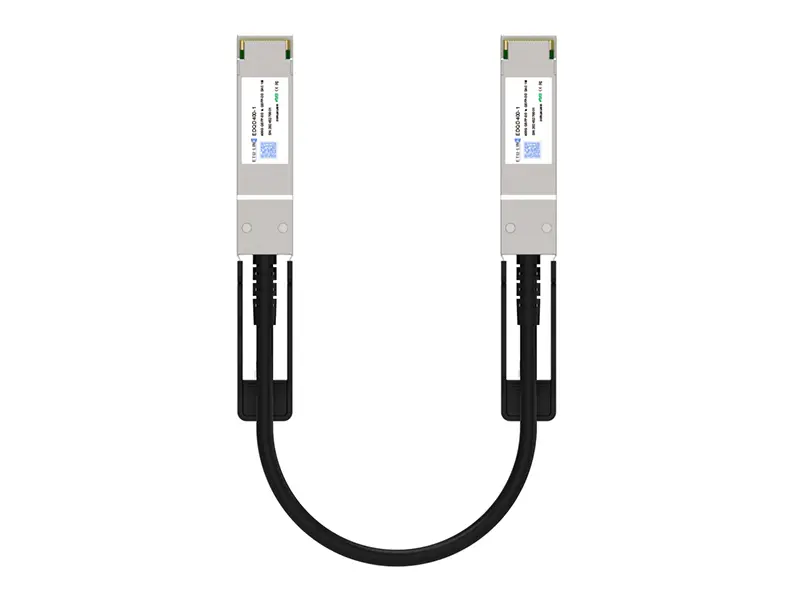 400G QSFP DD DAC
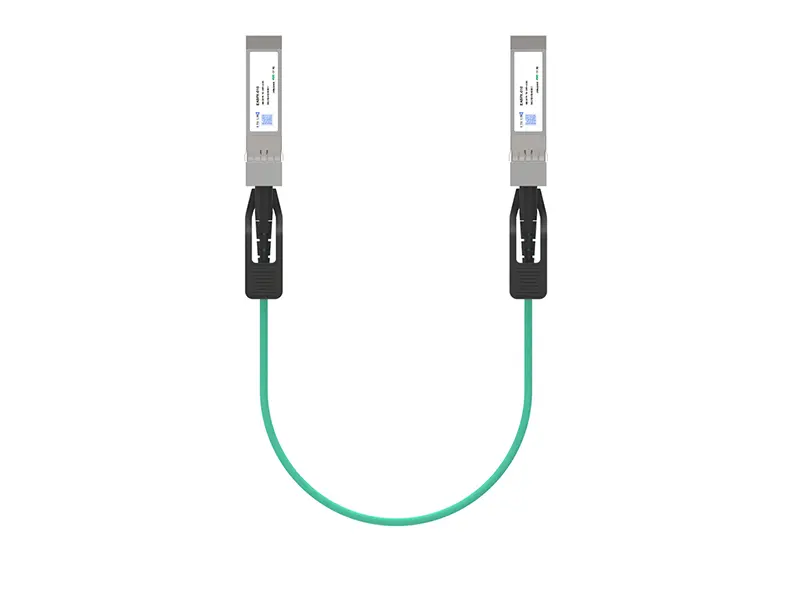 10G SFP+ AOC
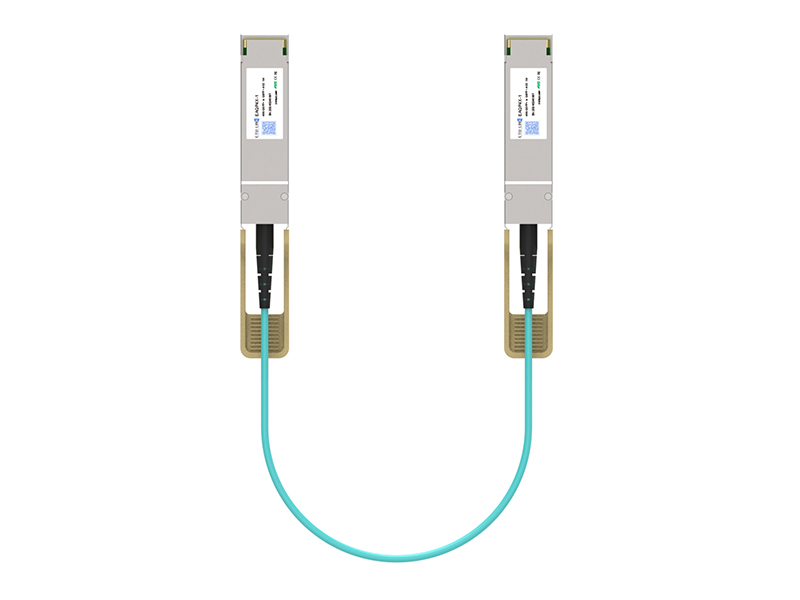 40G QSFP+ AOC
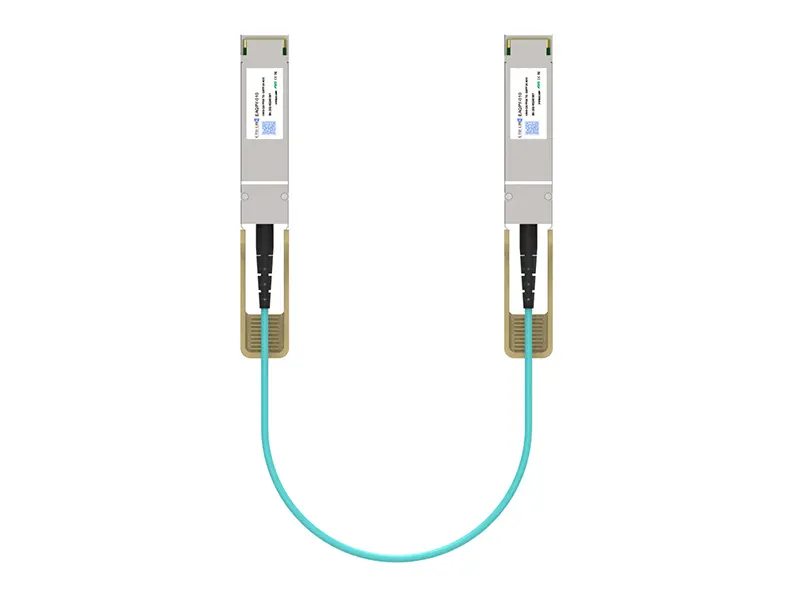 100G QSFP28 AOC
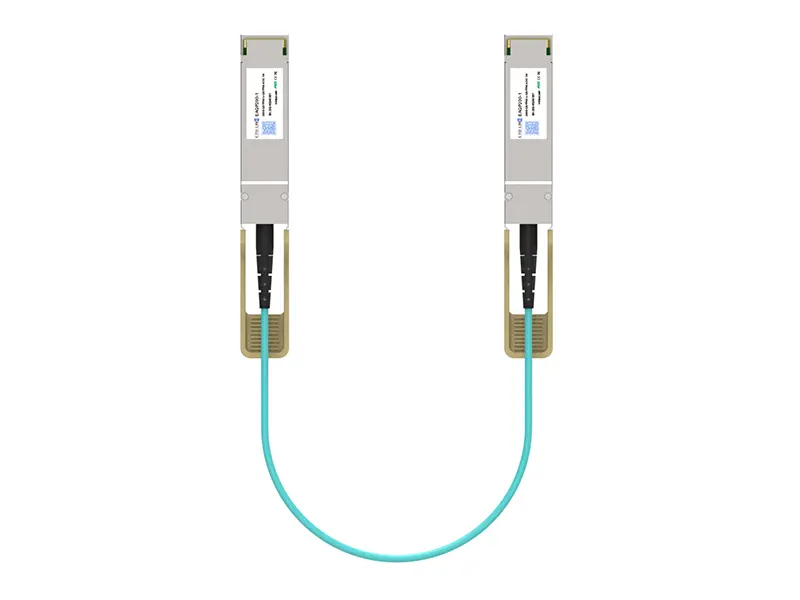 200G QSFP56 AOC
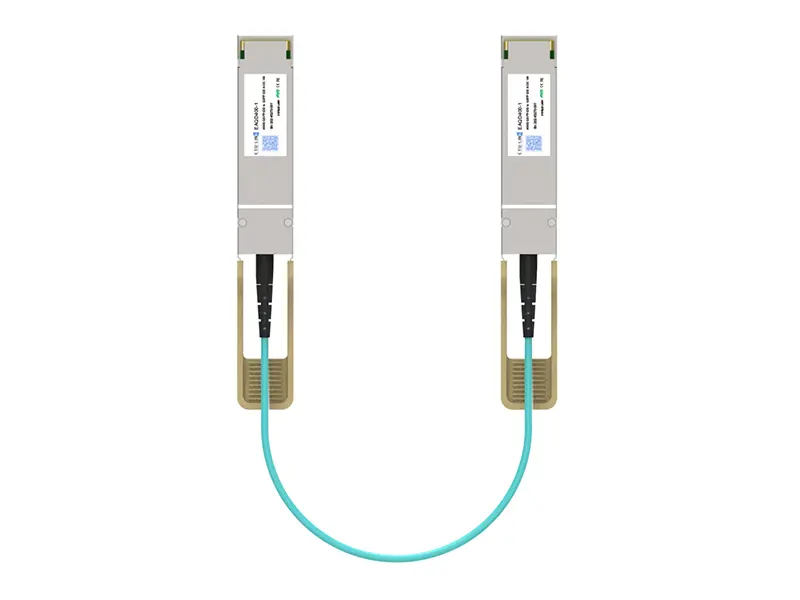 400G QSFP-DD AOC
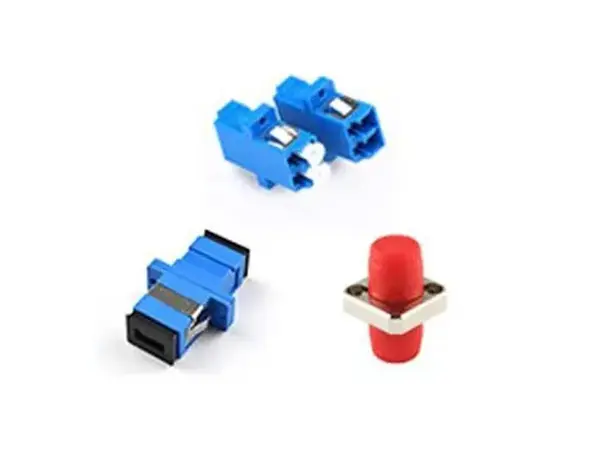 Adapter Details
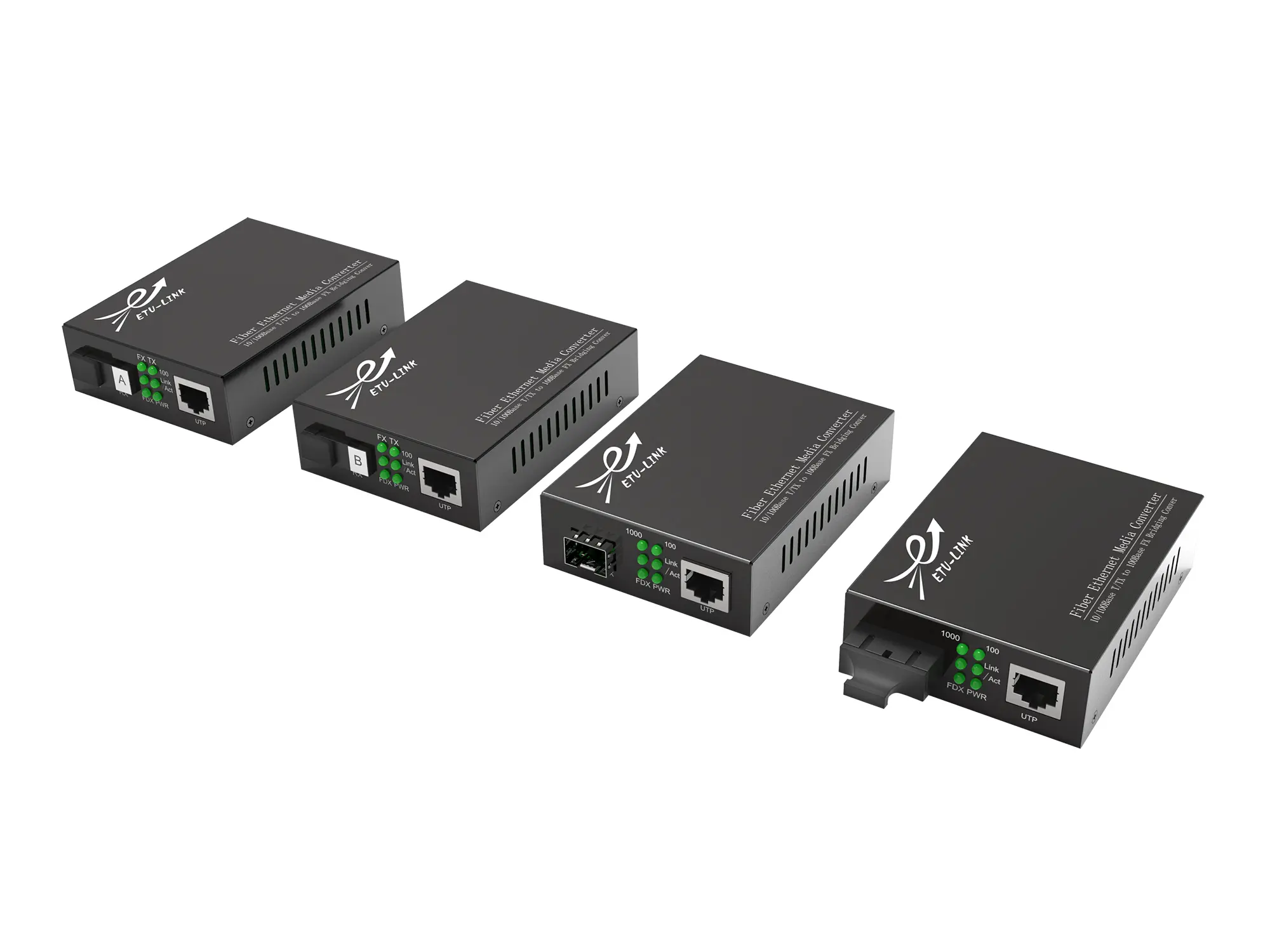 Media Converter