Top 10 Benefits of 40G QSFP+ Active Optical Cable for Buyers?
In today's rapidly evolving data center environments, the demand for high-performance connectivity solutions has never been greater. The "40G QSFP+ Active Optical Cable" stands out as a leading choice for modern networks. According to a report by the International Data Corporation (IDC), the market for high-speed data interconnects is projected to grow by 25% annually. This growth underscores the importance of choosing the right cabling solutions.
Industry expert Dr. Elena Roberts, a leading figure in optical networking, highlights the significance of these cables. She notes, “40G QSFP+ Active Optical Cables provide crucial bandwidth to support today’s data-heavy applications.” With this technology, users can achieve superior data transfer rates while benefiting from reduced power consumption. The lightweight design enhances installation flexibility, especially in dense environments.
However, while the advantages are clear, buyers should consider potential drawbacks. Concerns over initial investment costs arise. It's essential to weigh the long-term savings against up-front pricing. Additionally, compatibility with existing infrastructure can pose challenges. These factors warrant careful evaluation as buyers navigate their choices in high-speed cabling solutions.

Overview of 40G QSFP+ Active Optical Cable Technology
The 40G QSFP+ Active Optical Cable (AOC) technology is a significant advancement in high-speed connectivity. AOCs utilize optical fibers to transmit data, offering faster speeds over longer distances compared to traditional copper solutions. This technology is crucial for environments that require high bandwidth, such as data centers and enterprise networks.
One notable aspect is the reduced weight and size of AOCs. This can simplify cable management, making installations more efficient. The low power consumption is another advantage, contributing to sustainability in tech infrastructure. However, it is worth reflecting on the initial costs, which can be higher than standard cables. Buyers should also consider compatibility with existing systems before making a decision.
Beyond speed and efficiency, AOC technology demands careful handling. Optical fibers are delicate and can be prone to damage if not managed correctly. Users must balance the benefits of high performance with the potential for increased maintenance challenges. The design of AOCs allows for flexibility in deployment, but it is essential to ensure timely upgrades and maintenance to maximize benefits.
Key Performance Advantages of Using 40G QSFP+ AOC
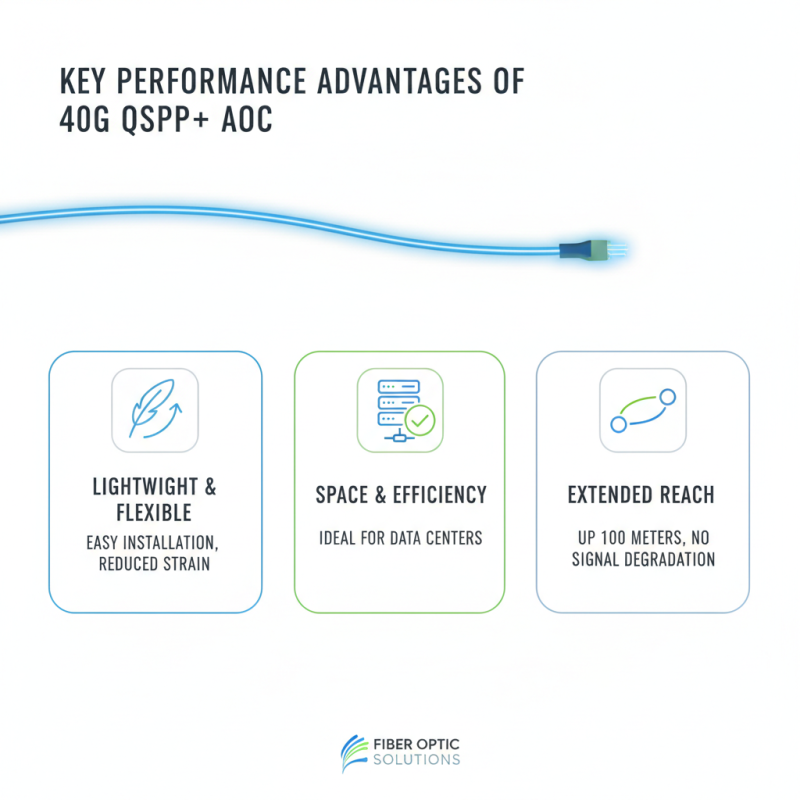
The 40G QSFP+ Active Optical Cable (AOC) offers numerous performance advantages for buyers in various networking scenarios. Its lightweight and flexible design simplify installation, reducing the strain on network infrastructure. This is particularly beneficial in data centers where space and efficiency are crucial. Additionally, AOCs can support greater distances than traditional copper cables, providing up to 100 meters without significant signal degradation. This ability enhances connectivity across larger setups, making them ideal for high-density environments.
Another critical advantage of 40G QSFP+ AOC is its low power consumption. Compared to copper alternatives, AOCs require less energy to transmit data. This not only leads to cost savings but also contributes to a greener network solution. However, buyers need to consider the initial investment. While AOCs may have a higher upfront cost, their long-term benefits in energy efficiency and performance often justify the price. It’s essential to evaluate how these cables fit into existing budgets and infrastructure plans.
Lastly, the thermal management of AOCs is noteworthy. They typically produce less heat than copper cables, which can improve overall cooling efficiency in racks and cabinets. However, users should still examine their cooling systems to prevent potential overheating in densely packed installations. Finding the right balance between cost, performance, and infrastructure compatibility can be challenging but is vital for optimal network performance.
Cost-Effectiveness: Value for Money with 40G QSFP+ AOC
When considering cost-effectiveness, the 40G QSFP+ Active Optical Cable (AOC) stands out. It provides remarkable value for money. Compared to traditional copper cables, AOCs offer higher bandwidth and lower power consumption. This means reduced operating costs over time, making them a smart investment.
However, not all AOCs are created equal. Buyers should evaluate the specific requirements of their applications. The length of the cable, the environment, and data transmission distance all matter. Additionally, ensure compatibility with existing systems to avoid unnecessary expenses.
**Tip:** Always compare prices from different suppliers. Look for warranties that protect your investment.
One common oversight is assuming the lowest price equals the best deal. Quality should not be compromised. A well-made AOC may have a higher upfront cost but will save money in terms of maintenance and energy usage.
**Tip:** Review user experiences and ratings before making a purchase. Real-world feedback can reveal hidden issues.
In the end, careful consideration leads to better choices. The 40G QSFP+ AOC can enhance your network's efficiency while keeping costs in check. Investing wisely ensures you reap long-term benefits.
Top 10 Benefits of 40G QSFP+ Active Optical Cable for Buyers
| Benefit |
Description |
Cost-Effectiveness (%) |
Lifetime (Years) |
| High Bandwidth |
Supports 40G data transfer speeds for high-demand applications. |
20 |
5 |
| Reduced Latency |
Facilitates faster data transmission and lower delay time. |
18 |
5 |
| Energy Efficiency |
Lower power consumption compared to copper cables. |
25 |
7 |
| Lightweight |
Easier handling and installation due to lower weight. |
15 |
5 |
| Long Distance Support |
Effective for long-distance transmissions over distances up to 100 meters. |
22 |
6 |
| Future-Proofing |
Compatible with upcoming standards and offers scalability. |
30 |
10 |
| Lower Installation Costs |
Simplifies the setup process and reduces labor costs. |
28 |
4 |
| Improved Reliability |
Resistant to interference and degradation over time. |
35 |
8 |
| Easy Maintenance |
Less frequent upkeep required due to higher durability. |
20 |
6 |
| Versatile Applications |
Suitable for data centers, cloud services, and enterprise networks. |
27 |
7 |
Compatibility and Versatility of 40G QSFP+ Active Optical Cables
40G QSFP+ Active Optical Cables (AOCs) have gained attention for their impressive compatibility and versatility. They support various networking standards like IEEE 802.3ba and allow connections between different devices. According to a report by market analysts, the use of AOCs can reduce latency in data centers by up to 50%. This is crucial as speed and efficiency become paramount in modern telecommunications.
The design of 40G QSFP+ AOCs makes them adaptable for diverse setups. They can link switches, routers, and servers seamlessly. This adaptability helps companies avoid compatibility issues when integrating new systems. Studies indicate that more than 70% of tech installations face connectivity challenges due to outdated cabling. These AOCs offer a simple, effective solution to such challenges.
Despite their numerous benefits, some organizations may hesitate to shift from traditional cabling to AOCs. A learning curve accompanies new technology, and proper installation is key. Businesses must ensure their staff is trained adequately. Furthermore, cost considerations may prompt reflection. While upfront costs may seem high, long-term savings in energy use and maintenance typically offset these expenses.
Top 10 Benefits of 40G QSFP+ Active Optical Cables
Future-Proofing Network Infrastructure with 40G QSFP+ AOCs
As networks evolve, 40G QSFP+ Active Optical Cables (AOCs) play a crucial role in future-proofing infrastructure. These cables provide impressive bandwidth capabilities, distributing data quickly and efficiently. According to industry reports, the global market for optical cables is projected to grow significantly, reaching over $4 billion by 2027. That's a clear indication of rising demand.
The technical advantages of 40G QSFP+ AOCs include lower power consumption and longer reach compared to traditional copper cables. Their lightweight design simplifies installation and management. Additionally, AOCs minimize the risk of electromagnetic interference, ensuring reliable performance. Still, some users may overlook the need for regular updates and maintenance. Connectivity challenges can arise without proper attention.
Moreover, businesses must assess their unique requirements. Implementing 40G AOCs entails initial investment costs, raising concerns. Yet, the long-term benefits often outweigh these expenses. Adapting to higher data demands will help avert potential bottlenecks. Ultimately, organizations must balance immediate needs with future growth. This foresight is crucial in designing a resilient network infrastructure.

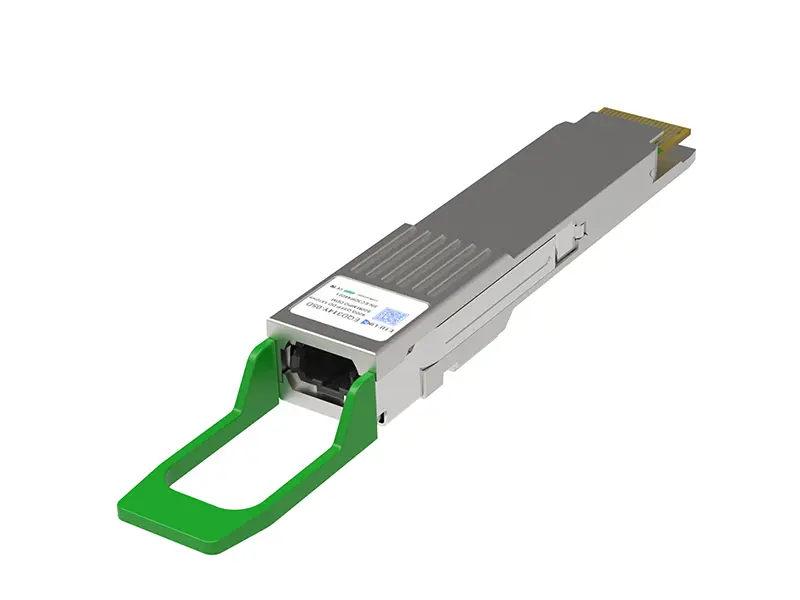 400G
400G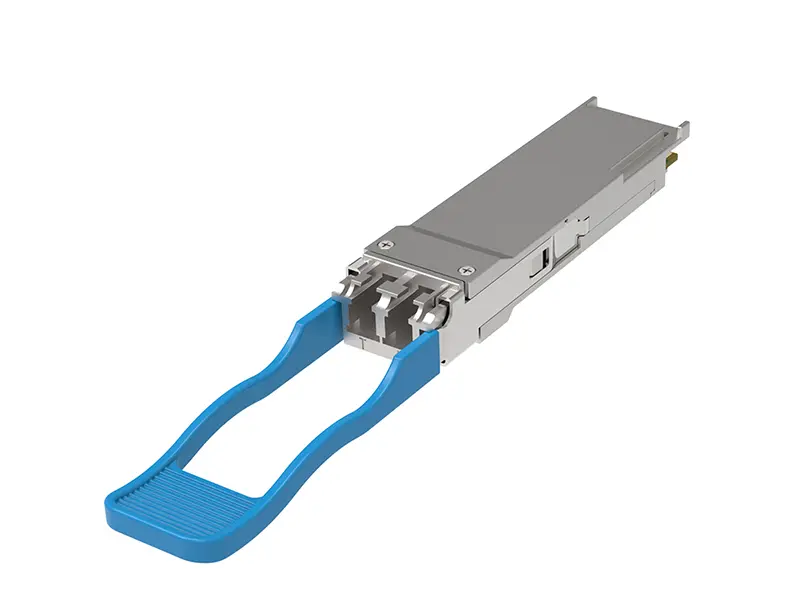 200G
200G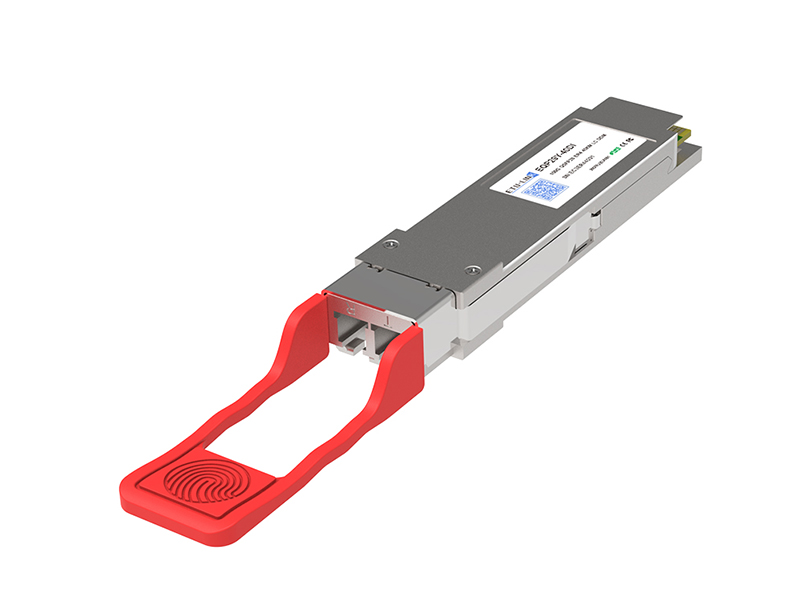 100G
100G 40G
40G 25G
25G 10G
10G 1G
1G COPPER-T
 Other
Other 10G SFP+ DAC
 40G QSFP+ DAC
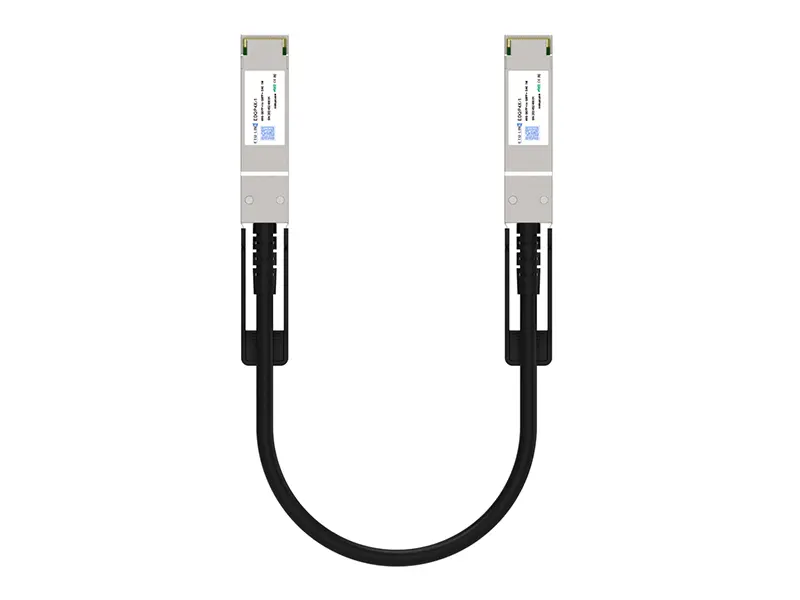 56G QSFP+ DAC
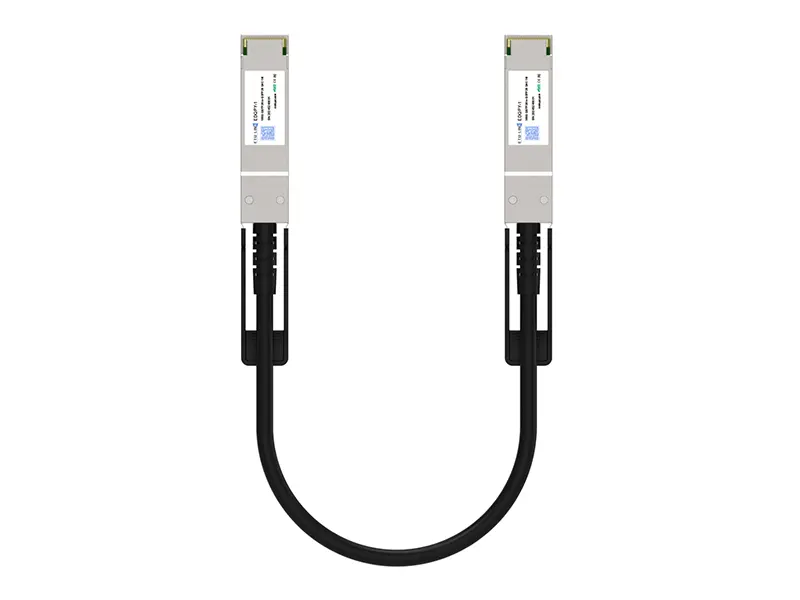 100G QSFP28 DAC
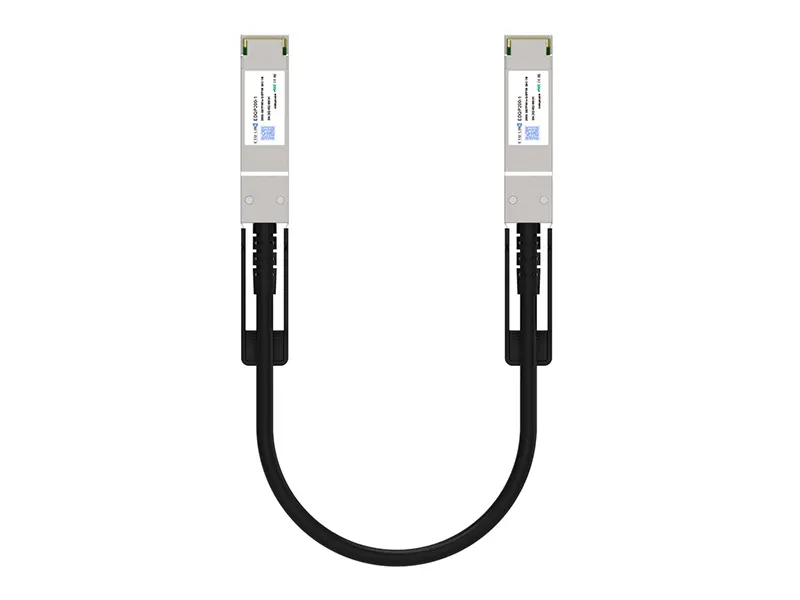 200G QSFP56 DD DAC
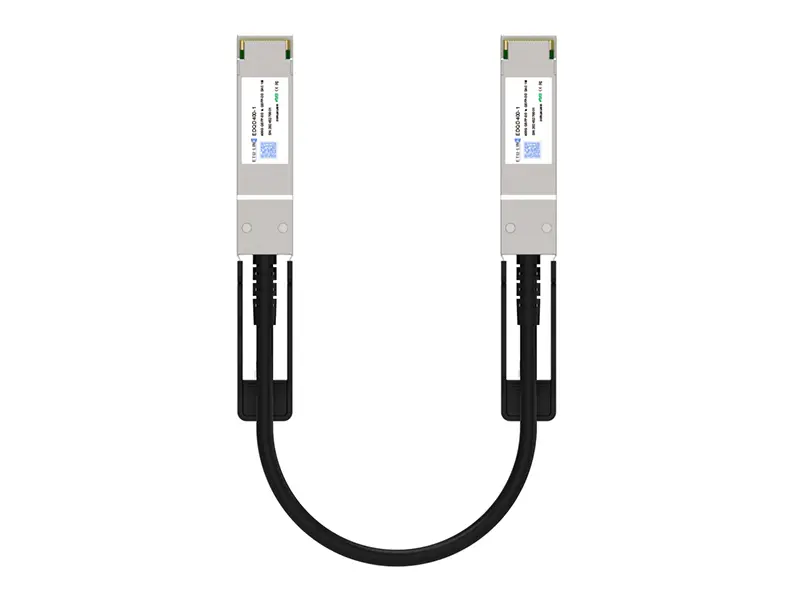 400G QSFP DD DAC
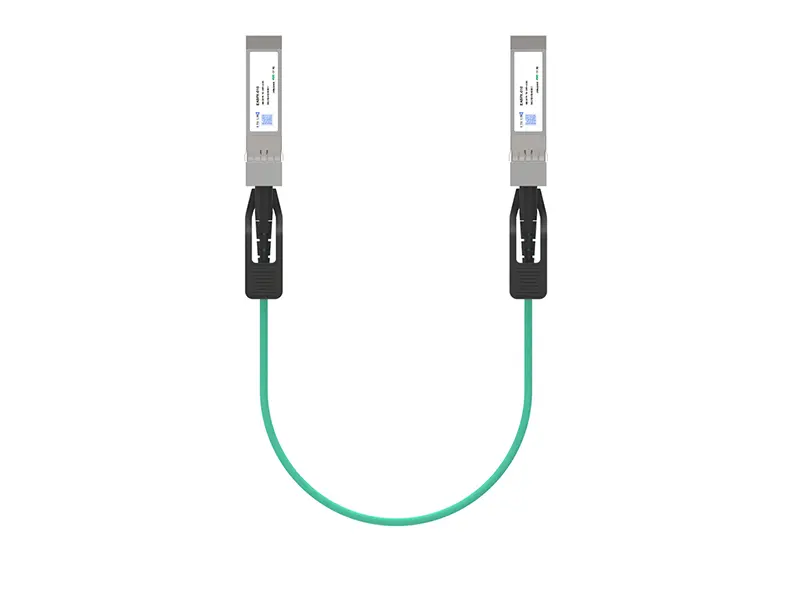 10G SFP+ AOC
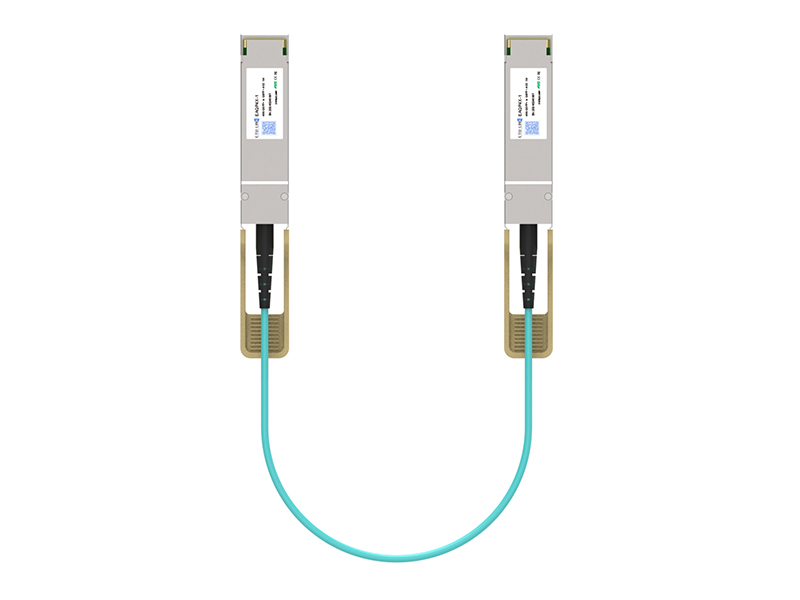 40G QSFP+ AOC
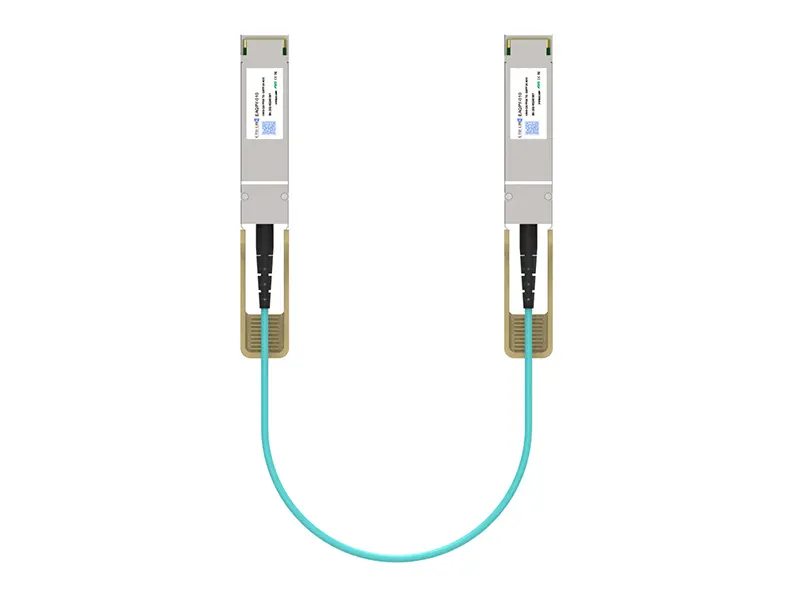 100G QSFP28 AOC
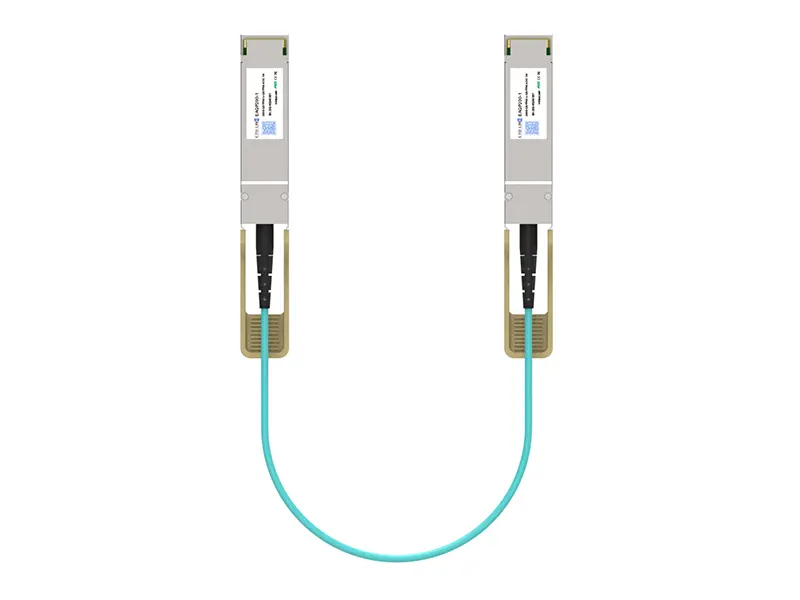 200G QSFP56 AOC
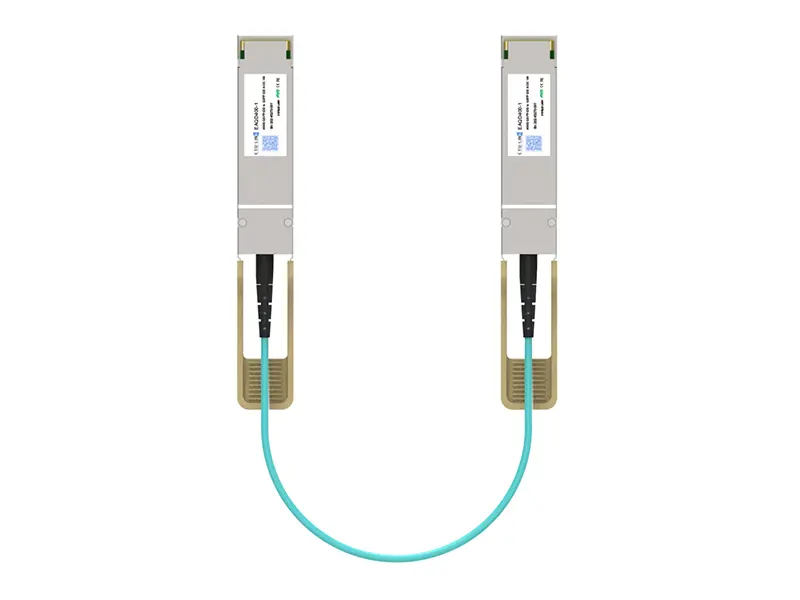 400G QSFP-DD AOC
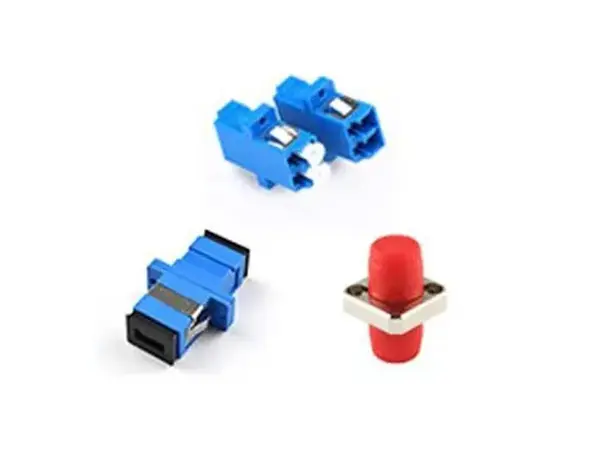 Adapter Details
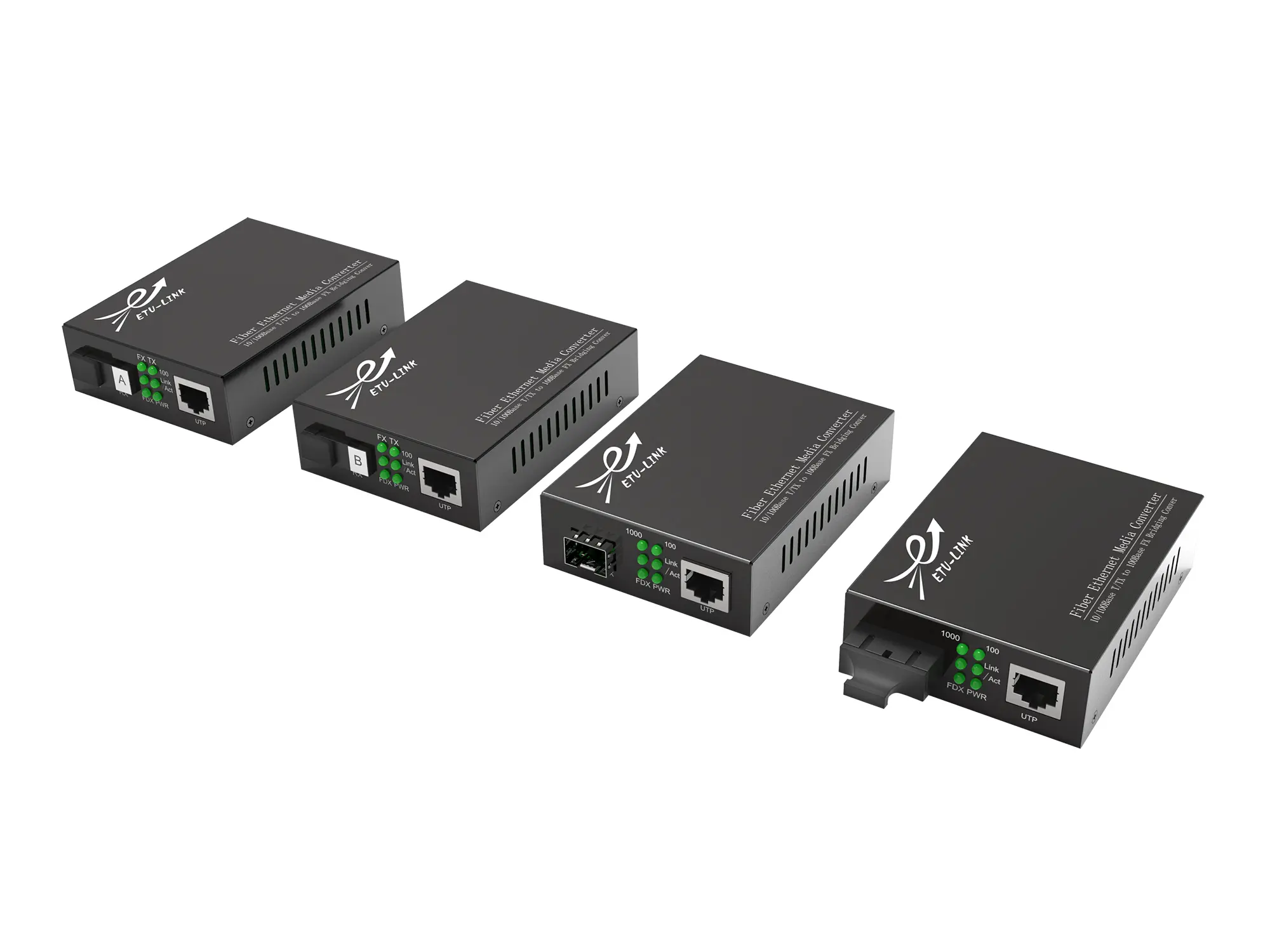 Media Converter