What Is a 400G QSFP-DD AOC Cable?
A 400G QSFP-DD AOC is an active optical cable designed to connect high-speed network equipment across short distances. It combines QSFP-DD transceivers with permanently attached fiber, creating a ready-to-use assembly rather than separate optics and patch cords. In a data center, it may link a switch to a server or connect two switches across a rack row. The cable carries up to 400 gigabits per second, subject to the equipment and transmission mode at each end.
The practical appeal is simple. Less handling. Fewer separate parts. Compared with many copper cables, an active optical cable can support longer reaches while remaining relatively light and flexible. Its optical connection also avoids some signal-loss challenges found in high-speed copper links. Still, “400G” alone does not guarantee compatibility. Buyers should check connector type, cable length, supported standards, host-device compatibility, and vendor requirements before ordering. A cable that fits physically may not operate correctly with every switch.
This guide explains how the assembly works, where it is commonly used, and what to verify before deployment. It also distinguishes AOCs from pluggable transceivers and ordinary fiber patch cables. Specifications can vary by product, so datasheets matter more than a broad label. That part is easy to overlook. Even experienced teams sometimes focus on bandwidth first and leave reach or interoperability checks until installation.
Definition and Purpose of a 400G QSFP-DD AOC Cable
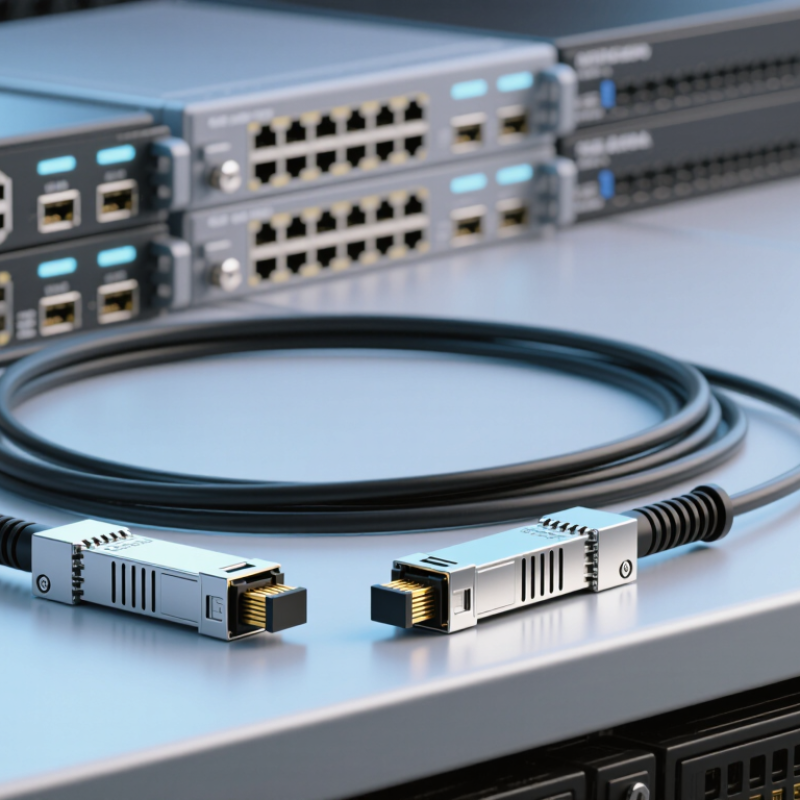
A 400G QSFP-DD AOC cable is an active optical cable with a QSFP-DD transceiver at each end. The two ends connect directly to compatible network ports, while optical fibers carry data between them. “400G” describes its nominal aggregate bandwidth; “QSFP-DD” identifies the compact, double-density interface format. The cable assembly combines optical components and electrical circuitry, so it is ready to install without separate optical modules.
Its purpose is to link high-speed equipment across a short or moderate distance, such as switches in a data center row. Compared with a thick copper cable, an AOC can be lighter and easier to route through crowded racks. It also converts electrical signals to optical signals inside the connector housings. That can help reduce signal loss over longer reaches than passive copper typically supports. No separate fiber patch cords are needed.
Fit still matters. Check the port’s QSFP-DD support, cable length, power requirements, and compatibility with the intended link before deployment. A 400G label alone does not guarantee that every device will work together. For example, a cable might connect two ports physically but fail to establish a link if their supported standards differ. That detail is easy to overlook. An AOC is also a fixed assembly, so its length cannot be adjusted after purchase; measuring the rack path first is a small step worth taking.
Main Components and Cable Construction
A 400G QSFP-DD active optical cable (AOC) combines two pluggable transceivers with permanently attached fiber. Each end houses an optical engine, electrical contacts, and control circuitry inside a compact QSFP-DD module. The cable links these engines using multiple optical fibers, often arranged as parallel transmit and receive channels. IEEE 802.3bs specifies 400GbE interfaces, while the QSFP-DD MSA defines an eight-lane electrical interface. At 50 Gb/s per lane, eight lanes provide 400 Gb/s. That arithmetic is neat; real performance still depends on signal integrity and host compatibility.
Inside each module, a driver converts electrical signals into light, commonly using VCSEL transmitters. Photodiodes receive incoming light and convert it back into electrical signals. Fiber strands carry the optical channels, while shielding and the connector shell protect the electrical interface. Some designs include retiming circuitry to improve signal quality. Construction varies by reach and design, so check the cable’s datasheet for fiber type, length, power draw, and supported lane signaling. AOC assemblies are factory terminated, reducing field connector work but making cable replacement necessary if a fixed assembly fails.
Tips: Keep bends broad, not sharp. Confirm the port supports QSFP-DD and the cable’s exact 400G signaling mode before installation. Even a short rack link can disappoint when airflow, routing, or host configuration is overlooked.
How the Cable Transmits 400G Data
A 400G QSFP-DD active optical cable (AOC) carries data through optical fibers rather than copper conductors. At the switch, electrical signals enter the cable’s QSFP-DD module. Its electronics drive optical transmitters, which convert those signals into light pulses. At the far end, photodetectors convert the arriving light back into electrical signals for the receiving device. The conversion happens inside the cable assemblies; no separate optical transceivers are needed.
The IEEE 802.3bs standard defines 400 Gigabit Ethernet and includes an eight-lane 400GBASE-SR8 format, with each lane carrying 50 Gb/s using PAM4 signaling. That is a useful reference point, though an AOC’s exact lane arrangement depends on its design.
In operation, the lanes work in parallel: imagine eight narrow streams moving together through a compact bundle of fibers. The cable’s electronics manage signal conversion and timing, while the optical path helps avoid the electrical signal loss that can complicate high-speed copper links over longer distances.
Less electrical noise. It is worth checking the cable’s specified reach and supported link mode; “400G” alone does not guarantee compatibility. The physical details can be easy to overlook.
Key Specifications and Device Compatibility
A 400G QSFP-DD active optical cable combines two transceiver ends with permanently attached fiber. It suits short, high-capacity links between switches or between a switch and a server. The QSFP-DD Multi Source Agreement defines an eight-lane electrical interface; optical lane count and signaling depend on the cable’s implementation. IEEE 802.3bs specifies 400-Gigabit Ethernet, but that alone does not confirm a cable will work in a particular port. Check the device’s supported cable types, port mode, and maximum link distance.
Key specifications include data rate, length, fiber type, optical lane configuration, and operating temperature. Compare the cable’s published reach with the actual route, including slack and patch-panel paths. Then verify that both devices support the same interface and cable coding. QSFP-DD MSA specifications describe mechanical and electrical requirements, while IEEE 802.3bs provides the Ethernet standard; neither replaces device-level compatibility testing. A cable may fit physically yet fail to establish a link. That detail is easy to miss.
Tips: Check both ends’ compatibility lists before ordering. Confirm the intended speed and length, then test the link under normal airflow and load. Compatibility records can lag behind firmware changes, so verify them directly when documentation is unclear.
Common Applications in Data Center Networks
A 400G QSFP-DD active optical cable connects high-speed network equipment over a short optical link. Its transceivers are attached to both ends, so installation is straightforward: plug the connectors into compatible ports and route the cable between devices. The cable carries four hundred gigabits per second. Quite a lot.
In data centers, these cables commonly link top-of-rack switches with aggregation switches, or connect nearby switches within the same rack row. They also suit links between servers and high-capacity switches when copper cabling cannot meet the required distance or signal performance. In a busy rack, a thinner cable bundle can leave more room for airflow and make port tracing easier. That practical detail matters during maintenance.
AOC links are designed for short-reach connections, not every path across a facility. Check the equipment’s port compatibility, supported distance, and cable routing requirements before deployment. The cable’s fixed transceivers can simplify handling, but they also mean technicians cannot replace a single optical module independently. I have seen a neat cable plan become awkward when rack spacing changes. Leave sensible slack, label both ends, and verify the link after installation.

 400G
 200G
 100G
 40G
 25G
 10G
 1G
 COPPER-T
 Other
 10G SFP+ DAC
 40G QSFP+ DAC
 56G QSFP+ DAC
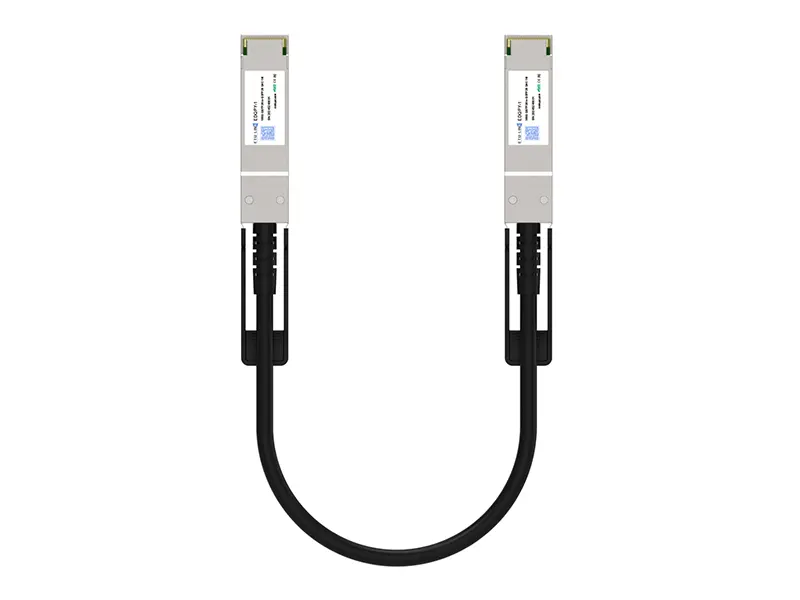 100G QSFP28 DAC
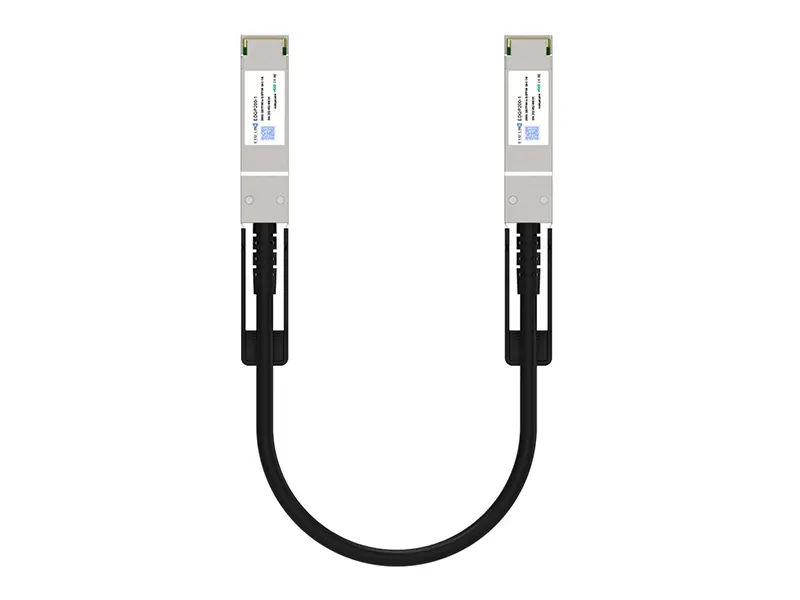 200G QSFP56 DD DAC
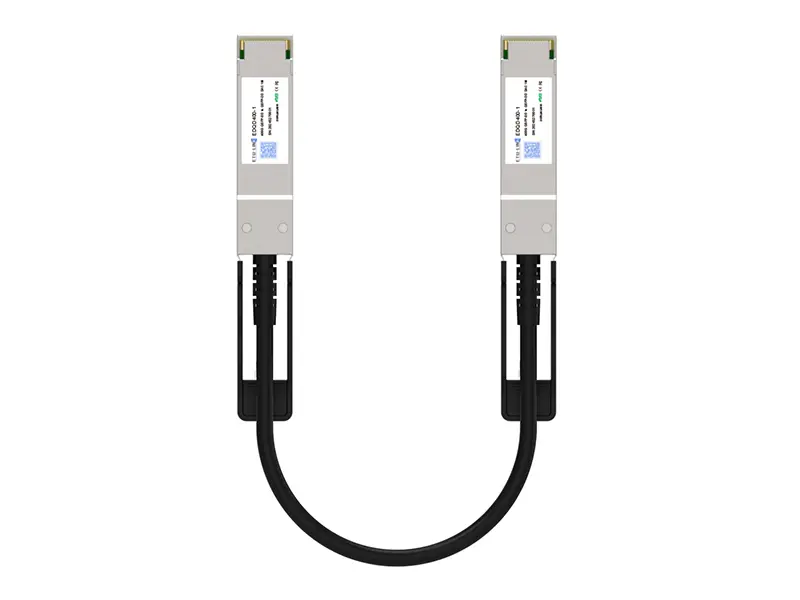 400G QSFP DD DAC
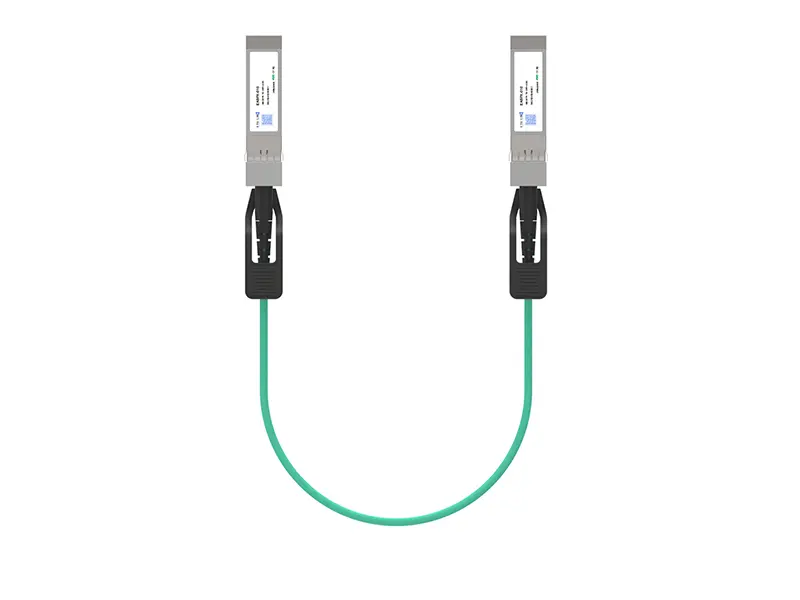 10G SFP+ AOC
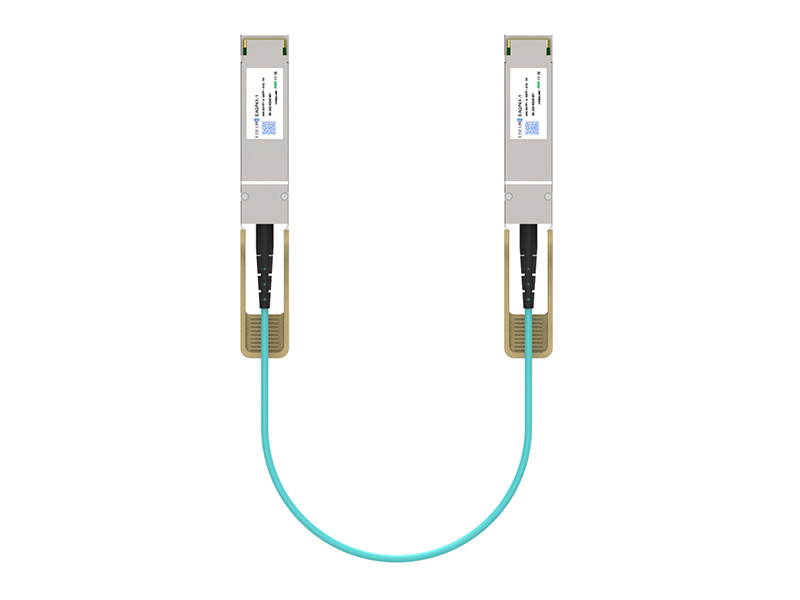 40G QSFP+ AOC
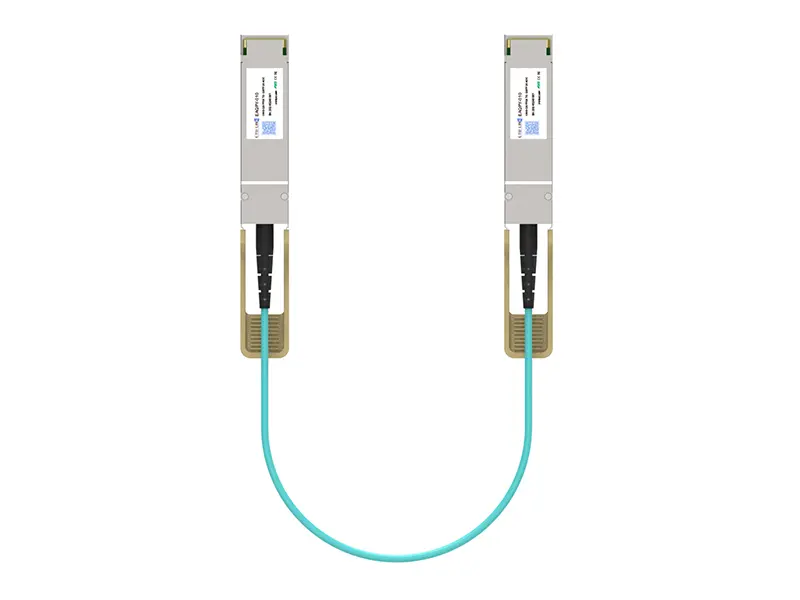 100G QSFP28 AOC
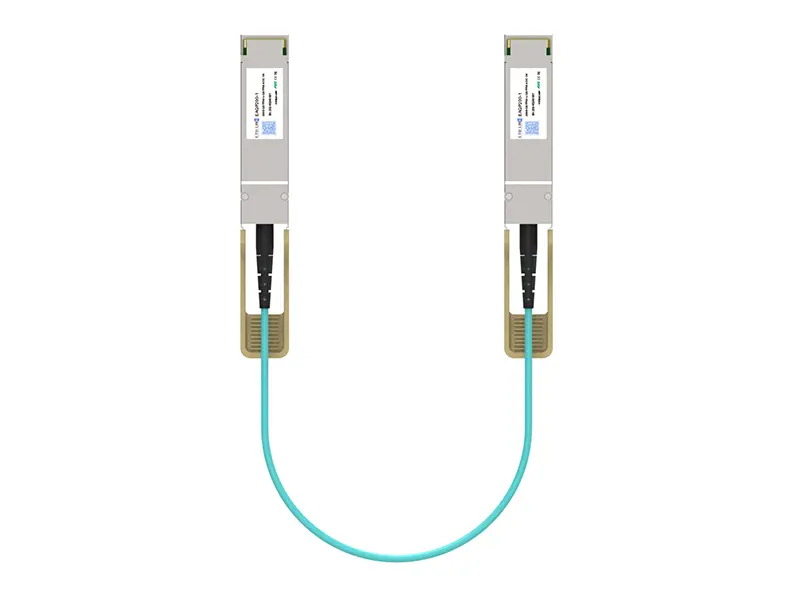 200G QSFP56 AOC
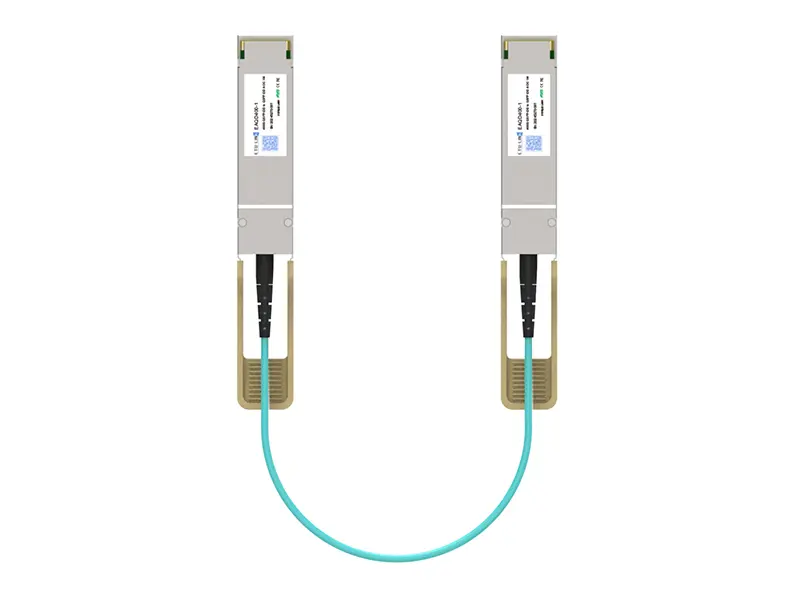 400G QSFP-DD AOC
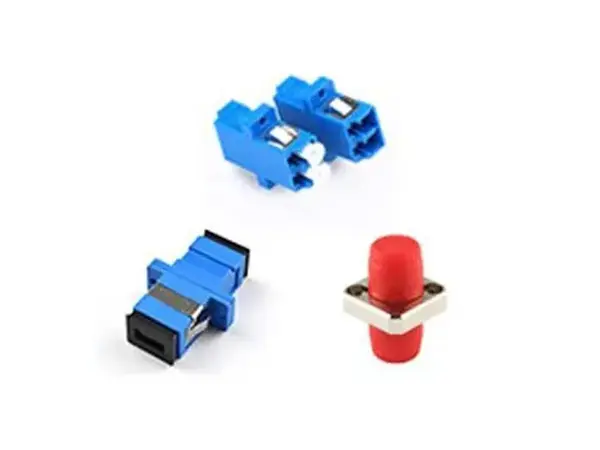 Adapter Details
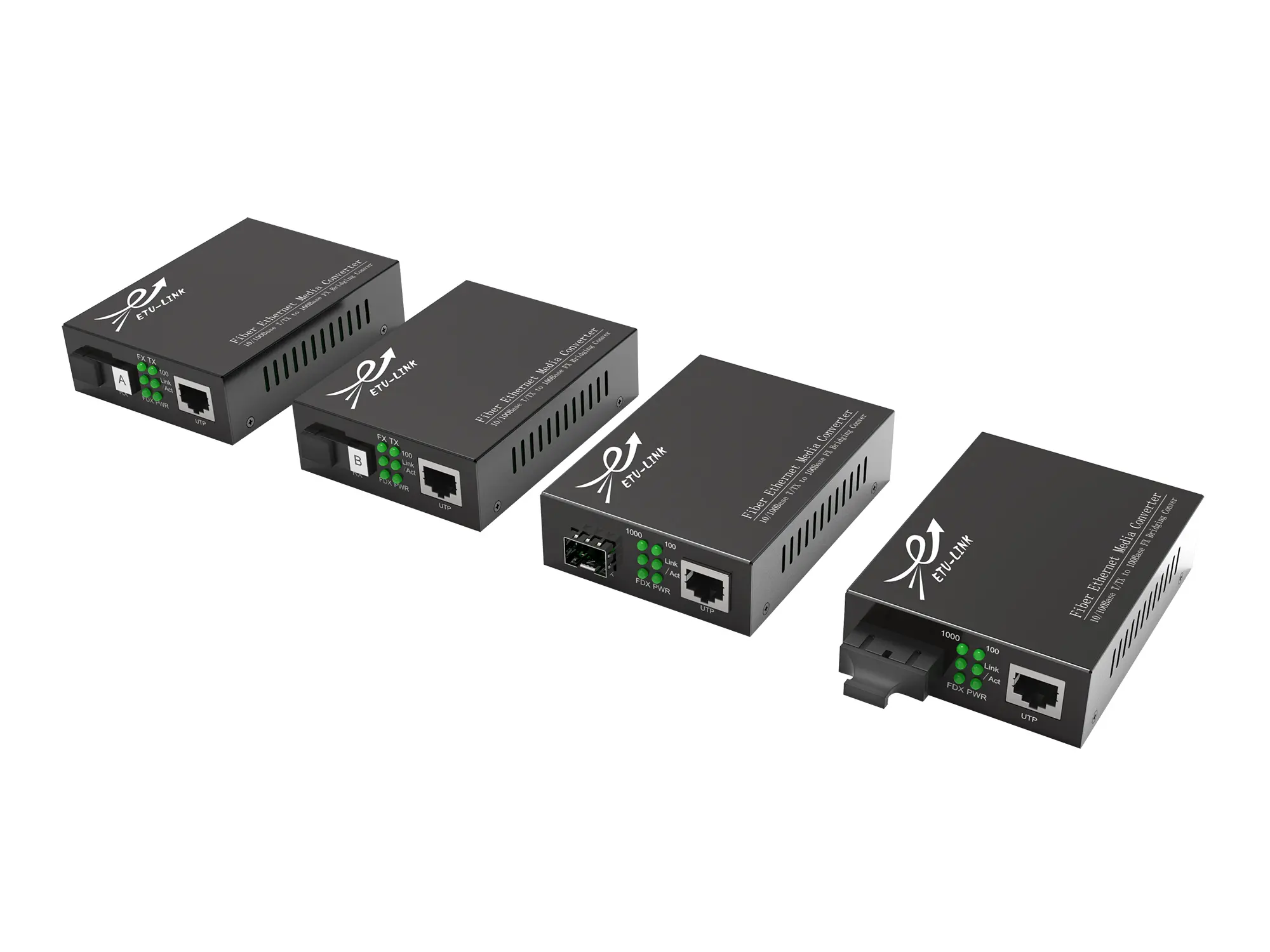 Media Converter