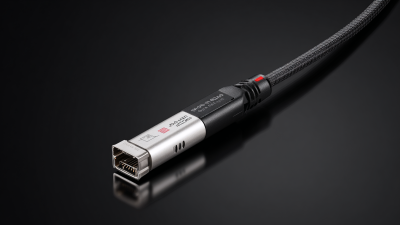
2026 How to Choose the Best 400G OSFP AOC for Your Needs?
Choosing the right 400G OSFP AOC is crucial for optimizing your network's performance. With various options available, understanding your specific needs is essential. The right choice can enhance the efficiency of data centers and high-speed connections.
400G OSFP AOCs offer unmatched bandwidth. However, the market is saturated with choices. Evaluating the features and specifications of each option is necessary. Consider factors like length, durability, and compatibility with existing infrastructure. These elements directly impact your network's reliability.
A well-informed decision can prevent costly mistakes. It’s important to reflect on how different AOCs fit into your current ecosystem. Sometimes, personal bias can cloud judgment. Engage with manufacturers to gain insights. Gathering diverse opinions helps in discovering the best 400G OSFP AOC for your needs.
Understanding 400G OSFP AOC: Key Features and Specifications
When selecting a 400G OSFP AOC (Active Optical Cable), understanding its key features is crucial. Data center operators should prioritize bandwidth, latency, and distance capabilities. According to a recent report by the International Data Corporation (IDC), 400G connections can support upwards of 100 terabits per second across a single fiber. This is a significant advancement compared to previous generations, potentially doubling the bandwidth for many applications.
One of the critical specifications of 400G OSFP AOCs is their range, which can extend to 100 meters for multimode fiber. This feature is essential for reducing the need for multiple cables in expansive data center environments. However, operators must be aware of the trade-offs. As distances increase, there can be issues with increased latency or signal degradation. A report from the Fiber Optic Association (FOA) emphasized that quality optical components can mitigate these challenges, but not all cables meet this standard.
Reliability is another vital aspect to consider. The mean time between failure (MTBF) for high-quality 400G AOCs typically falls between 100,000 to 1,000,000 hours. However, inconsistent manufacturing practices can lead to variances in actual performance. Therefore, thorough testing and evaluation of the components are necessary. Even minor inconsistencies in the construction can impact overall network performance. Knowing these specifics enables data center managers to make informed decisions that align with their operational needs.
Assessing Your Network Requirements for 400G OSFP AOC
When assessing network requirements for 400G OSFP AOC, begin by evaluating your current infrastructure. Consider the types of equipment in use. Look for compatibility with existing transceivers and switches. Understand the future demands of your network, as technologies evolve rapidly. AOC cables provide flexibility, but the right choices depend on specific needs.
Determine the distance your signals need to travel. OSFP AOCs are designed for varying lengths, so match your selection accordingly. Identify the environment where the cables will be deployed. Factors such as heat, moisture, and physical obstacles can impact performance. Always take into account the layout of your workspace.
Budget is another critical factor. High-quality AOCs may come at a premium price. While it is essential to invest in reliable options, keep an eye on cost-effectiveness. Consider the total cost of ownership, including maintenance and potential upgrades. Reflect on scalability as your network grows. This reflection will guide smarter decisions that align with both present and future requirements.
2026 How to Choose the Best 400G OSFP AOC for Your Needs? - Assessing Your Network Requirements for 400G OSFP AOC
| Parameter |
Description |
Importance Level |
Recommendation |
| Bandwidth |
Maximum data rate supported by the AOC. |
High |
Ensure it meets or exceeds 400G capacity. |
| Distance |
Maximum reach of the cable in meters. |
Medium |
Choose based on your equipment layout. |
| Connector Type |
Type of connector used for network interface. |
High |
Ensure compatibility with existing hardware. |
| Cable Type |
Optical or copper AOC type. |
Medium |
Select based on installation environment. |
| Temperature Range |
Operating temperature limits. |
Medium |
Consider ambient conditions for optimal performance. |
| Power Consumption |
Energy required for operation. |
Low |
Look for energy-efficient options to reduce costs. |
Comparing Different Brands and Models of 400G OSFP AOC
When selecting a 400G OSFP AOC, brand and model matter significantly. Different brands offer variations in performance, length, and materials. Some may excel in durability, while others focus on flexibility. A thorough examination of product specifications is essential. Look for features that align with your infrastructure needs and running conditions.
Model comparisons reveal crucial differences. Some models may support longer distances, essential for large data centers. Others might provide better energy efficiency, which is vital for cost control. It’s insightful to check compatibility with existing equipment. Always consider how each option will integrate into your network.
Don’t hesitate to analyze customer reviews and expert opinions. Personal experiences shared online can highlight potential drawbacks. Look for any recurring issues mentioned in these reviews. This kind of reflection can lead you to a more informed choice for your connectivity needs. Embrace the research process. The perfect AOC is the one that meets your unique requirements most effectively.
Comparison of Key Features for 400G OSFP AOC
Evaluating Cost-Effectiveness and Budget Considerations
When evaluating the cost-effectiveness of a 400G OSFP AOC, budget considerations play a crucial role. Many organizations find themselves weighing performance against expense. It’s essential to understand the total cost of ownership beyond just initial purchase prices. Factors like maintenance, energy consumption, and replacement frequency can significantly influence your overall costs.
Tips: Always inquire about warranties and support services. These can help mitigate unexpected expenses down the line. Look for options with lower energy consumption to help reduce monthly operating costs.
Additionally, review the performance metrics that matter most to your organization. Often, businesses may invest in high-performance cables but later find they don’t need such capabilities. Reflection on actual network demands is vital. Are you maximizing your current bandwidth? Can your existing infrastructure support the upgraded cables effectively without overextending your budget?
Tips: Map out your current and future bandwidth needs. This can help you avoid overspending on unnecessary features. Keep an open dialogue with your network team about real usage and performance requirements.
Ensuring Compatibility with Existing Infrastructure and Equipment
When selecting the best 400G OSFP AOC for your needs, compatibility is paramount. The deployment of a new optic must align seamlessly with your existing infrastructure. Various studies indicate that 45% of data center failures stem from compatibility issues. It's essential to evaluate how your current network hardware interacts with new technology.
Delve into the specifics of your connections. Understanding the types of transceivers, cabling, and switches currently in use is crucial. Research shows that about 30% of organizations face challenges when integrating new AOCs with older systems. This integration complexity often leads to increased costs and downtime if not properly addressed.
Consider the specifications of your environment. For example, the temperature and humidity can impact optical performance. Organizations need to assess whether their current setups can support the thermal and electrical requirements of 400G AOCs. The right balance in these factors is essential to ensure long-term reliability and operational efficiency. Engaging with expert reports during your evaluation can provide deeper insights.

 400G
400G 200G
200G 100G
100G 40G
40G 25G
25G 10G
10G 1G
1G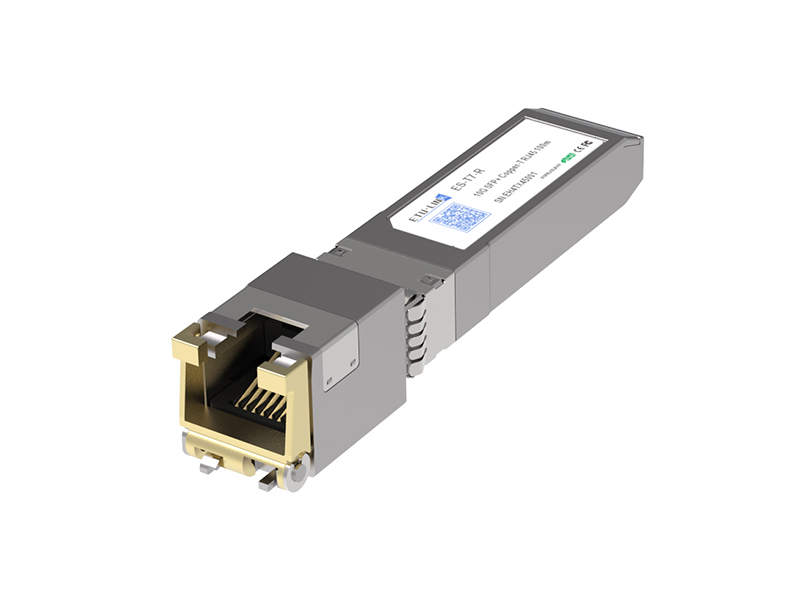 COPPER-T
 Other
Other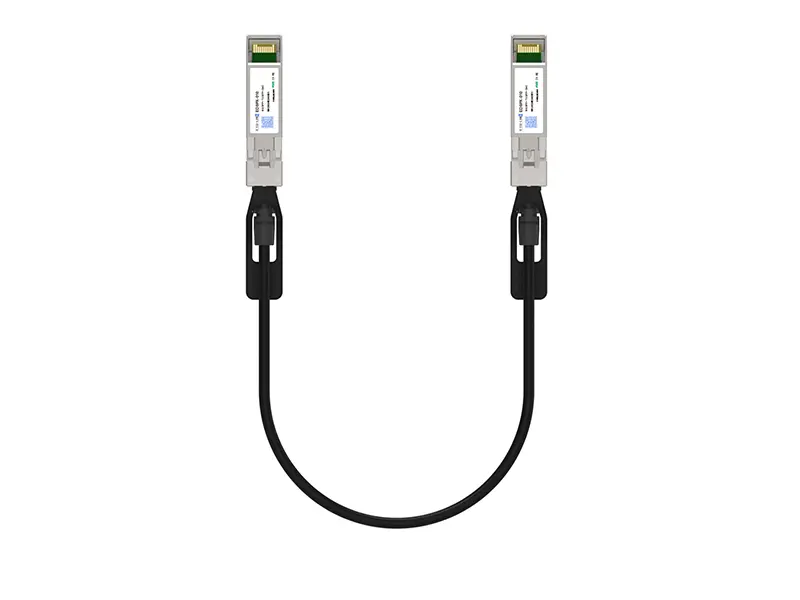 10G SFP+ DAC
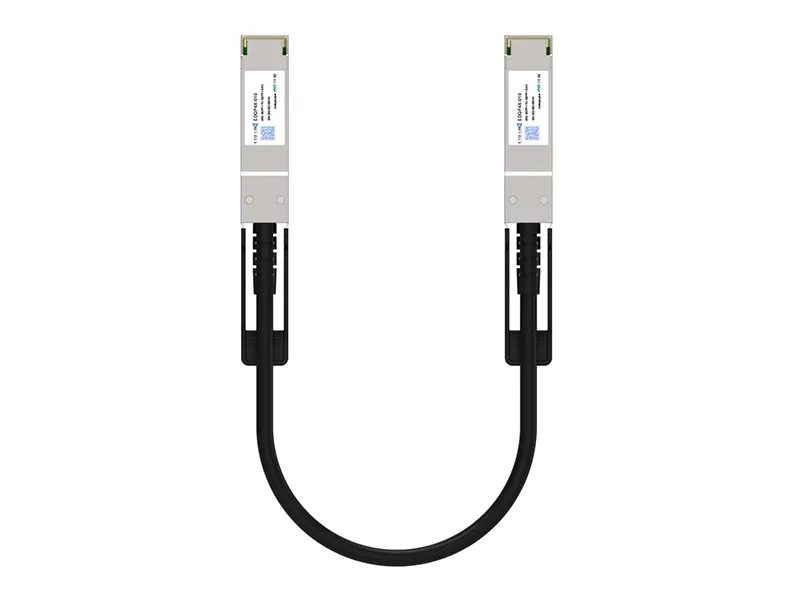 40G QSFP+ DAC
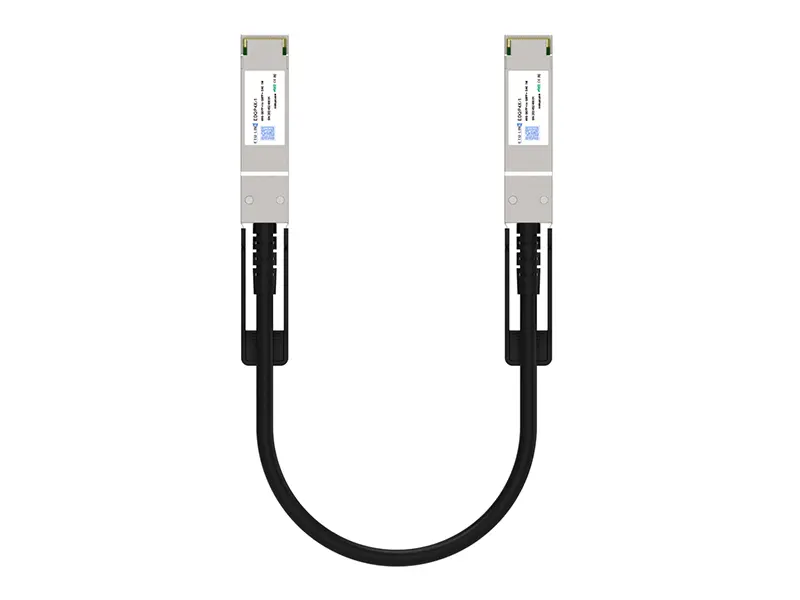 56G QSFP+ DAC
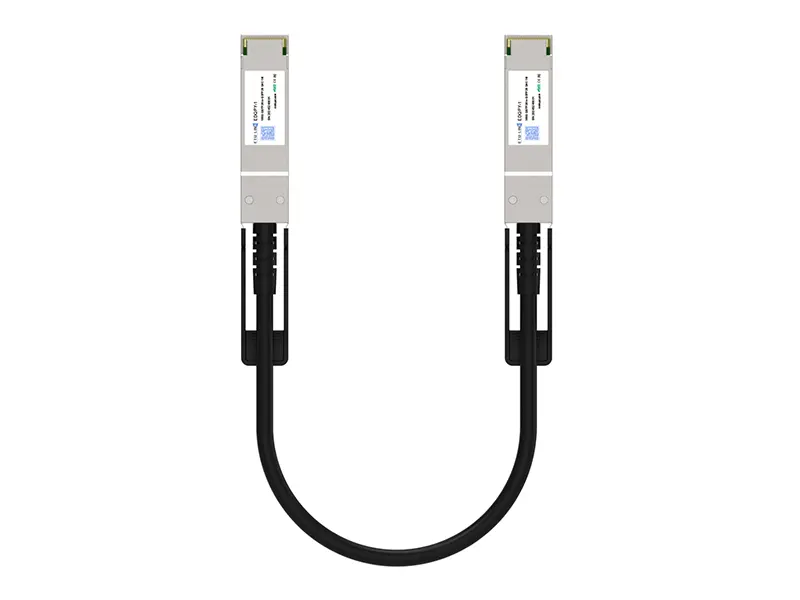 100G QSFP28 DAC
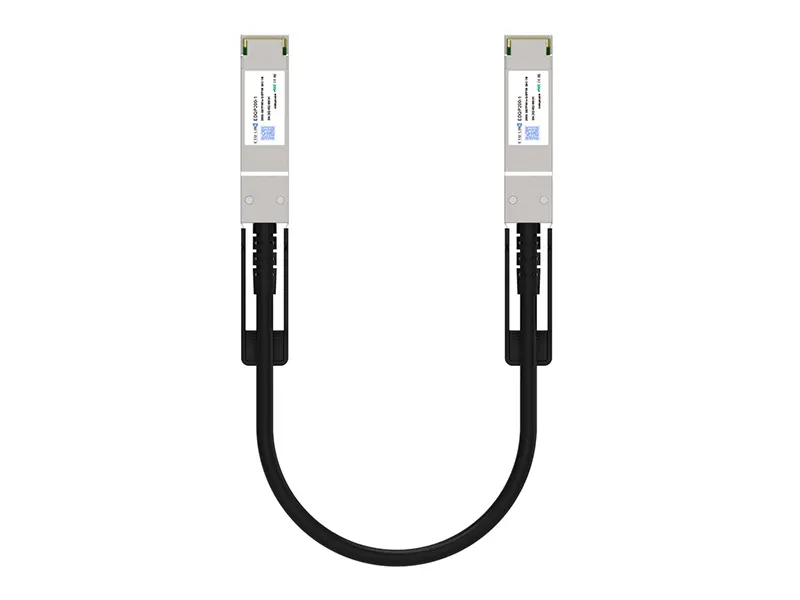 200G QSFP56 DD DAC
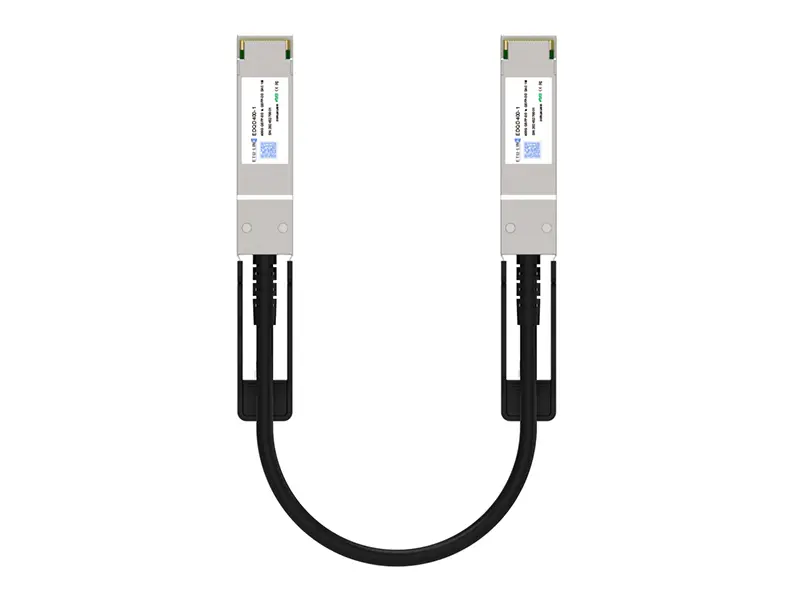 400G QSFP DD DAC
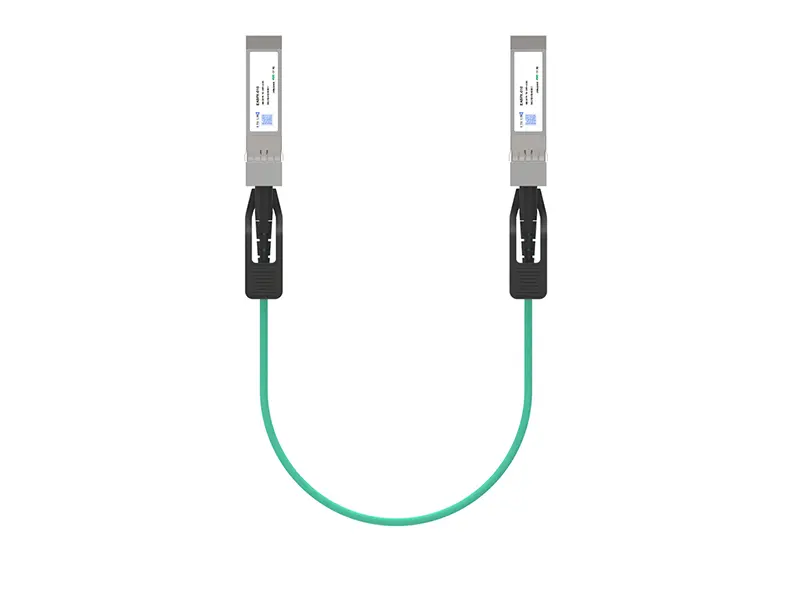 10G SFP+ AOC
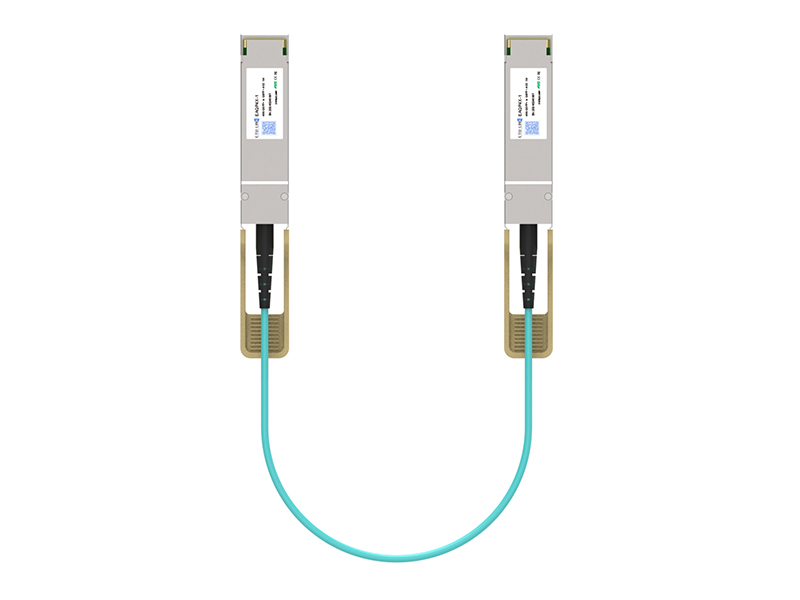 40G QSFP+ AOC
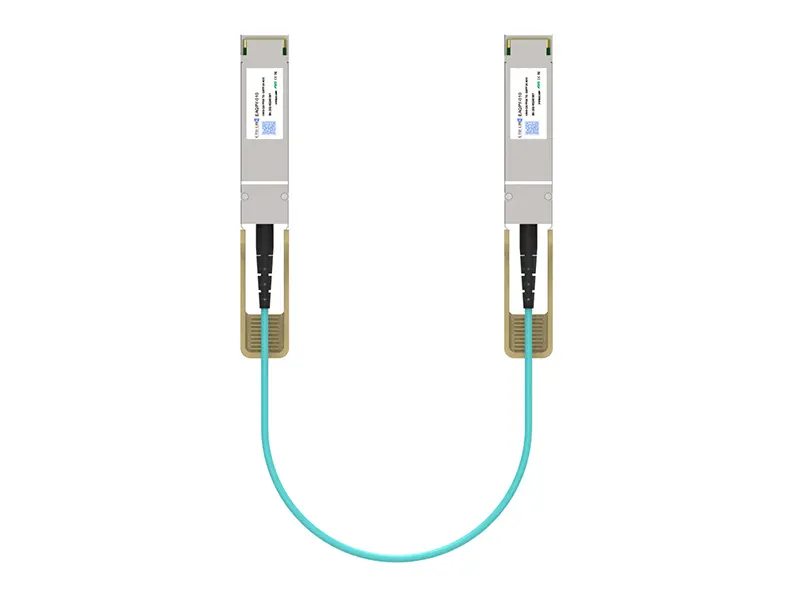 100G QSFP28 AOC
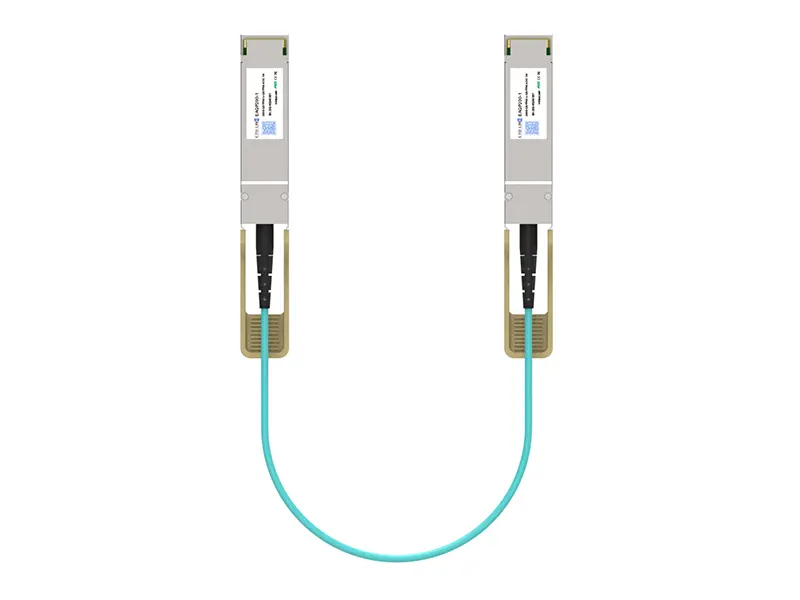 200G QSFP56 AOC
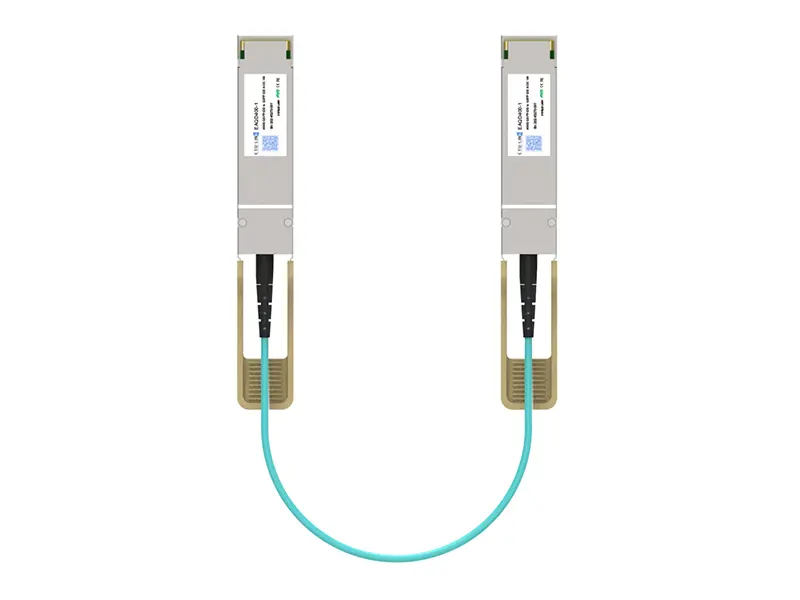 400G QSFP-DD AOC
 Adapter Details
 Media Converter