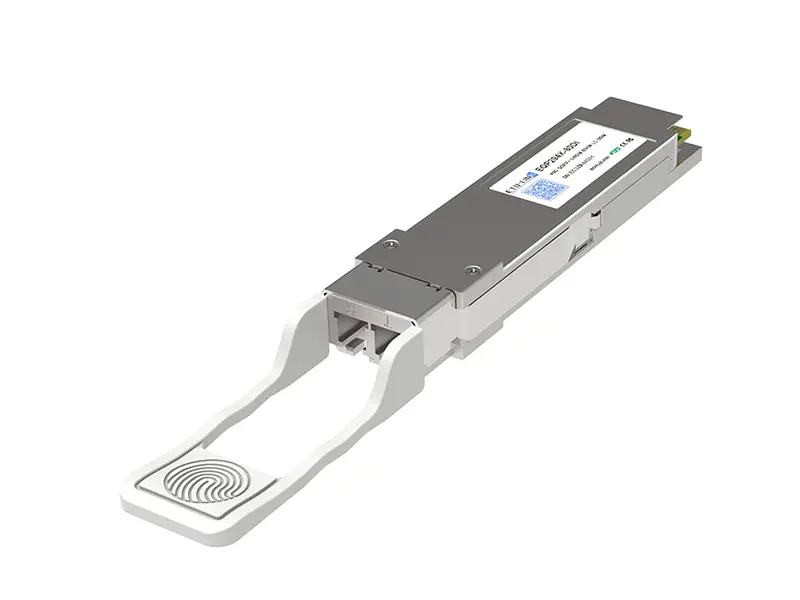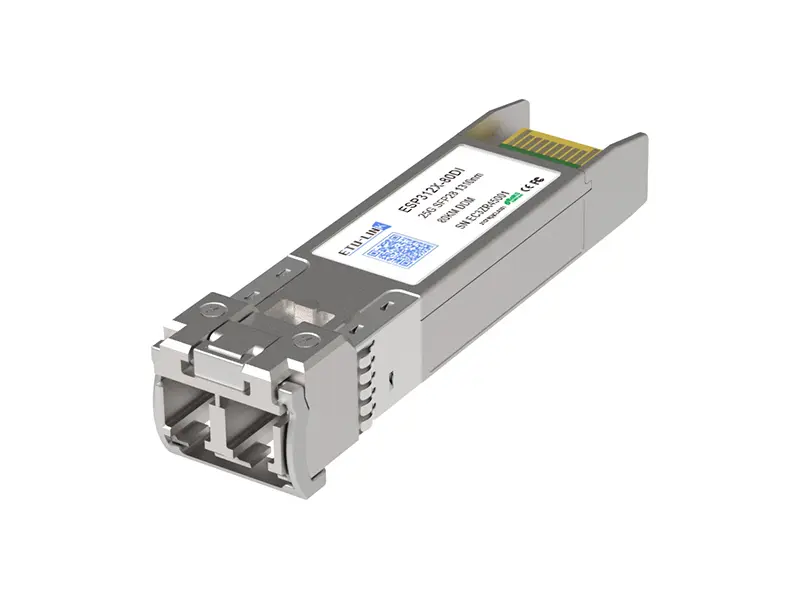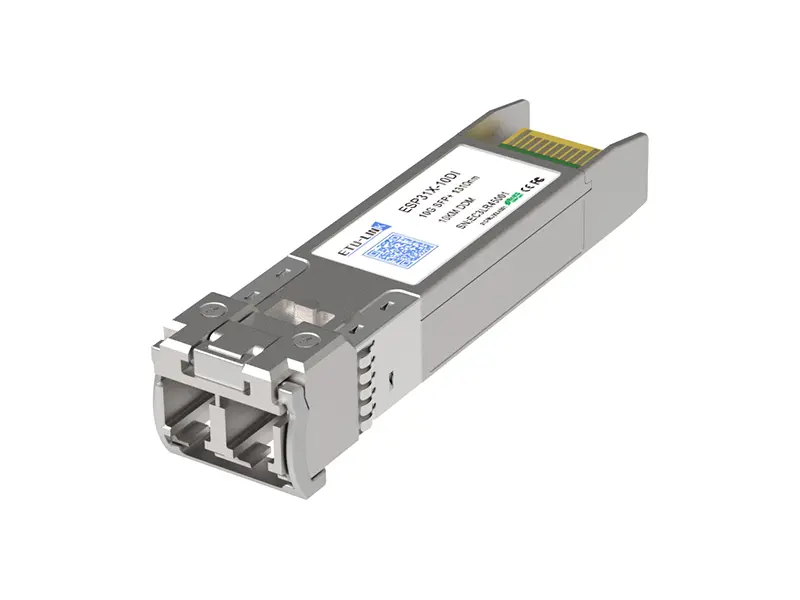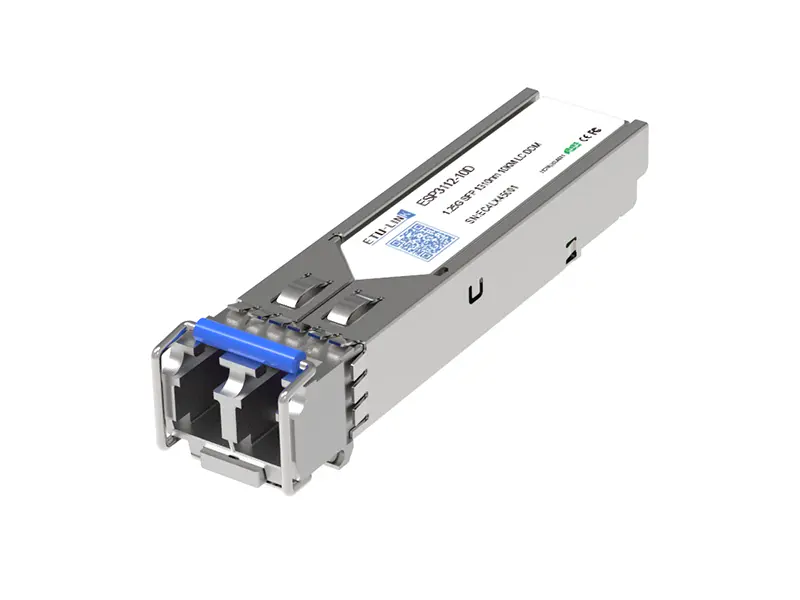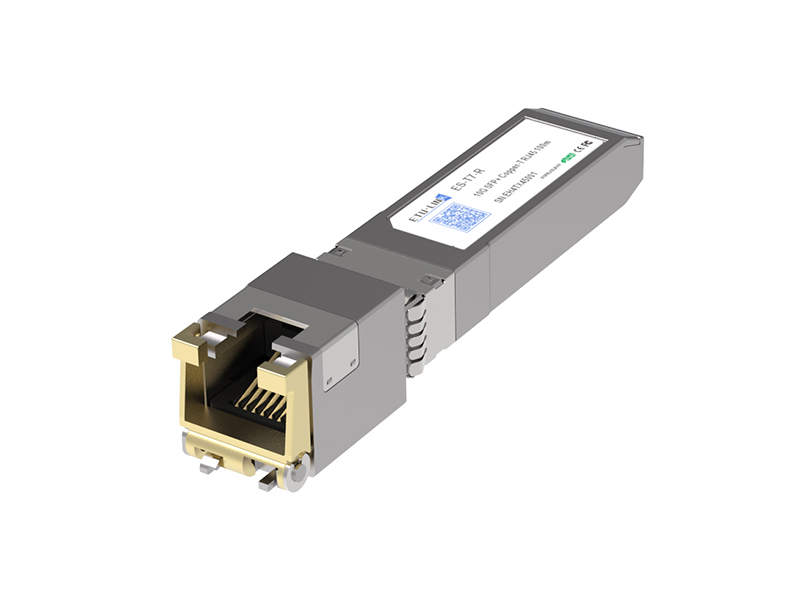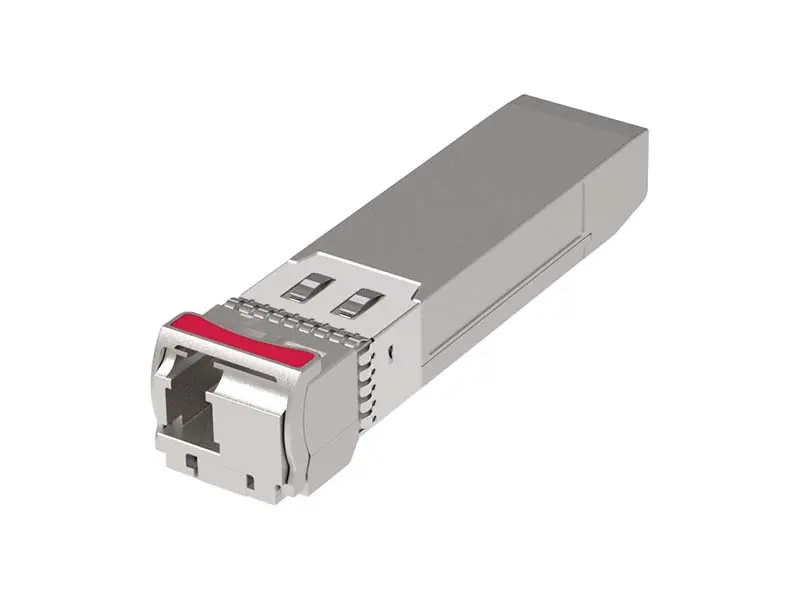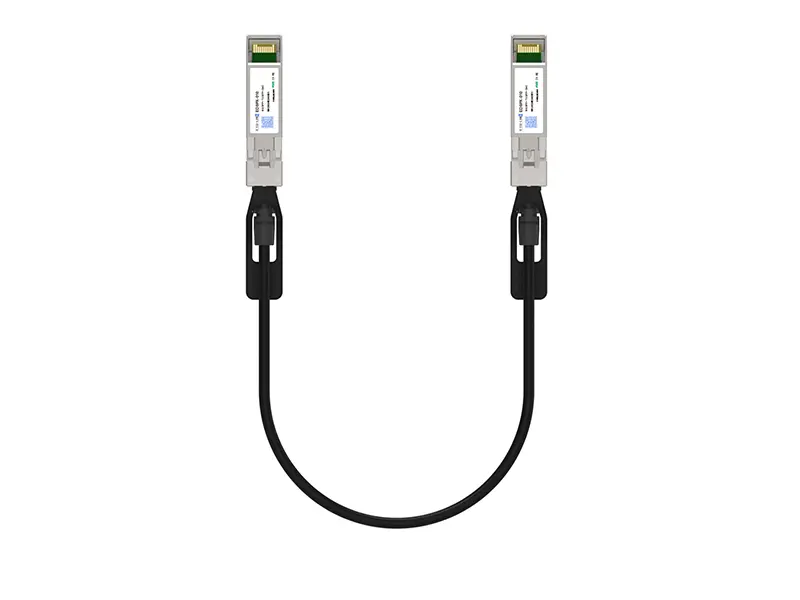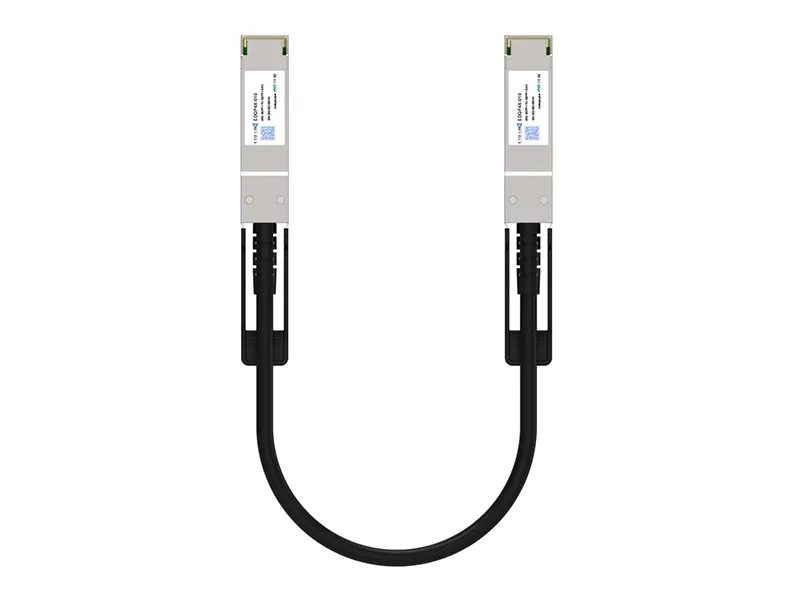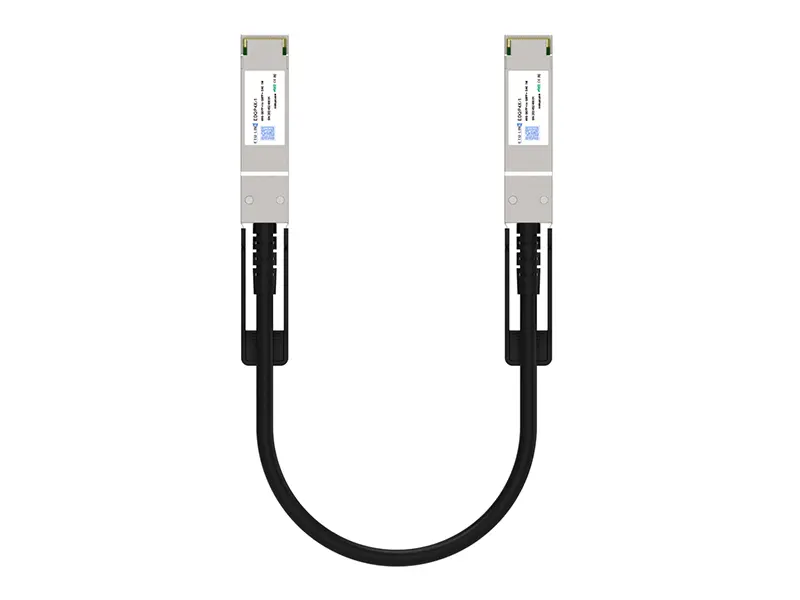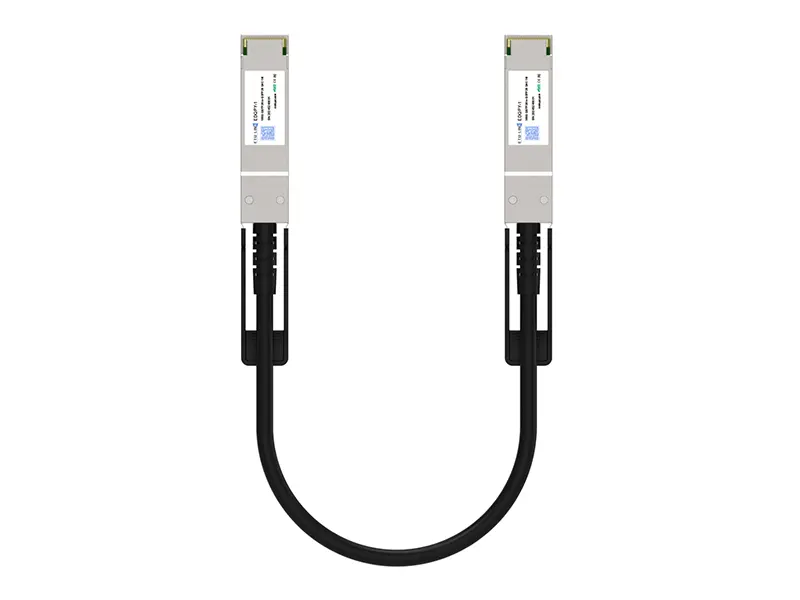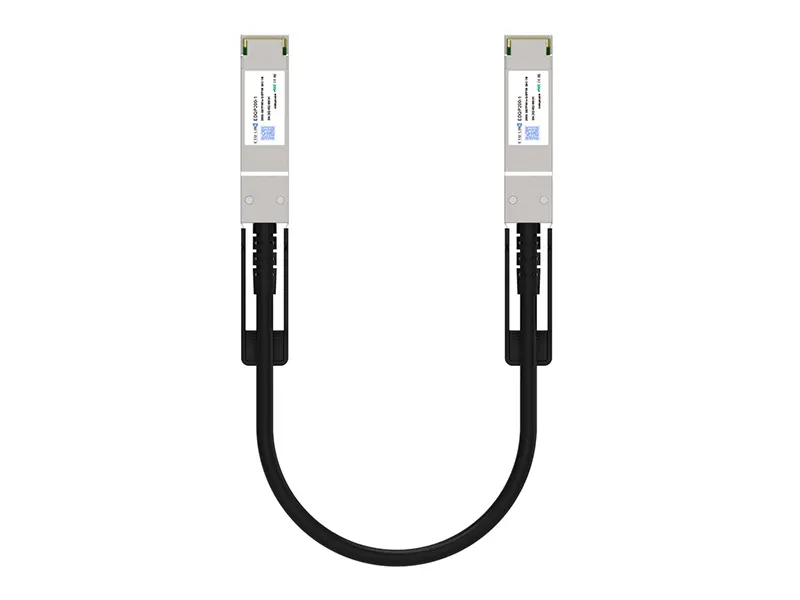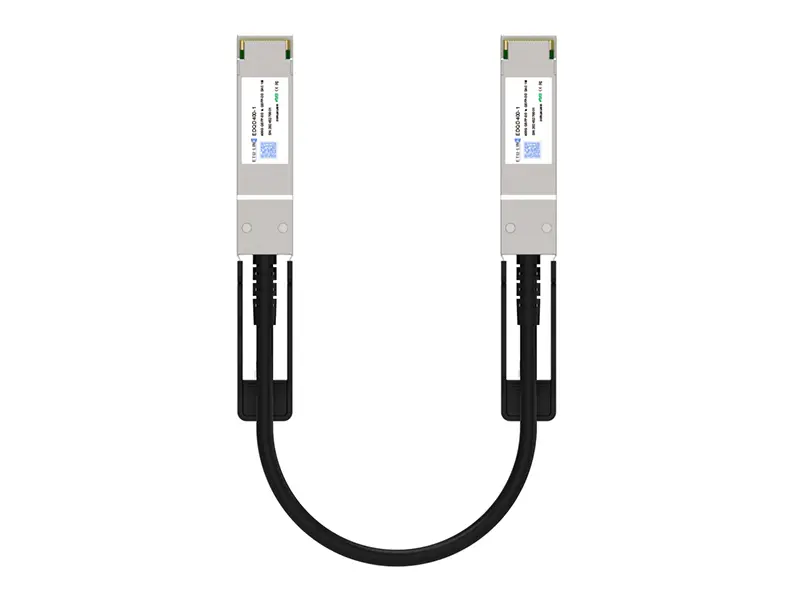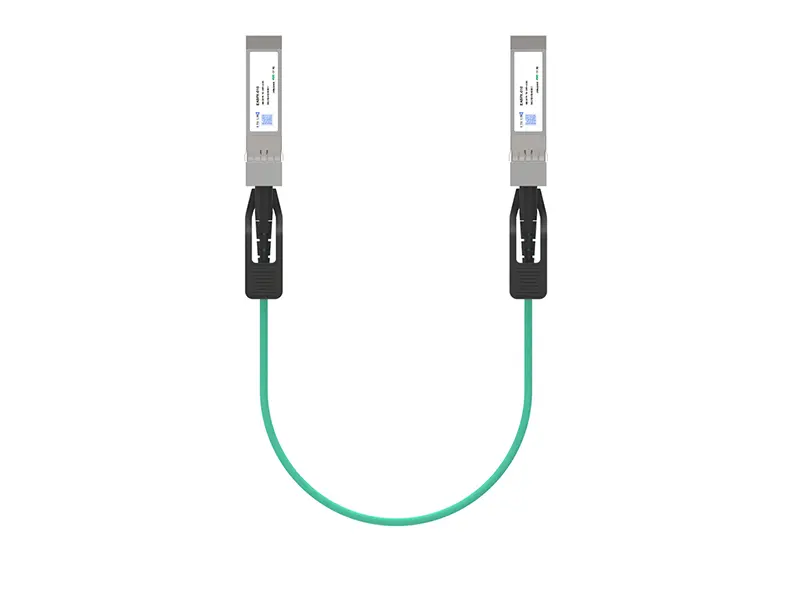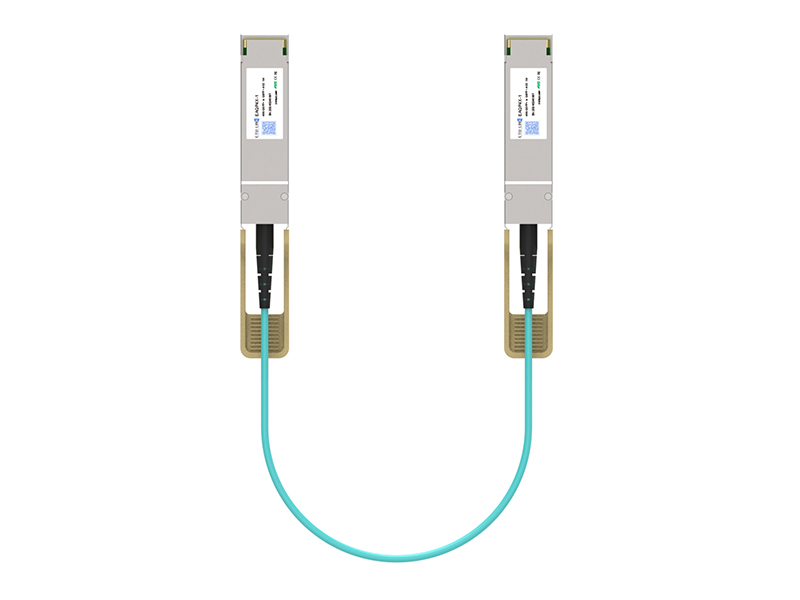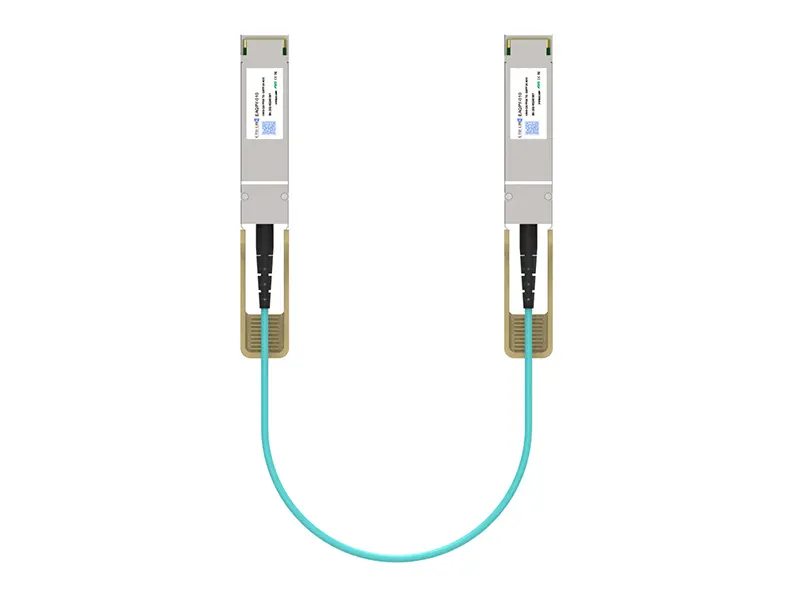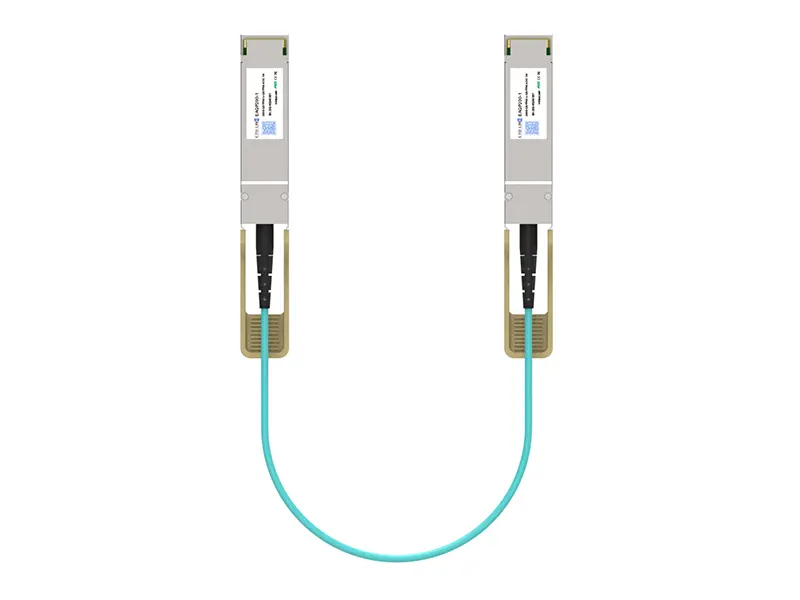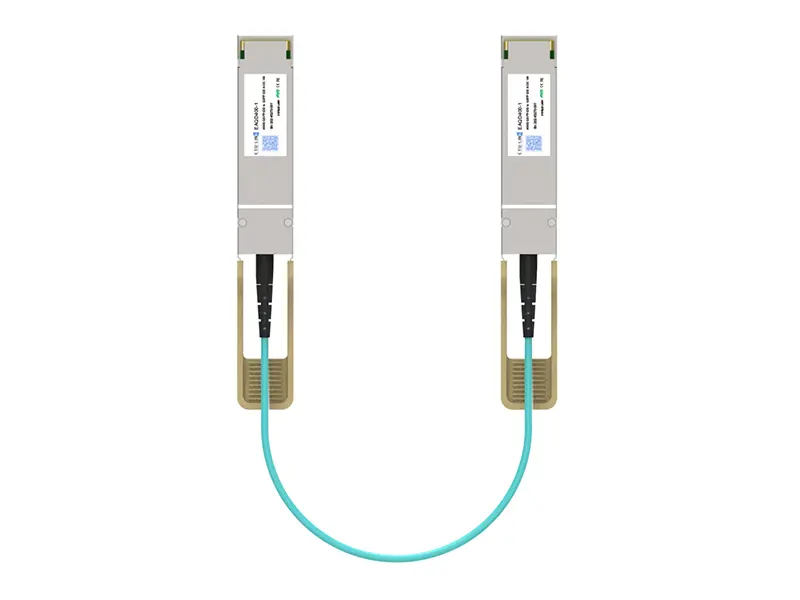
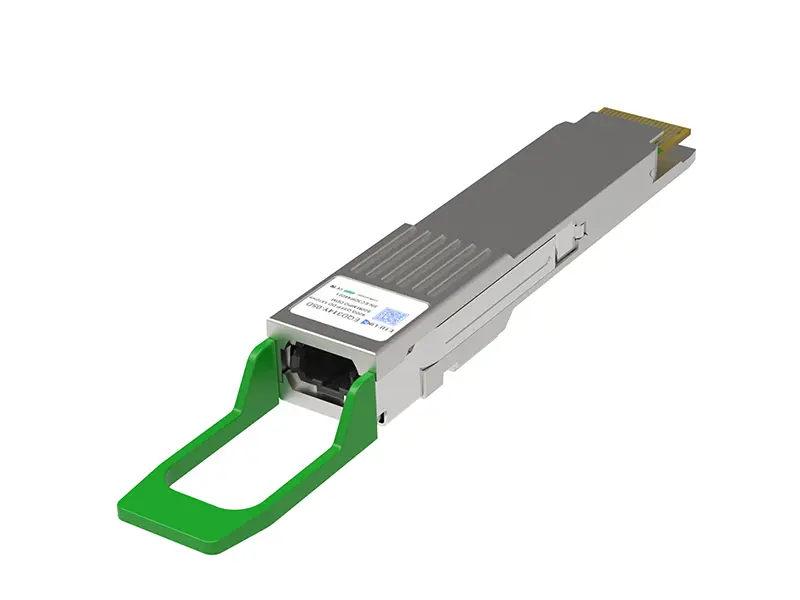
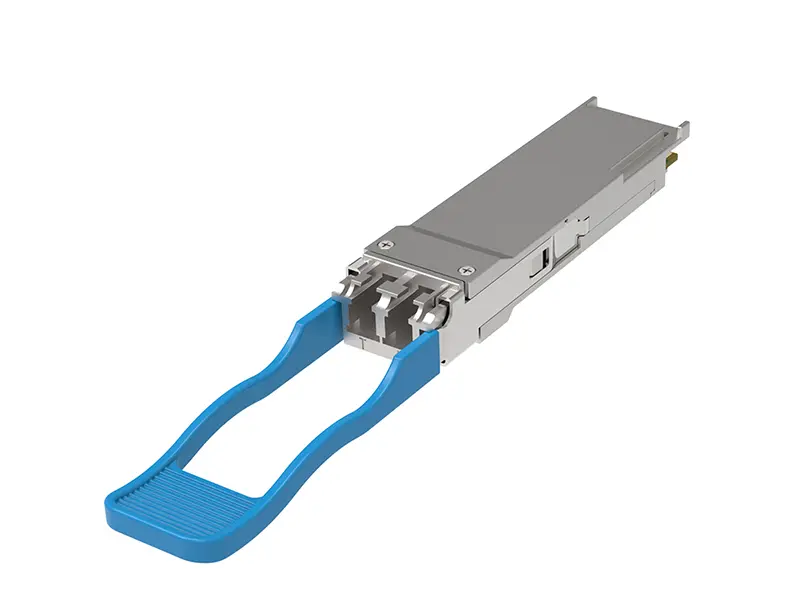
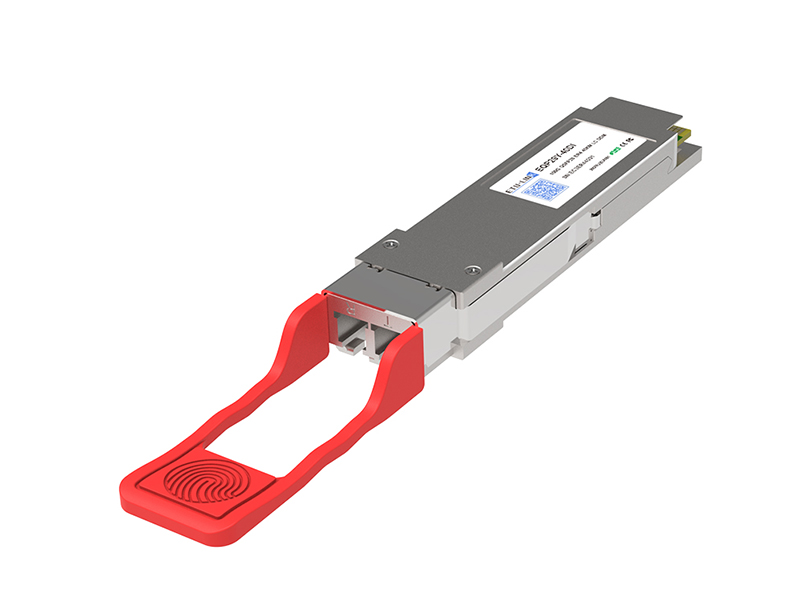
Choosing 10GBASE SRL can be a practical way to connect switches, servers, and storage across short multimode-fiber links. Its appeal is straightforward: 10-gigabit throughput, compact optical modules, and a fit for many data-center and enterprise cabling layouts. But the label alone does not guarantee compatibility. Fiber type, connector cleanliness, module specifications, and link distance all matter. Check the equipment datasheets before deployment.
John D’Ambrosia, an Ethernet standards leader, is a relevant industry voice on how Ethernet evolves. However, the material provided here contains no verifiable quotation from him about 10GBASE SRL, so attributing invented words to him would be misleading. A useful design principle for this topic is: “Match the optic to the link, not the other way around.” That is an editorial line, not a historical quotation.
In the sections ahead, we’ll examine where 10GBASE SRL makes sense, what to verify before installation, and how it compares with other short-reach options. A clean fiber end can matter as much as the chosen module. So can a small mismatch in vendor support. Performance is not just a line on a product sheet; it depends on the complete link. Real networks are messier than diagrams, and that deserves a closer look.
10GBASE-SRL is commonly used to describe a short-reach, 10-gigabit optical link over multimode fiber. It sends light near 850 nm through two fiber strands: one transmits, and one receives. At each end, an optical transceiver converts electrical data into light, then converts incoming light back into electrical signals. That makes it a practical option for short connections between switches, servers, and storage equipment in a data room. The exact reach depends on the transceiver and fiber grade, so check both specifications before installation.
IEEE 802.3-2022 specifies 10GBASE-SR distances of up to 300 meters on OM3 fiber and 400 meters on OM4. Those figures describe SR, not a guarantee for every product labeled SRL. SRL implementations may have shorter limits. Keep fiber type, connector cleanliness, and link length within the equipment’s stated limits. A dusty connector can cause errors, even when the cable appears intact. Small details matter.
Tips: Check the module datasheet and fiber jacket before connecting. Clean both end faces, then confirm link status and error counters after installation. It is tempting to trust the label alone; that is not always enough.

A 10GBASE-SRL link relies on a matched optical transmitter, receiver, and multimode fiber path. The transmitter typically uses an 850-nanometer VCSEL to send light through graded-index fiber. At the far end, a photodetector converts that signal back into electrical data. The exact reach depends on the optics and fiber grade, so verify the equipment specifications before choosing a cable.
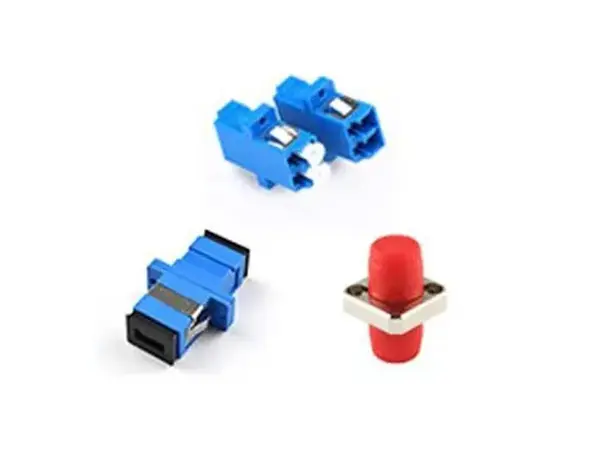
Fiber quality is only part of the link. Patch panels, adapters, and connectors add loss, while tight bends can weaken the signal. LC connectors are common in compact 10-gigabit installations. Clean ends matter. Dust on a connector face can disrupt light transmission, even when the cable looks intact. Keep protective caps in place until connections are ready, and inspect end faces with suitable equipment.
A practical design checks the complete path, not just the distance between switches. Include patch cords and intermediate connections when estimating loss, and confirm polarity so each transmitter reaches the opposite receiver. Small details count. One planning weakness is assuming every multimode cable will support the same reach; fiber category and link conditions matter. Documenting cable type, path length, and test results makes later troubleshooting more reliable.
10GBASE-SR optics use an 850 nm VCSEL transmitter and multimode fiber to carry 10 Gb/s Ethernet. The chart shows reference maximum link distances for 10GBASE-SR by fiber grade; actual 10GBASE-SRL reach depends on the transceiver specification and link conditions.
OM3 and OM4 fiber support longer reaches than older OM1 and OM2 grades. Check the optical module datasheet and the installed fiber type before planning a link. Duplex LC connectors are commonly used with 10GBASE-SR SFP+ modules.
10GBASE-SRL fits short, predictable multimode links inside server rooms, campus equipment rooms, and compact data halls. Common specifications support up to 100 meters over OM3 fiber and 150 meters over OM4. Check the transceiver’s reach, fiber grade, and connector condition before assigning a link budget.
It works well between top-of-rack switches, nearby aggregation equipment, and storage systems when copper cabling is impractical. Keep it local. IDC’s Data Age 2025 forecast projected 175 zettabytes of data created worldwide in 2025. That figure signals broad growth, not the traffic demand of any individual facility. A small server room may need only a few short links; a larger hall may need careful distance mapping.
The practical choice depends on the actual fiber route, not just the straight-line distance between racks. Patch panels, slack loops, and future rack moves can push a link beyond its intended reach. That limit is easy to overlook. For longer runs, compare other optical options rather than assuming SRL will work. Measure the installed path, confirm both ends support the chosen optics, and test the link after installation. A modest caveat: existing multimode fiber may look suitable yet still need inspection for age, cleanliness, or grade markings.
| Network Environment | Typical Link Distance | Common Fiber Setup | Why 10GBASE-SRL Fits | Key Consideration |
|---|---|---|---|---|
| Data-center server rows | Short links within a rack row, commonly up to about 100 m on OM3 or 150 m on OM4 multimode fiber, subject to the transceiver specification | Duplex multimode fiber, typically with LC connectors | Provides 10 Gb/s Ethernet connectivity over short fiber runs between switches, servers, and storage equipment. | Confirm the supported fiber type, connector, and maximum link length for both ends of the link. |
| Server-to-leaf-switch connections | Rack or adjacent-row distances within the module’s rated reach | OM3 or OM4 multimode fiber | Suited to compact, high-density network layouts where links are short and 10 Gb/s access is required. | Check that the switch port and optical module support the same Ethernet rate and optical specifications. |
| Closet-to-equipment-room links within a building | Short building links that remain within the specified multimode-fiber reach | Installed multimode-fiber cabling with compatible patch panels and patch cords | Can reuse suitable multimode-fiber infrastructure for short-reach 10 Gb/s links. | Include patch-panel connections and all cable sections when calculating the total channel length. |
| Campus or enterprise distribution rooms | Only where the complete path is within the supported short-reach limit | Multimode fiber, if already available and in suitable condition | Useful for nearby network rooms that need a straightforward 10 Gb/s fiber connection. | For longer inter-building or campus links, select an optic and fiber type rated for the required distance. |
| Connections requiring electrical-noise isolation | Any supported short-reach distance | Optical multimode-fiber link | Fiber does not conduct electrical current and can help avoid ground-potential and electromagnetic-interference issues along the link. | Fiber still requires correct handling, cleaning, routing, and optical-loss limits. |
| Long-distance or single-mode-fiber routes | Beyond the SRL module’s specified multimode-fiber reach | Typically requires single-mode fiber and an optic designed for longer reach | Generally not the right application for a short-reach multimode optic. | Use an appropriately rated long-reach solution rather than exceeding SRL distance limits. |
Typical characteristics: 10 Gb/s Ethernet over short-reach multimode fiber, commonly using 850 nm optics. Reach and compatibility vary by module implementation; verify the equipment documentation and the complete optical-channel budget before deployment.
Why Choose 10GBASE SRL for Your Network?
Performance Benefits for Short-Reach Connections
10GBASE-SRL is designed for fast, short-distance links over multimode fiber. It can suit connections between nearby switches, server racks, or equipment rooms. For these paths, it delivers 10-gigabit data rates without requiring a long-reach optical design. A common target is around 100 meters, though actual reach depends on fiber type and module specifications. Check both before installation.
Short links can be simple. They still need care. Clean connectors help limit signal loss, while correct fiber type and polarity support a stable connection. In a rack, a properly sized cable can also reduce clutter and make maintenance easier. These details are easy to overlook when the link appears straightforward. Still, the label can mislead: SRL is not a guarantee that every existing fiber path will work. Older cabling, extra patch panels, or poor connections may affect performance. Verify the optical budget and test the link under normal operating conditions. A small amount of planning can prevent intermittent errors later.
Planning a 10GBASE-SRL deployment begins with the actual route, not the advertised maximum reach. Measure the full fiber path, including patch cords and intermediate panels. Then confirm the optic’s wavelength, connector type, fiber grade, and supported distance against both endpoint specifications. Naming can vary across suppliers, so “SRL” alone is not proof of compatibility.
IEEE 802.3ae-2002 specifies 10GBASE-SR operation over multimode fiber. Its reach figures are up to 300 meters on OM3 and 400 meters on OM4. Do not automatically apply those figures to every SRL implementation; check its own datasheet and link budget. Connector loss, tight bends, and dusty end faces can reduce margin. A short link can still fail. Test the installed channel with suitable optical test equipment, and keep the measured results for troubleshooting.
Tips: Leave spare fiber strands where practical. Label both ends. Verify switch support before ordering optics, then test the link under expected operating conditions. That last step is easy to skip—and worth reconsidering.