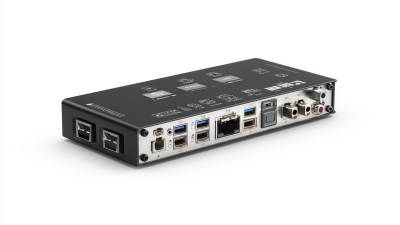
China Top 10 400G QSFP DD AOC Suppliers?
China’s 400G QSFP-DD AOC market is expanding as data centers demand higher bandwidth, lower power use, and simpler cabling. This guide explores China’s top 10 400G QSFP-DD AOC suppliers through practical and technical criteria. It considers product design, transmission performance, manufacturing capability, quality control, and customer support.
The focus is not only on impressive specifications. A reliable supplier should provide stable 400G QSFP-DD AOC products for real deployment conditions. Think of short connections inside a data center, where dense racks leave little room for cable strain or poor airflow. Connector quality matters. So does bend radius. So does consistent signal performance during continuous operation.
We will examine supplier experience in high-speed optical networking, available cable lengths, connector options, and compatibility with common switch platforms. Testing documentation and after-sales communication also deserve attention. They often reveal more than a polished product page.
Details matter.
This overview uses an evidence-based perspective, but supplier rankings can change. Public information may be incomplete, and some manufacturers disclose limited test data. That limitation should not be ignored. Buyers should verify compliance, warranty terms, sample performance, and delivery capacity before making a final decision.
The selected companies may serve different markets and application levels. Some focus on large data centers, while others support customized projects or smaller network deployments. Therefore, the “top 10” label is a practical comparison, not an absolute judgment. The best choice depends on equipment compatibility, operating distance, budget, and long-term service expectations.

What 400G QSFP-DD AOCs Are and How They Work
A 400G QSFP-DD AOC is an active optical cable with QSFP-DD connectors on both ends. It connects high-speed switches, servers, and data-center devices without separate transceivers. Inside each connector, electronic signals become optical signals. The fiber carries them across the cable, then the receiving end converts them back. Simple in appearance.
Most 400G QSFP-DD AOCs use eight electrical lanes, commonly operating with 50G PAM4 signaling. Together, these lanes deliver 400Gbps of aggregate bandwidth. Some designs use different lane structures, so technical verification matters. Internal optical engines, monitoring circuits, and digital signal processing help maintain signal quality. The cable may support short links between adjacent racks or longer in-row connections, depending on its construction.
When comparing suppliers, check transmission distance, power consumption, bend tolerance, connector coding, and host compatibility. A cable that works in one switch may fail to initialize in another. Firmware and port configuration can matter. Testing should include error counters, temperature changes, and repeated insertion. In practical deployments, heat is often underestimated. So is cable routing. AOC installation feels easy, yet tight bends or blocked airflow can reduce reliability. No specification replaces a controlled test in the target network.
Key Specifications for Comparing 400G QSFP-DD AOC Suppliers
China Top 10 400G QSFP-DD AOC Suppliers: Key Specifications for Comparison
Comparing 400G QSFP-DD AOC suppliers requires more than checking price. Start with transmission design. A dependable cable should support eight 50G PAM4 electrical lanes and stable 400Gbps throughput. Confirm the tested reach, usually three to seven meters. Longer options may reduce installation limits. They can also increase signal risk. Ask for insertion loss, return loss, bit error rate, and FEC conditions in the test report.
Power consumption matters inside dense data center racks. Compare typical and maximum wattage at the same temperature. Thermal data should cover airflow conditions, not only a laboratory room. Check operating ranges, storage limits, and connector temperature. Digital monitoring is useful when it reports temperature, voltage, and module status accurately. Compatibility testing with your switch and server matters more than a broad compatibility claim.
I prefer suppliers that provide serial-level test records, traceable production dates, and clear quality procedures. The cable jacket should show bend guidance and dependable strain relief. Optical connector cleanliness also deserves attention. A small defect can create unstable links. I once focused too heavily on reach and overlooked host-side interoperability. That mistake delayed deployment. Do not repeat it. Request sample testing, firmware details, compliance documents, warranty terms, and failure-analysis support before placing a large order. Cost remains relevant, but an inexpensive cable with inconsistent BER can become the expensive choice.
China Top 10 400G QSFP-DD AOC Suppliers? - Key Specifications for Comparing 400G QSFP-DD AOC Suppliers
Criteria for Evaluating China-Based 400G QSFP-DD AOC Manufacturers
Evaluating China-based 400G QSFP-DD AOC manufacturers requires more than comparing prices. IEEE 802.3bs defines 400GbE, while the QSFP-DD MSA supports eight electrical lanes. A qualified supplier should clearly state its lane architecture, PAM4 implementation, connector type, and host compatibility. Vague specifications deserve caution.
Independent data supports this demand. The Cisco Annual Internet Report projected global data-center traffic growth at about 25% annually during its forecast period. LightCounting’s 2024 optical-transceiver analysis also identifies 400G and higher-speed modules as major growth segments. Suppliers should therefore demonstrate stable volume production, not only attractive samples. Ask for BER results, eye diagrams, insertion-loss records, and temperature testing from −5°C to 70°C or the required operating range. Practical evidence matters.
Factory evaluation should include equipment, process control, and traceability. Check whether each AOC receives automated optical testing, high-temperature burn-in, and serial-number tracking. Request test data at the full cable length, not only short laboratory samples. A mature manufacturer should explain failure rates, connector cleaning, packaging, and replacement procedures. IEC 61300-based connector testing can help verify mechanical reliability. The QSFP-DD MSA documentation should also match the supplier’s EEPROM and management implementation. A polished datasheet is not proof. I would still require samples from two production lots, because one successful batch can create false confidence. Supplier audits may reveal weaker calibration control than online claims suggest.
China’s Top 10 400G QSFP-DD AOC Suppliers
China’s Top 10 400G QSFP-DD AOC Suppliers are gaining attention as data centers upgrade to higher-density networks. LightCounting’s 2024 market outlook expects the optical transceiver market to exceed 20 billion dollars before 2028. The report links growth to AI clusters and faster Ethernet connections. A 400G QSFP-DD AOC can combine eight 50G electrical lanes with four 100G optical lanes. It suits short, high-bandwidth links between switches, servers, and storage systems. The leading ten Chinese suppliers should be judged by measured insertion loss, thermal performance, firmware compatibility, and production consistency. Price alone is a weak filter.
Field experience shows that a 400G AOC may perform well in a laboratory but fail during dense rack deployment. Cable length, bend radius, connector cleanliness, and airflow can change results. The Ethernet Alliance’s 2024 roadmap highlights 400G and 800G Ethernet as important steps in data-center scaling. However, supplier claims still need independent verification. Request eye diagrams, BER results, temperature tests, and lot-traceability records. Some specifications remain unclear. That deserves scrutiny.
Tips:
Confirm switch compatibility before ordering samples. Test every cable at the intended length. Keep at least one spare unit per rack row. Ask for test reports based on recognized standards, not only internal labels. A practical comparison should include warranty response, customization ability, delivery history, and failure analysis. Regional service can matter more than a small unit-price difference.
Applications, Compatibility, and Deployment Considerations
China Top 10 400G QSFP-DD AOC Suppliers: Applications, Compatibility, and Deployment Considerations
400G QSFP-DD AOCs suit short, high-density links inside data centers. Common deployments connect switches, servers, storage systems, and AI accelerator cabinets. The 2024 Ethernet Switch Report from Dell’Oro Group identifies data-center switching as a major growth area, supporting faster optical upgrades. Shorter is safer. A 3-meter AOC can reduce connector count, cable weight, and airflow obstruction.
Compatibility requires more than matching “400G.” Confirm QSFP-DD cage dimensions, CMIS management support, firmware behavior, and host-side FEC settings. Many 400G designs use eight 50G PAM4 electrical lanes. Others support four-lane breakout architectures. The optical interface, lane mapping, polarity, and breakout cable type must match both endpoints. The IEEE 802.3bs standard provides useful guidance, but implementation details still vary between platforms.
Deployment teams should verify link stability at operating temperature, not only on a laboratory bench. LightCounting’s 2024 optical communications forecast highlights continuing demand for higher-speed data-center optics, yet power and thermal limits remain practical concerns. Ask suppliers for eye diagrams, bit-error-rate results, and compliance records. Cable length also matters; excessive reach can reduce margin. A simple compatibility matrix prevents expensive surprises. It is not glamorous, but it works. Some procurement decisions still rely too heavily on price, which deserves reconsideration.
400G QSFP-DD AOC: Standard Breakout and Deployment Profiles
QSFP-DD 400G AOCs use eight high-speed electrical lanes and can support single-link 400G operation or breakout deployments such as 2×200G and 4×100G, depending on the switch, optical module, firmware, and cable assembly. Verify port mode, FEC, connector polarity, and supported breakout profiles before deployment.

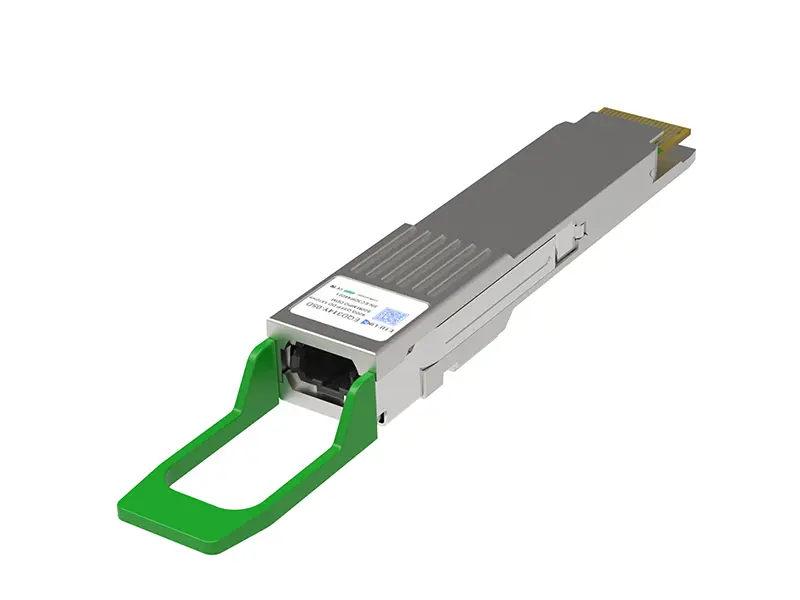 400G
400G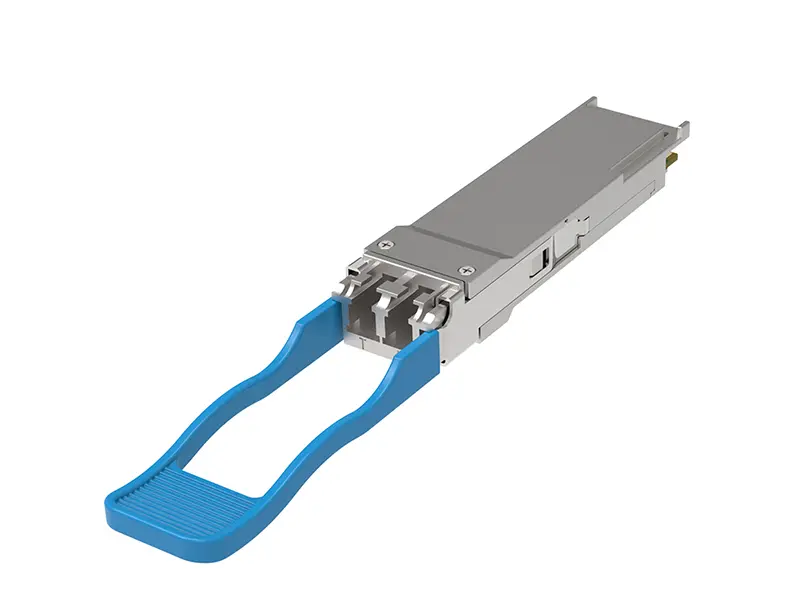 200G
200G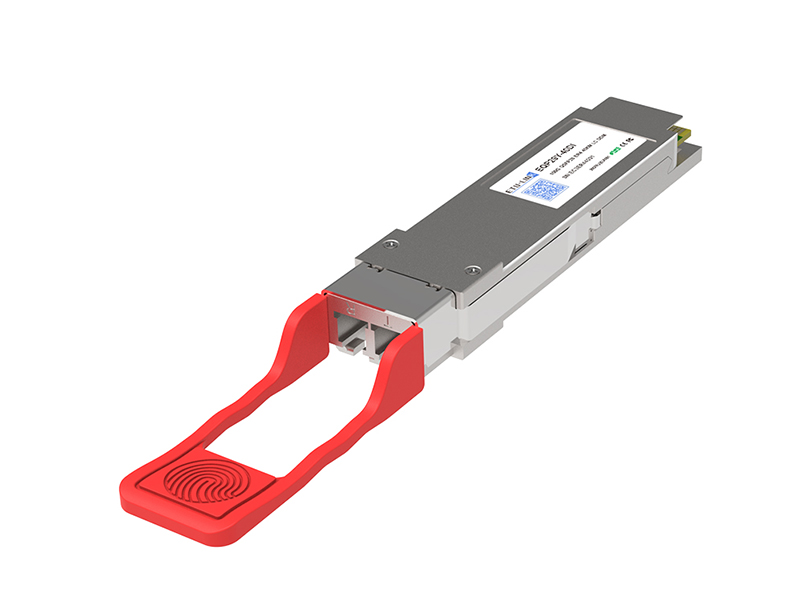 100G
100G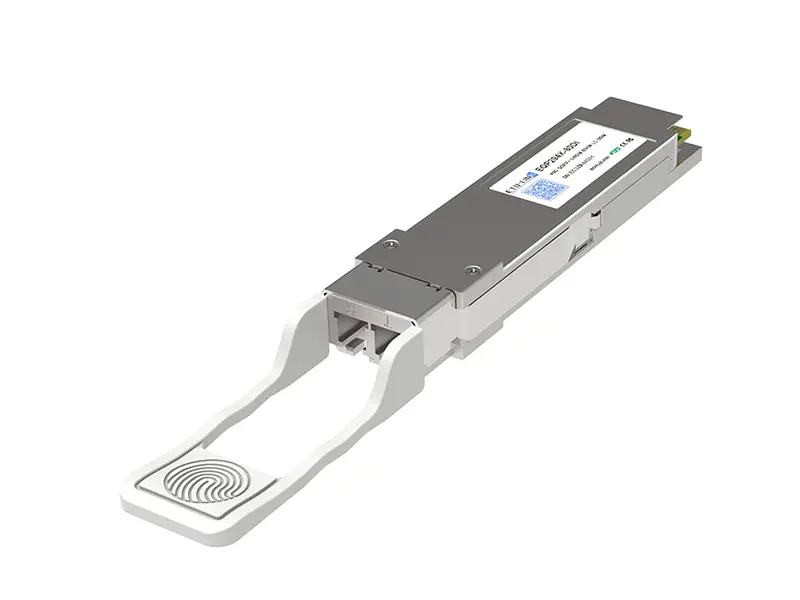 40G
40G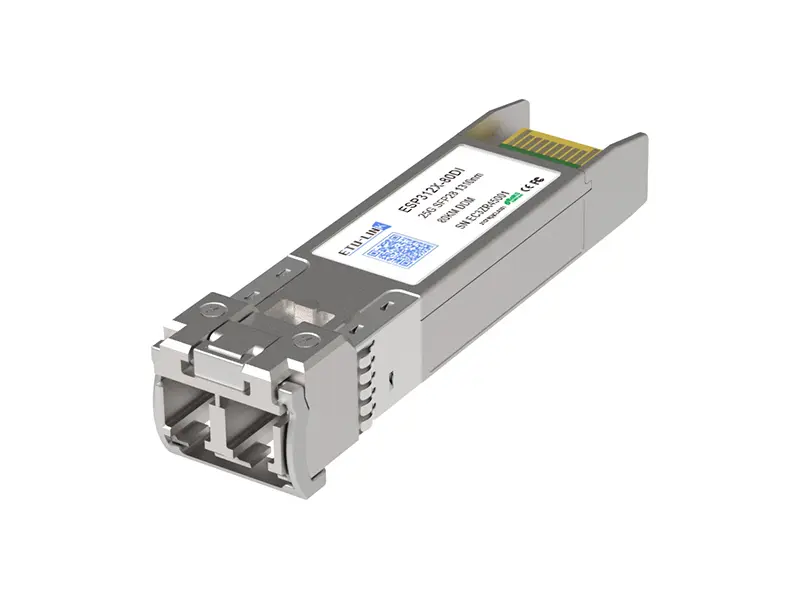 25G
25G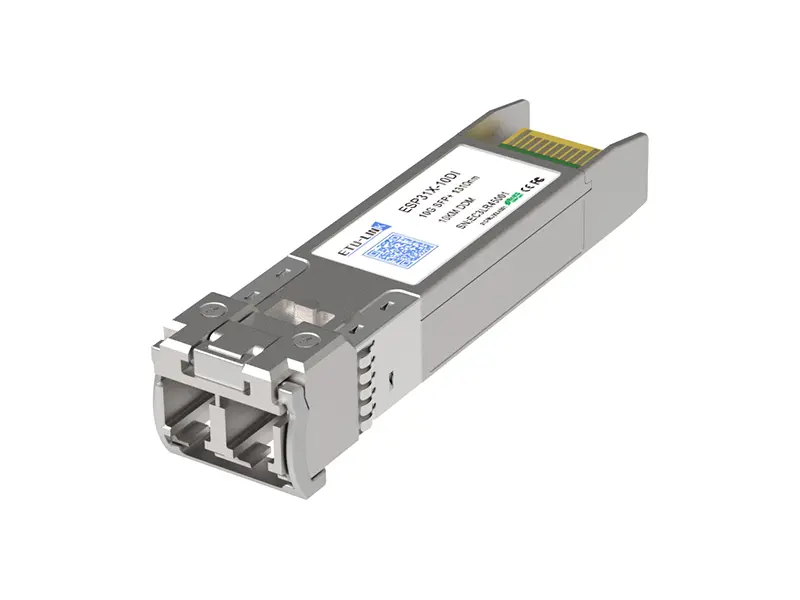 10G
10G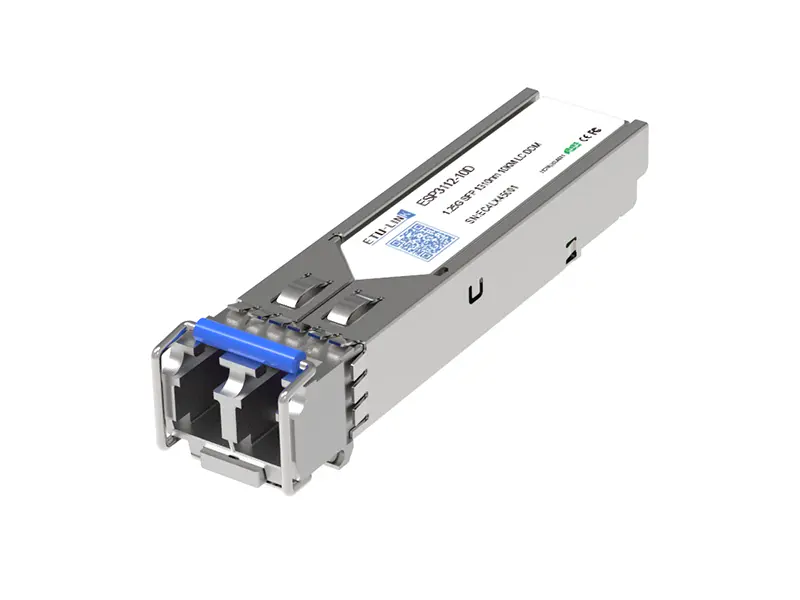 1G
1G COPPER-T
 Other
Other 10G SFP+ DAC
 40G QSFP+ DAC
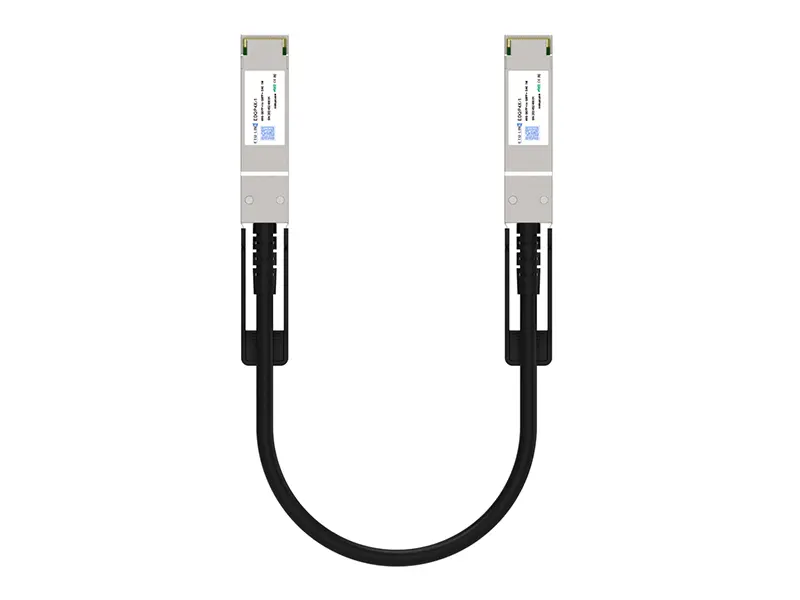 56G QSFP+ DAC
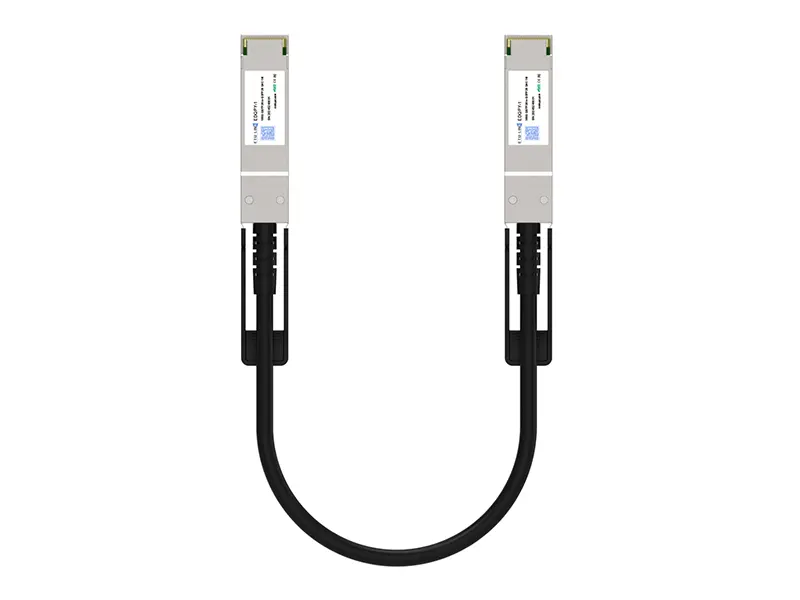 100G QSFP28 DAC
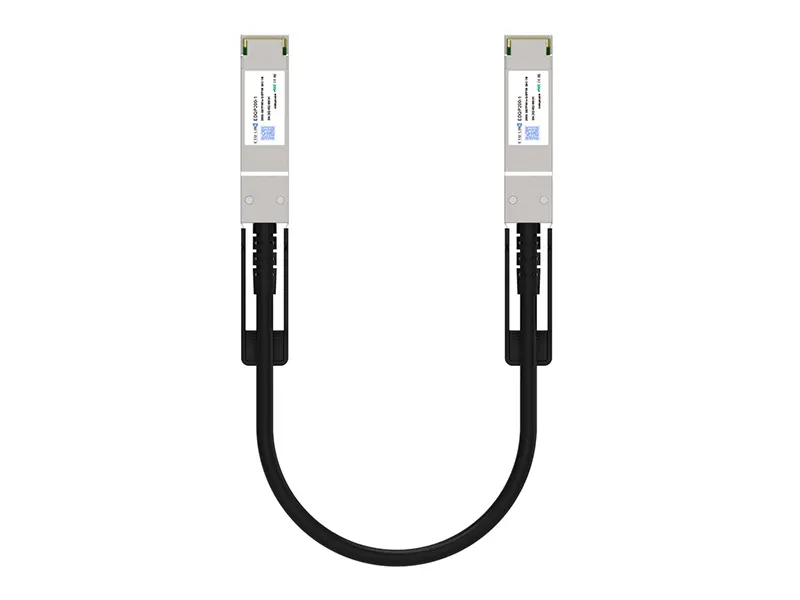 200G QSFP56 DD DAC
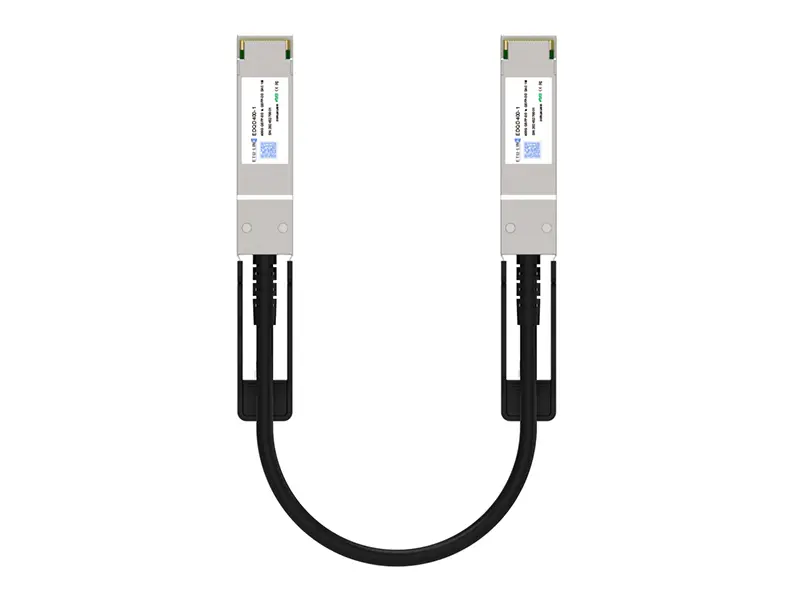 400G QSFP DD DAC
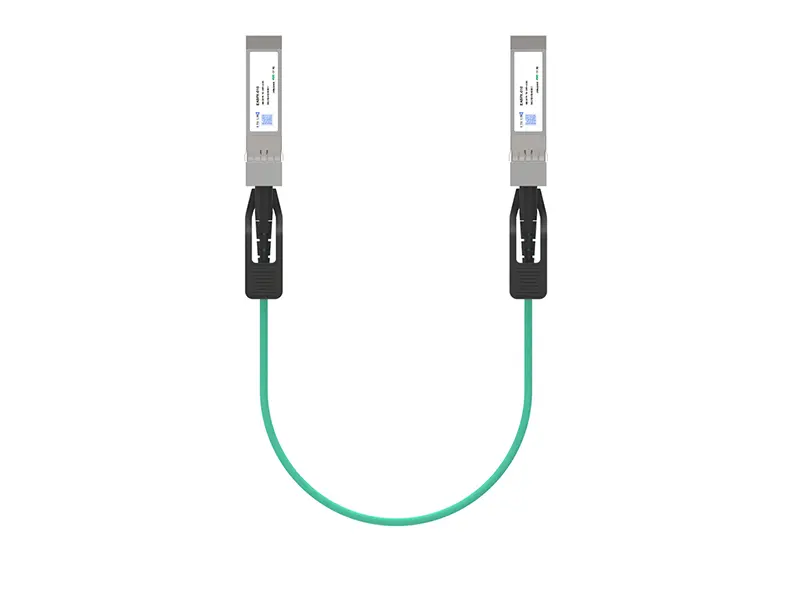 10G SFP+ AOC
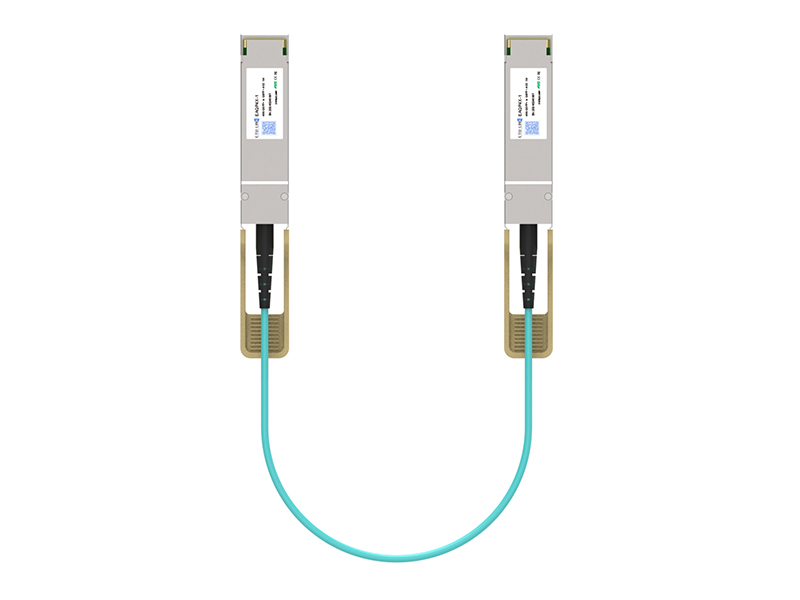 40G QSFP+ AOC
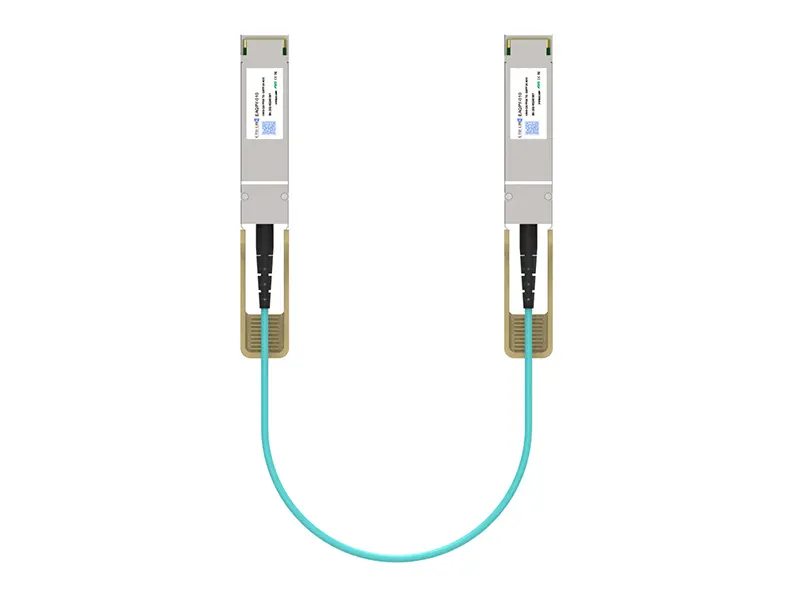 100G QSFP28 AOC
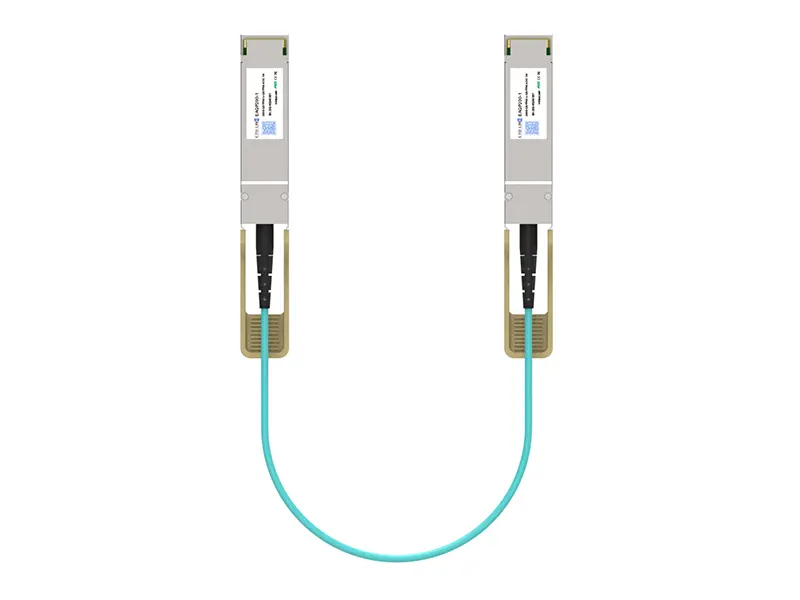 200G QSFP56 AOC
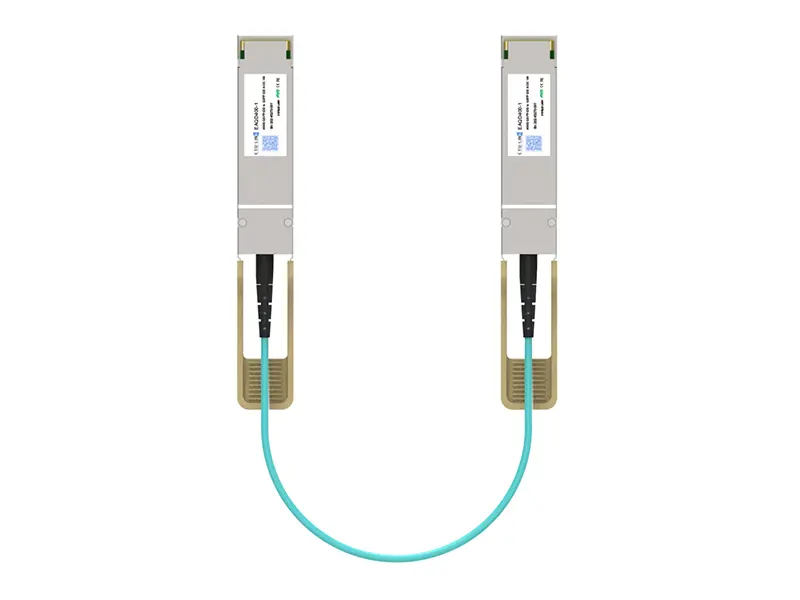 400G QSFP-DD AOC
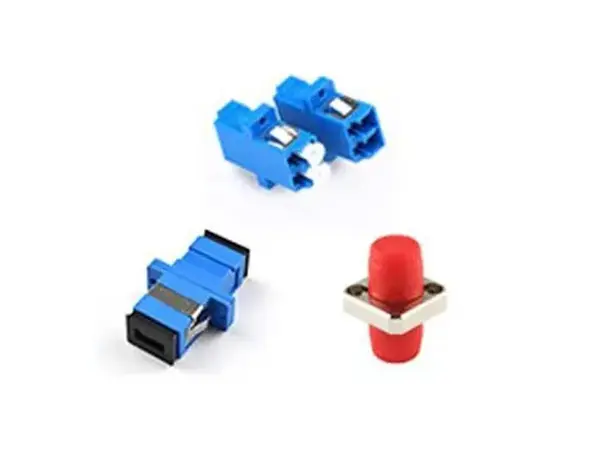 Adapter Details
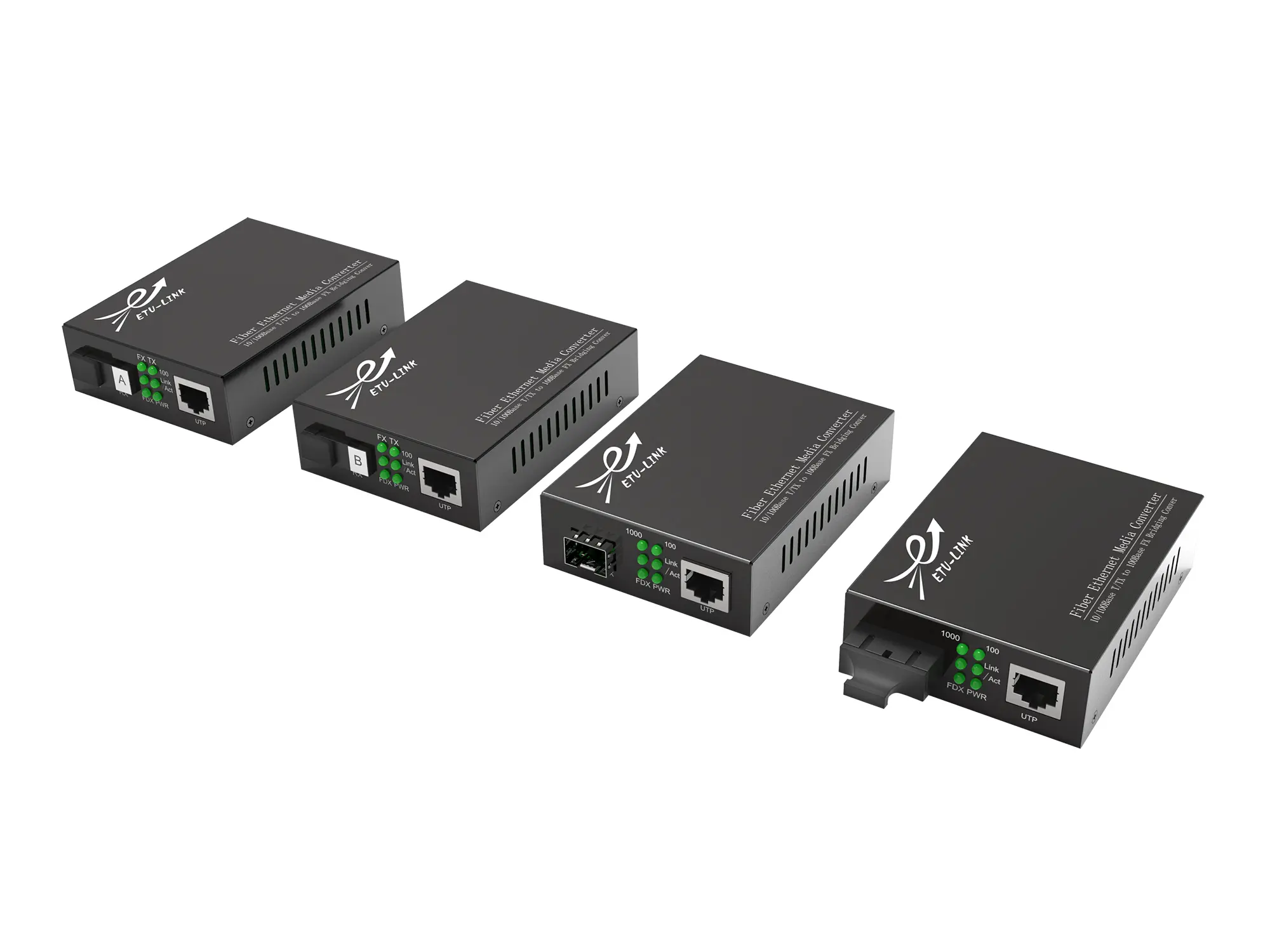 Media Converter