What is the Best 10G SFP+ RJ45 Copper Transceiver for Your Network?
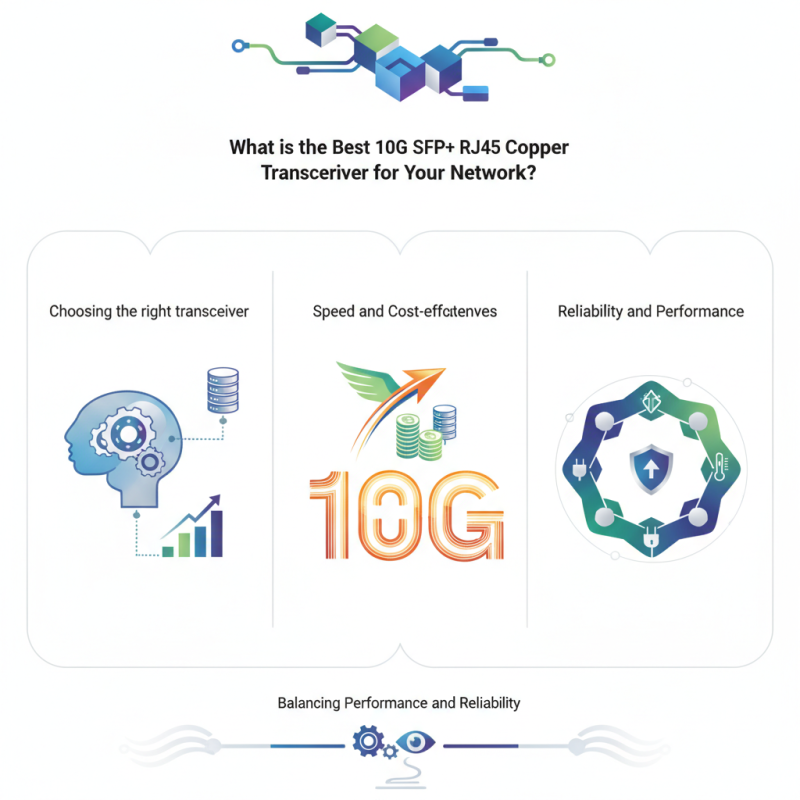
Choosing the right 10G SFP+ RJ45 Copper Transceiver can significantly impact your network's efficiency. According to Dr. Emily Chen, a renowned expert in high-speed networking, “A well-selected transceiver is the backbone of a reliable network.” When considering your options, examining the specific needs of your infrastructure is crucial.
Many networks rely on 10G SFP+ RJ45 modules for their superb speed and cost-effectiveness. This choice often comes down to the environment and distance of connection. For instance, in data centers, the correct transceiver can optimize performance and minimize downtime. Engineers frequently express frustration over compatibility issues. These challenges can hinder network solutions, highlighting the need for careful selection.
In today’s fast-paced digital world, reliability is paramount. A quality 10G SFP+ RJ45 Copper Transceiver enhances data transmission and reduces latency. However, purchasing the wrong module can lead to unexpected performance gaps. Evaluating features like power consumption and operating temperature is vital. Balancing performance and reliability requires not just expertise but continuous reflection on past decisions.
Understanding 10G SFP+ RJ45 Copper Transceivers
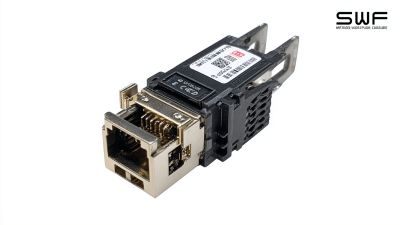
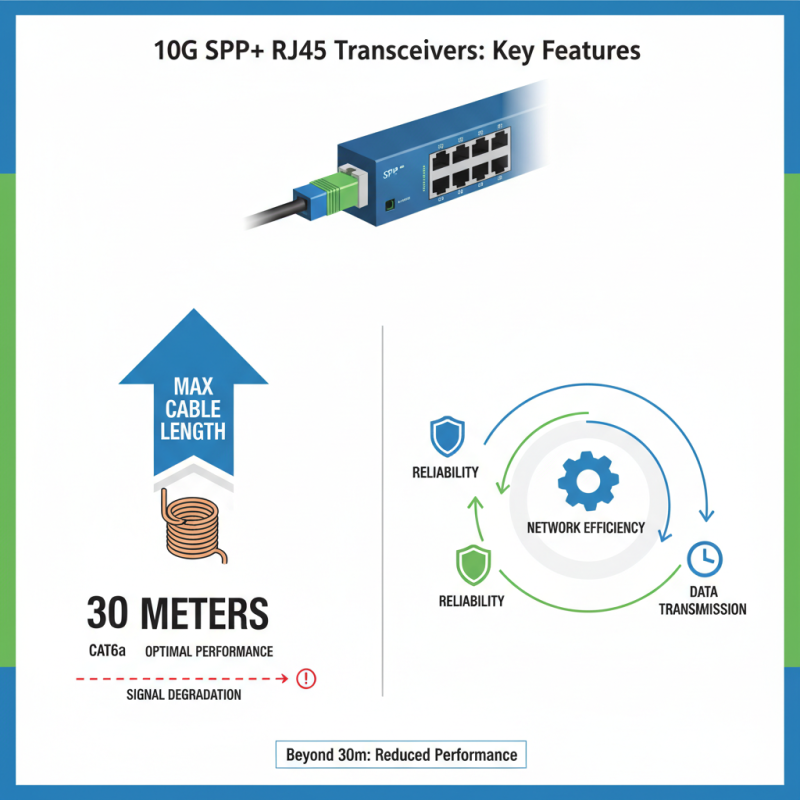
10G SFP+ RJ45 copper transceivers are pivotal in modern networking. They enable high-speed data transmission over copper cabling. These transceivers can operate at a distance of up to 30 meters, making them ideal for short-range connections in data centers.
Recent studies indicate that the demand for 10G SFP+ solutions has surged. Reports suggest that the market is expected to grow at a CAGR of around 15% over the next five years. This growth reflects the increasing need for faster, more efficient networking hardware. Many organizations are replacing outdated systems to improve performance.
When choosing a 10G SFP+ RJ45 copper transceiver, consider compatibility with existing network equipment. Not all transceivers are interchangeable. Performance can vary significantly between models. Many users report challenges with installation and configuration. It is crucial to verify specifications to avoid potential integration issues. Understanding these complexities can lead to improved decision-making in networking investments.
Key Features to Consider in 10G SFP+ RJ45 Transceivers
When selecting the best 10G SFP+ RJ45 copper transceiver, several key features must be considered. First, the maximum cable length is critical. Most transceivers support distances up to 30 meters using CAT6a cables, but performance may degrade with longer runs. According to industry reports, effective data transmission starts to falter beyond the 30-meter mark, impacting overall network efficiency.
Power consumption plays a vital role too. High-performance transceivers often require more power, which can increase operating costs. A recent study indicated that solutions consuming less than 1.0W are more cost-effective in the long run. This is essential for large-scale deployments where power usage adds up significantly over time.
Additionally, compatibility is crucial. Ensure the transceiver can work seamlessly with existing networking equipment. Not all transceivers are created equal. Some might face interoperability issues, leading to potential downtime. According to a 2022 survey, nearly 15% of network failures stemmed from incompatible components. Thus, verifying compatibility and performance metrics is essential before making a decision. Balancing these factors will help in choosing a fitting 10G SFP+ RJ45 copper transceiver.
Top Brands Offering the Best 10G SFP+ RJ45 Copper Transceivers
When choosing a 10G SFP+ RJ45 copper transceiver, the brand matters significantly. Many companies manufacture these devices, but the reliability and performance can vary greatly. Look for brands with a solid reputation in the networking and telecommunications industry. A trusted brand often provides better support and warranty options.
Different environments and applications can affect network performance. Consider your setup when selecting a transceiver. For instance, 10G transceivers can be sensitive to temperature and interference. Assess your network needs carefully. Tips for implementation include testing the transceiver in your unique environment before a complete rollout.
Selecting a transceiver also requires attention to compatibility. Ensure the chosen transceiver works seamlessly with your existing hardware. Not all transceivers are universal. You might encounter issues if they don't align with your switches or routers. Therefore, always prioritize checking compatibility and user feedback for additional insights.
What is the Best 10G SFP+ RJ45 Copper Transceiver for Your Network?
| Model |
Max Distance |
Data Rate |
Power Consumption |
Connector Type |
| Model A |
30m |
10Gbps |
2.5W |
RJ45 |
| Model B |
25m |
10Gbps |
3.0W |
RJ45 |
| Model C |
40m |
10Gbps |
2.0W |
RJ45 |
| Model D |
30m |
10Gbps |
2.8W |
RJ45 |
| Model E |
50m |
10Gbps |
2.3W |
RJ45 |
Comparative Analysis of Popular 10G SFP+ RJ45 Transceivers
When selecting the best 10G SFP+ RJ45 copper transceiver, a comparative analysis of various models is essential. Industry reports indicate that these transceivers are gaining traction in enterprises due to their cost-effectiveness and simplicity. For instance, the number of organizations deploying 10G copper solutions has increased by 30% year-over-year. This trend reflects a growing recognition of the benefits these transceivers offer in maximizing bandwidth over existing copper cabling.
Performance is often a key differentiator between models. Some transceivers reach 30 meters in range, while others extend up to 100 meters. The 100-meter models offer greater flexibility for larger facilities. However, factors such as power consumption and operational temperatures also vary significantly. According to a recent technical study, approximately 25% of transceiver failures can be attributed to overheating. This highlights the importance of understanding your deployment environment.
While many models promise high performance, not all deliver in real-world applications. Some users report inconsistencies in speed and reliability, which could be due to compatibility issues. A thorough compatibility check with switching equipment is advisable. This attention to detail can prevent potential network disruptions. As the market evolves, it's crucial to keep informed about new developments. Staying updated on trends will assist in making better purchasing choices.
Comparison of 10G SFP+ RJ45 Transceivers
Tips for Choosing the Right 10G SFP+ RJ45 Transceiver for Your Network
When selecting a 10G SFP+ RJ45 copper transceiver, consider your specific needs. Determine the distance between your switches or routers. Copper transceivers typically provide up to 30 meters of connectivity. If your setup calls for longer distances, you might need to rethink your choice. Every environment presents unique challenges, such as electromagnetic interference and cable quality, which can affect performance.
Check compatibility with your existing equipment. Not all transceivers work seamlessly with every switch or network device. This could lead to costly mistakes. Reading user reviews and consulting technical guides are crucial steps. Look for transceivers that offer reliable throughput and stability under load. Reliability matters. It can help avoid downtime and keep your network efficient.
Cost is another factor that needs a thoughtful approach. Cheaper options may seem attractive but often compromise on performance. However, high prices don't always guarantee quality. It’s essential to find a balance between budget and performance. Pay attention to warranty and support services too. They demonstrate a manufacturer's commitment to reliability. Carefully weigh each aspect before making a decision.

 400G
400G 200G
200G 100G
100G 40G
40G 25G
25G 10G
10G 1G
1G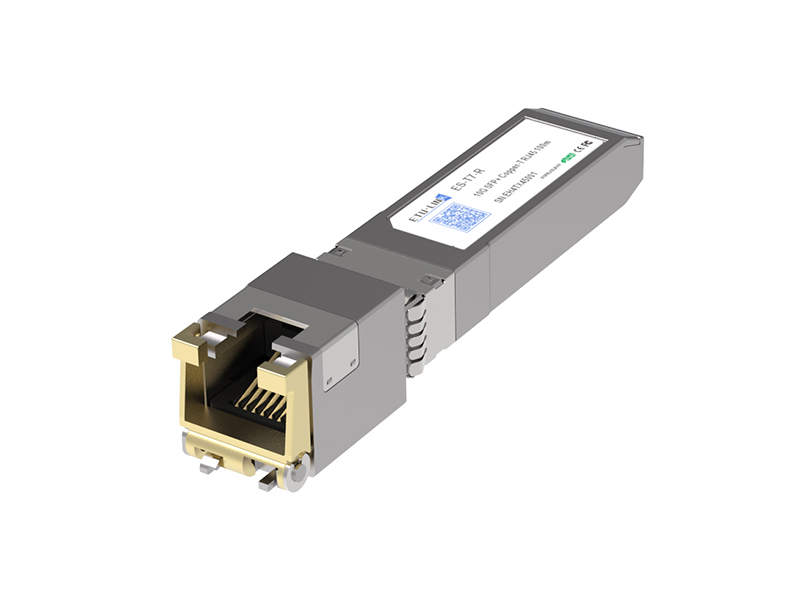 COPPER-T
 Other
Other 10G SFP+ DAC
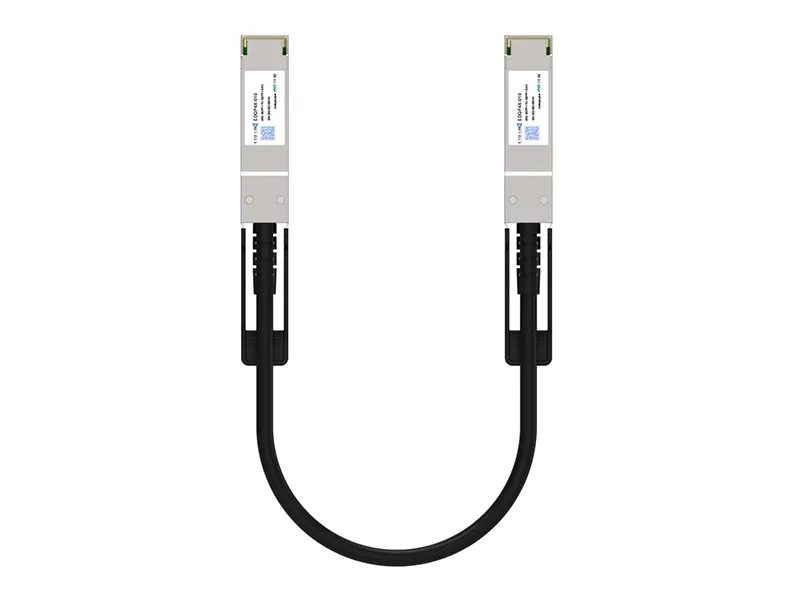 40G QSFP+ DAC
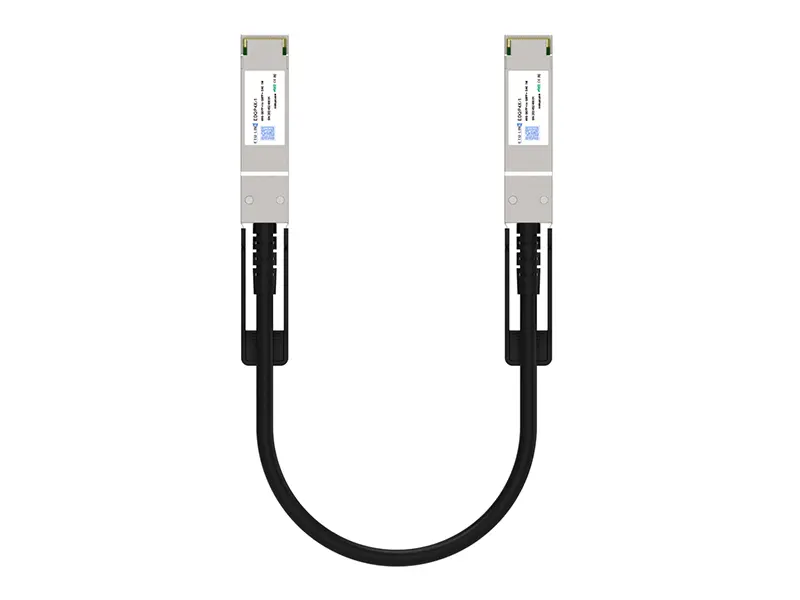 56G QSFP+ DAC
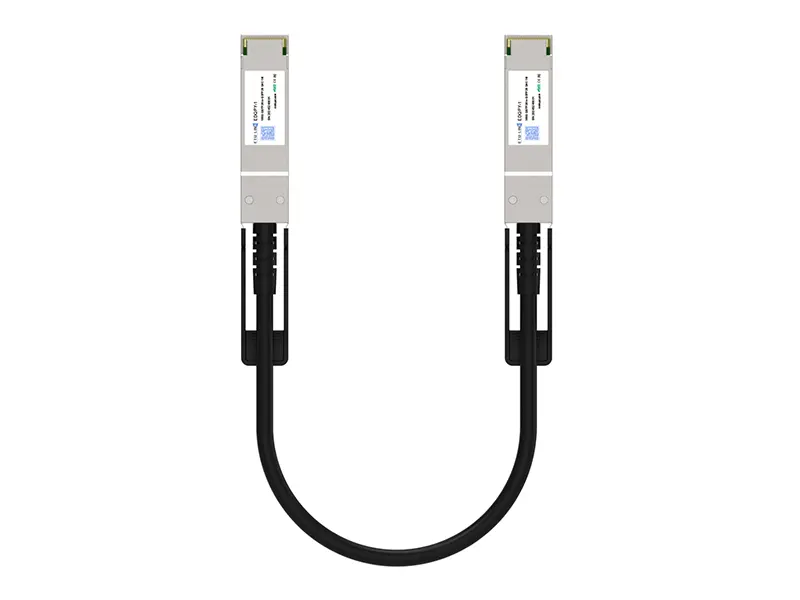 100G QSFP28 DAC
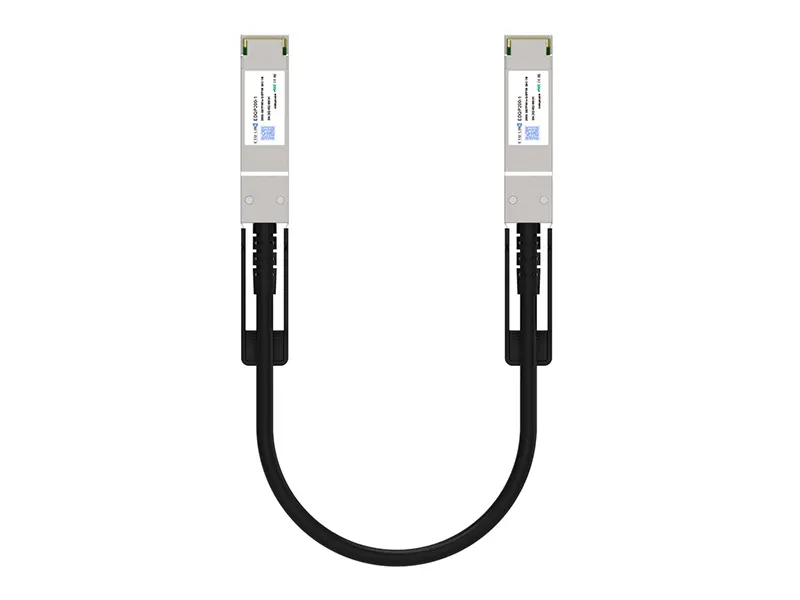 200G QSFP56 DD DAC
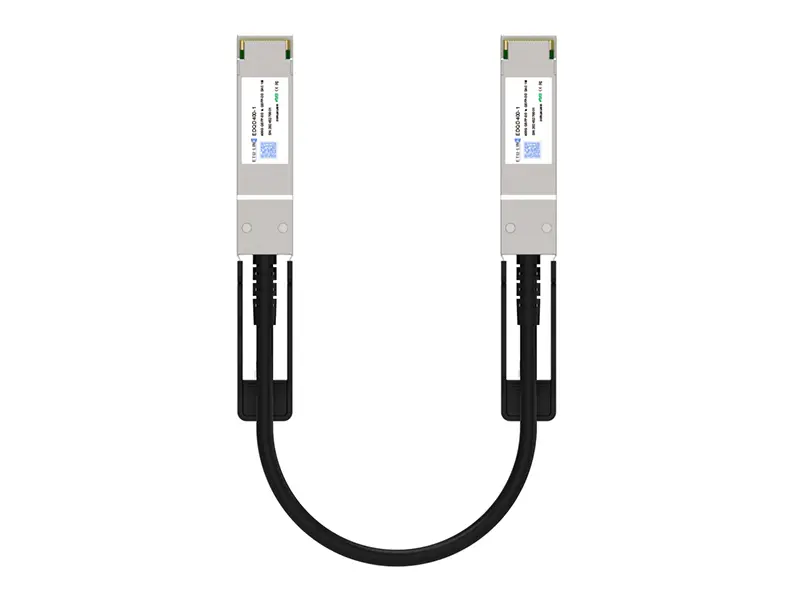 400G QSFP DD DAC
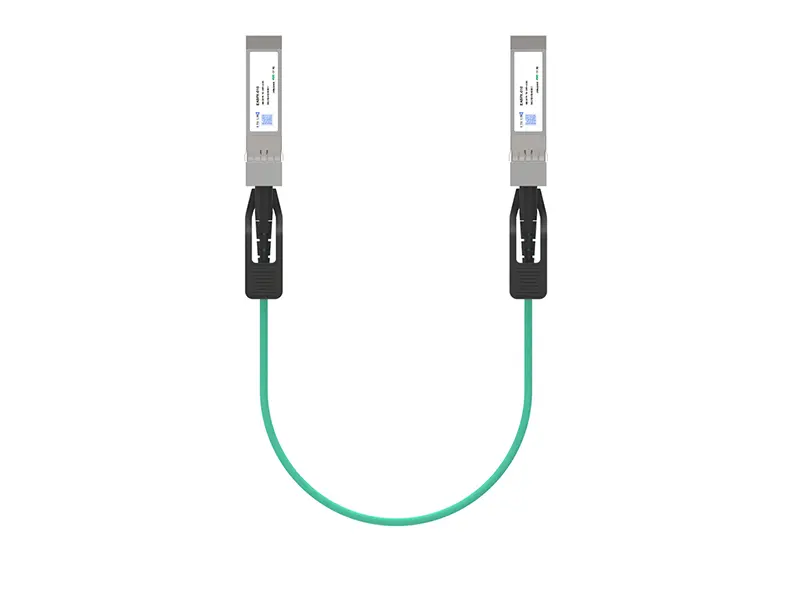 10G SFP+ AOC
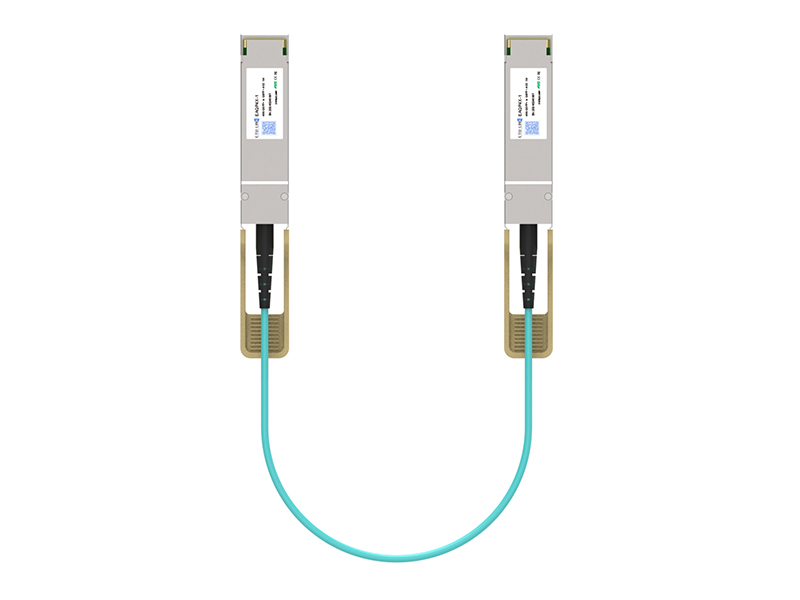 40G QSFP+ AOC
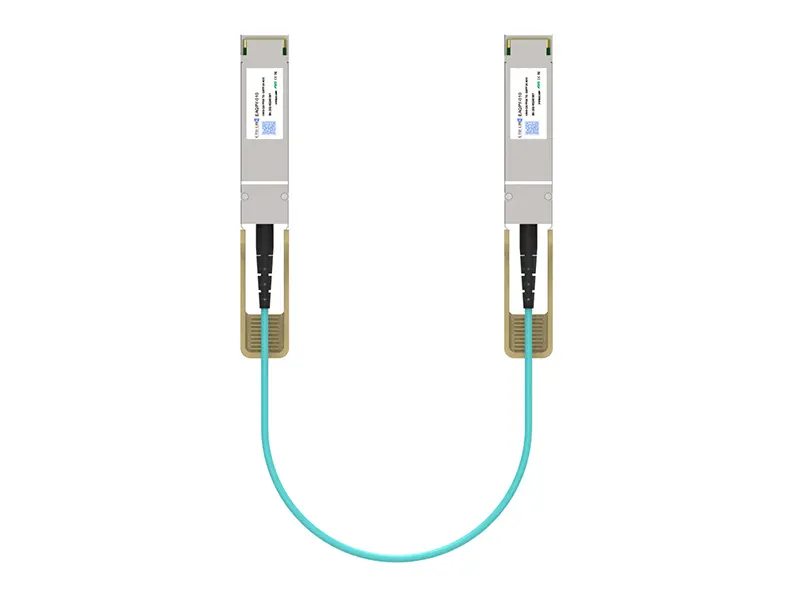 100G QSFP28 AOC
 200G QSFP56 AOC
 400G QSFP-DD AOC
 Adapter Details
 Media Converter