Best 10G SFP+ RJ45 Copper Transceiver for Global Buyers?
The demand for high-speed networking has surged globally. One key player in this market is the 10G SFP+ RJ45 Copper Transceiver. This device allows users to achieve 10 Gigabit Ethernet connections with ease. Experts say it’s a game changer in copper connectivity. Dr. Mark Jenkins, a renowned specialist in networking technology, emphasizes, "The 10G SFP+ RJ45 Copper Transceiver bridges the gap between speed and affordability."
In the fast-paced digital world, choosing the right transceiver can be crucial. The 10G SFP+ RJ45 Copper Transceiver is known for its reliability and performance. Many enterprises have turned to this technology to enhance their data centers. Yet, some buyers struggle with options available in the market. They need to consider factors like compatibility and price.
Despite the advantages, not all transceivers are equal. Quality can vary significantly. Some users have reported issues with overheating or signal degradation. It's essential to do thorough research before making a purchase. As the market evolves, staying informed helps ensure that you choose the best 10G SFP+ RJ45 Copper Transceiver for your needs.
Overview of 10G SFP+ RJ45 Copper Transceivers
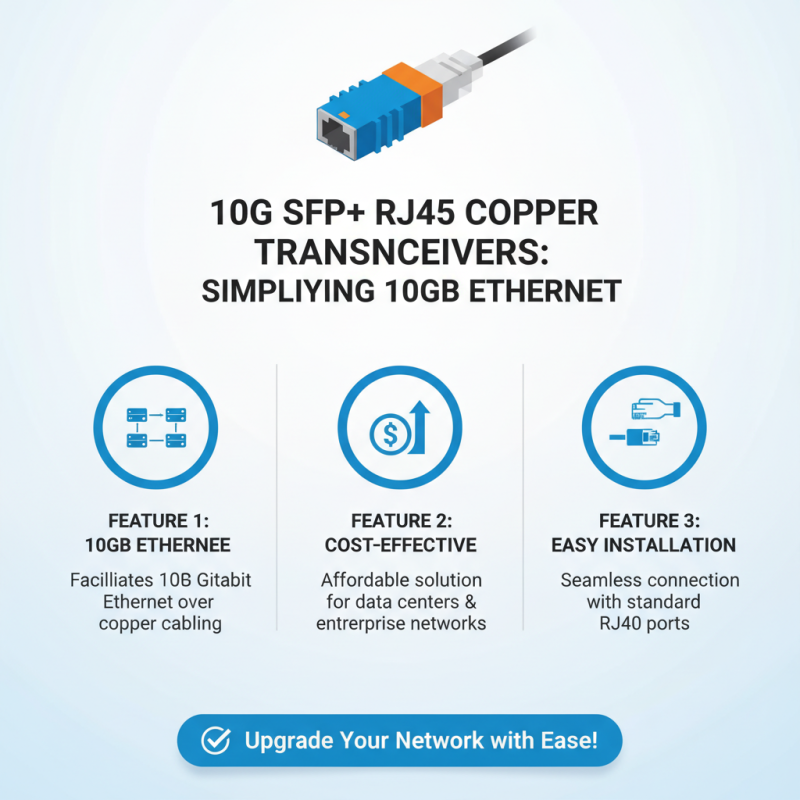
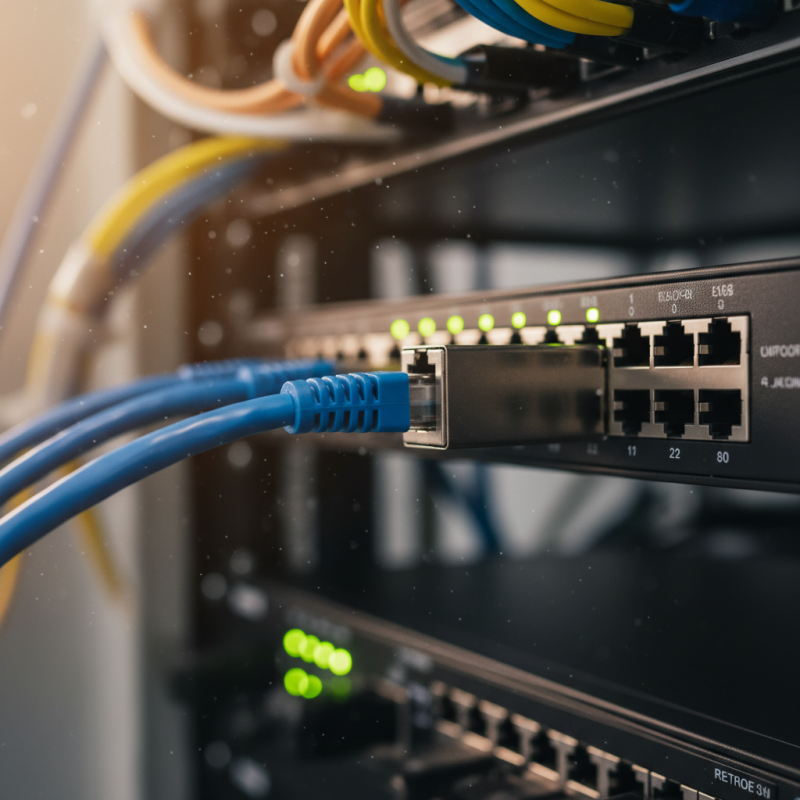
When exploring 10G SFP+ RJ45 copper transceivers, it's essential to consider their core features. These devices facilitate 10 Gigabit Ethernet connections over copper cabling, offering a cost-effective solution for data centers and enterprise networks. They connect seamlessly with standard RJ45 ports, making installations straightforward and user-friendly.
Key attributes include a range of operational distances. Some transceivers function well up to 30 meters, while others may offer even more extended reach. While performance is crucial, temperature operating ranges also matter. Transceivers designed for different environments can impact network stability. It's vital to review specifications carefully for compatibility with existing infrastructure.
Using copper transceivers presents unique challenges. They are susceptible to electromagnetic interference, which may affect data integrity. If not managed properly, this could lead to unexpected network downtime. Careful selection and placement can mitigate these risks. Understanding the trade-offs will help users make informed decisions tailored to their specific needs.
Key Features to Consider When Choosing a 10G SFP+ Transceiver
When selecting a 10G SFP+ RJ45 copper transceiver, several key features warrant consideration. Data from the latest market analysis indicates that compatibility is crucial. Ensure the transceiver aligns with your network equipment for optimal performance. Some devices may not effectively support certain transceiver types, leading to less than ideal results.
Also, pay attention to power consumption. A transceiver with lower power requirements can significantly reduce operational costs over time. Reports show that energy-efficient models can save up to 30% in power usage compared to older counterparts. Assess your specific needs concerning temperature range and operational conditions, ensuring the chosen model performs reliably in your environment.
Tip: Always check the manufacturer’s specifications for distance limits. Many transceivers only reach effective ranges of up to 30 meters before signal integrity diminishes.
Moreover, the quality of components remains vital. Transceivers manufactured with high-quality materials tend to offer better longevity and signal stability. Poor-quality options may lead to frequent replacements and increased downtime. You might want to compare user reviews and technical reports to gauge reliability.
Remember, informed choices lead to better network performance and efficiency.
Top Features of 10G SFP+ RJ45 Copper Transceivers
Top 10 Recommended 10G SFP+ RJ45 Copper Transceivers for Buyers
When choosing a 10G SFP+ RJ45 copper transceiver, buyers face many options. These transceivers are essential for high-speed networking. They facilitate 10 Gigabit Ethernet connections over copper cables. Proper selection can significantly enhance network performance. Various models offer different features. Some provide extended ranges, while others focus on energy efficiency.
Among the recommended options for buyers, certain attributes stand out. Look for transceivers with robust compatibility. They should work seamlessly with various switches and routers. Pay attention to data rates. The ideal product should deliver steady speeds without lag. Heat dissipation also matters. A device that overheats may compromise your network's integrity.
Buyers should also consider the installation process. Some transceivers offer simple plug-and-play functionality. Others may require more complex setups. Keep in mind the importance of warranty support. A strong warranty reflects manufacturers' confidence in their products. Yet, not all buyers read the fine print. Understanding these elements can lead to better purchasing decisions. Your networking needs deserve careful assessment.
Best 10G SFP+ RJ45 Copper Transceiver for Global Buyers
| Model |
Data Rate |
Distance |
Connector Type |
Temperature Range |
Cost (Approx.) |
| Transceiver A |
10 Gbps |
100 meters |
RJ45 |
0°C to 70°C |
$90 |
| Transceiver B |
10 Gbps |
80 meters |
RJ45 |
-40°C to 85°C |
$85 |
| Transceiver C |
10 Gbps |
70 meters |
RJ45 |
0°C to 70°C |
$95 |
| Transceiver D |
10 Gbps |
90 meters |
RJ45 |
-10°C to 75°C |
$88 |
| Transceiver E |
10 Gbps |
100 meters |
RJ45 |
0°C to 70°C |
$92 |
| Transceiver F |
10 Gbps |
80 meters |
RJ45 |
-5°C to 70°C |
$86 |
| Transceiver G |
10 Gbps |
60 meters |
RJ45 |
0°C to 70°C |
$89 |
| Transceiver H |
10 Gbps |
75 meters |
RJ45 |
0°C to 70°C |
$87 |
| Transceiver I |
10 Gbps |
100 meters |
RJ45 |
0°C to 70°C |
$91 |
| Transceiver J |
10 Gbps |
90 meters |
RJ45 |
-10°C to 75°C |
$93 |
Comparative Analysis of Pricing and Performance of Selected Models
When selecting a 10G SFP+ RJ45 copper transceiver, comparing pricing and performance is vital. Many models offer varying features and cost points. Performance metrics like latency, range, and compatibility significantly affect your decision. A model that excels in speed may lack in efficiency. It's essential to evaluate these aspects closely.
Tips: Always check the compatibility with your existing hardware. Some transceivers perform better with specific switches. Look for detailed customer reviews to gauge reliability.
Pricing is another critical factor. There can be significant differences across models that seem similar. However, a higher price does not always guarantee better performance. In some cases, less expensive options provide comparable results without overspending. Investigate warranty options to ensure reliability over time.
Tips: Consider the total cost of ownership. Sometimes, cheaper transceivers lead to higher maintenance costs. Balance upfront expenses with long-term benefits for the best value.
Installation and Compatibility Tips for 10G SFP+ Transceivers
When selecting a 10G SFP+ RJ45 copper transceiver,
installation and compatibility are crucial factors. According to recent industry reports,
up to 30% of network issues can be traced back to compatibility problems.
Understanding specifications can prevent these challenges.
Ensure your hardware supports SFP+ technology. Not all devices that accept
SFP modules are compatible with 10G transceivers.
Always check compatibility lists released by manufacturers.
Short range is a typical limitation of copper transceivers, usually capped at 30 meters.
This may not satisfy every networking need.
Tips: Use quality network cables. Poor cables can lead to signal loss. Install transceivers
with care to avoid physical damage. Remember to dust off connectors for optimal performance.
Testing connections after installation can reveal hidden issues.
Taking such precautions helps in achieving network stability.

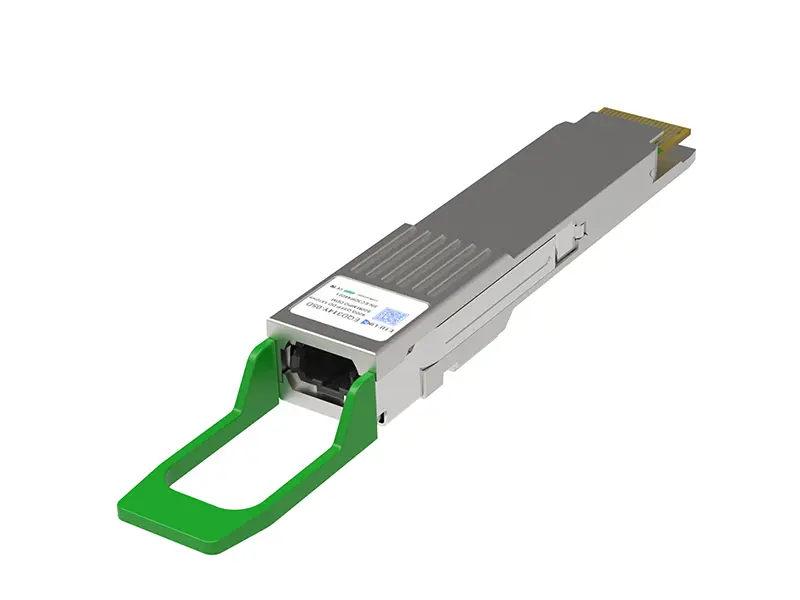 400G
400G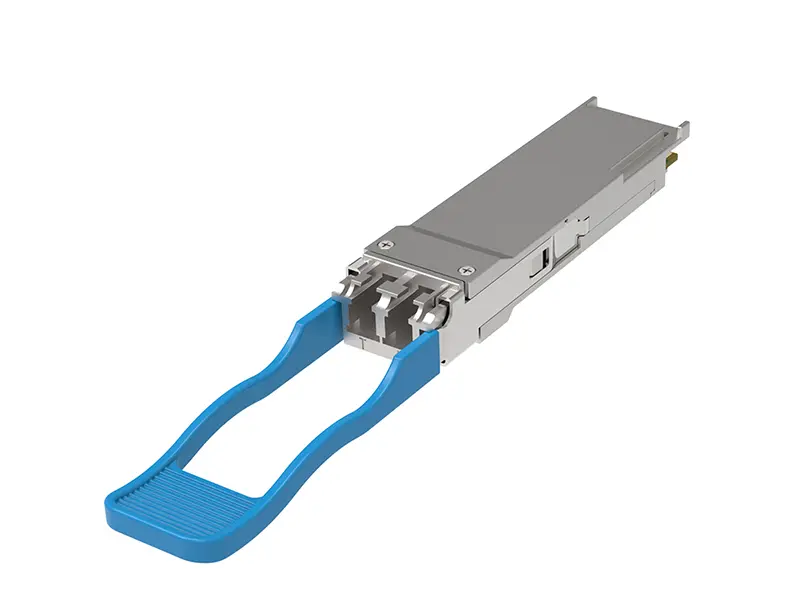 200G
200G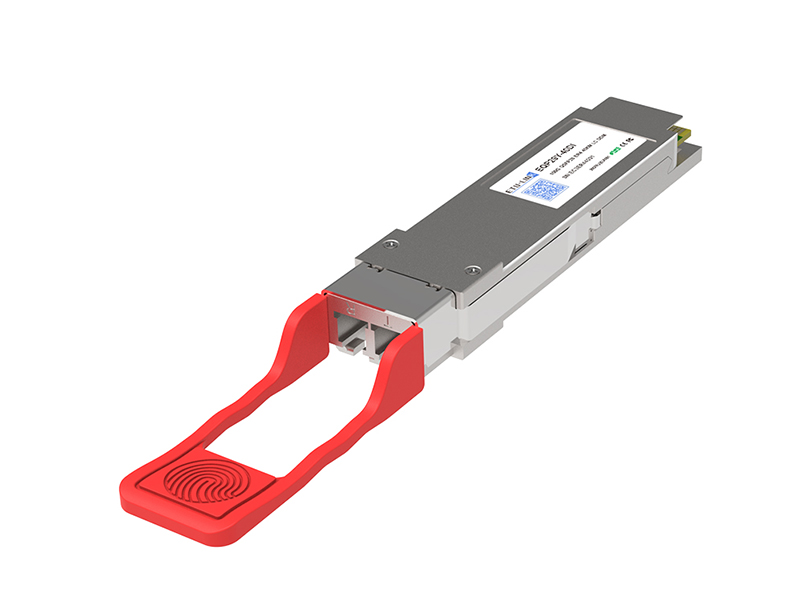 100G
100G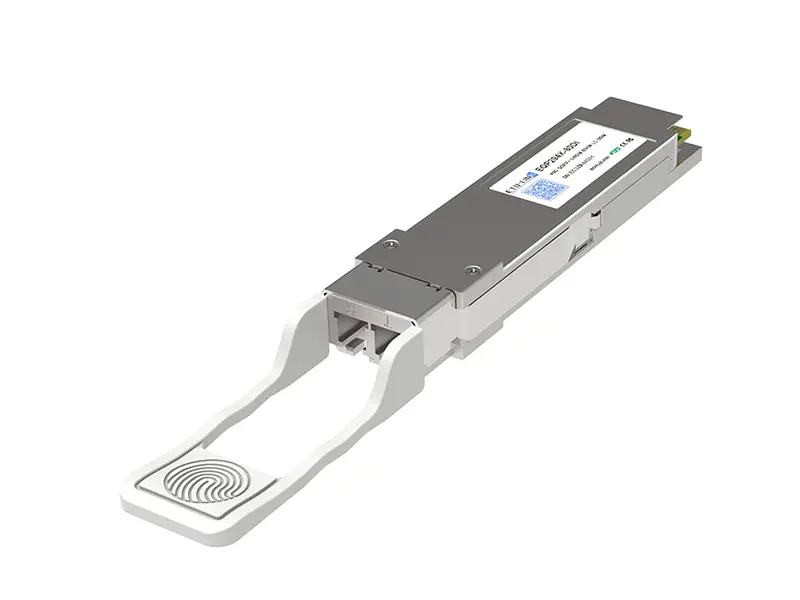 40G
40G 25G
25G 10G
10G 1G
1G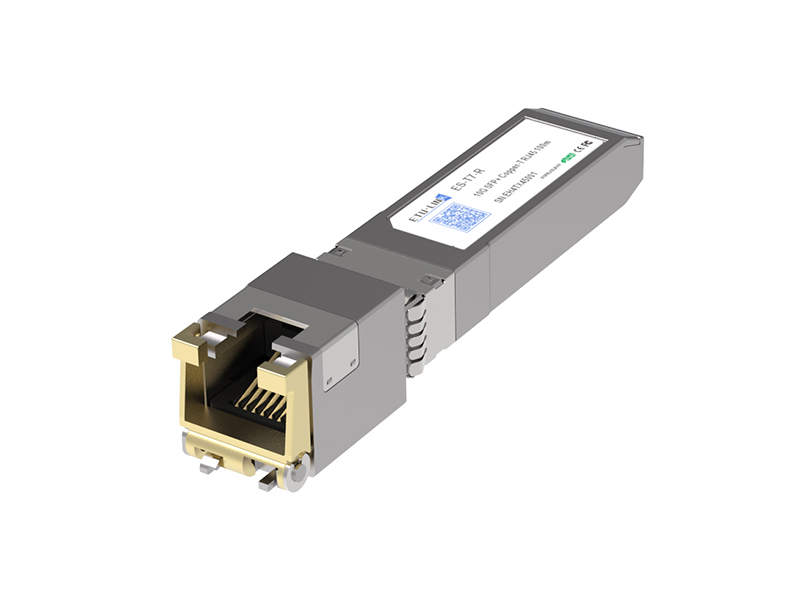 COPPER-T
 Other
Other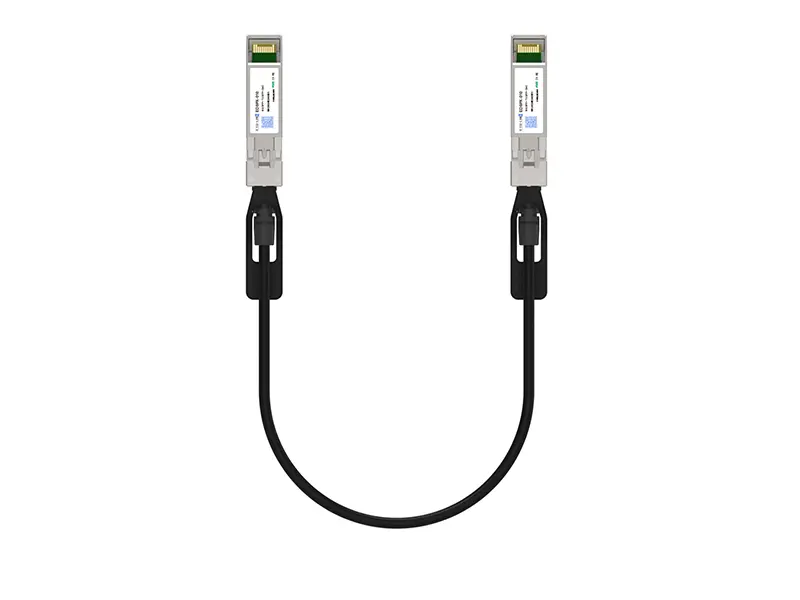 10G SFP+ DAC
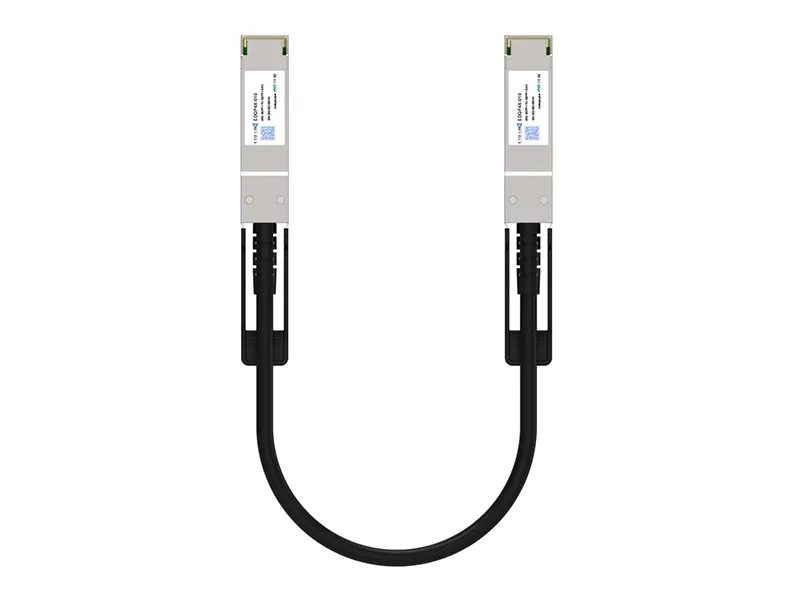 40G QSFP+ DAC
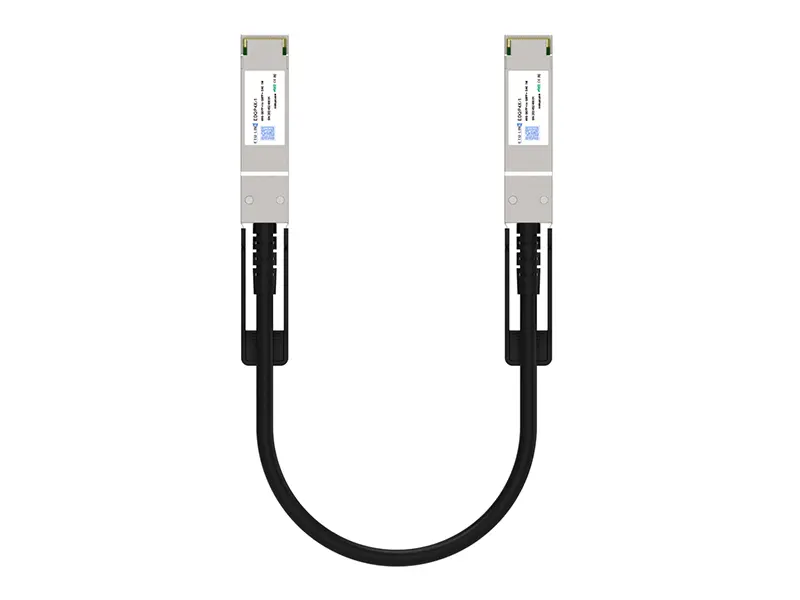 56G QSFP+ DAC
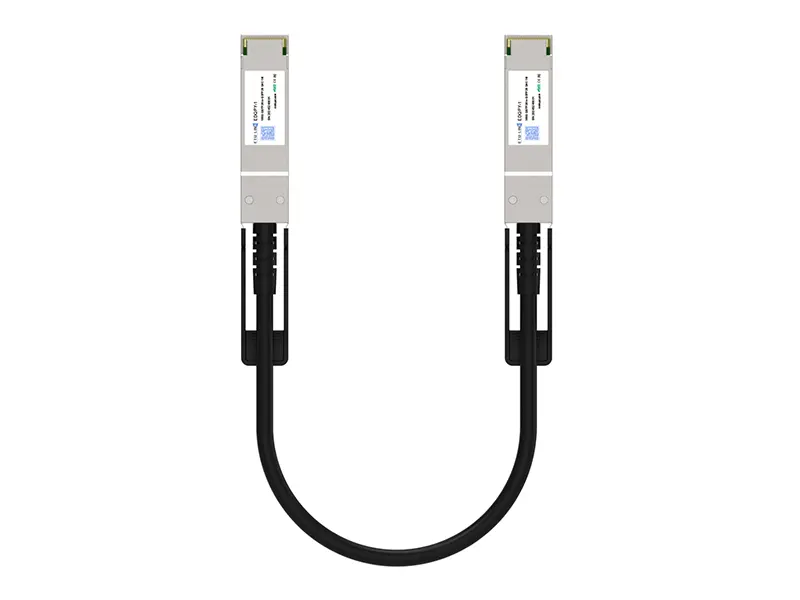 100G QSFP28 DAC
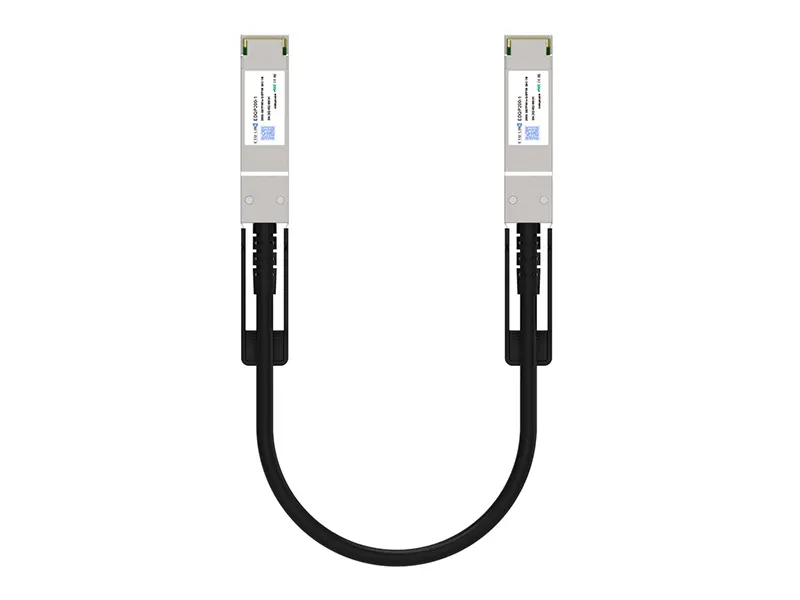 200G QSFP56 DD DAC
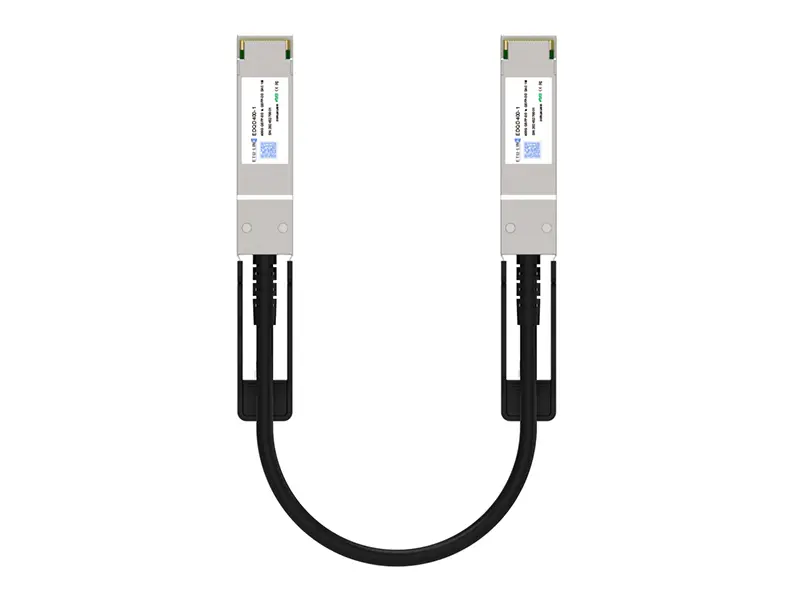 400G QSFP DD DAC
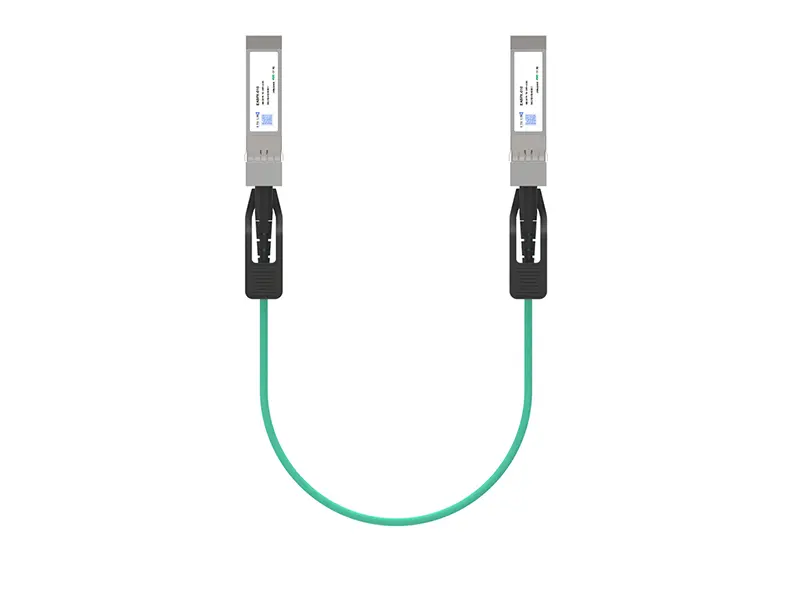 10G SFP+ AOC
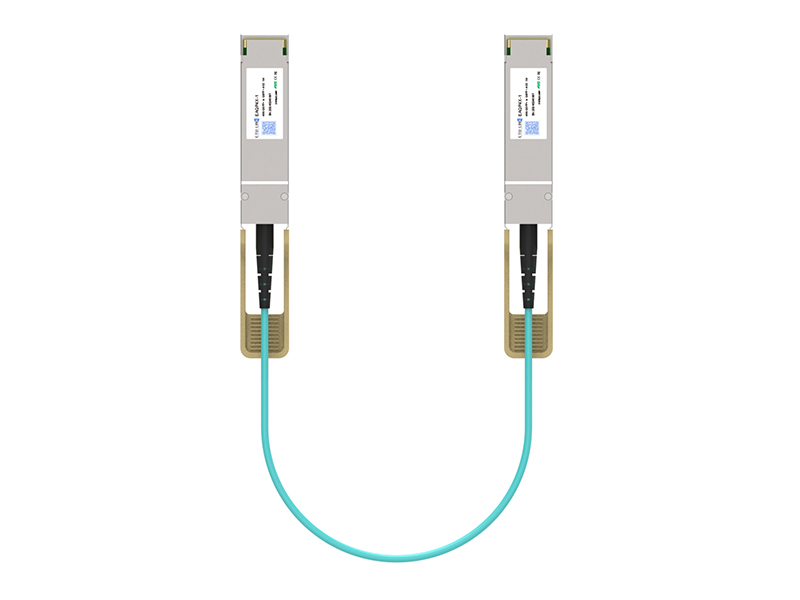 40G QSFP+ AOC
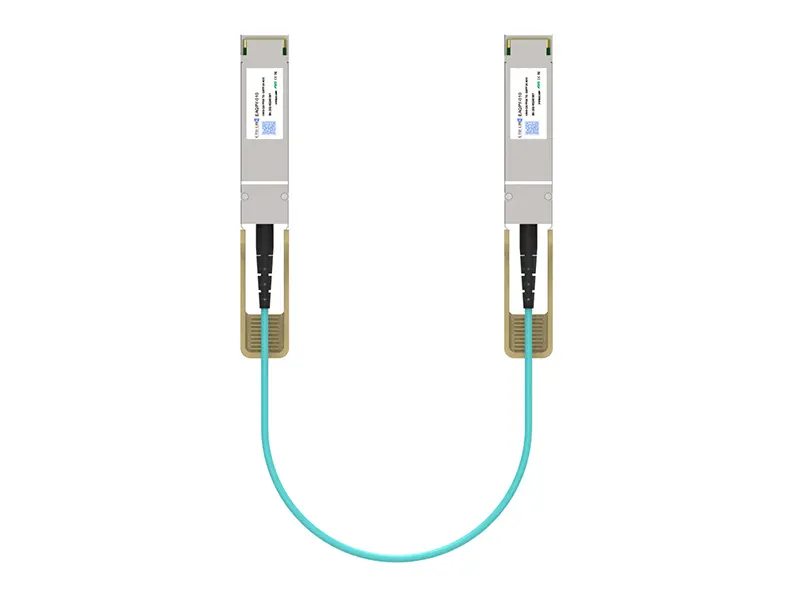 100G QSFP28 AOC
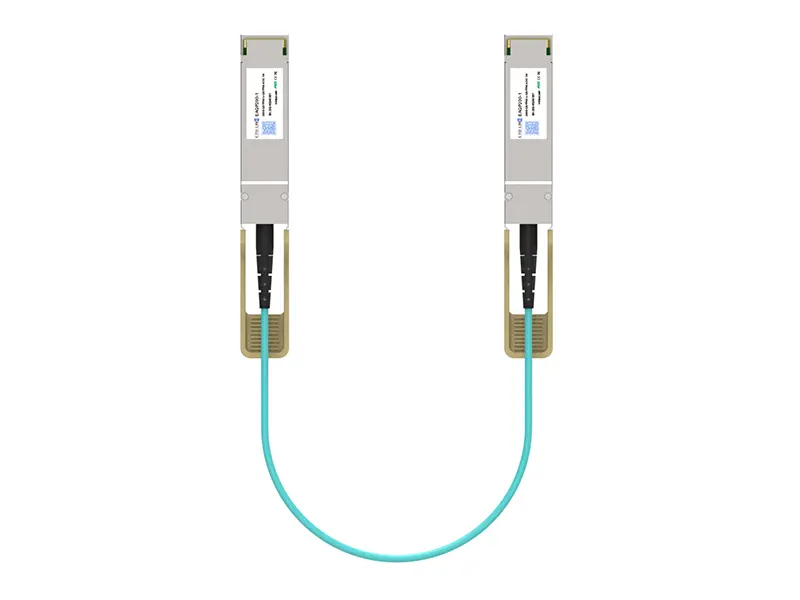 200G QSFP56 AOC
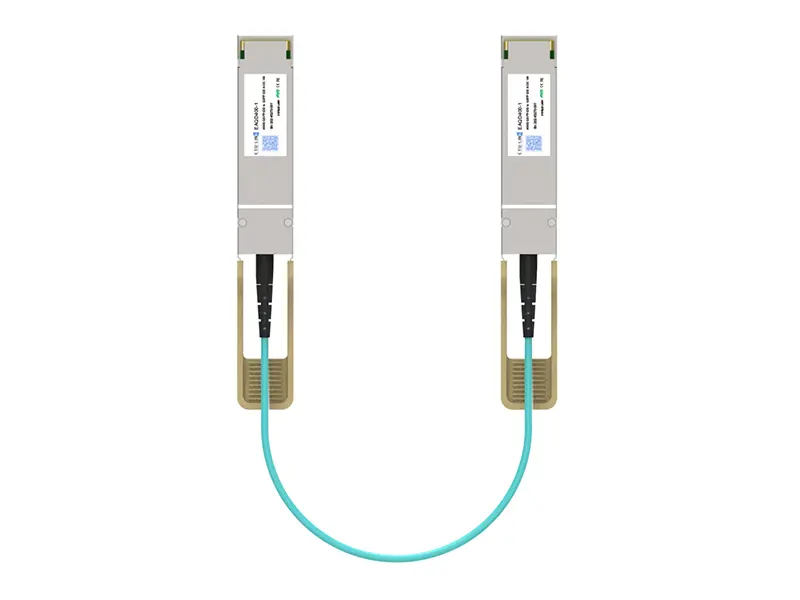 400G QSFP-DD AOC
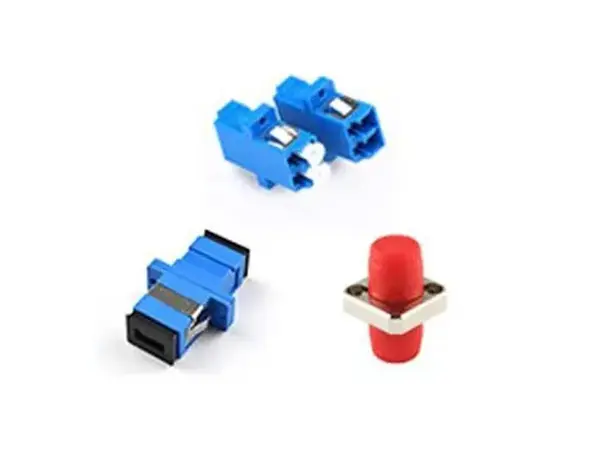 Adapter Details
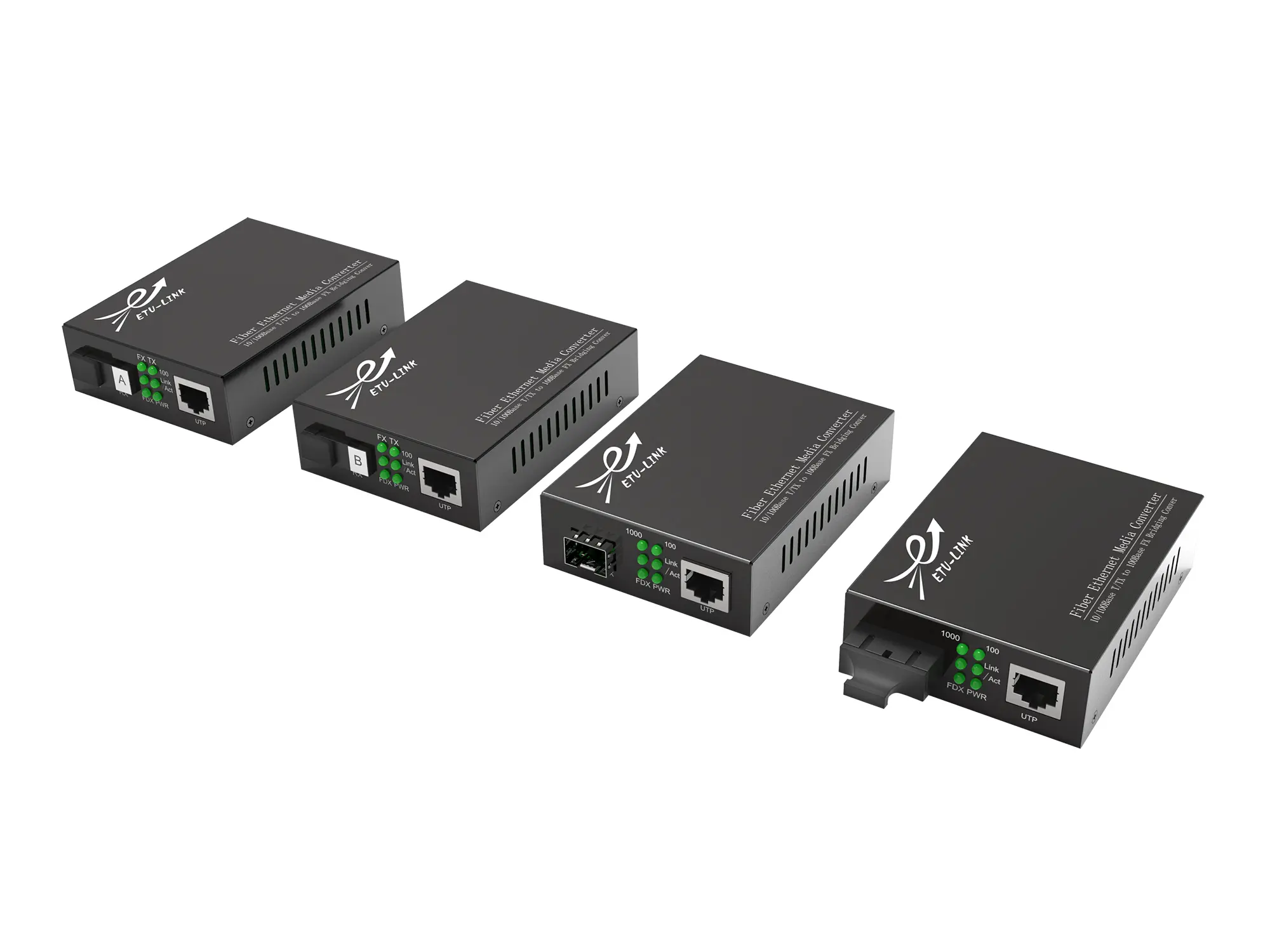 Media Converter