Top 10 10GbE SFP+ Transceivers for High Performance Networking?
In today's fast-paced digital landscape, high-performance networking is crucial for businesses and data centers. One essential component in achieving optimal network performance is the 10GbE SFP+ transceiver. These devices facilitate high-speed connectivity, ensuring seamless data transfers and low latency.
The market offers a variety of 10GbE SFP+ transceivers, each with distinct features and specifications. Choosing the right one can be challenging. Compatibility, distance requirements, and budget constraints must all be considered. A well-chosen transceiver can significantly enhance a network's efficiency.
As we explore the top 10 options, it’s important to assess their strengths and weaknesses. Not every model will suit every application. Therefore, understanding what to prioritize based on your unique networking needs is vital. With careful consideration, the right 10GbE SFP+ transceiver can propel your network to new heights.
Top 10 10GbE SFP+ Transceivers for High Performance Networking
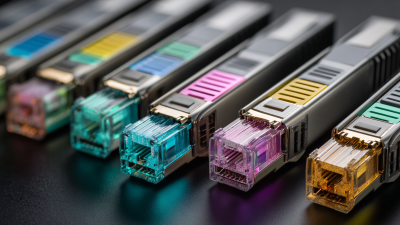
When it comes to high-performance networking, the right transceiver can make a significant difference. The 10GbE SFP+ transceiver is a popular choice among network professionals. These devices provide a reliable and high-speed connection for various applications. They are essential for data centers and enterprise-level networking, where speed is critical.
One common challenge is compatibility. It’s important to ensure that the chosen transceiver works with existing network equipment. In some cases, older hardware may not support the latest transceiver models. This can lead to confusion and potential downtime. The variety of fiber types and connectivity options can also overwhelm decision-making. Opting for multi-mode or single-mode fiber has unique advantages and drawbacks worth considering.
Network administrators often seek transceivers with extended reach and low latency. Many options claim to deliver exceptional performance, yet real-world testing often reveals discrepancies. Sometimes, perceived gains don't justify the price difference. Thorough research and testing, including understanding the specific use case, are crucial. A perfect choice in one environment may not perform well in another. Evaluating user reviews and expert opinions can guide better selections.
Understanding the Basics of 10GbE SFP+ Transceivers and Their Importance
10GbE SFP+ transceivers are crucial for high-performance networking. They enable lightning-fast data transfer and enhance network efficiency. Understanding their basics helps in making informed decisions when setting up or upgrading your network.
These transceivers use fiber optics to transmit data over long distances. This technology improves signal quality and reduces delay. Knowing the types of SFP+ transceivers available is essential. Various models support different distances and environments. Choose the right one based on your specific needs.
Tips: Always check compatibility with your existing hardware. Not all transceivers work with every switch or router. Test configurations in a controlled environment before widespread deployment.
Attention to detail can greatly improve performance. Evaluate power consumption of each transceiver. Some may be more efficient than others, affecting overall costs. Ask yourself if the enhanced speed justifies the additional expenses.
Top 10 10GbE SFP+ Transceivers for High Performance Networking
| Model |
Max Distance |
Connector Type |
Wavelength |
Typical Applications |
| SFP-10G-SR |
300m |
LC |
850nm |
Data Center, LAN |
| SFP-10G-LR |
10km |
LC |
1310nm |
Metro, WAN |
| SFP-10G-ER |
40km |
LC |
1550nm |
Long-haul Networking |
| SFP-10G-ZR |
80km |
LC |
1550nm |
Long-distance Links |
| SFP-10G-LRM |
220m |
LC |
1310nm |
Legacy Systems |
| SFP-10G-SR-A |
400m |
LC |
850nm |
Data Center, LAN |
| SFP-10G-T |
100m |
RJ-45 |
- |
Short-range Connections |
| SFP-10G-CWDM |
80km |
LC |
1470-1610nm |
Point-to-Point |
| SFP-10G-DWDM |
80km |
LC |
Channel Specific |
Wavelength Division Multiplexing |
| SFP-10G-APC |
10km |
LC |
1310nm |
Optical Networks |
Key Specifications to Consider When Choosing 10GbE SFP+ Transceivers
When selecting 10GbE SFP+ transceivers, several key specifications must be considered. One critical factor is the transceiver's optical range. Different environments require various wavelengths, typically defined in meters or kilometers. Understanding the distance the signal must travel helps determine the appropriate type for your network.
Another important specification is the data rate. 10GbE transceivers should support up to 10 Gbps. This ensures high data transfer efficiency. Compatibility with existing hardware is also a vital concern. Not every transceiver works with all devices, so checking compatibility saves time and avoids frustration.
Consider power consumption as well. Efficient transceivers reduce overall energy use, which is worth contemplating for long-term costs. Additionally, assess heat dissipation characteristics; overheating can lead to performance drops. Choosing the right material can impact durability and reliability, too. Opt for transceivers built to withstand various environmental factors.
Performance Benchmarks: Comparing Data Rates and Distances of Transceivers
In high-performance networking, choosing the right SFP+ transceiver is crucial. Performance benchmarks highlight the variations in data rates and distances across different models. Typical 10GbE SFP+ transceivers can support distances up to 300 meters over multimode fiber (OM3). Some advanced models extend this range to 400 meters with OM4 fiber. This significant range offers flexibility for various network setups.
When assessing data rates, it's essential to consider the application. Most transceivers provide a seamless 10 Gbps connection. However, some specialized options can handle higher rates, such as 25 Gbps, under certain conditions. The specifics of fiber type and distance affect overall performance. Higher-capacity transceivers may not provide substantial benefits in shorter connections, prompting a need for a critical evaluation of network requirements.
Temperature ranges also affect transceiver reliability. Operating beyond standard limits can lead to reduced performance and long-term failures. Many users overlook this factor, leading to unexpected network downtimes. Regularly reviewed industry reports point out that maintaining optimal conditions is vital. Network administrators must continuously monitor and assess their setups to maximize efficiency and longevity.
Performance Comparison of Top 10 10GbE SFP+ Transceivers
This chart displays the performance benchmarks of various 10GbE SFP+ transceivers, comparing their data rates and maximum distances. It is designed to help in selecting the right transceiver for high-performance networking needs.
Industry Insights: Leading Brands and Their Innovations in 10GbE SFP+ Technology
In today's high-performance networking landscape, 10GbE SFP+ transceivers stand out as essential components. Their ability to support ultra-fast data transmission is crucial for businesses demanding efficiency. Various leading brands are continuously innovating, focusing on enhancing speed, reliability, and compatibility. It’s important to stay informed about these advancements.
Manufacturers are now exploring advanced materials to improve signal integrity and reduce latency. Some are experimenting with different wavelengths to enhance distance capabilities. This constant push for better performance sometimes leads to trade-offs. For example, increased speed may not always align with cost-effectiveness. Organizations must carefully consider their specific needs versus these innovations.
As the market evolves, understanding the nuances of 10GbE transceivers becomes vital. Field testing and user feedback can provide valuable insights. However, not all innovations achieve the expected results. This reality emphasizes the importance of a thoughtful approach in selecting the right transceivers for specific network environments. Enhancing connectivity while managing budgets remains a challenge worth addressing.

 400G
400G 200G
200G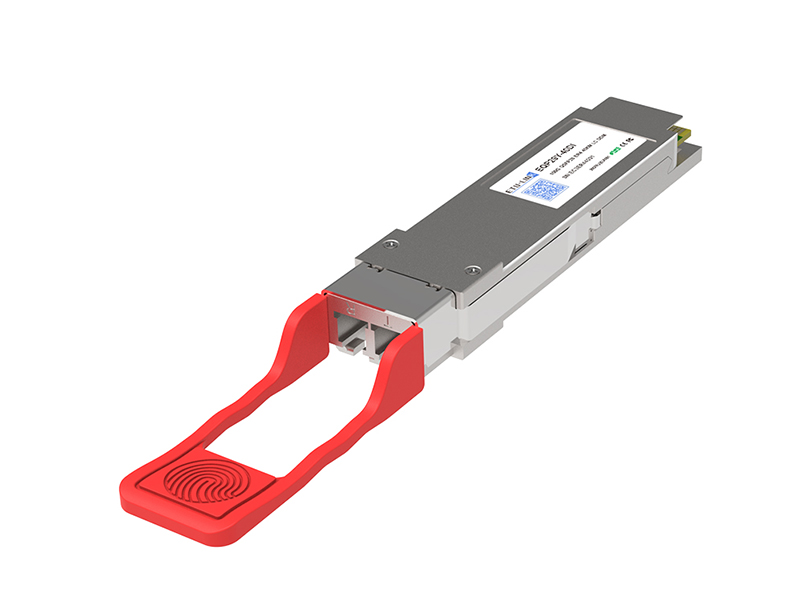 100G
100G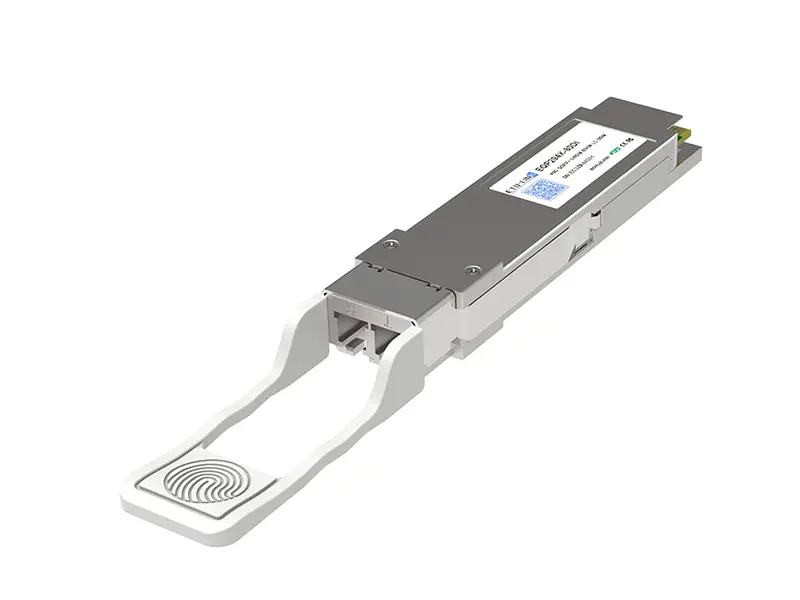 40G
40G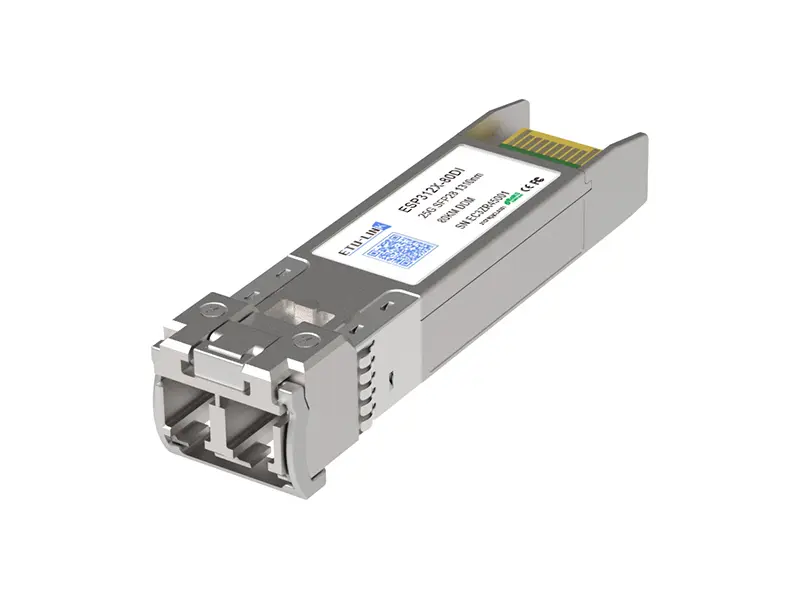 25G
25G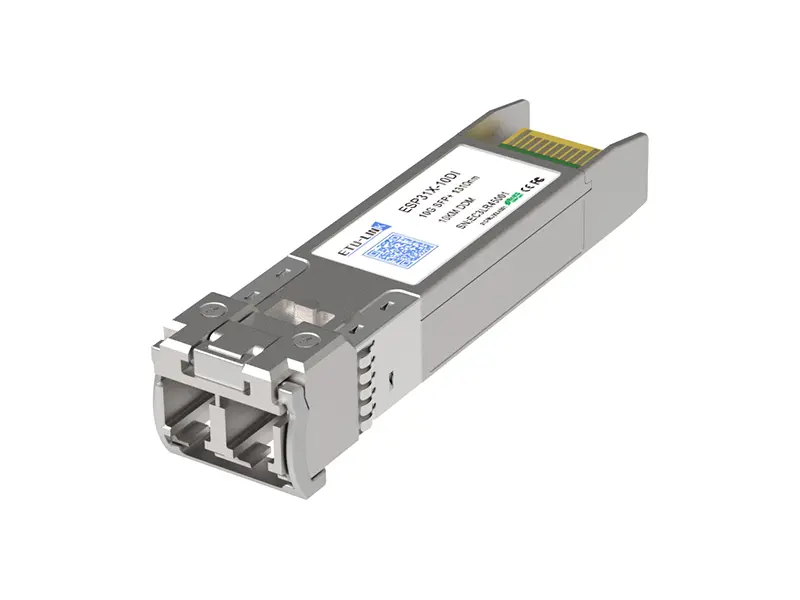 10G
10G 1G
1G COPPER-T
 Other
Other 10G SFP+ DAC
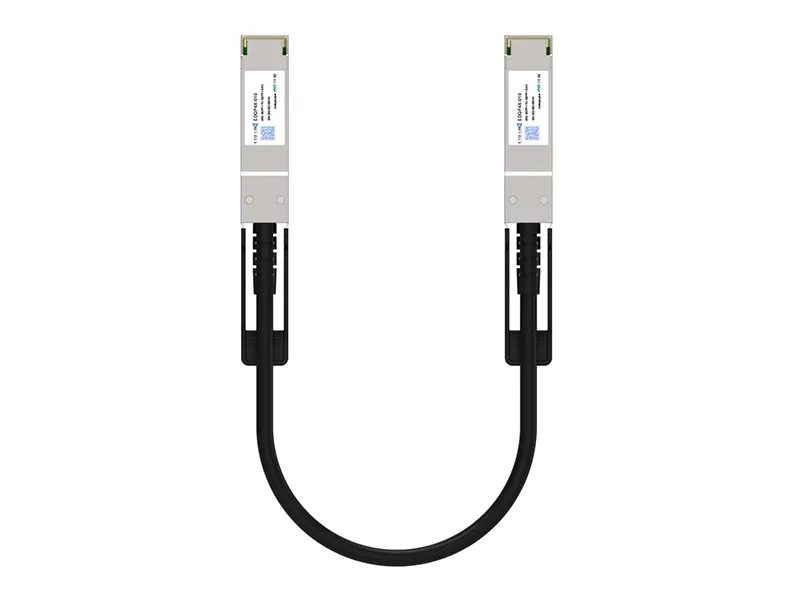 40G QSFP+ DAC
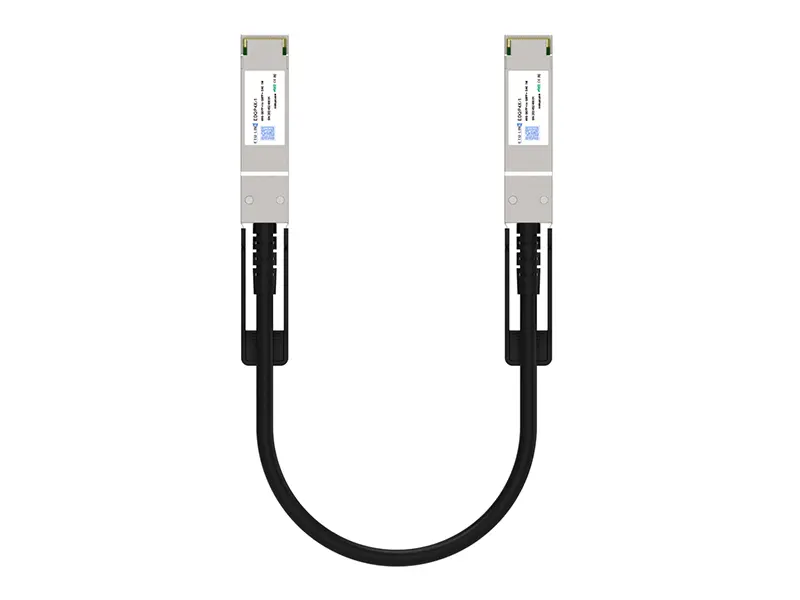 56G QSFP+ DAC
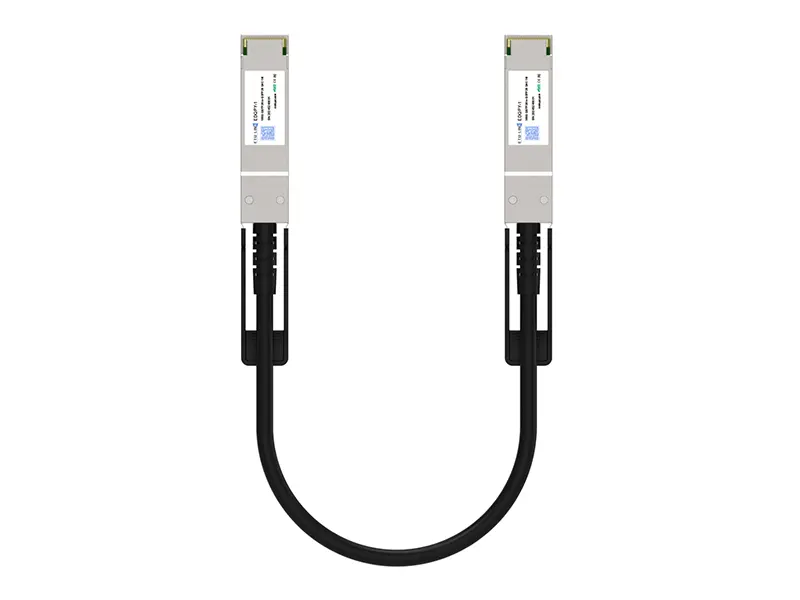 100G QSFP28 DAC
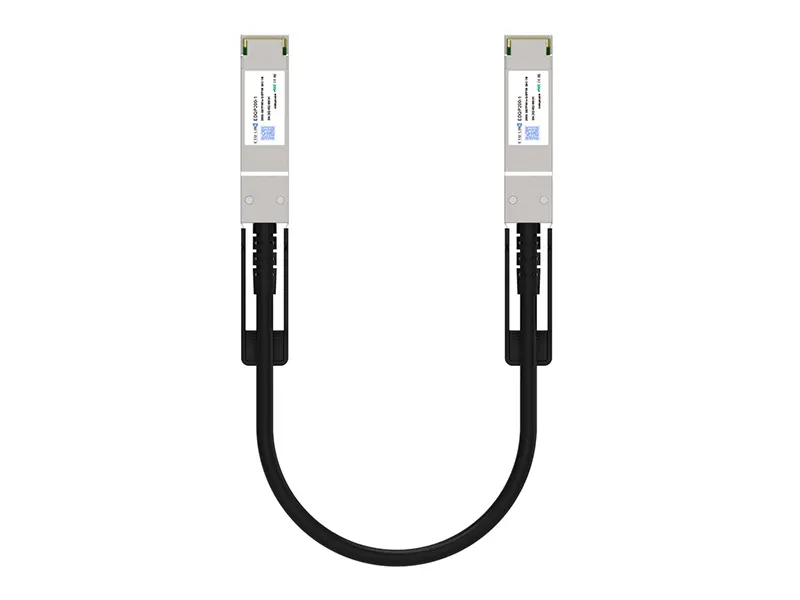 200G QSFP56 DD DAC
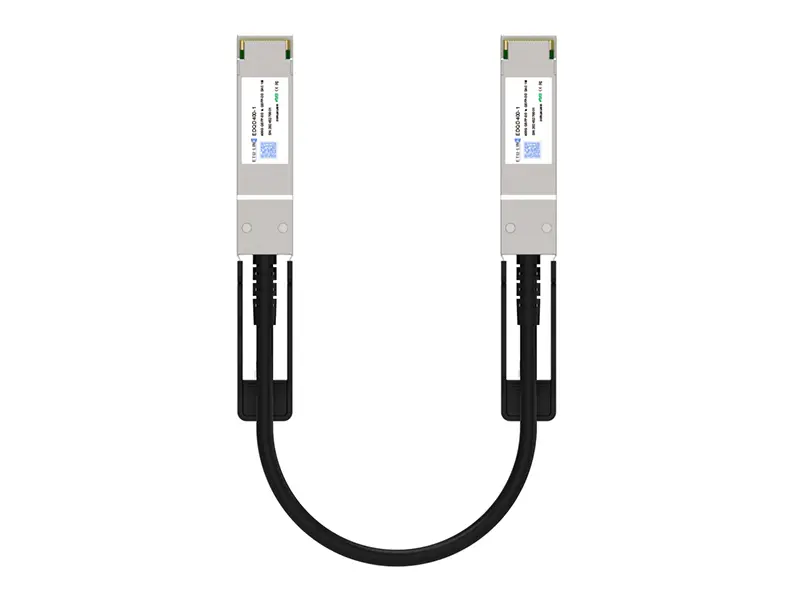 400G QSFP DD DAC
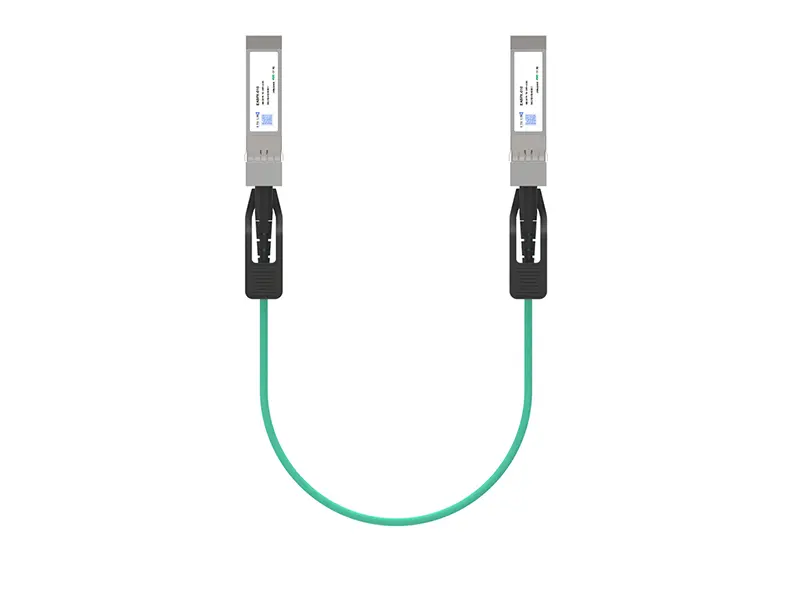 10G SFP+ AOC
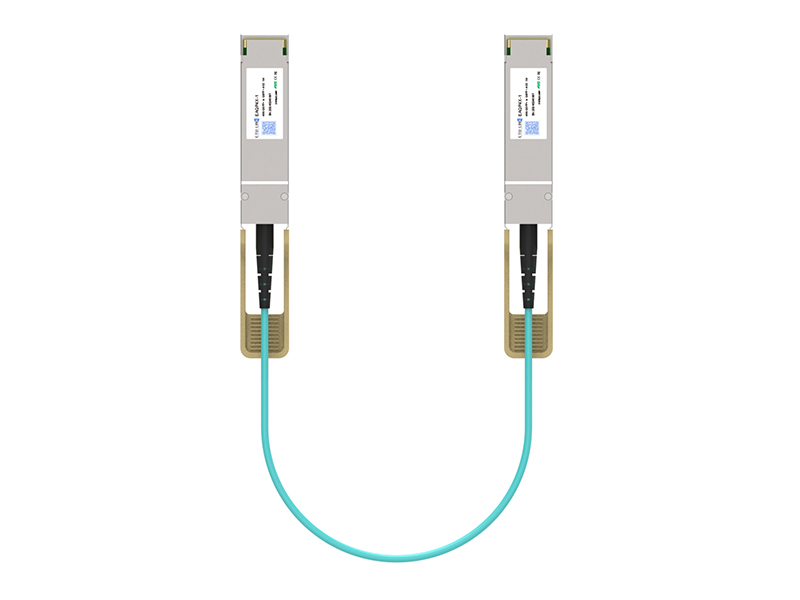 40G QSFP+ AOC
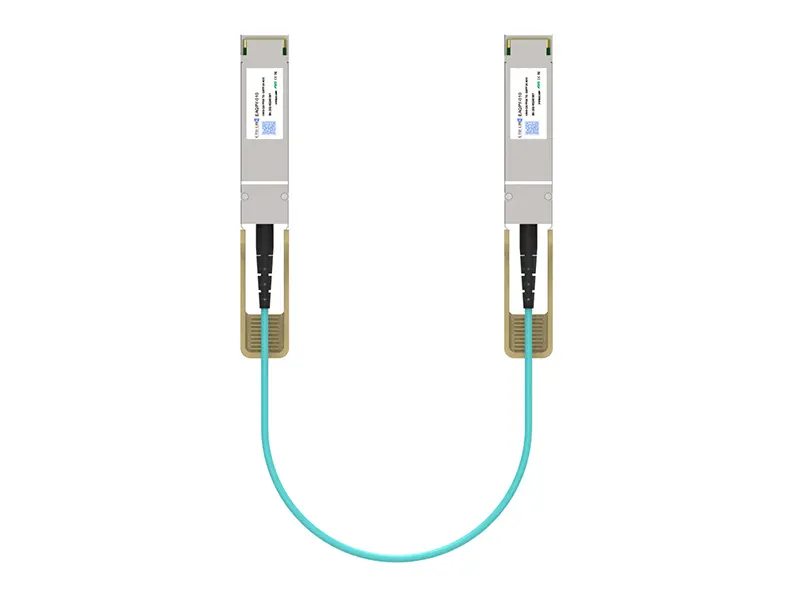 100G QSFP28 AOC
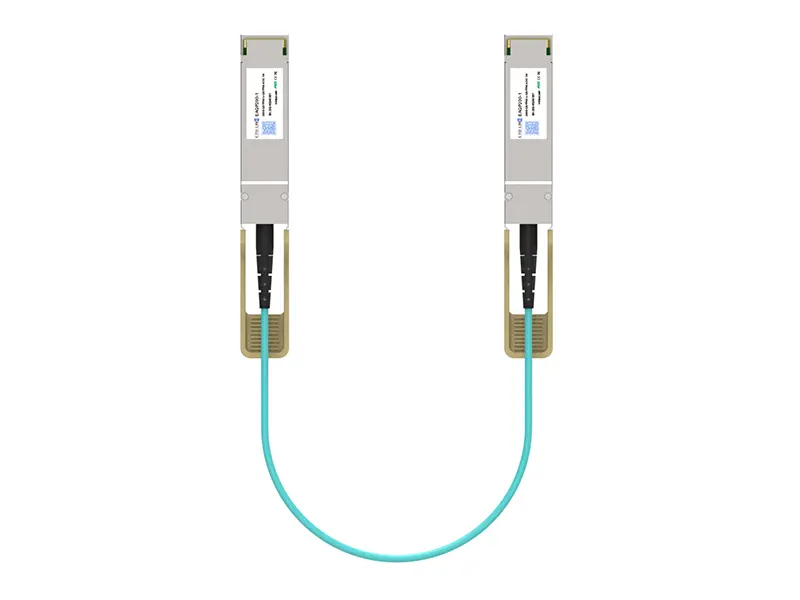 200G QSFP56 AOC
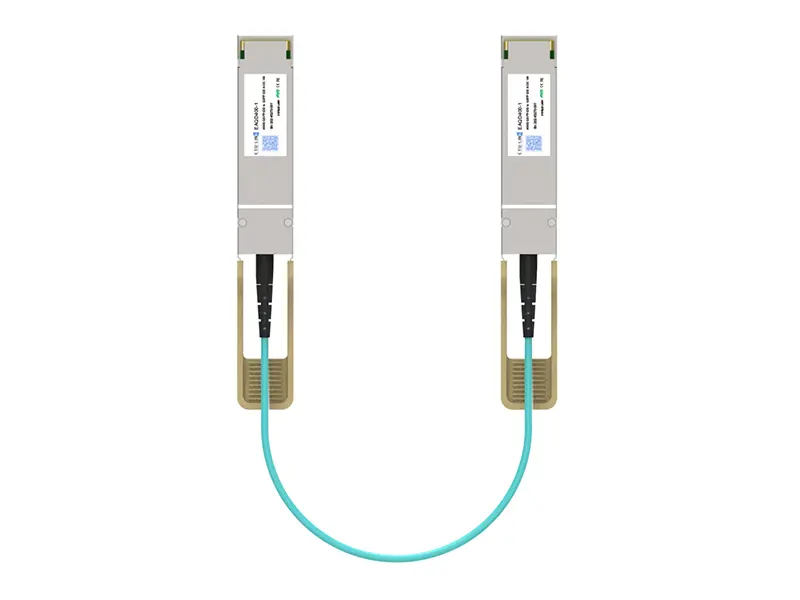 400G QSFP-DD AOC
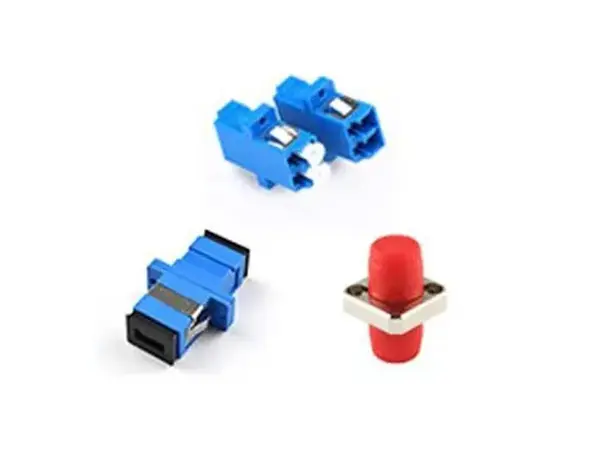 Adapter Details
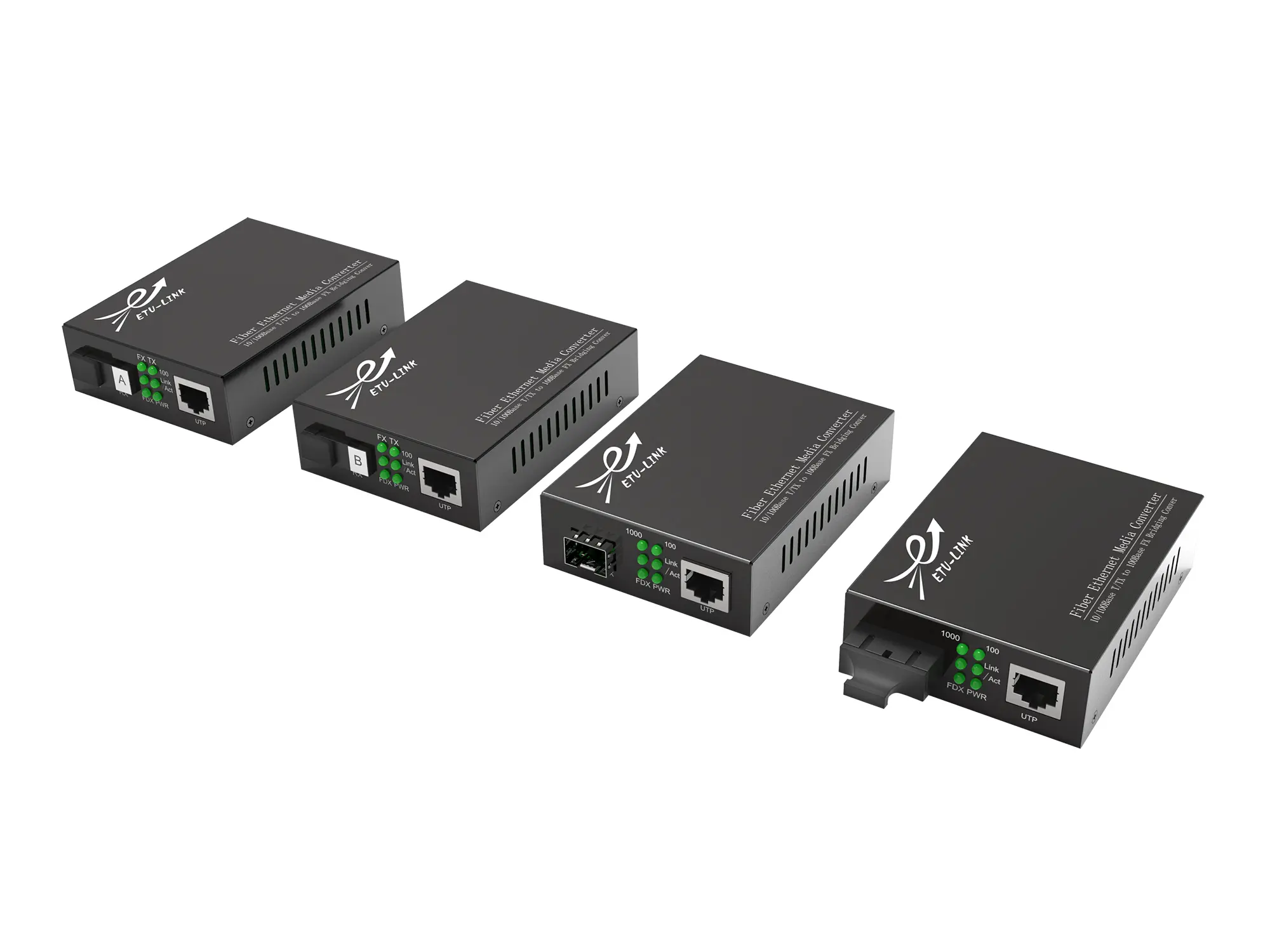 Media Converter