How to Choose the Best 10GbE SFP+ Transceiver for Your Needs?
Choosing the right 10GbE SFP+ Transceiver can be daunting. With various options on the market, making an informed choice is crucial. Renowned networking expert Dr. Alex Thompson once stated, "The right transceiver can significantly enhance network performance and efficiency." This highlights the importance of understanding your specific needs.
Understanding the specifications is essential. Factors like distance, data rate, and wavelength should guide your decision. However, preferences can sometimes cloud judgement. One might prioritize cost over quality, leading to suboptimal performance. It is vital to balance these elements thoughtfully.
Moreover, consulting reputable sources is advisable. Customer reviews and technical datasheets can provide insights. Yet, be wary of biased opinions. Real-world testing data often reveals more than mere specifications. Finding a reliable 10GbE SFP+ Transceiver involves careful research and consideration of both technical and user experiences.
Understanding 10GbE SFP+ Transceivers and Their Applications
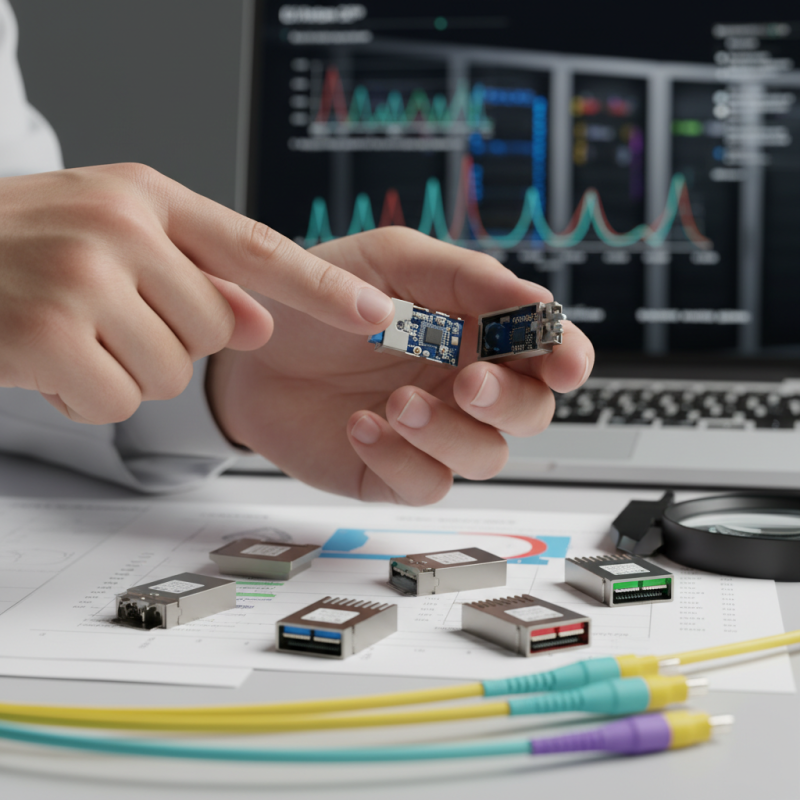
10GbE SFP+ transceivers are essential components in modern networking. They enhance data transfer speeds significantly, enabling efficient communication between devices. These transceivers connect network switches, routers, and servers. Understanding their applications is crucial for selecting the right model.
In data centers, 10GbE SFP+ transceivers facilitate high-speed data processing. They support applications like virtualization and cloud computing. Their versatility allows them to connect different types of networks. However, users should be cautious about compatibility issues. Not all transceivers work with every device, and this can lead to frustration.
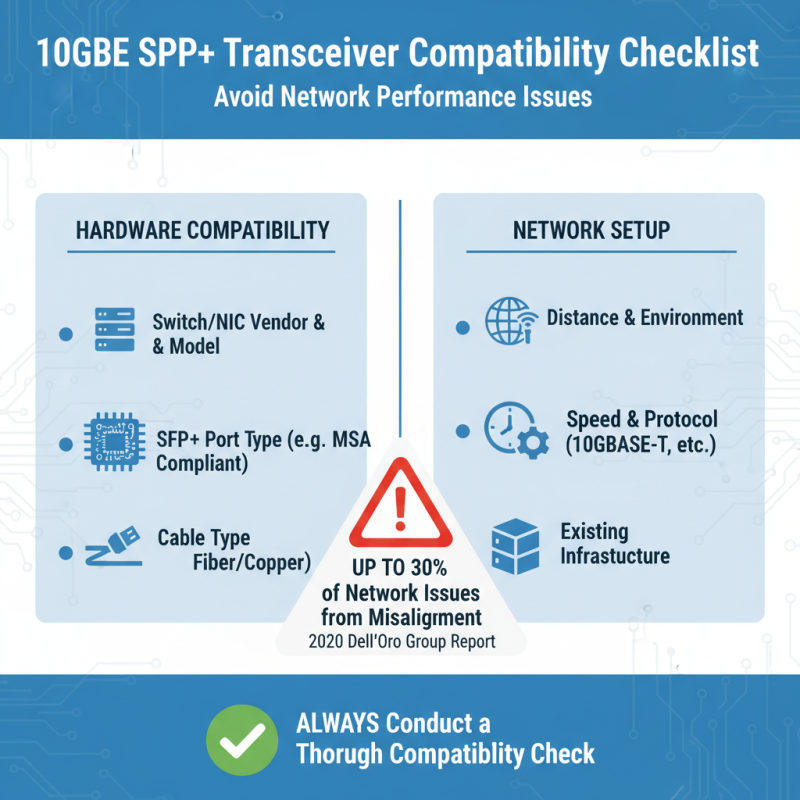
Choosing the right transceiver involves several factors. Consider the distance of your connections. Some transceivers are designed for short-range links, while others excel in long-distance scenarios. Additionally, evaluate the type of cabling in use. Fiber optic and copper cables require different transceiver types. Misalignment in these areas might lead to network inefficiencies.
Key Factors to Consider When Choosing a 10GbE SFP+ Transceiver
When selecting a 10GbE SFP+ transceiver, several key factors must be considered. First, compatibility is crucial. Ensure that the transceiver supports your network switch or router. According to a report by the International Data Corporation, over 70% of network failures arise from incompatible hardware. This highlights the importance of checking compatibility before purchase.
Next, consider the transmission distance. SFP+ transceivers can cater to short-range or long-range needs. Short-range options typically offer a reach of up to 300 meters using multimode fiber. In contrast, long-range transceivers can achieve distances up to 40 kilometers with single-mode fiber. A study from the Ethernet Alliance indicates that miscalculating distance requirements is a common pitfall. Selecting a transceiver that doesn't meet your range needs can lead to serious connectivity issues.
Power consumption is another factor to weigh. SFP+ transceivers are energy-efficient but vary by model. Some consume more power than specified, leading to increased operational costs. According to research from the Optical Internetworking Forum, organizations often overlook this aspect, resulting in unforeseen expenses. Assess your power requirements and environmental conditions to ensure optimal performance. Remember, it's not always a straightforward process. Reflecting on past experiences can reveal critical insights for better choices.
Evaluating Compatibility with Your Hardware and Network Setup
Choosing the right 10GbE SFP+ transceiver hinges on compatibility with your existing hardware and network setup. Many network professionals overlook this critical step. A 2020 report by Dell'Oro Group indicated that misalignment in transceiver compatibility accounts for up to 30% of network performance issues. This highlights the importance of conducting a thorough compatibility check.
Assess the specifications of your networking equipment. Ensure your switches, routers, and servers support 10GbE SFP+ modules. Manufacturers often publish compatibility lists, but users should double-check these resources. Mixing transceiver types may lead to suboptimal performance or complete failures. In fact, research by IEEE shows that mismatched devices can result in increased latency and decreased throughput.
Consider the cabling used in your setup as well. For instance, OM3 or OM4 multimode fiber cables are advisable for most 10GbE applications. However, many users still deploy older cabling types. This misstep can create bottlenecks and affect overall network health. Conducting a site survey can uncover these types of issues before investing in new hardware. Ensure your selections align not only with current demands but also with future scalability needs.
Assessing Performance Specifications and Transmission Distances
When choosing a 10GbE SFP+ transceiver, evaluating performance specifications is crucial.
Transmission distance plays a vital role in selection.
This impacts both data integrity and network speed. For example, multimode SFP+ transceivers typically support distances of up to 300 meters.
In contrast, single-mode versions can reach lengths of over 10 kilometers.
These distances are key for large-scale enterprises and data centers.
Another important specification is the wavelength used by the transceivers.
Multimode transceivers usually operate at 850 nm, while single-mode transceivers often utilize 1310 nm or 1550 nm wavelengths.
According to the Fibre Channel Association, proper wavelength utilization improves signal strength and reduces latency.
Ensuring compatibility with your existing network setup is essential.
Power consumption also varies between transceivers.
Lower power options may seem attractive, but they can affect range and overall performance.
The IEEE states that SFP+ transceivers can consume between 1W and 3.5W.
Understanding your network's requirements ensures you choose a transceiver that balances performance and energy efficiency.
Being aware of these factors can lead to informed and strategic purchasing decisions.
Comparing Costs and Long-Term Value of Different Transceiver Models
When selecting a 10GbE SFP+ transceiver, costs and long-term value are crucial. Price can vary significantly between models. Cheaper options may appear attractive, but they often compromise on performance and lifespan. It’s important to balance initial expenditure against the expected longevity. Consider the environment in which the transceiver will be deployed. Factors like temperature, humidity, and dust can impact performance, influencing long-term costs.
Higher-end transceivers often come with better warranties and support. This can save you money in the long run, especially if repairs or replacements are needed. Evaluate the specifications and compatibility of each model. In some cases, extra features may add value while increasing price. However, not every feature will be necessary for your setup. Reflect on your specific needs and use cases before making a choice.
Reviewing customer feedback can provide insight into reliability. Many online forums discuss experiences with various transceivers. These discussions can highlight hidden issues or benefits that aren't evident from specifications alone. While pricing is important, focusing solely on it may lead to regrets. Ensure you consider the overall value each model offers over time. Investing in a quality transceiver can yield better performance and reliability throughout its lifespan.
Comparing 10GbE SFP+ Transceiver Costs and Value
This chart compares the costs and long-term value of different 10GbE SFP+ transceiver models. The bars represent the cost in USD, while the line indicates the long-term value rating on a scale from 1 to 10.

 400G
400G 200G
200G 100G
100G 40G
40G 25G
25G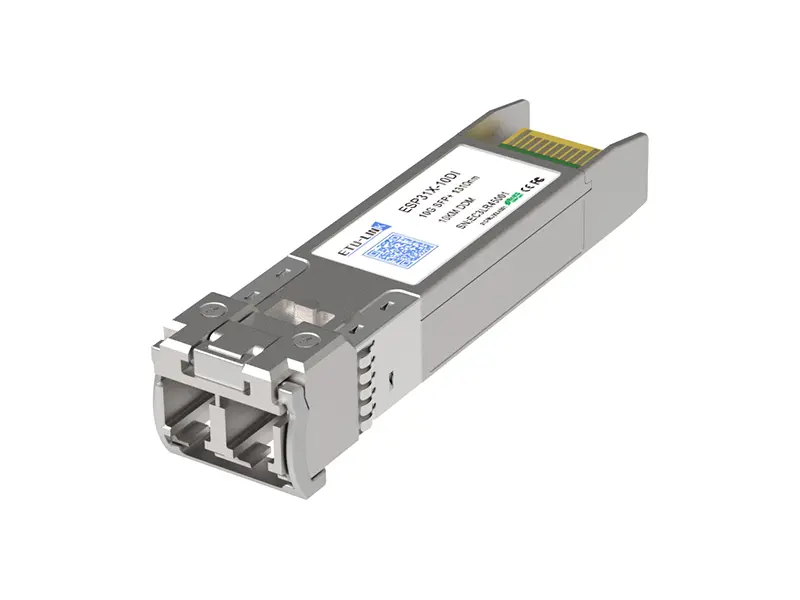 10G
10G 1G
1G COPPER-T
 Other
Other 10G SFP+ DAC
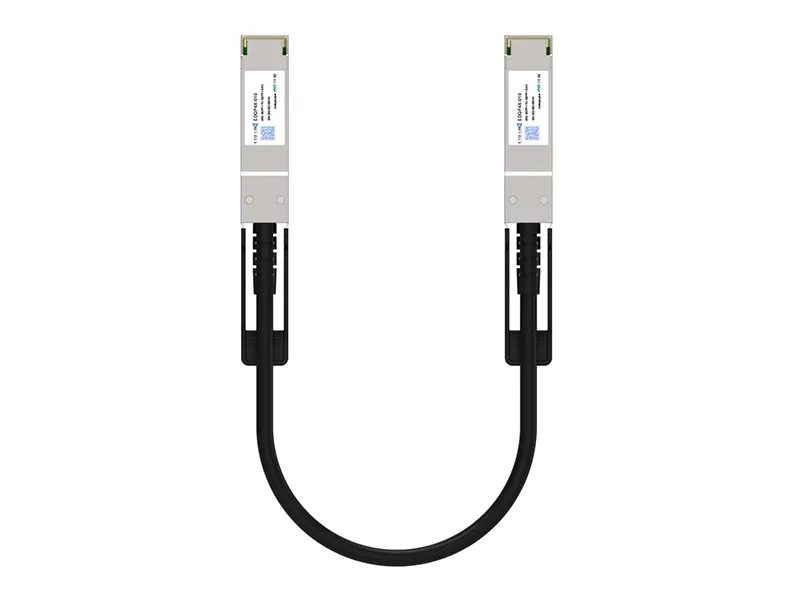 40G QSFP+ DAC
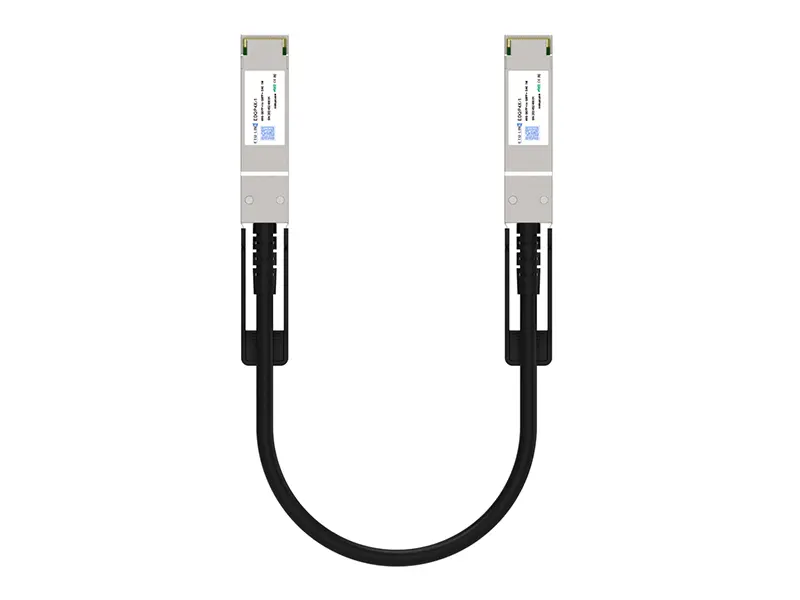 56G QSFP+ DAC
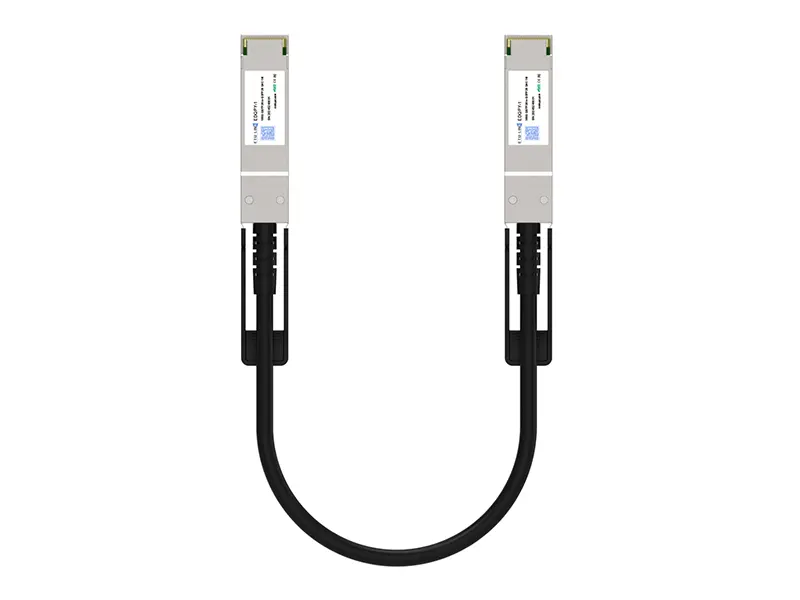 100G QSFP28 DAC
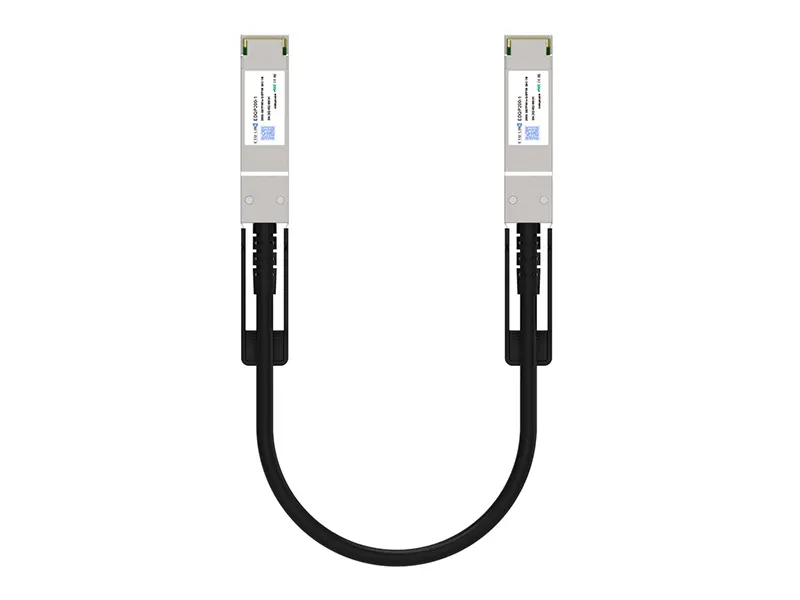 200G QSFP56 DD DAC
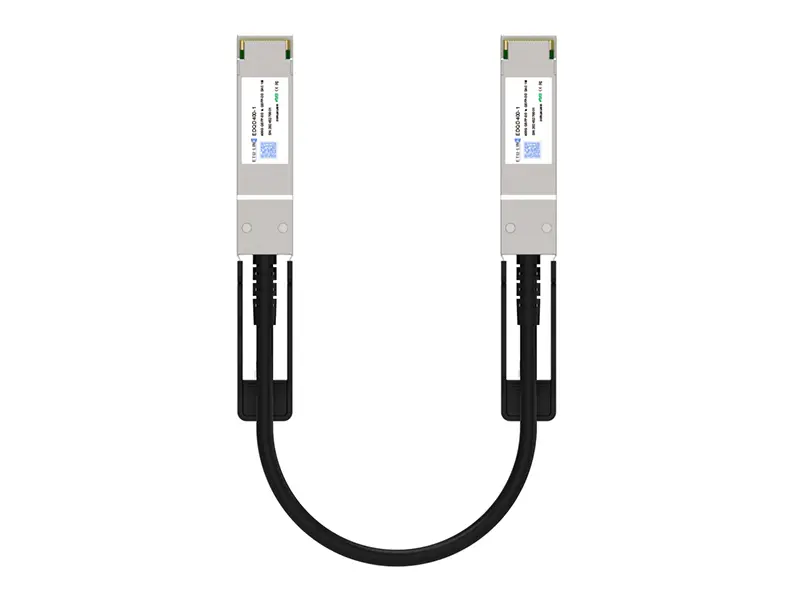 400G QSFP DD DAC
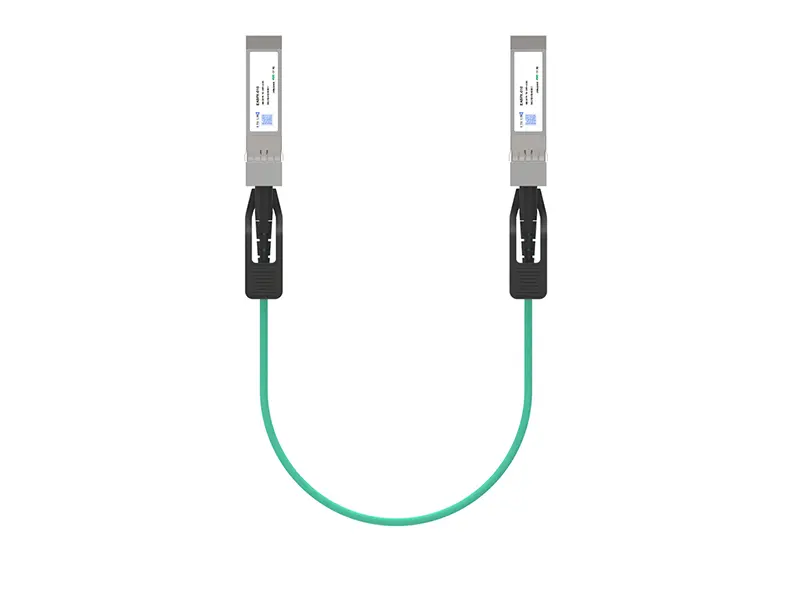 10G SFP+ AOC
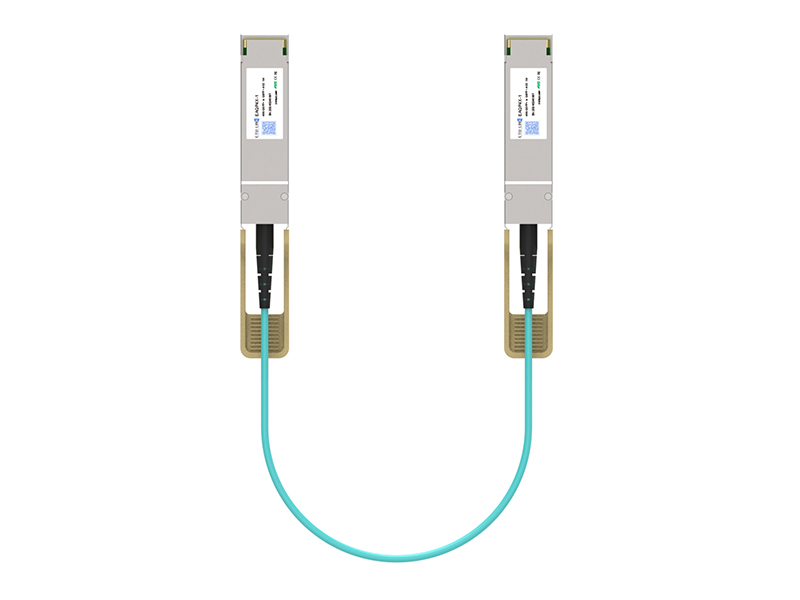 40G QSFP+ AOC
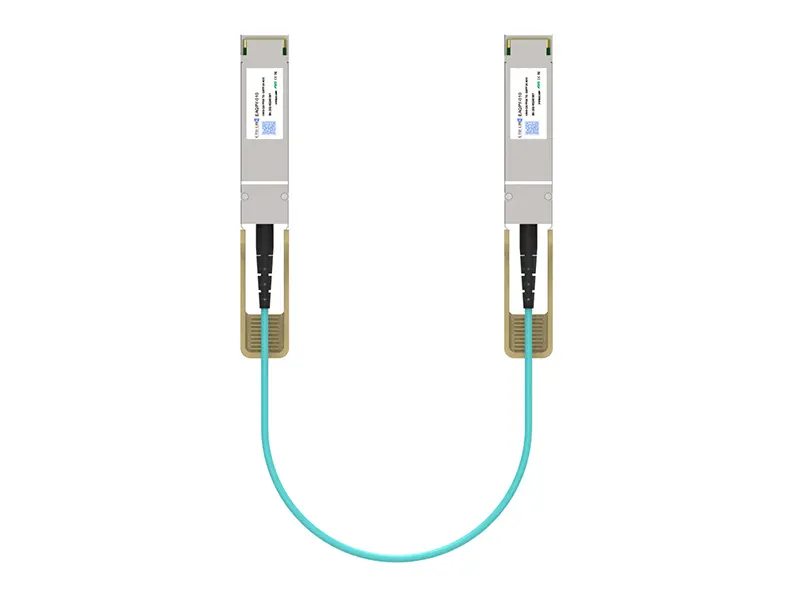 100G QSFP28 AOC
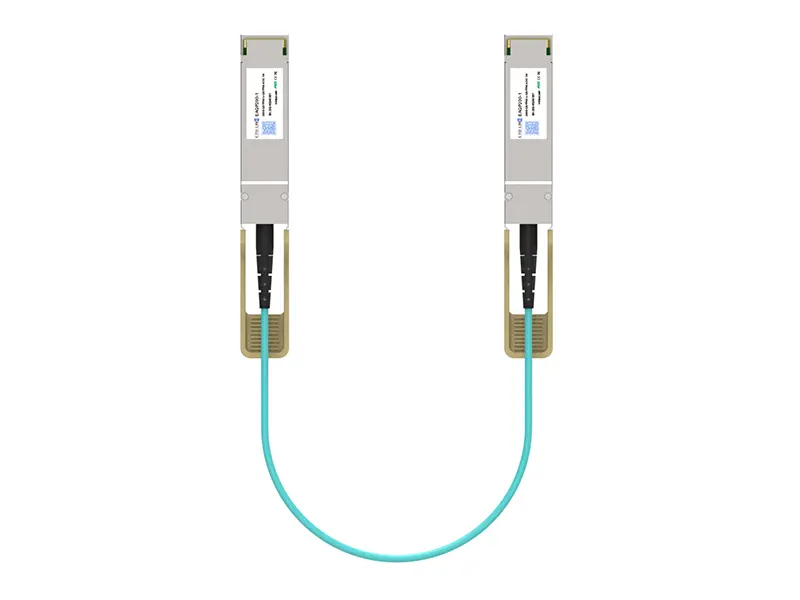 200G QSFP56 AOC
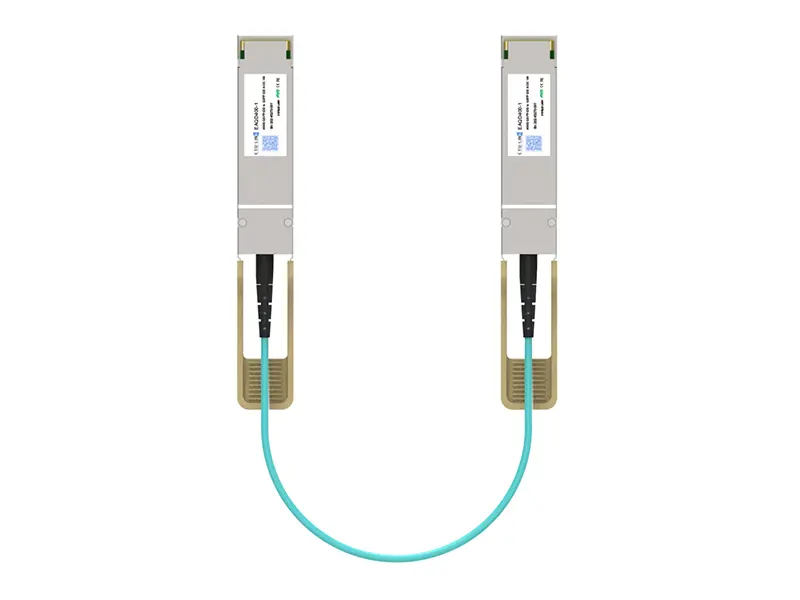 400G QSFP-DD AOC
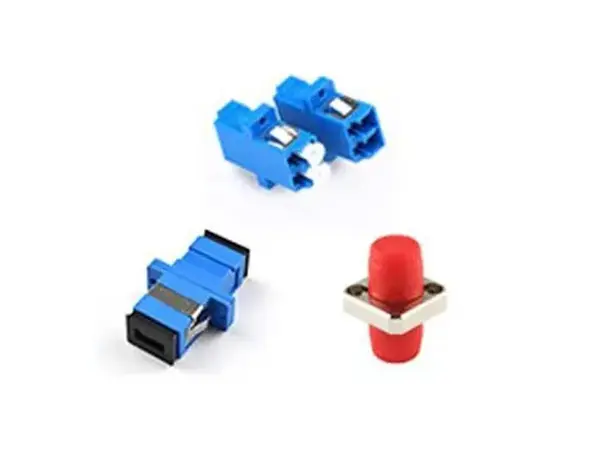 Adapter Details
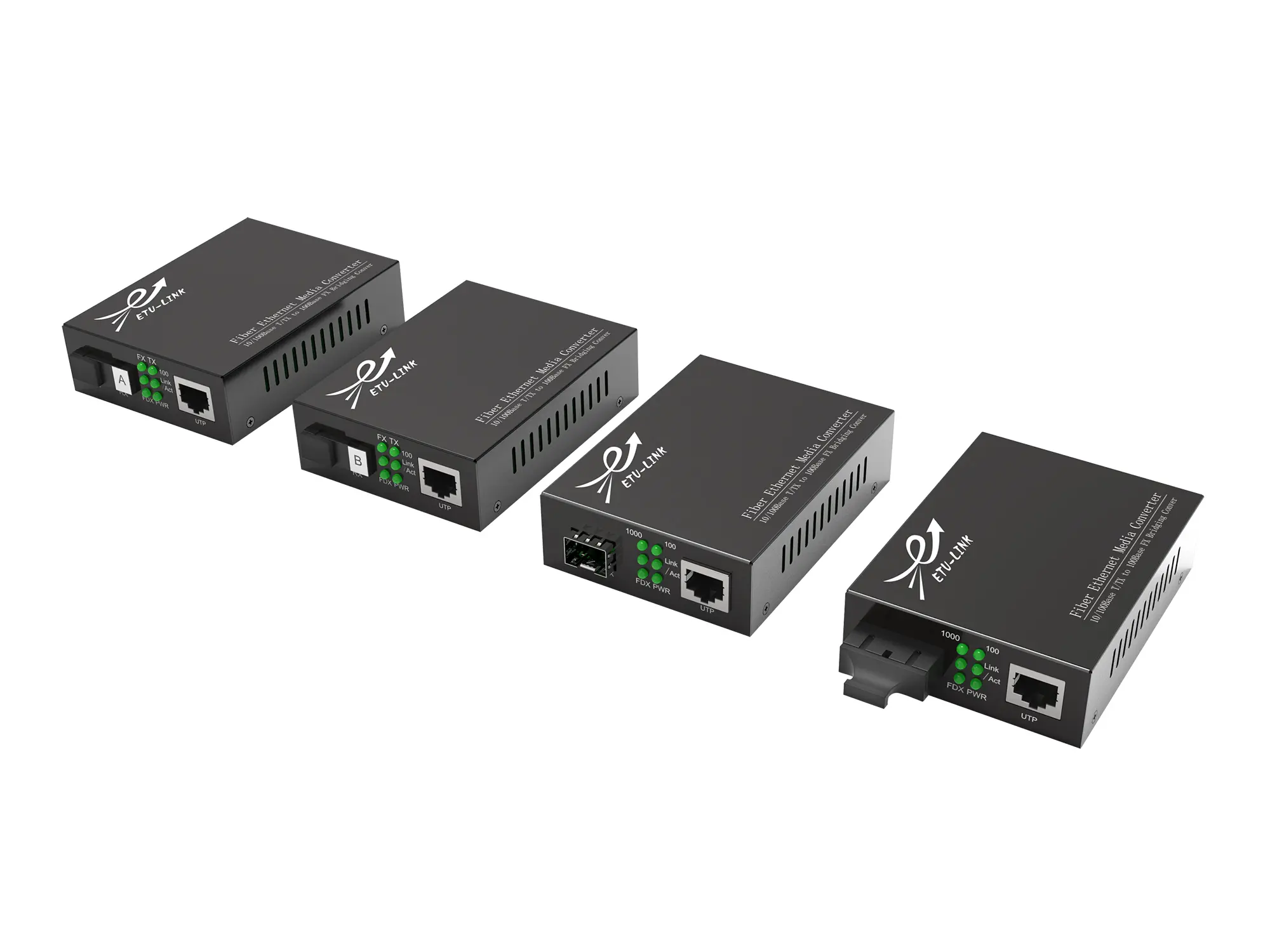 Media Converter