How to Choose the Best 56G QSFP Plus Active Optical Cable?
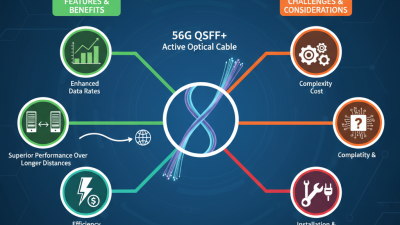
In the rapidly evolving landscape of data communication, selecting the right hardware is crucial. The 56G QSFP+ Active Optical Cable has emerged as a key component for high-speed connections. According to a recent report by the Optical Internetworking Forum, the demand for optical cables is expected to grow at an annual rate of 12% through 2025. This surge signifies the importance of making informed decisions in cable selection.
Expert Mark Johnson, a renowned specialist in optical technologies, emphasizes the significance of quality. He states, "Choosing the right cables can drastically affect system performance." The 56G QSFP+ Active Optical Cable allows for efficient data transmission while maintaining low latency. However, not all cables are created equal. Many options in the market lack thorough compliance with industry standards.
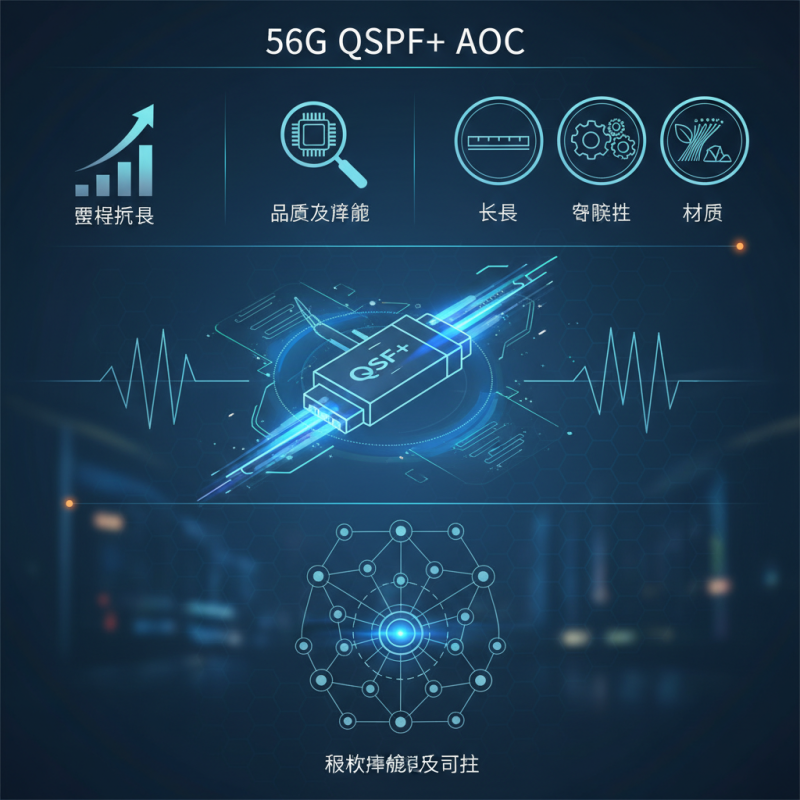
Potential buyers should consider factors like the cable length, compatibility with existing systems, and materials used. Decisions can feel overwhelming. It's essential to reflect on how each choice impacts overall network performance and reliability. An informed selection of a 56G QSFP+ Active Optical Cable can make a significant difference in achieving optimal results.
Understanding 56G QSFP Plus Active Optical Cable Specifications
When selecting a 56G QSFP Plus Active Optical Cable, understanding its specifications is crucial. These cables are designed for high-speed data transmission in data centers and networking applications. Typically, they support a bandwidth of up to 56 Gbps per channel, making them suitable for demanding environments. The use of multi-mode fiber optics allows for longer transmission distances compared to traditional copper cables.
Consider the length of the cable as it directly impacts performance. Cables can range from a few meters up to 100 meters. However, longer cables might introduce signal degradation. Check the specifications for maximum distance, as this greatly affects your network's reliability.
Another important aspect is the connector type. Ensuring compatibility with your existing equipment is key. The 56G QSFP connectors should match your devices to prevent connectivity issues. Some users overlook this, leading to frustration during installation. Additionally, be aware of the cable's temperature range. Extreme temperatures can affect performance. Therefore, assessing the environment where the cables will be deployed is essential for optimal functioning.
Evaluating Distance and Bandwidth Requirements for Optimal Performance
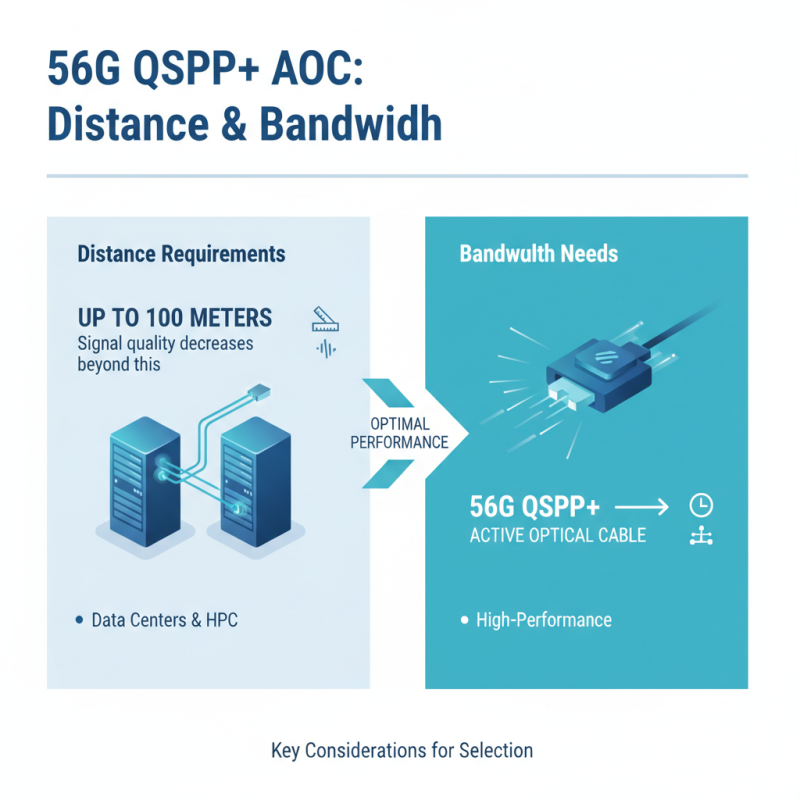
When selecting a 56G QSFP Plus Active Optical Cable, distance and bandwidth requirements are crucial. Active optical cables (AOCs) are often used in data centers and high-performance computing environments. Understanding the distance you need to cover plays a significant role in your choice. For instance, AOCs can achieve ranges up to 100 meters, but signal quality may diminish with longer distances.
Bandwidth is equally important. Consider your network's data transfer needs. A 56G cable can support high bandwidth, but does your application require this capacity? If not, it might be wise to reassess your bandwidth needs and explore alternatives. Testing different setups can provide insights into performance. Striking a balance between distance and bandwidth will help in optimizing overall system efficiency. Regularly review these factors as demands change.
Key Features to Look for in 56G QSFP Plus AOC Selection
When choosing a 56G QSFP Plus Active Optical Cable (AOC), it's essential to consider several key features that impact performance. One of the primary aspects is the cable length. Common lengths range from 1 meter to 100 meters, but factors such as signal integrity and latency can change significantly over longer distances. For instance, according to industry reports, signal attenuation increases by approximately 0.2 dB/m at 56G, which can affect your application if not properly assessed.
Another critical feature is the optical fiber type used. Single-mode fibers offer higher performance over long distances, while multi-mode fibers excel in shorter runs. The choice here affects bandwidth and the ability to handle simultaneous signals. Research indicates that multi-mode cables can support high data rates effectively over distances up to 70 meters, making them ideal for data centers where space is limited.
Additionally, ensure that the AOC meets the necessary standards for reliability and durability. Evaluating the plug-and-play capabilities is crucial to ease installation. Poorly designed connectors can lead to downtime and collaboration issues. Yet, many cables do not include detailed specs on thermal and mechanical durability, leaving users to ponder their reliability in demanding environments. Balancing these features will help you make a more informed choice and potentially avoid costly mistakes.
Comparative Analysis of Top Brands in 56G QSFP Plus AOC Market
When selecting a 56G QSFP Plus Active Optical Cable (AOC), understanding the market landscape is crucial. Various brands offer different features, making it essential to compare them carefully. Each brand presents unique specifications in terms of power consumption, data rates, and transmission distances. Pay attention to the supported operating temperatures. These factors significantly impact performance and longevity.
Another aspect to watch includes the build quality of the cables. Reliable materials can enhance durability and signal integrity. Users have reported mixed experiences with different designs. Some cables may perform well in controlled environments but fail under more extreme conditions. This inconsistency can lead to unexpected failures.
Lastly, consider compatibility with existing infrastructure. The chosen AOC should seamlessly integrate with current devices. However, users sometimes overlook this factor, only to face connectivity issues later. Knowing which cables work with particular systems requires thorough research. Many resources provide performance reviews and user feedback, which are valuable when evaluating options.
Comparison of 56G QSFP Plus Active Optical Cable Performance
Assessing Cost vs. Quality in 56G QSFP Plus Active Optical Cables
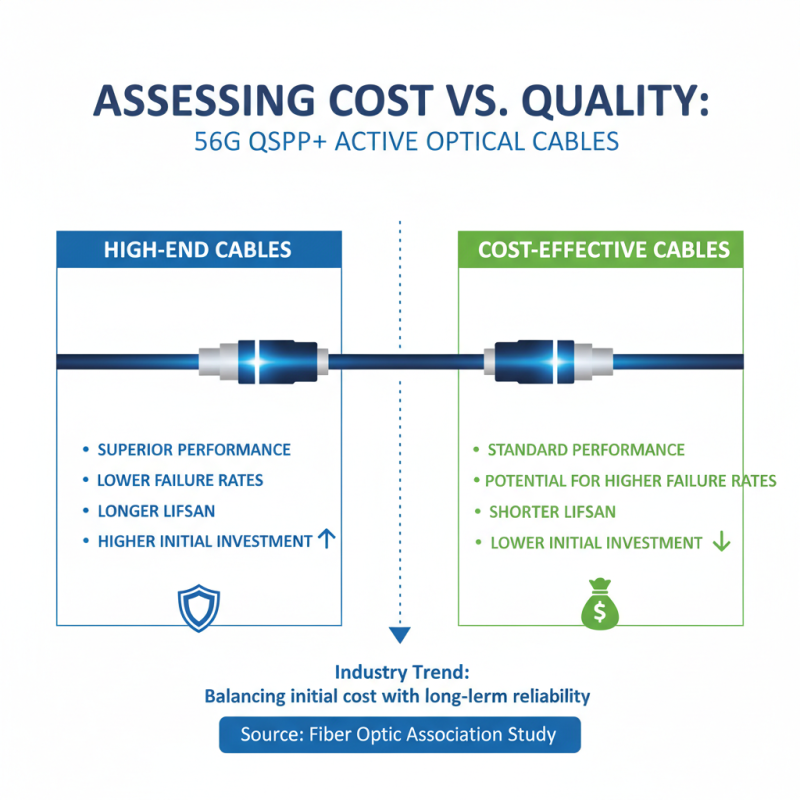
When selecting 56G QSFP Plus Active Optical Cables, balancing cost and quality is crucial. Industry reports indicate that while high-end cables offer superior performance, they come at a premium. For instance, a study from the Fiber Optic Association reveals that companies prioritizing performance often see lower failure rates and longer lifespans. These factors can offset the initial higher investment.
However, budget constraints may hinder some organizations from opting for top-tier products. A report by Data Center Dynamics found that 68% of companies feel pressured to cut costs in their networking solutions. This situation raises questions about reliability. Cheaper solutions might save money upfront but risk increasing operational costs over time due to potential downtime and maintenance. Evaluating total cost of ownership is essential.
For instance, consider the performance metrics. High-quality cables usually support longer distances and higher data rates. Poorer quality cables, on the other hand, struggle under demanding conditions. The tension between price and reliability should not be overlooked. In this evolving landscape, making an informed choice demands careful analysis of both factors.

 400G
400G 200G
200G 100G
100G 40G
40G 25G
25G 10G
10G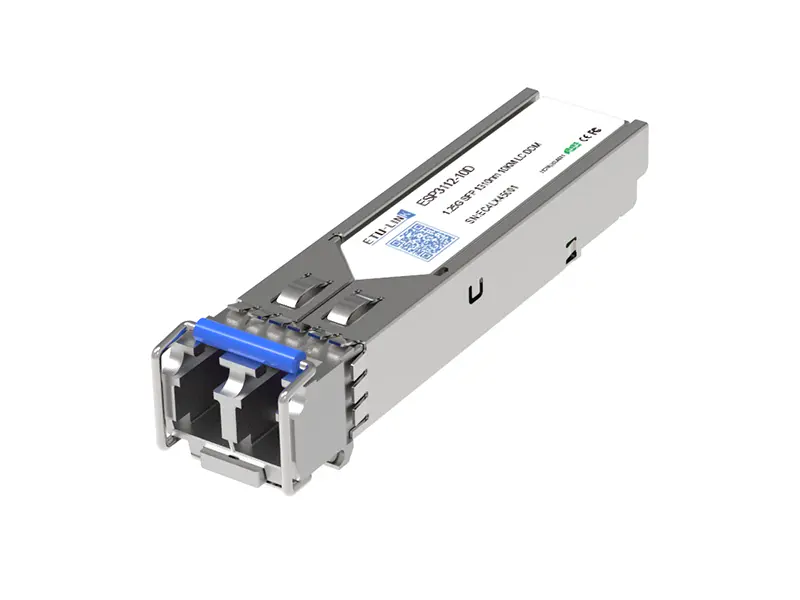 1G
1G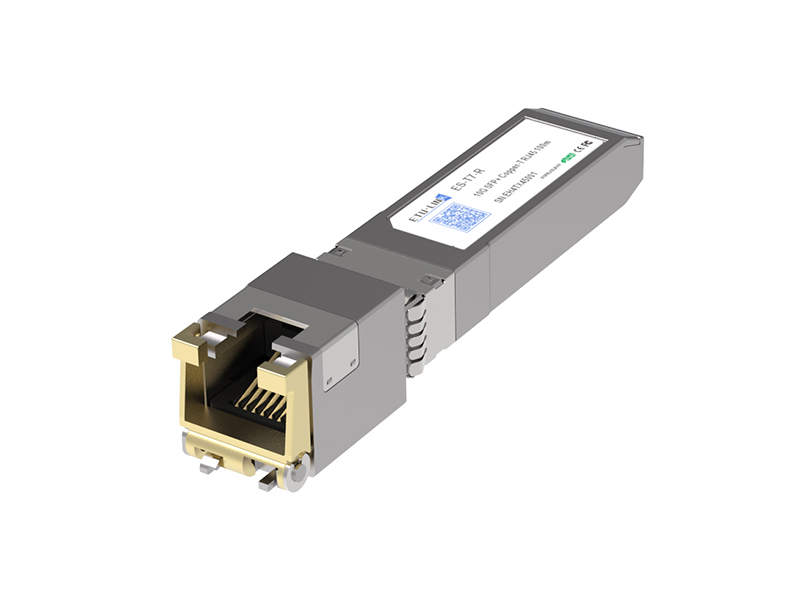 COPPER-T
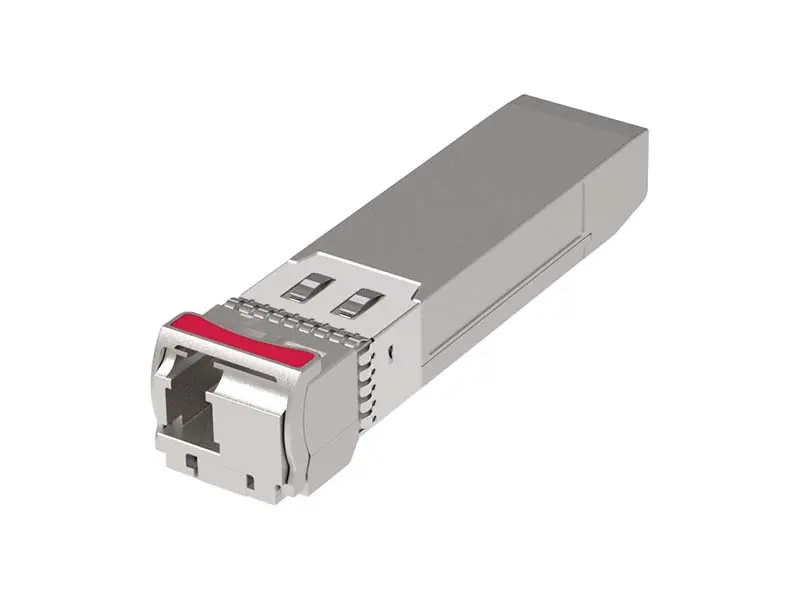 Other
Other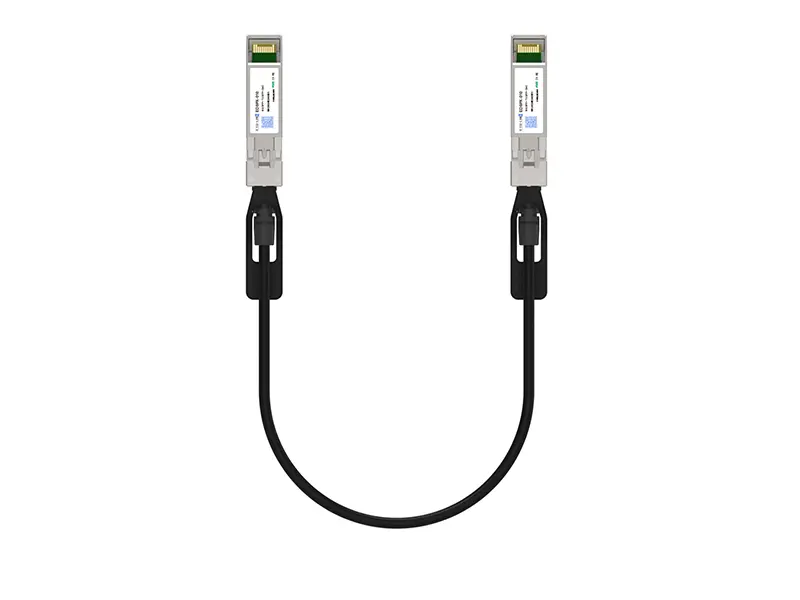 10G SFP+ DAC
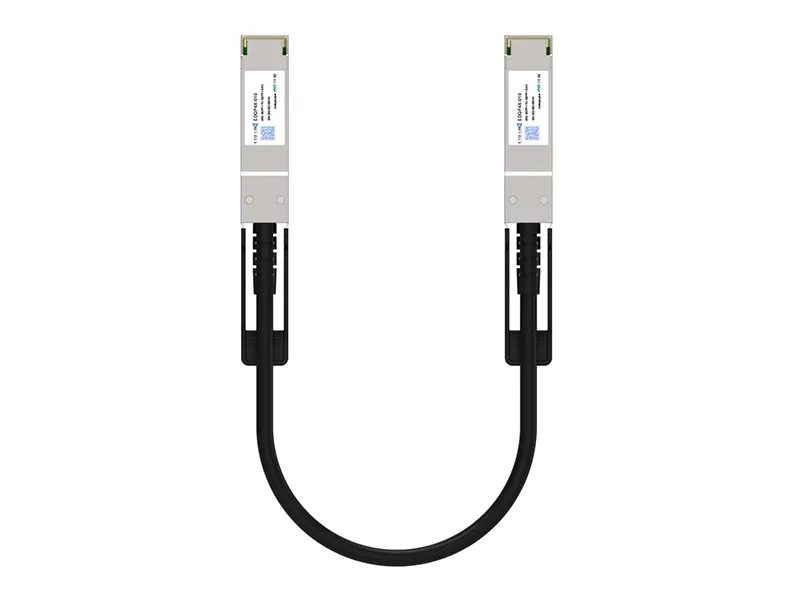 40G QSFP+ DAC
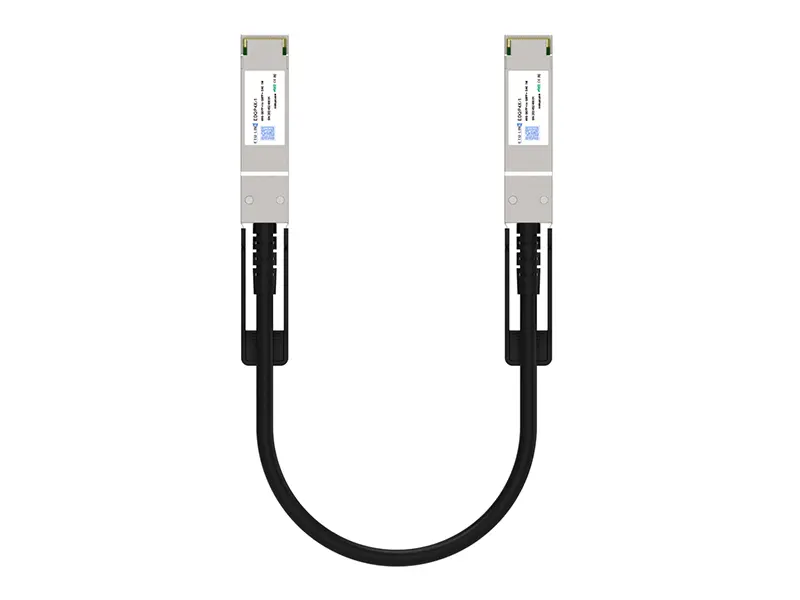 56G QSFP+ DAC
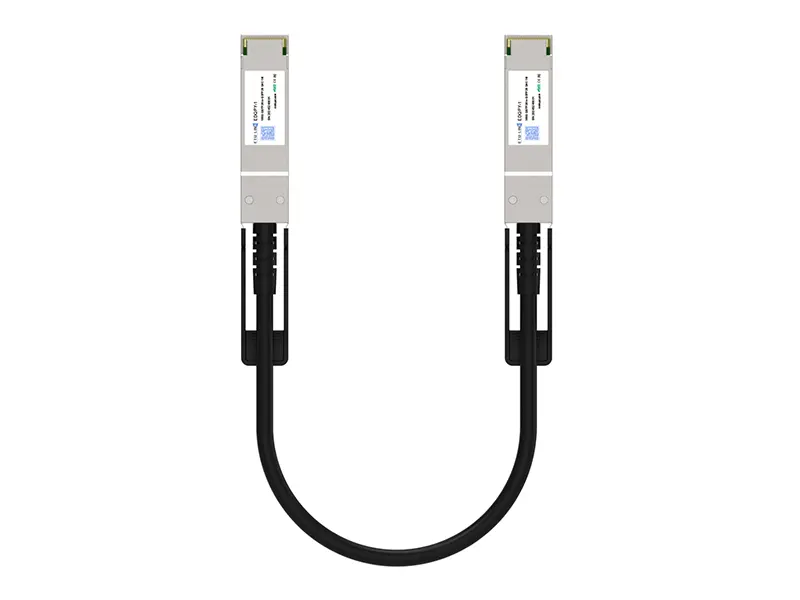 100G QSFP28 DAC
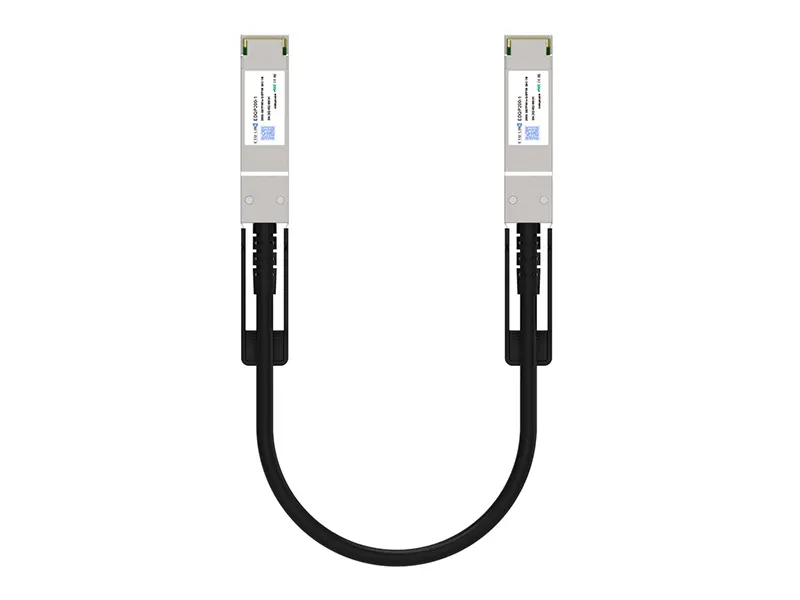 200G QSFP56 DD DAC
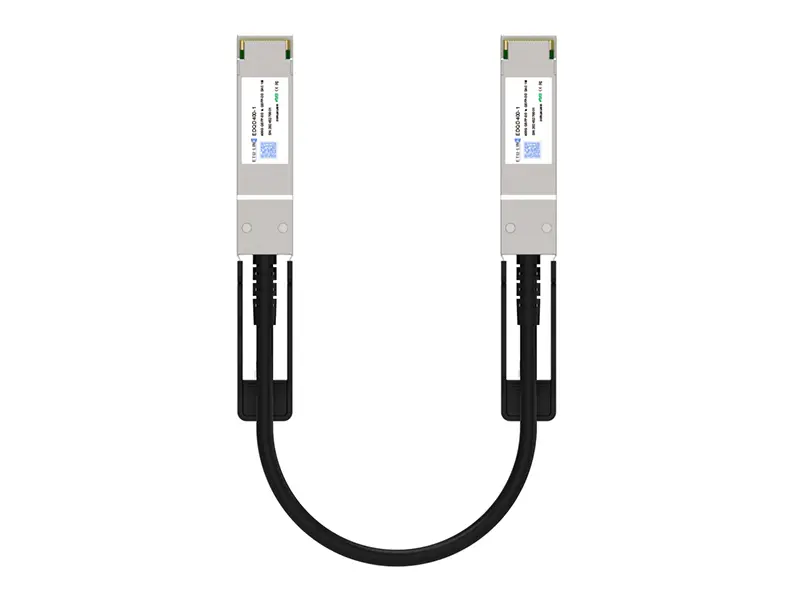 400G QSFP DD DAC
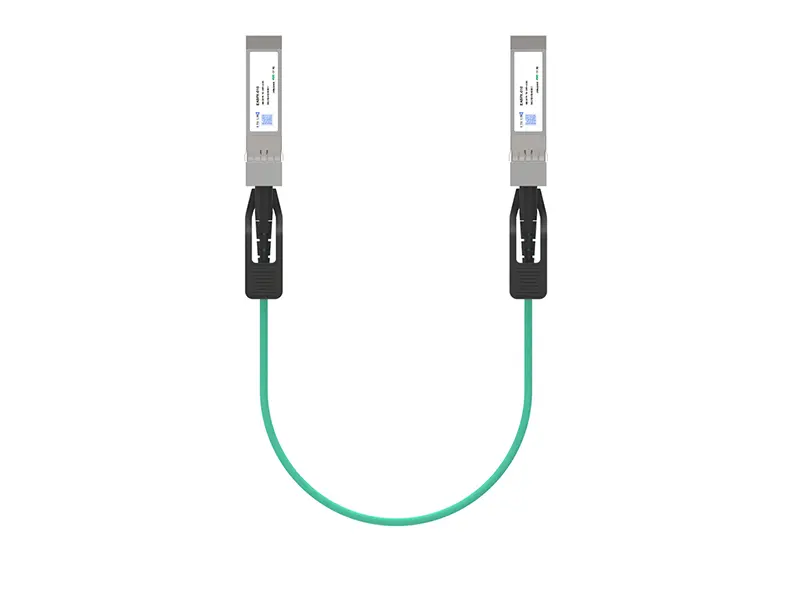 10G SFP+ AOC
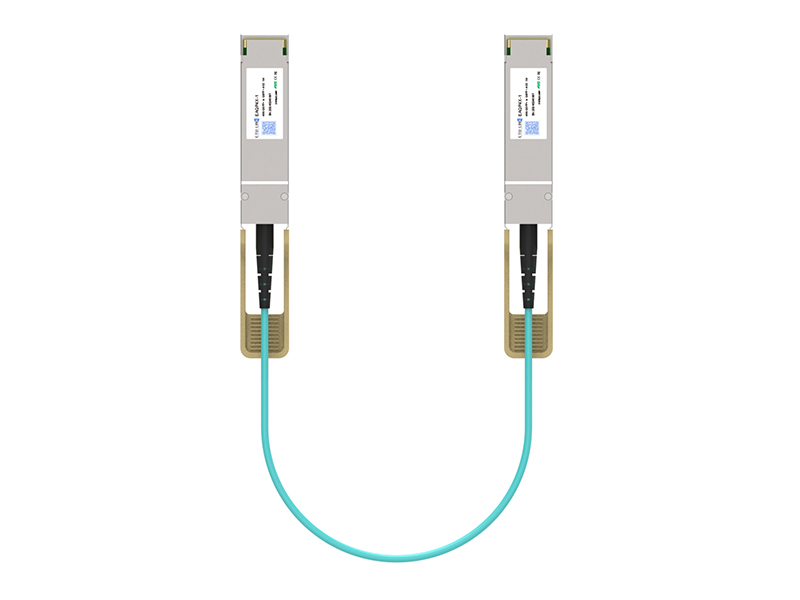 40G QSFP+ AOC
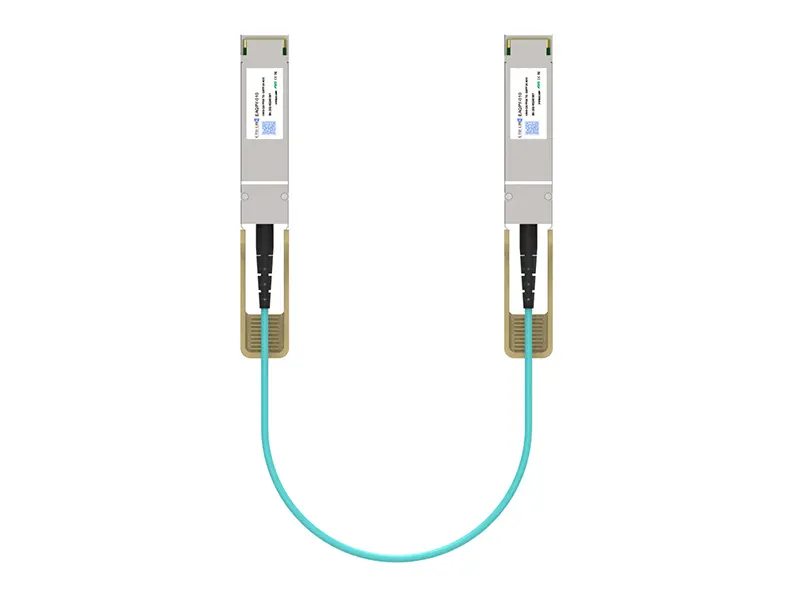 100G QSFP28 AOC
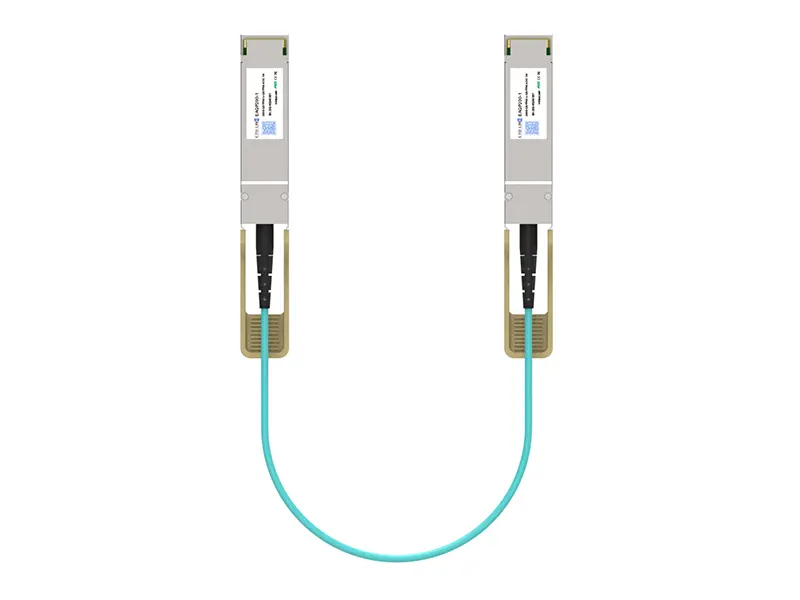 200G QSFP56 AOC
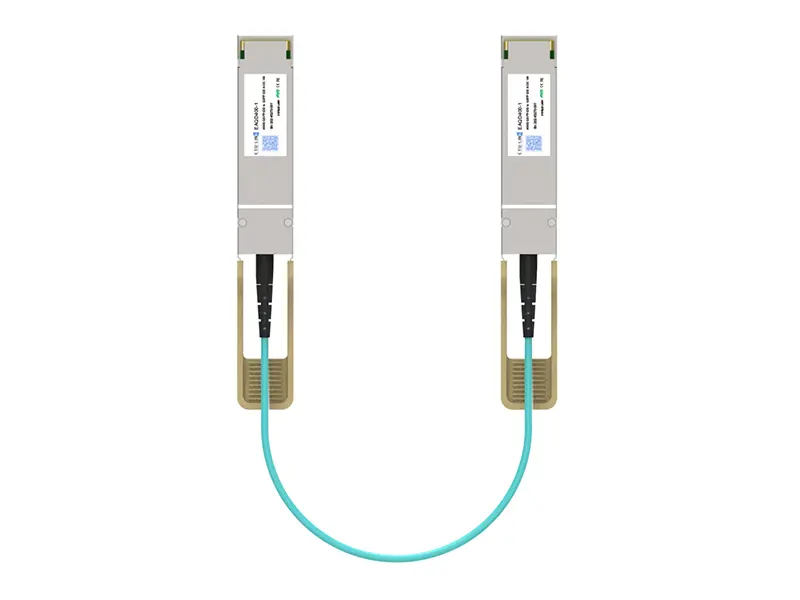 400G QSFP-DD AOC
 Adapter Details
 Media Converter