Why Choose Cisco DWDM SFP for Your Network Needs?
In today's fast-paced digital ecosystem, choosing the right components for your network is vital. Cisco DWDM SFP+ emerges as a reliable solution for various networking demands. These compact transceivers are designed for long-distance data transmission, offering efficient wavelength division multiplexing capabilities.
Organizations often face challenges in selecting optical transceivers. Cisco DWDM SFP+ stands out due to its excellent performance and compatibility with existing infrastructure. With this technology, network reliability and bandwidth utilization dramatically improve. However, effective implementation requires careful consideration of specific network needs. Adopting these modules can enhance your system, but assessing your environment is crucial.
Investing in Cisco DWDM SFP+ might seem straightforward. Yet, potential pitfalls exist, such as misunderstanding technical specifications or network requirements. It's essential to evaluate your organization's unique demands and consult with experts to ensure optimal deployment.

Understanding DWDM Technology and Its Importance in Networking
Dense Wavelength Division Multiplexing (DWDM) is a transformative technology in modern networking. Its ability to transmit multiple data streams over a single optical fiber significantly enhances network efficiency. According to a report from the International Telecommunication Union, DWDM can increase bandwidth utilization by up to 80%. This means that organizations can handle more data without the need for extensive physical infrastructure upgrades.
One of the critical advantages of DWDM technology lies in its scalability. As network demands grow, adding new channels becomes more straightforward. The optical signals are multiplexed together, which allows for high-capacity data transmission. This not only reduces latency but also lowers operational costs. However, implementing DWDM systems can be complex. Organizations often face challenges such as compatibility with existing infrastructure and the need for skilled personnel to manage the technology effectively.
Moreover, while DWDM provides a robust solution for bandwidth growth, not all organizations may have the resources to optimize its potential. Network design considerations, beyond just the hardware, play significant roles in achieving desired outcomes. Decisions regarding signal integrity and dispersion management can significantly influence performance. A comprehensive understanding of these elements is crucial for leveraging DWDM to its fullest.
Why Choose Cisco DWDM SFP for Your Network Needs? - Understanding DWDM Technology and Its Importance in Networking
| Feature |
Description |
Advantages |
Applications |
| High Bandwidth |
Supports transmission rates of up to 100 Gbps. |
Allows for large data transfers with minimal latency. |
Data centers, cloud services, enterprise networks. |
| Long Distance |
Facilitates data transmission over long distances exceeding 100 km. |
Reduces the need for multiple amplification stations. |
Telecommunications, WAN connections. |
| Scalability |
Easily integrate additional channels without significant infrastructure change. |
Future-proofing your network growth. |
Growing businesses, expanding data needs. |
| Cost-Effectiveness |
Reduces the costs of upgrading multiple single-channel systems. |
Lower operational costs and improved ROI. |
Service providers, enterprises aiming for efficiency. |
| Reliability |
Robust technology ensuring minimal downtime. |
Enhances network stability and performance. |
Critical infrastructure, financial institutions. |
Key Features of Cisco DWDM SFP Modules
When selecting components for optical networks, Cisco DWDM SFP modules stand out. These devices are known for their reliable performance and flexibility. The compact form factor simplifies installation and maintenance in existing infrastructures. With an array of wavelengths, users can efficiently manage bandwidth and enhance data transmission speeds.
One key feature of Cisco DWDM SFP modules is their ability to support long-distance connections. This reliability is crucial for enterprises demanding high data integrity. The modules often undergo rigorous testing to ensure optimal performance in various environments. However, while they excel in many scenarios, some users report challenges in integrating with older systems. This highlights the importance of thorough compatibility assessments.
These modules also provide high scalability. As network demands grow, users can easily upgrade without overhauling the entire system. This can save costs in the long run. However, potential buyers should consider their specific needs before purchasing. Not all environments will benefit equally from these advanced features. Balancing expectations with practical requirements is essential for maximizing investment in technology.
Advantages of Choosing Cisco DWDM SFP for Your Network
When it comes to network infrastructure, choosing the right components is crucial. Cisco DWDM SFP modules stand out due to their efficiency and reliability. These modules support dense wavelength division multiplexing, allowing multiple data channels to transmit simultaneously over a single fiber. This feature can significantly increase bandwidth without the need for additional cables. Such efficiency can be a game-changer for organizations needing to scale their networks.
The ability to support long-distance communication is another key advantage. Cisco DWDM SFP can transmit data over vast distances without significant loss. This capability is particularly beneficial for businesses with geographically dispersed offices. Additionally, these modules provide low latency, ensuring that data travels quickly and efficiently. Users appreciate this speed, especially in high-demand environments.
However, it’s essential to recognize that installation requires a solid understanding of network design. Misconfigurations can lead to problems, impacting performance. The selection process may demand additional training or expertise, which can be a barrier for some teams. Investing in the right knowledge and resources is vital to fully leverage the benefits of DWDM technology, enabling organizations to enhance their network infrastructure effectively.
Advantages of Cisco DWDM SFP for Your Network
Performance and Reliability of Cisco DWDM SFP Solutions
When it comes to network solutions, performance and reliability are non-negotiable. Cisco DWDM SFP modules stand out in providing exceptional data transmission capabilities. They utilize Dense Wavelength Division Multiplexing technology, allowing multiple signals over a single optical fiber. This maximizes bandwidth while minimizing latency, crucial for modern applications that demand speed.
However, every solution has its challenges. While these modules enhance performance, they may require specific configurations and compatibility checks. Network administrators must invest time to ensure proper integration. Ensuring uptime and reliability means sometimes troubleshooting issues that arise unexpectedly. Users might face concerns over potential signal degradation over long distances, making regular performance assessments essential.
Choosing the right optical solutions involves balancing performance and real-world constraints. Cisco DWDM SFP modules deliver impressive capabilities, but they come with an onus for maintenance and management. By understanding these variables, organizations can better align their network infrastructure with their operational demands.
Comparison of Cisco DWDM SFP with Other Networking Options
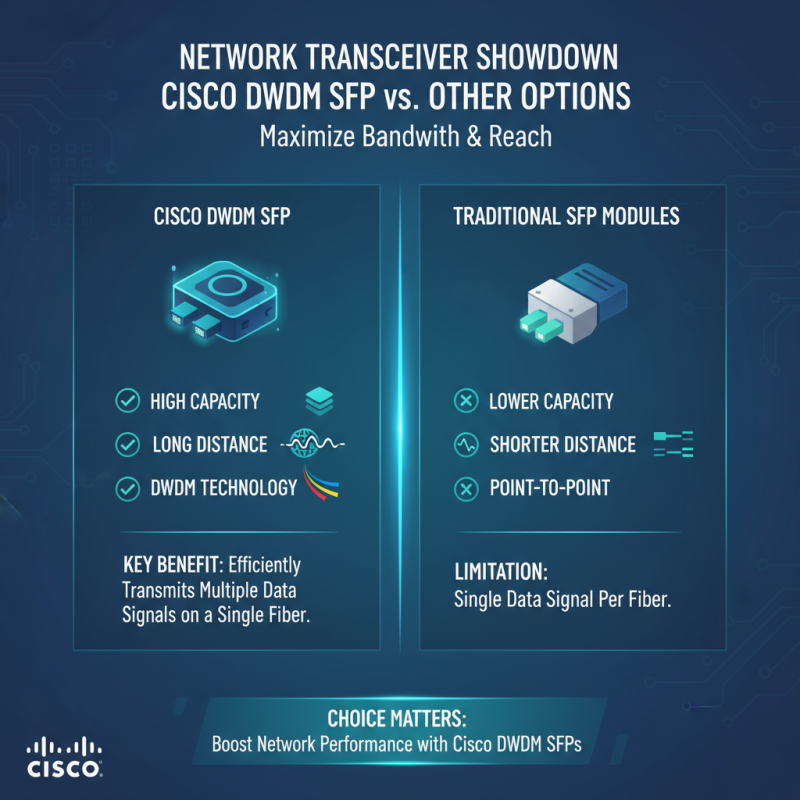
When examining networking solutions, the choice of transceivers significantly impacts performance. Cisco’s DWDM SFPs stand out for their high capacity and long-distance capabilities. Compared to traditional SFP modules, these options excel in dense wavelength division multiplexing. This technology allows multiple data signals over a single fiber, maximizing bandwidth efficiently.
Other networking options may not provide the same level of scalability. Some may only support shorter distances, limiting overall network growth. Additionally, compatibility issues can arise. Using varied equipment may complicate maintenance and increase operational costs. This creates a potential challenge for network managers aiming for seamless integration.
In practice, organizations might prioritize cost. However, the long-term benefits of reliable, high-speed connections are often overlooked. Investing in quality components like DWDM SFPs could lead to fewer outages and enhanced performance. Choosing cheaper alternatives might seem prudent initially, but they could cause greater issues later. Reflecting on these trade-offs can help in making informed decisions.

 400G
400G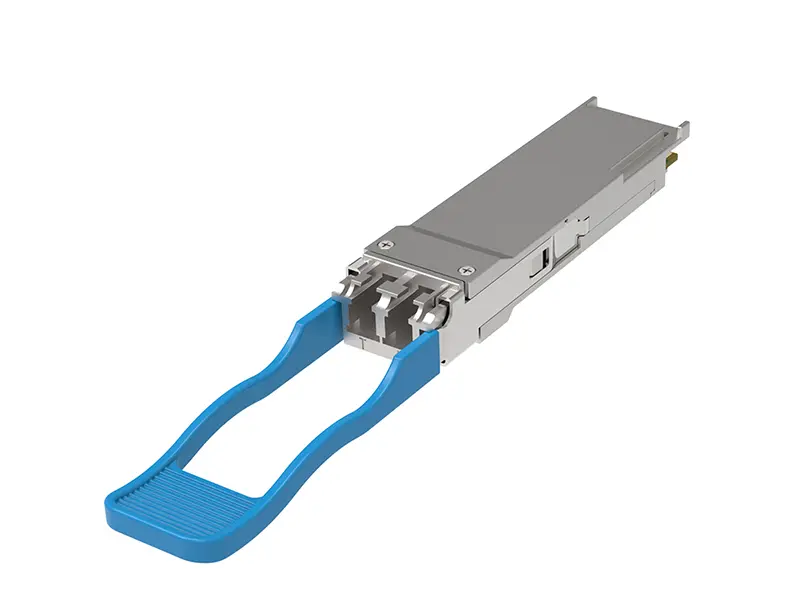 200G
200G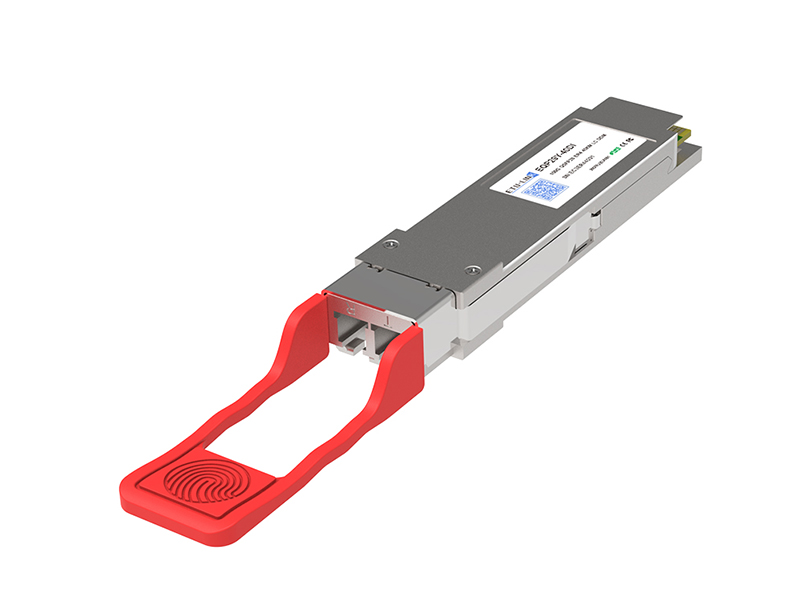 100G
100G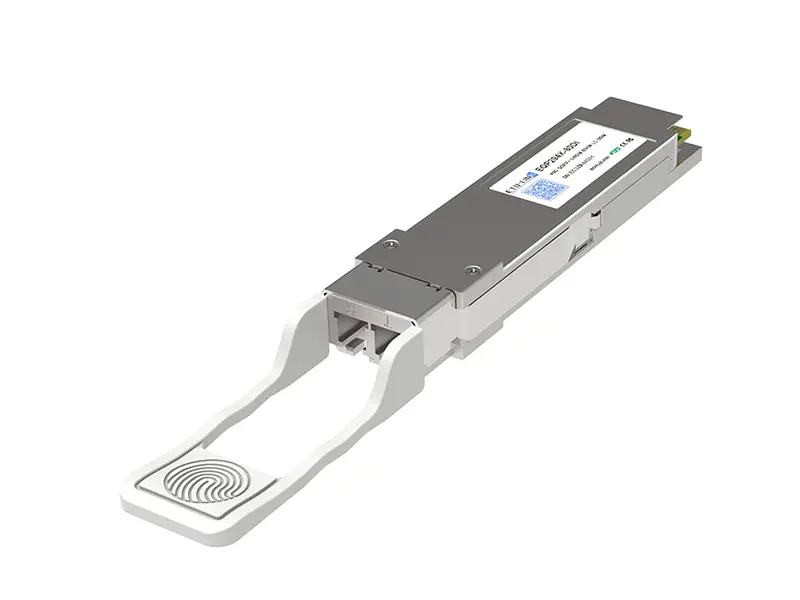 40G
40G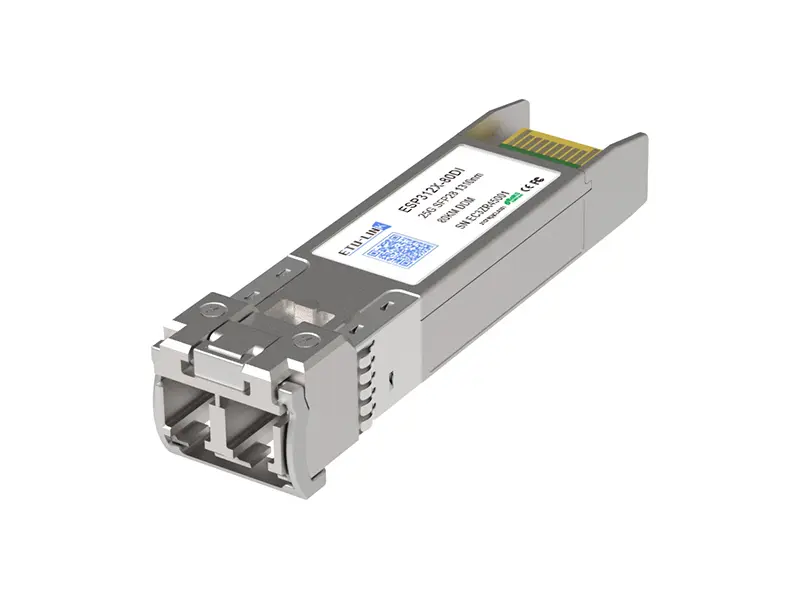 25G
25G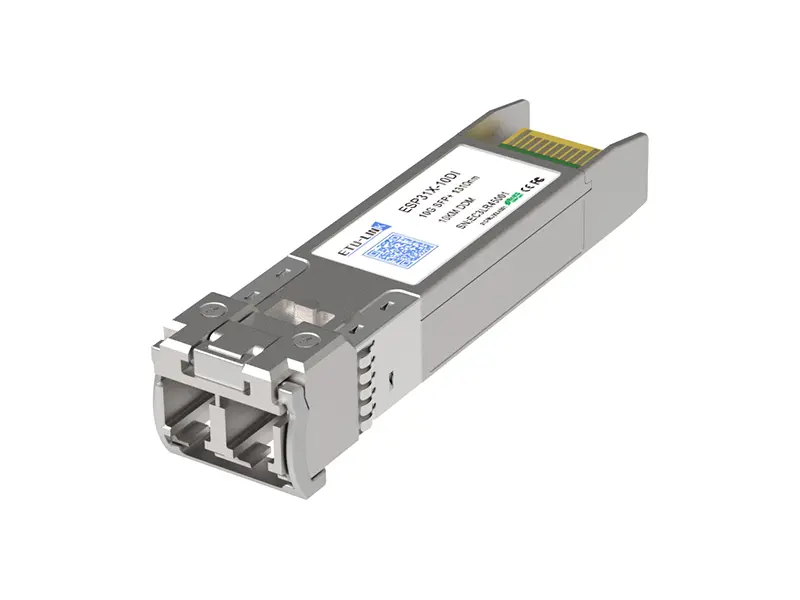 10G
10G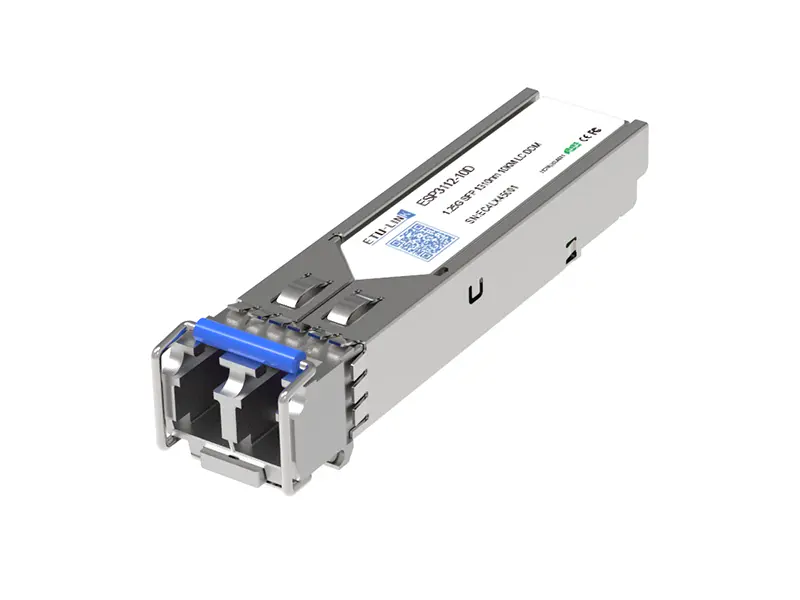 1G
1G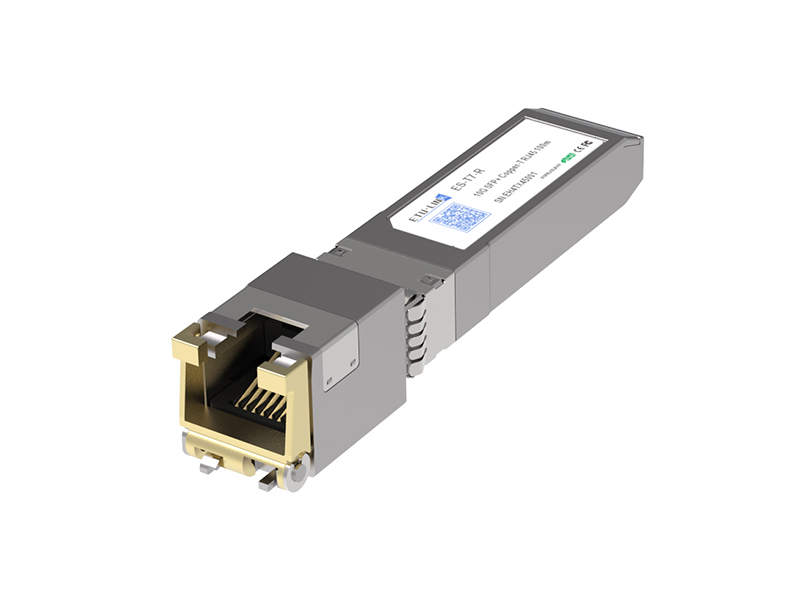 COPPER-T
 Other
Other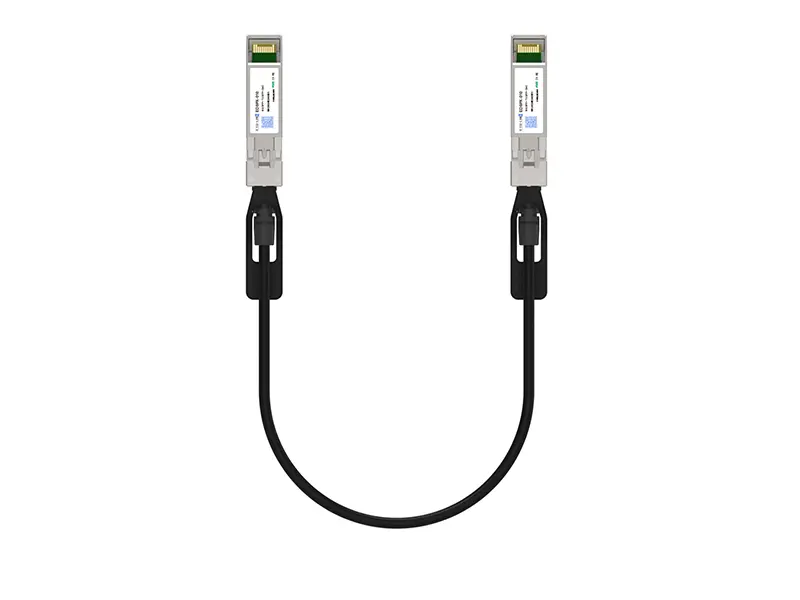 10G SFP+ DAC
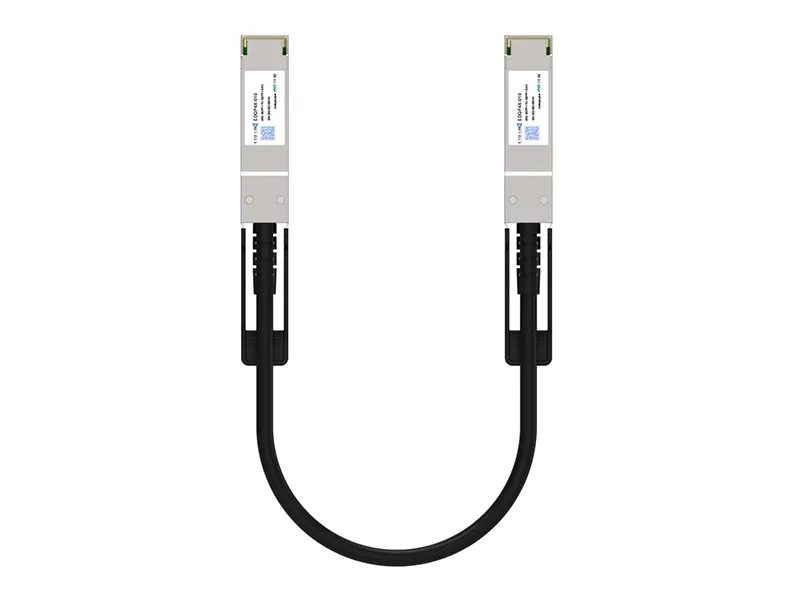 40G QSFP+ DAC
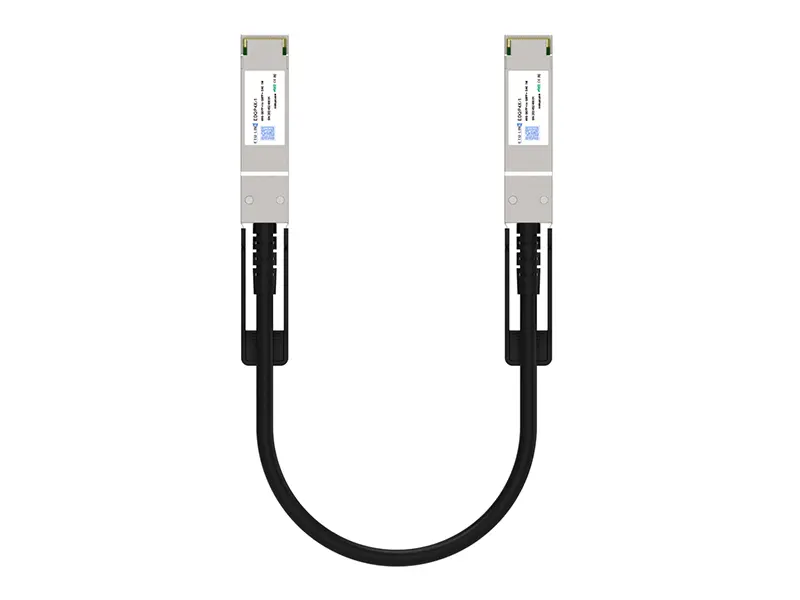 56G QSFP+ DAC
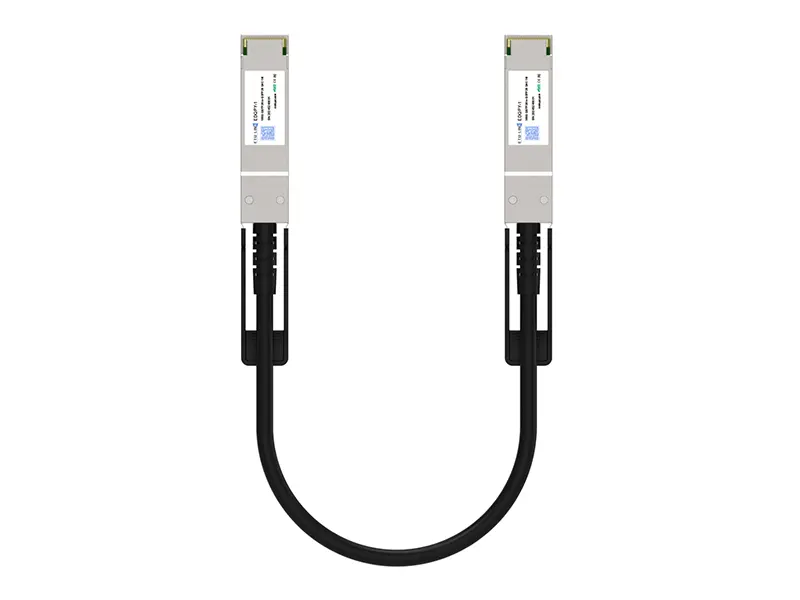 100G QSFP28 DAC
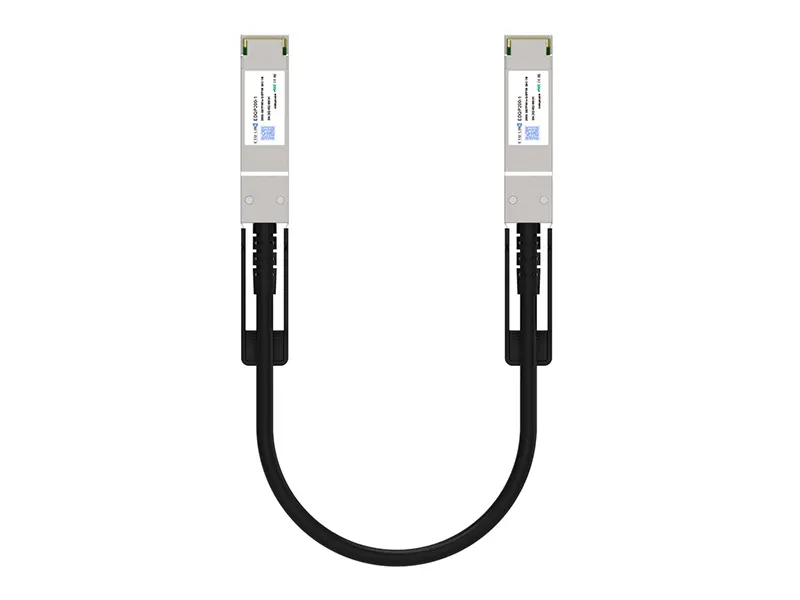 200G QSFP56 DD DAC
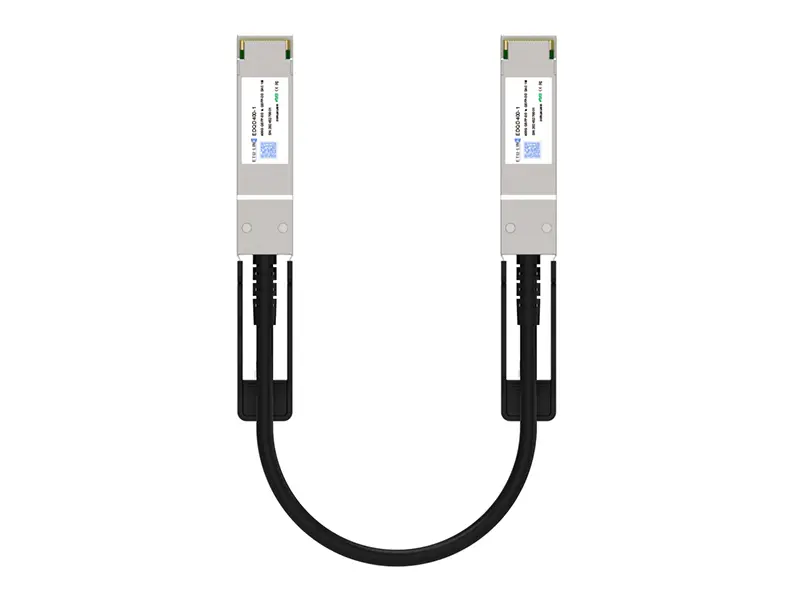 400G QSFP DD DAC
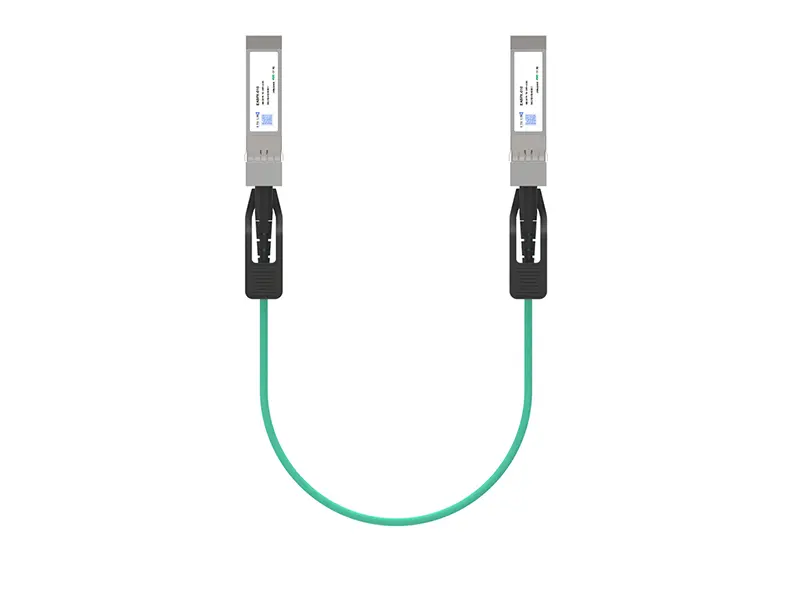 10G SFP+ AOC
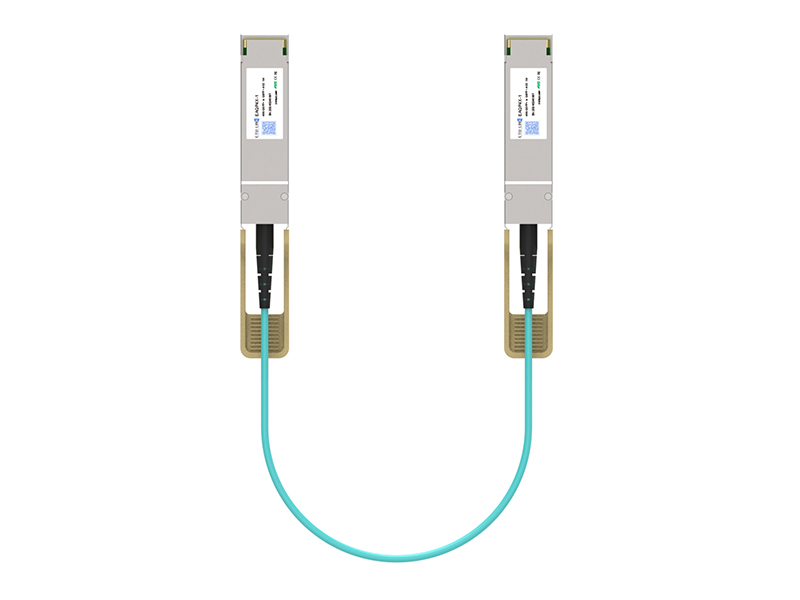 40G QSFP+ AOC
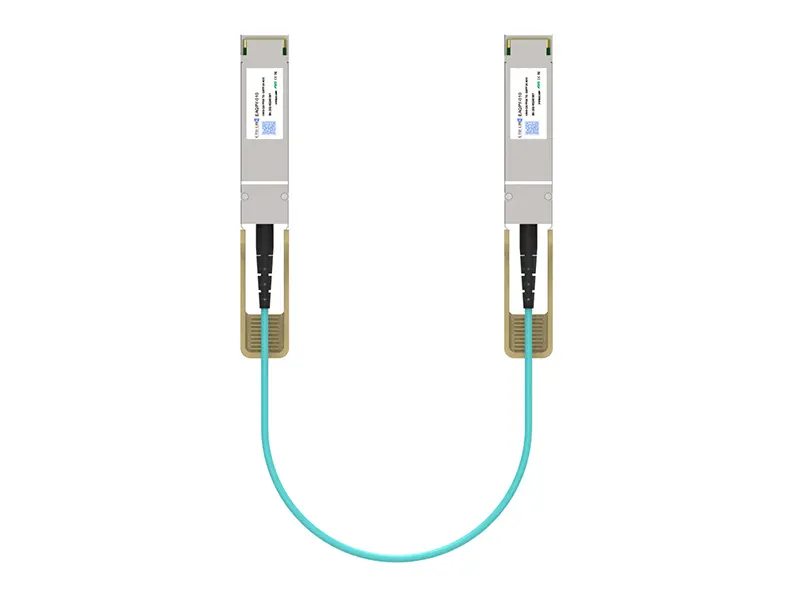 100G QSFP28 AOC
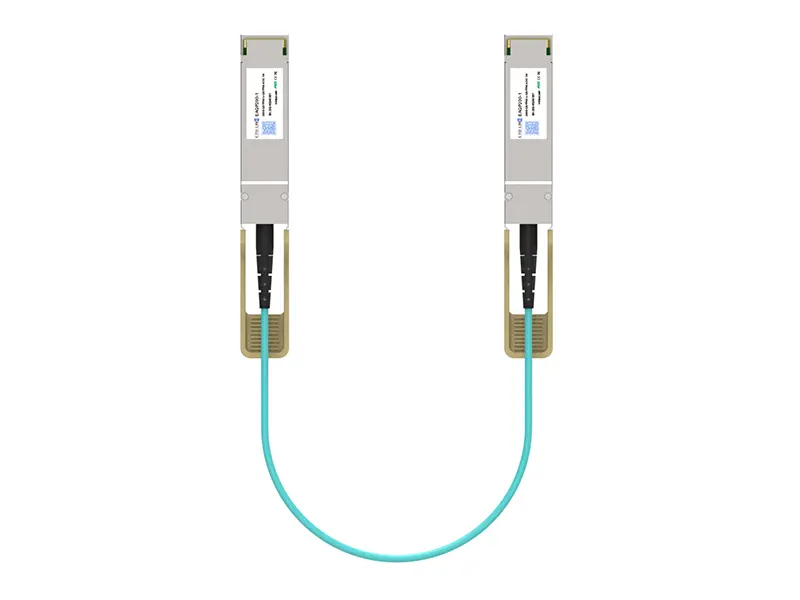 200G QSFP56 AOC
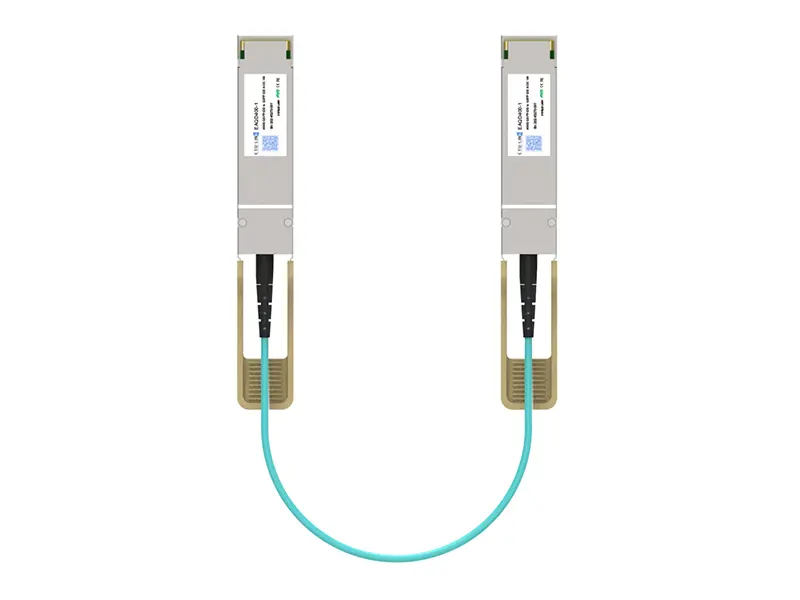 400G QSFP-DD AOC
 Adapter Details
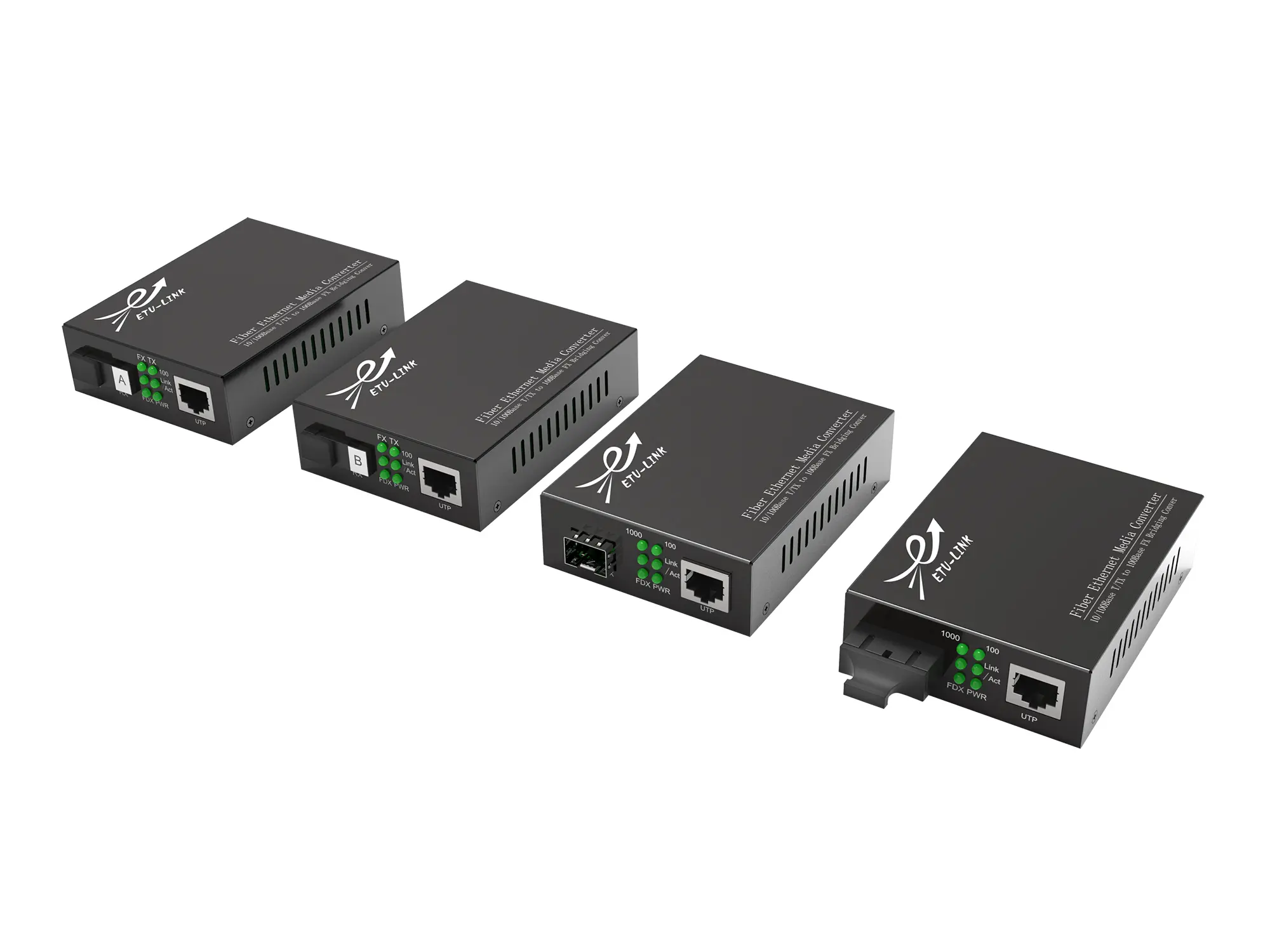 Media Converter