Top 10 Direct Attach Cables for Global Buyers?
In the evolving landscape of data centers, the importance of Direct Attach Cables (DAC) cannot be overstated. Leading industry expert Dr. Emily Tran has remarked, "Direct Attach Cables are the backbone of fast and reliable server connections." This highlights how essential DACs are for ensuring high-speed data transmission.
Direct Attach Cables offer a cost-effective solution for data center connectivity. Their simplicity and efficiency make them attractive for global buyers. Unlike traditional cabling methods, DACs eliminate the need for complex setups. However, they also require careful selection to meet specific requirements of different environments. Choices can be overwhelming, and not all options guarantee optimal performance.
Many buyers overlook the importance of quality in Direct Attach Cables. Substandard cables may lead to network failures and compatibility issues. As Dr. Tran suggests, these cables should be assessed based on performance metrics and durability. Understanding different specifications contributes to making better purchasing decisions. In the fast-paced world of technology, investing time in research is vital for long-term gains.

Overview of Direct Attach Cables and Their Uses
Direct Attach Cables (DACs) are essential components in modern networking environments. These cables typically consist of a copper or fiber optic connector and a cable length that allows seamless data transmission. The simplicity of their design makes them cost-effective and efficient for short-distance connections. DACs are frequently used in data centers for server-to-switch links. They provide low latency and high speed, making them a preferred choice for high-bandwidth applications.
While DACs offer numerous benefits, they also come with certain limitations. For example, their effective range is short, usually up to 7 meters for copper and slightly longer for fiber. This might not meet the needs of all installations. Furthermore, the flexibility of DACs compared to traditional cabling systems can be a double-edged sword. Their rigid nature can lead to awkward routing in cramped spaces. Users should consider their specific setups when choosing DACs.
Understanding the strengths and weaknesses of Direct Attach Cables is crucial. These cables can offer a reliable connection in the right context. However, improper application may lead to performance issues and wasted resources. Evaluating the unique requirements of your network will ensure that DACs are a good fit for your infrastructure.
Top 10 Direct Attach Cables for Global Buyers
| Cable Type |
Length |
Max Data Rate |
Connector Type |
Typical Use Case |
| 10G SFP+ DAC |
1 meter |
10 Gbps |
SFP+ |
Data Center Interconnect |
| 40G QSFP+ DAC |
2 meters |
40 Gbps |
QSFP+ |
High-Speed Switch Connections |
| 100G QSFP28 DAC |
3 meters |
100 Gbps |
QSFP28 |
Data Center Networking |
| 25G SFP28 DAC |
1.5 meters |
25 Gbps |
SFP28 |
Storage Area Networks |
| 10G SFP+ Passive DAC |
5 meters |
10 Gbps |
SFP+ |
Short Distance Connections |
| 100G AOC |
5 meters |
100 Gbps |
QSFP28 |
High Bandwidth Applications |
| 25G AOC |
3 meters |
25 Gbps |
SFP28 |
Data Aggregation |
| 40G QSFP+ Passive DAC |
1 meter |
40 Gbps |
QSFP+ |
Server Connections |
| 10G SFP DAC |
2 meters |
10 Gbps |
SFP |
Network Equipment |
| 100G MTP/MPO DAC |
12 meters |
100 Gbps |
MTP/MPO |
High-Density Networks |
Key Features to Consider When Choosing Direct Attach Cables
When selecting direct attach cables (DACs), several key features must be considered. One crucial aspect is cable length. Common lengths range from 0.5 meters to 3 meters. Focus on your specific deployment environment. Shorter cables reduce signal degradation but may limit flexibility in larger data center setups.
Another important feature is the connector type. DACs typically come with either SFP+ or QSFP+ connectors. Studies show that the right connector can enhance performance significantly. Ensure compatibility with your networking gear. Poor matching can lead to connectivity issues.
Tips: Always check the cable's data rate. This is essential for maintaining high-speed connections. Look for DACs rated for at least 10 Gbps or more. Remember, cable quality matters. According to industry reports, lower-quality cables may lead to increased latency and packet loss. A solid investment in quality cables can save costs in maintenance.
Finally, consider the material. Copper cables are common but can be heavy and less flexible than fiber alternatives. For higher data rates, fiber cables might be the better choice. Many buyers overlook this detail. Choosing the right material can impact installation ease and overall performance. Always weigh your options carefully to find the optimal solution for your needs.
Top 10 Direct Attach Cables Recommended for Global Buyers
When choosing the right direct attach cables, it’s crucial to consider various factors. These cables connect devices directly, ensuring fast data transfer. Many options exist in the market, which may cause confusion for global buyers. Pay attention to the specifications to match your needs.
Tips: Always check compatibility. Some cables work with specific devices only. Ensure the length is adequate for your setup. A long wire may cause signal degradation. Additionally, verify the data rate support to avoid bottlenecks.
Cables differ in construction and performance. Some may seem cost-effective but fail in durability. Think about how often you will use them. Frequent handling might wear them out faster. It is wise to invest in quality for long-term use.
Tips: Look for cables with robust build quality. A reinforced design may prevent damage. Read user reviews for insights on reliability. This research can save you from future frustrations.
Comparative Analysis of Pricing for Selected Direct Attach Cables
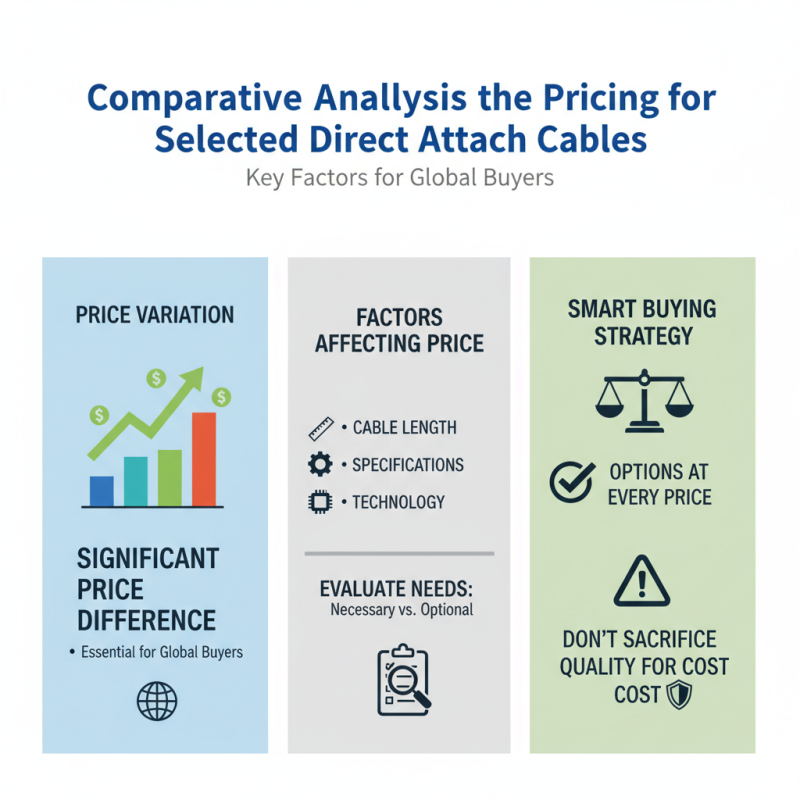
When selecting direct attach cables, pricing can vary significantly. Understanding this difference is key for global buyers. Essentials like cable length, specifications, and technology affect the price. Buyers must evaluate what is necessary versus optional for their needs. Options exist at every price point, but quality shouldn't be sacrificed for cost.
Consider these tips: always check compatibility with existing hardware. A lower price might mean limited performance features. Investing slightly more in a high-quality product can save costs in the long run. Pay attention to the warranty options offered by suppliers. This often indicates the manufacturer's confidence in their product.
Reviewing user feedback can highlight potential issues with specific models. Often, low-priced options may lack durability or reliable performance. In the ever-evolving tech landscape, keeping up with product innovations is crucial. Always stay informed about new releases and advancements in cable technology. This decision should not be rushed, as it impacts overall system performance.
User Reviews and Recommendations for Each Top Cable Option
When selecting direct attach cables, user reviews offer invaluable insights. Many users appreciate the balance between affordability and performance. One common highlight is the durability of certain cables. Users frequently note that cables able to withstand physical stresses last longer. This feedback stresses the importance of build quality in daily usage.
Performance varies significantly among options. Several users report differences in data transfer speeds. Some cables provide exceptional speed, while others fall short of expectations. Reliability is often a crucial factor in user decisions. A few reviews mention frequent disconnections with specific models, indicating the potential need for further examination.
It's noteworthy that not all top-rated cables perform consistently well in every scenario. Environments with high interference can lead to varying results. Users suggest keeping this in mind while making choices. Additionally, personal experience plays a significant role; what works for one user may not suit another's setup. These discrepancies warrant careful consideration of one's unique requirements.
Top 10 Direct Attach Cables - User Reviews and Recommendations

 400G
400G 200G
200G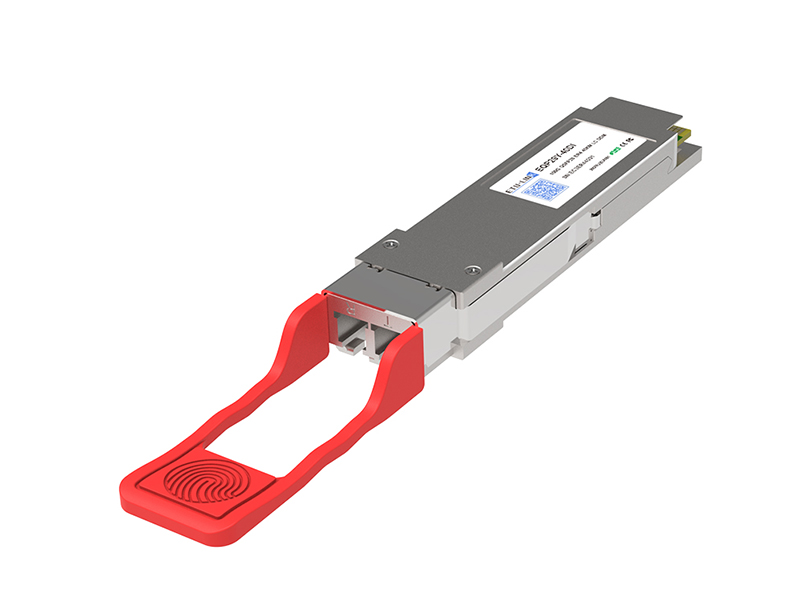 100G
100G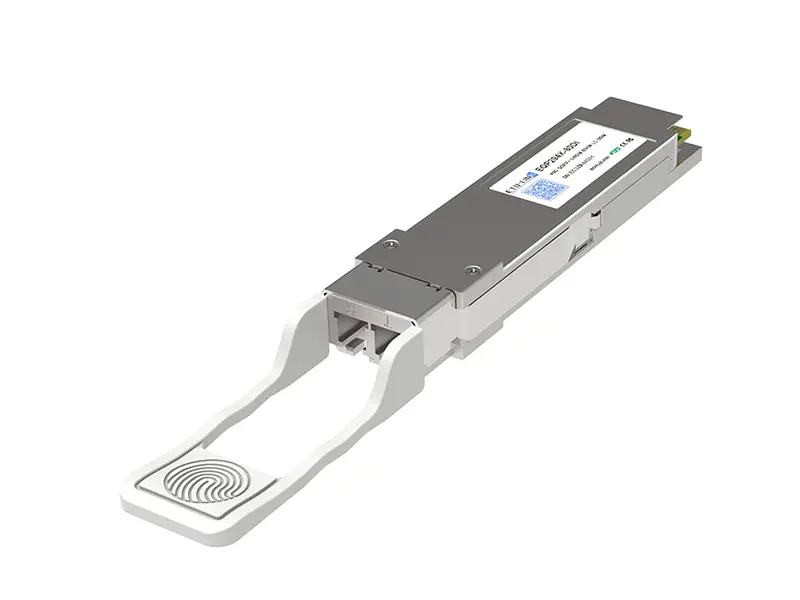 40G
40G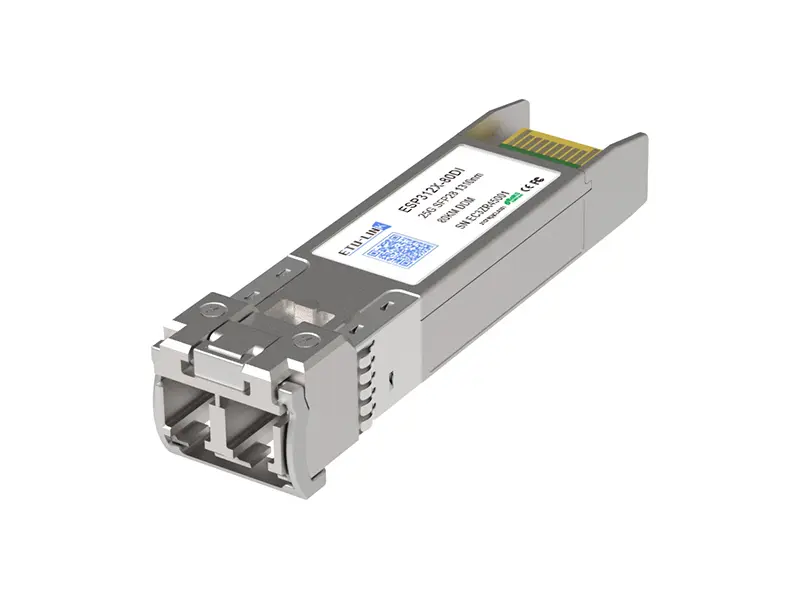 25G
25G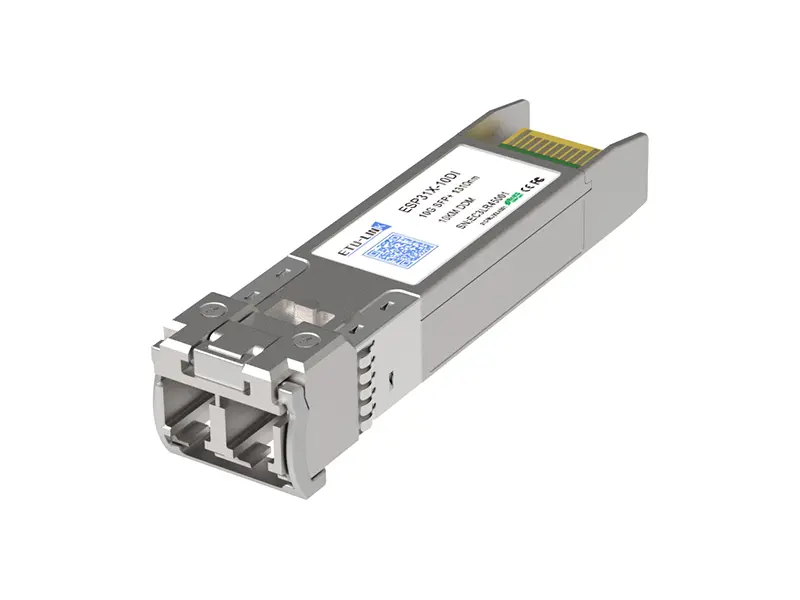 10G
10G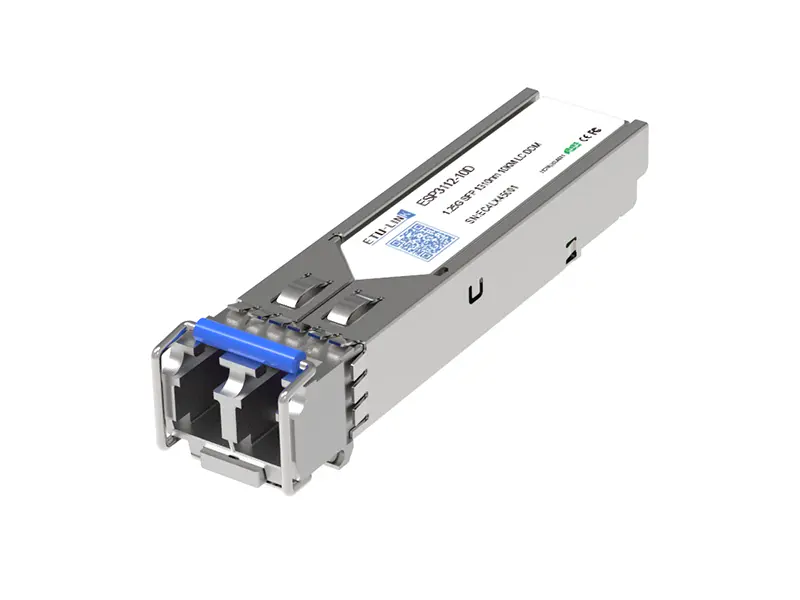 1G
1G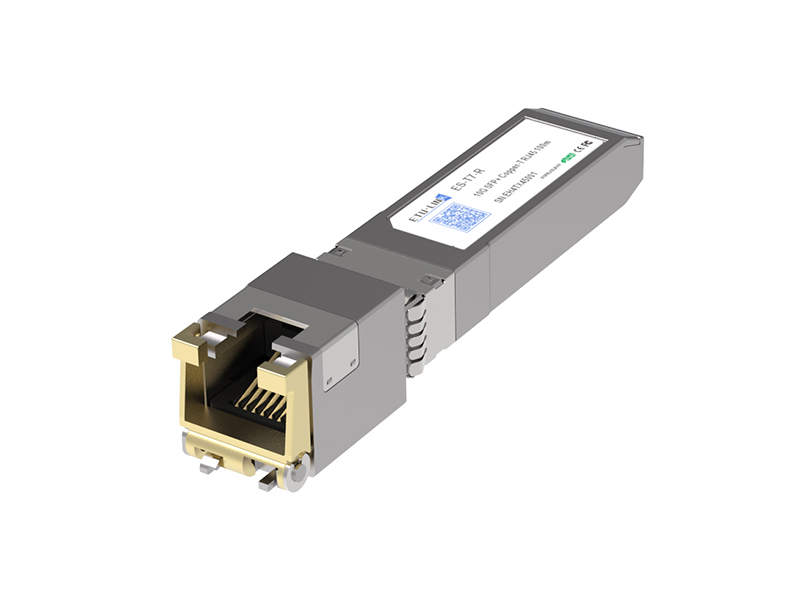 COPPER-T
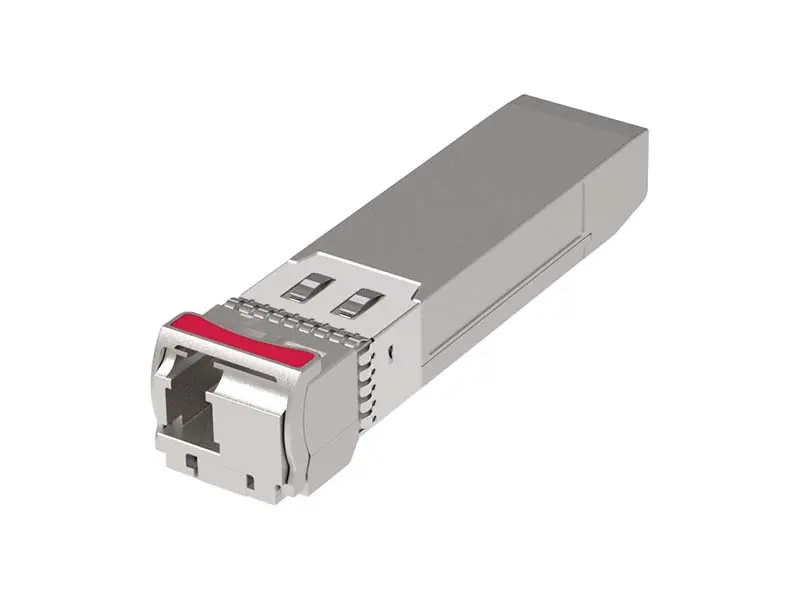 Other
Other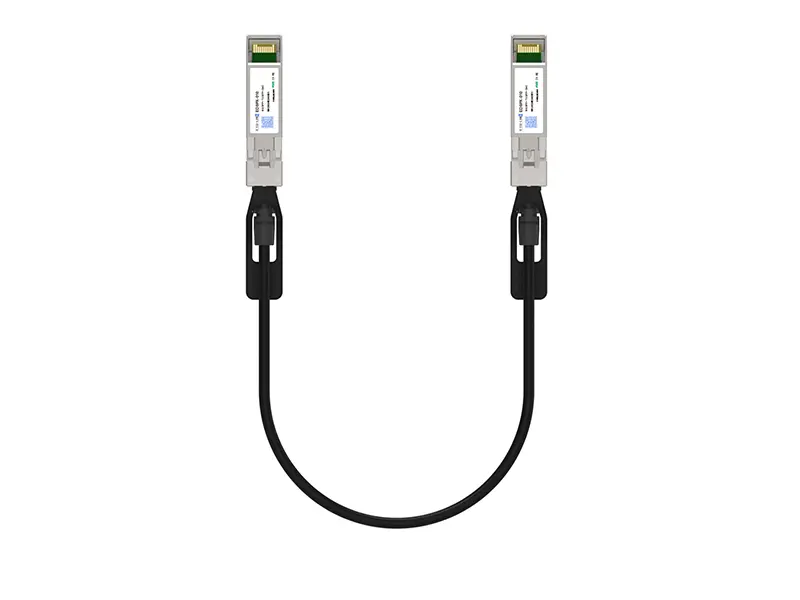 10G SFP+ DAC
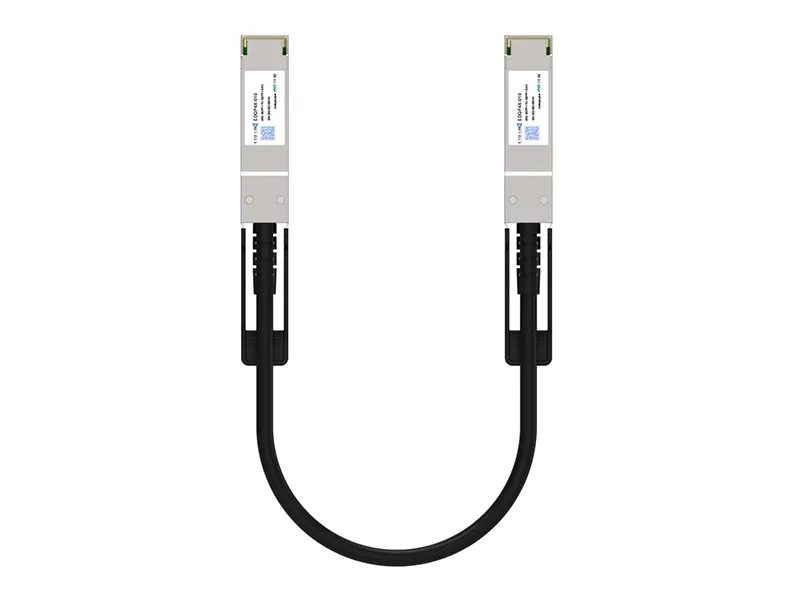 40G QSFP+ DAC
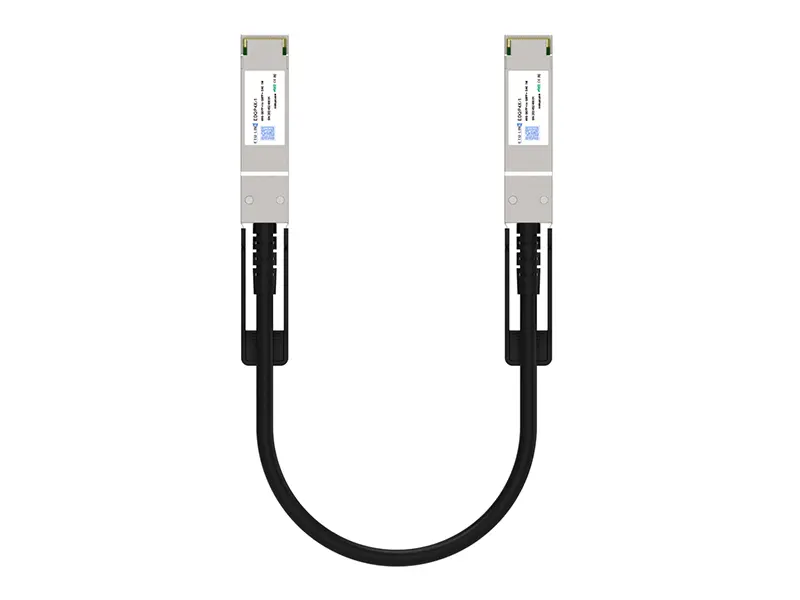 56G QSFP+ DAC
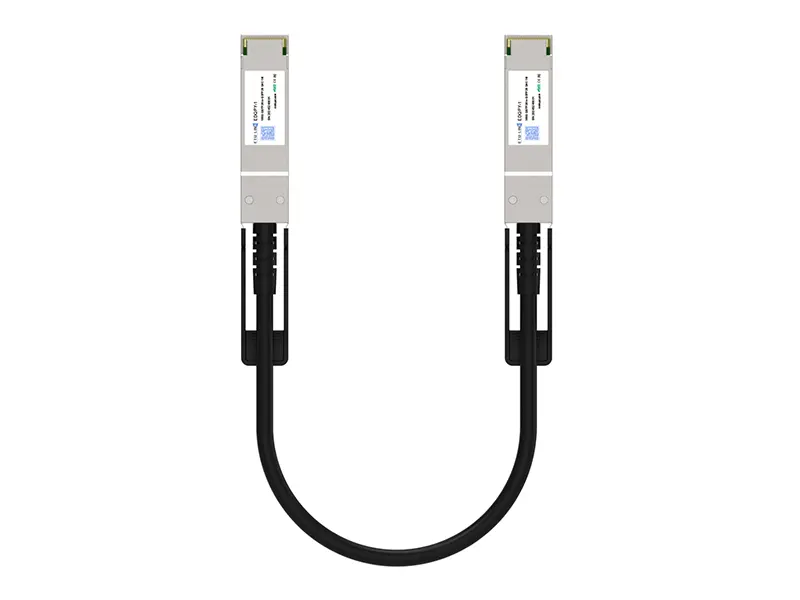 100G QSFP28 DAC
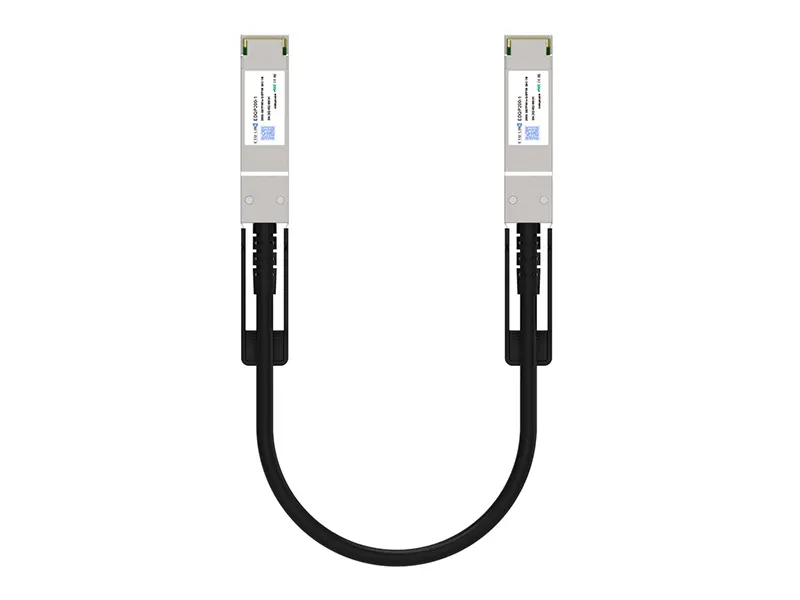 200G QSFP56 DD DAC
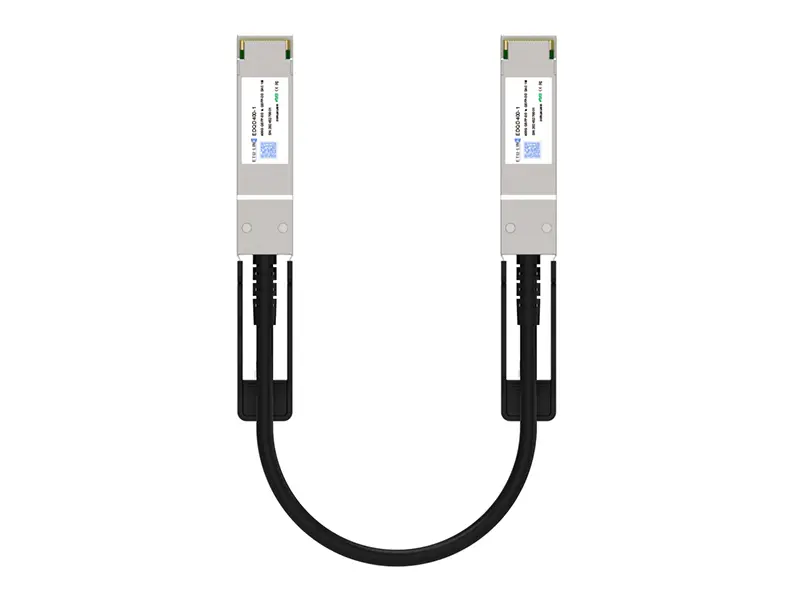 400G QSFP DD DAC
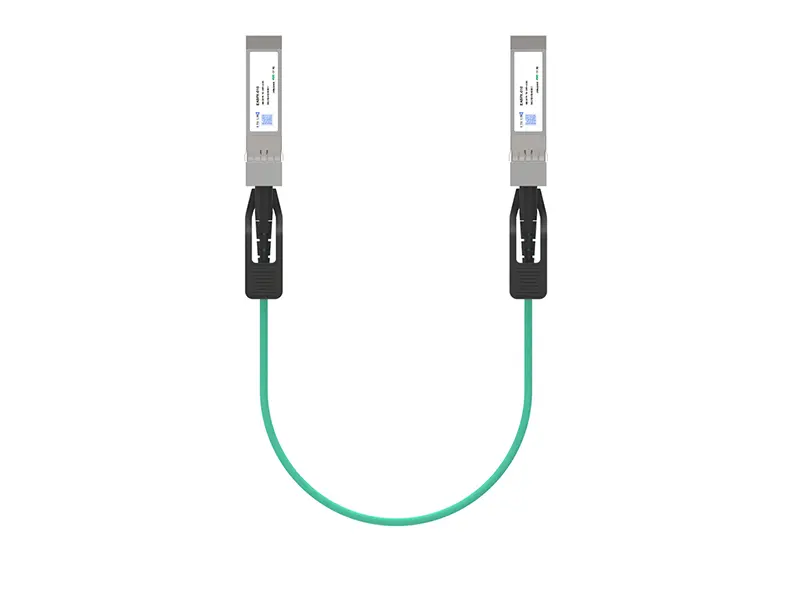 10G SFP+ AOC
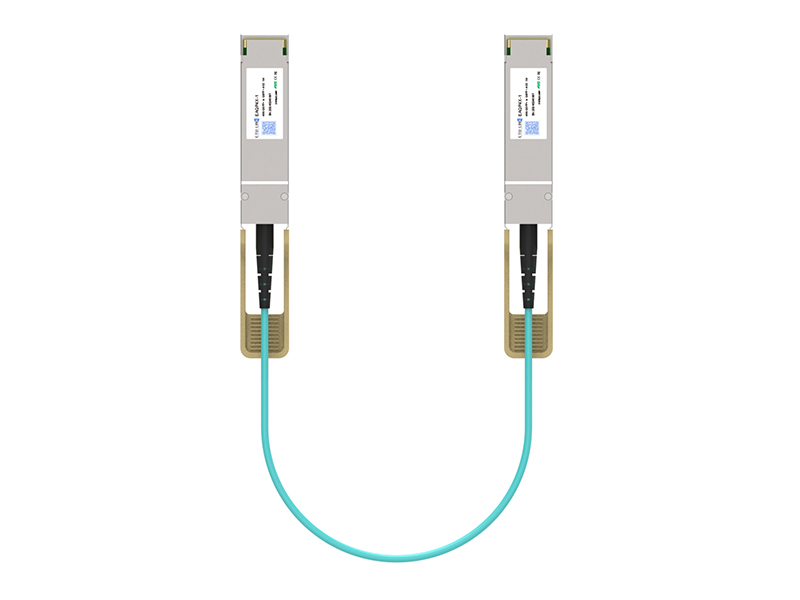 40G QSFP+ AOC
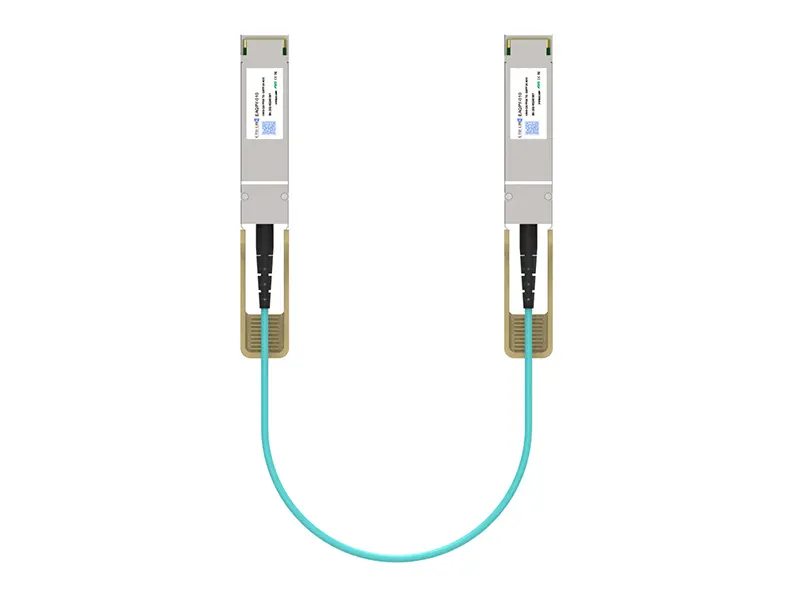 100G QSFP28 AOC
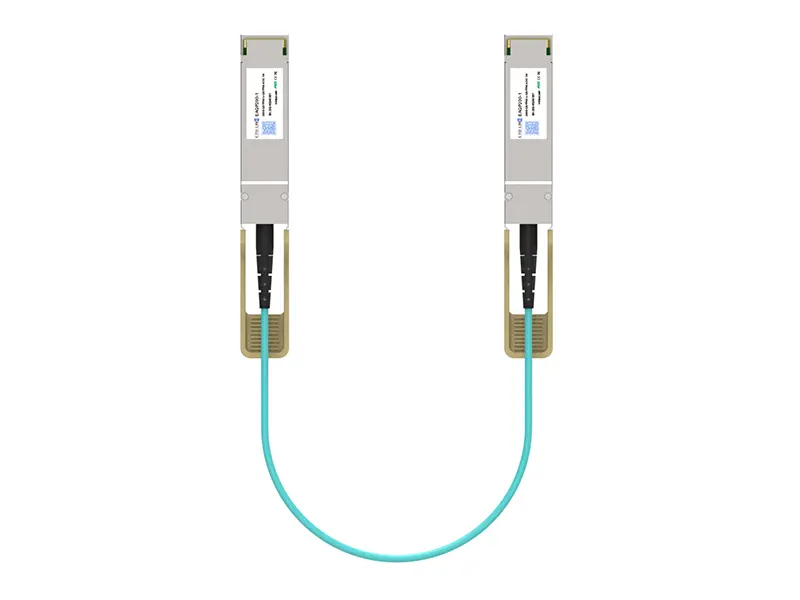 200G QSFP56 AOC
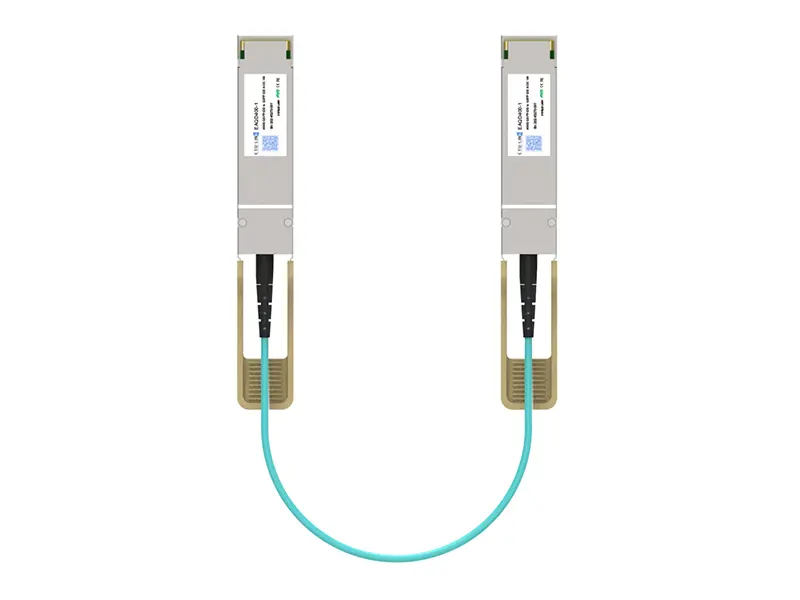 400G QSFP-DD AOC
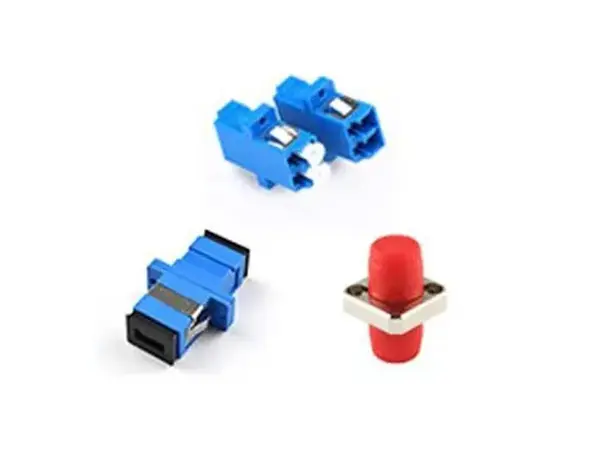 Adapter Details
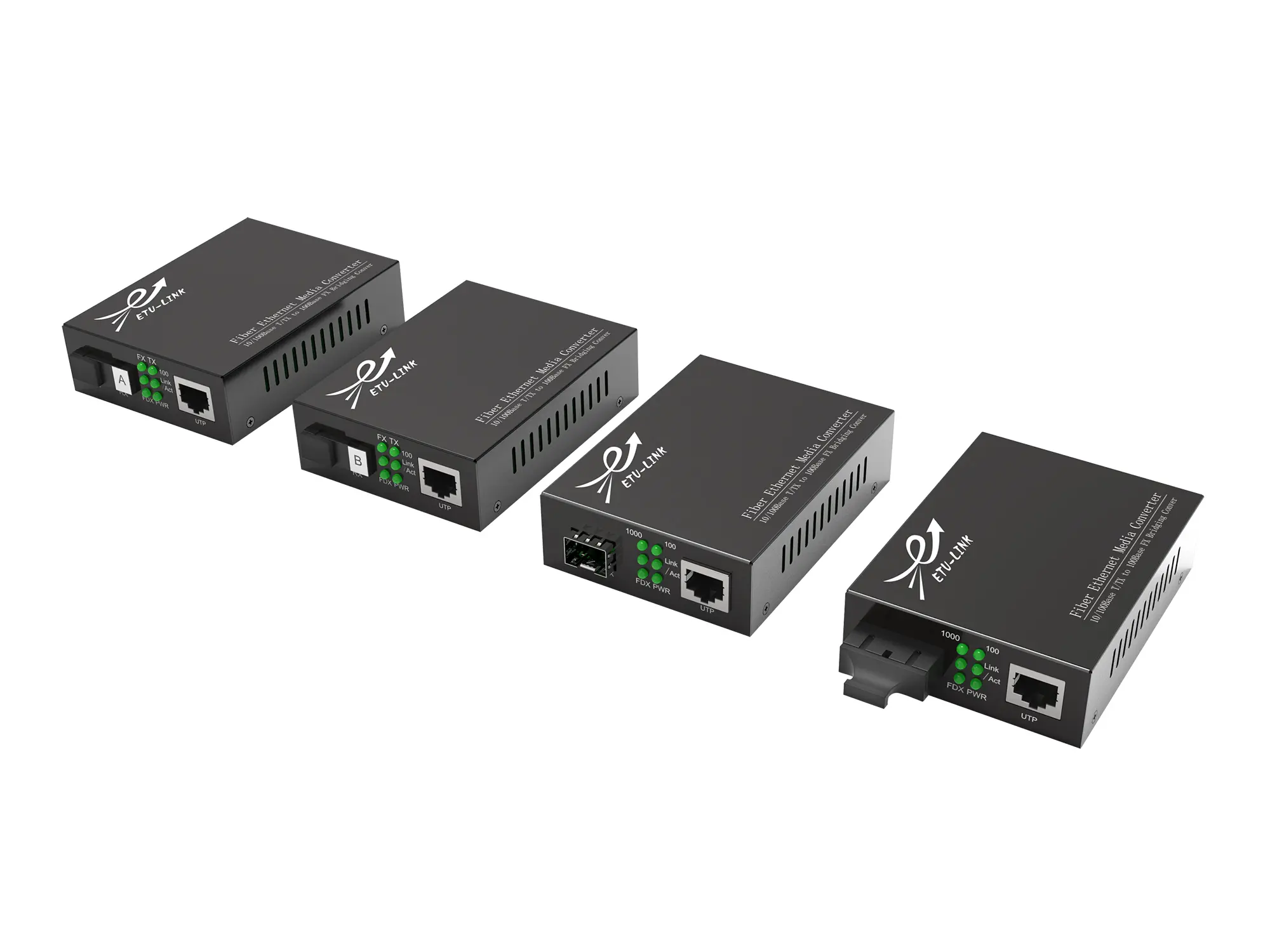 Media Converter