How to Choose the Best 40G QSFP+ Active Optical Cable?
In the rapidly evolving world of data centers, the demand for high-speed connectivity is critical. The adoption of 40G QSFP+ Active Optical Cable has surged, primarily due to its impressive bandwidth capabilities and reduced power consumption. According to a report by MarketsandMarkets, the global market for optical cables is projected to reach USD 15.8 billion by 2025, with active optical cables like the 40G QSFP+ playing a pivotal role in this growth.
Selecting the best 40G QSFP+ Active Optical Cable can be challenging. Many factors influence performance, including distance, data rate, and application environments. A recent study by industry experts highlights that nearly 30% of buyers report dissatisfaction due to mismatched specifications and compatibility issues. This emphasizes the need for precise consideration and understanding when choosing cables to avoid pitfalls.
Investing in high-quality cables is crucial for optimal network performance. Yet, many users overlook this step, leading to long-term frustrations. With numerous manufacturers offering various options, how can one ensure they select the right 40G QSFP+ Active Optical Cable? This introduction sets the stage for a thorough examination of the selection process, aiming to provide reliable insights and recommendations for making informed decisions.
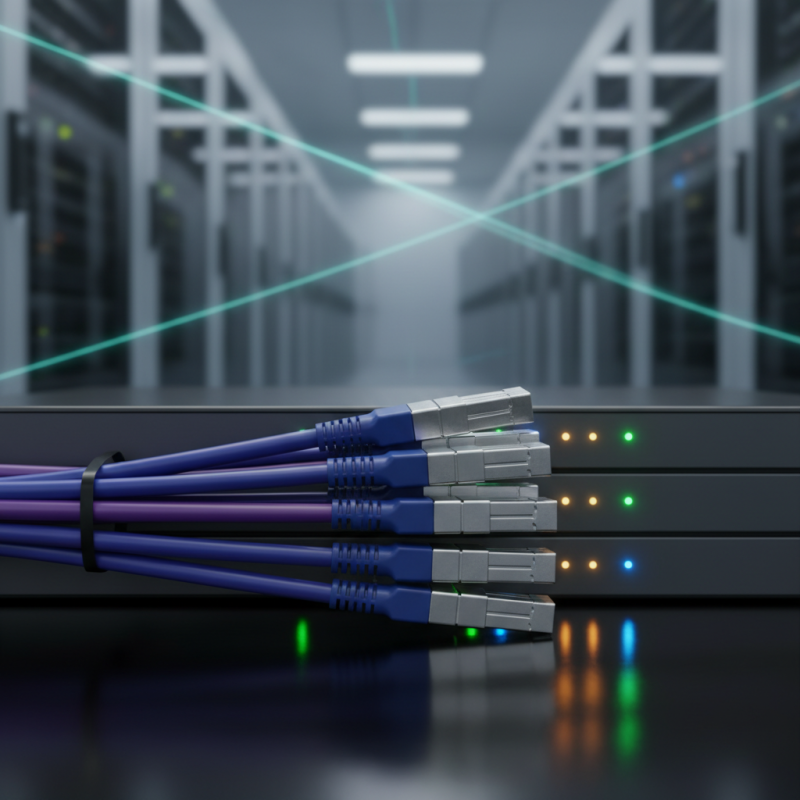
Understanding 40G QSFP+ Active Optical Cables and Their Applications
40G QSFP+ Active Optical Cables (AOC) are critical for modern data centers and high-speed networks. Their lightweight design and flexibility make them ideal for dense setups. Unlike traditional copper cables, they support longer distances, often exceeding 100 meters. This feature is essential for interconnecting devices across large spaces without signal degradation.
AOCs use optical technology to achieve high data rates. They convert electrical signals into optical signals. This process allows for greater bandwidth and reduced power consumption. Their applications extend to various sectors, including cloud computing and telecommunications. Organizations seeking reliable and high-performance solutions often turn to these cables. However, it's important to reflect on compatibility. Not all devices support the same specifications, which can lead to connectivity issues.
When choosing a 40G QSFP+ AOC, consider your specific needs. Evaluate factors like cable length and the environment where the cable will be used. Utilizing a cable that fits the setup is crucial. Poor selection can result in network bottlenecks. Technical specifications might seem overwhelming, but understanding your infrastructure helps simplify the decision. The right choice fosters efficient data transmission and network reliability.
Key Factors to Consider When Selecting a 40G QSFP+ Active Optical Cable
When selecting a 40G QSFP+ Active Optical Cable, several key factors can guide your decision. The first aspect to consider is distance. These cables are designed for short to medium-range communication. They typically perform well up to 100 meters over multimode fiber. However, usage beyond this distance may compromise signal integrity. Evaluate your specific deployment needs to ensure optimal performance.
Another important factor is optical bandwidth. Ensure the cable supports the required data rates for your applications. Specifications for bandwidth, measured in MHz-km, should align with your network requirements. Also, take environmental factors into account. Some cables may struggle in extreme temperatures. Think about the installation environment and potential cable damage from wear and tear.
Furthermore, the construction quality of the cable deserves attention. Look for features like robust connectors. Poorly made connectors can lead to connectivity issues. Choosing cables that meet industry standards can enhance reliability significantly. While many options may look similar, subtle differences can impact performance dramatically. Your choice warrants careful thought and consideration to achieve a reliable network architecture.
How to Choose the Best 40G QSFP+ Active Optical Cable? - Key Factors to Consider When Selecting a 40G QSFP+ Active Optical Cable
| Factor |
Description |
Important Specifications |
| Cable Length |
Determine the distance between devices to select the appropriate cable length. |
1m, 5m, 10m, 30m |
| Data Rate |
Ensure that the cable supports 40G data rates for optimal performance. |
40Gbps |
| Connector Type |
Check compatibility with your devices’ ports; typically QSFP+ connectors. |
QSFP+ |
| Cable Material |
Choose between different materials like plastic or glass for flexibility and durability. |
Plastic / Glass |
| Power Consumption |
Consider power requirements, especially in larger setups, to ensure energy efficiency. |
< 1W |
| Operating Temperature |
Ensure that the cable can operate effectively within your environment's temperature range. |
0°C to 70°C |
Comparing Different Brands and Models of 40G QSFP+ Active Optical Cables
When selecting a 40G QSFP+ Active Optical Cable, comparing various brands and models is essential. Each model may differ in terms of performance, flexibility, and installation ease. Manufacturers often present unique specifications, which may confuse buyers. It's vital to assess the technical details such as bandwidth, latency, and reach. Active optical cables often promise lower power consumption and longer distances than traditional copper cables.
Tips for evaluating options include considering your specific needs. Think about your network's architecture. Is it dense with multiple connections, or does it require long-distance links? You might find some cables are better suited for data centers, while others excel in high-performance computing tasks.
Don’t just rely on data sheets. Look for user reviews and expert opinions. Real-world feedback can illuminate hidden flaws or advantages. Take your time to weight different factors. Sometimes, a less popular model may outperform a leading brand in certain scenarios. It’s a nuanced decision process that warrants careful thought.
Evaluating Cable Length and Transmission Distance Requirements
When choosing a 40G QSFP+ active optical cable, evaluating cable length and transmission distance is crucial. The length of the cable directly impacts its performance. Long cables may introduce latency and signal loss. Understanding the environment is key. For example, a 100-meter cable might work well in a data center. However, a longer distance might require a different solution.
Transmission distance requirements depend on the specific application. High-speed data transfer demands reliable connections. Users should consider future scalability. It’s better to have a slightly longer cable than needed than a cable that is too short. In settings with frequent changes, longer cables can accommodate shift adjustments. Practical testing in real-world scenarios helps identify optimal distances.
Choosing the right cable isn't just a technical decision. It requires understanding of limitations. Some users may find that their selections fall short over time. Insights from past experiences can guide better choices. Don’t ignore feedback from installations. Every detail matters in creating a robust network environment. Subtle mistakes can lead to significant setbacks. Always be ready to reassess and refine.
Evaluation of 40G QSFP+ Active Optical Cable Length vs. Transmission Distance
Assessing Compatibility with Existing Network Infrastructure and Equipment
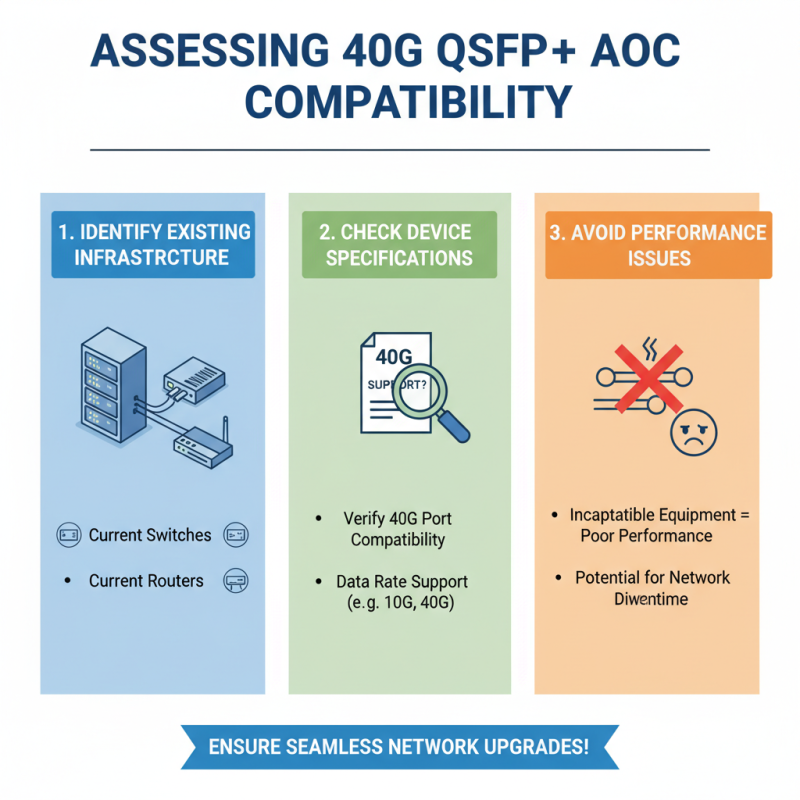
When selecting a 40G QSFP+ Active Optical Cable, compatibility is crucial. Evaluate your existing network infrastructure. Check the specifications of your current switches and routers. Ensure they support 40G connections. Many devices might not be compatible, leading to performance issues.
Look at the cable length requirements. Active optical cables come in various lengths. Your choice may depend on the layout of your data center or office. Too long a cable can lead to signal degradation, while too short may limit your setup. Test different configurations if possible. This helps assess how the cable interacts with your devices.
Consider future scalability and expansion needs. Your current setup may fit now, but what about in six months? Will you need to connect additional equipment? Reflecting on these aspects can help you avoid costly mistakes. Research helps solidify your understanding, but hands-on testing is invaluable. Engage with experts or peers for insights. Balancing these factors requires careful consideration.

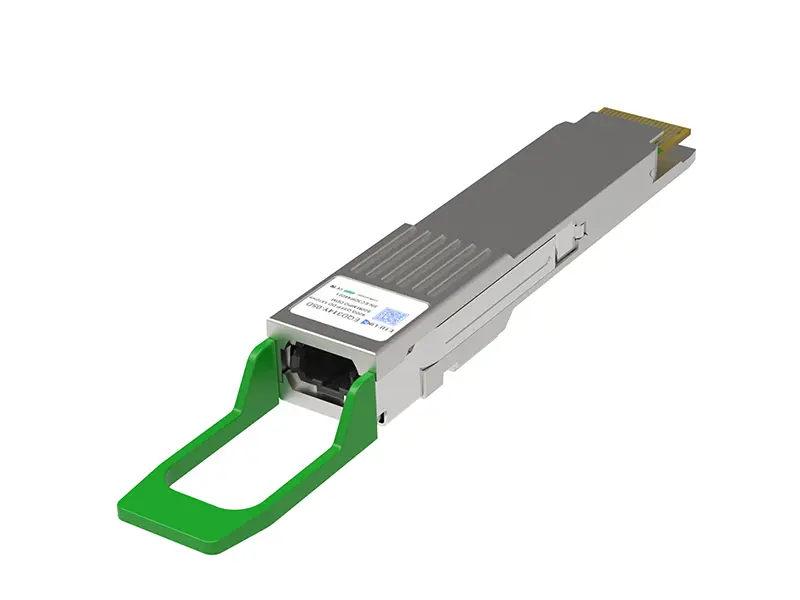 400G
400G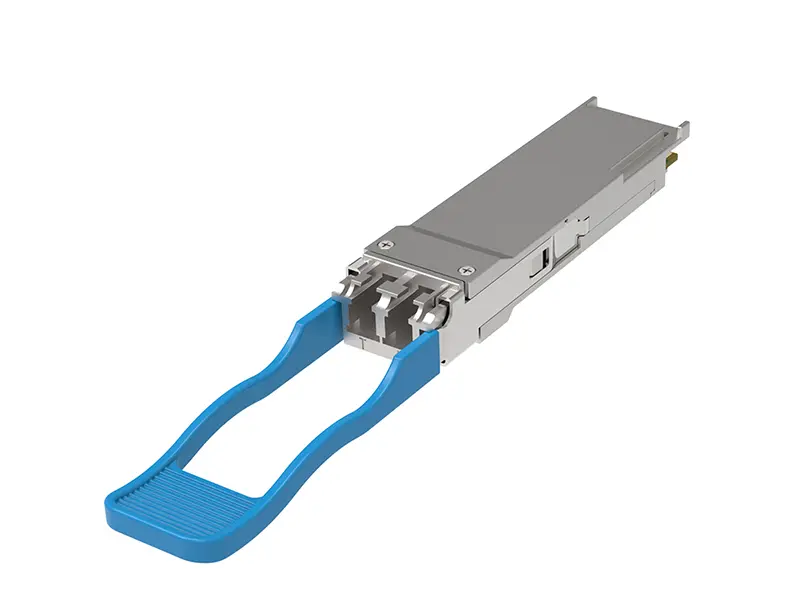 200G
200G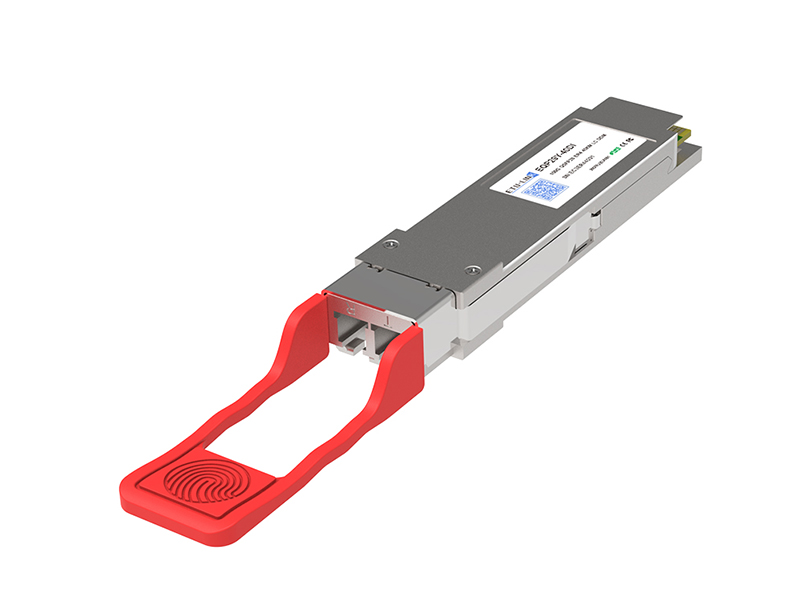 100G
100G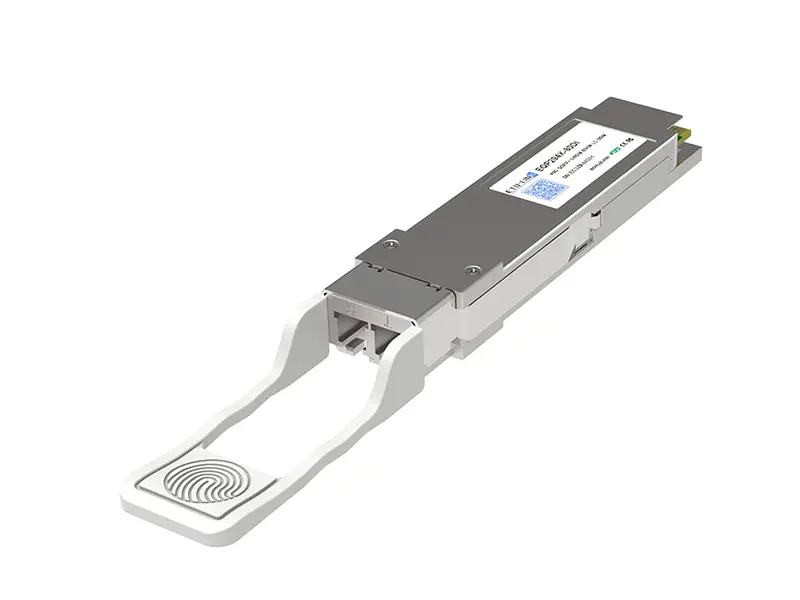 40G
40G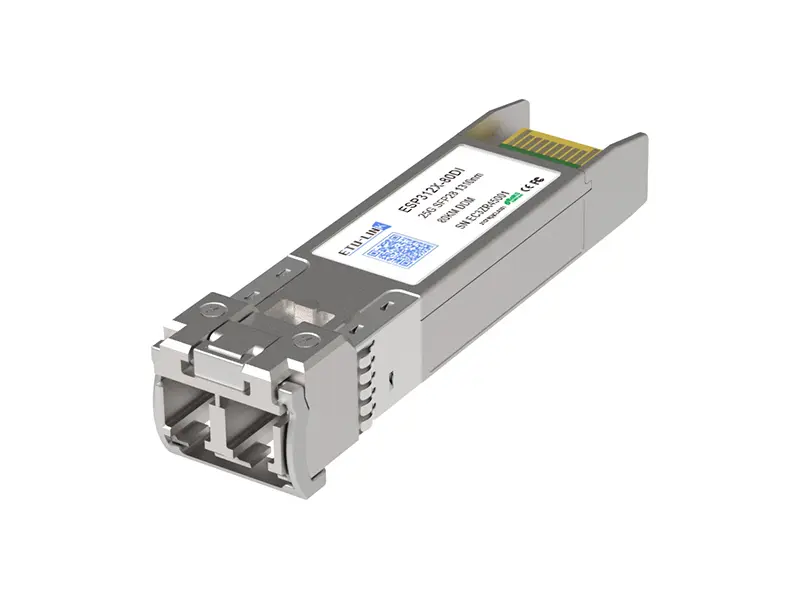 25G
25G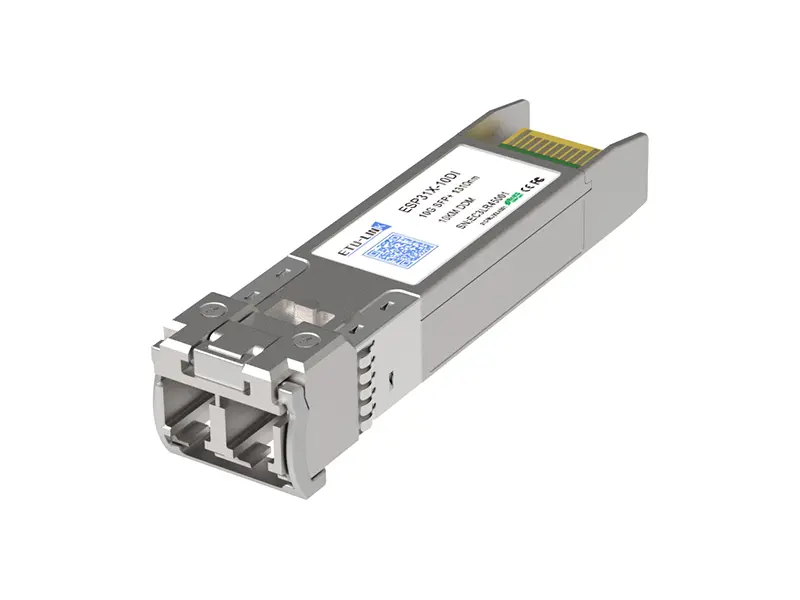 10G
10G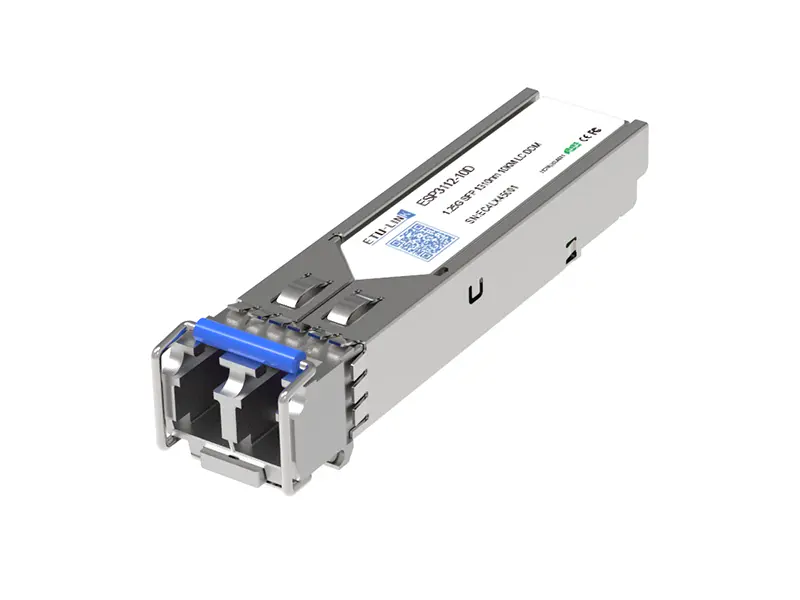 1G
1G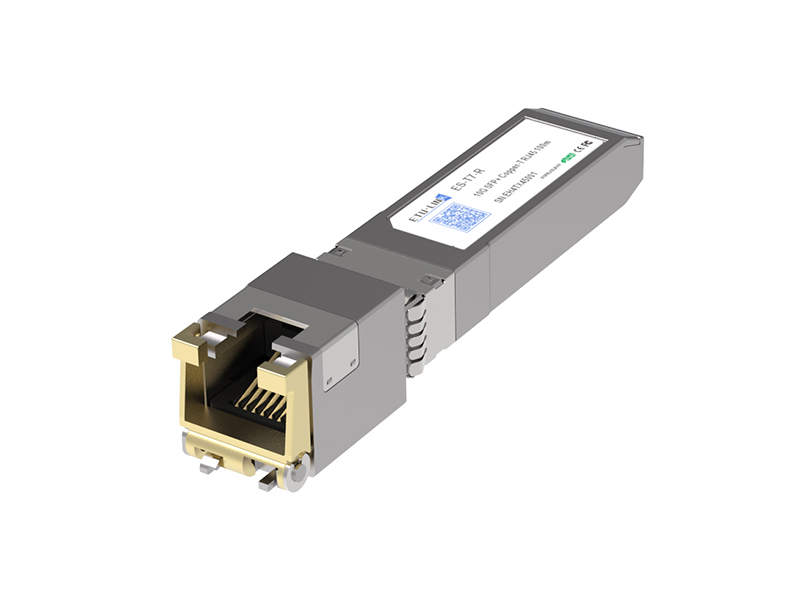 COPPER-T
 Other
Other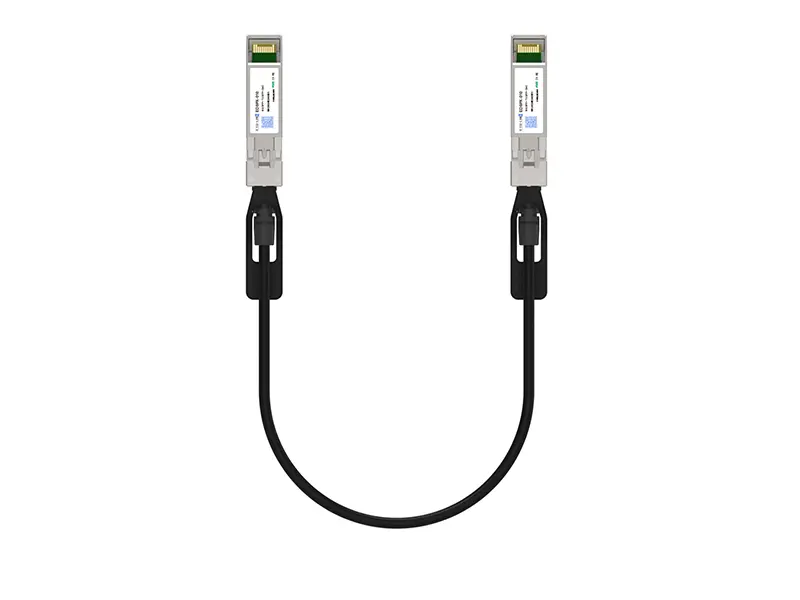 10G SFP+ DAC
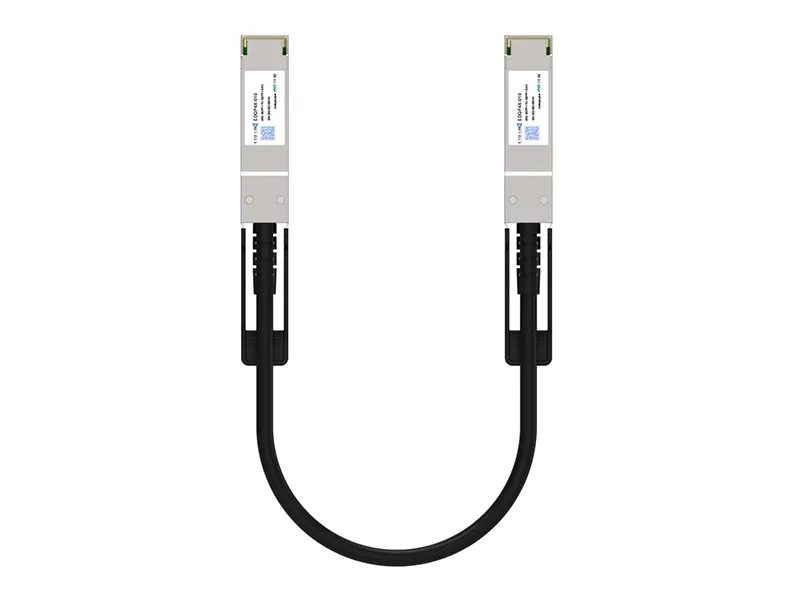 40G QSFP+ DAC
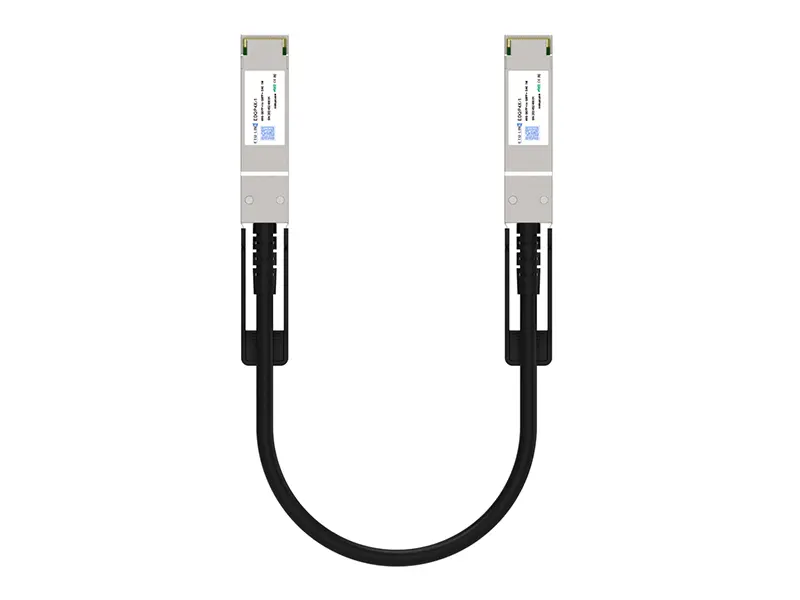 56G QSFP+ DAC
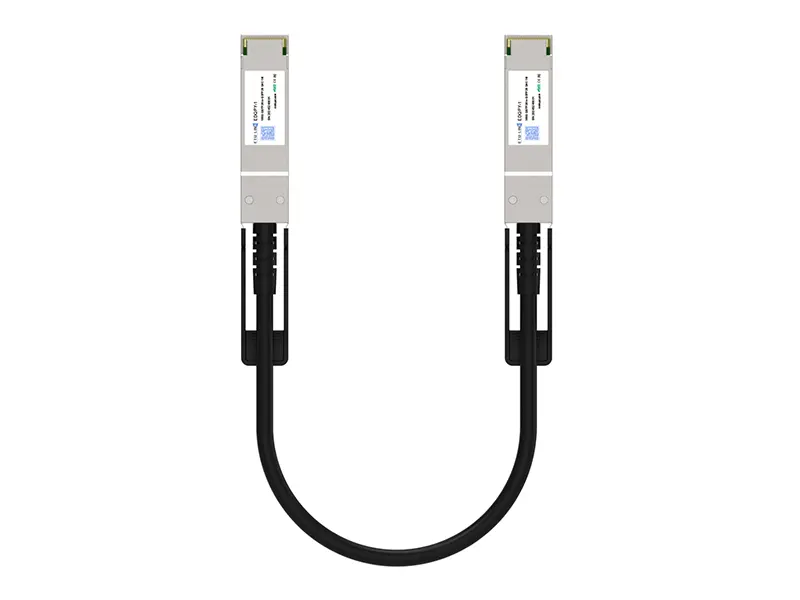 100G QSFP28 DAC
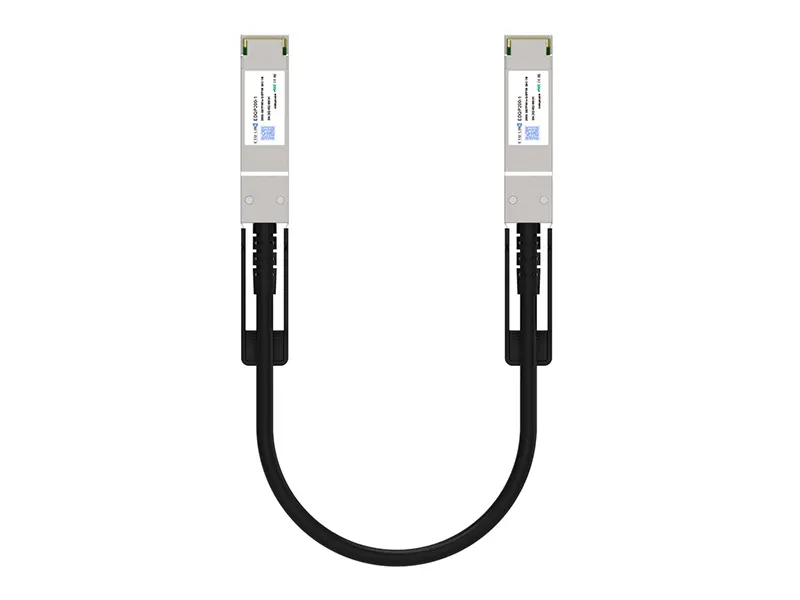 200G QSFP56 DD DAC
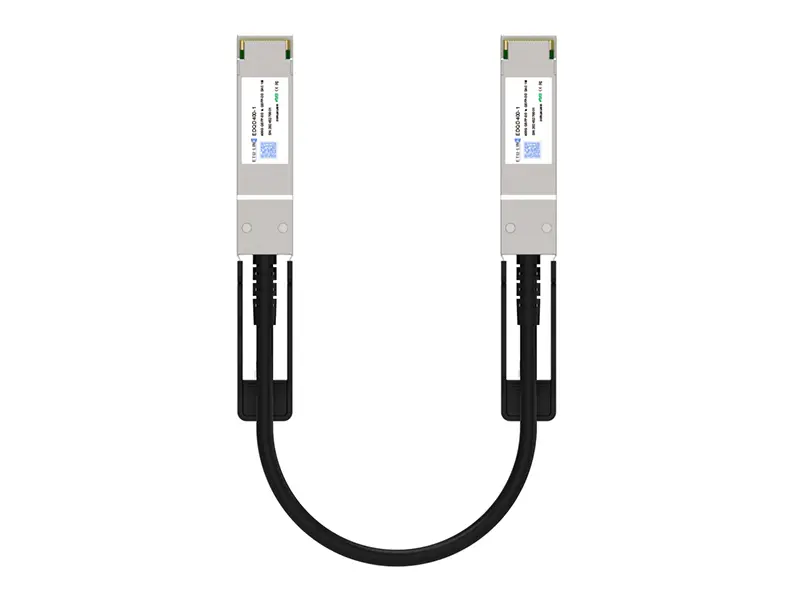 400G QSFP DD DAC
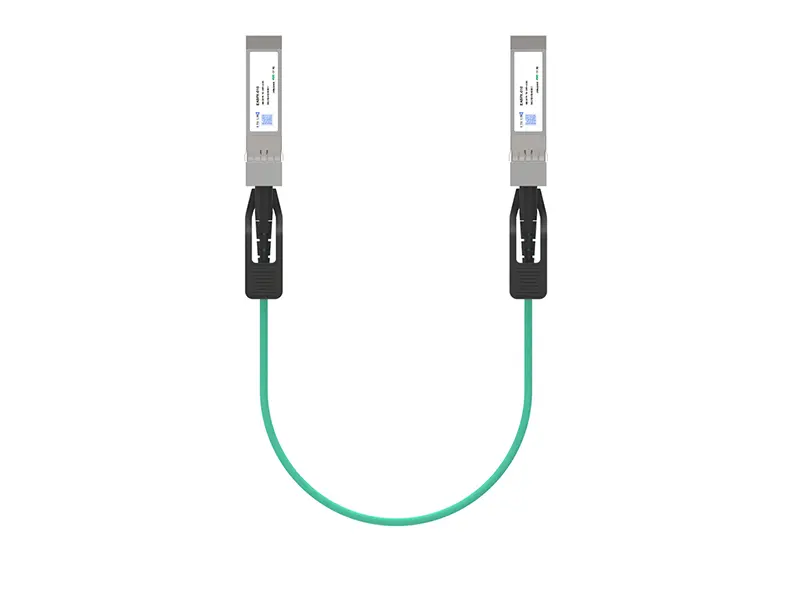 10G SFP+ AOC
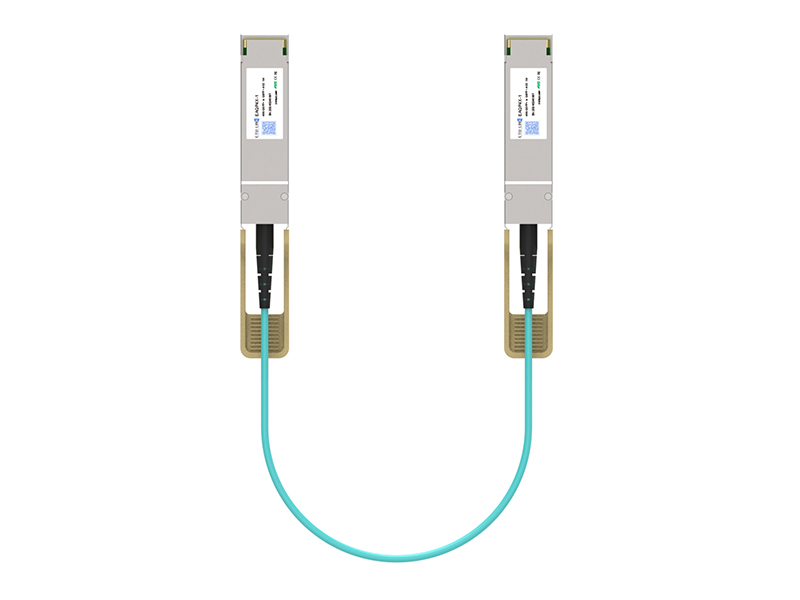 40G QSFP+ AOC
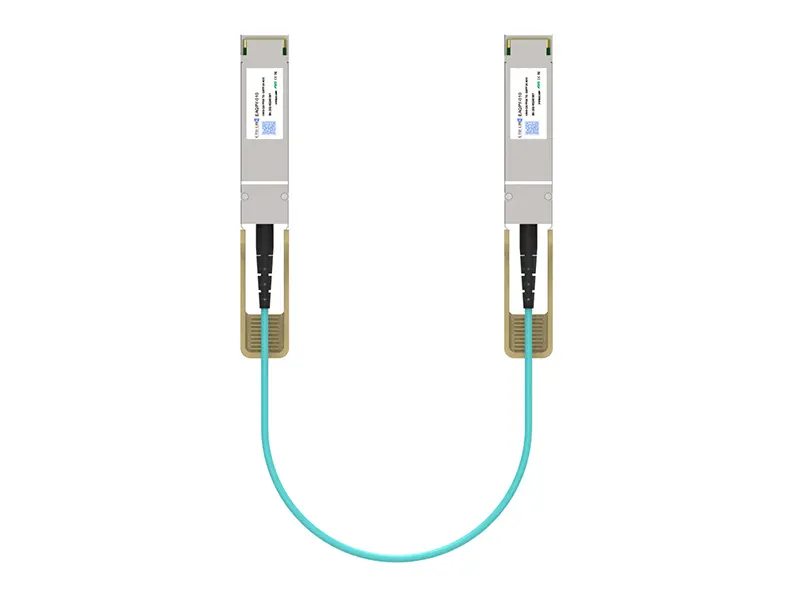 100G QSFP28 AOC
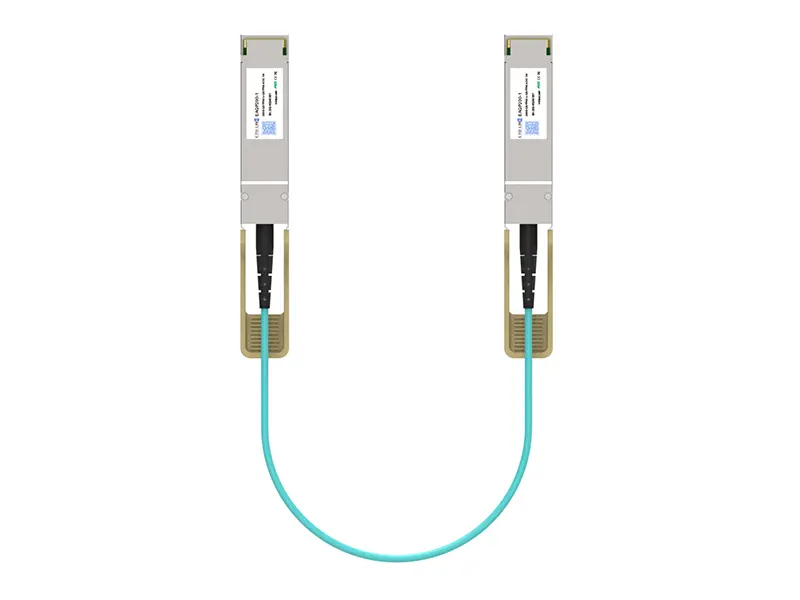 200G QSFP56 AOC
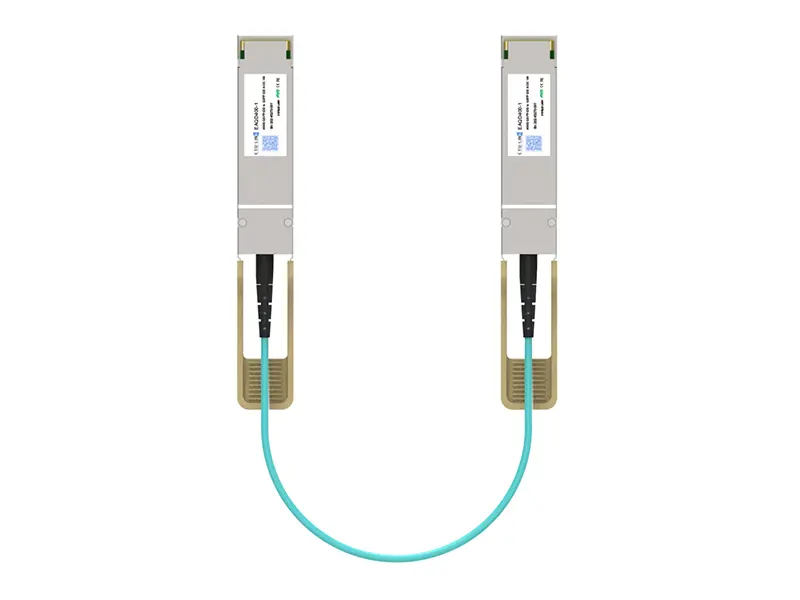 400G QSFP-DD AOC
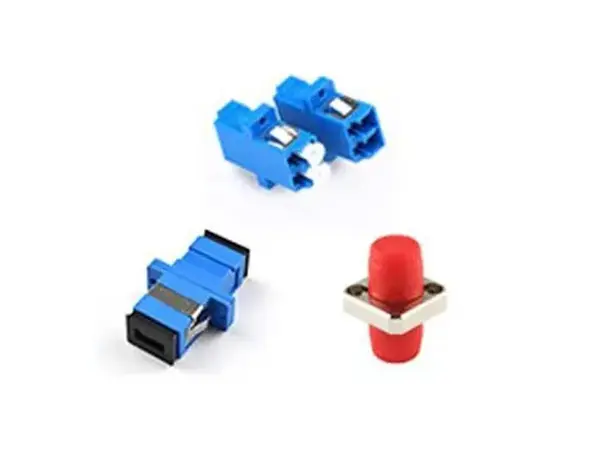 Adapter Details
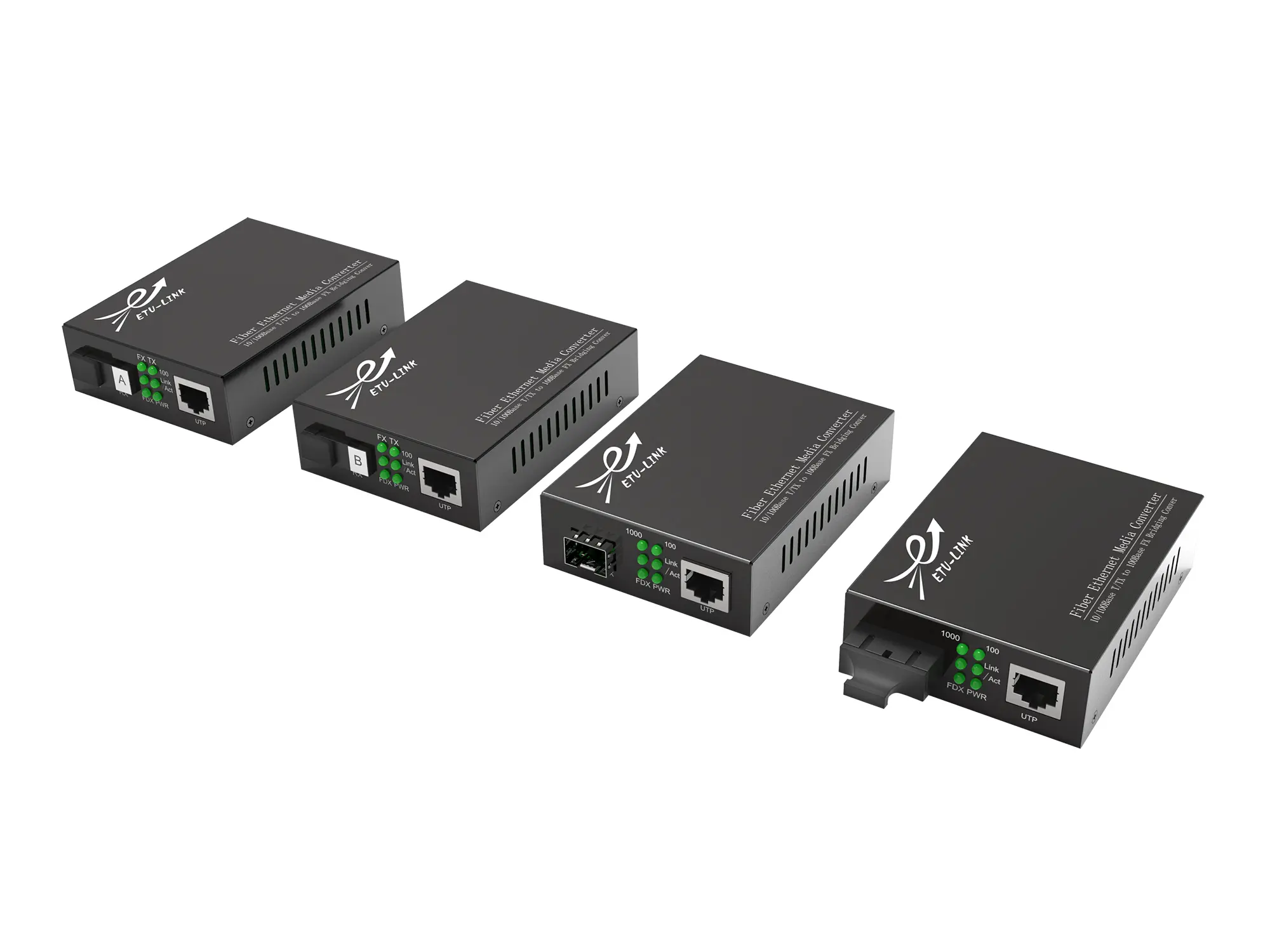 Media Converter