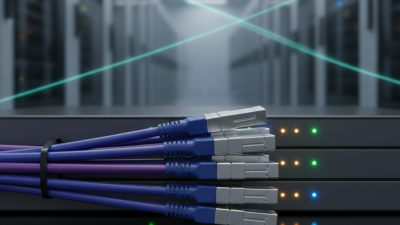
Top 10 Benefits of 40G QSFP Plus Active Optical Cable for Data Centers?
In the rapidly evolving world of data centers, the choice of cabling technology plays a critical role in performance. The "40G QSFP+ Active Optical Cable" stands out as a leading option. According to a recent report by Data Center Dynamics, over 60% of data centers are shifting to high-speed optical interconnects to meet increasing bandwidth demands. This trend reflects the industry's push for efficiency and speed.
Dr. Emily Chen, a recognized expert in optical cabling solutions, highlights this necessity: "40G QSFP+ Active Optical Cables are essential for modern data centers seeking the highest performance." This technology provides significant advantages, including reduced power requirements and simplified cabling systems. However, the initial investment can be a concern for budget-conscious operators.
While many corporations are embracing 40G QSFP+ Active Optical Cables, some still hesitate to adopt new technology. Transitioning from established systems requires careful planning and assessment. Understanding the specific benefits can help decision-makers navigate these challenges effectively.
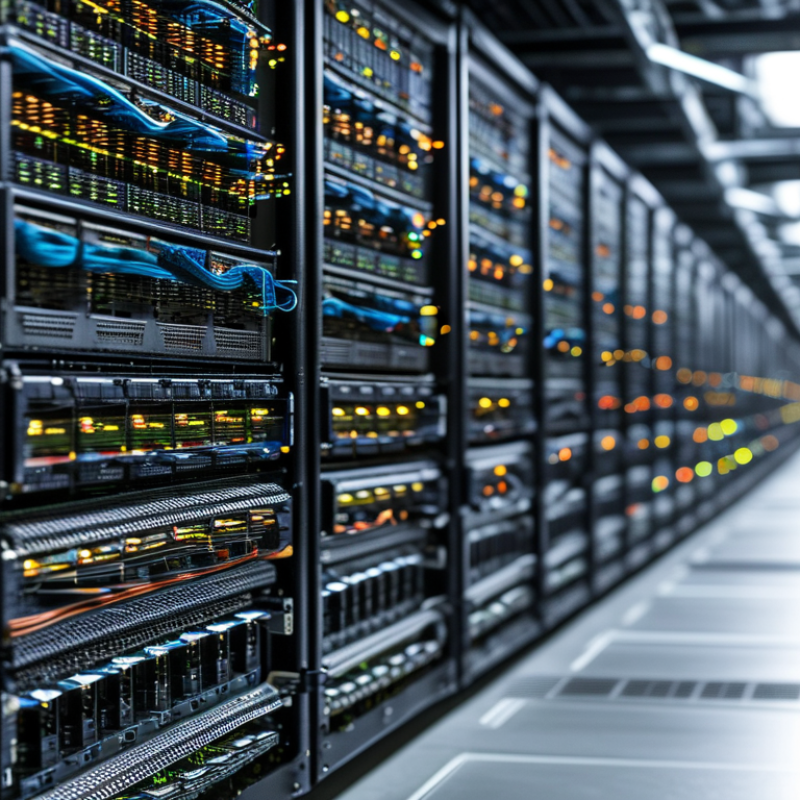
Overview of 40G QSFP Plus Active Optical Cable Technology
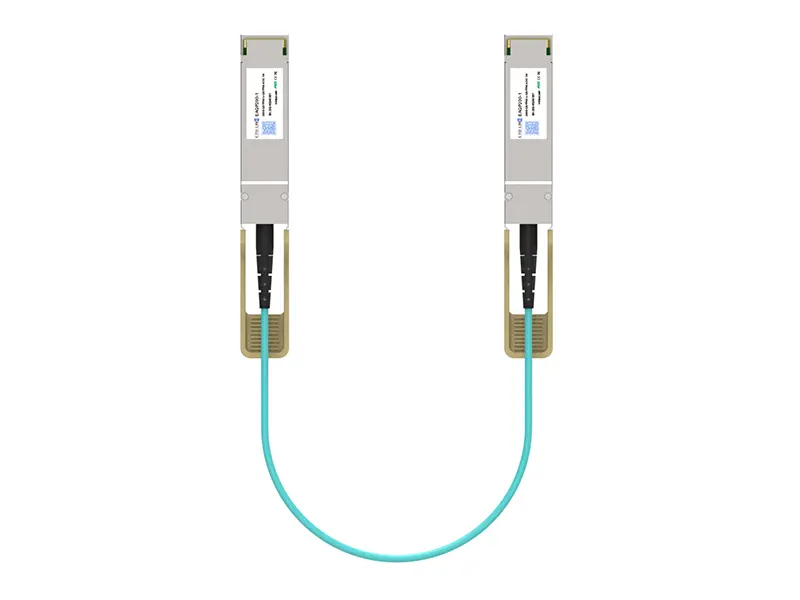
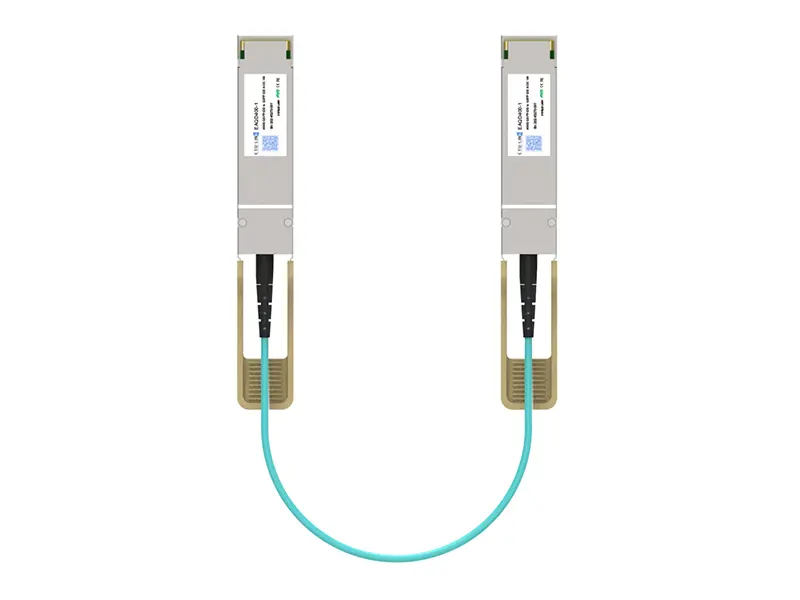
The 40G QSFP Plus Active Optical Cable (AOC) technology represents a significant step in high-speed data center connectivity. Utilizing multi-mode fiber optics, these cables enable high-bandwidth data transmission with lower power consumption than traditional copper cables. This is essential for data centers that prioritize energy efficiency and performance. The lightweight design of AOCs simplifies installation, making it easier to manage complex network setups.
Implementing 40G QSFP Plus AOCs can reduce costs over time. They allow for longer distances without signal degradation, which is beneficial for large facilities. However, it's important to consider compatibility with existing infrastructure. Misalignment can lead to inefficiencies. A careful assessment of the network’s layout can help mitigate this issue.
Despite their benefits, the choice of 40G AOCs isn't always straightforward. The initial investment may be higher compared to copper solutions. Yet, over the lifespan of the cables, the increased efficiency can offset the initial expenditure. It's essential to weigh these factors carefully, ensuring that the technology aligns with the data center’s long-term goals.
Enhanced Bandwidth and Data Transfer Speeds in Data Centers
The demand for enhanced bandwidth and faster data transfer speeds in data centers has never been greater.
40G QSFP Plus Active Optical Cables offer a solution to this challenge. These cables support high data rates, enabling seamless communication between servers. Reduced latency is a notable benefit, as data can travel more quickly, optimizing overall network performance.
Implementing these cables can transform data center operations. They are lightweight and have a compact design. This not only saves space but also simplifies installations. However, some might overlook the initial costs and installation complexity. It’s essential to weigh these factors before making a decision.
Adopting new technology requires a thoughtful approach.
While 40G QSFP Plus cables provide impressive advantages, users need to consider power consumption. The balance between speed and energy efficiency can be tricky. As the data center landscape evolves, operators must remain vigilant. Being aware of the latest innovations is crucial for making informed choices. The quest for greater bandwidth and speed is ongoing.
Energy Efficiency and Cost Savings with Active Optical Cables
Active Optical Cables (AOCs) have emerged as a compelling choice for data centers. Energy efficiency is a critical consideration. AOC technology utilizes less power compared to traditional copper cables. According to a study by the Global Information Industry Association, AOCs can reduce energy consumption by up to 70%. This significant reduction can translate into lower operational costs for data centers.
The cost savings don’t just stop at energy efficiency. AOCs are generally lighter and more flexible than their copper counterparts. This means easier installation and reduced infrastructure costs. Data centers can save on cooling costs too, as AOCs generate less heat. The Optical Fiber Storage Market Report suggests that the reduced heat output of AOCs can lower HVAC running costs by as much as 30%.
However, not every data center may see these benefits immediately. The effectiveness of AOCs largely depends on the specific data center configuration. Organizations should reassess their cable management strategies continually. This reflection can help identify areas for improvement. A careful evaluation can lead to more informed decisions regarding cable deployment and technology upgrades, maximizing the benefits of AOCs.
Top 10 Benefits of 40G QSFP Plus Active Optical Cable for Data Centers
Reduced Latency and Improved Performance for High-Demand Applications
In the rapidly evolving landscape of data centers, reducing latency is paramount. The 40G QSFP Plus Active Optical Cable offers remarkable advantages in this area. With its advanced technology, it minimizes delays in data transmission. This makes it ideal for applications that demand real-time processing. Fatigue and inefficiencies are reduced, resulting in seamless connectivity.
Furthermore, the enhanced bandwidth capabilities support high-demand applications, such as big data analytics and cloud computing. The optical design minimizes signal loss and maximizes performance. This improvement is crucial for businesses relying on high-speed data access. However, shifting to new technology does require careful evaluation. Some users may experience a learning curve. The transition period could also introduce potential hiccups in operations.
Ultimately, the decision to adopt 40G QSFP Plus cables should consider both pros and cons. While the performance benefits are clear, the integration process may not be straightforward. Companies must weigh the immediate improvements against potential challenges. Taking a thoughtful approach will ensure long-term success in utilizing these advanced cables effectively.
Distance Extension Capabilities and Flexibility for Data Center Layouts
The 40G QSFP Plus Active Optical Cable (AOC) offers unmatched flexibility for data center layouts. AOC technology supports distances up to 100 meters on multimode fiber. This capability is crucial as data centers demand increasing density while maintaining efficient performance. According to a recent report from IDC, the data center market is expected to grow by 12% annually. This trend pushes for better cabling solutions that can adapt to various configurations.
One significant benefit of using 40G AOC is the ease of installation. These cables are lightweight and bendable, allowing for tighter bends in constrained spaces. Furthermore, they eliminate issues related to electromagnetic interference. A presentation from the Ethernet Alliance highlighted that AOCs reduce installation time by approximately 30%. This increases productivity during initial setups and expansions alike.
**Tip:** When deploying AOCs, consider the environment. Avoid placing cables near sources of heat, as this may affect performance.
Reliability remains a concern; while AOCs are robust, they are still susceptible to physical damage. Planning cable paths wisely can mitigate risks. It's essential to conduct regular checks as part of maintenance routines. Scrutinizing cable integrity is vital, as wear and tear could lead to unexpected failures down the line.
**Tip:** Implement a structured cabling management system. This helps track cable performance and placement, enhancing overall operational efficiency.
Top 10 Benefits of 40G QSFP Plus Active Optical Cable for Data Centers
| Benefit |
Description |
Impact on Data Centers |
| Distance Extension |
Supports lengths up to 100 meters, enabling extended network reach. |
Reduces the need for additional equipment to bridge distances. |
| Flexibility |
Lightweight and flexible design allows for easy installation in tight spaces. |
Improves layout efficiency and adaptability of data center designs. |
| Bandwidth |
Provides 40 Gbps data transfer rates, catering to high-performance applications. |
Enhances throughput for data-heavy operations. |
| Power Efficiency |
Lower power consumption compared to traditional copper solutions. |
Reduces operating costs and improves power usage effectiveness (PUE). |
| Heat Management |
Generates less heat, facilitating better thermal management in racks. |
Contributes to a stable data center environment. |
| Low Latency |
Delivers improved data transmission speeds with minimal delay. |
Enhances real-time processing capabilities. |
| Cost-effectiveness |
Reduces total cost of ownership through lower installation and maintenance costs. |
Maximizes ROI for data center investments. |
| Installation Ease |
Simple plug-and-play installation minimizes deployment time. |
Accelerates project timelines and reduces labor costs. |
| Enhanced Signal Integrity |
Advanced technologie provides better performance over longer distances. |
Improves reliability and consistency of data transmission. |
| Future-proofing |
Adaptable to evolving technologies and increasing data demands. |
Ensures long-term viability of network infrastructure. |

 400G
400G 200G
200G 100G
100G 40G
40G 25G
25G 10G
10G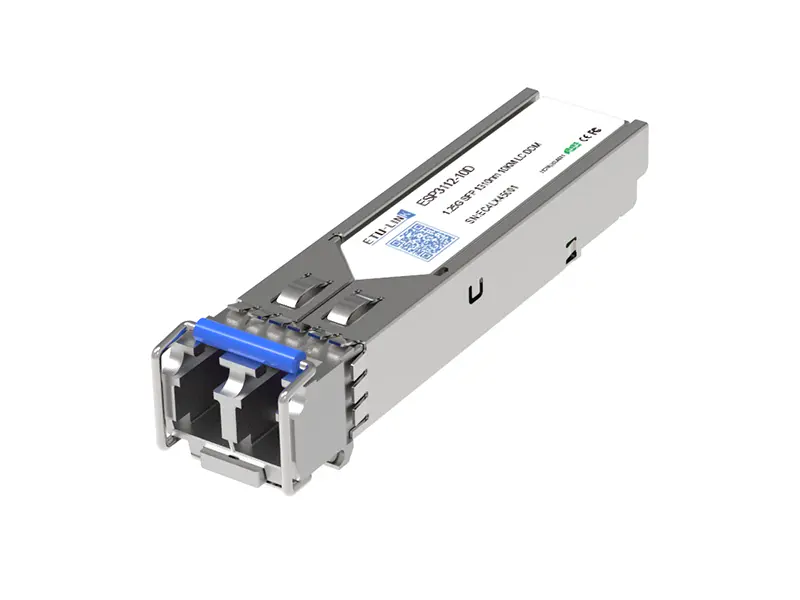 1G
1G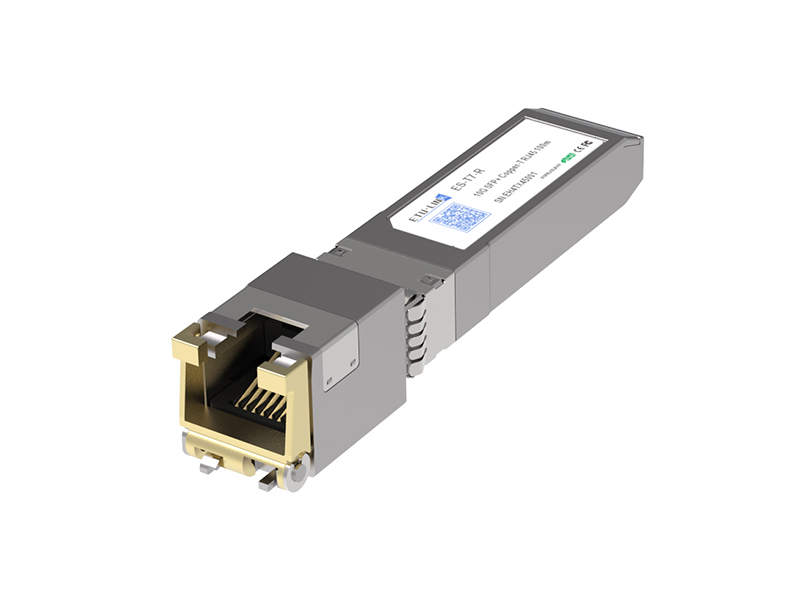 COPPER-T
 Other
Other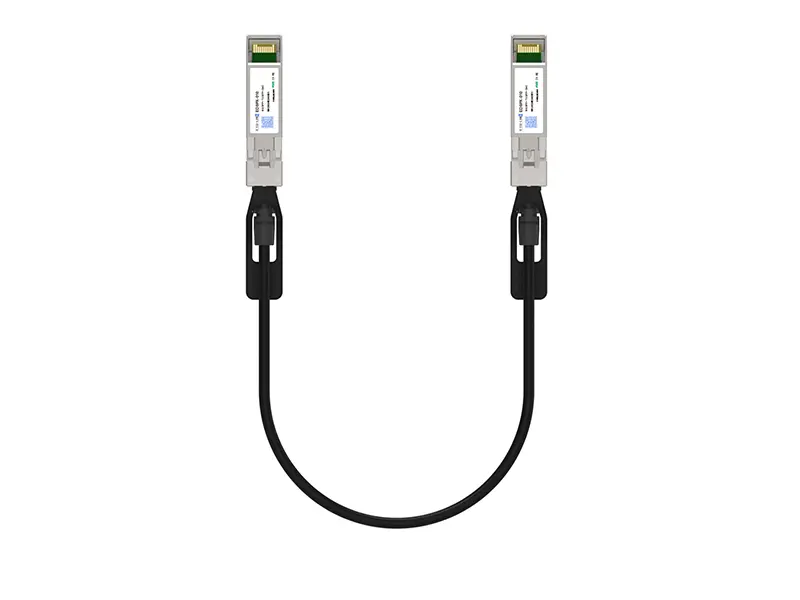 10G SFP+ DAC
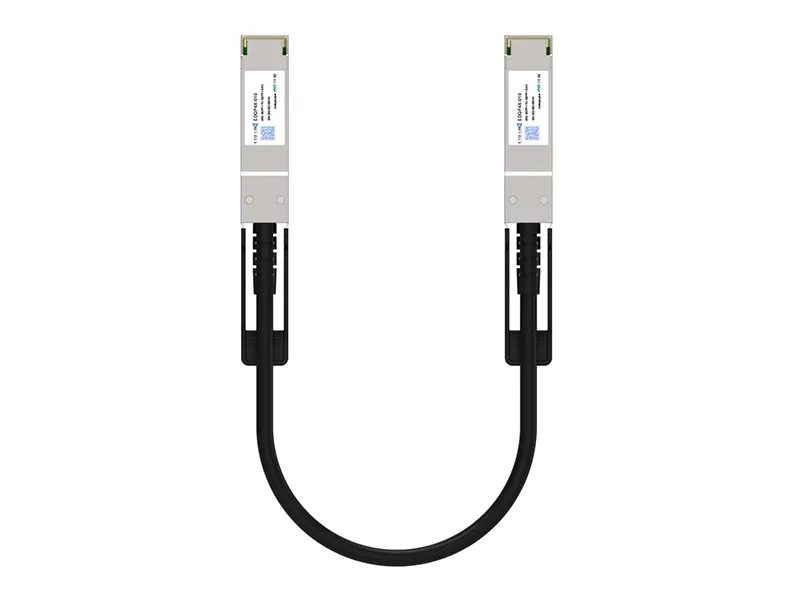 40G QSFP+ DAC
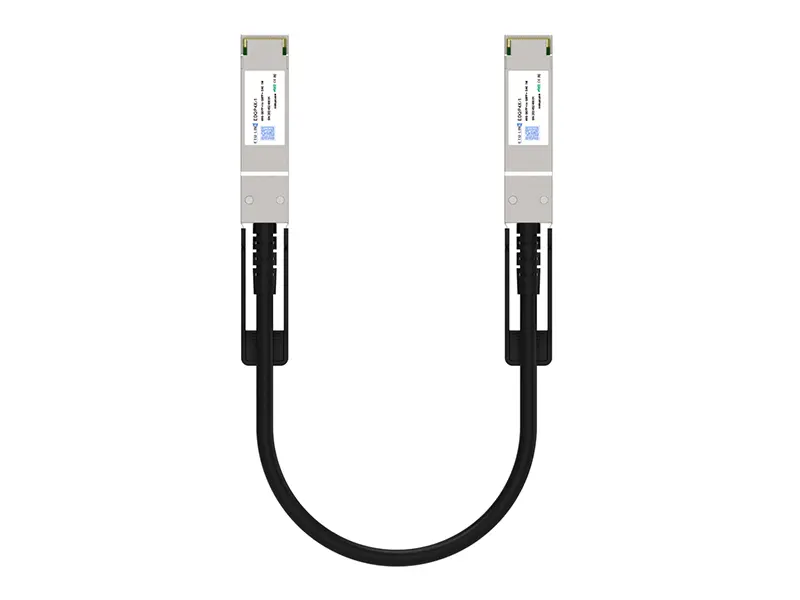 56G QSFP+ DAC
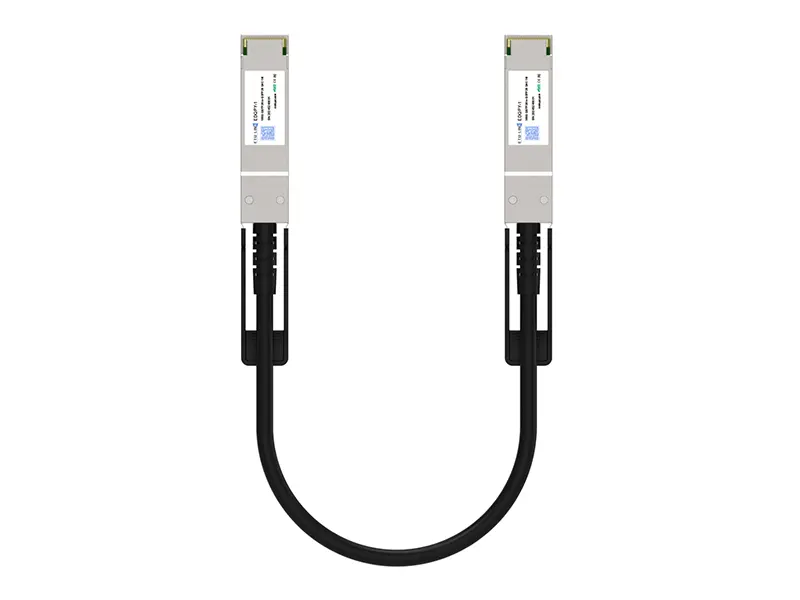 100G QSFP28 DAC
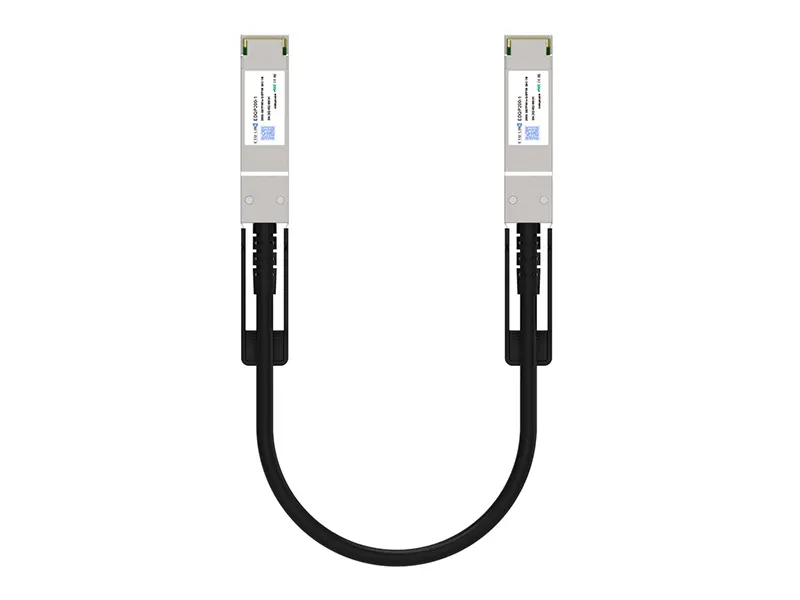 200G QSFP56 DD DAC
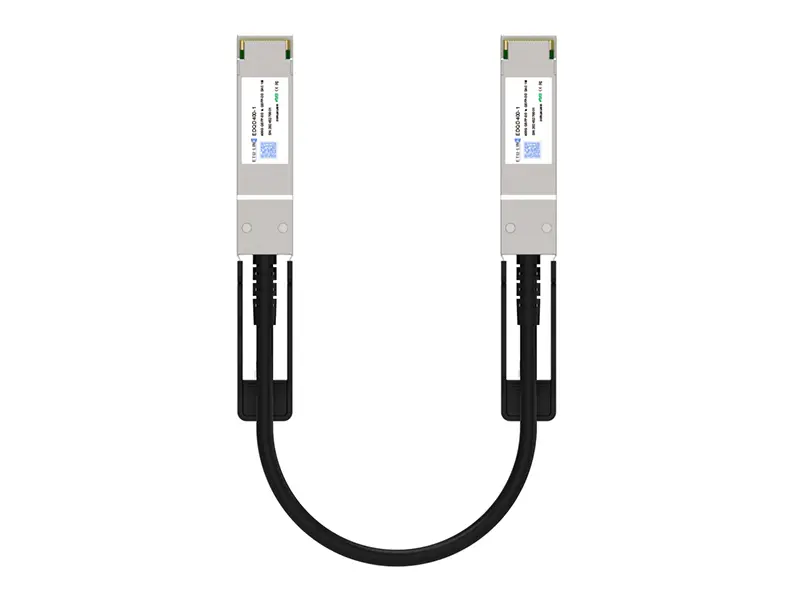 400G QSFP DD DAC
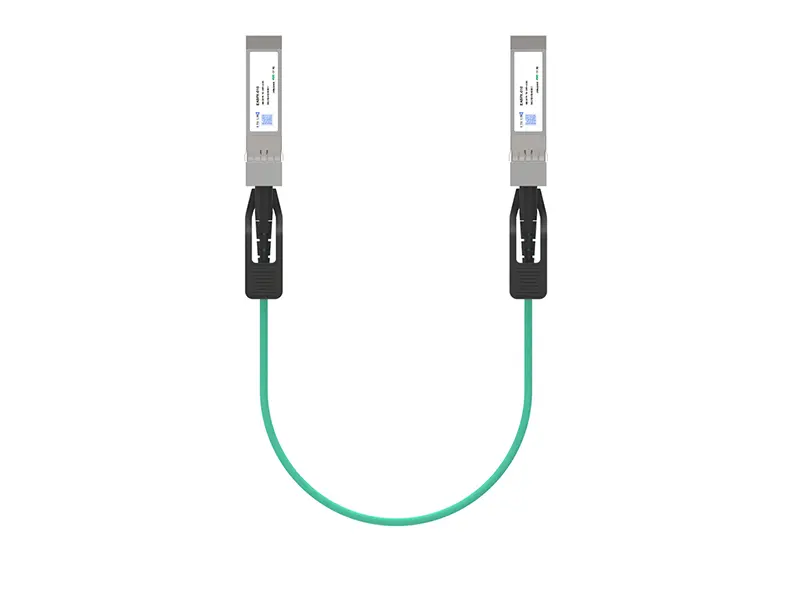 10G SFP+ AOC
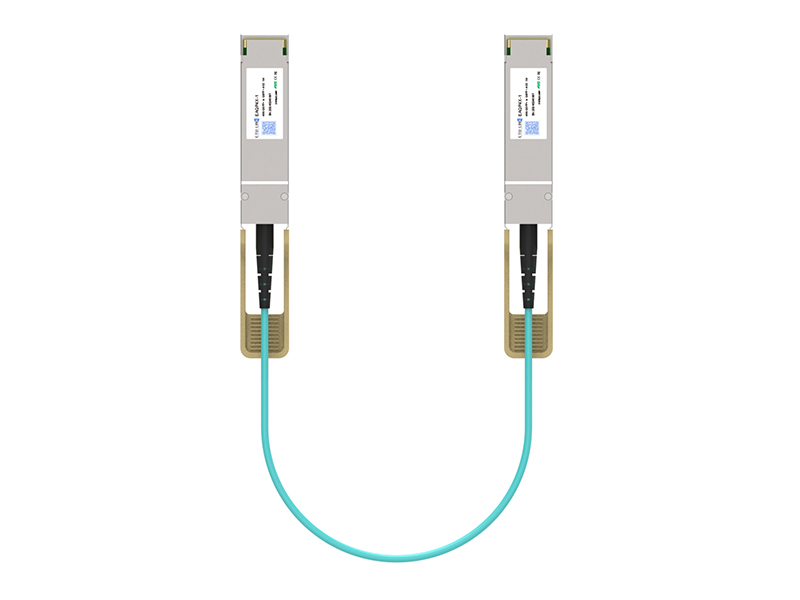 40G QSFP+ AOC
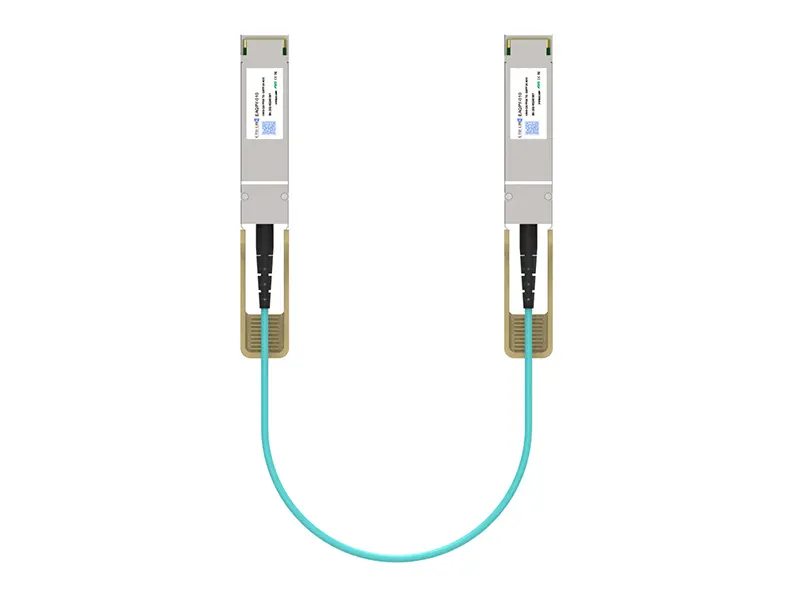 100G QSFP28 AOC
 200G QSFP56 AOC
 400G QSFP-DD AOC
 Adapter Details
 Media Converter