Top 5 Tips for Choosing 400G QSFP-DD AOC Cables?
In the ever-evolving realm of network connectivity, selecting the right cables can be daunting. The 400G QSFP-DD AOC cables present a modern solution for high-speed data transfer. These cables provide exceptional performance, enabling faster and more efficient data communication. However, not all cables are created equal. Buyers must consider several factors to ensure optimal performance and reliability.
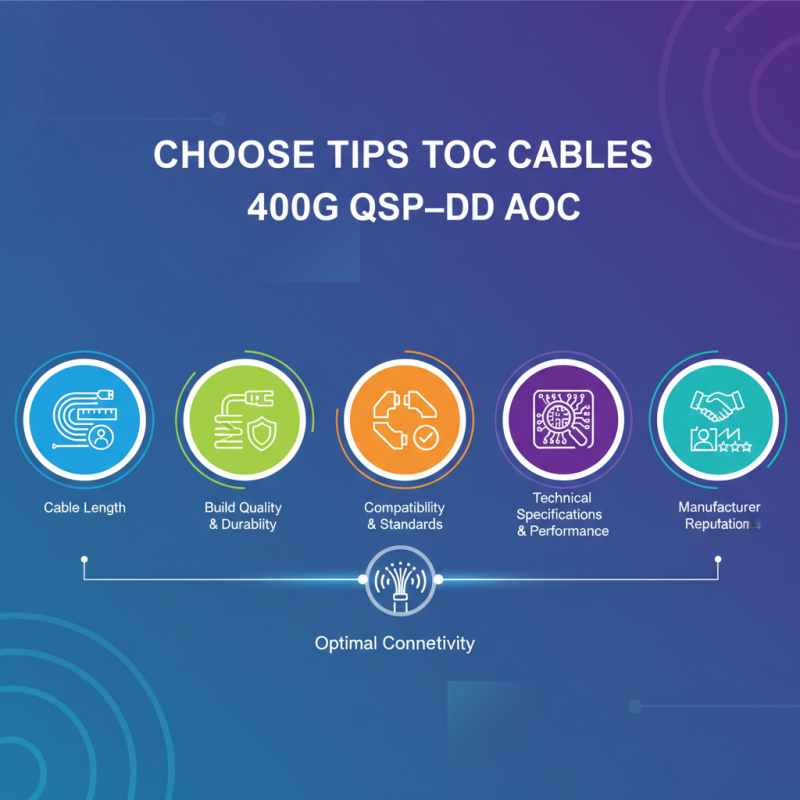
Choosing a 400G QSFP-DD AOC cable requires insight and experience. Factors such as cable length, build quality, and compatibility matter significantly. Careful examination of specifications is critical. Specific environments can pose challenges. Understanding these nuances is essential to avoid potential pitfalls. A wrong choice can lead to signal degradation or network failure.
As you navigate the options, keeping reliability in mind is crucial. Seek cables from reputable manufacturers to guarantee quality. User reviews and technical specifications can provide valuable insights. Remember, making an informed choice will enhance your networking infrastructure in the long run.
Understanding 400G QSFP-DD AOC Cables and Their Applications
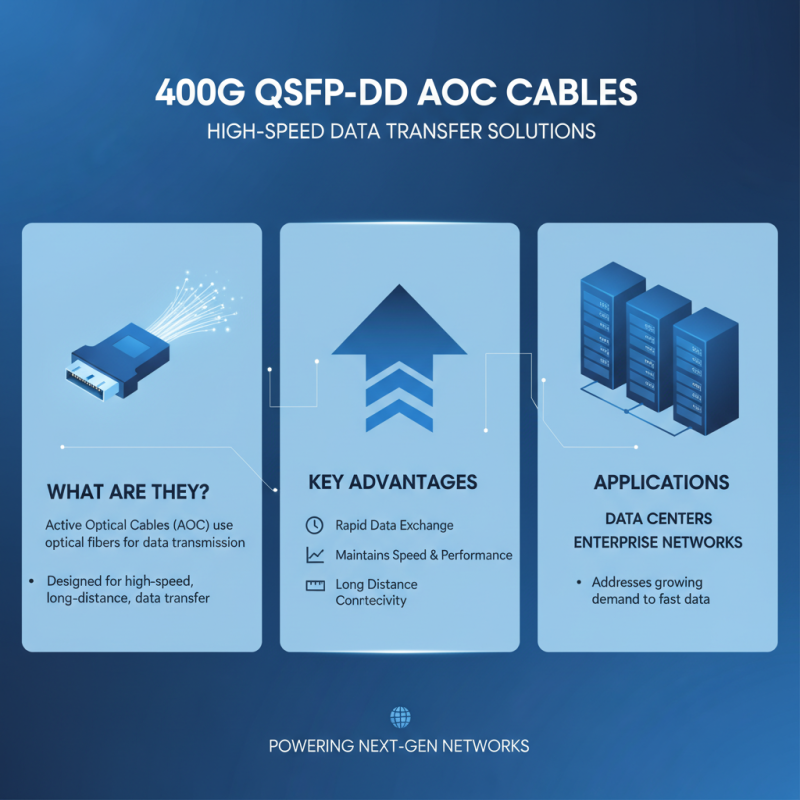
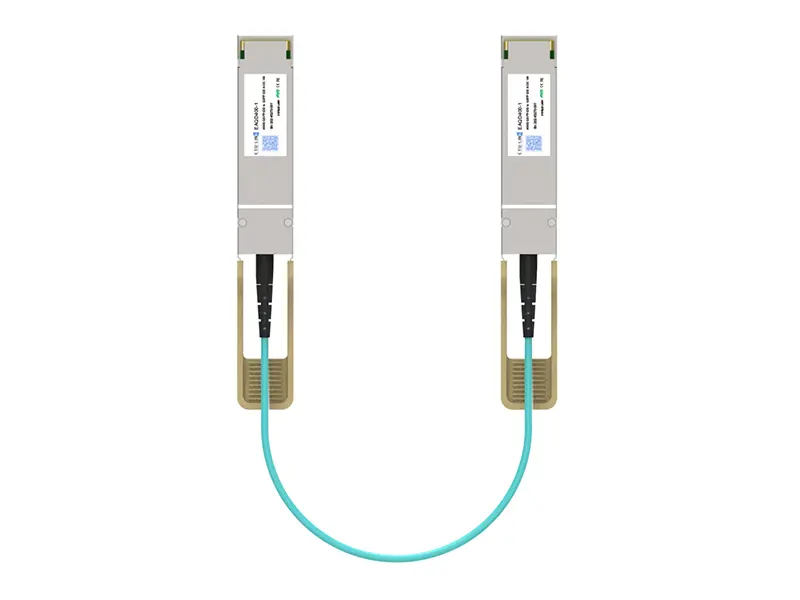
When selecting 400G QSFP-DD Active Optical Cables (AOC), understanding their applications is crucial. These cables are designed for high-speed data transfer in data centers and enterprise networks. With the growing demand for rapid data exchange, AOCs provide ideal solutions. They use optical fibers to transmit data over long distances while maintaining speed and performance.
The versatility of 400G QSFP-DD AOC cables makes them suitable for various environments. They are lightweight and flexible, which simplifies installation in tight spaces. Their ability to deliver high bandwidth helps meet increasing network demands. However, users should be cautious about compatibility with existing equipment. Not all devices support this technology, so verification is necessary.
It is essential to consider the total cost of ownership when choosing these cables. While the initial investment may be higher, the long-term benefits can outweigh this. However, potential buyers should reflect on their current and future bandwidth needs. Oversizing might lead to unnecessary expenses, while undersizing can hinder performance. A careful evaluation of these factors ensures effective integration into any network setting.
Evaluating Cable Lengths and Their Impact on Performance
When evaluating cable lengths for 400G QSFP-DD AOC cables, it's crucial to consider their impact on performance. Shorter cable lengths often offer better signal integrity, reducing latency and minimizing bit errors. According to industry reports, data transmission can degrade significantly over longer distances due to electromagnetic interference and attenuation.
Opting for 400G AOC cables requires thoughtful consideration of your setup. For distances up to 100 meters, some solutions showcase excellent performance with minimal signal degradation. However, at longer runs, such as 300 meters, performance can vary greatly. It's essential to test your connections in your environment to determine acceptable lengths.
A key tip: always measure the required length before purchase. Avoid excess slack, as it can introduce additional points of failure and impact efficiency. Furthermore, consider your hardware's capabilities, as not all systems support maximum distances seamlessly. Knowing these details allows for informed decisions, ultimately optimizing your network's performance and reliability. Balancing practicality and performance needs careful consideration, as not every installation aligns with theoretical values.
Assessing Compatibility with Existing Data Center Equipment
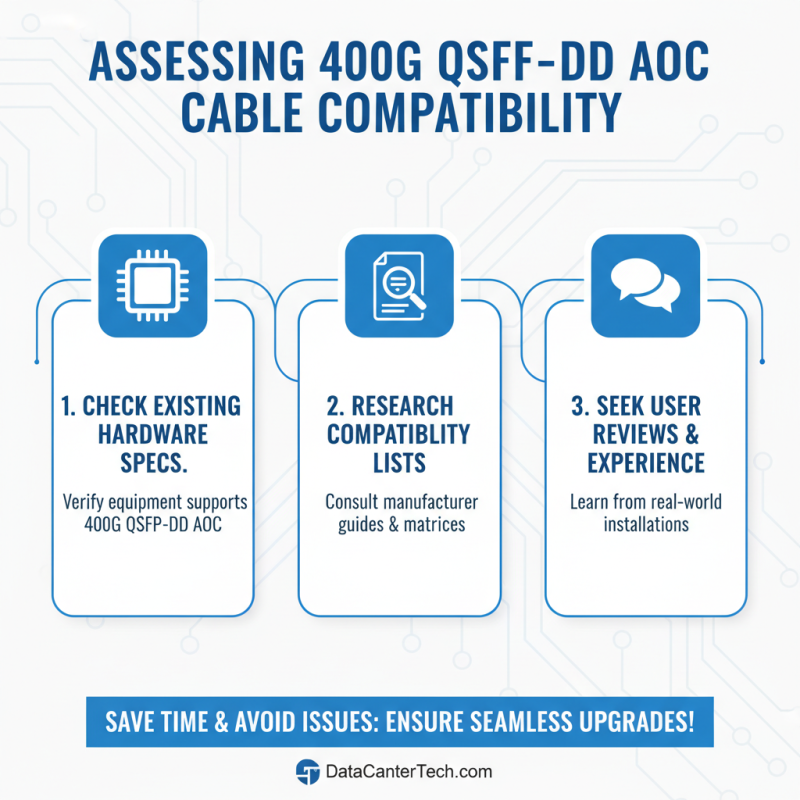
When selecting 400G QSFP-DD AOC cables, compatibility is crucial. Many data centers have specific equipment that may not support all types of cables. It's essential to check the specifications of your existing hardware before making a purchase. Look for previous reviews or user experiences related to cable compatibility. This can provide insights into potential issues.
Moreover, consider the physical environment in your data center. Factors like temperature and space constraints play a role in cable performance. Certain cables may not function well in high-temperature areas. Additionally, ensuring that you have enough room for proper airflow is vital. Overheating can lead to connection failures.
Evaluate the cable length as well. Sometimes, longer cables can introduce latency or signal degradation. Test different lengths in your setup if possible. Often, users overlook the importance of testing. It can reveal discrepancies that specifications do not mention. Always be open to feedback and adjust your choices according to what works best for your system.
Analyzing Signal Integrity and Transmission Quality Requirements
When selecting 400G QSFP-DD AOC cables, understanding signal integrity and transmission quality is crucial. High-quality connections can significantly reduce issues related to data loss. Research shows that cables with a low insertion loss can boost overall performance. In fact, an insertion loss of less than 1 dB per port is often the target for optimal performance.
Transmission quality also hinges on cable construction and materials. Opting for cables with high-grade fibers can enhance the electromagnetic interference (EMI) resistance. Studies indicate that cables engineered with superior shielding can maintain signal integrity over longer distances. Some manufacturers suggest that using cables rated for at least 40 dB of return loss can help mitigate signal reflections, a common source of data corruption.
Costs are a key consideration when evaluating cable options. While saving money is appealing, it often comes at a cost to transmission quality. Investing in higher-quality cables can lead to long-term savings and decreased downtime. It's essential to carefully assess specifications versus budget. Users sometimes overlook the complexities of connector types and compatibility. Various connection standards could lead to discrepancies in performance, which can impact their systems.
Considering Vendor Reputation and Warranty Options
When selecting 400G QSFP-DD AOC cables, vendor reputation is essential. A vendor with a solid history often provides reliable products. Check reviews and industry feedback to gauge their trustworthiness. Consider their experience in the market. A company with several years of operation typically understands customer needs better.
Warranty options also play a crucial role in your decision. A strong warranty indicates confidence in the product. It reflects the vendor's commitment to quality. Look for cables that come with at least a few years of warranty. This can save you costs in the long run. If issues arise, you want assurance that the vendor will resolve them.
Be cautious of vendors offering very low prices. Sometimes, this can be a red flag. It may indicate lower quality materials or poor manufacturing practices. It's vital to balance cost with quality and reliability. Take the time to research and verify. This diligence can lead to better long-term performance and satisfaction with your choice.
Top 5 Tips for Choosing 400G QSFP-DD AOC Cables
| Criteria |
Details |
| Vendor Reputation |
Research vendors with a track record of high-quality products and good customer service. |
| Warranty Options |
Look for products that offer extensive warranty options as a sign of reliability. |
| Compatibility |
Ensure that the AOC cables are compatible with your existing networking equipment. |
| Performance Metrics |
Evaluate the speed, distance, and overall performance ratings of the cables. |
| Customer Reviews |
Check customer reviews and feedback for insights on product reliability and performance. |

 400G
400G 200G
200G 100G
100G 40G
40G 25G
25G 10G
10G 1G
1G COPPER-T
 Other
Other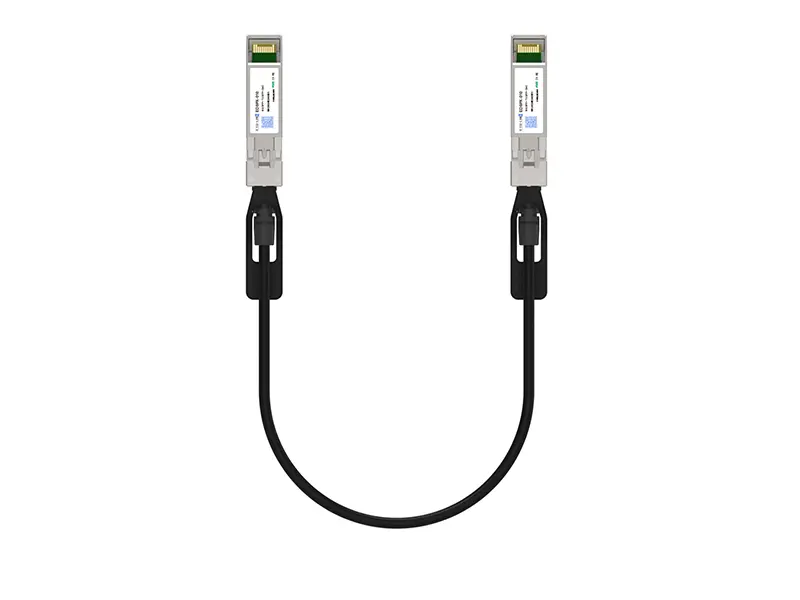 10G SFP+ DAC
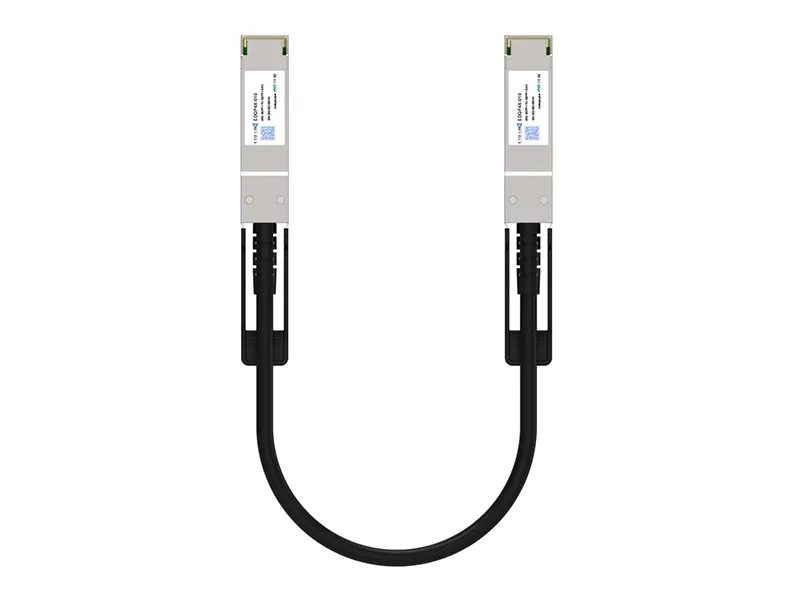 40G QSFP+ DAC
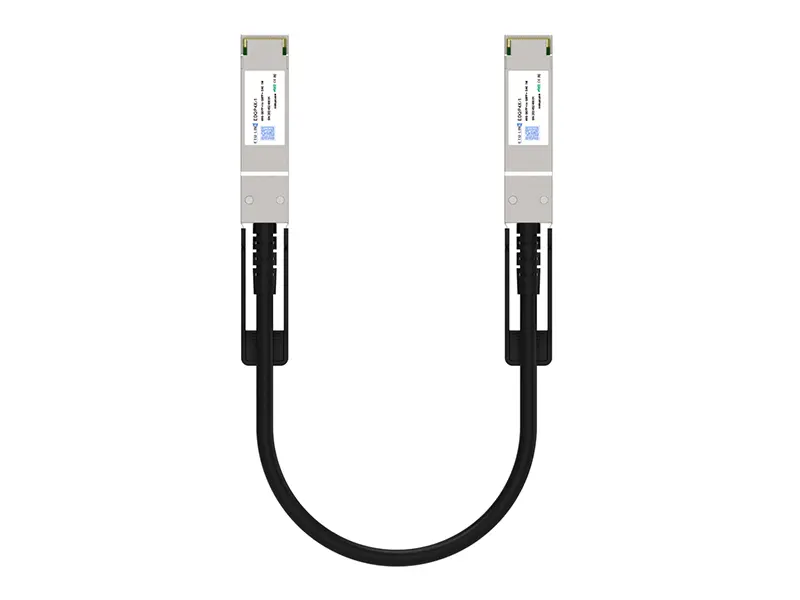 56G QSFP+ DAC
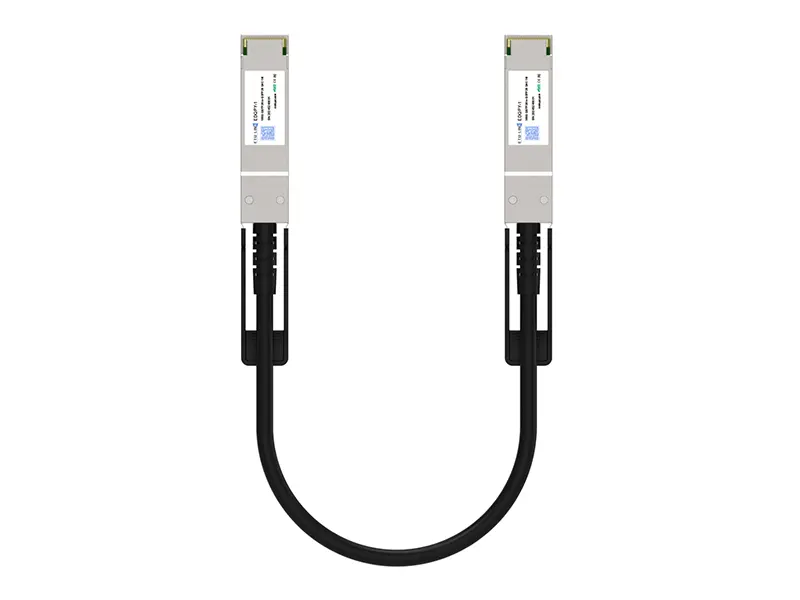 100G QSFP28 DAC
 200G QSFP56 DD DAC
 400G QSFP DD DAC
 10G SFP+ AOC
 40G QSFP+ AOC
 100G QSFP28 AOC
 200G QSFP56 AOC
 400G QSFP-DD AOC
 Adapter Details
 Media Converter