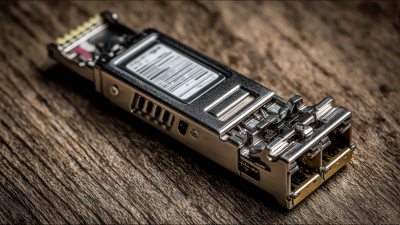
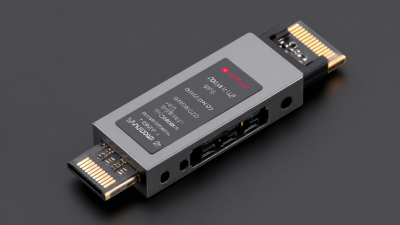
2026 Top SFP+ 10G Transceiver Models You Should Know?
In the rapidly evolving world of networking, the importance of SFP+ 10G Transceivers cannot be overstated. Experts emphasize their role in enhancing connectivity and speed in data centers. John Smith, a renowned specialist in optical networking, once stated, “The choice of transceiver can make or break network performance."
As technology advances, choosing the right SFP+ 10G Transceiver becomes crucial. With many models available, users often feel overwhelmed. They must evaluate compatibility and performance metrics carefully. Each transceiver’s specifications can impact overall network effectiveness, making informed decisions essential.
Despite advancements, not all SFP+ 10G Transceiver models meet expectations. Some may not perform well under specific conditions. Users frequently encounter challenges with reliability and interoperability. A deeper understanding of available options will help mitigate these issues. This guide will explore top SFP+ 10G Transceiver models for 2026, providing the insights needed to optimize your network infrastructure.

Overview of SFP+ 10G Transceiver Technology
SFP+ 10G transceivers have become essential in modern networking. This technology enables high-speed data transmission. In recent reports, the market for 10G transceivers is projected to grow at a compound annual growth rate (CAGR) of over 10% by 2026. This trend highlights their importance in meeting increasing bandwidth demands.
Understanding the fundamentals of SFP+ transceiver technology is crucial. SFP+ stands for Small Form-factor Pluggable Plus. These modules support data rates up to 10 Gbps. They are often used in data centers, enterprise networks, and for high-performance computing tasks. One report indicates that over 60% of data centers will rely heavily on optical and copper SFP+ transceivers to manage data traffic efficiently.
Challenges exist within this technology. Compatibility issues can arise with different vendor equipment. This situation may require additional testing or adjustments. Furthermore, the integration of newer protocols can complicate networking setups. It’s critical for organizations to remain updated with emerging technologies. Not addressing compatibility can lead to significant performance bottlenecks. Understanding these factors is vital for optimizing network infrastructure.
Key Features of 2026 Top SFP+ 10G Transceiver Models
As the demand for faster data transfer continues to grow, SFP+ 10G transceivers are essential for modern networks. One notable feature in the 2026 models is their improved efficiency, achieving up to 70% less power consumption compared to earlier versions. A recent industry report indicated that the shift towards energy-efficient devices is crucial for reducing operational costs.
Another key feature is the enhanced range capabilities. Many transceivers now support distances exceeding 300 meters on multimode fiber. This aspect is critical, especially in data centers where space is at a premium. However, users must carefully evaluate compatibility with existing infrastructure. Some models may require additional adapters or configurations that could complicate integration.
Moreover, the reliability of these transceivers has seen significant advancements. Reports suggest that the failure rates have decreased by 20% over the past three years. Yet, it is worth noting that even with progress, occasional troubleshooting and maintenance remain necessary. Integrators need to consider these factors during procurement to avoid unexpected challenges down the line.
Comparative Analysis of Popular 10G Transceiver Brands
The market for 10G transceivers continues to evolve rapidly. A recent report indicates that the global market for optical transceivers reached approximately $4.68 billion in 2022. This figure is expected to grow significantly over the next few years. However, many users struggle with choosing the best model for their needs.
Different brands offer unique specifications, making comparisons essential. Some models focus on power efficiency, while others prioritize distance. For instance, the typical range for 10G transceivers spans from 300 meters to 40 kilometers, depending on the type of fiber used. Interestingly, market data shows that cost and compatibility often remain top concerns for users. These factors can complicate the decision-making process.
While leading manufacturers emphasize reliability, some devices still exhibit issues with consistency. This can lead to frustration among network managers. Reports indicate that almost 15% of users experience performance drops related to temperature sensitivity. Users must carefully assess their requirements before making a purchase. Ultimately, understanding these trends and specifications is crucial for making informed choices in the crowded 10G transceiver market.
Factors Affecting Performance of SFP+ 10G Transceivers
When choosing SFP+ 10G transceivers, several factors impact their performance. One critical aspect is the type of optical fiber used. Single-mode fibers typically support longer distances but require precise alignment. Multi-mode fibers are cheaper and easier to manage but may limit distance due to signal degradation.
Another significant factor is the operating temperature. Extreme conditions can cause transceivers to perform poorly. Ensuring your transceiver operates within specified temperature ranges can enhance reliability.
**Tips**: Regularly monitor temperatures and join active cooling solutions if needed. Consider environmental conditions as a key factor in your deployment.
The quality of connectors and cables also plays a vital role. Poor quality cables can introduce loss. This may negatively impact data transmission rates. Always prioritize quality when selecting cables and connectors.
**Tips**: Validate cable performance before installation. Inspect connectors frequently to avoid issues later. Proper management of cabling can reduce overall maintenance needs.
Performance Comparison of Different SFP+ 10G Transceivers

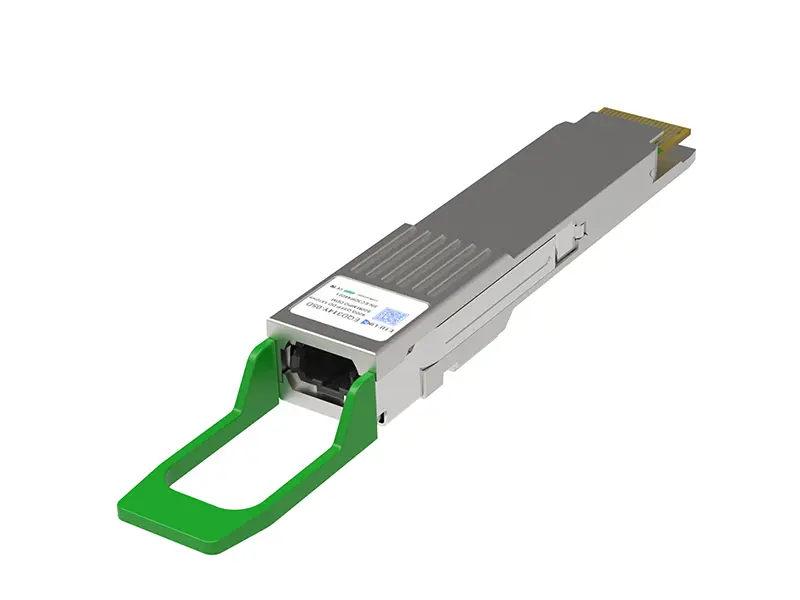 400G
400G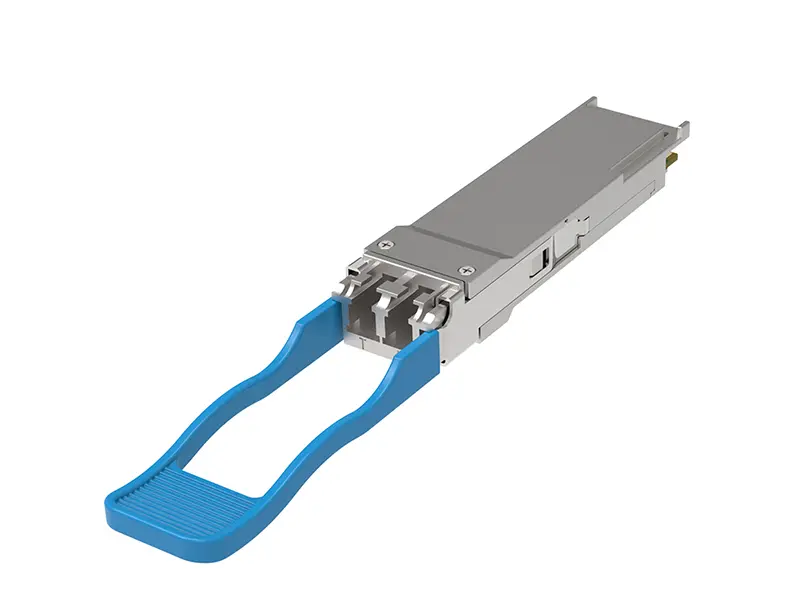 200G
200G 100G
100G 40G
40G 25G
25G 10G
10G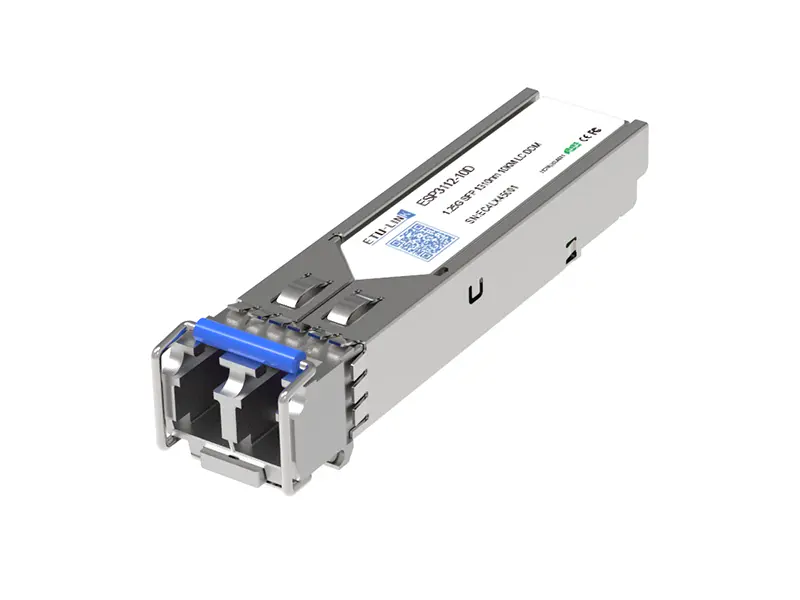 1G
1G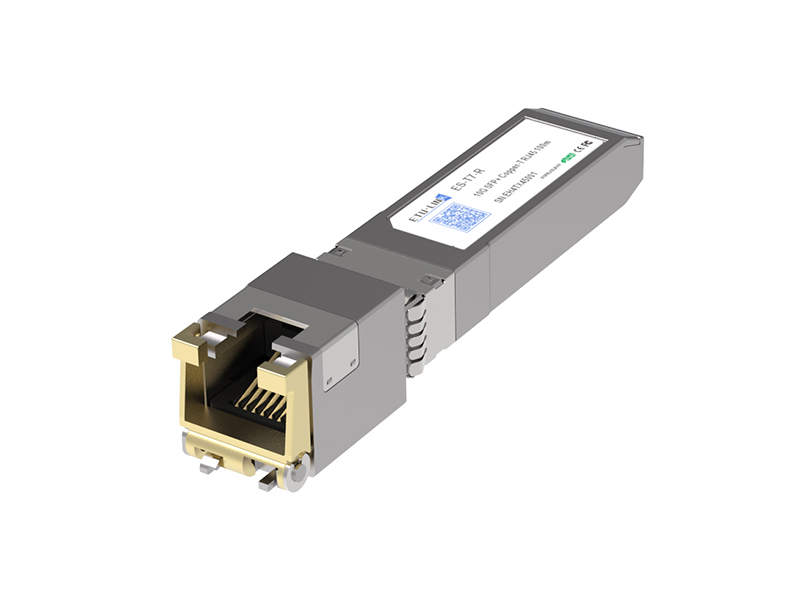 COPPER-T
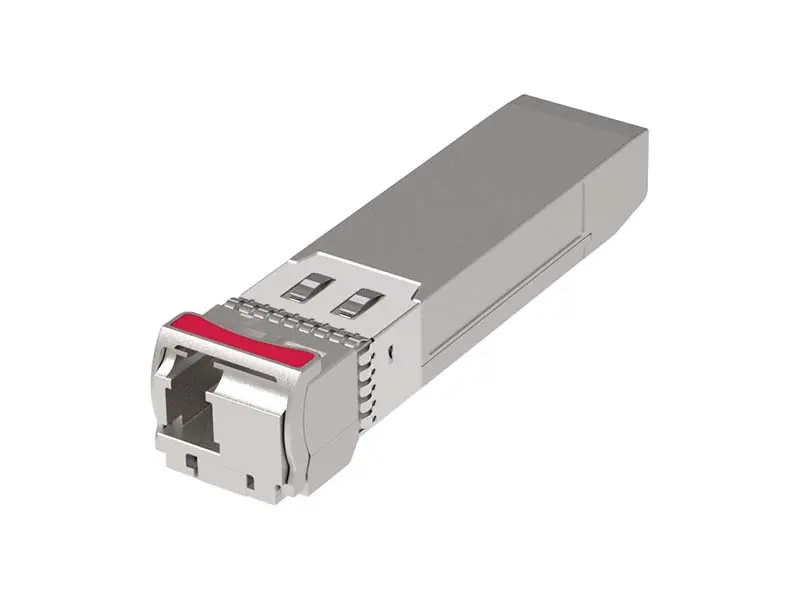 Other
Other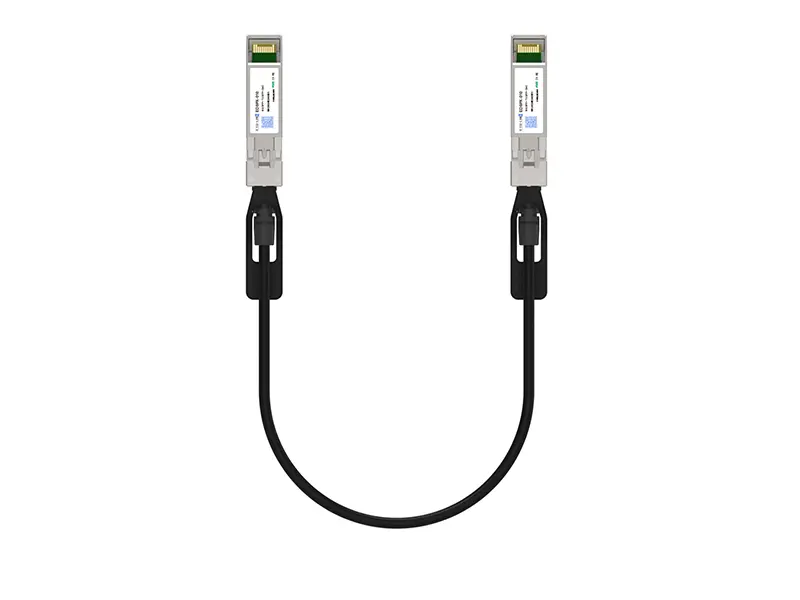 10G SFP+ DAC
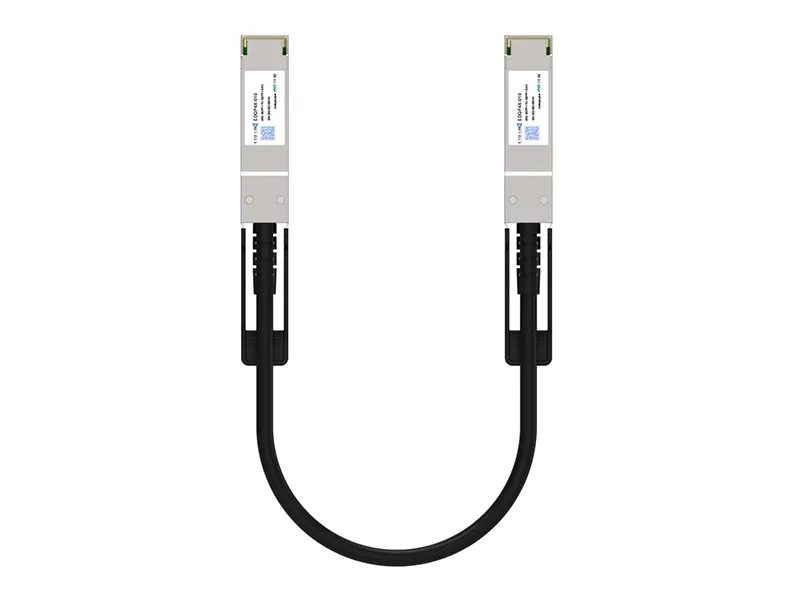 40G QSFP+ DAC
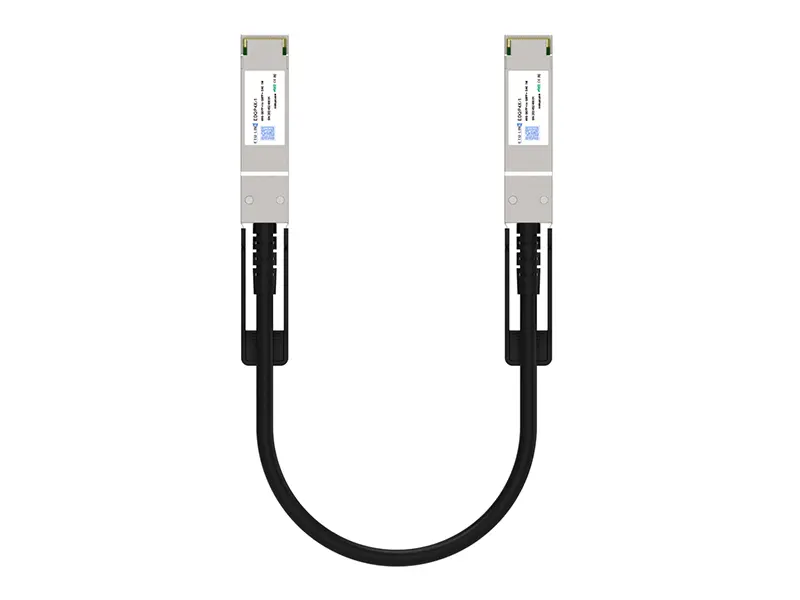 56G QSFP+ DAC
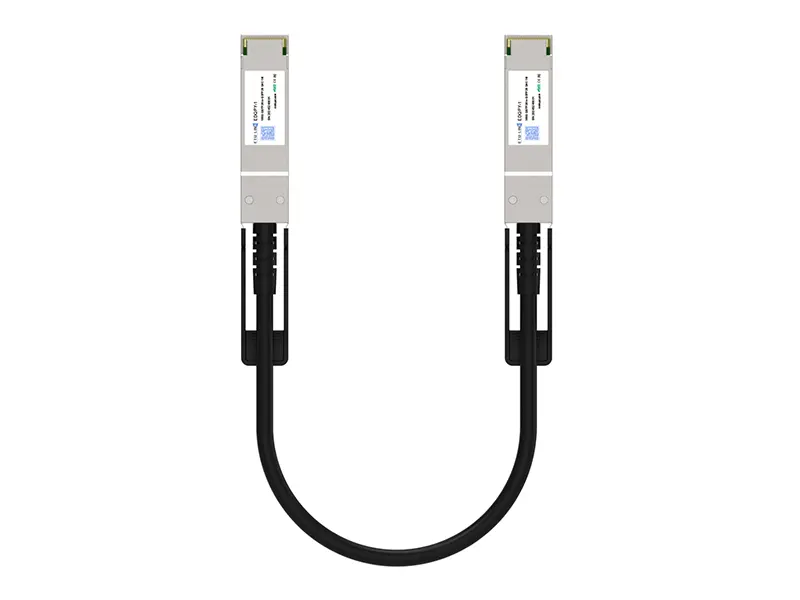 100G QSFP28 DAC
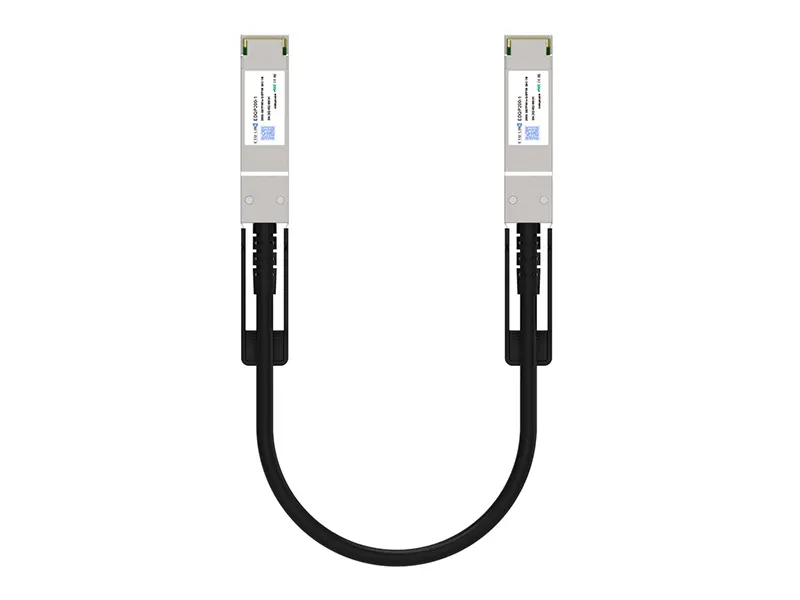 200G QSFP56 DD DAC
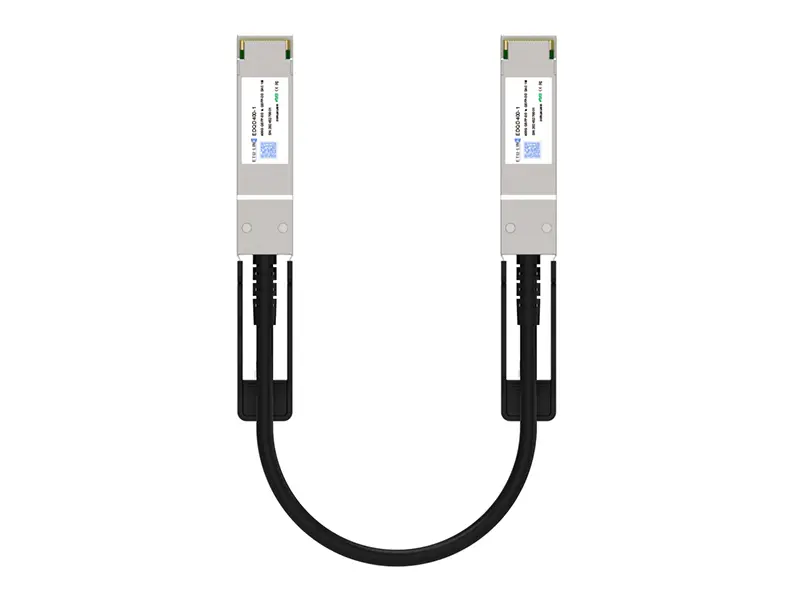 400G QSFP DD DAC
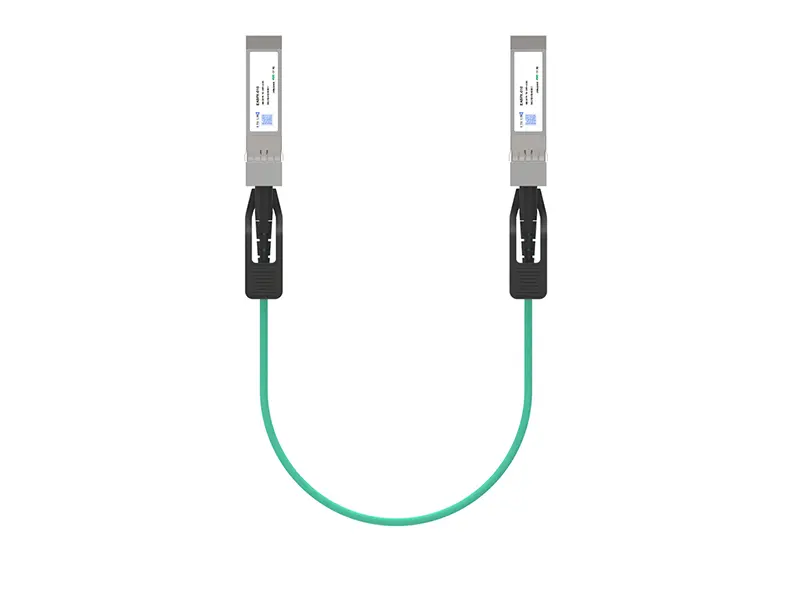 10G SFP+ AOC
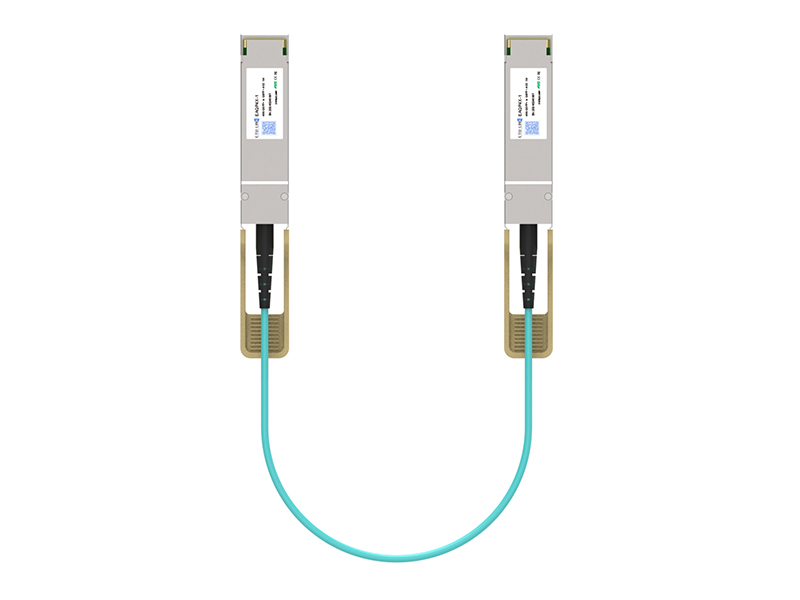 40G QSFP+ AOC
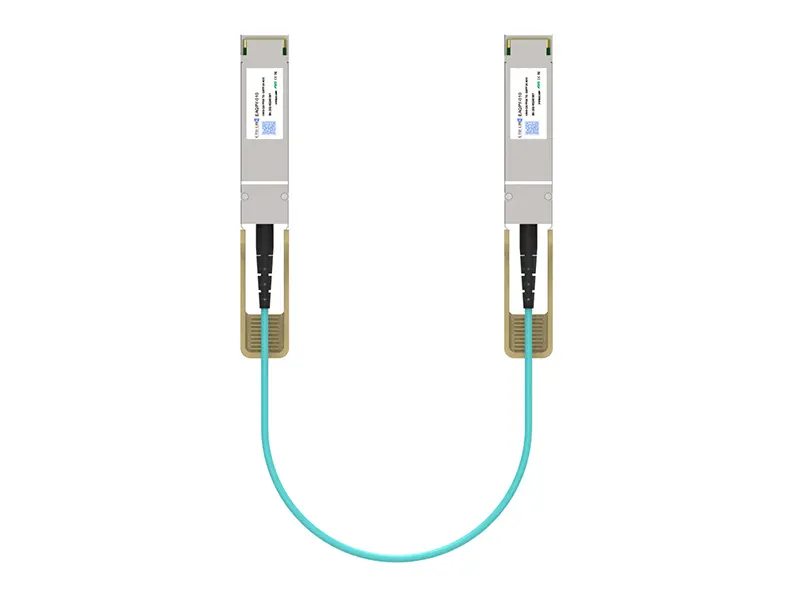 100G QSFP28 AOC
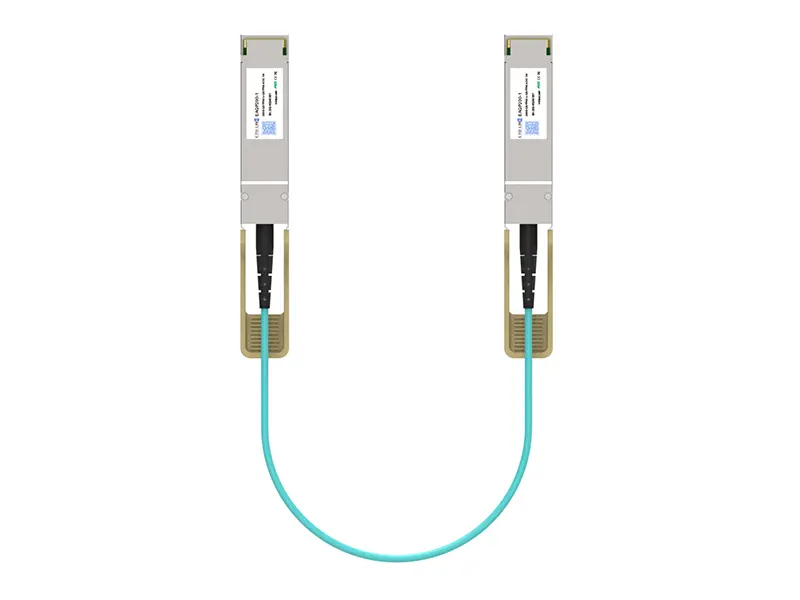 200G QSFP56 AOC
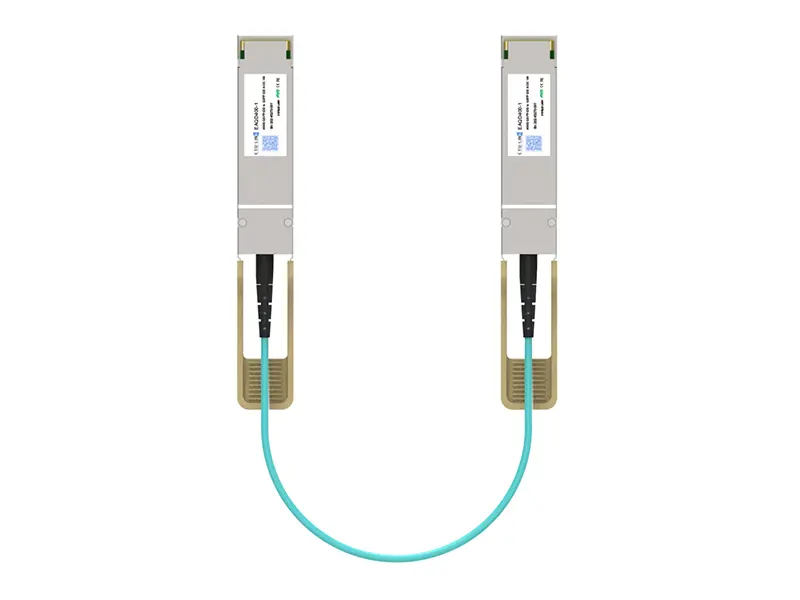 400G QSFP-DD AOC
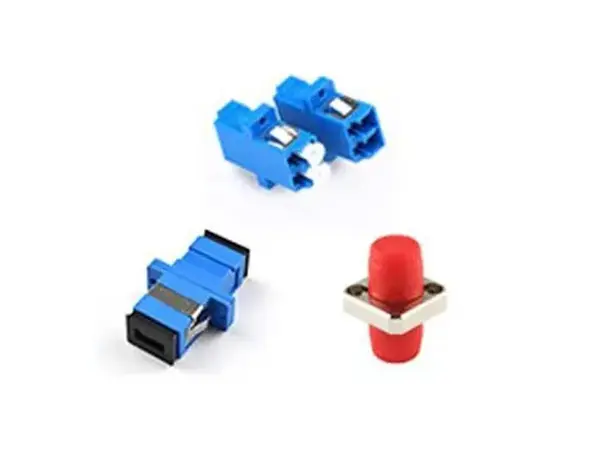 Adapter Details
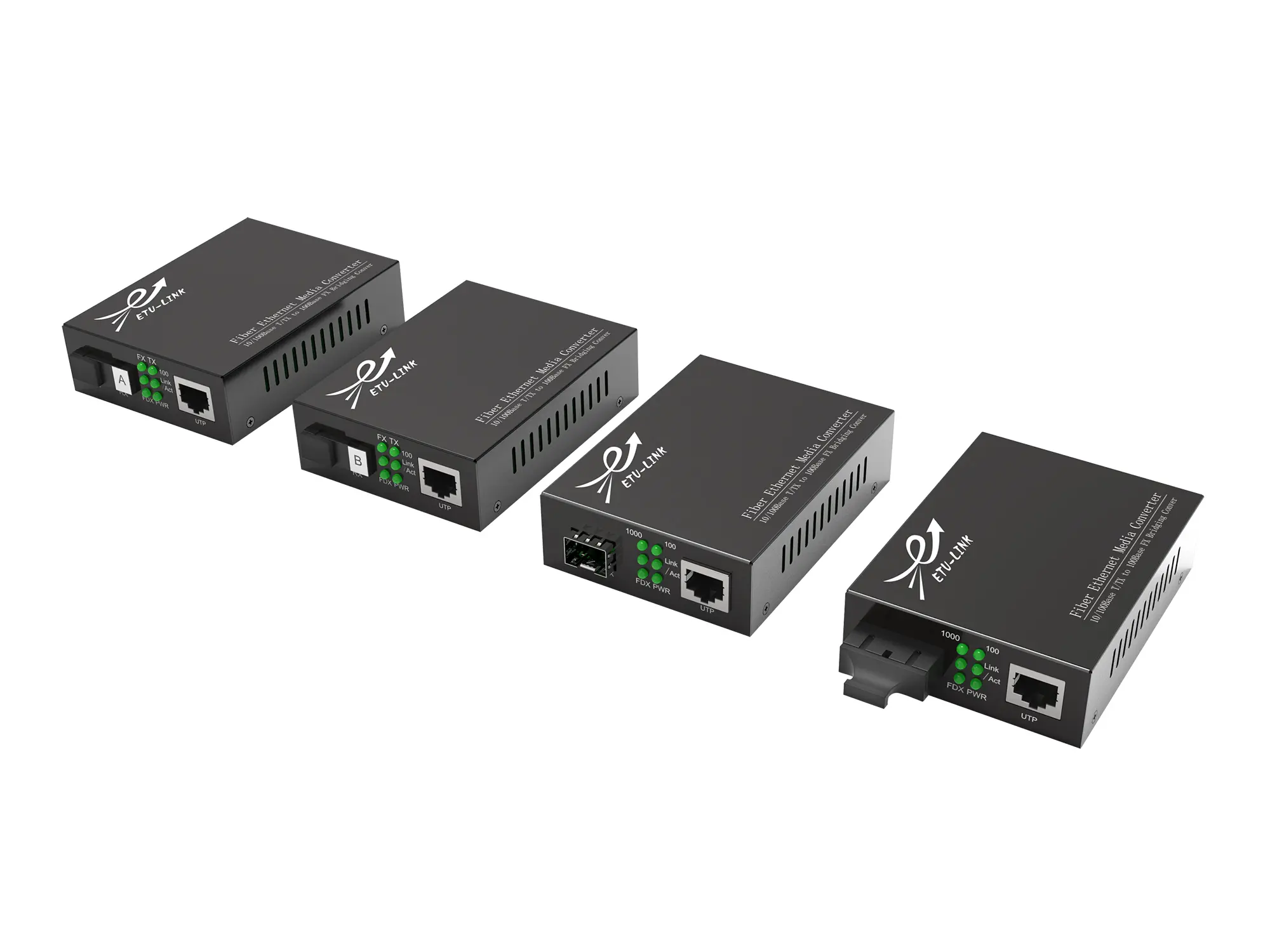 Media Converter