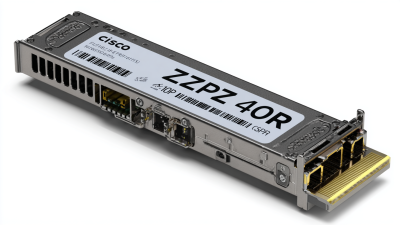
Top 10GbE SFP+ Transceiver Options for High Speed Networking Needs
In the rapidly evolving landscape of high-speed networking, the demand for reliable and efficient connectivity solutions has never been greater. As businesses and data centers continue to adopt advanced technologies, the role of the 10GbE SFP+ transceiver becomes increasingly vital. These compact optical devices facilitate the transmission of data at 10 Gbps over fiber optic networks, bridging the gap between high performance and flexibility. According to Dr. Alex Turner, a prominent expert in optical networking technologies, “The emergence of 10GbE SFP+ transceivers has revolutionized the way we approach network scalability and efficiency, making it easier for organizations to meet their expanding bandwidth demands.”
The selection of the right 10GbE SFP+ transceiver can significantly impact the overall performance of a network. With numerous options available, it is crucial for IT professionals and network engineers to understand the varying specifications, compatibility considerations, and performance features that distinguish one transceiver from another. Whether used for data center connections, enterprise networks, or high-frequency trading environments, the right choice can enhance data transmission speeds while minimizing latency. As we explore the top contenders in the market, it is imperative to recognize how these advanced transceivers can empower organizations to optimize their networking capabilities and future-proof their infrastructure.

Understanding 10GbE SFP+ Transceivers and Their Importance in Networking
10GbE SFP+ transceivers have become an essential component in modern networking infrastructure, enabling high-speed data transfer and robust connectivity. According to research by Omdia, the demand for 10GbE SFP+ transceivers has surged, with a projected compound annual growth rate (CAGR) of 12% over the next five years. This increasing demand can be attributed to the growing necessity for higher bandwidth within enterprise networks and data centers, where the need for real-time data processing and seamless communication is critical.
Understanding the importance of 10GbE SFP+ transceivers involves recognizing their role in supporting various networking applications such as data center interconnects, high-frequency trading platforms, and video streaming services. The IEEE 802.3ae standard, established in 2002, has paved the way for a reliable and efficient means of transmitting data at 10 Gbps over short and long distances.
Furthermore, the latest market analysis indicates that as organizations migrate to cloud-based services, the interoperability and flexibility offered by SFP+ technology contribute significantly to network scalability, making these transceivers a strategic investment in future-proofing networking capabilities.
Key Features to Consider When Choosing 10GbE SFP+ Transceivers
When selecting 10GbE SFP+ transceivers, there are several key features to consider to ensure optimal performance and compatibility. One crucial aspect is the transmission range; whether you require short-range (SR), long-range (LR), or extended range (ER) transceivers, each type is designed for specific distances. Additionally, the connector type should align with your existing infrastructure; LC duplex is common for many high-speed applications, making it essential to evaluate your hardware's requirements.
Another important feature to focus on is the data rate. While SFP+ typically supports up to 10Gbps, understanding the modulation techniques used can help determine whether it will meet the demands of your network traffic. Furthermore, compatibility with network devices is critical. Always check whether the transceiver is compatible with your switches and routers to avoid performance issues.
Tips: When assessing different options, consider the power consumption of the transceiver. Lower power models can help in reducing operational costs and managing heat in densely packed server environments. Additionally, keep an eye on the warranty and support offered, as this can be an indicator of reliability and longevity in your networking setup. Lastly, do not overlook the importance of vendor documentation; this can provide essential insights into installation and maintenance best practices.
Top 10 Recommended 10GbE SFP+ Transceiver Models for High Speed Performance
When it comes to high-speed networking, the selection of the right 10GbE SFP+ transceiver can significantly impact performance and reliability. As the demand for bandwidth continues to escalate—forecasted to reach 25.4 zettabytes of data by 2025, according to industry reports—organizations are increasingly looking for solutions that not only support high-speed data transfer but also provide robust and efficient connectivity options. This growing requirement has led to a surge in the availability of 10GbE SFP+ transceivers specially designed to meet diverse networking needs.
Among the top recommended 10GbE SFP+ transceiver models, various factors such as compatibility, distance, and optimal performance in different environmental conditions are critical. Transceivers utilize various fiber types, including multi-mode and single-mode fibers, based on the intended deployment. For instance, multi-mode SFP+ transceivers are often preferred for short-range connections, while single-mode variants excel in long-distance applications, capable of reaching ranges over 40 kilometers. Industry analyses indicate that utilizing the right transceiver can reduce latency by up to 30%, thereby enhancing overall network efficiency. The continuous evolution of technologies ensures that businesses can adapt their networking infrastructure to support the increasing demands of high-speed data transmission and seamless online operations.
Top 10GbE SFP+ Transceiver Options for High Speed Networking Needs
| Model |
Data Rate |
Distance |
Connector Type |
Wavelength |
Power Consumption |
| Transceiver A |
10 Gbps |
300 m |
LC |
850 nm |
1.5 W |
| Transceiver B |
10 Gbps |
10 km |
LC |
1310 nm |
2 W |
| Transceiver C |
10 Gbps |
40 km |
LC |
1550 nm |
3.5 W |
| Transceiver D |
10 Gbps |
80 km |
LC |
1550 nm |
4 W |
| Transceiver E |
10 Gbps |
300 m |
MPO |
850 nm |
1.8 W |
| Transceiver F |
10 Gbps |
1 km |
LC |
1310 nm |
2.4 W |
| Transceiver G |
10 Gbps |
300 m |
MPO |
850 nm |
1.6 W |
| Transceiver H |
10 Gbps |
10 km |
LC |
1310 nm |
2.2 W |
| Transceiver I |
10 Gbps |
40 km |
LC |
1550 nm |
3.0 W |
| Transceiver J |
10 Gbps |
80 km |
LC |
1550 nm |
4.2 W |
Comparative Analysis of Price, Performance, and Compatibility in 10GbE SFP+
When evaluating 10GbE SFP+ transceivers for high-speed networking, the key factors to consider are price, performance, and compatibility. Pricing plays a crucial role in decision-making, as organizations often have budget constraints. Transceivers can vary significantly in cost based on their features and capabilities, such as transmission distance and optical compatibility. Buyers must weigh the upfront investment against potential long-term savings and efficiency improvements, making it essential to analyze options thoroughly to find the best value.
Performance metrics, including data rate, reach, and power consumption, are also critical in selecting the right 10GbE SFP+ module. High-performance transceivers ensure minimal latency and maximum throughput, which are essential for data-intensive applications. Additionally, compatibility with existing networking equipment can influence the choice of transceiver. Ensuring that the selected module can seamlessly integrate with other components within the network infrastructure is vital for maintaining optimal operation and reliability. Thus, a comprehensive understanding of these attributes can greatly enhance the effectiveness of high-speed networking solutions.
Top 10GbE SFP+ Transceiver Options: Performance and Price Comparison
Future Trends in 10GbE SFP+ Technology and Networking Solutions
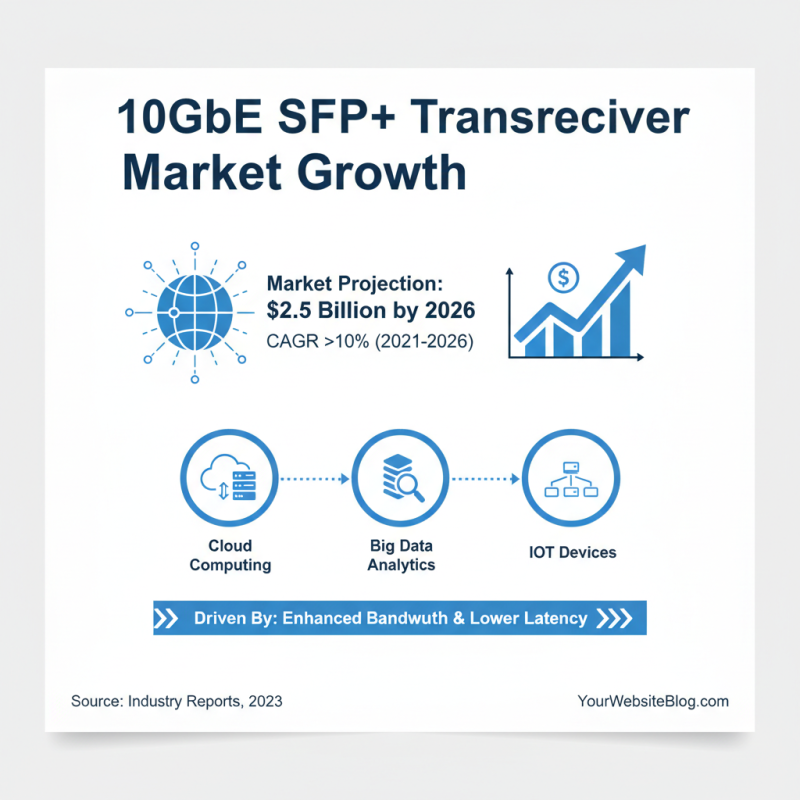
As the demand for high-speed data transfer continues to escalate, 10GbE SFP+ technology stands at the forefront of networking solutions. Recent reports suggest that the global 10GbE SFP+ transceiver market is projected to reach approximately $2.5 billion by 2026, growing at a CAGR of over 10% from 2021. This growth is driven by advancements in cloud computing, big data analytics, and the proliferation of IoT devices, all of which require enhanced bandwidth and lower latency in data transmission.
Future trends in 10GbE SFP+ technology indicate a shift towards higher-density and energy-efficient solutions. Emerging technologies, such as silicon photonics, promise to revolutionize the manufacturing process by enabling higher data rates while reducing the physical footprint of transceivers. According to a recent study by the International Data Corporation (IDC), the installation of 25GbE and 100GbE networks in enterprise environments is set to rise significantly, necessitating backward compatibility with existing 10GbE standards. This transition underscores the importance of flexible networking solutions that can adapt to changing technological requirements, ensuring a seamless integration of future-proof networking infrastructure.

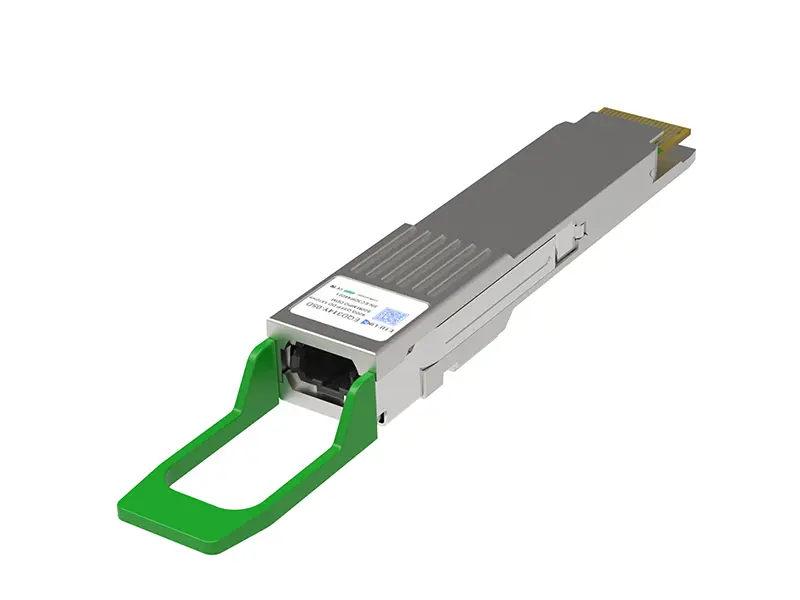 400G
400G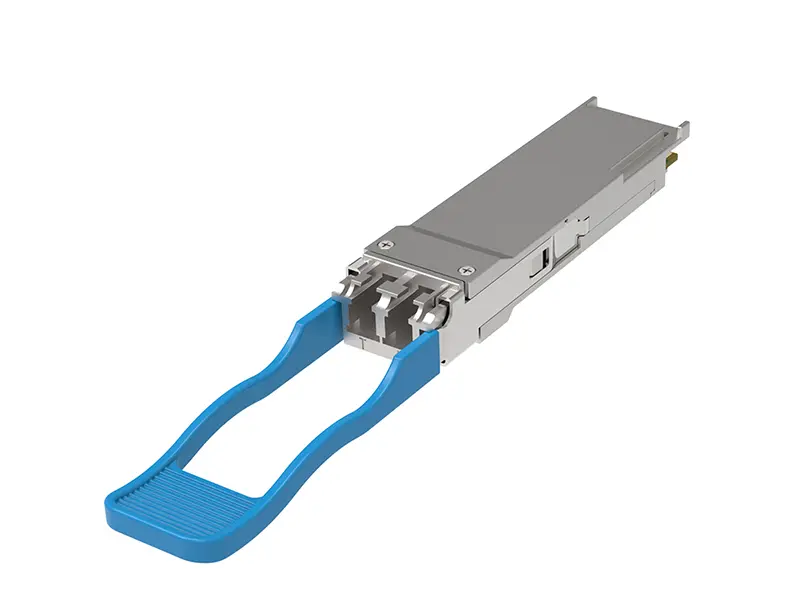 200G
200G 100G
100G 40G
40G 25G
25G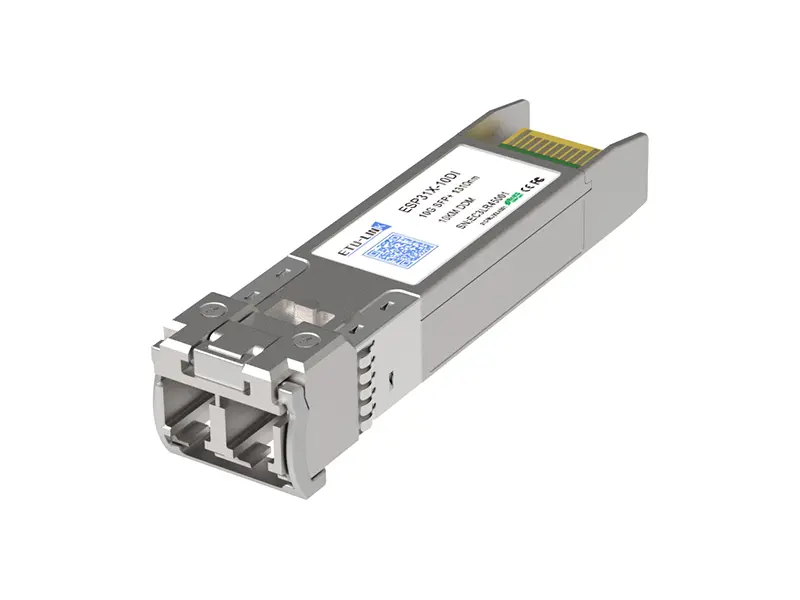 10G
10G 1G
1G COPPER-T
 Other
Other 10G SFP+ DAC
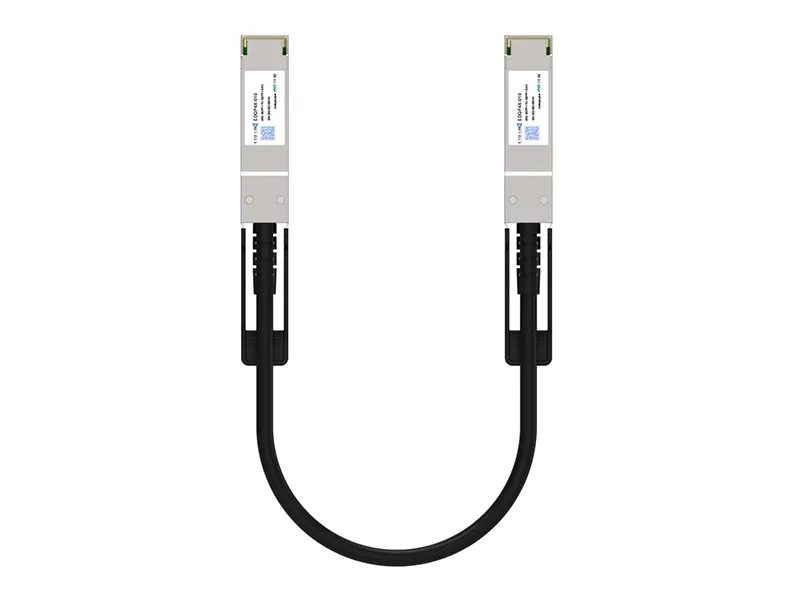 40G QSFP+ DAC
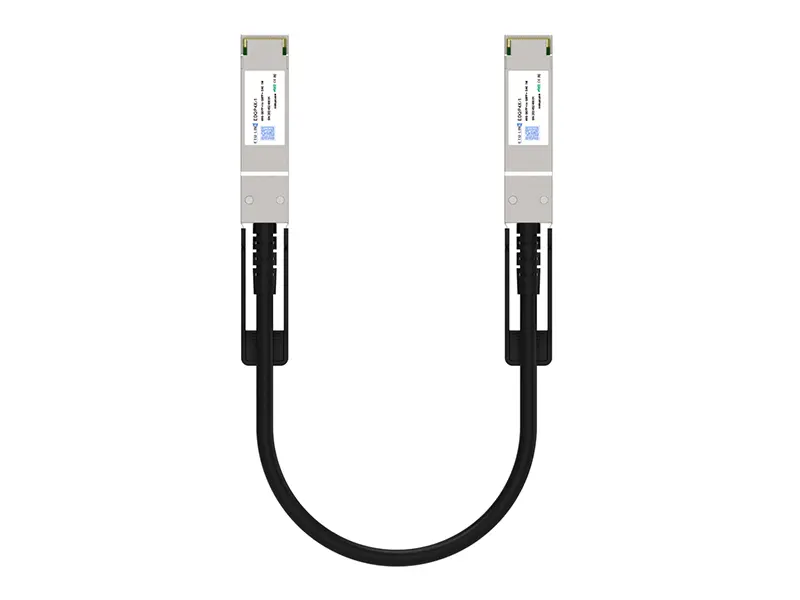 56G QSFP+ DAC
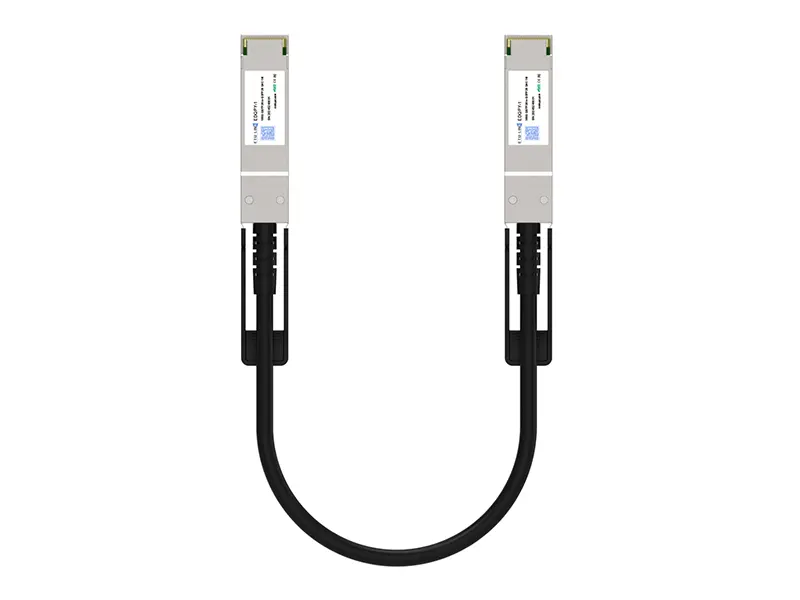 100G QSFP28 DAC
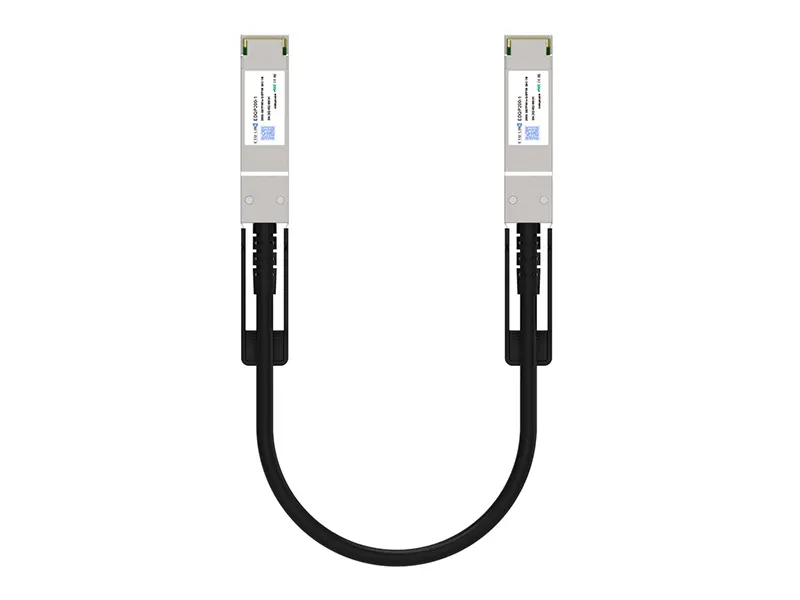 200G QSFP56 DD DAC
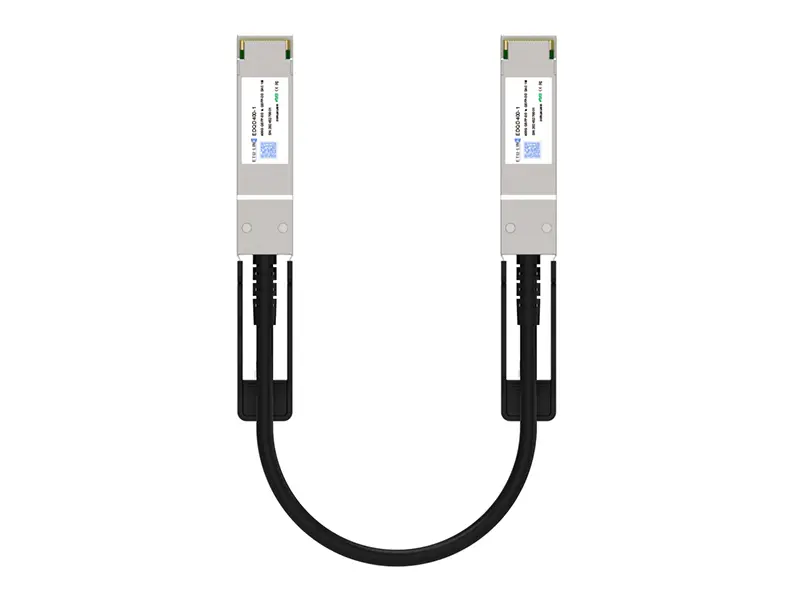 400G QSFP DD DAC
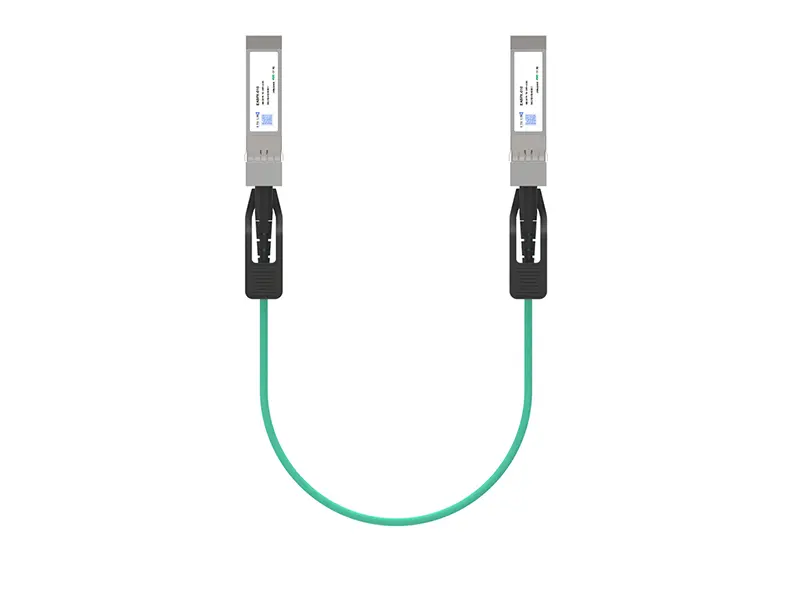 10G SFP+ AOC
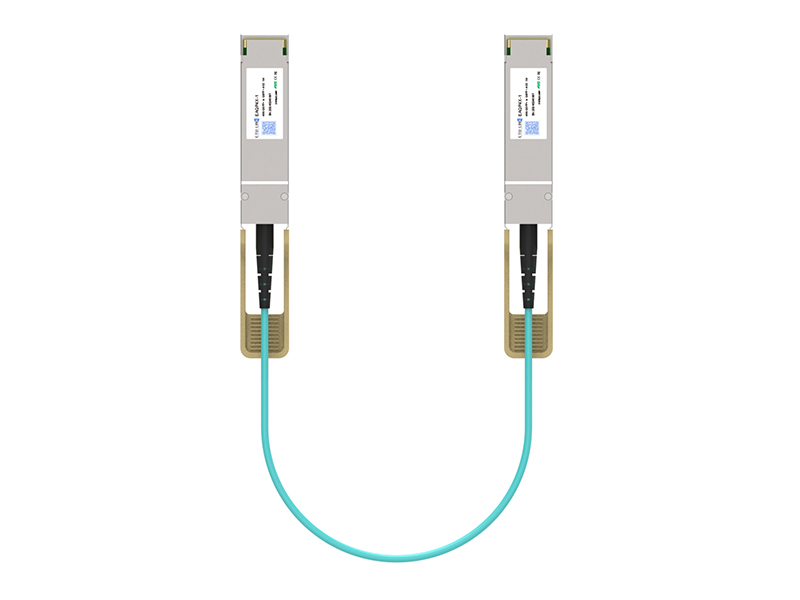 40G QSFP+ AOC
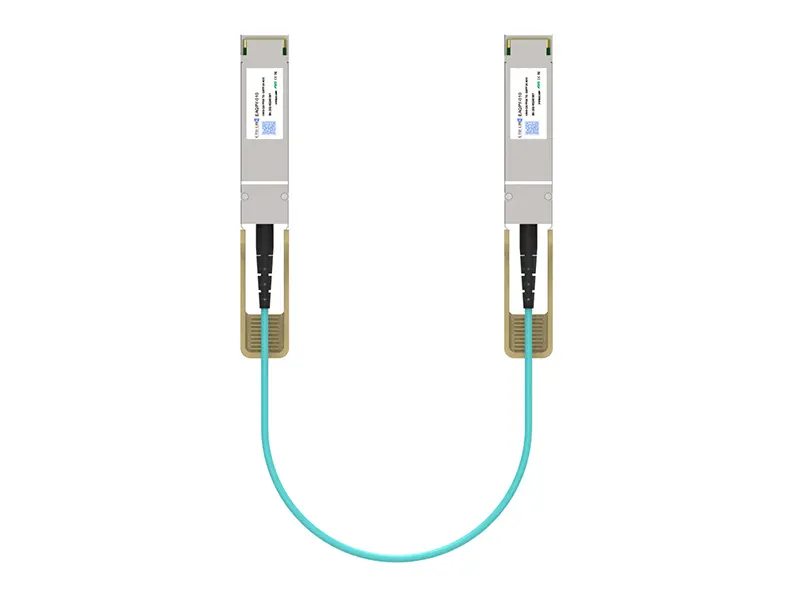 100G QSFP28 AOC
 200G QSFP56 AOC
 400G QSFP-DD AOC
 Adapter Details
 Media Converter