Top 10G DWDM Optical Transceivers for High Capacity Data Transmission?
In the rapidly evolving field of data transmission, professionals continually seek ways to enhance capacity and efficiency. According to Dr. Alice Thompson, a leading expert in optical communications, “The 10G DWDM optical transceiver is pivotal for high-capacity networks.” Her insights reflect a growing recognition of the importance of this technology.
10G DWDM optical transceivers play a vital role in modern telecommunications. They enable operators to transmit large amounts of data over long distances. With the increase in demand for bandwidth, these transceivers ensure reliable performance. Yet, challenges remain. For many, optimizing these devices involves navigating complex specifications.
The search for the top 10G DWDM optical transceivers is crucial for industry professionals. It involves considering factors like compatibility, distance capabilities, and cost-effectiveness. Each decision impacts network performance significantly. With ongoing advancements, staying informed is essential. The future of data transmission depends on such innovations.

Overview of DWDM Technology and Its Importance in Data Transmission
Dense Wavelength Division Multiplexing (DWDM) technology plays a crucial role in modern data transmission. By utilizing multiple wavelengths on a single optical fiber, it significantly increases bandwidth efficiency. This method allows operators to transmit vast amounts of data without needing more physical fibers. Each wavelength carries a separate data stream, leading to a more streamlined and effective network architecture.
The importance of DWDM is evident in its ability to meet the growing demand for high-capacity data services. As cloud computing and big data analytics expand, the pressure on infrastructure increases. Network providers must adapt quickly. However, implementing DWDM systems poses challenges. Technical complexities, cost considerations, and the need for precise wavelength management are factors that cannot be overlooked.
Despite its advantages, DWDM setups are not flawless. They require regular maintenance and monitoring to ensure optimal performance. Issues like wavelength drift can lead to data loss or degraded service quality. Understanding these hurdles is key for engineers and designers in the field. Continuous education and adaptation are necessary to harness the full potential of DWDM technology.
Key Features of 10G DWDM Optical Transceivers
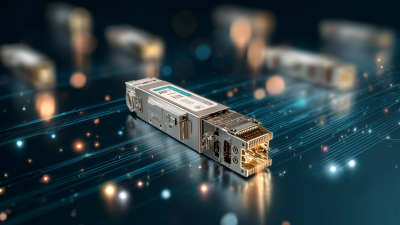
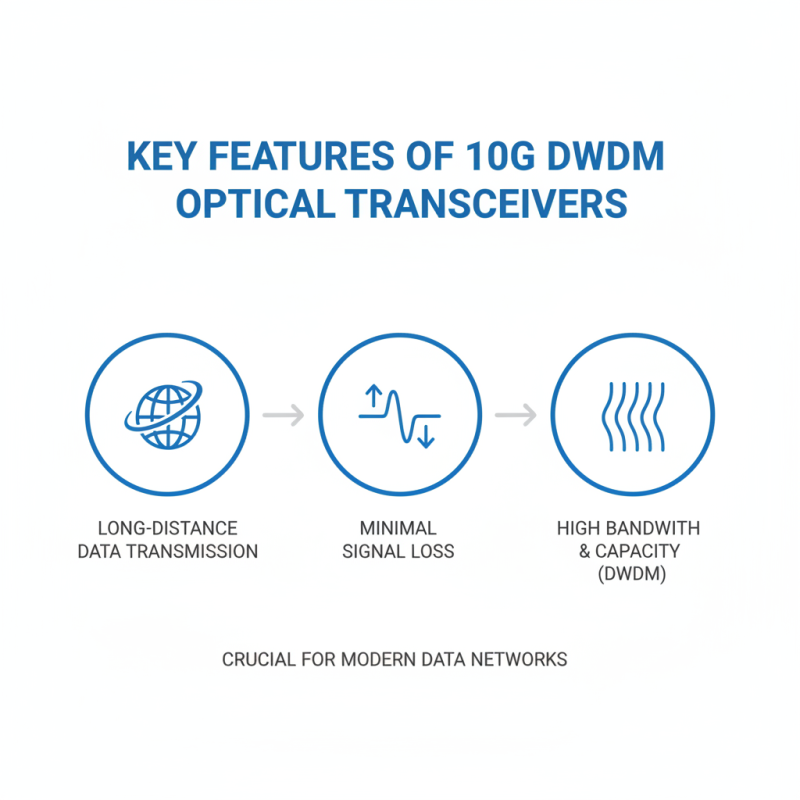
10G DWDM optical transceivers play a crucial role in modern data transmission. These devices transmit data over long distances with minimal loss. They utilize dense wavelength division multiplexing (DWDM) technology for higher bandwidth and increased capacity.
Key features of 10G DWDM transceivers include compact design, low power consumption, and high data rates. Their ability to combine multiple channels allows for efficient use of fiber infrastructure. Additionally, some models offer hot-swappable capabilities. This means they can be replaced without disrupting service.
However, the market is not without challenges. Compatibility issues can arise when interfacing with various systems. This often leads to unnecessary troubleshooting and delays. Balancing cost and performance can also be tricky. Not every solution suits every situation. Overall, 10G DWDM transceivers significantly enhance network performance. Careful consideration is necessary when selecting the right model.
Top 10 10G DWDM Optical Transceiver Models on the Market
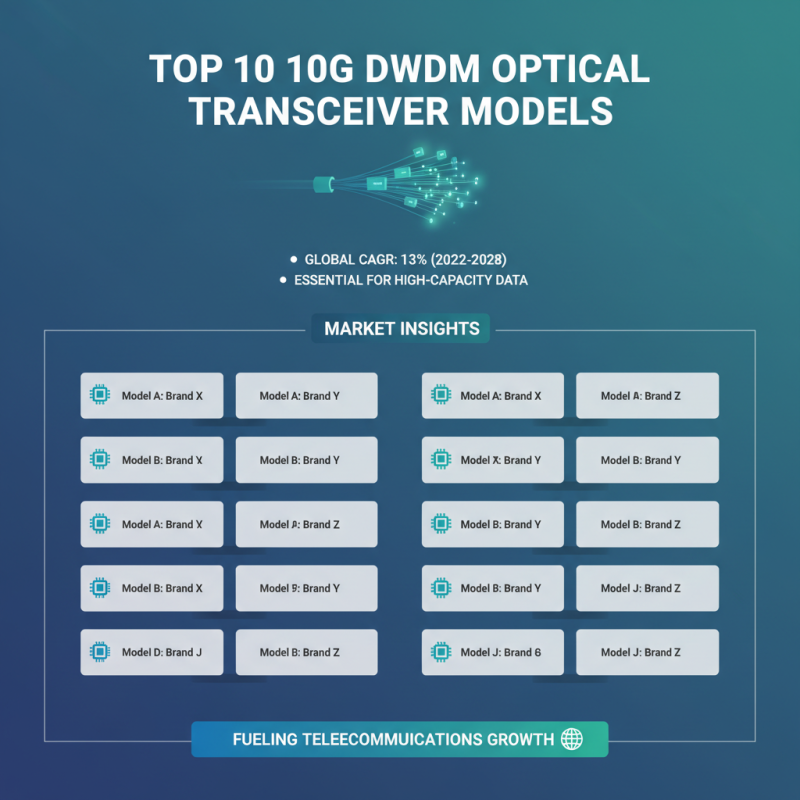
The demand for high-capacity data transmission continues to rise. 10G DWDM optical transceivers are essential for this. These devices enable more data to be sent through fiber optics, making them crucial for telecommunications. According to industry reports, the global market for optical transceivers is expected to grow at a CAGR of 13% from 2022 to 2028. Companies are seeking efficient solutions.
When searching for the best models, two key factors must be considered: performance and compatibility. Many 10G DWDM optical transceivers support various distances, ranging from a few kilometers to over 100 kilometers. They work seamlessly with existing infrastructure, but not all models are equal. Some may experience higher latency. Others could have lower signal integrity. Research suggests that around 25% of installations do not yield expected performance improvements.
In addition, it's crucial to look at cost-effectiveness. Some models may offer enhanced features but come at a premium price. Balancing performance with budget constraints can be challenging. Users must perform due diligence to ensure that chosen devices align with their specific needs. Market feedback indicates that miscalculations in these areas can lead to inefficiencies.
Comparative Analysis of Performance and Reliability Among Transceivers
In the realm of optical communications, selecting the right DWDM transceiver is crucial for high-capacity data transmission. Performance and reliability are central to this evaluation. Transceivers differ widely in terms of their optical power budgets, gate speeds, and error rates. Some may excel in short-range applications, while others shine in long-haul setups. Not all perform equally under varying temperatures and network stresses.
Tip: Always assess thermal performance. A transceiver that operates well under standard conditions may fail in extreme environments. Look for specifications that detail performance across different temperatures.
Reliability can often be overlooked in favor of speed. Many transceivers boast impressive bandwidth but might suffer from higher failure rates. Choosing a transceiver with a robust design significantly decreases downtime. Pay attention to parameters such as MTBF (Mean Time Between Failures) for insights into longevity.
Tip: Consider the installation environment. An unsuitable environment can lead to premature failures. Sometimes, slightly lower-performing models are more durable. It's essential to strike a balance between performance and reliability.
Future Trends in DWDM Optical Transceiver Technology and Applications
DWDM optical transceivers are transforming data transmission. These devices enable high-capacity networks while maintaining efficiency. As demand for bandwidth rises, so does innovation in this technology. Future trends indicate a shift towards smaller, more energy-efficient designs. These devices will feature advanced modulation techniques to enhance transmission distances.
Enhanced performance comes with challenges. Designers must consider signal degradation and interference. As frequencies increase, maintaining signal integrity is crucial. The industry is exploring novel materials to combat these issues. Advances in error correction algorithms can improve overall reliability. Additionally, software-defined networking will allow for smarter resource management, providing more flexibility.
Applications of DWDM technology are expanding. Beyond traditional telecommunications, industries like cloud computing are embracing it. These transceivers can support massive data centers efficiently. However, integration complexities can be a stumbling block. Companies must reconcile compatibility with legacy systems. Overall, while the future looks promising, there will be hurdles to overcome. Technological advancements often require careful evaluation and adjustment.

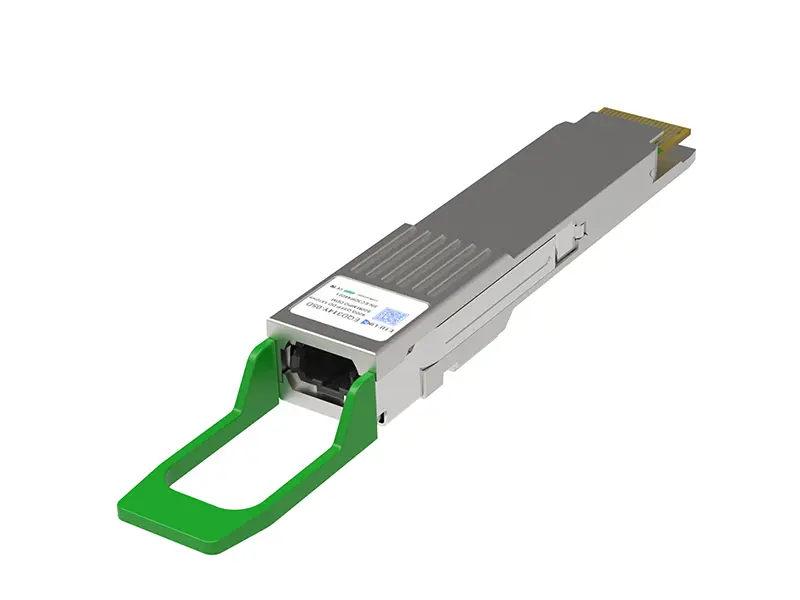 400G
400G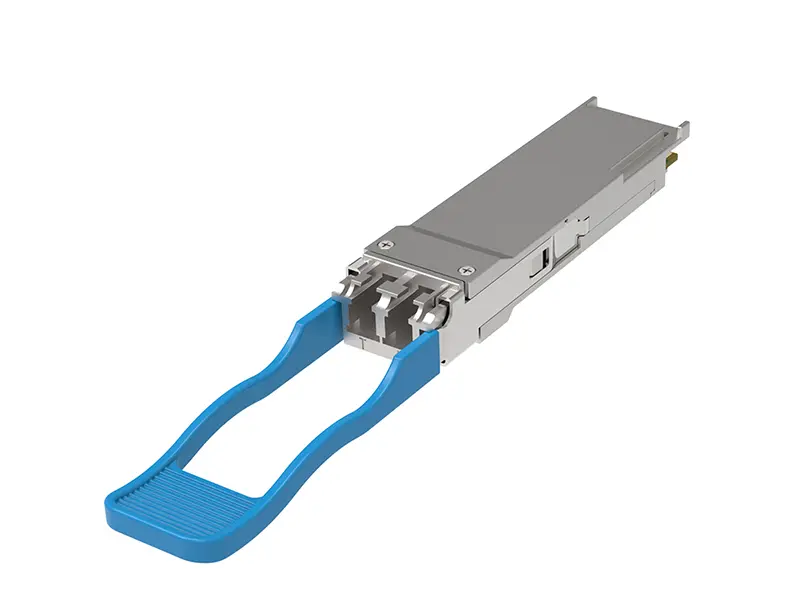 200G
200G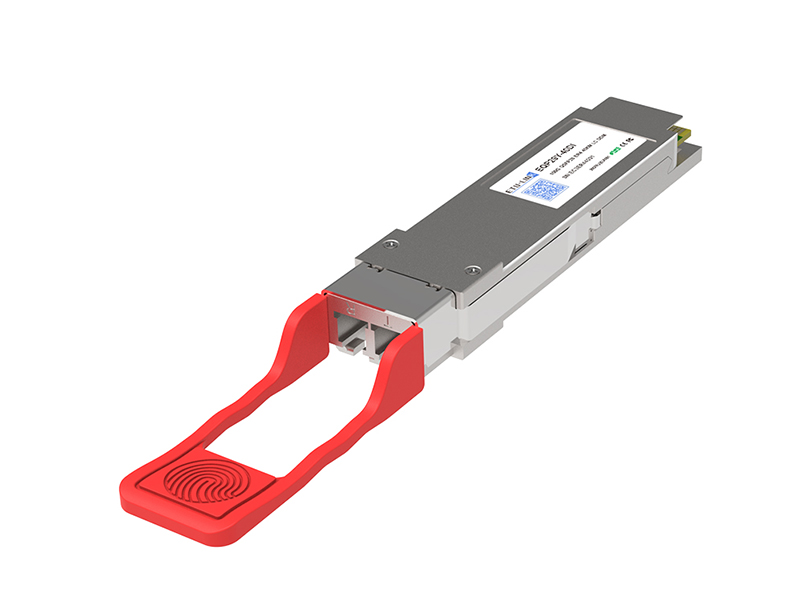 100G
100G 40G
40G 25G
25G 10G
10G 1G
1G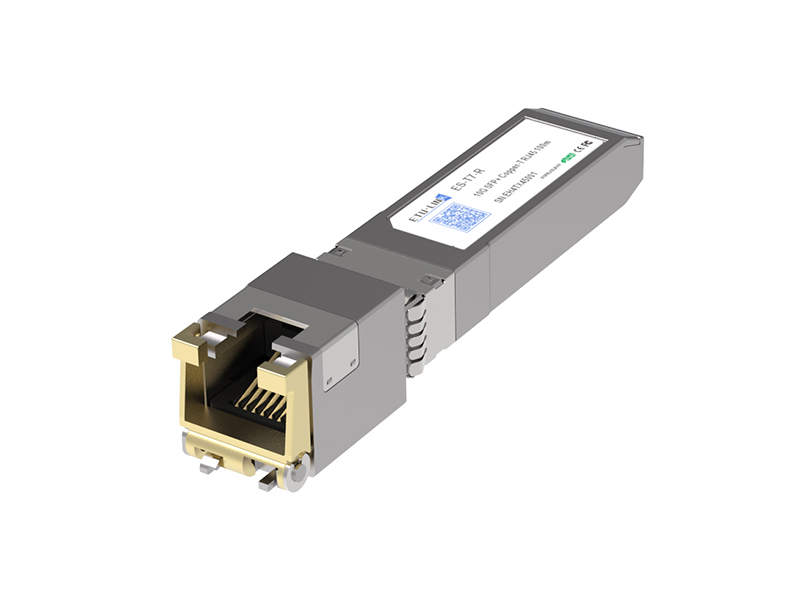 COPPER-T
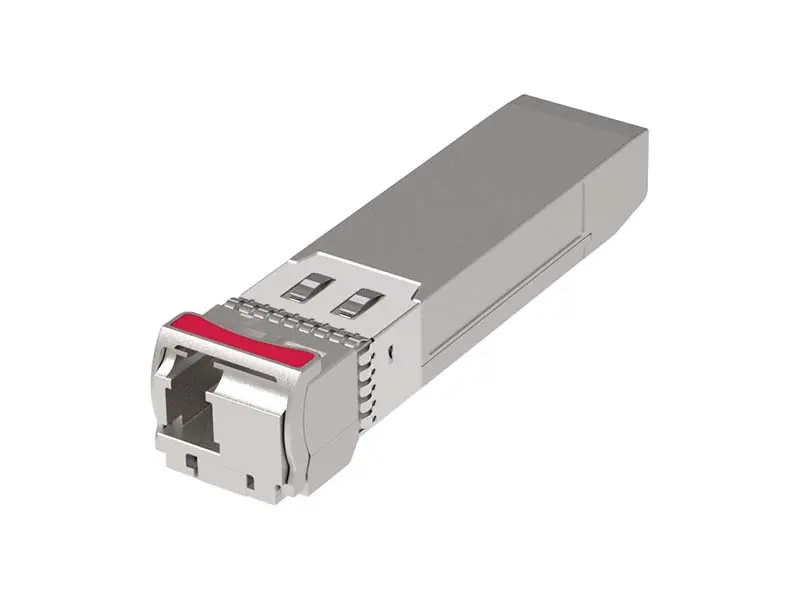 Other
Other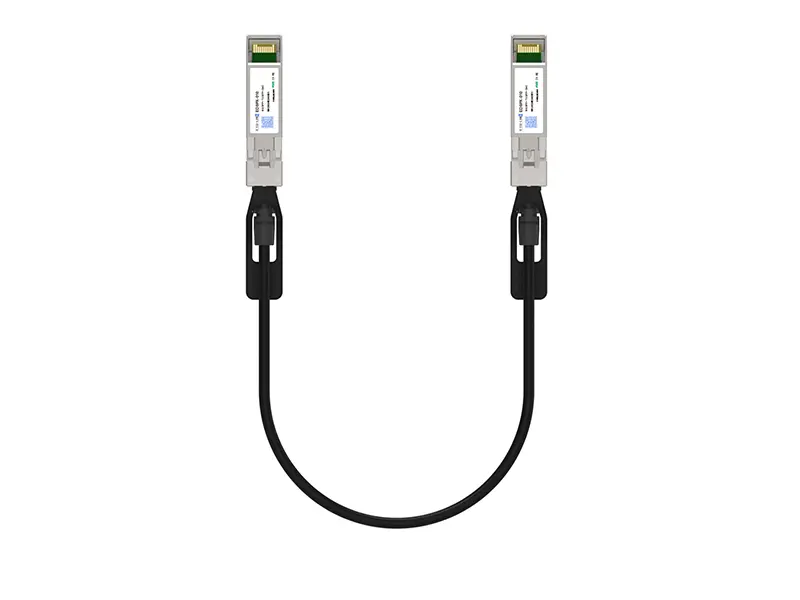 10G SFP+ DAC
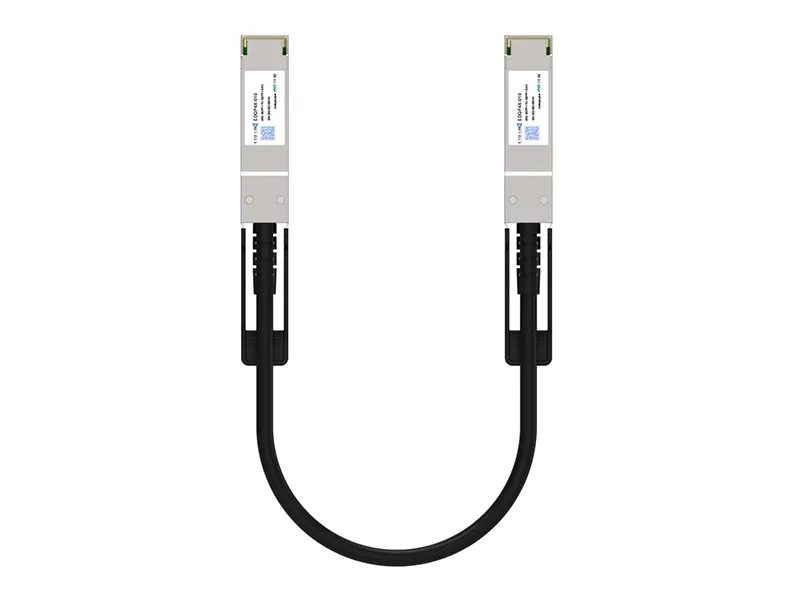 40G QSFP+ DAC
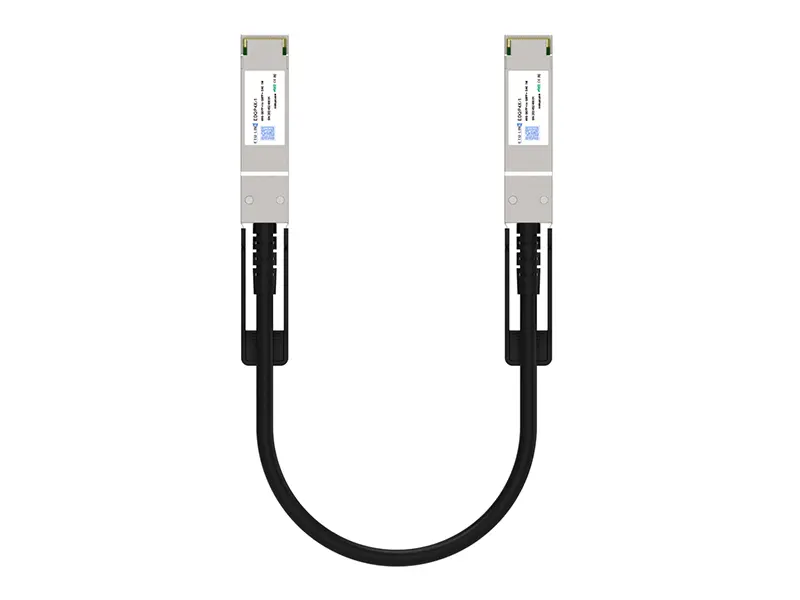 56G QSFP+ DAC
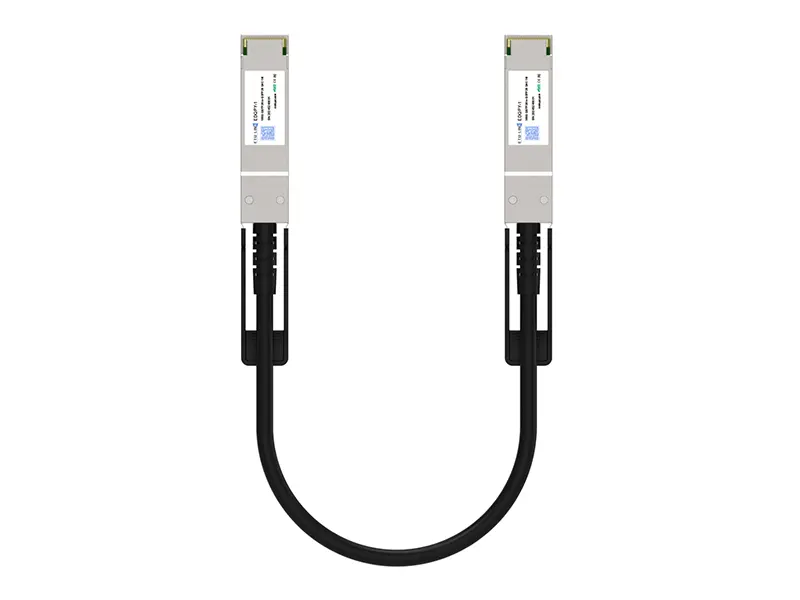 100G QSFP28 DAC
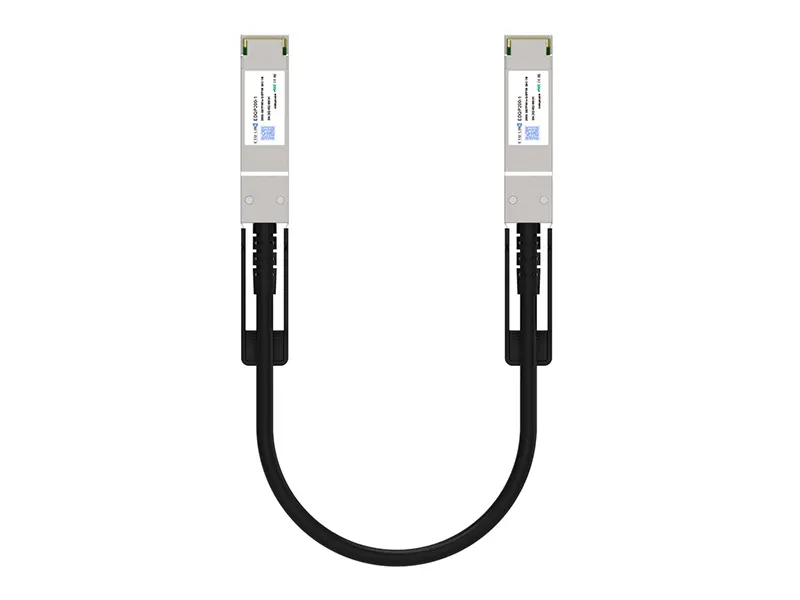 200G QSFP56 DD DAC
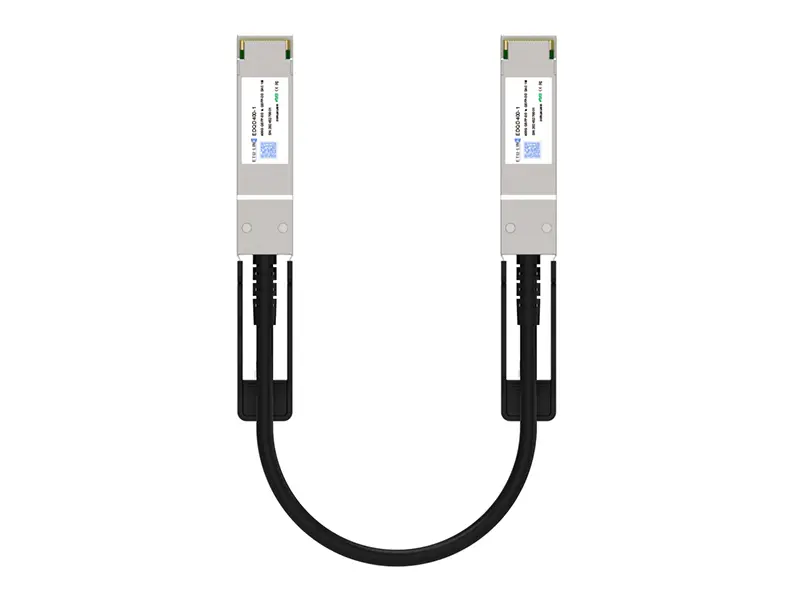 400G QSFP DD DAC
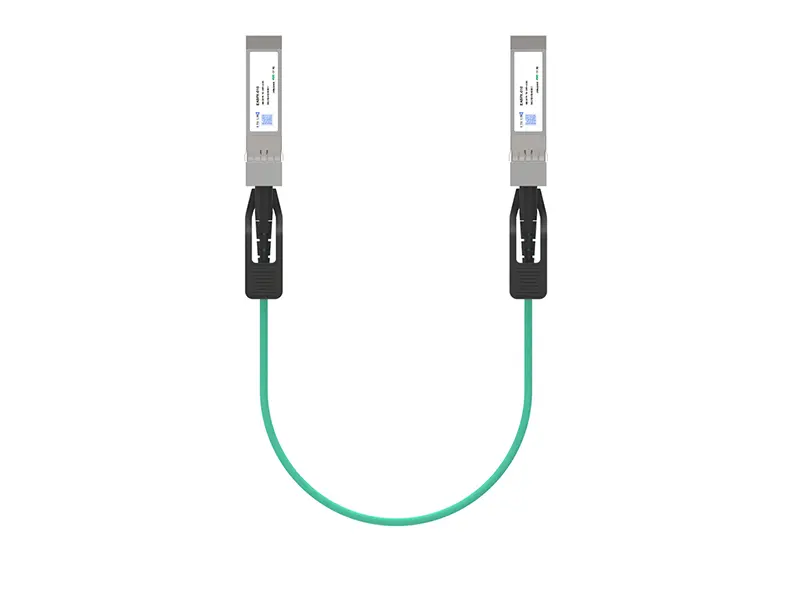 10G SFP+ AOC
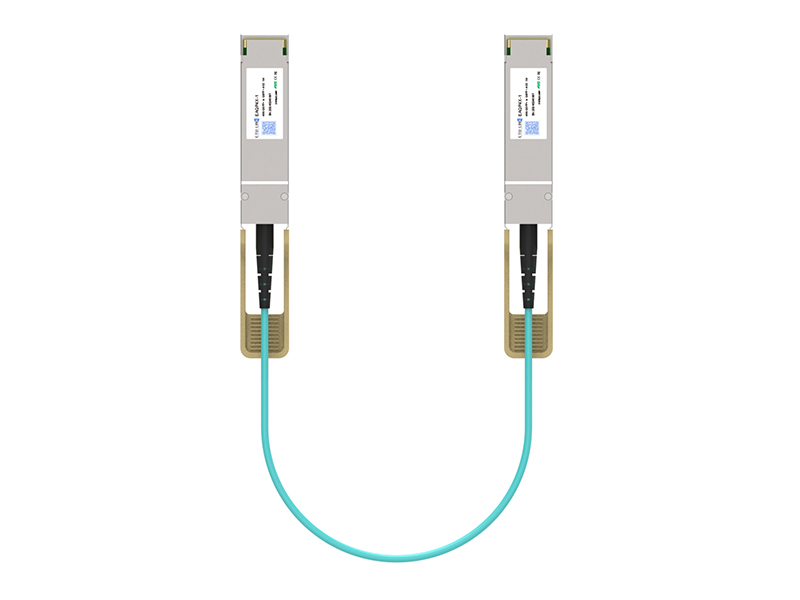 40G QSFP+ AOC
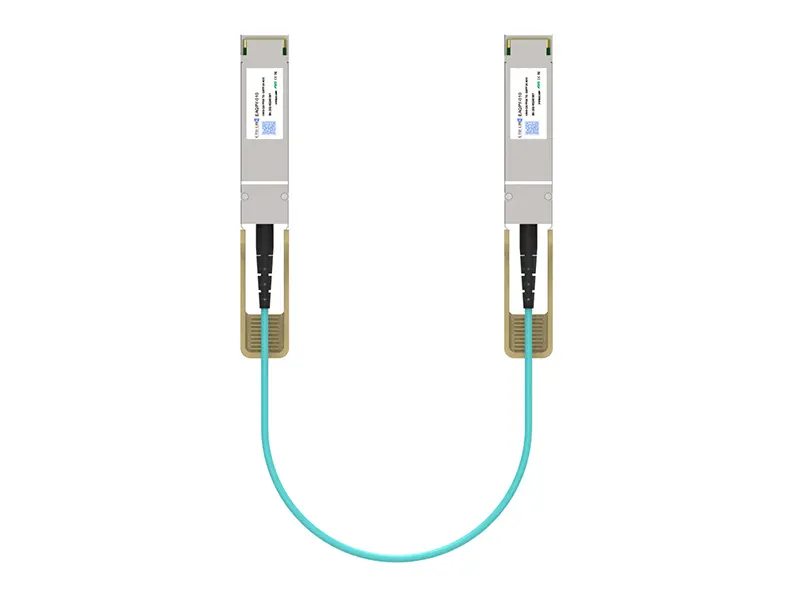 100G QSFP28 AOC
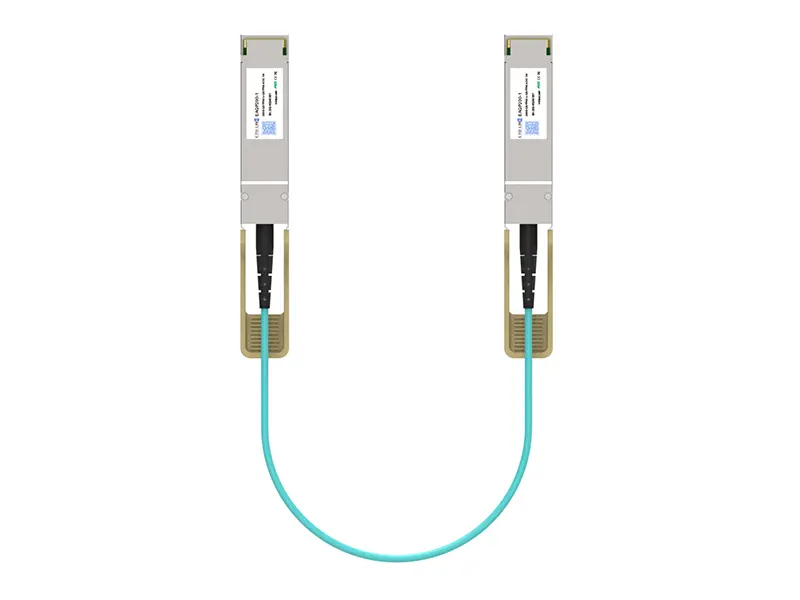 200G QSFP56 AOC
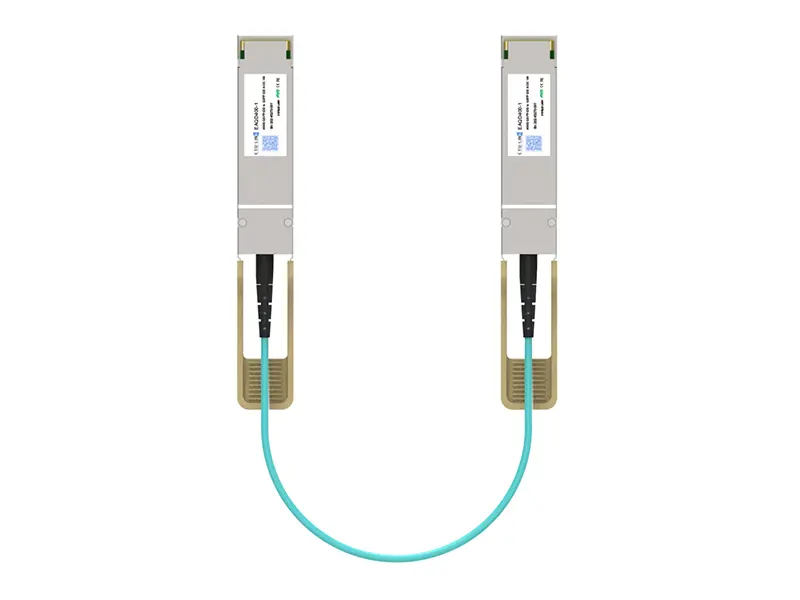 400G QSFP-DD AOC
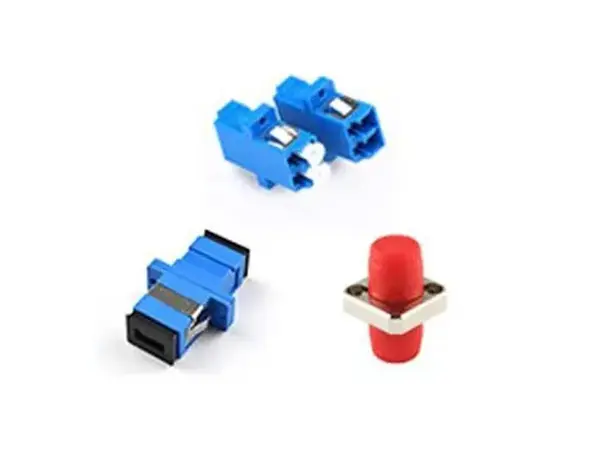 Adapter Details
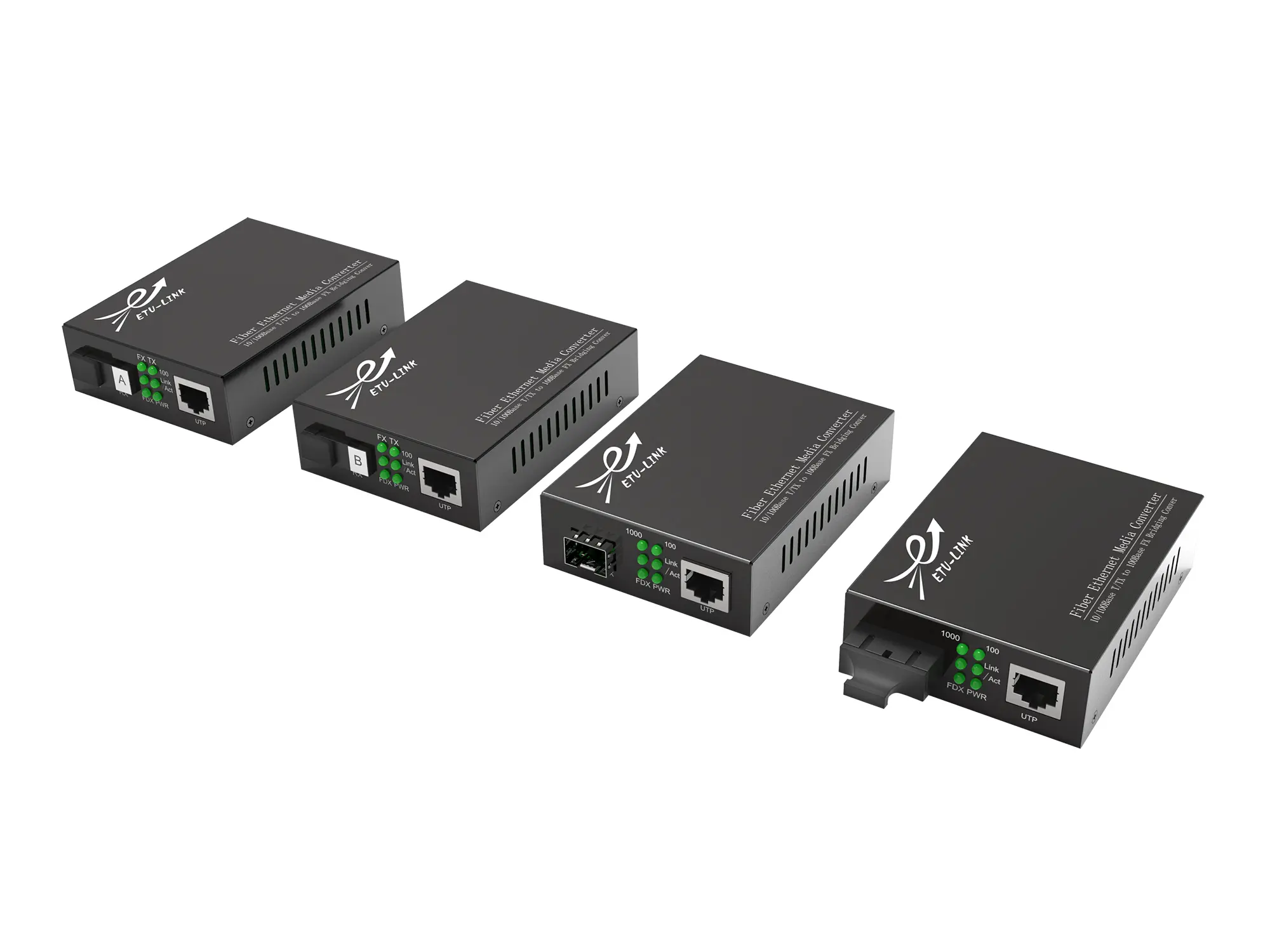 Media Converter