Top 10 Tips for Choosing the Right 10GbE SFP+ Transceiver for Your Network
In the rapidly evolving landscape of network technology, the choice of components can significantly impact performance and efficiency. Among these components, the 10GbE SFP+ Transceiver stands out as a vital element for ensuring high-speed data transfer and robust network connectivity. As organizations increasingly demand higher bandwidth and lower latency, understanding how to select the right 10GbE SFP+ Transceiver becomes essential for optimizing network performance.
Choosing the appropriate transceiver involves careful consideration of several factors, including compatibility with existing equipment, the types of cables required, and the distances over which data will be transmitted. With a myriad of options available in the market, it can be challenging to discern which transceiver is best suited for specific network needs. This guide aims to equip you with the top ten tips for choosing the right 10GbE SFP+ Transceiver, ensuring that your network operates at its peak efficiency, while also providing future-proof solutions to accommodate growth.
Understanding the Basics of 10GbE SFP+ Transceivers
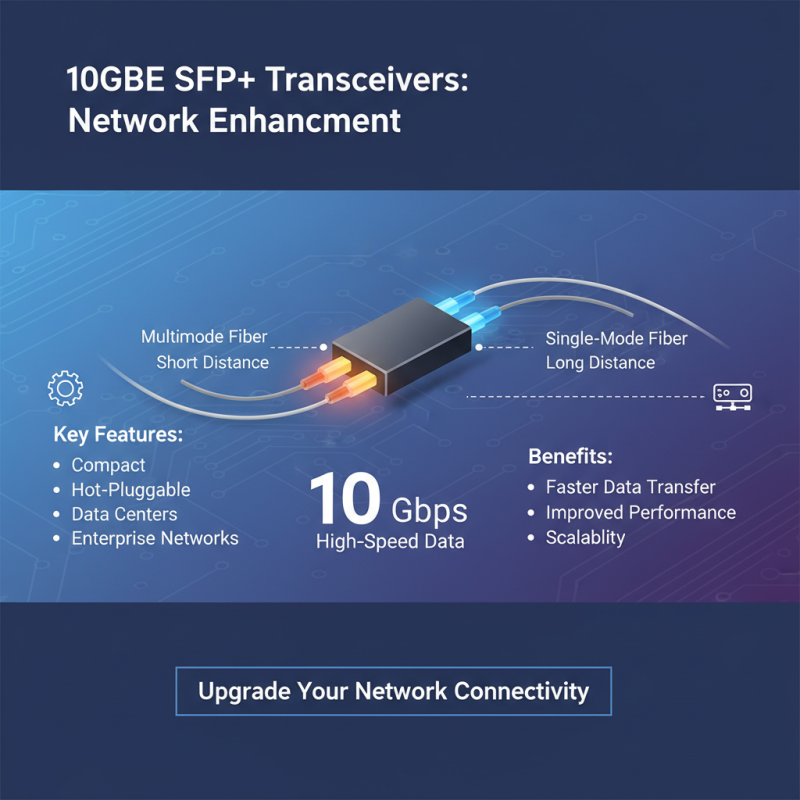
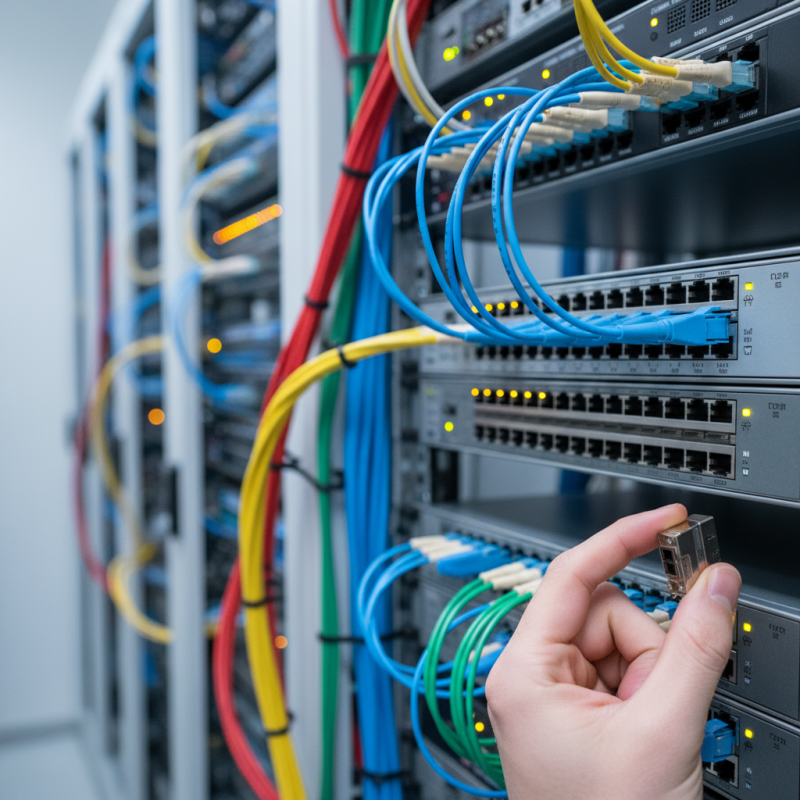
Understanding the basics of 10GbE SFP+ transceivers is crucial for anyone looking to enhance their network capabilities. SFP+, or Small Form-factor Pluggable Plus, is a compact, hot-pluggable transceiver used in high-speed network switches and routers. It enables the transmission of data at a rate of 10 gigabits per second (Gbps), making it ideal for data centers and enterprise networks that require high-performance connectivity. These transceivers come in various types, including multimode and single-mode fiber options, each suited to different distance and bandwidth needs.
When selecting the right 10GbE SFP+ transceiver, it's important to consider the specific requirements of your network environment. Factors such as the type of cabling in use, the distances between devices, and the overall system architecture can influence your choice. Multimode transceivers, for instance, are generally used for short-range connections over fiber, while single-mode transceivers support longer distances with higher data integrity. Understanding the distances, cable types, and environmental considerations will enable you to make an informed decision that optimizes your network's performance.
Key Features to Consider for 10GbE SFP+ Selection
When selecting the right 10GbE SFP+ transceiver for your network, it's essential to consider several key features that can significantly impact performance and compatibility. One of the most important factors is the type of fiber optic cable you plan to use. The SFP+ transceiver must match the specifications of your cabling system—whether single-mode or multimode fiber—to ensure optimal data transmission. According to market analysis, it's projected that by 2025, the demand for multimode SFP+ transceivers will increase by over 30% as more enterprises adopt advanced networking solutions.
Another critical aspect is the transmission distance. Each transceiver model is designed for specific ranges, thus understanding your network topology is vital. For instance, a transceiver meant for short-range connections typically supports distances up to 300 meters, while long-range options can extend up to 40 kilometers or more. Select models equipped with robust error correction and compliance with the industry-standard IEEE 802.3ae to maintain data integrity over extensive distances. Reports from the International Data Corporation indicate that networks using high-quality transceivers experience up to 50% fewer failures, underscoring the importance of this selection.
Finally, compatibility with your existing hardware is paramount. Before finalizing a purchase, verify that the module adheres to the Multi-Source Agreement (MSA) guidelines to ensure interoperability with various switches and routers. It's also wise to consider features like power consumption and heat dissipation, as efficient models contribute to overall system performance and longevity. As organizations increasingly demand high-bandwidth capabilities, understanding these key features will empower better decision-making in the competitive landscape of network infrastructure.
Compatibility and Standards: Ensuring Network Compatibility
When selecting the right 10GbE SFP+ transceiver for your network, ensuring compatibility and adherence to industry standards is fundamental. Transceivers must align with the specifications outlined by the IEEE, particularly the IEEE 802.3 standards. The 10 Gigabit Ethernet standard, which includes SFP+ modules, stipulates key parameters like maximum distance, supported protocols, and media types. For example, the commonly used SFP+ modules, such as those designed for multimode or single-mode fiber, differ significantly in their range capabilities. According to a recent report by Dell’Oro Group, the demand for 10GbE transceivers is projected to grow annually by 8%, primarily driven by the escalating needs for data center interconnectivity and increased cloud services, making it essential to choose compatible components.
Moreover, compatibility with existing hardware is a critical factor that should not be overlooked. Transceivers typically utilize various physical layer standards, including short-range (SR) and long-range (LR) specifications, which will dictate interoperability among devices. It’s crucial to verify that the chosen transceiver supports the network infrastructure's existing protocols and speeds. In a study published by the Ethernet Alliance, over 70% of network downtimes were traced back to compatibility issues with transceivers and switches. This underscores the need to conduct a thorough compatibility assessment before procurement, ensuring that selected transceivers will seamlessly integrate within the network, thereby enhancing performance and stability.
Evaluating Distance and Data Rate Requirements
When selecting a 10GbE SFP+ transceiver for your network, understanding the distance and data rate requirements is crucial. The first step is to assess the specific needs of your network environment. Consider the maximum data rate your applications demand; for instance, a transceiver that supports 10Gbps is essential for high-performance tasks like data center operations or video streaming.
Additionally, the distance between devices plays a significant role in your choice; various transceivers are designed for different distances, often categorized into short-range, medium-range, and long-range options. Remember that exceeding a transceiver's specified range can lead to signal loss and reduced performance.
Evaluate your environment to determine whether you need single-mode or multi-mode fiber. Single-mode transceivers are ideal for long-distance connections, often exceeding 10 kilometers, while multi-mode options are typically sufficient for shorter distances, generally up to 300 meters.
It’s also important to consider the type of cabling in use, as this will affect the overall performance and reliability of the network. By taking these factors into account, you can select a transceiver that not only meets your current demands but also scales with your network’s growth in the future.
Cost vs. Performance: Making an Informed Choice
When selecting a 10GbE SFP+ transceiver for your network, it is essential to balance cost and performance effectively. The initial price of a transceiver can vary significantly, influenced by factors such as the type of module, the manufacturer, and compatibility with existing infrastructure. Therefore, understanding your specific network requirements is crucial. Evaluate the performance characteristics you need, such as reach, data rate, and compatibility with existing hardware, to ensure you're making an informed decision that aligns with both your performance expectations and budget constraints.
Moreover, while it might be tempting to opt for the most affordable solutions, consider the long-term implications of such choices. Cheaper transceivers may operate at lower performance levels or may not offer the same reliability as their higher-priced counterparts. This could lead to issues such as increased packet loss or network downtime, ultimately resulting in higher costs for repairs and replacements. By weighing the long-term performance benefits against the upfront costs, you can make a more strategic investment that enhances network efficiency and reduces operational headaches in the future.

 400G
400G 200G
200G 100G
100G 40G
40G 25G
25G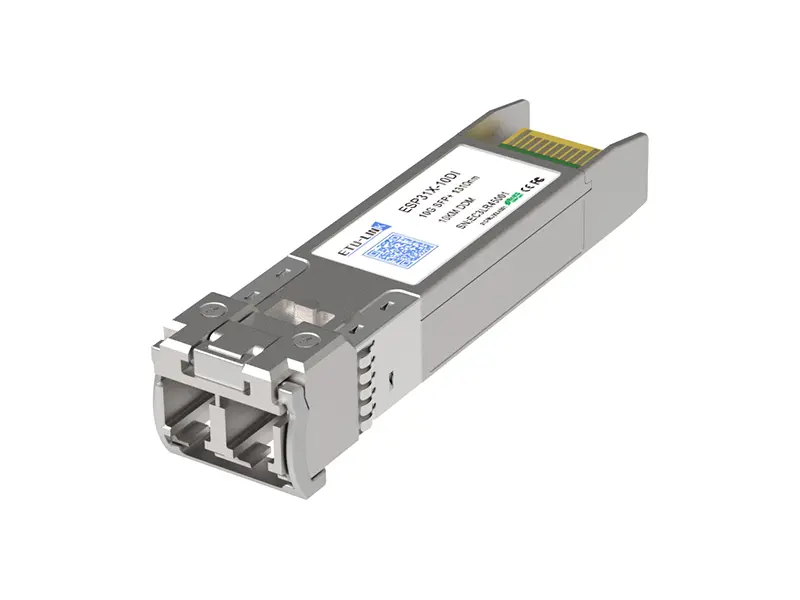 10G
10G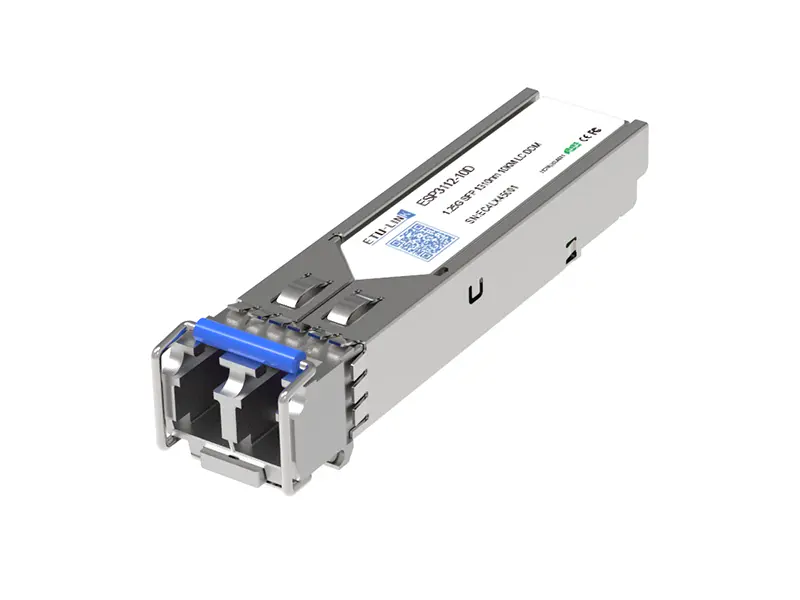 1G
1G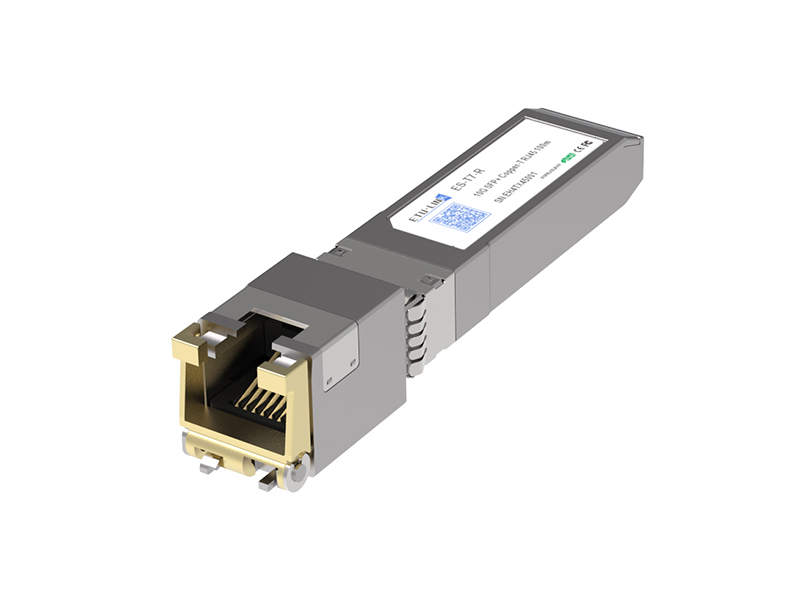 COPPER-T
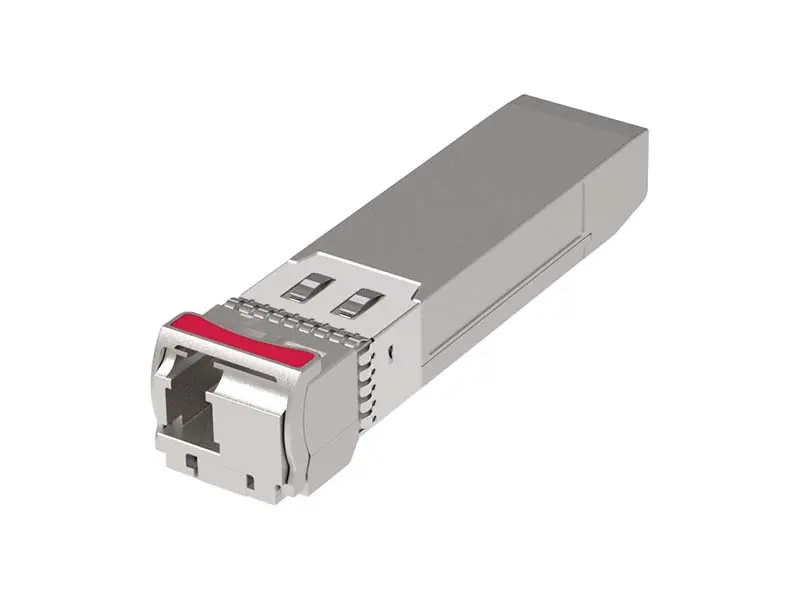 Other
Other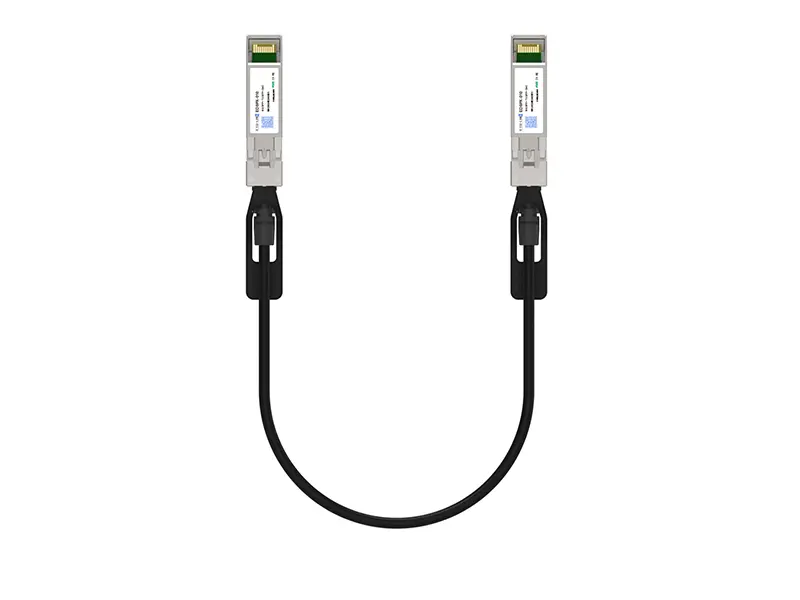 10G SFP+ DAC
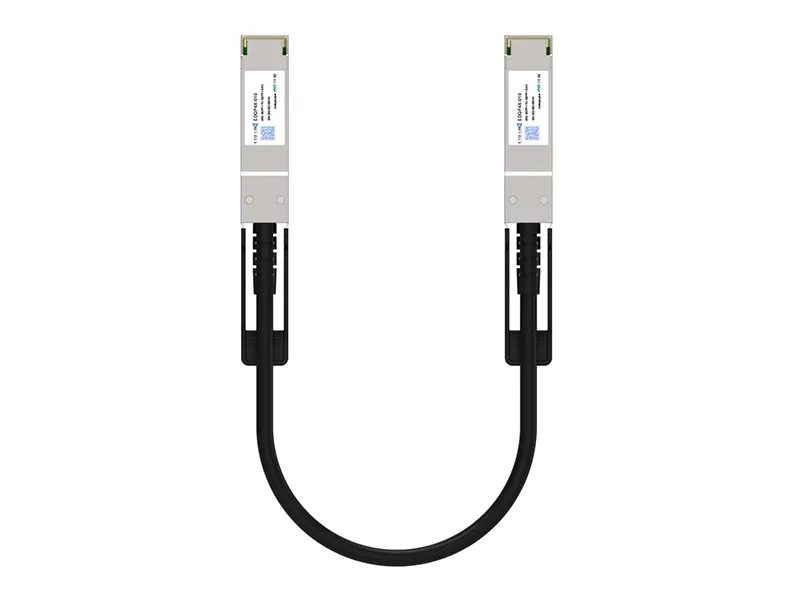 40G QSFP+ DAC
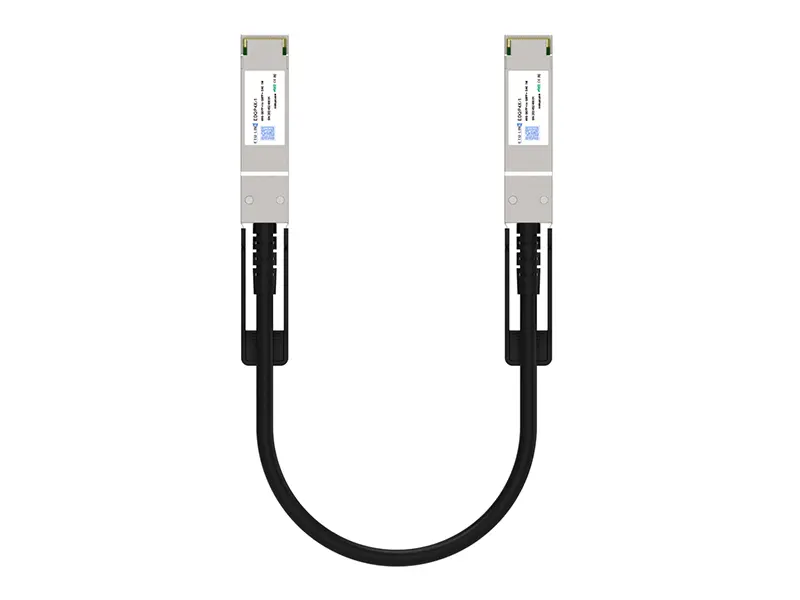 56G QSFP+ DAC
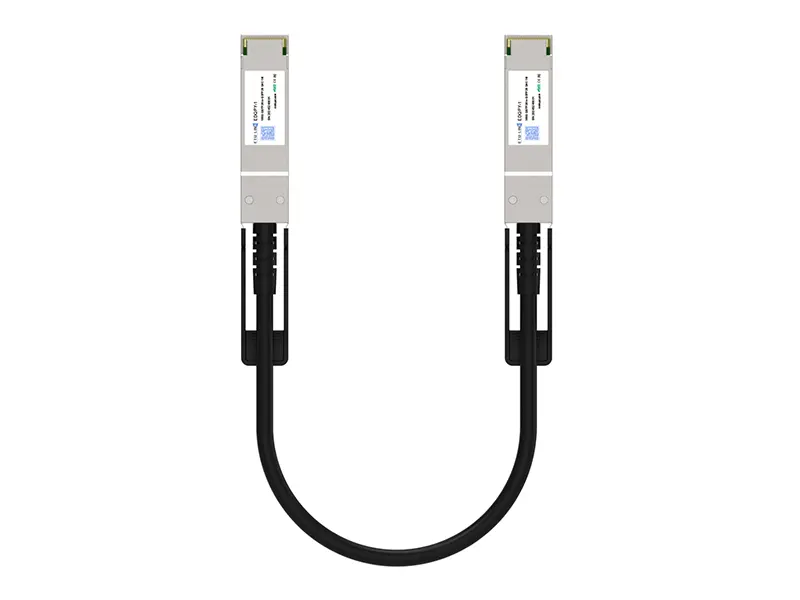 100G QSFP28 DAC
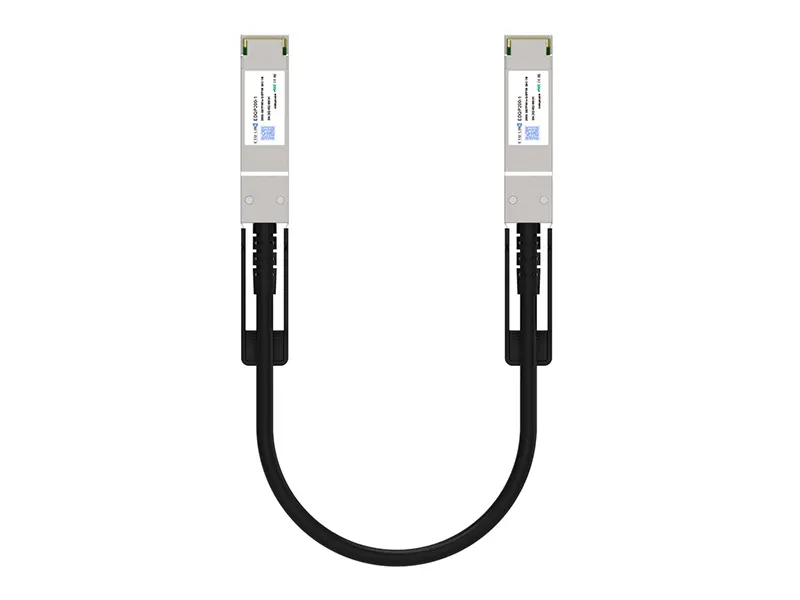 200G QSFP56 DD DAC
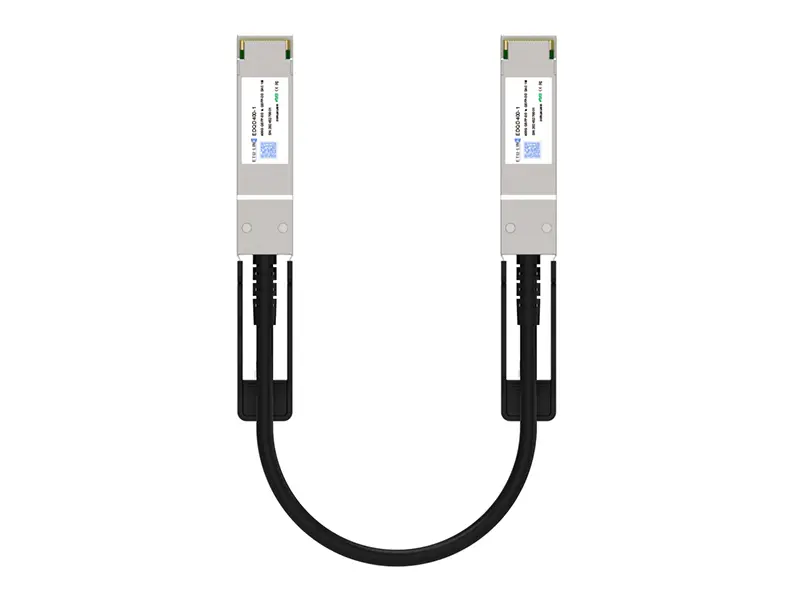 400G QSFP DD DAC
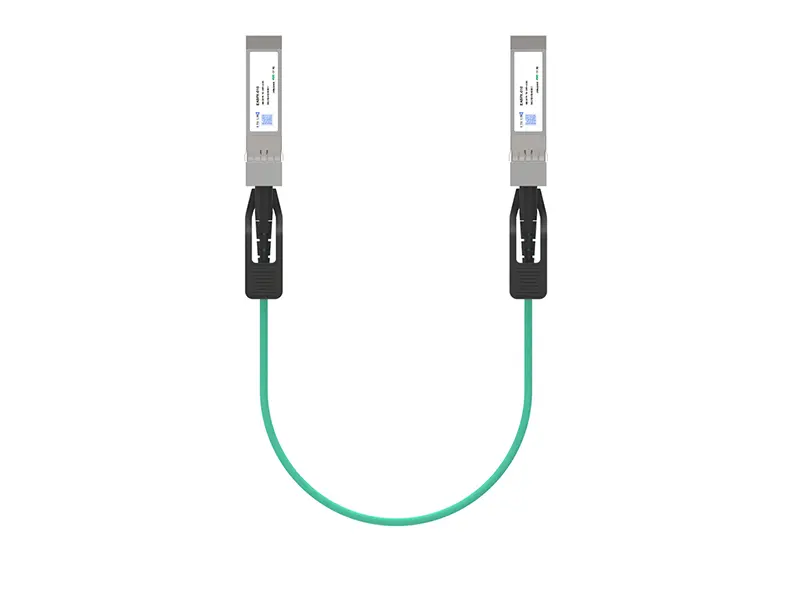 10G SFP+ AOC
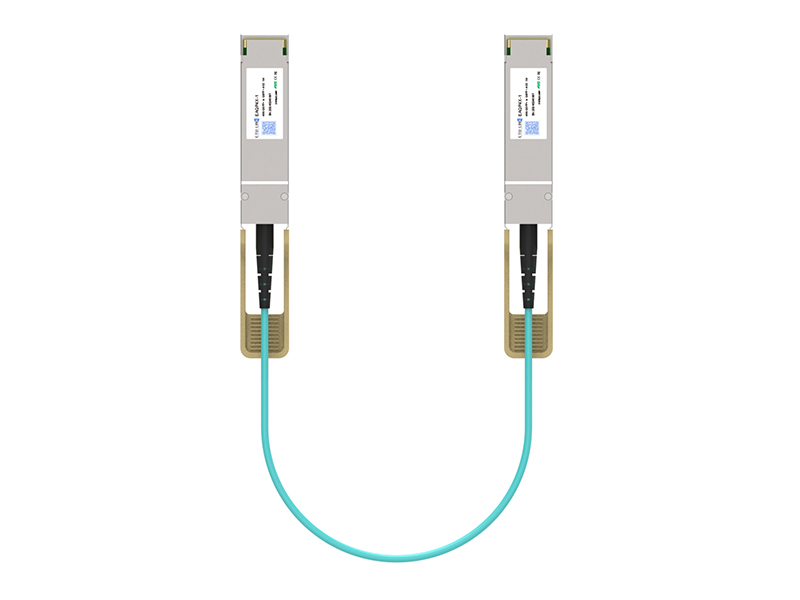 40G QSFP+ AOC
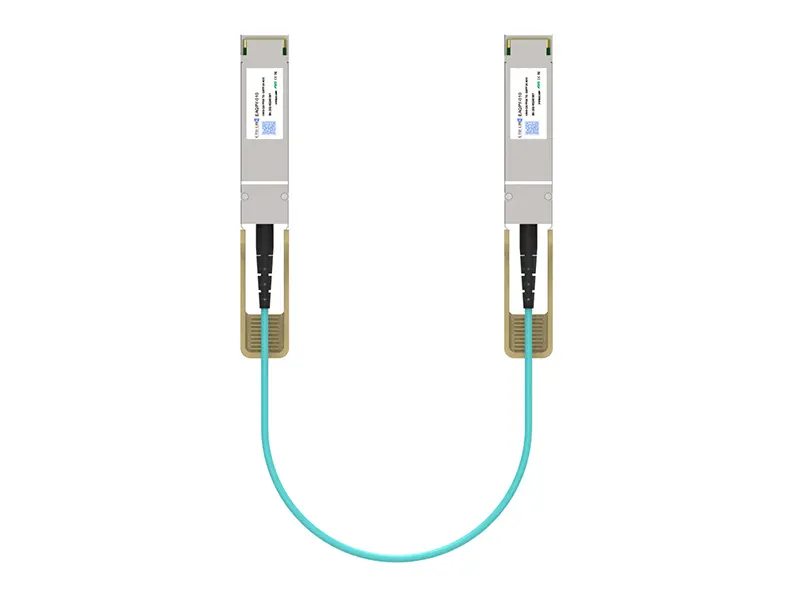 100G QSFP28 AOC
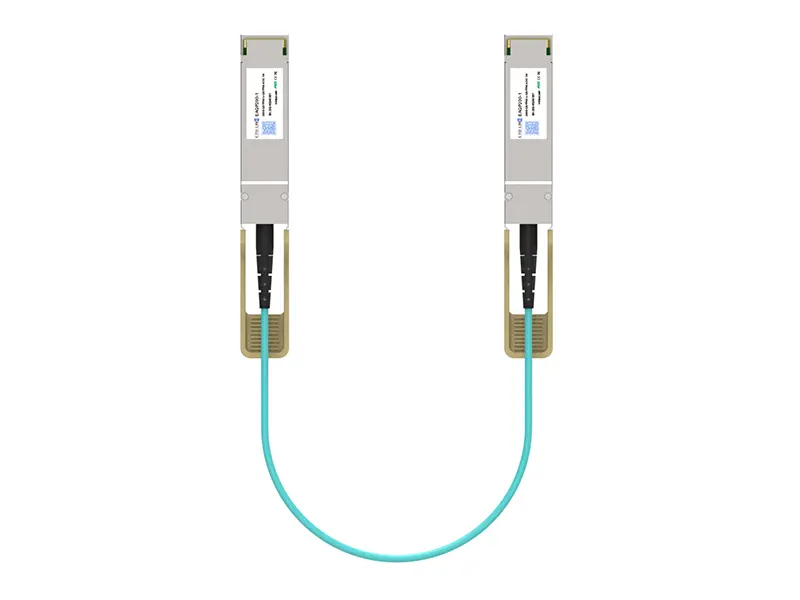 200G QSFP56 AOC
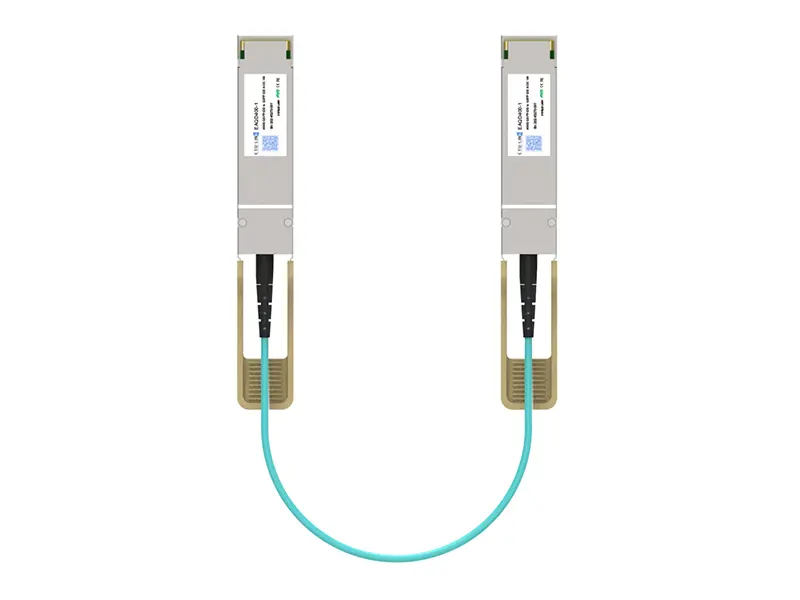 400G QSFP-DD AOC
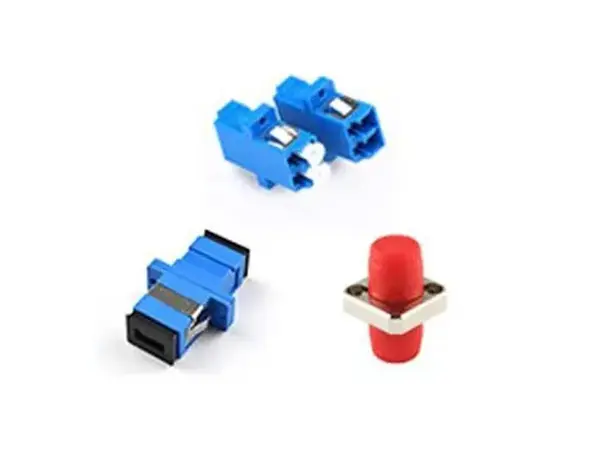 Adapter Details
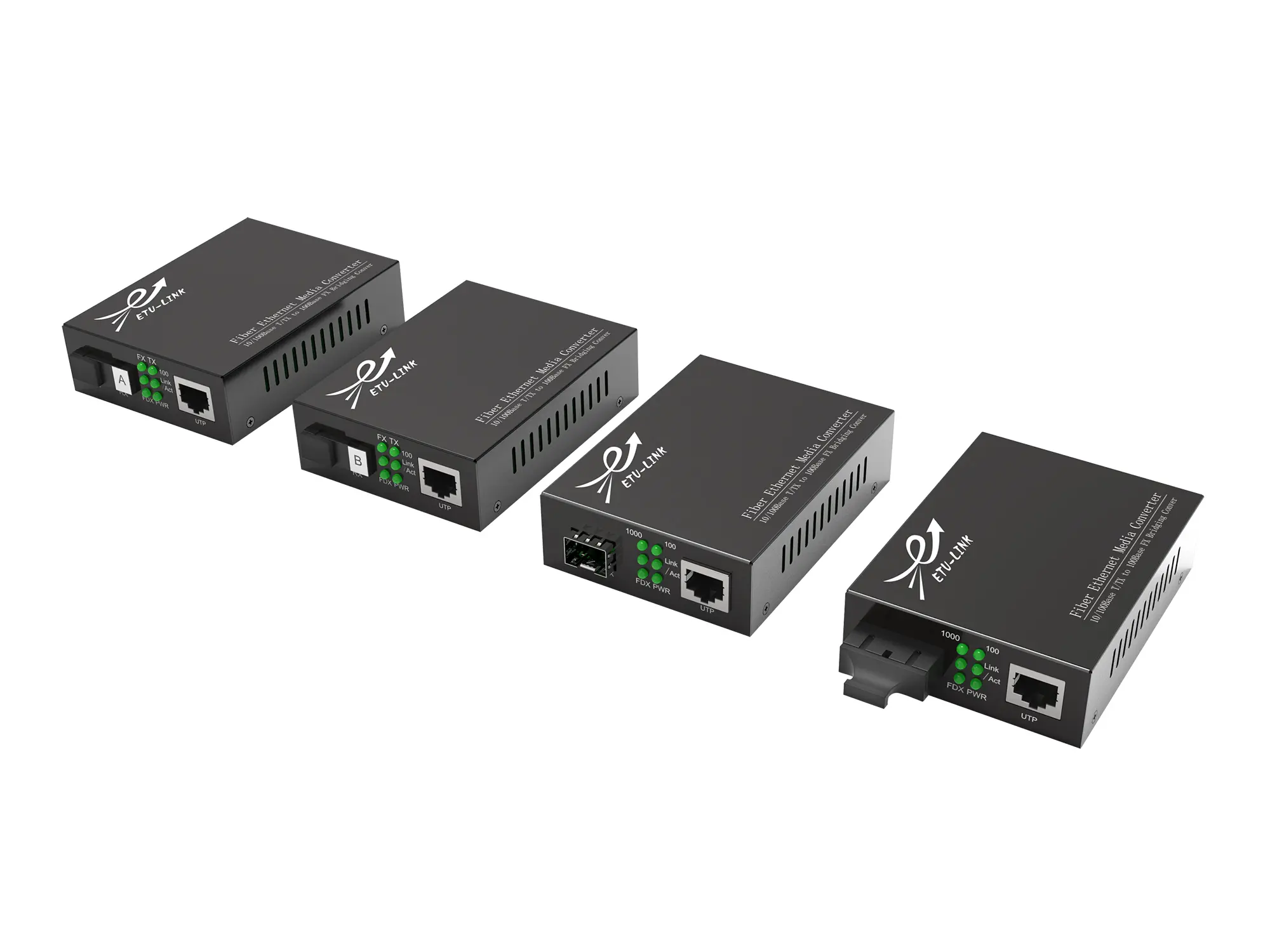 Media Converter