Essential Tips for Choosing the Best Copper RJ45 Connectors
In an increasingly interconnected world, the choice of networking components becomes paramount for ensuring peak performance and reliability. Among these components, the Copper RJ45 connectors play a crucial role in facilitating high-speed data transmission across various applications. According to a recent report by the International Data Corporation (IDC), the global market for Copper RJ45 connectors is expected to witness substantial growth, projecting a compound annual growth rate (CAGR) of 6.5% through 2027. This surge underscores the importance of making informed decisions when selecting the best connectors for specific networking needs.

Industry expert Dr. Amanda Sterling, a seasoned engineer with over 15 years of experience in telecommunications, emphasizes the significance of quality in connector selection: "The right Copper RJ45 connector can dramatically influence both the speed and stability of network performance." Her insights highlight the critical factors to consider, including material quality, compatibility, and environmental resilience, which are essential for achieving optimal connectivity. With myriad options available, understanding the nuances of Copper RJ45 connectors is vital for both professionals and enthusiasts aiming to enhance their network infrastructures effectively.
Key Factors to Consider When Selecting Copper RJ45 Connectors in 2025
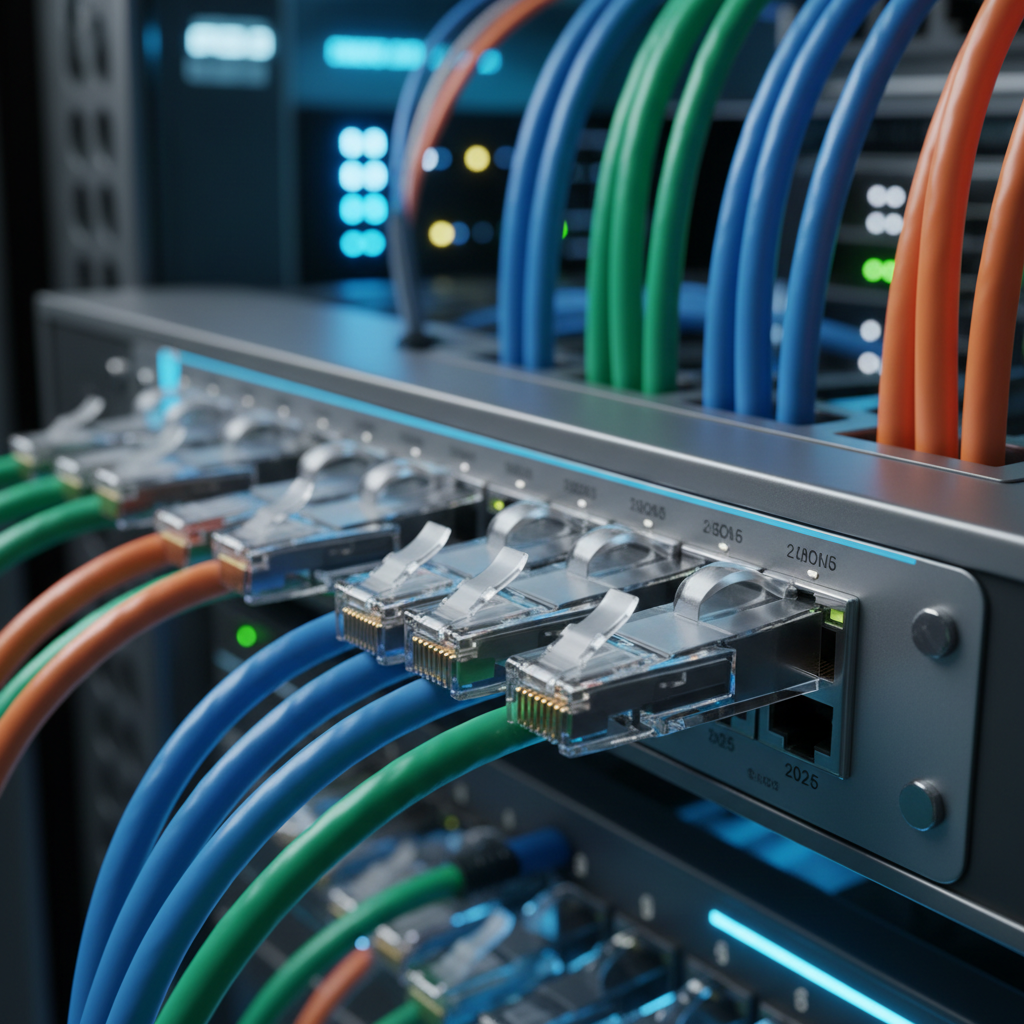
When selecting copper RJ45 connectors in 2025, several key factors must be considered to ensure optimal performance and reliability. First and foremost, compatibility with existing network infrastructure is critical. According to a market analysis by ResearchAndMarkets, the demand for high-speed connectivity is expected to grow by over 15% annually, making it essential to choose connectors that support at least Cat6 standards. These standards can handle up to 10 Gbps at 55 meters, suitable for modern applications such as data centers and enterprise networks.
Another significant consideration is the quality of materials used in the connectors. A report from the International Electrotechnical Commission (IEC) emphasizes that connectors with gold-plated contacts provide superior performance due to better conductivity and resistance to corrosion. Furthermore, ensuring compliance with industry standards like TIA/EIA-568 helps guarantee the connector's performance under various conditions. As we move further into a more connected world, focusing on these critical factors will ensure robust and efficient network performance, aligning with the increasing demands placed on data transmission technologies.
Understanding Ethernet Standards: Why Compatibility Matters for RJ45 Connectors
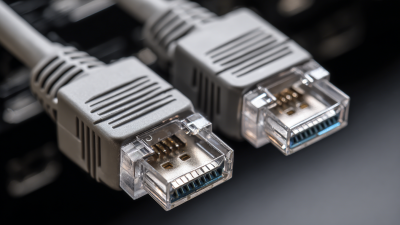
When selecting RJ45 connectors, understanding Ethernet standards is crucial for ensuring compatibility and performance. Ethernet technology encompasses various standards that dictate data transmission rates and capabilities, such as Cat5e, Cat6, and Cat6a. Each of these standards has specific requirements regarding the wiring and connector types, which means using the correct RJ45 connectors is essential for achieving optimal network efficiency and speed.
Compatibility matters significantly when it comes to copper RJ45 connectors. Utilizing connectors that do not align with your cabling standard can lead to poor network performance, including reduced data speeds and increased latency. For instance, using a Cat6 connector with a Cat5 cable may not deliver the desired performance enhancements inherent to the higher standard. Therefore, it is vital to check that the connectors you choose are designed to support the specific Ethernet standard of your network, ensuring reliability and maximum bandwidth utilization.
Assessing the Impact of Conductor Materials on Signal Quality in Copper RJ45 Connectors
When selecting copper RJ45 connectors, one of the key factors to consider is the impact of conductor materials on signal quality. The choice of copper type can significantly influence data transmission efficiency and overall network performance. High-purity copper, for instance, facilitates better conductivity, reducing resistance and minimizing signal loss. This is particularly crucial for high-speed data applications, where even slight degradation in signal quality can result in noticeable performance drops.
To ensure you are picking the best copper RJ45 connectors, consider these essential tips: First, always check the specifications for the conductor material. Choose connectors that use oxygen-free copper or high-quality copper alloys known for excellent conductivity. Second, look for connectors that offer gold-plated contacts, as this improves corrosion resistance and provides a more stable connection over time. Lastly, consider the connector's compatibility with your existing network infrastructure to avoid any compatibility issues that may impact signal quality.
Investing time in evaluating the conductor materials and adhering to these tips can make a significant difference in network reliability and performance.
Impact of Conductor Materials on Signal Quality in Copper RJ45 Connectors
Evaluating Connector Durability: Lifespan and Performance Metrics in 2025 Standards
When selecting copper RJ45 connectors, evaluating their durability is paramount, especially in light of the higher performance standards expected in 2025. Recent industry reports highlight that connectors made from high-quality materials can significantly enhance both lifespan and performance. For example, connectors designed to withstand harsh environmental conditions, such as those with a temperature range of -40°C to 85°C, were found to maintain up to 90% of their initial performance over time, according to a 2023 study by the Institute of Electrical and Electronics Engineers (IEEE).
Moreover, performance metrics such as insertion and withdrawal cycles are crucial indicators of durability. A leading manufacturer recently published data showing that their RJ45 connectors can endure over 1,000 cycles without significant wear, which is a key consideration for environments where frequent reconnections are necessary. Furthermore, compliance with 2025 standards means that connectors are increasingly being tested for factors such as electrical resistance and data transmission efficiency, ensuring that they meet the rigorous demands of modern networking requirements. Choosing connectors with proven durability metrics will not only improve system reliability but also reduce long-term costs associated with replacements and maintenance.
Cost-Benefit Analysis: Investing in High-Quality Copper RJ45 Connectors for Long-Term Value
When considering the investment in copper RJ45 connectors, a comprehensive cost-benefit analysis reveals that choosing higher-quality options can yield significant long-term value. According to a report by the International Electrotechnical Commission (IEC), the performance of connectors can vary greatly, with high-quality models providing up to 30% improved signal integrity and reduced attenuation compared to lower-grade alternatives. This enhancement leads to faster data transmission rates and fewer network disruptions, which is essential in today’s bandwidth-heavy environments.
Moreover, investing in premium copper RJ45 connectors can have profound economic implications. Research from the Institute of Electrical and Electronics Engineers (IEEE) indicates that businesses can save up to 40% in maintenance and replacement costs by utilizing durable, high-quality connectors. While the initial investment may be higher, the reduction in downtime and enhanced network performance often results in greater overall savings. Thus, while evaluating options, it is critical for buyers to weigh the initial costs against potential long-term benefits derived from superior product specifications and extended lifespan.

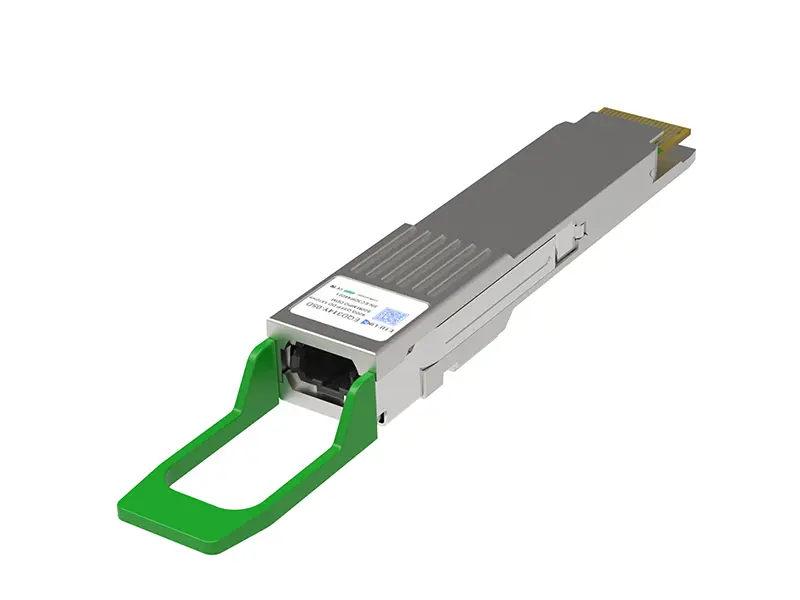 400G
400G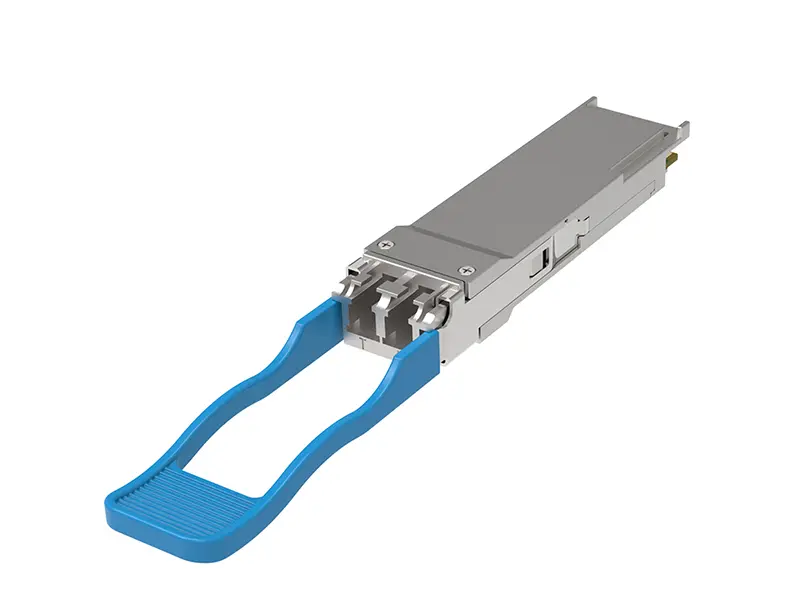 200G
200G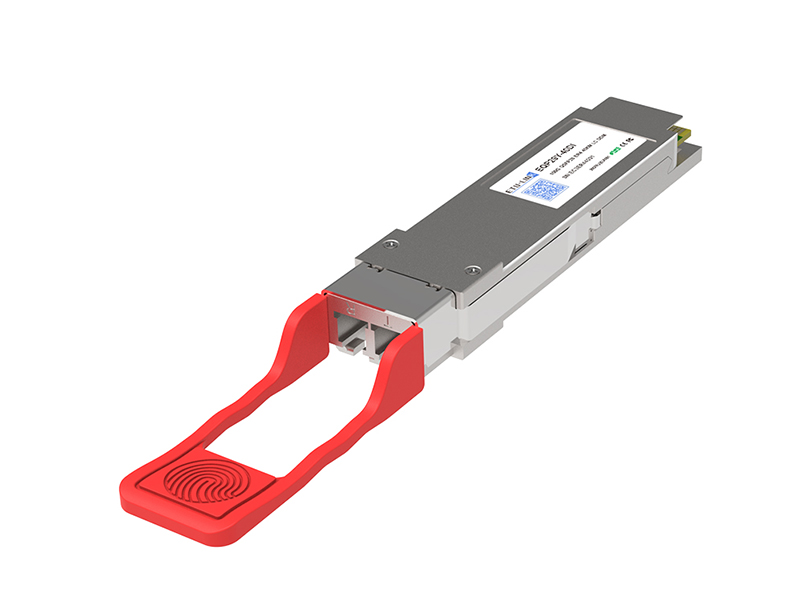 100G
100G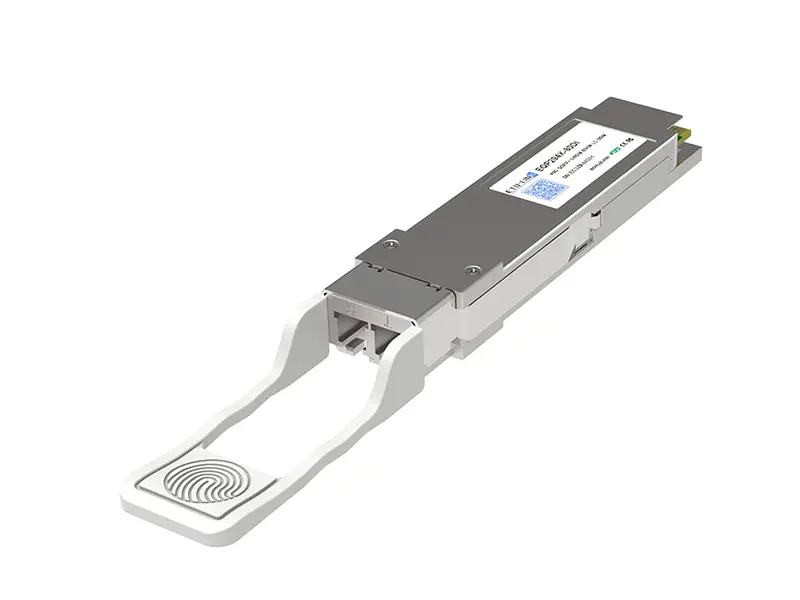 40G
40G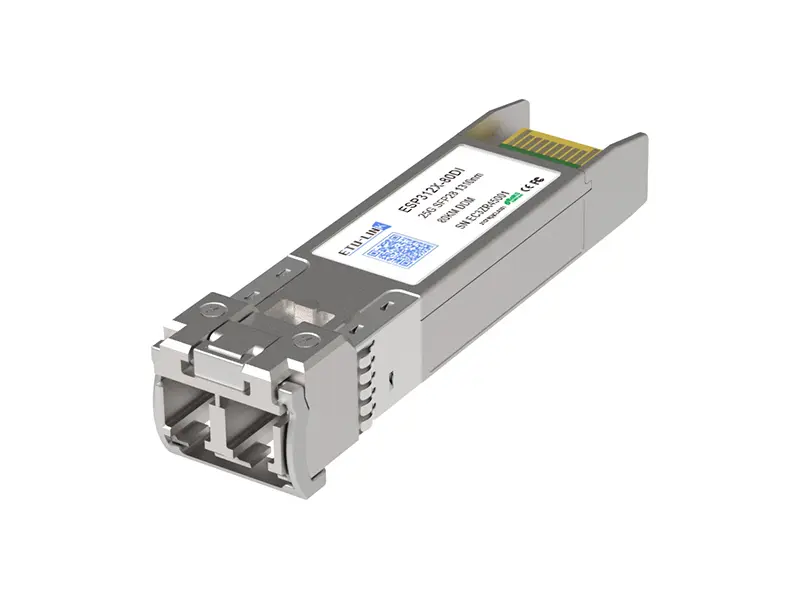 25G
25G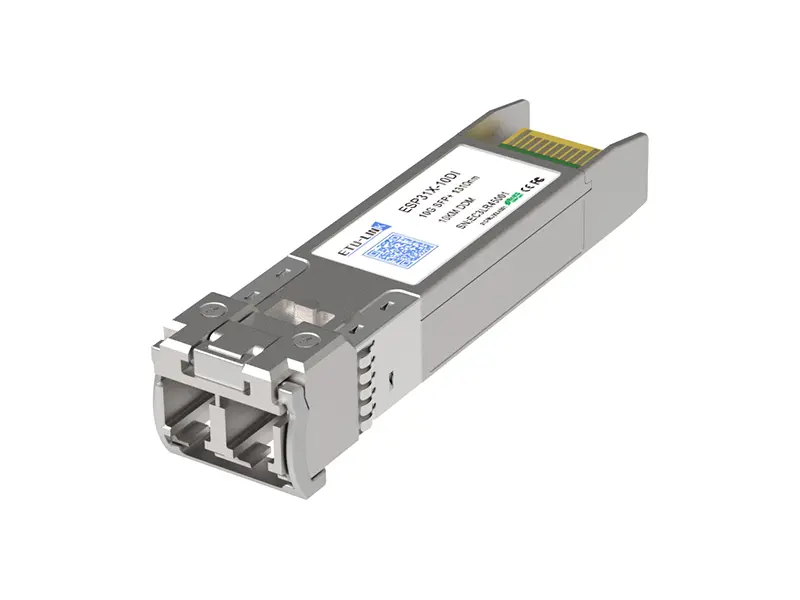 10G
10G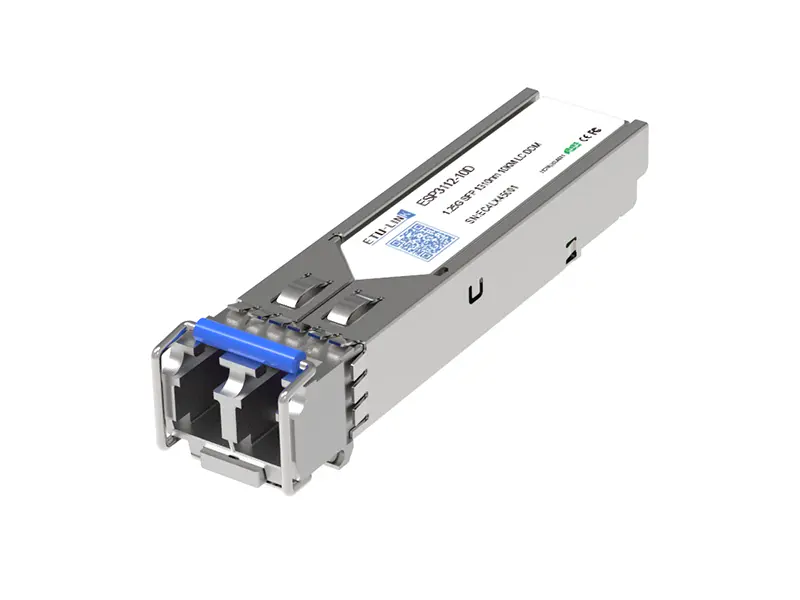 1G
1G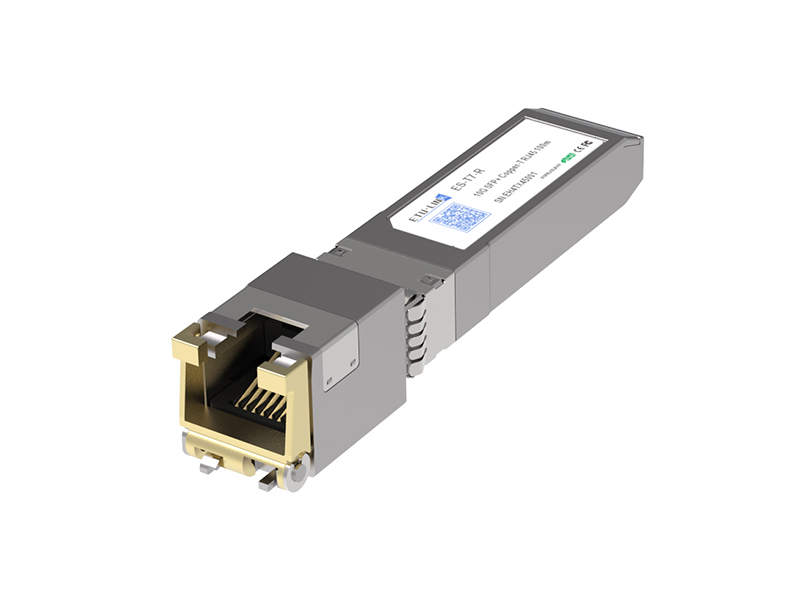 COPPER-T
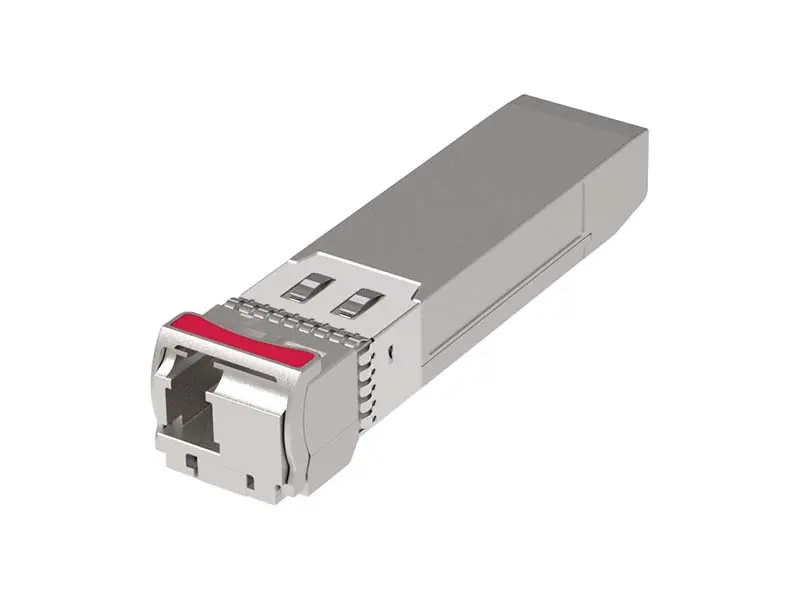 Other
Other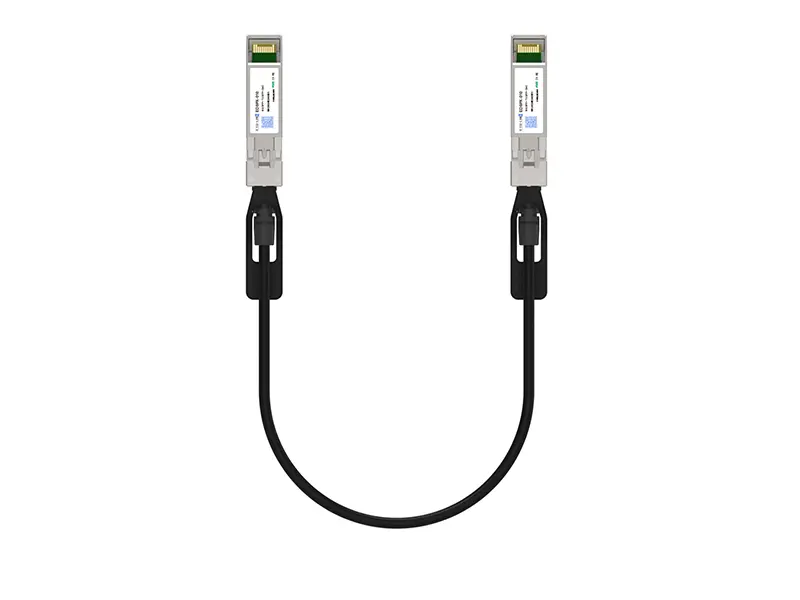 10G SFP+ DAC
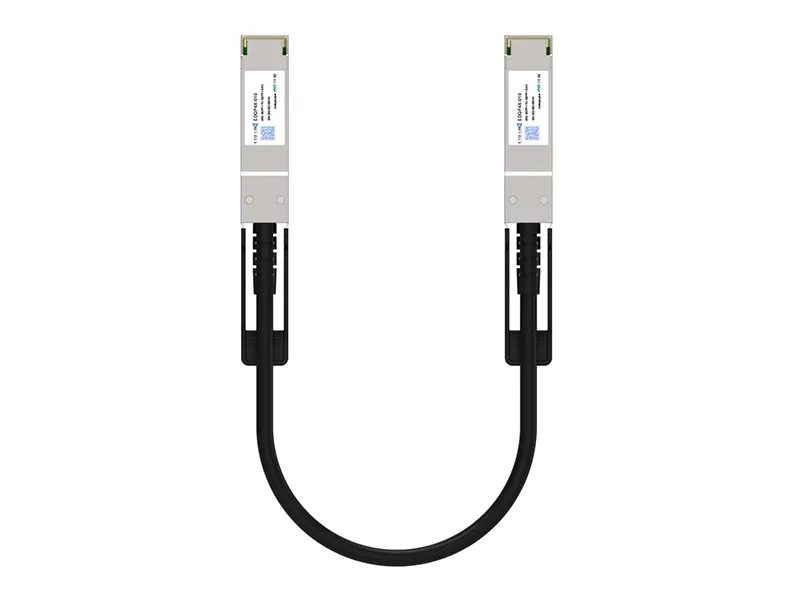 40G QSFP+ DAC
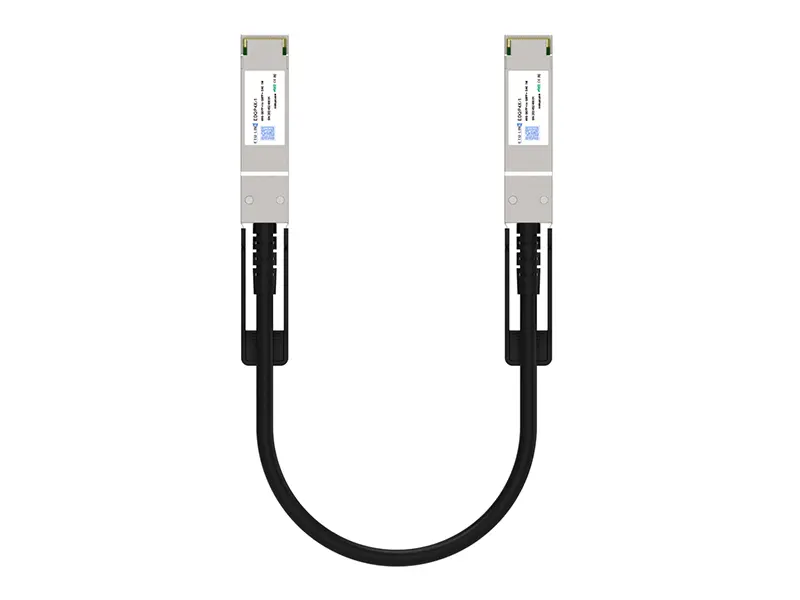 56G QSFP+ DAC
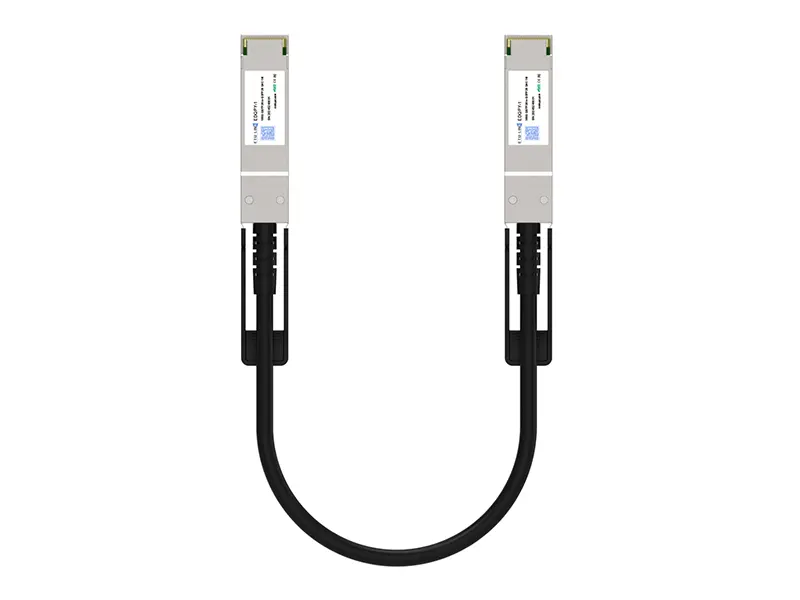 100G QSFP28 DAC
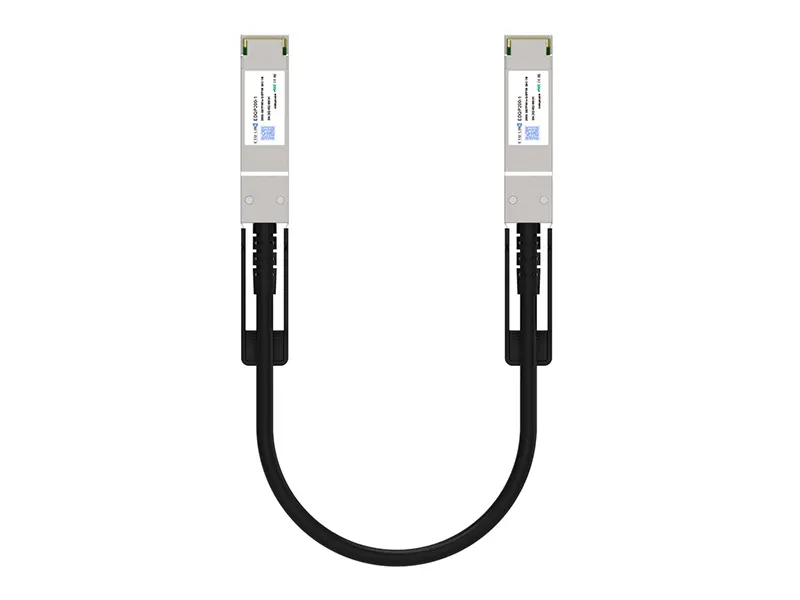 200G QSFP56 DD DAC
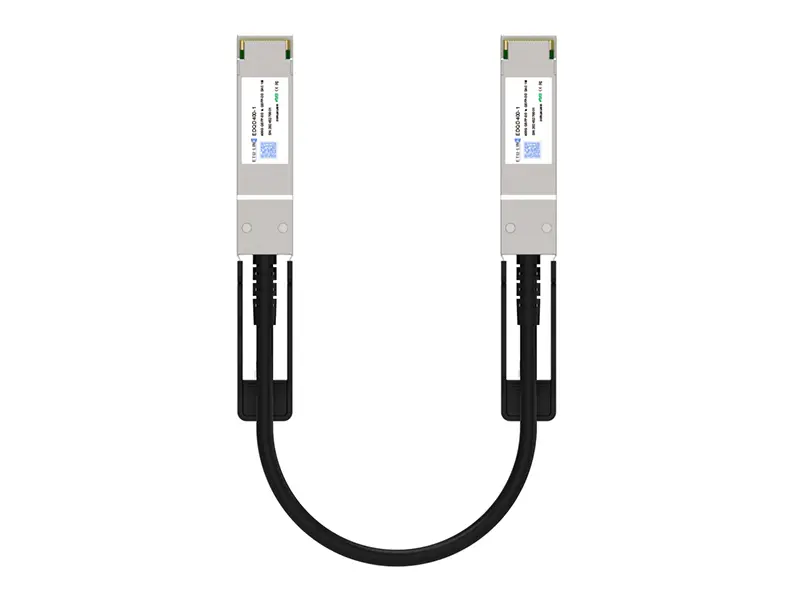 400G QSFP DD DAC
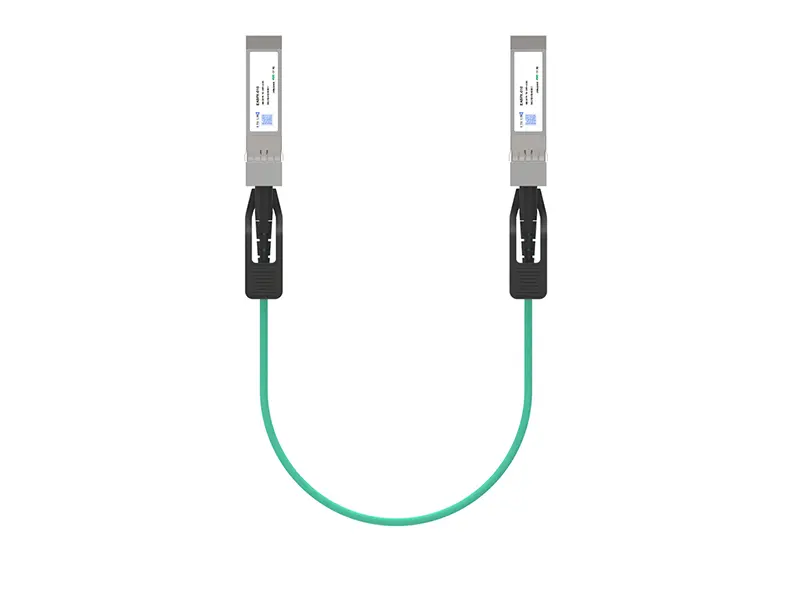 10G SFP+ AOC
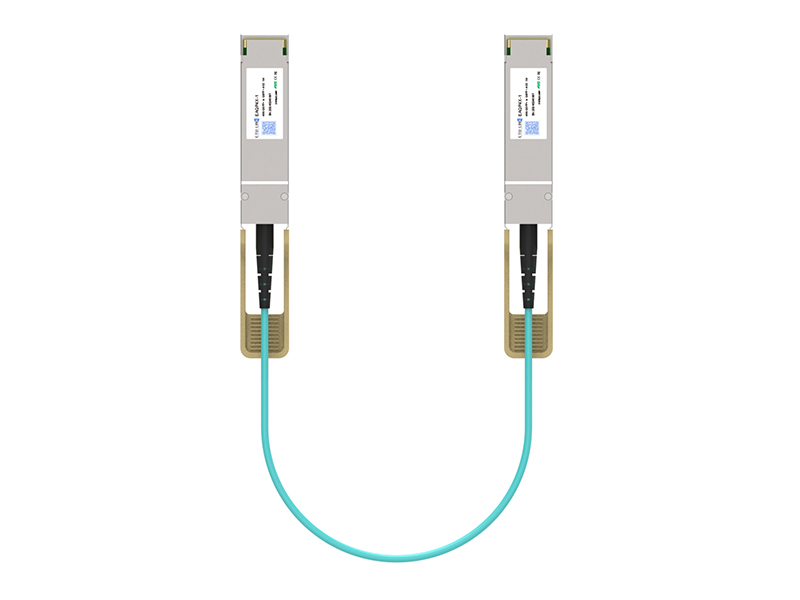 40G QSFP+ AOC
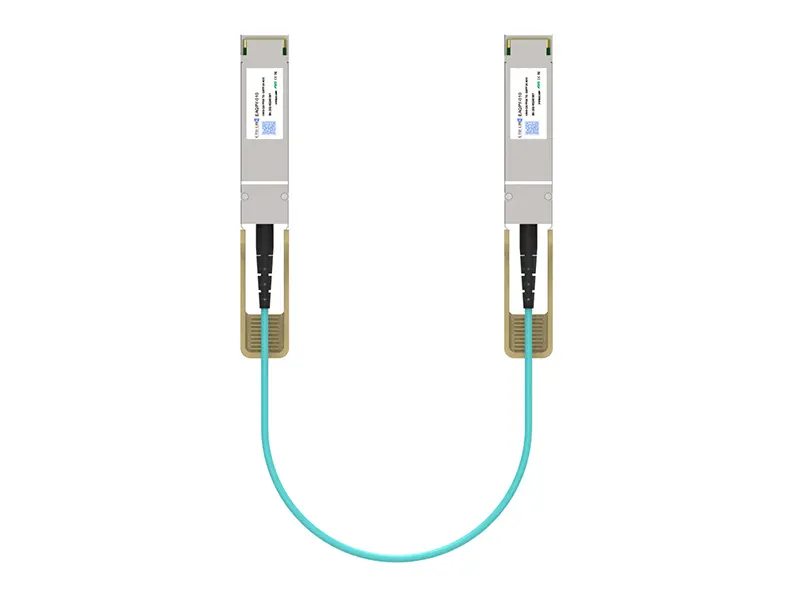 100G QSFP28 AOC
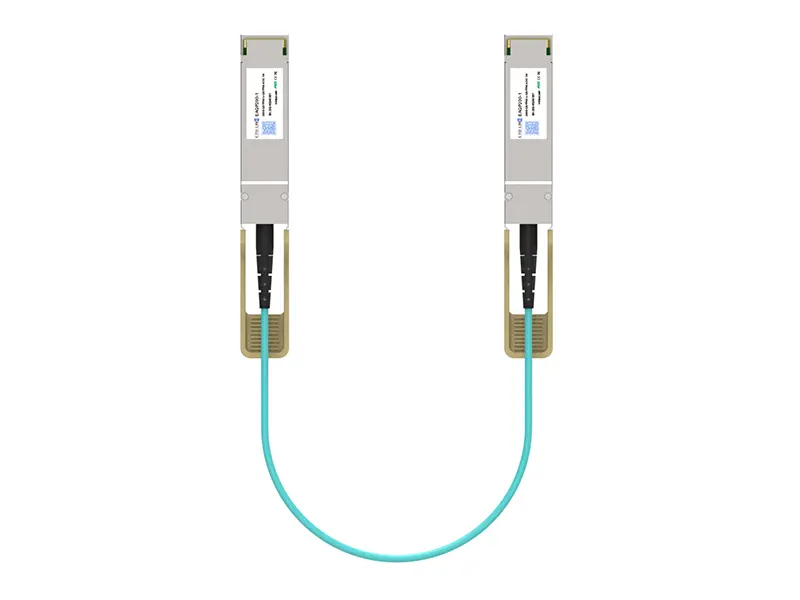 200G QSFP56 AOC
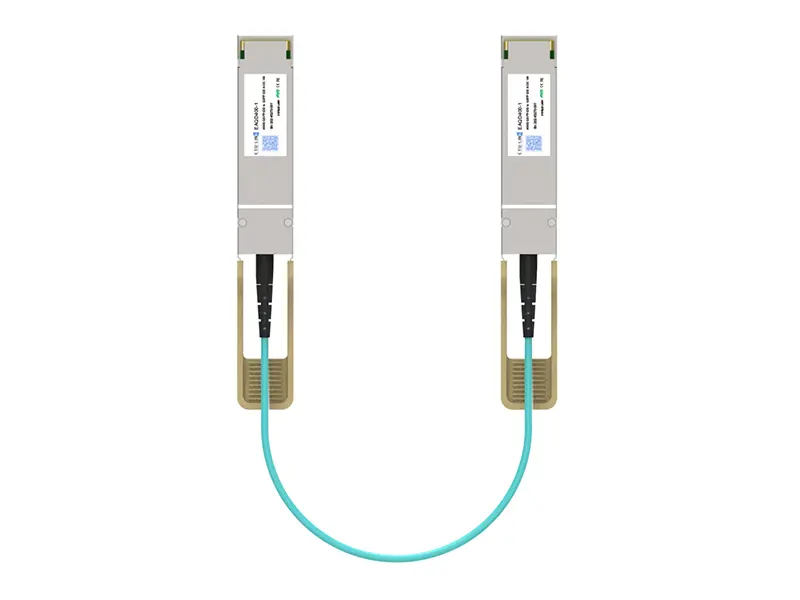 400G QSFP-DD AOC
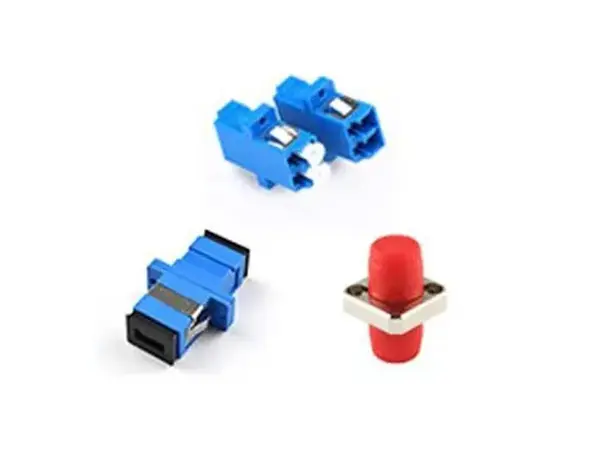 Adapter Details
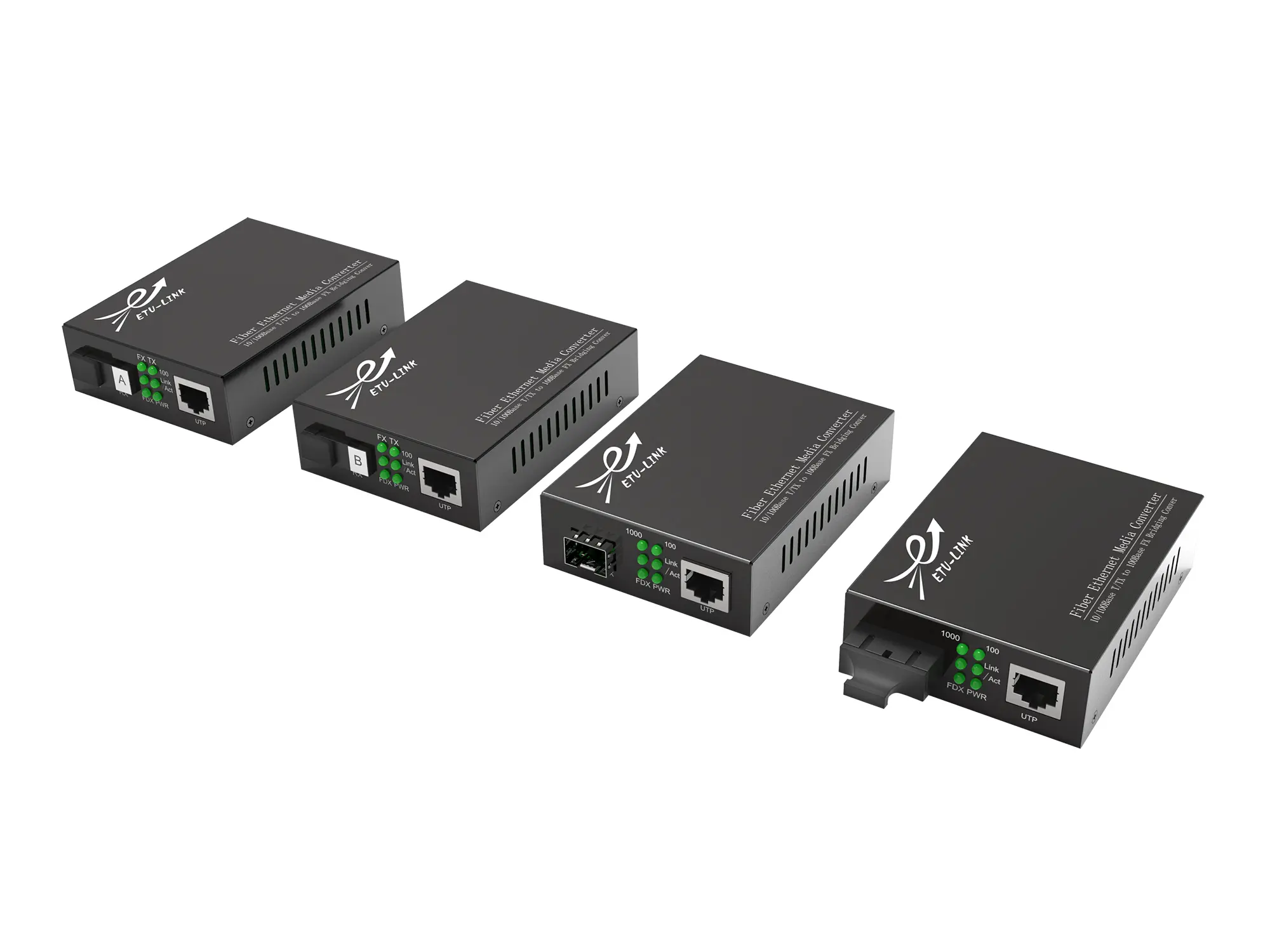 Media Converter