What is Cisco QSFP 100G ZR4 S and Its Applications in Networking?
In the rapidly evolving landscape of networking, the significance of high-speed data transmission cannot be overstated. The Cisco QSFP 100G ZR4 S module stands out as a robust solution. It addresses increasing bandwidth demands in data centers and service providers. According to industry reports, global data traffic is projected to grow by 20% annually, driving the need for efficient optical solutions.
The Cisco QSFP 100G ZR4 S offers an impressive reach of up to 80 kilometers over standard single-mode fiber. This capability is essential for enterprises seeking to optimize their network infrastructure. Reports suggest that 100G optical technologies can reduce operational costs by up to 30%. Such efficiency makes this module appealing for businesses aiming to enhance performance without compromising budget.
However, as organizations adopt advanced technologies, challenges arise. Configuring high-speed networks requires expertise and ongoing training to keep pace with innovations. The reliability of the Cisco QSFP 100G ZR4 S is a testament to Cisco's commitment to quality, but its deployment may reveal unexpected hurdles. Overall, understanding the intricacies and applications of this technology is crucial for strategic networking decisions.

What is QSFP 100G ZR4 S and Its Role in Networking Technology?
The QSFP 100G ZR4 S is a high-speed transceiver module used in networking technology. It enables data transfer rates of up to 100 Gbps over long distances. This module is crucial for interconnected data centers, enhancing bandwidth and reducing latency.
Networking professionals appreciate the QSFP 100G ZR4 S due to its compact design. It consumes less space while delivering exceptional performance. Additionally, it supports various applications such as cloud computing, big data analytics, and video streaming. Its small form factor helps optimize network design, allowing for efficient routing of information.
Tips: When selecting a transceiver, consider compatibility with existing equipment. Always check the technical specifications. It’s important to ensure that your hardware can utilize the full potential of the 100G ZR4 S.
Another point to reflect on: Is your current networking infrastructure ready for such high speeds? Many organizations overlook the importance of upgrading their systems. They may invest in new technology but fail to adapt their support systems, which can hinder overall performance. This mismatch may lead to bottlenecks, negating the benefits of advanced technology like the QSFP 100G ZR4 S.
Technical Specifications of Cisco QSFP 100G ZR4 S Module
The Cisco QSFP 100G ZR4 S module is a high-performance optical transceiver designed for data centers and enterprise networks. It supports 100 Gbps transmission over a distance of up to 80 kilometers using single-mode fibers. This capability is essential for long-range data communication, especially in large-scale networks. Its compact QSFP form factor facilitates high-density applications, making it suitable for routers and switches in crowded environments.
Technically, the QSFP 100G ZR4 S operates on wavelengths of 1530 to 1565 nanometers. It uses advanced modulation techniques to achieve its high data rates. This module is compliant with various industry standards, ensuring interoperability with compatible systems. It has specifications for power consumption, usually around 3.5 watts, which is efficient for modern networking needs. While the module excels in speed and efficiency, users should consider its heat generation in dense setups. Effective cooling solutions become paramount to maintain optimal performance.
Installation and configuration of this module require careful planning. While many users do not face issues, instances of incompatibility can arise. Ensuring that network equipment aligns with QSFP standards is crucial. Network administrators must reflect on their infrastructure's readiness for such high-speed upgrades. Continuous monitoring post-installation can help identify potential bottlenecks or areas for improvement.
Key Benefits of Using QSFP 100G ZR4 S in Modern Networks
The QSFP 100G ZR4S module is designed for high-speed connectivity in modern data centers. Its ability to transmit data over long distances using optical fibers is a game changer. With a reach of up to 80 kilometers, it significantly enhances network capabilities. This feature is crucial for organizations that require extensive data transfer within large geographical areas.
In recent studies, the demand for higher bandwidth has grown exponentially. Reports indicate that traffic on global networks will increase by over 30% annually. The QSFP 100G ZR4S meets this demand effectively. One major advantage is its low latency, which is essential for real-time applications. In an age where every millisecond counts, this module allows for rapid data flow without compromising quality.
Installing QSFP 100G ZR4S can simplify network design. Complex architectures can become cumbersome. However, this solution offers a compact option, reducing infrastructure requirements. Yet, organizations must still evaluate whether their existing systems can accommodate this technology. The transition might involve costs related to hardware upgrades and staff training.
What is Cisco QSFP 100G ZR4 S and Its Applications in Networking?
| Dimension |
Details |
| Form Factor |
QSFP |
| Data Rate |
100 Gbps |
| Reach |
Up to 80 km |
| Wavelength |
1530 - 1565 nm |
| Connector Type |
LC duplex |
| Power Consumption |
Approximately 3.5 W |
| Applications |
Data centers, high-performance computing, telecom networks |
| Key Benefit |
High bandwidth over long distances |
Applications of QSFP 100G ZR4 S in Data Centers and Enterprises
The QSFP 100G ZR4 S is a vital component in modern networking, especially within data centers and enterprises. Its capability to transmit data over long distances makes it a preferred choice for high-speed connectivity. This optical transceiver supports a wide range of applications, effectively linking multiple network segments while ensuring minimal latency. The emergence of 100G technology has allowed organizations to meet the increasing demand for data bandwidth.
In data centers, the QSFP 100G ZR4 S enhances the performance of cloud services and big data analytics. These centers require robust infrastructure to manage vast amounts of data traffic. Using this transceiver can optimize network efficiency, enabling quicker response times for users. The design enables straightforward integration, contributing to a smoother deployment process. However, challenges remain, such as ensuring compatibility with existing systems.
Enterprises also benefit from the versatility of QSFP 100G ZR4 S. With the growing reliance on virtual collaboration tools, businesses need efficient data transmission. This transceiver can support various applications, from video conferencing to large-scale data transfers. Yet, organizations must assess their unique networking needs. Opting for this technology involves analyzing potential costs and benefits, ensuring the investment aligns with long-term goals.
Applications of QSFP 100G ZR4 S in Networking
Comparison with Other Transceiver Technologies in High-Speed Networking
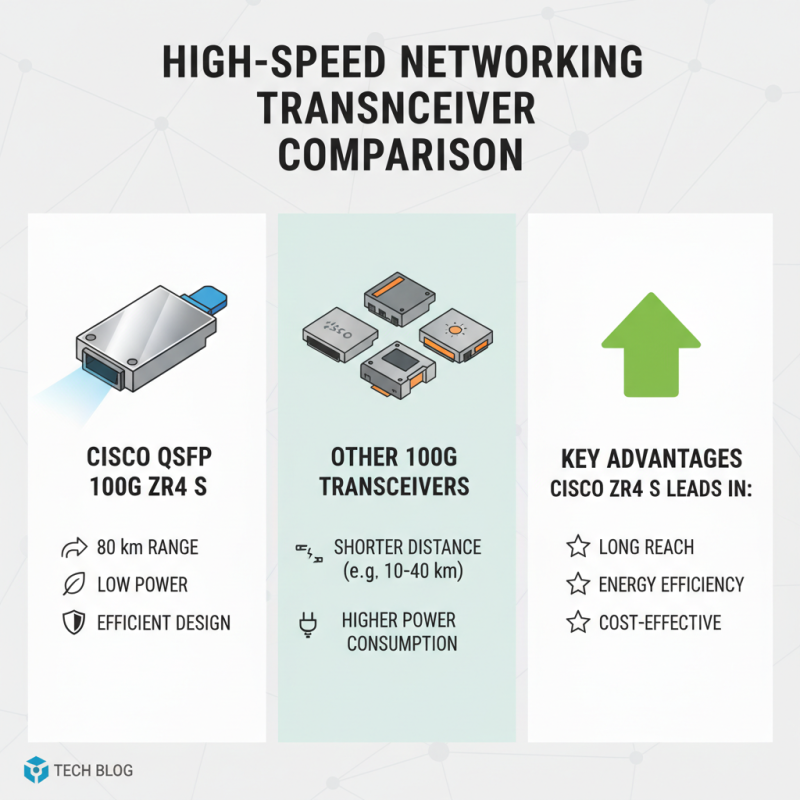
In the realm of high-speed networking, Cisco QSFP 100G ZR4 S is notable. It offers a robust solution for long-distance connections. This transceiver operates over a distance of up to 80 kilometers. It achieves this with low power consumption, an appealing feature for data centers. Comparing this to other transceiver technologies, QSFP 100G ZR4 S stands out due to its efficient design.
Different transceiver options exist, but performance varies significantly. For instance, while SFP+ modules may provide adequate speeds, they lack the range of QSFP modules. On the other hand, CFP modules are capable but tend to be bulkier and more power-hungry. The QSFP 100G ZR4 S balances speed and distance effectively.
Tip: When selecting transceivers, consider your specific networking needs. Analyze the required distance and bandwidth. Also, assess your current infrastructure. These factors influence overall performance and cost-efficiency.
Experimenting with different technologies can also bear fruit. For example, some users may realize that a mix of transceiver types can enhance flexibility. Yet, make decisions with caution, as inconsistency may lead to unforeseen issues.

 400G
400G 200G
200G 100G
100G 40G
40G 25G
25G 10G
10G 1G
1G COPPER-T
 Other
Other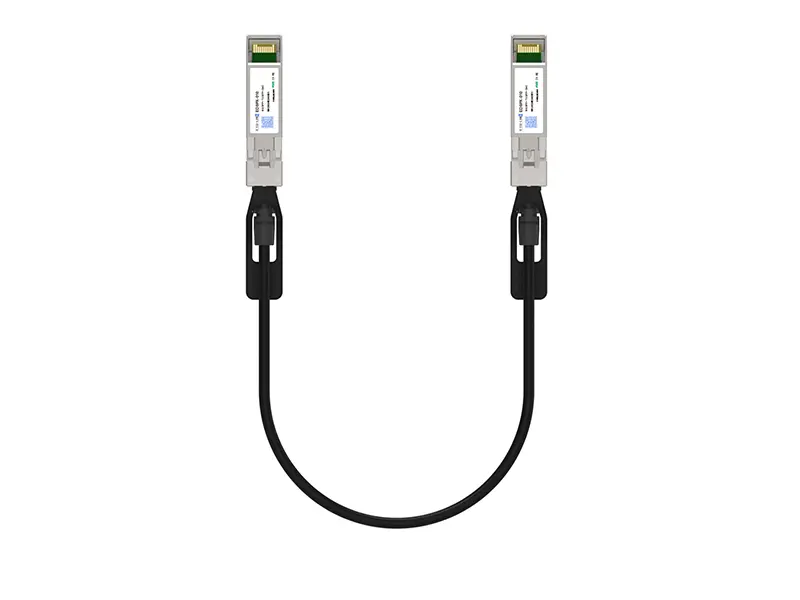 10G SFP+ DAC
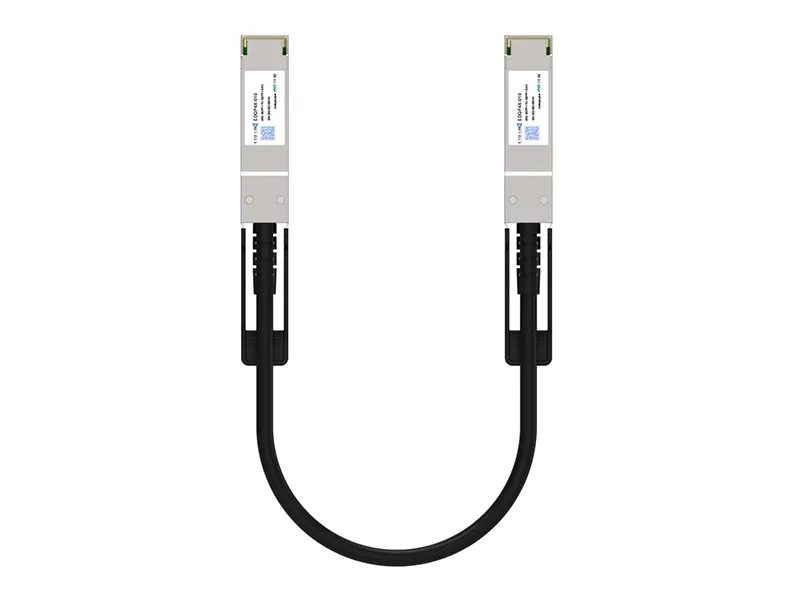 40G QSFP+ DAC
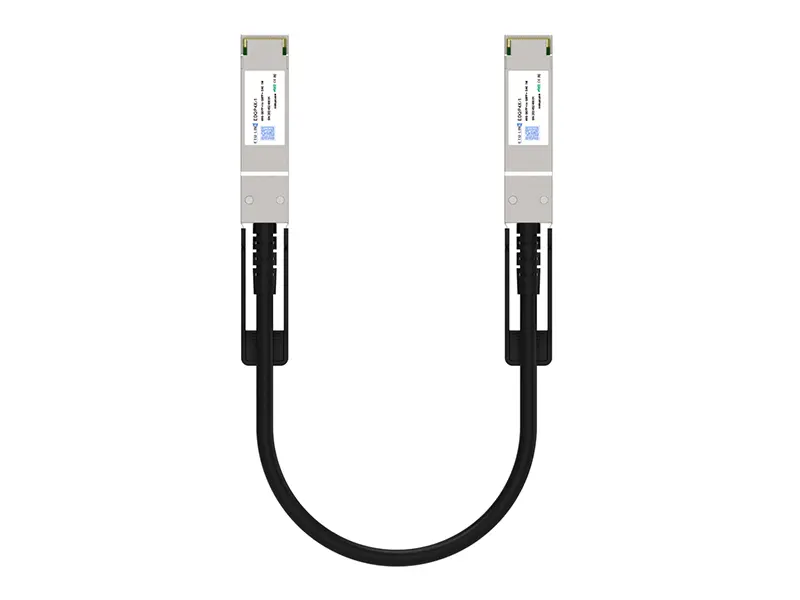 56G QSFP+ DAC
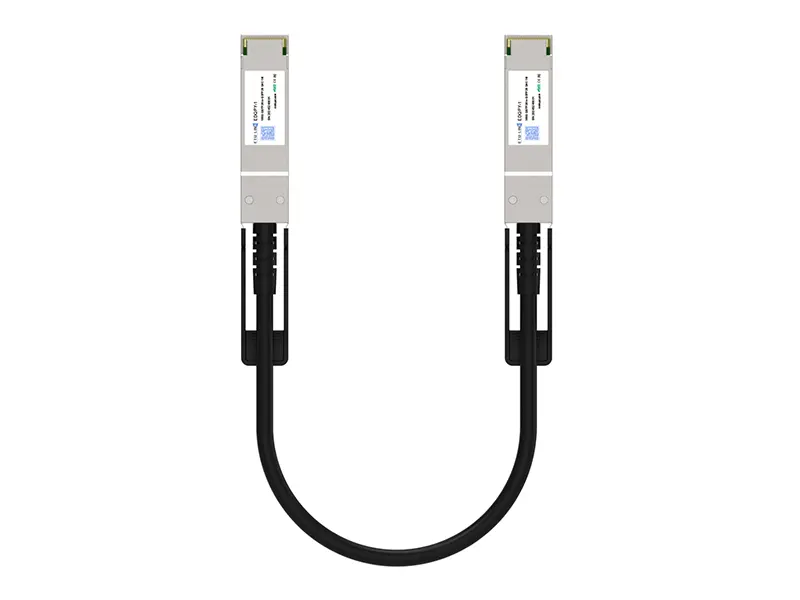 100G QSFP28 DAC
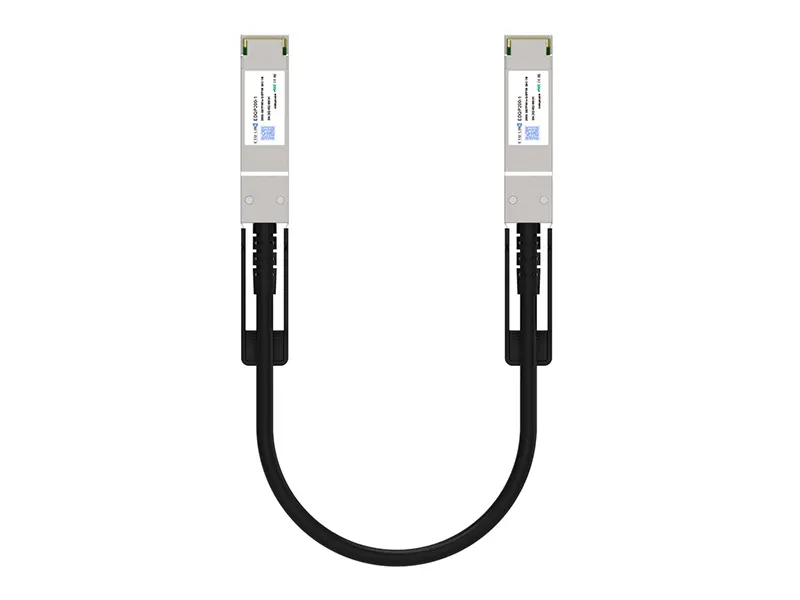 200G QSFP56 DD DAC
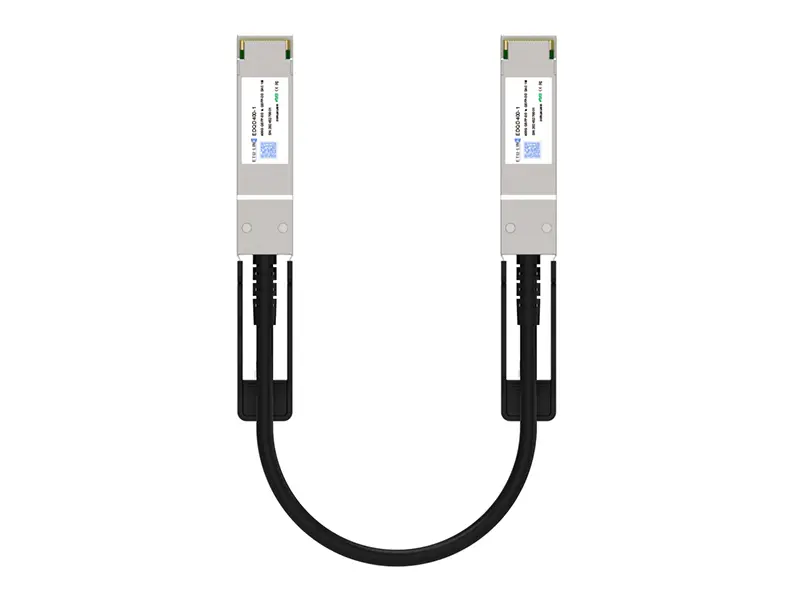 400G QSFP DD DAC
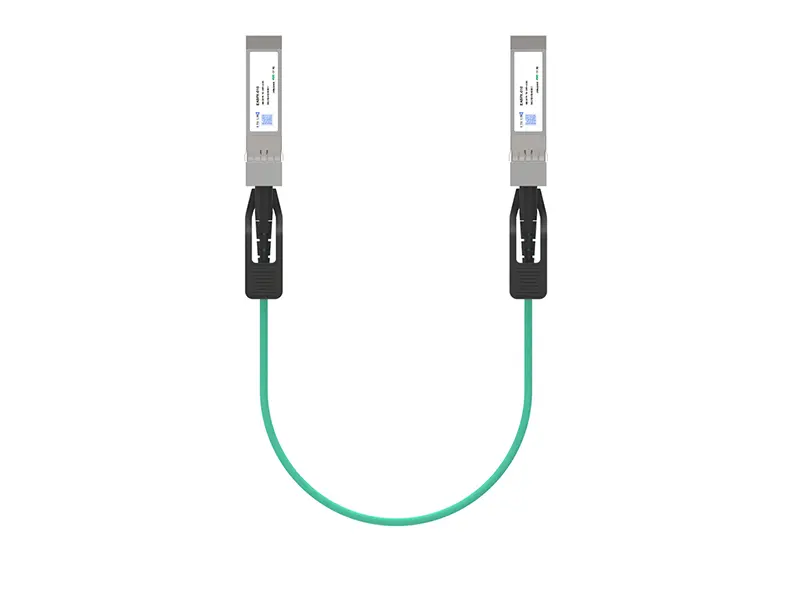 10G SFP+ AOC
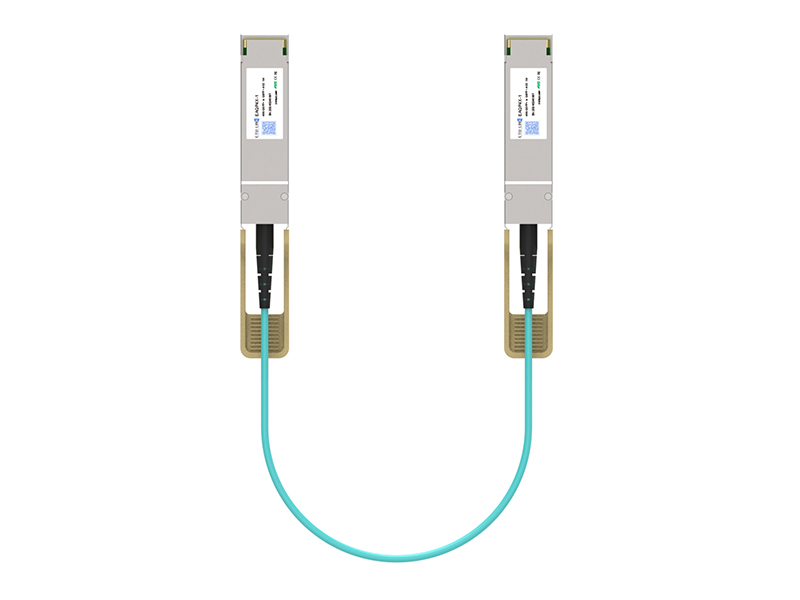 40G QSFP+ AOC
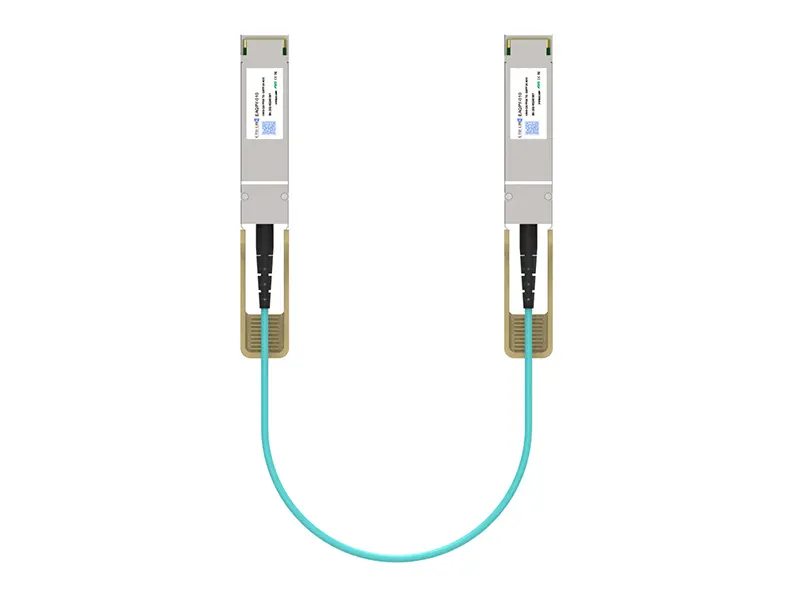 100G QSFP28 AOC
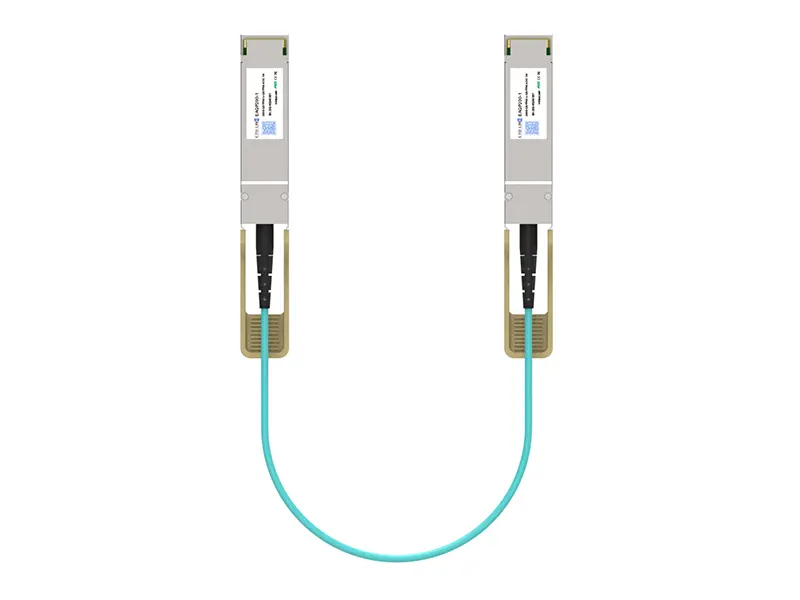 200G QSFP56 AOC
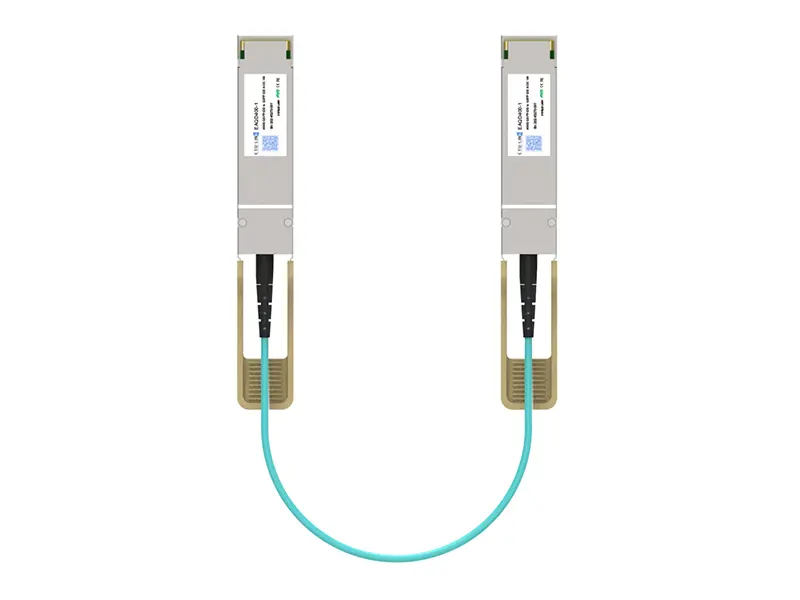 400G QSFP-DD AOC
 Adapter Details
 Media Converter