How to Choose the Right 10GBASE SRL for Your Network Needs
In the rapidly evolving world of networking, selecting the correct equipment is crucial. The 10GBASE SRL standouts in high-speed connections. According to a recent report from Research and Markets, the global 10G Ethernet market is expected to grow at a CAGR of over 12% through 2025. This statistic underscores the urgency for businesses to make informed decisions.
Choosing the right 10GBASE SRL requires careful consideration. Bandwidth, distance, and environment are key factors. Not all solutions fit every network. Missteps can lead to performance issues. Moreover, companies often overlook the importance of compatibility with existing infrastructure. Such oversights can prove costly.
A well-selected 10GBASE SRL can enhance network efficiency. Performance metrics show that proper implementation can reduce latency by up to 30%. However, understanding specific network needs is essential. Every choice has ramifications. Reflecting on these factors can lead to better long-term decisions. The right SRL can make a significant difference in your connectivity.

Understanding 10GBASE SRL: Key Features and Specifications
When selecting a 10GBASE SRL for your network, understanding its key features is crucial. These transceivers operate over multi-mode fiber, making them suitable for short distances. Typically, they support a maximum reach of 300 meters. This is ideal for data centers or enterprise networks. 10GBASE SRL excels in high-speed data transfer. It provides reliable performance and lower latency, which is essential for demanding applications.
Compatibility is another essential factor. Ensure that the 10GBASE SRL aligns with your existing network equipment. Check the form factor, like SFP+ or SFP28, to avoid issues. Performance can vary based on the specific fiber type used. OM3 fiber is common, but OM4 offers improved performance. If you are working in a mixed environment, be mindful of potential limitations.
You might also encounter some challenges when integrating 10GBASE SRL. Not all network configurations are straightforward. Depending on your architecture, you might experience interoperability issues. Monitoring and testing network performance after installation can reveal unnoticed problems. Pay attention to the cable quality and connector types as well. These small details can make a significant difference in your network's overall efficiency.
Evaluating Compatibility with Existing Network Infrastructure
When selecting a 10GBASE SRL for your network, compatibility is key. Start by assessing your existing infrastructure. Check the current switches and routers. Understand their capabilities and limitations. The right SRL should fit seamlessly into your setup. Look at both the optical dimensions and the interface types. Compatibility issues can cause network slowdowns or outages.
Consider the distance your data needs to travel. Some networks might require longer reach solutions, while others work well with short distances. Think about future demands. What if your network expands? Choose options that can easily adapt. This foresight can save significant costs later.
Next, evaluate the fiber types in your network. Are you using multimode or single-mode fiber? This decision will influence your choice significantly. Sometimes, mixing different fiber types can lead to underperformance. Not all combinations work well together. Balancing current needs with potential growth is vital. Each choice comes with trade-offs. Make these decisions with care.
How to Choose the Right 10GBASE SRL for Your Network Needs - Evaluating Compatibility with Existing Network Infrastructure
| Network Component |
Compatibility |
Fiber Type |
Max Distance |
Wavelength |
Power Budget |
| Switch A |
Compatible |
OM3 |
300 m |
850 nm |
4 dB |
| Router B |
Not Compatible |
OM4 |
400 m |
850 nm |
5 dB |
| Server C |
Compatible |
OM5 |
600 m |
850 nm |
6 dB |
| Switch D |
Compatible |
OM3 |
300 m |
850 nm |
4 dB |
| Router E |
Not Compatible |
OM4 |
400 m |
850 nm |
5 dB |
Comparing Different Brands and Models of 10GBASE SRL
When selecting a 10GBASE SRL, various factors should guide your choice. Different brands offer a range of specifications. Check for compatibility with your current network infrastructure. One model may support longer distances, while another could be optimized for higher data rates. Don’t overlook the optical interface type and connector styles. Small details can significantly affect performance.
Look at user reviews and feedback. They provide insights that specifications don’t reveal. Some brands might market higher performance but fail in real-world scenarios. Consider the warranty and customer support as well. Sometimes, brands promise great service, but experiences vary widely. Read about others’ experiences to avoid potential risks.
Cost is another critical aspect. It’s easy to get drawn to lower prices. However, such options may compromise quality. Conduct price-to-performance comparisons. Evaluate if a slightly more expensive model provides better reliability or features. Making the right choice requires balancing cost and performance. Take your time to weigh all options carefully; rushing could lead to regrets.

 400G
400G 200G
200G 100G
100G 40G
40G 25G
25G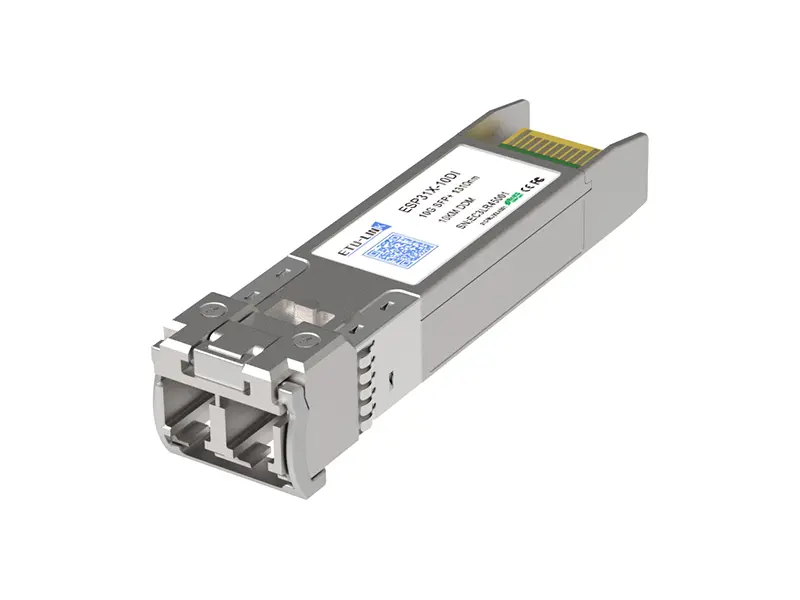 10G
10G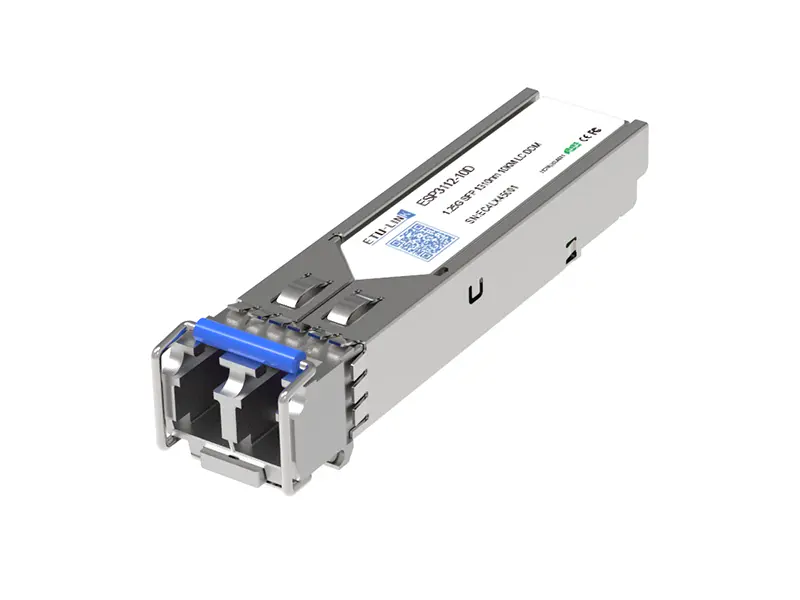 1G
1G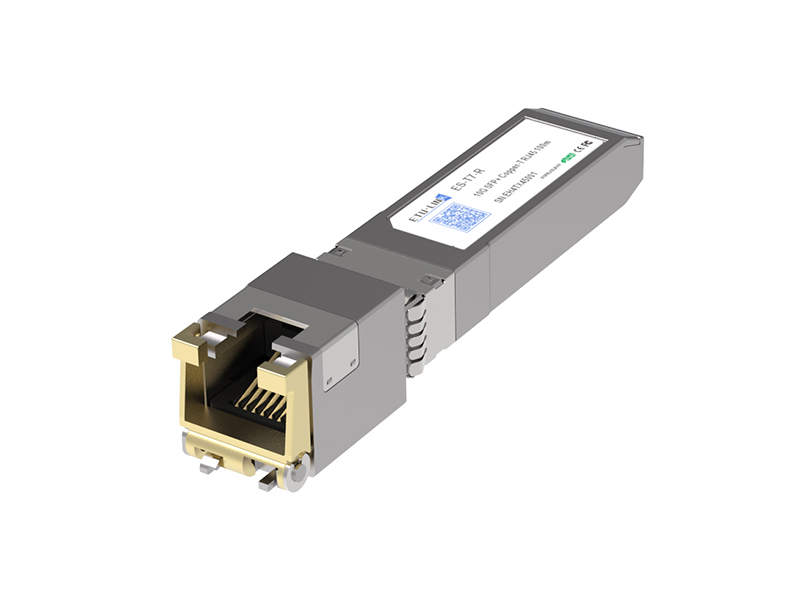 COPPER-T
 Other
Other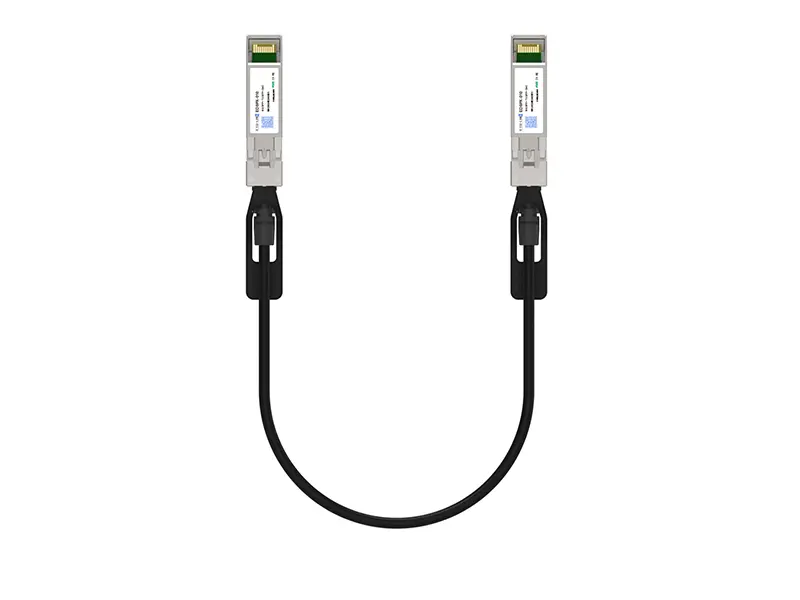 10G SFP+ DAC
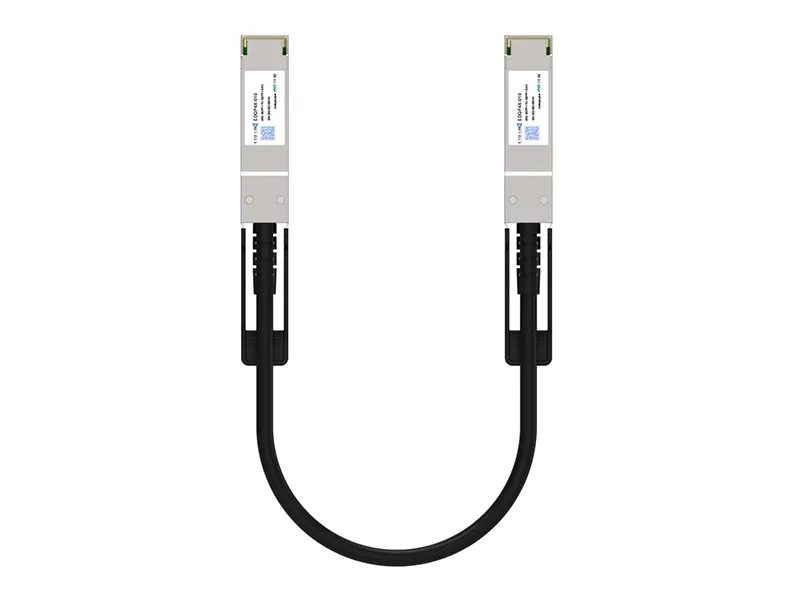 40G QSFP+ DAC
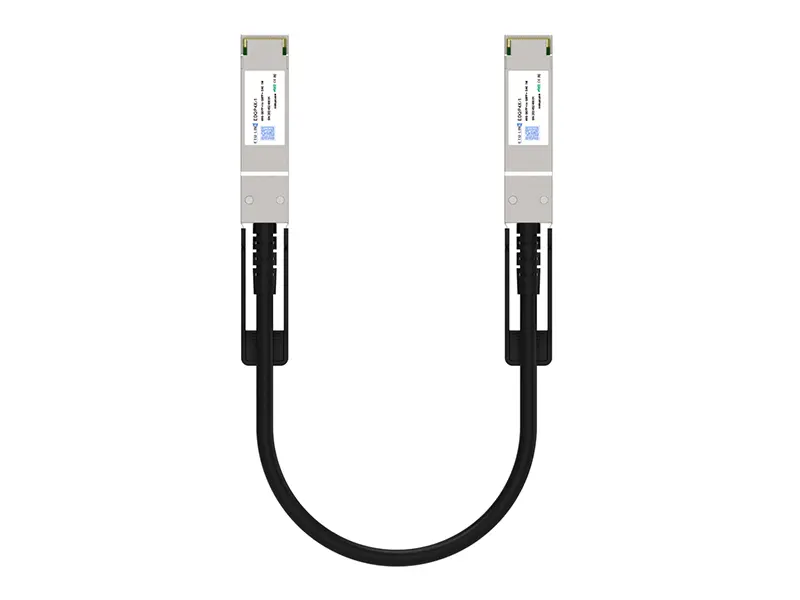 56G QSFP+ DAC
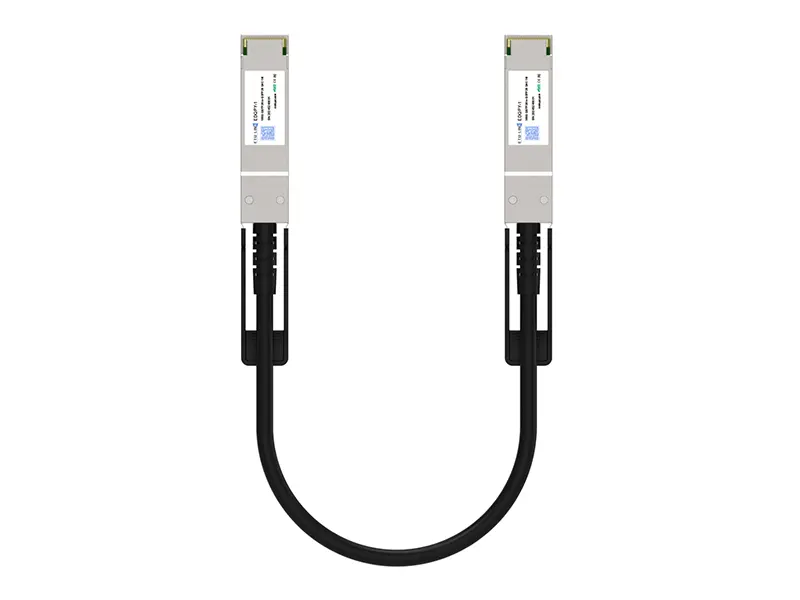 100G QSFP28 DAC
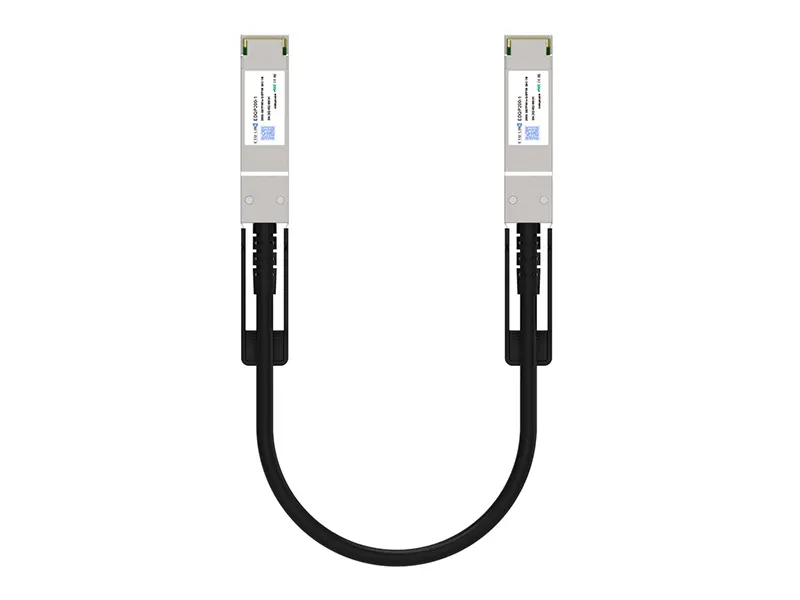 200G QSFP56 DD DAC
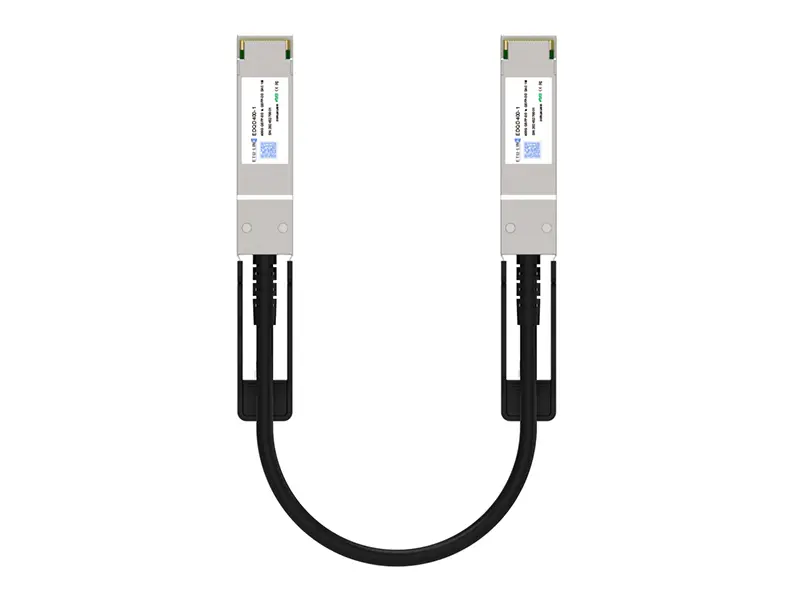 400G QSFP DD DAC
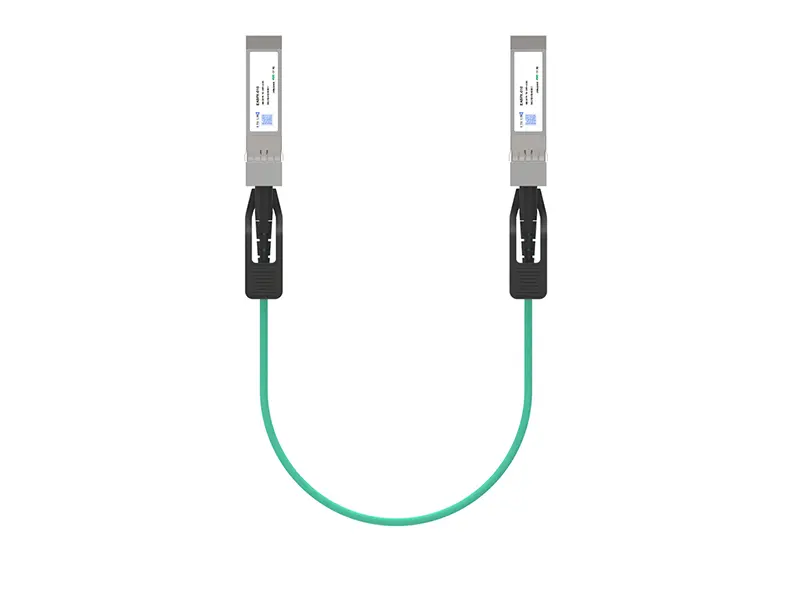 10G SFP+ AOC
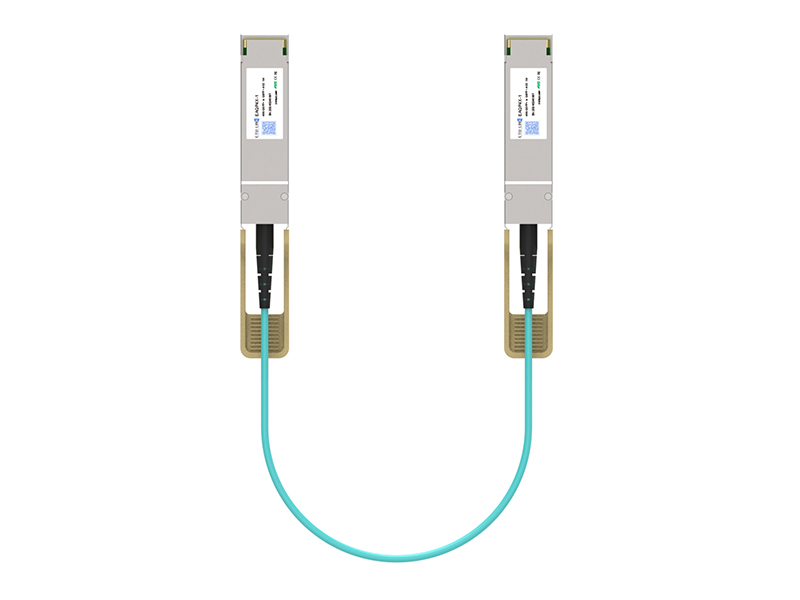 40G QSFP+ AOC
 100G QSFP28 AOC
 200G QSFP56 AOC
 400G QSFP-DD AOC
 Adapter Details
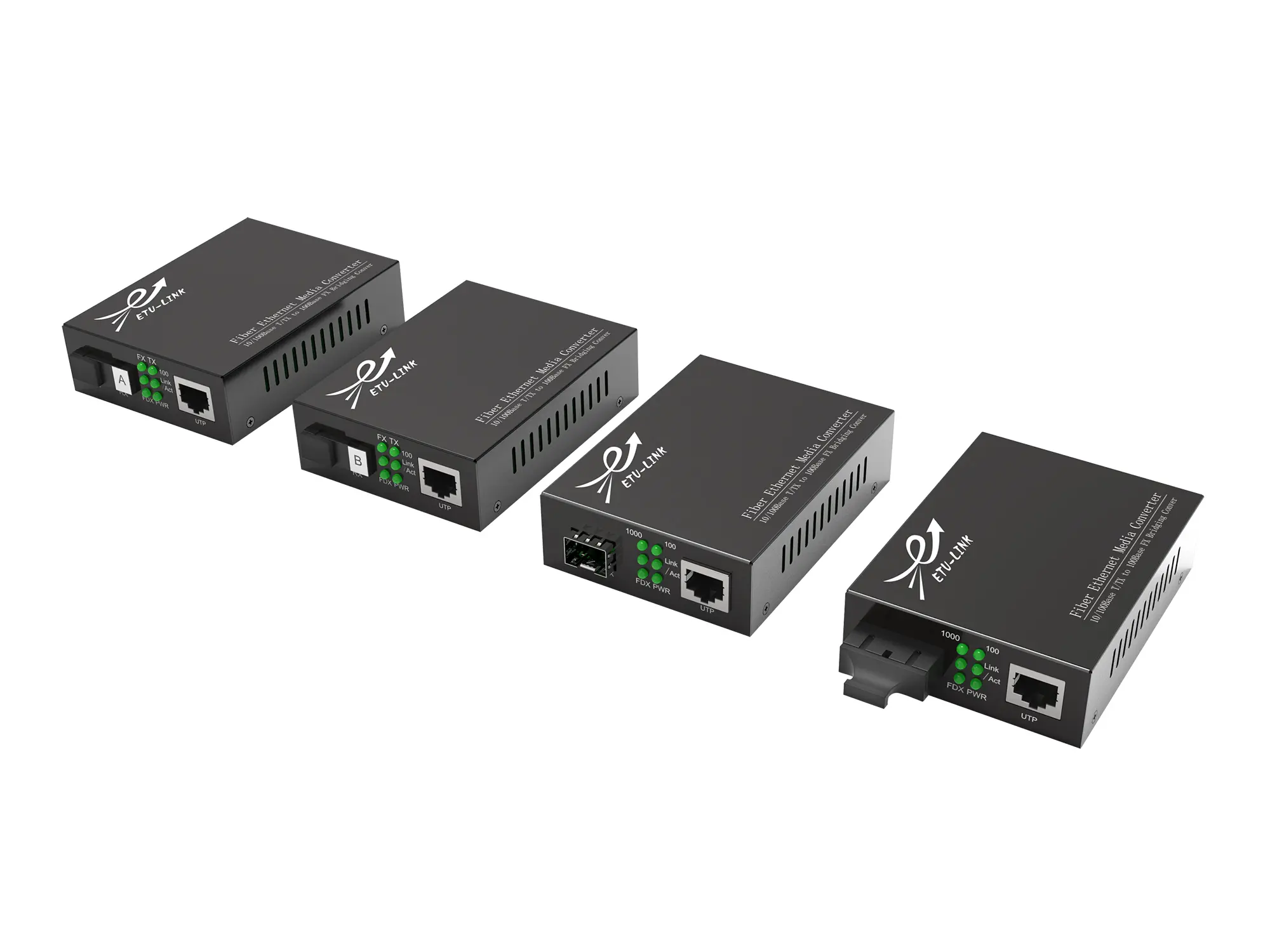 Media Converter