How to Choose the Right 10G SFP+ RJ45 Copper Transceiver for Your Network
When selecting components for a high-speed network, understanding the intricacies of each element is essential. The 10G SFP+ RJ45 Copper Transceiver is a vital component that facilitates data transfer over short distances while maintaining high bandwidth. According to industry expert Dr. John Smith, a renowned networking specialist, “Choosing the right transceiver can greatly impact your network's performance and efficiency.” This statement highlights the importance of making informed decisions in the realm of network infrastructure.
In today's fast-paced digital landscape, the demand for reliable and fast connectivity is at an all-time high. The 10G SFP+ RJ45 Copper Transceiver not only provides an optimal solution for short-range applications, but it also addresses the challenges posed by bandwidth requirements and latency. With a myriad of options available on the market, understanding the specifications and features of these transceivers is crucial for network engineers and IT professionals alike. By carefully evaluating factors such as distance, speed, and environmental conditions, organizations can optimize their network topology and ensure seamless connectivity.
Ultimately, the right choice of a 10G SFP+ RJ45 Copper Transceiver can lead to enhanced network reliability and user satisfaction. As networks continue to evolve, staying informed about advancements in transceiver technology will empower professionals to design and maintain networks that can keep pace with future demands.
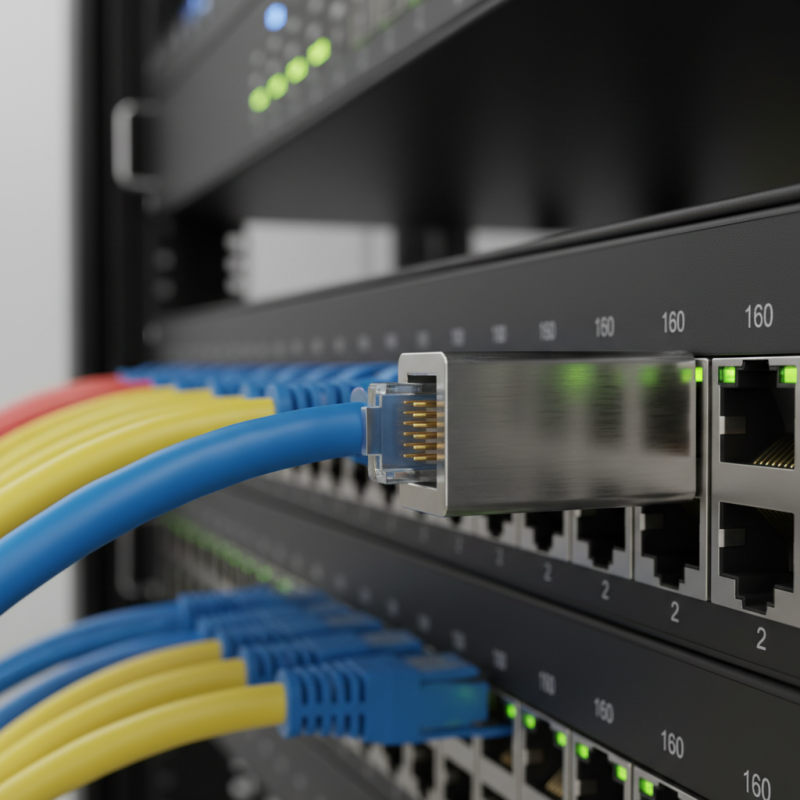
Understanding 10G SFP+ RJ45 Copper Transceiver Basics
When selecting the right 10G SFP+ RJ45 copper transceiver for your network, it’s essential to grasp the basic functionalities and specifications these devices offer. A 10G SFP+ RJ45 transceiver operates over standard twisted-pair copper cabling, allowing data transmission at speeds of up to 10 Gbps over distances up to 100 meters. This capability makes them indispensable for data centers and enterprise networks, especially in environments where high-speed connections are required without the complexity of fiber optics.
Understanding the key parameters is crucial in ensuring optimal performance. According to industry reports, the demand for 10G Ethernet equipment is projected to grow at a CAGR of 8.5% through 2025, highlighting the shift towards higher bandwidth requirements. Factors such as power consumption, compatibility with existing hardware, and environmental conditions are essential when assessing a transceiver's suitability. For example, many 10G SFP+ RJ45 transceivers are rated for low power usage, typically below 1 Watt, which not only reduces operational costs but also minimizes heat generation in densely packed network environments.
Moreover, the versatility of 10G SFP+ RJ45 copper transceivers is evidenced by their support for various applications, including data transmission for VPNs, cloud services, and high-definition video streams. This adaptability ensures they are a crucial component in modern enterprise networking, further reinforced by the fact that revenues from the copper transceiver market are expected to experience steady growth, indicating a robust evolution of network infrastructure adaptiveness to new technologies and applications.
Key Specifications to Consider for 10G SFP+ Transceivers
When selecting a 10G SFP+ RJ45 copper transceiver for your network, it's crucial to consider several key specifications that directly impact performance and compatibility. Firstly, the transmission distance is an essential factor; most 10G SFP+ transceivers support distances up to 30 meters over standard copper cabling. Ensure that the chosen transceiver meets the distance requirements of your specific network layout to maintain optimum data integrity and speed.
Another vital specification is the power budget, which influences how far signals can travel without degradation. Different transceivers have varying power consumption levels, so it's important to select one that aligns with your network's energy efficiency goals. Additionally, consider the form factor and compatibility with your equipment, as not all devices are universally compatible. Reviewing compatibility with existing switches and routers will help you avoid connectivity issues and ensure a seamless integration into your network infrastructure.
Evaluating Compatibility with Your Network Infrastructure
When selecting a 10G SFP+ RJ45 copper transceiver, evaluating compatibility with your network infrastructure is crucial for optimal performance. The compatibility of transceivers with existing network equipment, such as switches and routers, hinges on factors such as the SFP+ port specifications and supported transmission distances. According to a report by the Ethernet Alliance, proper matching of the transceiver with your infrastructure reduces failure rates and enhances overall network reliability. The report notes that mismatched components can lead to high latency and increased error rates, which negatively impact data throughput.
Furthermore, it's essential to consider the cable type and length when integrating a 10G SFP+ RJ45 copper transceiver into your network. The IEEE 802.3 standard specifies that these transceivers can operate effectively over Cat 6a and Cat 7 cables up to a distance of 100 meters. Guidelines from the International Telecommunications Union indicate that exceeding this distance can lead to signal degradation and reduced performance. Thus, ensuring your cabling environment is compliant with these standards not only guarantees compatibility but also maximizes the transceiver's capabilities in delivering high-speed data transmission across your network infrastructure.
Assessing Performance Features for Optimal Connectivity
When selecting a 10G SFP+ RJ45 copper transceiver, it’s crucial to assess performance features that determine optimal connectivity for your network. A key feature to consider is the transceiver's maximum cable length, which typically ranges from 30 meters to 100 meters depending on the cable type and quality. According to a report by the Ethernet Alliance, using high-quality Category 6a or 7 cabling can help achieve the best performance, reducing signal attenuation and enabling reliable data transmission over longer distances.
Another significant factor is the power consumption of the transceiver. Industry research indicates that power-efficient transceivers can reduce operational costs, particularly in large data centers where numerous devices operate simultaneously. The average power consumption of 10G SFP+ RJ45 transceivers can vary from 1.0 to 2.0 watts, highlighting the importance of selecting models that provide a balance between performance and energy efficiency. Furthermore, ensuring compatibility with existing network equipment is essential for seamless integration, which can be assessed through standards compliance—most notably IEEE 802.3 standards for Ethernet connectivity.
Lastly, environmental factors, such as operating temperature range, also play a crucial role in determining suitability for specific applications. Transceivers designed for extended temperature ranges (from -40°C to 85°C) can provide enhanced reliability in challenging environments, as noted in a study by the Optical Fiber Conference. Such considerations ultimately lead to a more robust and efficient network infrastructure, maximizing the benefits of high-speed connectivity.
How to Choose the Right 10G SFP+ RJ45 Copper Transceiver for Your Network - Assessing Performance Features for Optimal Connectivity
| Feature |
Description |
Performance |
Distance |
| Data Rate |
10 Gbps maximum throughput |
Excellent |
Up to 100 meters (with Cat6a) |
| Connector Type |
RJ45 connector |
Standard |
N/A |
| Power Consumption |
Low power usage around 1.5W |
Good |
N/A |
| Operating Temperature |
Commercial: 0°C to 70°C |
Stable |
N/A |
| EMI Compliance |
Meets FCC and CE standards |
Reliable |
N/A |
Cost and Vendor Selection for 10G SFP+ RJ45 Transceivers
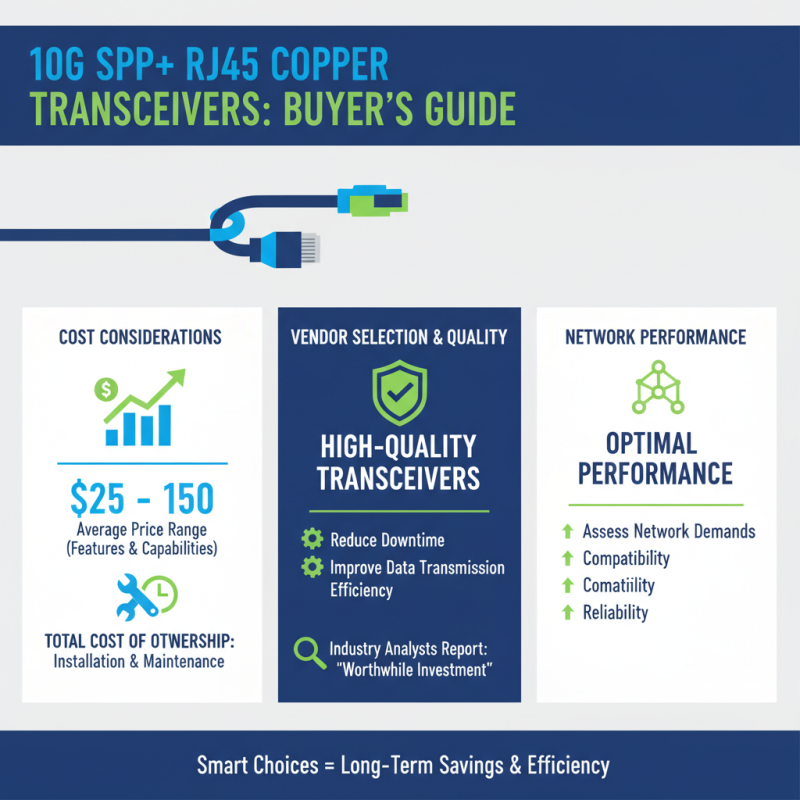
When selecting 10G SFP+ RJ45 copper transceivers for your network, understanding cost and vendor selection is crucial. Market research indicates that the average cost of these transceivers ranges from $25 to $150, depending on features and capabilities. It's essential to assess the total cost of ownership, including installation and maintenance, as well as the performance specifications that best fit your network demands. As reported by industry analysts, high-quality transceivers can significantly reduce downtime and improve data transmission efficiency, making them a worthwhile investment in the long term.
When evaluating vendors, consider their reputation for reliability and support. According to a recent survey, 78% of IT professionals prioritize vendor support services when making purchasing decisions. It's vital to choose a vendor that offers robust technical documentation and responsive customer service. Additionally, look for vendors with a proven track record of meeting industry standards, as this will ensure the compatibility and longevity of your transceivers within your network infrastructure.
Tips: Always request samples before making a bulk purchase to evaluate performance. Furthermore, check for warranty options and return policies, which can mitigate risks associated with faulty equipment. Lastly, consider discussing your specific needs with multiple vendors to compare their offerings carefully before finalizing your decision.

 400G
400G 200G
200G 100G
100G 40G
40G 25G
25G 10G
10G 1G
1G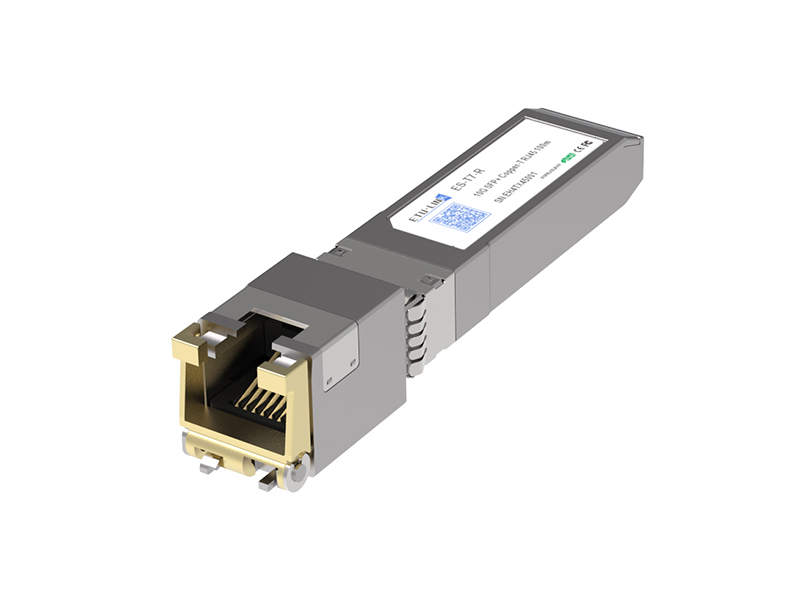 COPPER-T
 Other
Other 10G SFP+ DAC
 40G QSFP+ DAC
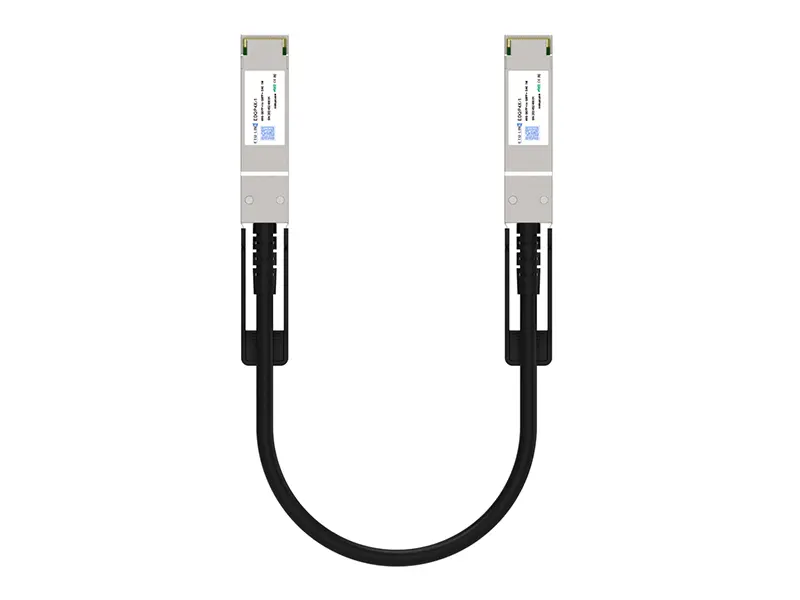 56G QSFP+ DAC
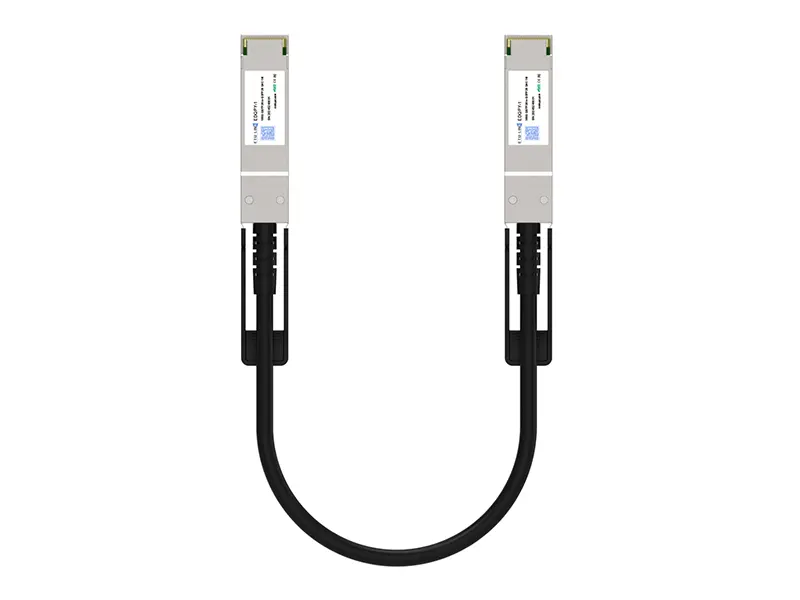 100G QSFP28 DAC
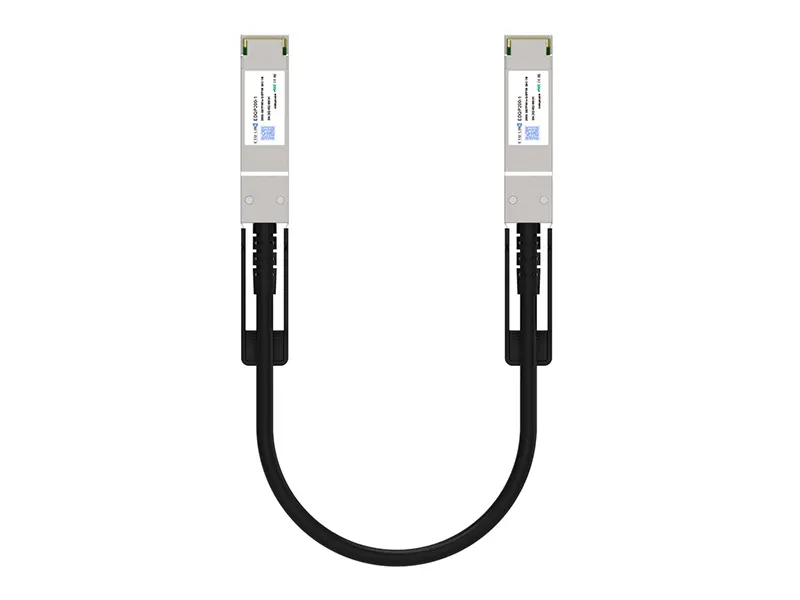 200G QSFP56 DD DAC
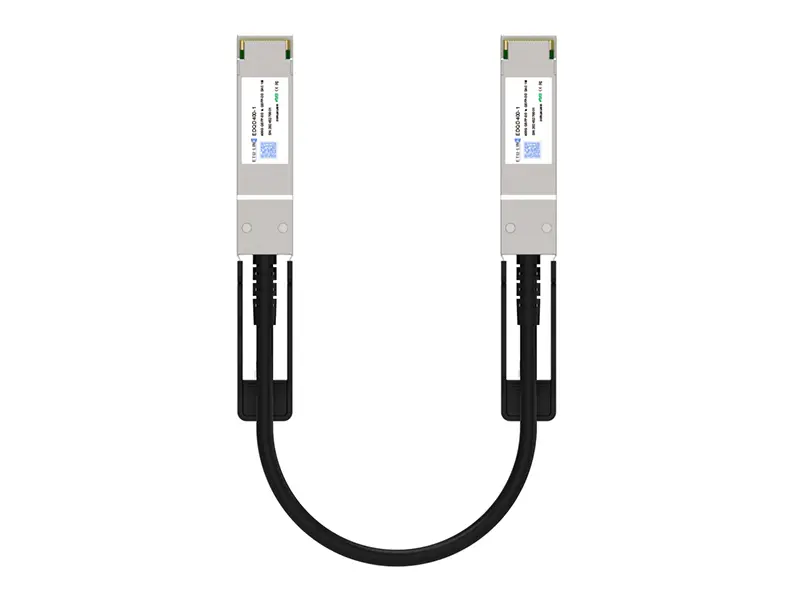 400G QSFP DD DAC
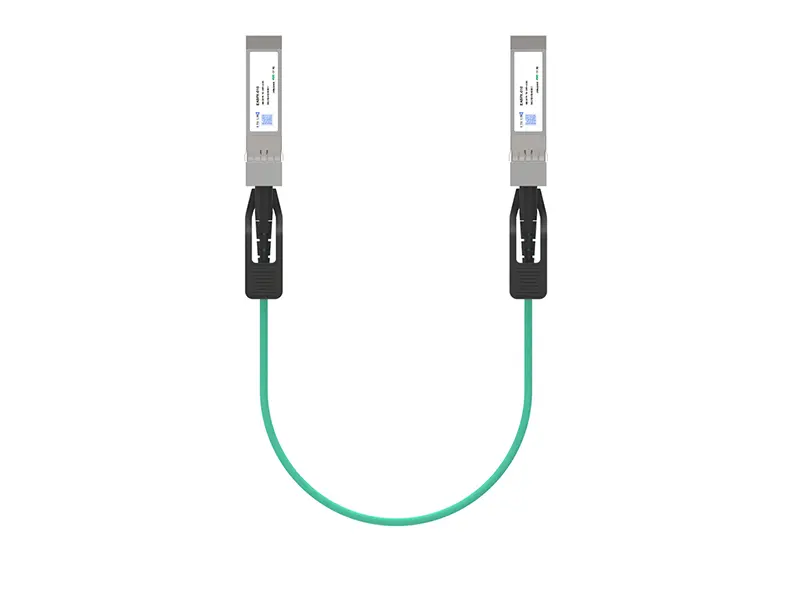 10G SFP+ AOC
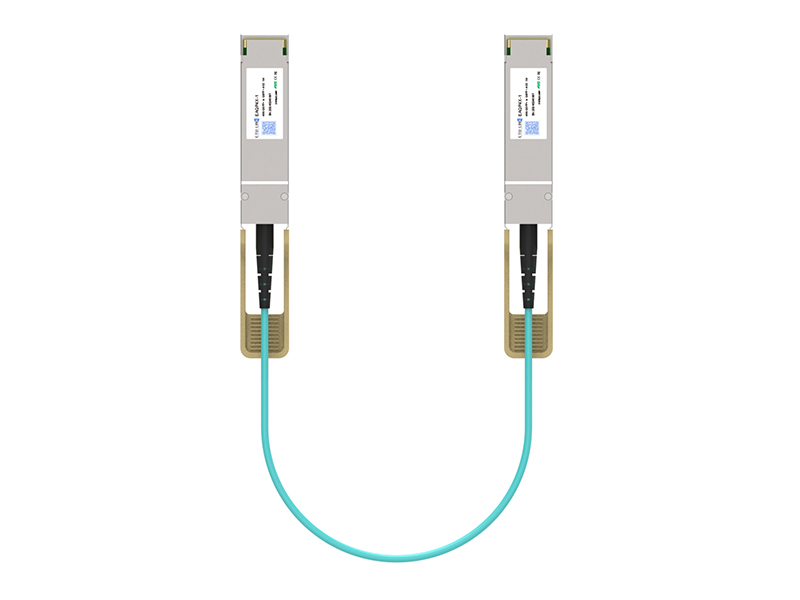 40G QSFP+ AOC
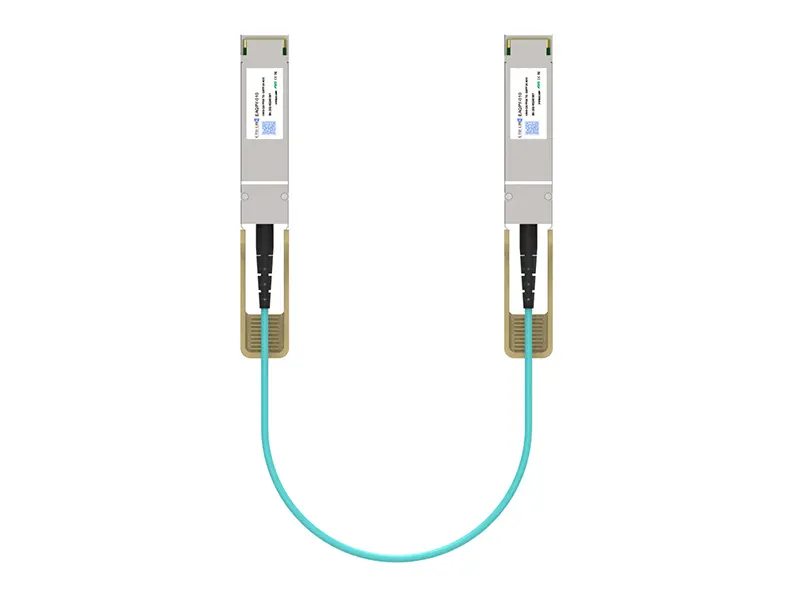 100G QSFP28 AOC
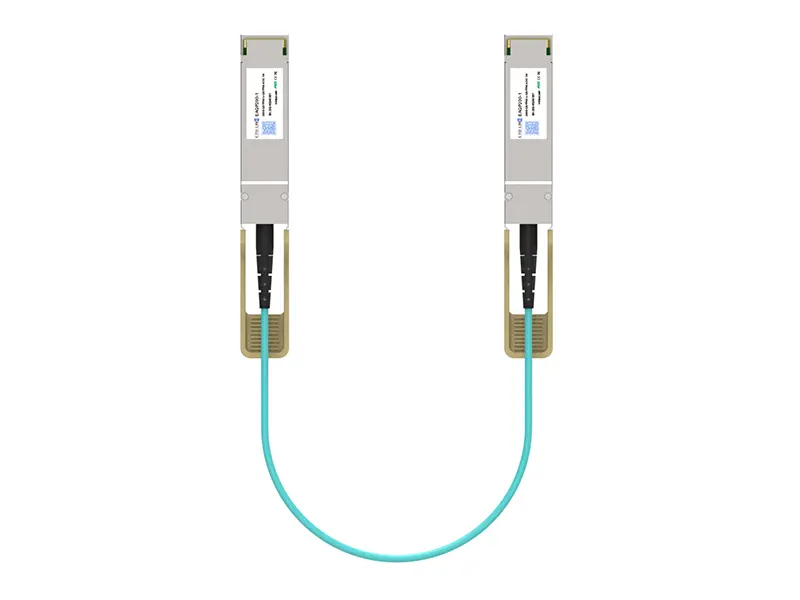 200G QSFP56 AOC
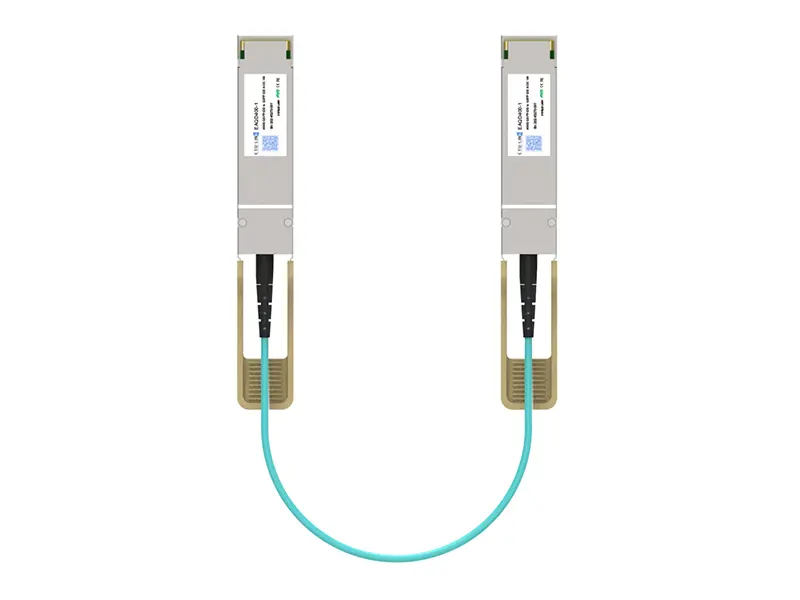 400G QSFP-DD AOC
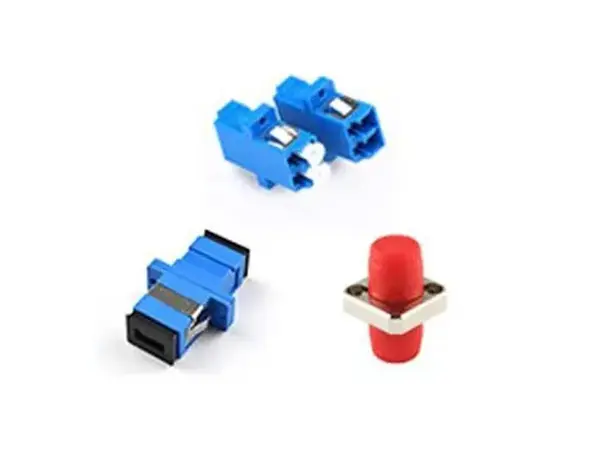 Adapter Details
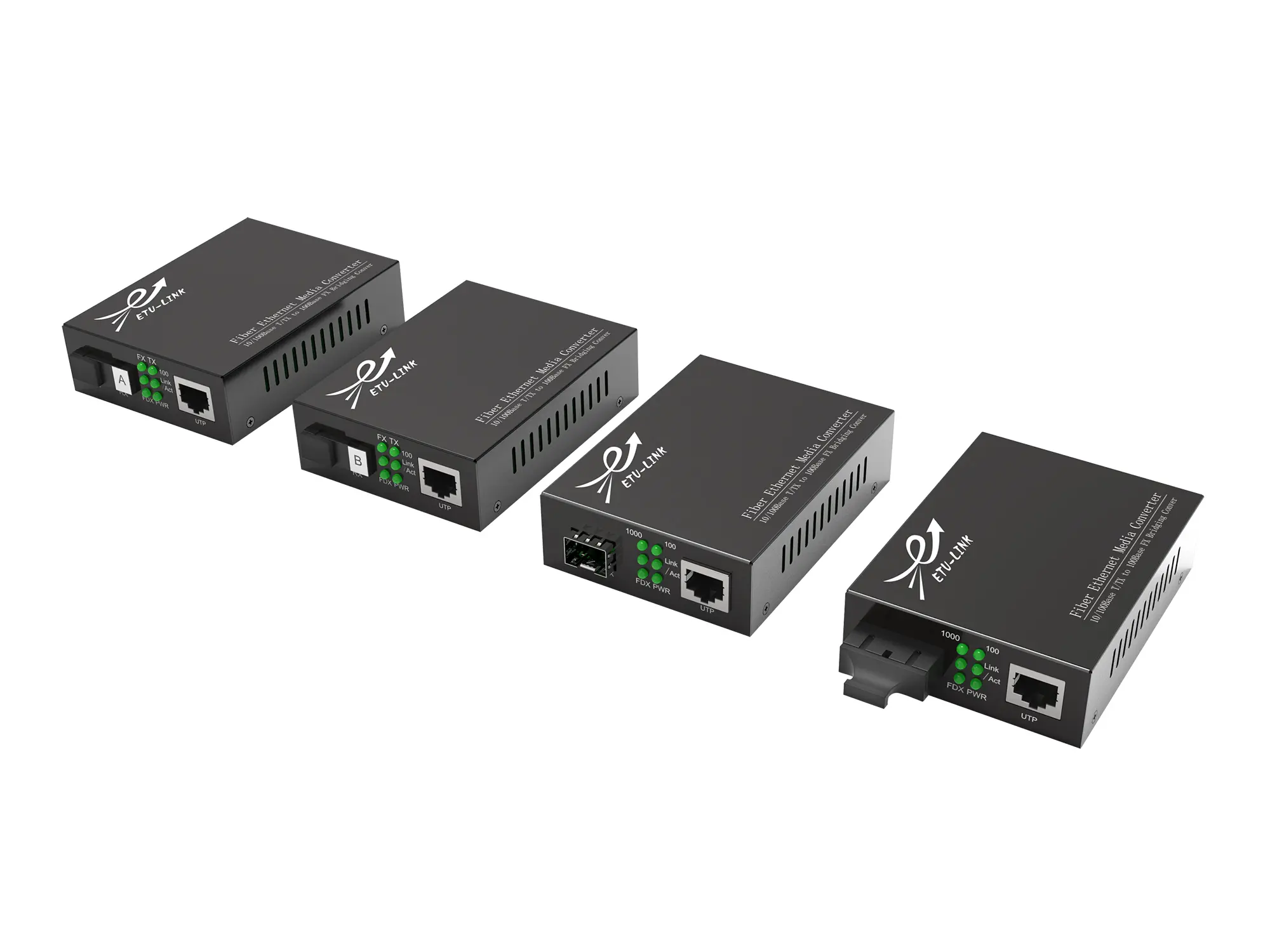 Media Converter