How to Choose the Best 400G OSFP AOC for Your Network?
Choosing the right 400G OSFP AOC for your network can greatly influence overall performance. Reports show that the demand for 400G solutions is growing. Research by Cisco predicts that global IP traffic will reach 4.8 zettabytes per year by 2022. In this context, having a solid optical solution is essential.
Dr. Emily Turner, a networking expert, has emphasized the importance of reliable connections: “Implementing the right 400G OSFP AOC can significantly reduce latency and improve speed.” As networks expand, making informed choices becomes crucial.
However, not all 400G OSFP AOCs are created equal. Users may face challenges in compatibility, quality, and performance. Some products may not deliver on their promises, leaving a gap between expectations and reality. In an industry where every millisecond counts, reflection on proper selection is vital. Understanding these factors can lead to better decision-making and optimized network functionality.

Understanding 400G OSFP AOC: Features and Benefits
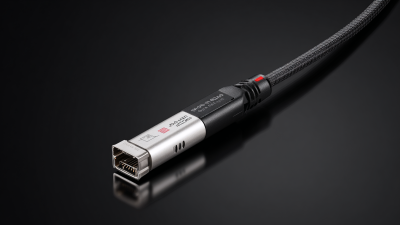
When considering a 400G OSFP AOC, it's crucial to understand its features and benefits. These Active Optical Cables (AOCs) are designed for high-speed data transmission. They utilize optical fiber technology, which offers reduced latency and increased bandwidth. The lightweight design simplifies installation in dense data center environments. This is essential for businesses aiming to optimize their network performance.
Tip: Look for cables with a durable build. A well-constructed cable lasts longer and minimizes replacements. Connections should feel secure and stable.
Another benefit of 400G OSFP AOCs is their energy efficiency. They consume less power compared to traditional copper cables. This can lead to significant cost savings over time. However, not all AOCs are created equal. Some may lack optimal performance in specific environments.
Tip: Always test your chosen AOC in your actual setup. This helps identify potential issues. Consider the types of devices you use and their compatibility with AOCs. Make adjustments based on these tests and reflections.
Criteria for Selecting the Right 400G OSFP AOC
When selecting the right 400G OSFP AOC for your network, several criteria should be considered. The length and environment of the cable are crucial. For a data center, shorter cables might be more efficient. According to a recent industry report, over 50% of data centers use less than 40 meters of active optical cables.
Signal integrity and latency are significant factors. Look for cables with minimal signal loss to ensure high performance. Research indicates that even a small loss can lead to substantial issues in data transmission. It's essential to evaluate the transmission distance, as this affects the cable’s effectiveness.
Tips: Check compatibility with existing hardware. Not all AOCs perform the same in diverse environments. Also, consider future scalability. Upgrading tech can be costly, so ensure your choice supports potential growth.
Moreover, not all options are perfect. Some cables might have limited flexibility, making installation tricky. Reflecting on technical specifications helps you avoid mismatches with network requirements. Careful assessment now will save challenges later.
Evaluating Compatibility with Existing Network Infrastructure
When selecting a 400G OSFP AOC, compatibility with your existing network infrastructure is crucial. Many organizations underestimate this aspect. Research indicates that over 30% of network outages result from poor compatibility. Ensuring the AOC works seamlessly with current systems can save time and resources.
Consider the type of existing cabling and connectors. Is your network running on multi-mode or single-mode fiber? This decision significantly affects the performance of your AOC. According to a recent industry report, performance drops by 25% when mismatched connections are used. Evaluate your current transceivers, switches, and routers to assess compatibility systematically.
Many organizations overlook the importance of firmware updates. Outdated firmware can cause connectivity issues. Ensure your devices support the new AOC technology. A study showed that 40% of network managers face difficulties anticipating compatibility issues. Take proactive measures to avoid these pitfalls. Assessing and upgrading your infrastructure before implementing new technology can enhance overall network efficiency.
Comparing Performance Metrics of Different 400G OSFP AOCs
When considering a 400G OSFP AOC, performance metrics are key. You should look at factors such as latency, bandwidth, and power consumption. Lower latency is vital for real-time applications. High bandwidth is necessary for heavy data traffic. Power efficiency can impact long-term costs.
Different AOC options can vary significantly. Some may provide better signal integrity over longer distances, while others may excel in shorter runs. Testing each in a controlled environment can help identify strengths and weaknesses. Real-world performance often differs from specifications.
Also, factor in the installation and usage. Some cables can be bulkier or more rigid. This may impact how easily they can be routed in your existing setup. Take time to ponder each choice. The perfect solution might not exist. Assessing trade-offs is essential to make a prudent decision.
How to Choose the Best 400G OSFP AOC for Your Network? - Comparing Performance Metrics of Different 400G OSFP AOCs
| Model |
Bandwidth (Gbps) |
Max Reach (m) |
Power Consumption (W) |
Latency (µs) |
Connector Type |
| Model A |
400 |
100 |
8 |
2.5 |
OSFP |
| Model B |
400 |
150 |
7.5 |
2.3 |
OSFP |
| Model C |
400 |
80 |
9 |
2.7 |
OSFP |
| Model D |
400 |
200 |
7 |
2.4 |
OSFP |
| Model E |
400 |
120 |
8.5 |
2.6 |
OSFP |
Budget Considerations When Choosing 400G OSFP AOCs
When selecting a 400G OSFP AOC for your network, budget plays a critical role. Costs can vary significantly among different options. A clear understanding of your budget will help narrow down choices without compromising on quality.
Tips: Always compare the price and performance. Sometimes, cheaper options may lack essential features. Evaluate what your network truly needs. An over-budget item might not provide significant benefits.
When budgeting, consider hidden costs, such as installation and maintenance. These can add up quickly. Ensure to factor in the total cost of ownership. Regular reviews of your network expenses can reveal opportunities for cost savings.
Think about future needs as well. If you anticipate growth, invest wisely. Sometimes it’s worth spending a little more now. This ensures your network remains efficient and scalable. Balancing current needs with future prospects is key.

 400G
400G 200G
200G 100G
100G 40G
40G 25G
25G 10G
10G 1G
1G COPPER-T
 Other
Other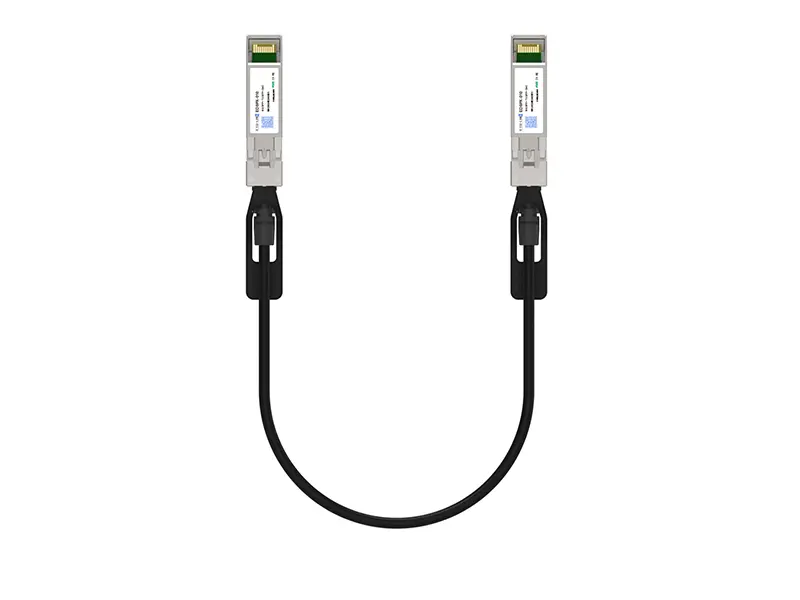 10G SFP+ DAC
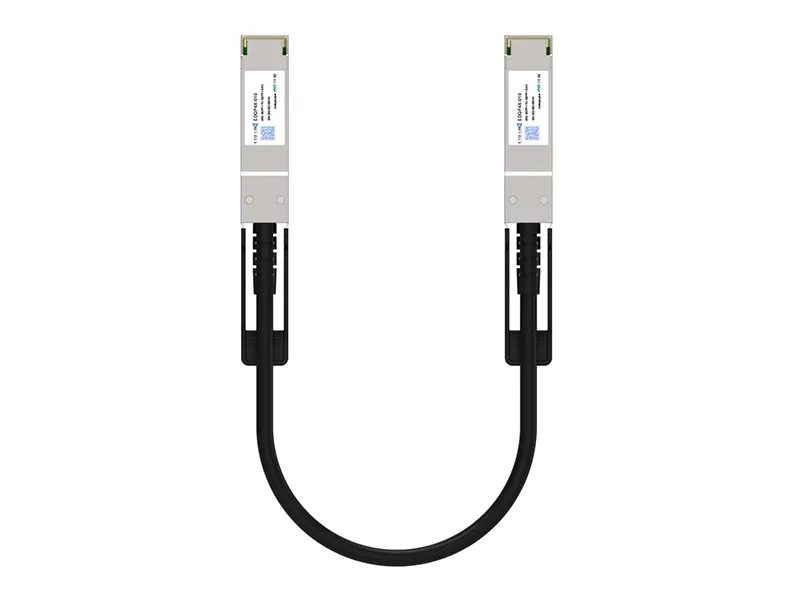 40G QSFP+ DAC
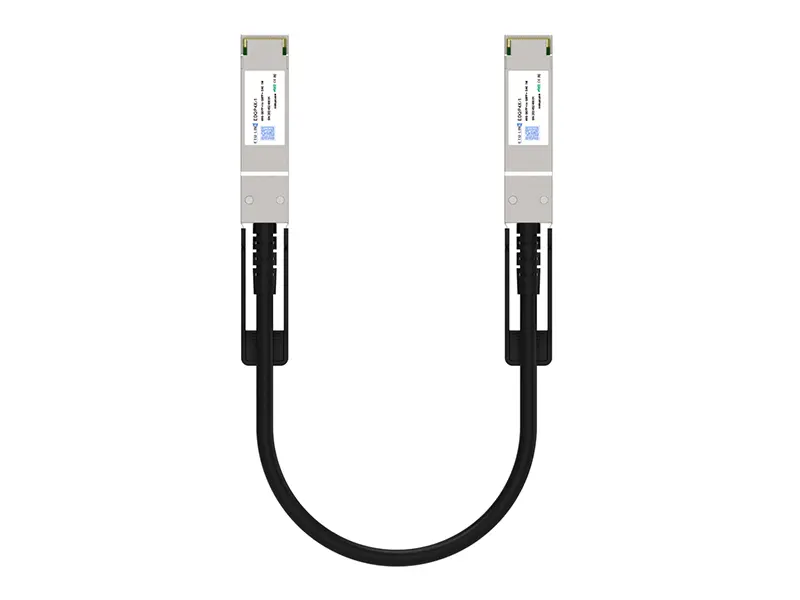 56G QSFP+ DAC
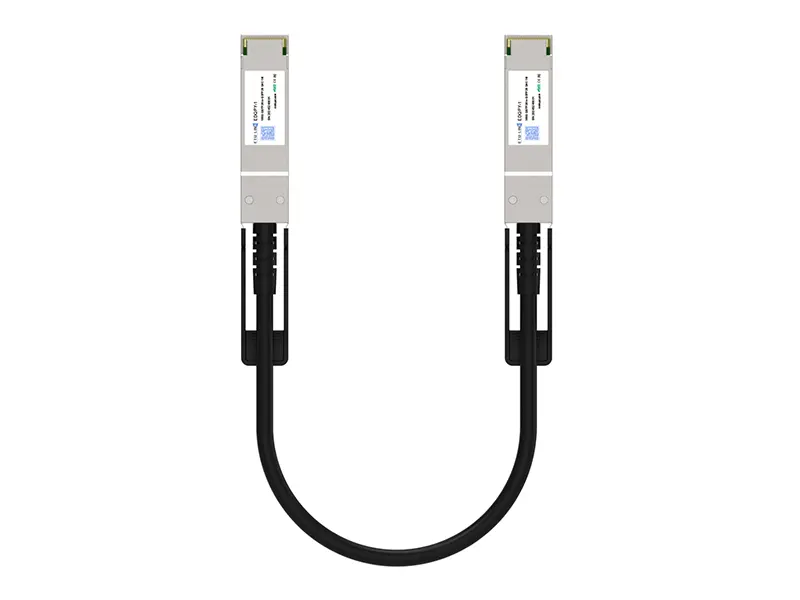 100G QSFP28 DAC
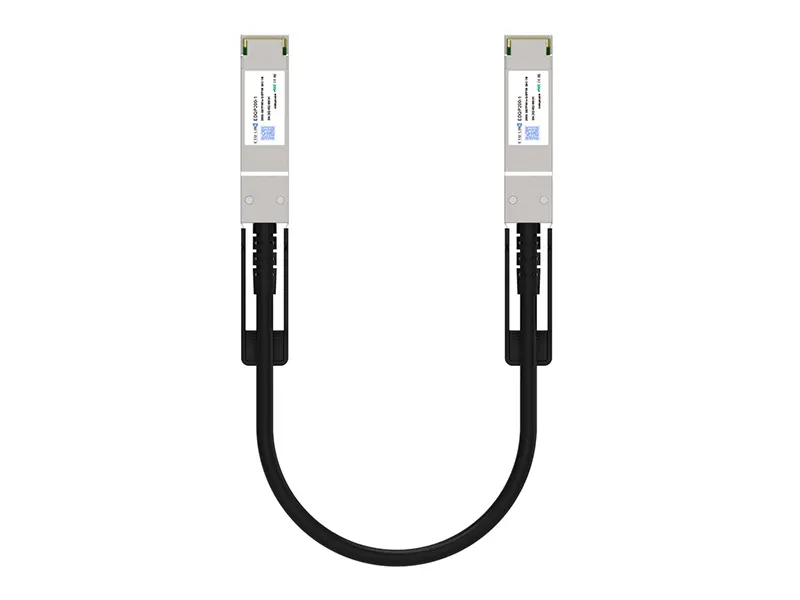 200G QSFP56 DD DAC
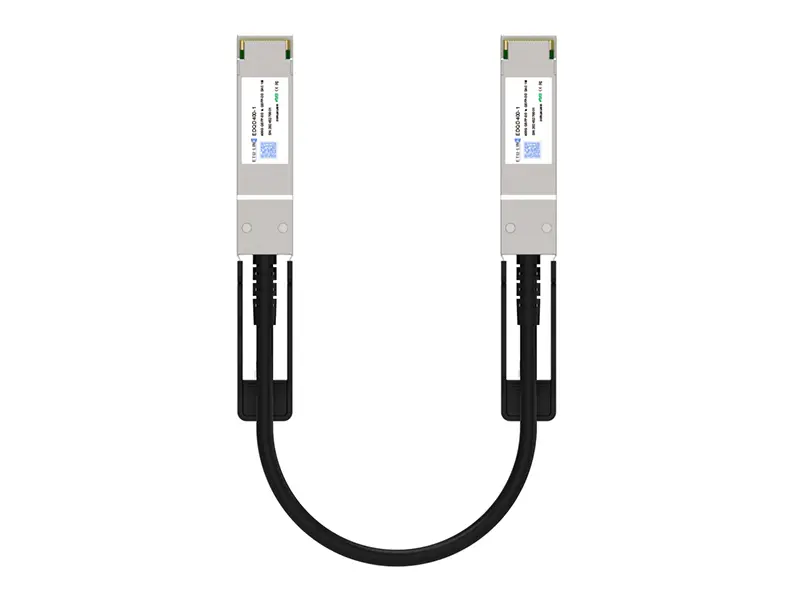 400G QSFP DD DAC
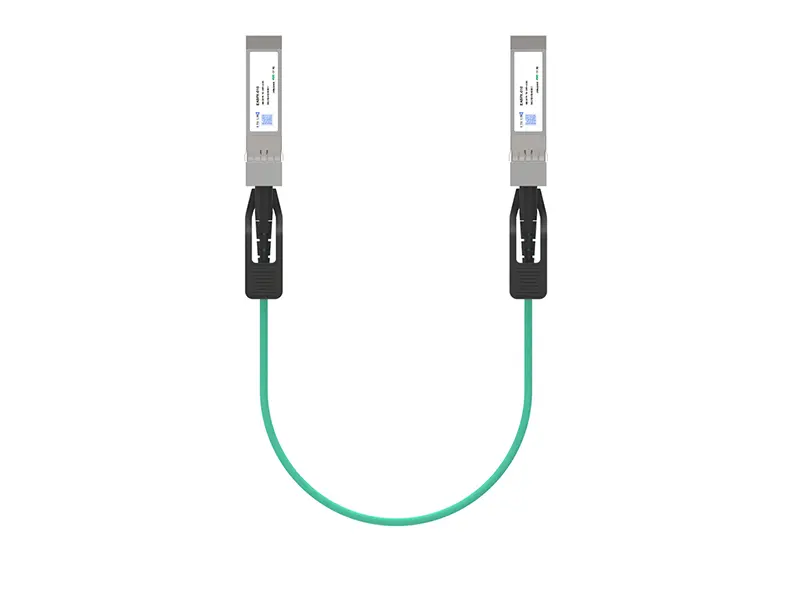 10G SFP+ AOC
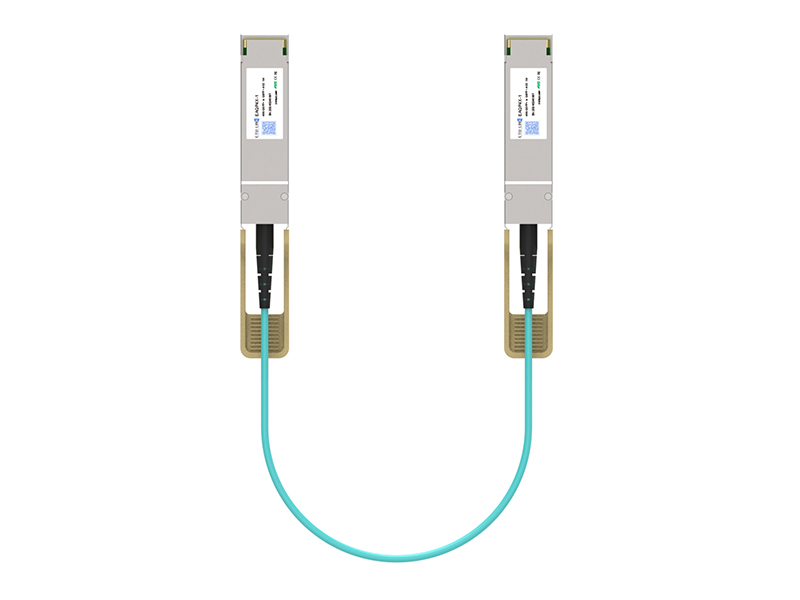 40G QSFP+ AOC
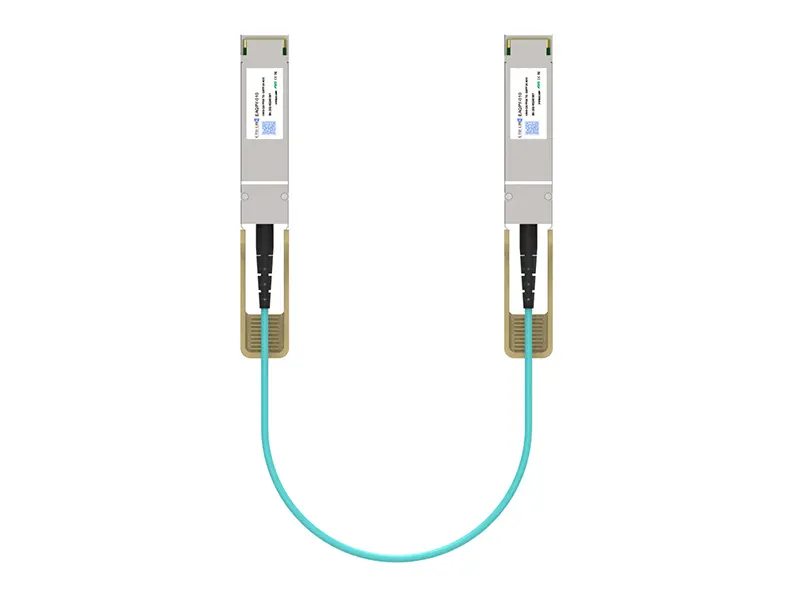 100G QSFP28 AOC
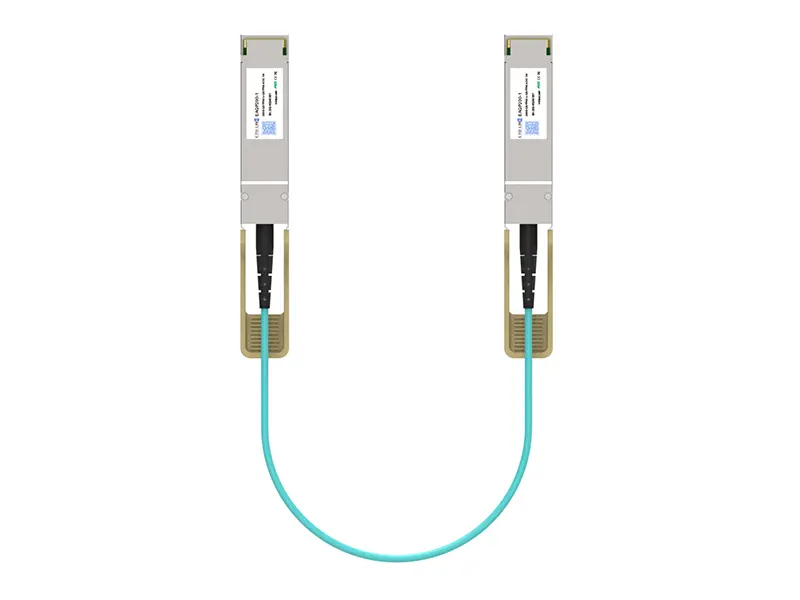 200G QSFP56 AOC
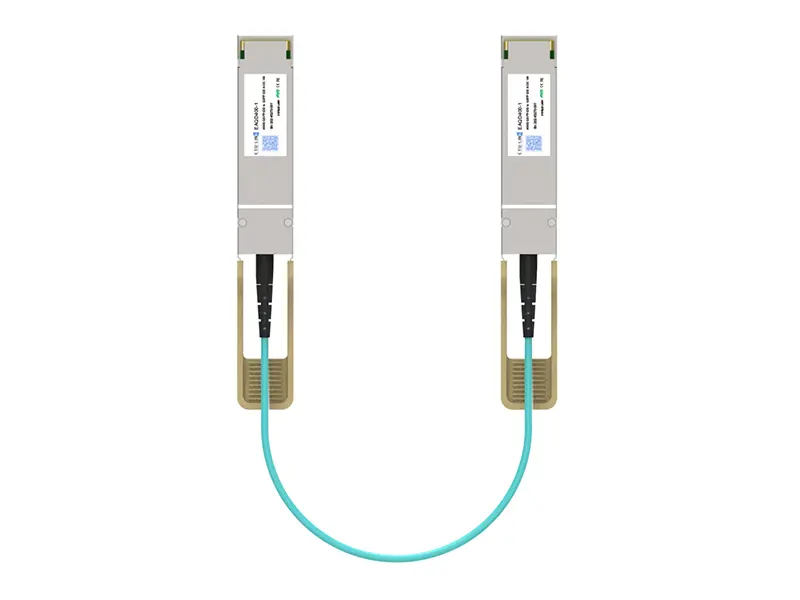 400G QSFP-DD AOC
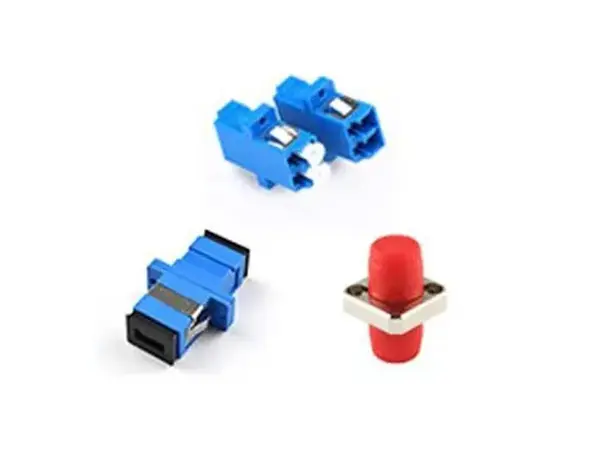 Adapter Details
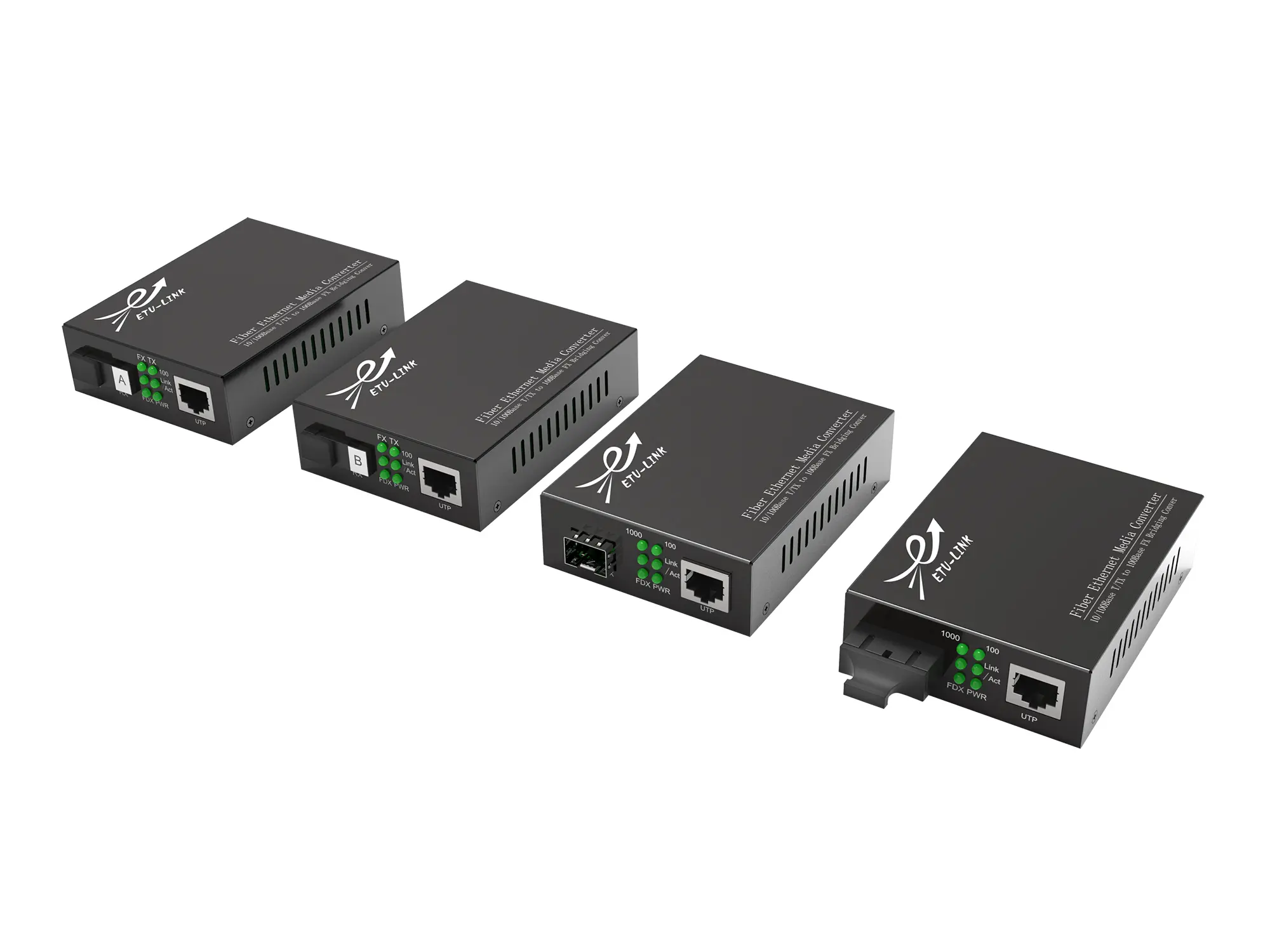 Media Converter