How to Choose the Best 10G DWDM Optical Transceiver?
Choosing the best 10G DWDM Optical Transceiver can be a daunting task. Industry expert Dr. Emily Zhang states, “The right transceiver greatly enhances network performance.” With several options available, it’s crucial to understand specific requirements. Factors like distance, bandwidth, and compatibility play vital roles in selection.
Understanding technical specifications requires careful thought. Many users overlook important details, leading to suboptimal performance. The right optical transceiver should not just fit the current needs but also future demands.
User experiences vary; some find it tough to navigate choices. Common mistakes include ignoring vendor support and warranty policies. A well-informed decision can significantly impact both efficiency and cost. In this dynamic landscape, caution and research remain essential.
Understanding 10G DWDM Optical Transceivers: Key Features and Functions
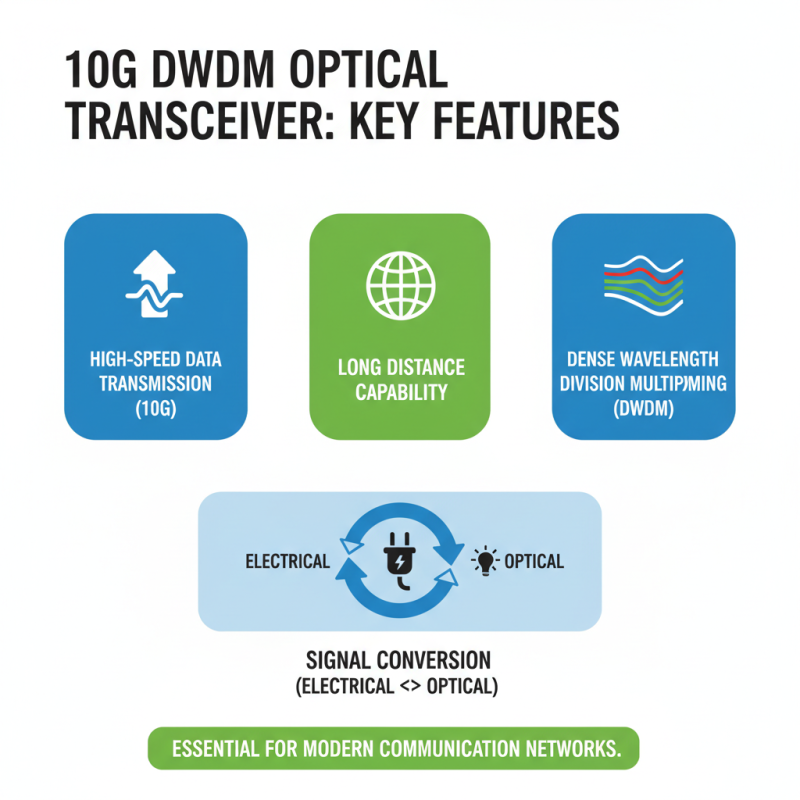
When selecting a 10G DWDM optical transceiver, understanding the key features is crucial. These transceivers facilitate high-speed data transmission over long distances, utilizing dense wavelength division multiplexing technology. They transform electrical signals into optical signals and vice versa, essential for modern communication networks.
Key features include wavelength range, transmission distance, and compatibility with existing infrastructure. Look for devices that support a broad wavelength range to ensure flexibility. Often, transceivers can operate over distances from a few kilometers to hundreds of kilometers. It’s vital to match your networking needs with the appropriate specifications.
Tips: Ensure compatibility with your current equipment. A mismatch can lead to significant performance issues. Also, consider the environment where the transceiver will be deployed. Industrial conditions require rugged designs. Lastly, prioritize reliable vendors known for quality support. Always reflect on your unique needs; choosing the wrong transceiver could waste resources and time.
Evaluating Performance Metrics: Bit Rate, Reach, and Modulation Formats
When selecting a 10G DWDM optical transceiver, performance metrics matter significantly. Key factors to assess are bit rate, reach, and modulation formats. The bit rate defines how much data the transceiver can handle. For instance, most 10G transceivers support data rates up to 10 Gbps. This is essential for high-demand applications like video streaming or cloud services.
Reach is another critical metric. It indicates how far a signal can travel without degradation. In typical scenarios, 10G transceivers achieve distances of up to 80 km with standard SMF (single-mode fiber). The choice between long-range and short-range connections can affect deployment and costs.
**Tip:** Always consider the maximum distance you need. If your network spans across a city, a transceiver with a longer reach is necessary.
Modulation formats also impact performance. Common formats include NRZ and PAM4. NRZ is more traditional but simpler. PAM4 doubles the data rate with improved efficiency. However, it can complicate your setup.
**Tip:** The modulation format you choose will directly affect your development environment. Matching it to your needs is crucial. Remember not all configurations will be perfect; testing is key to finding what works best.
How to Choose the Best 10G DWDM Optical Transceiver? - Evaluating Performance Metrics
| Transceiver Type |
Bit Rate (Gbps) |
Reach (km) |
Modulation Format |
| SFP+ |
10 |
40 |
NRZ |
| SFP28 |
25 |
30 |
PAM4 |
| XFP |
10 |
80 |
NRZ |
| QSFP+ |
40 |
150 |
NRZ |
| QSFP28 |
100 |
30 |
PAM4 |
Compatibility Considerations: Ensuring Interoperability with Existing Equipment
When selecting a 10G DWDM optical transceiver, compatibility is crucial. You need to ensure that the transceiver will work with your existing equipment.
Many factors influence this compatibility. They include the type of signal, protocols, and connectors. It is essential to check your current setup thoroughly. Not all equipment can communicate effectively with every transceiver on the market.
Interoperability can sometimes be a grey area. Different manufacturers might not adhere to the same standards.
You could buy a transceiver that doesn’t work well with your devices. This oversight can lead to wasted time and financial resources.
It’s advisable to consult technical specifications carefully. Look for peer reviews and community feedback to gauge real-world performance.
Testing equipment in real-time can help identify potential issues. Skip this step, and you might face unexpected failures.
Be wary of assumptions regarding compatibility based on descriptions alone. Reflections on these challenges can guide you toward a more informed decision.
Approach the selection with caution and awareness of missteps.
Assessing Quality and Reliability: Manufacturer Reputation and Standards
Choosing a reliable 10G DWDM optical transceiver requires careful consideration of manufacturer reputation. A reputable manufacturer often meets stringent industry standards, which reflects their commitment to quality. According to a recent industry report, transceivers adhering to Telcordia GR-468 standards tend to have lower failure rates. These transmissions maintain high performance and reliability.
When assessing quality, it’s crucial to review the manufacturer's history. Companies with a solid track record often invest in research and development. Reports indicate that 70% of professionals prioritize long-term operation over initial cost. This focus can prevent costly downtimes later. However, not every well-known name guarantees excellence. Scrutinizing user feedback can reveal hidden flaws in certain models.
Moreover, consider the testing protocols employed by the manufacturer. Do they conduct real-world performance assessments? A study showed that transceivers with rigorous testing processes produced 40% fewer field failures. Such metrics can aid in making an informed choice. Balancing cost with reliability is often a challenging task. As the market evolves, so should evaluation methods to ensure optimal performance.
Cost Analysis: Balancing Price with Long-Term Investment Benefits
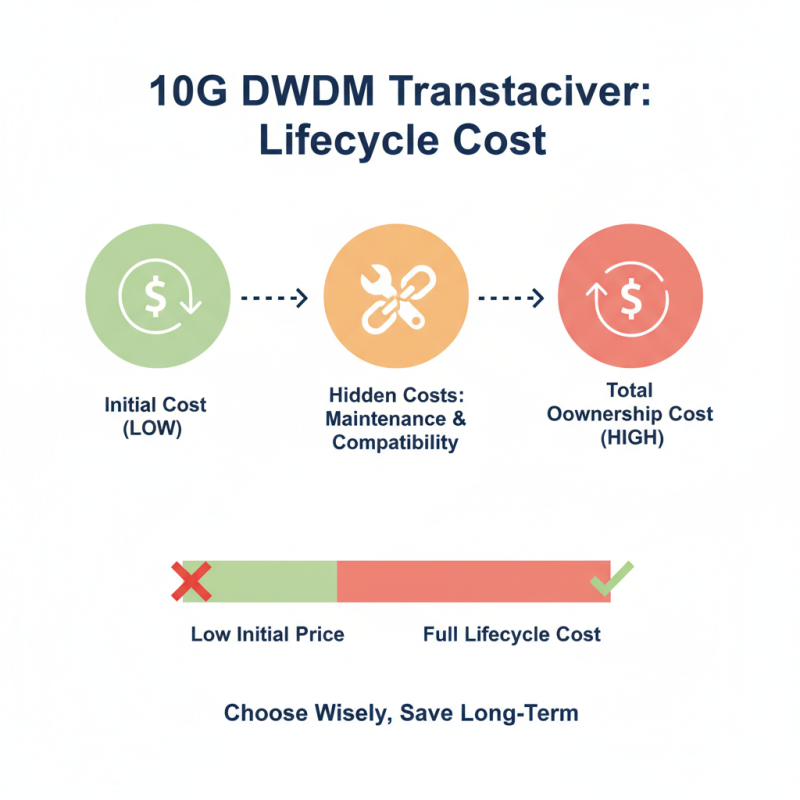
When evaluating a 10G DWDM optical transceiver, cost plays a crucial role. You might find options at various price points. However, a lower initial cost could lead to increased expenses later. Maintenance and compatibility issues can arise. Therefore, consider the full lifecycle cost.
Investing in a more expensive transceiver may yield long-term benefits. Think about reliability and performance. A robust transceiver can minimize downtime. This could translate to significant savings over time. Also, factor in power consumption and heat generation, as these can impact operational costs.
Balancing price with quality is challenging. It’s easy to make a decision based solely on upfront costs. Reflect on the long-term implications. A wise investment today might save you from regrets tomorrow. Researching and comparing options ensures you make a thoughtful choice. Ultimately, choosing a transceiver should be about more than just the initial expense.

 400G
400G 200G
200G 100G
100G 40G
40G 25G
25G 10G
10G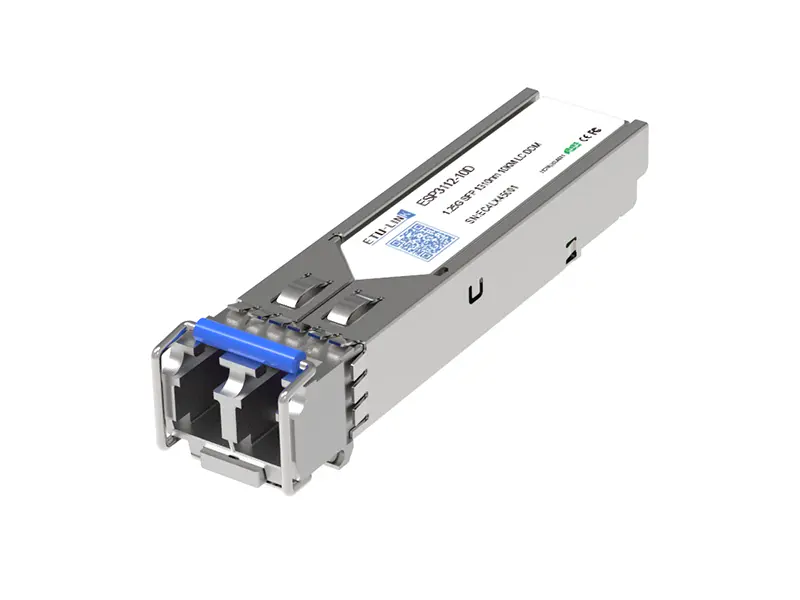 1G
1G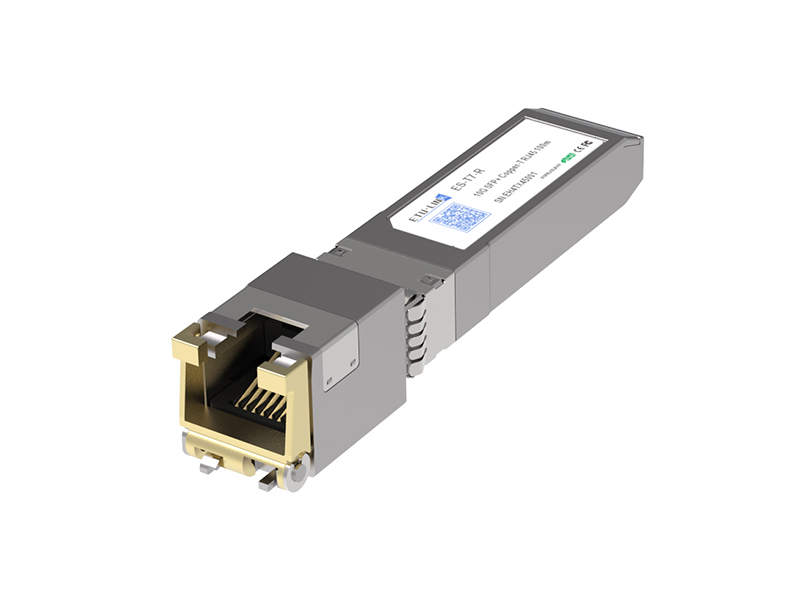 COPPER-T
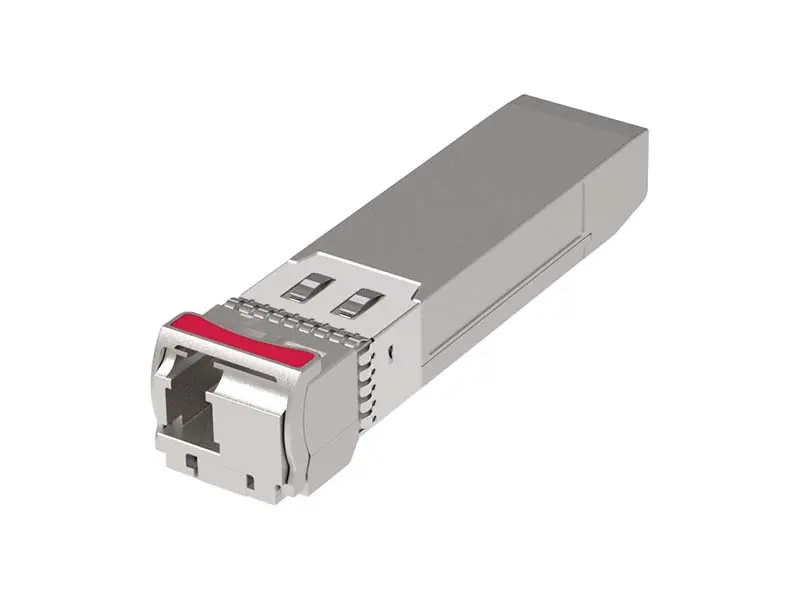 Other
Other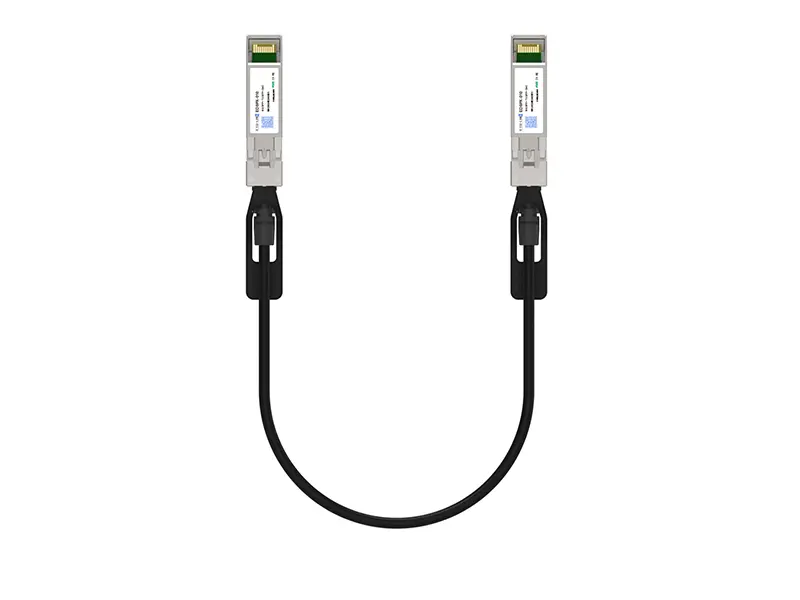 10G SFP+ DAC
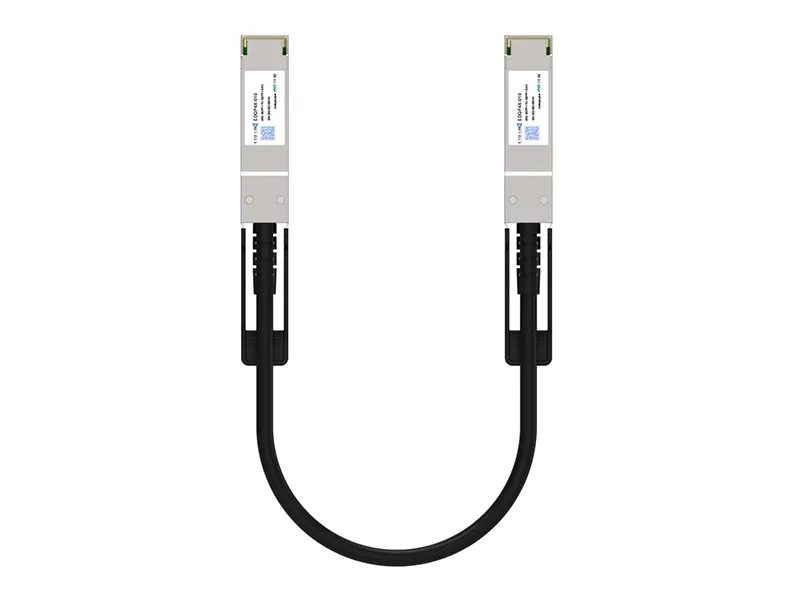 40G QSFP+ DAC
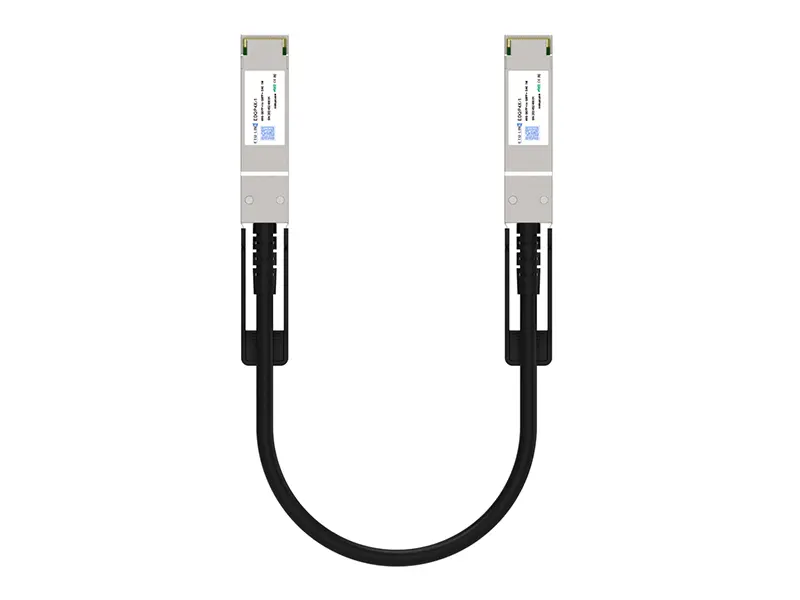 56G QSFP+ DAC
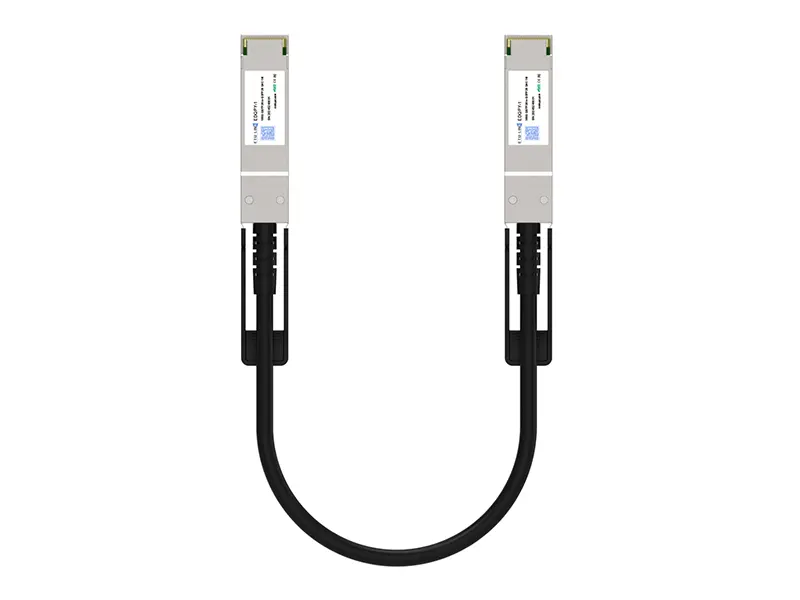 100G QSFP28 DAC
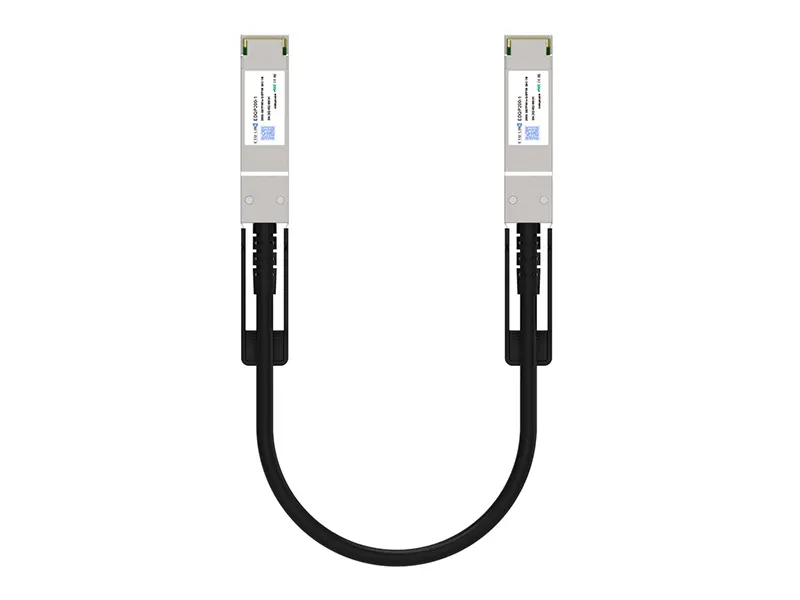 200G QSFP56 DD DAC
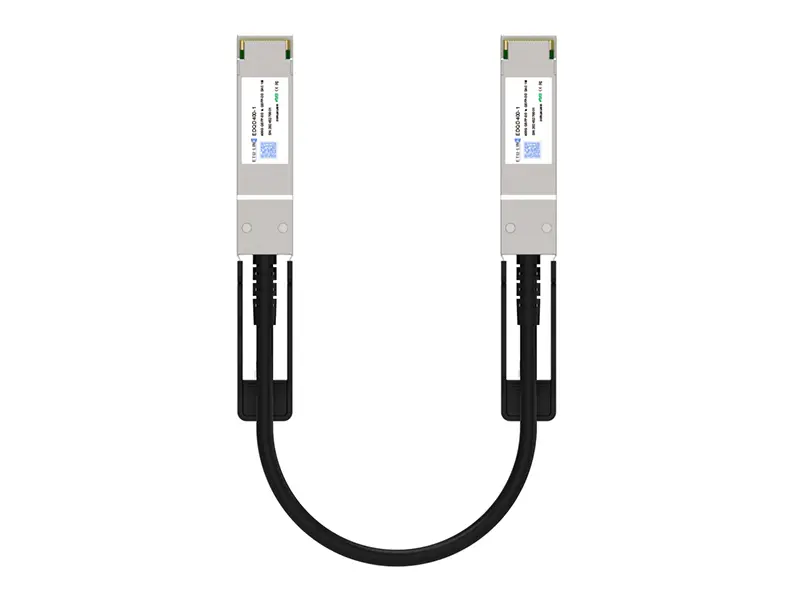 400G QSFP DD DAC
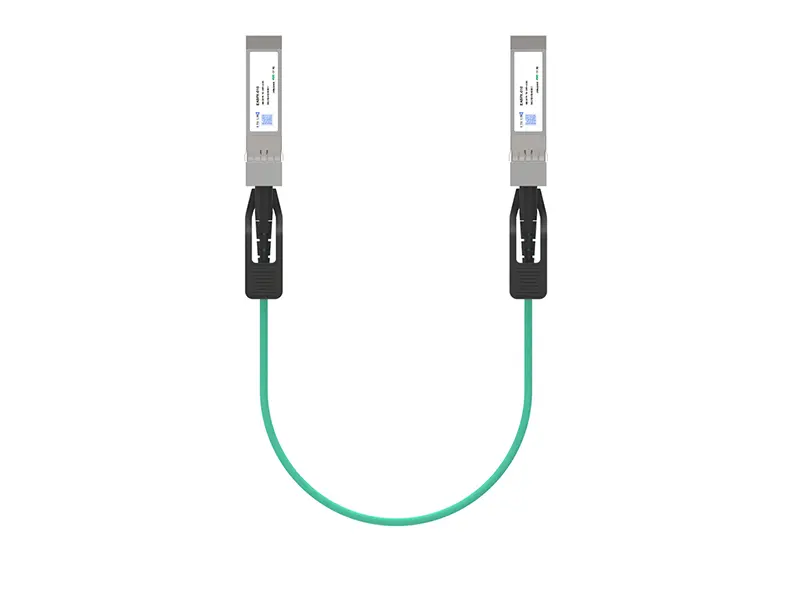 10G SFP+ AOC
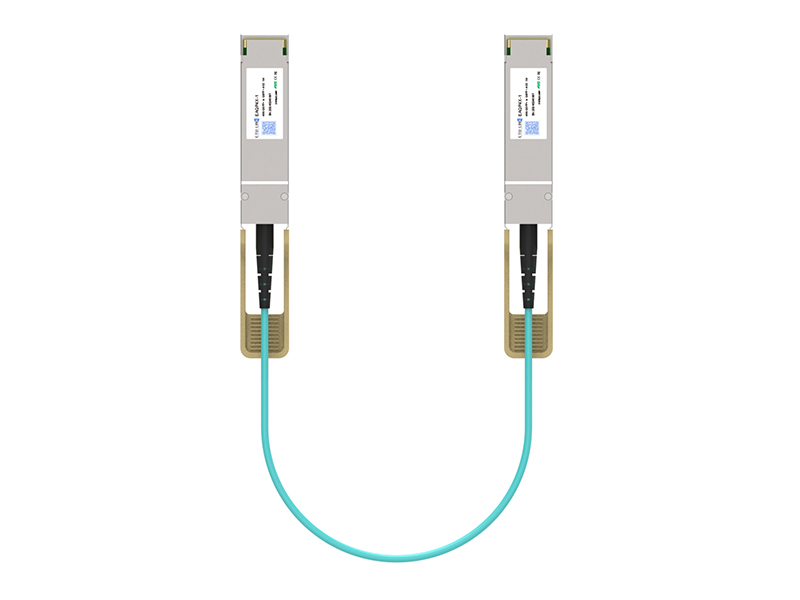 40G QSFP+ AOC
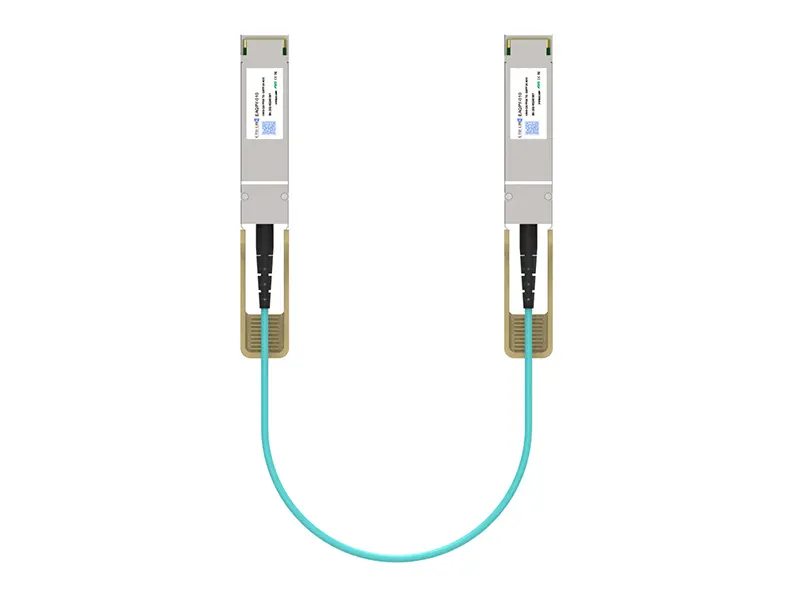 100G QSFP28 AOC
 200G QSFP56 AOC
 400G QSFP-DD AOC
 Adapter Details
 Media Converter