How to Choose 10G SFP+ Active Optical Cable for Your Needs?
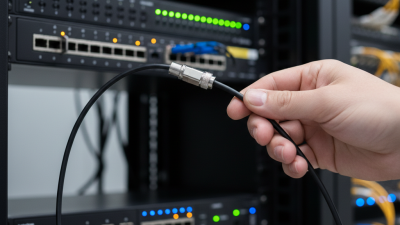
Choosing the right 10G SFP+ Active Optical Cable can significantly impact your network performance. This type of cable is known for its ability to support high-speed data transfer over long distances. They are often used in Data Center connections and enterprise networks.
When selecting a suitable cable, consider the distance requirements. 10G SFP+ Active Optical Cables are often available in various lengths, from a few meters to over 100 meters. Assessing your specific needs can help you avoid costly mistakes. Compatibility with your devices is another crucial factor. Make sure the cable you choose works seamlessly with your hardware.
However, not all cables are created equal. Some may offer better durability and performance than others. Research reputable brands and read user reviews to ensure reliability. It's wise to reflect on your current and future network demands before making a purchase. Such careful consideration can lead to improved network efficiency and longevity.
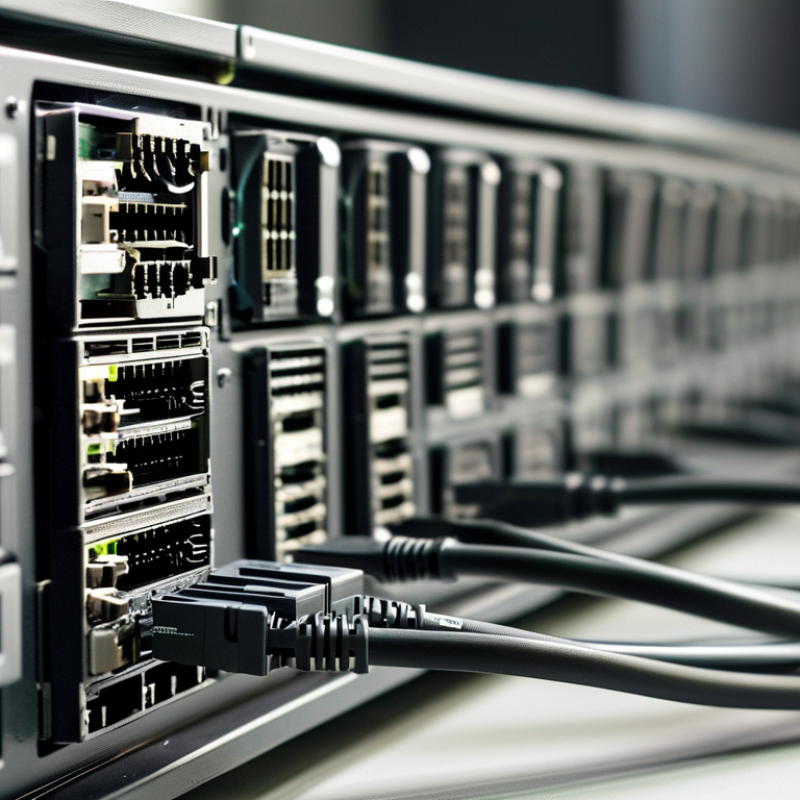
Understanding 10G SFP+ Active Optical Cables and Their Benefits
10G SFP+ Active Optical Cables (AOCs) are essential for high-speed data connections. They provide several advantages over traditional copper cables. One significant benefit is reduced power consumption. AOCs use less energy, making them cost-effective for large installations. They also have a smaller diameter and are lighter, which simplifies cable management.
However, not all AOCs are created equal. When selecting a cable, consider the specific requirements of your environment. Longer distances may demand higher quality fibers. Environmental factors, like temperature and bend radius, also play a role. Making the right choice can be challenging. There is often a temptation to prioritize price over performance, but this can lead to issues later.
Moreover, it's key to assess compatibility with existing equipment. Different setups may have unique specifications. Pay attention to budget restrictions as well. Balancing quality and cost is not easy. Ultimately, understanding the specific needs of your system will guide your choice effectively.
Key Specifications to Consider When Selecting 10G SFP+ Cables
When selecting a 10G SFP+ Active Optical Cable, it’s essential to consider several key specifications that directly impact performance. Bandwidth is crucial. A standard 10G SFP+ cable supports data rates up to 10 Gbps over a distance of 300 meters using multimode fiber. Recent industry reports indicate that the demand for high-speed data transmission is expected to grow by 25% annually. This growth reinforces the need for effective cable choices.
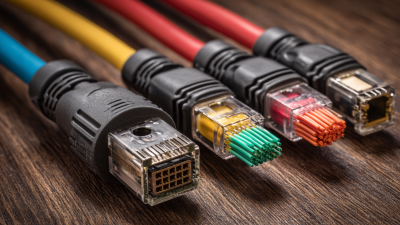
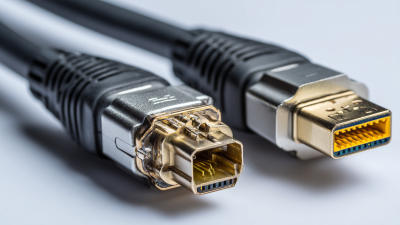
Another important specification is the cable’s form factor. The dimensions and flexibility of the cable determine its suitability for different setups. Some cables can be quite bulky, which may hinder installation in tight spaces. Look for cables that offer a good balance between performance and manageability. Connector types also matter. For optimal connectivity, ensure compatibility with your existing infrastructure. A mismatched connector can lead to a loss in signal integrity.
Finally, consider environmental factors such as temperature range and bend radius. Cables designed to function in extreme conditions often have greater longevity. Statistics show that improperly managed cables can fail within a few years. Therefore, choosing a wisely engineered cable can save costs in the long run. Evaluating these specifications provides a clearer path to selecting the right 10G SFP+ Active Optical Cable for your needs.
Compatibility: Ensuring Your Equipment Works with 10G SFP+ Cables
When selecting a 10G SFP+ Active Optical Cable, compatibility with your existing equipment is crucial. Many enterprises face challenges arising from mismatched interfaces or protocols. A report from the Ethernet Alliance states that nearly 30% of network issues stem from compatibility problems. This statistic highlights the importance of ensuring your cables align with your switches, routers, and servers.
Before purchasing, check the specifications of your devices. Most modern equipment supports a range of SFP+ cables, but variations exist. Some cables may operate at different distances or bandwidths. Understanding these nuances can help you avoid costly mistakes. For instance, using a cable designed for short distances in a long-range application might lead to significant data loss or latency. The performance can vary greatly depending on fiber type and connector quality, which emphasizes the need for thorough knowledge in this area.
It’s also important to think about future upgrades. As technology evolves, so will your connectivity needs. Adopting cables that meet today’s standards might not suffice tomorrow. Many experts recommend that organizations invest in versatile cables that can adapt to changing requirements. This strategic approach mitigates the risk of obsolescence in the fast-paced tech landscape. Ultimately, informed choices can enhance network reliability and performance.
Evaluating Performance: Distance, Bandwidth, and Signal Quality
When choosing a 10G SFP+ active optical cable, evaluating distance, bandwidth, and signal quality is key. The distance a cable can effectively cover directly influences its performance. Active optical cables typically cover greater distances than traditional passive cables. They can maintain high data rates over longer runs, making them ideal for larger setups.
Bandwidth is another crucial factor. A 10G SFP+ cable typically supports speeds up to 10 Gbps. But does your application demand such capacity? Overestimating needs can lead to unnecessary costs. Conversely, underestimating might lead to bottlenecks in data transmission.
Signal quality should not be overlooked. It ensures reliable data transfer without interruptions. Impacts from interference can degrade performance. Always check specifications for latency and jitter. Consider the environment where the cables will be deployed. Temperature and physical conditions play roles in longevity and reliability. Taking all these factors into account can lead to more informed choices when selecting active optical cables.
How to Choose 10G SFP+ Active Optical Cable for Your Needs? - Evaluating Performance: Distance, Bandwidth, and Signal Quality
| Model |
Distance (m) |
Bandwidth (Gbps) |
Signal Quality (dB) |
Connector Type |
| Model A |
300 |
10 |
3.5 |
LC |
| Model B |
150 |
10 |
4.0 |
SC |
| Model C |
100 |
10 |
5.0 |
MPO |
| Model D |
50 |
10 |
6.5 |
LC |
| Model E |
400 |
10 |
2.0 |
SC |
Cost Considerations: Budgeting for 10G SFP+ Active Optical Cables
When budgeting for 10G SFP+ active optical cables, several factors come into play. The cost varies significantly based on configuration, length, and manufacturer. Prices can range from modest to premium, depending on these variables. Consider your specific needs before making a purchase. Do you need longer runs? Or will shorter lengths suffice?
***Tip:*** Evaluate your system's compatibility. Not all cables work with every device, and misfit options might lead to wasted expenses.
Think about the installation environment too. In some cases, environmental conditions will dictate the kind of cable you need. For instance, cables used in tight spaces may require different features compared to those in open areas. Always weigh performance against cost.
***Tip:*** Research and compare various options. Reading user reviews can provide insights into quality and performance that just price alone cannot offer.
Don’t forget warranty terms. A longer warranty may increase initial costs but provide peace of mind and long-term savings. Some cables may seem cheaper upfront, but lacking sufficient support or durability can become a costly mistake later on. Always consider your total cost of ownership.
Cost Distribution of 10G SFP+ Active Optical Cables

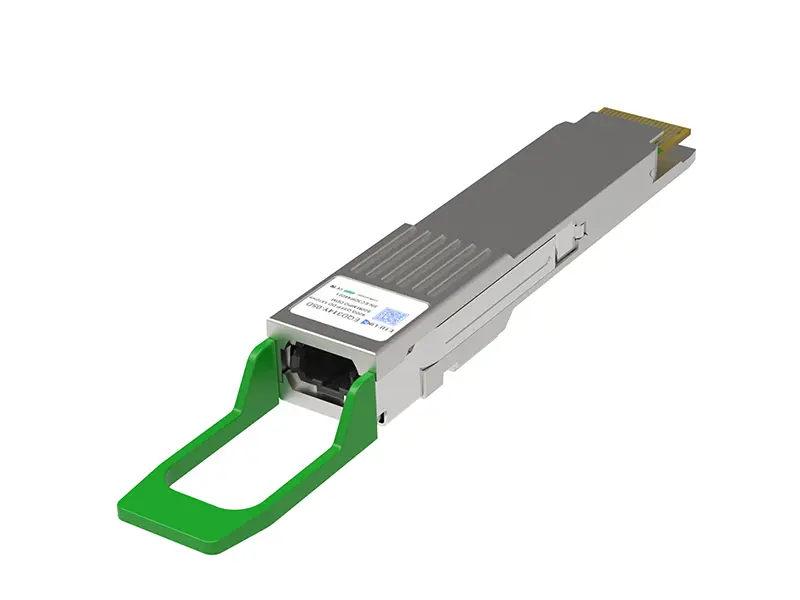 400G
400G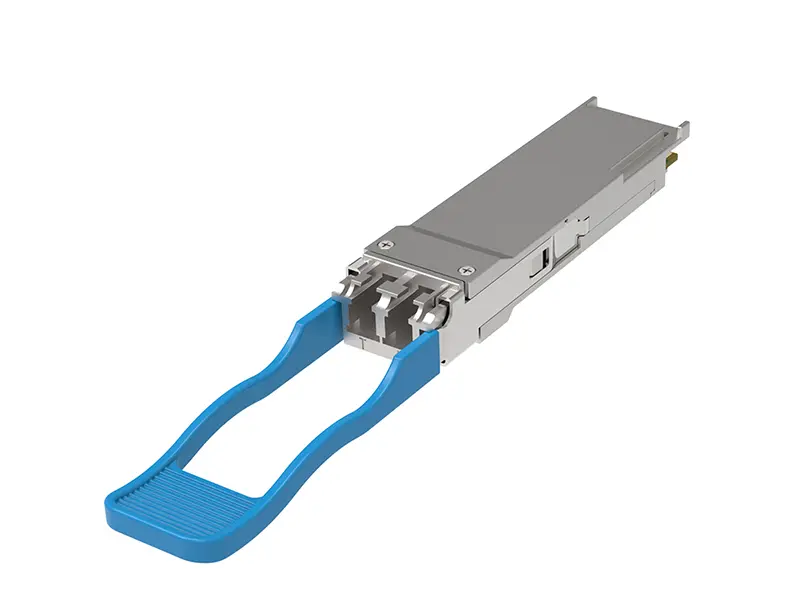 200G
200G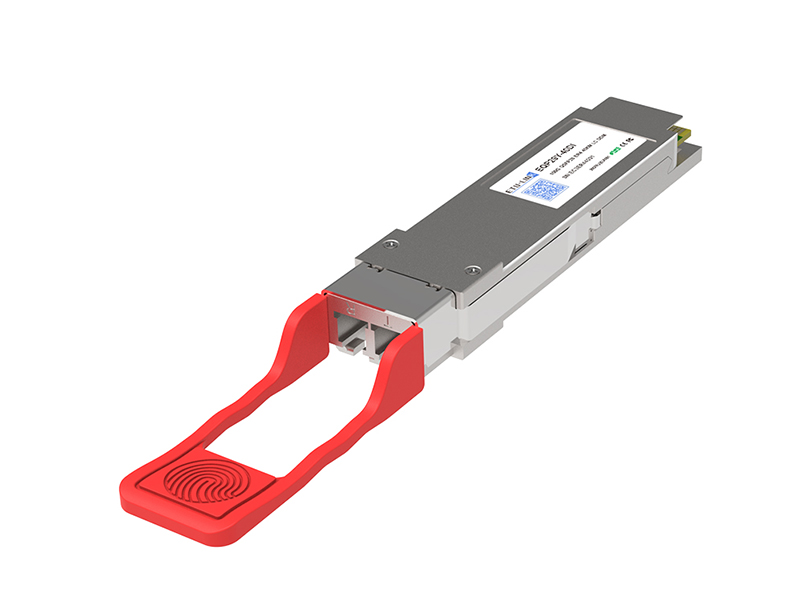 100G
100G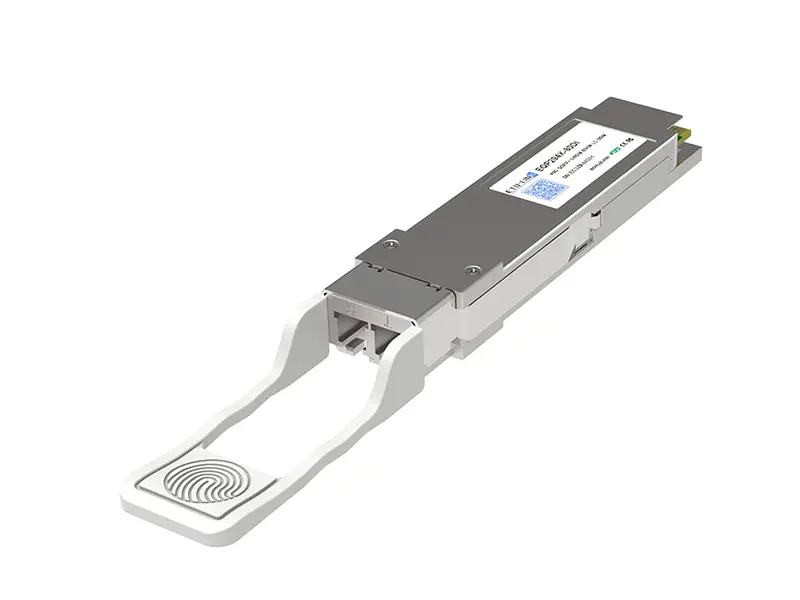 40G
40G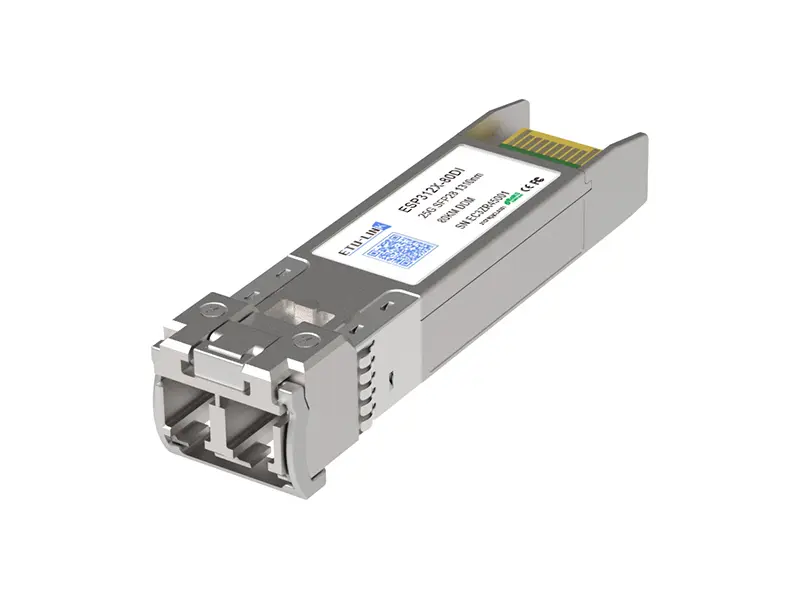 25G
25G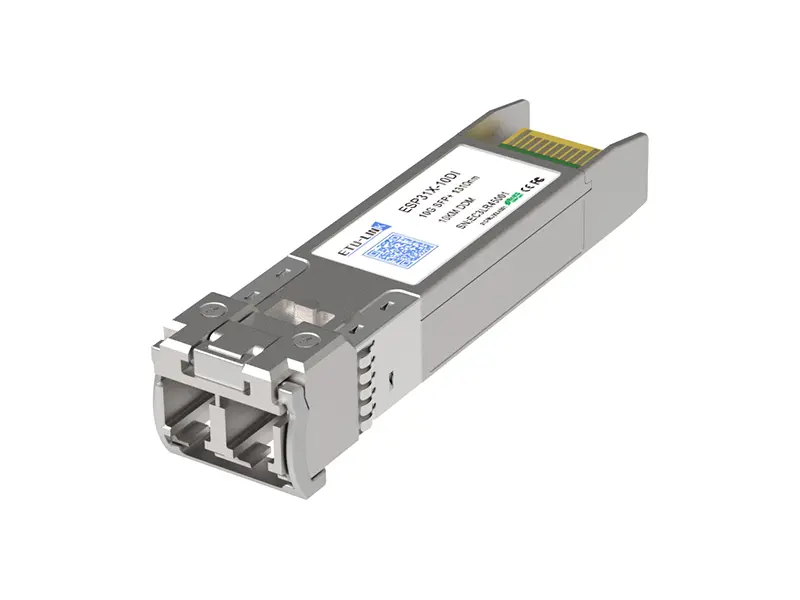 10G
10G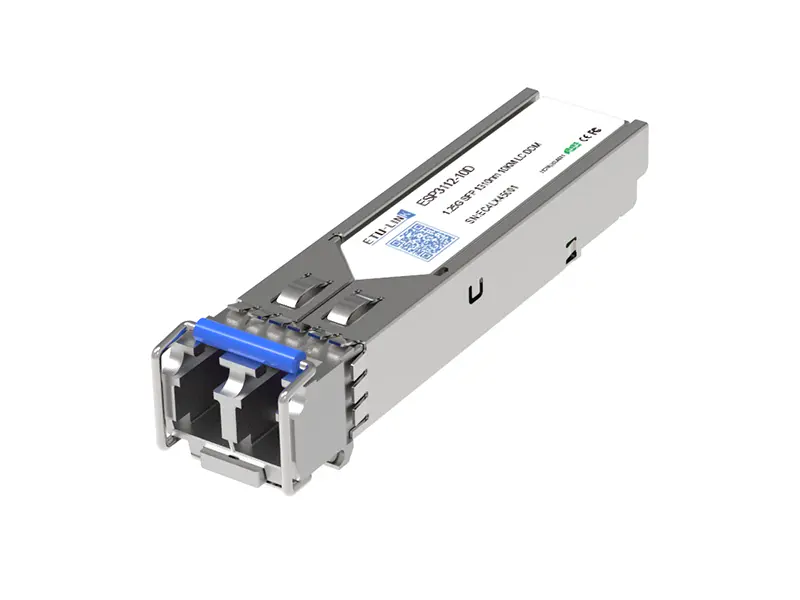 1G
1G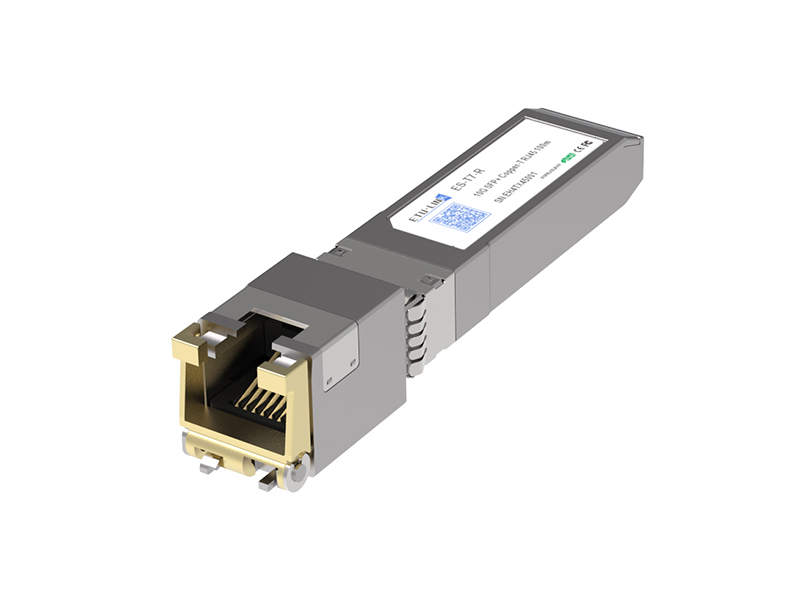 COPPER-T
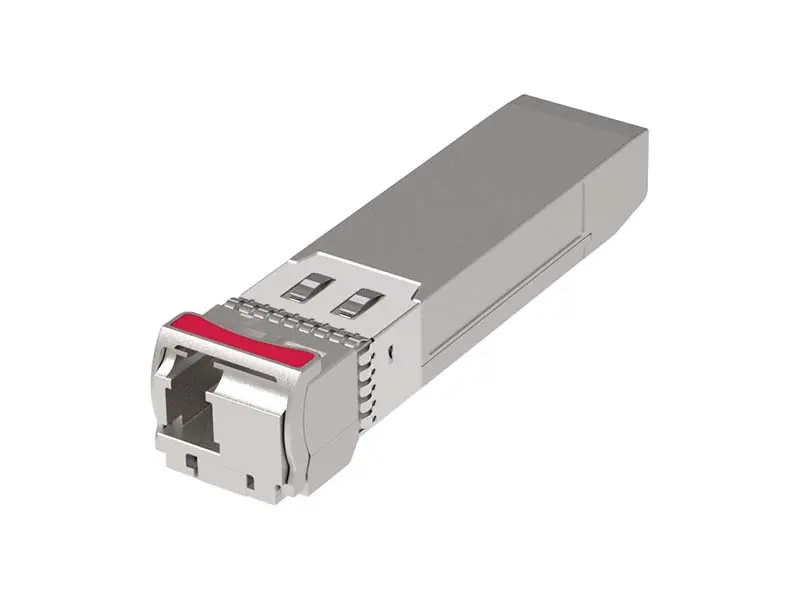 Other
Other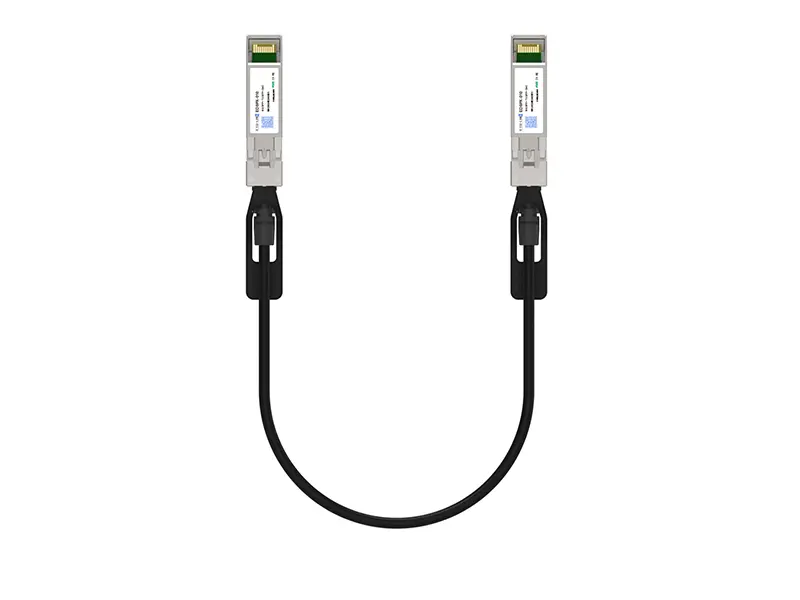 10G SFP+ DAC
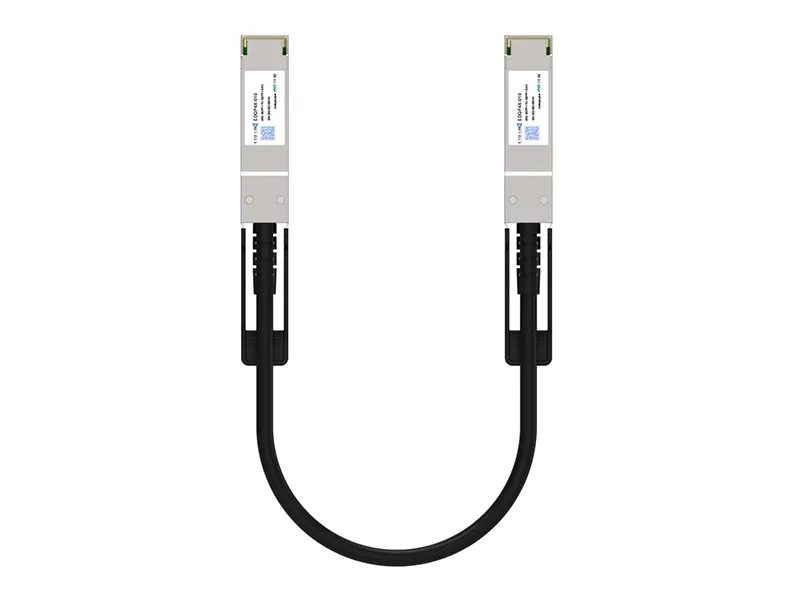 40G QSFP+ DAC
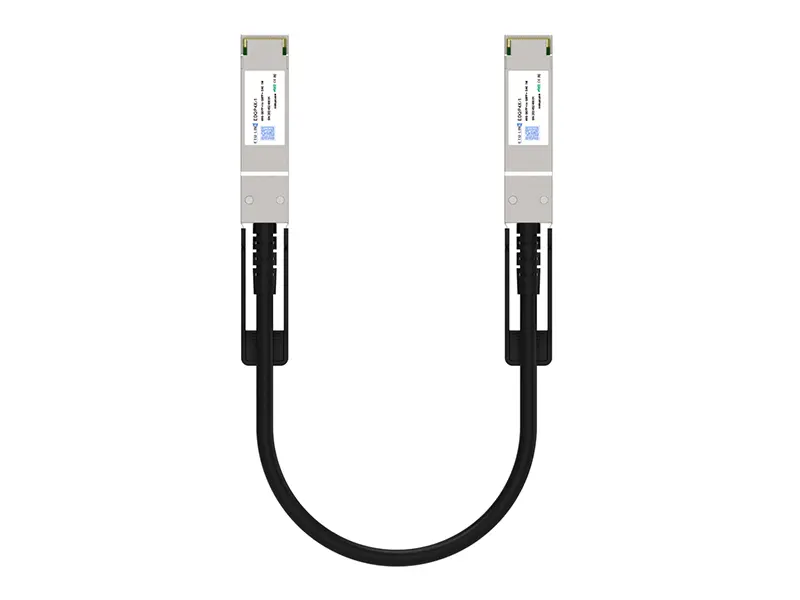 56G QSFP+ DAC
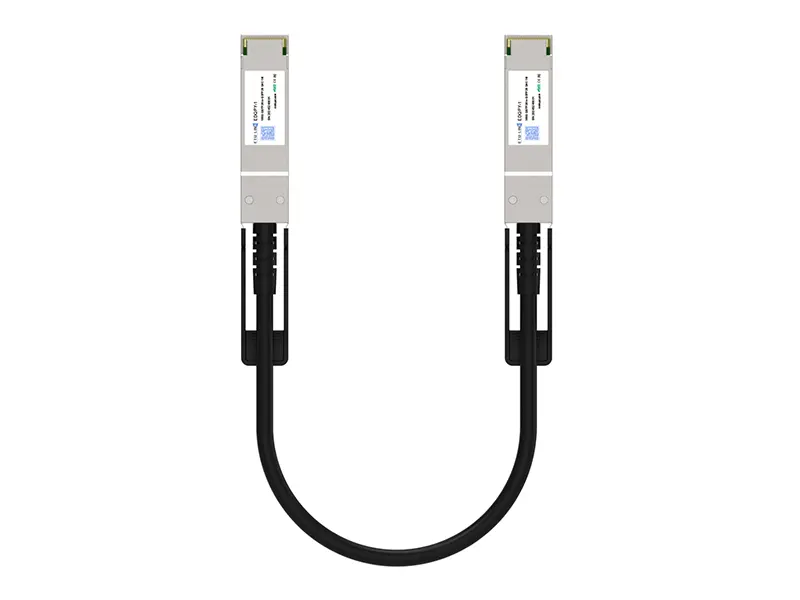 100G QSFP28 DAC
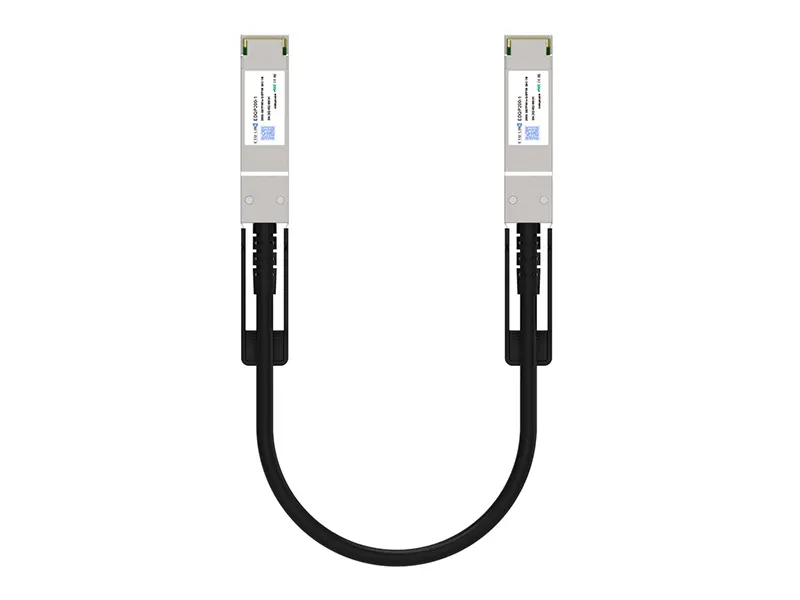 200G QSFP56 DD DAC
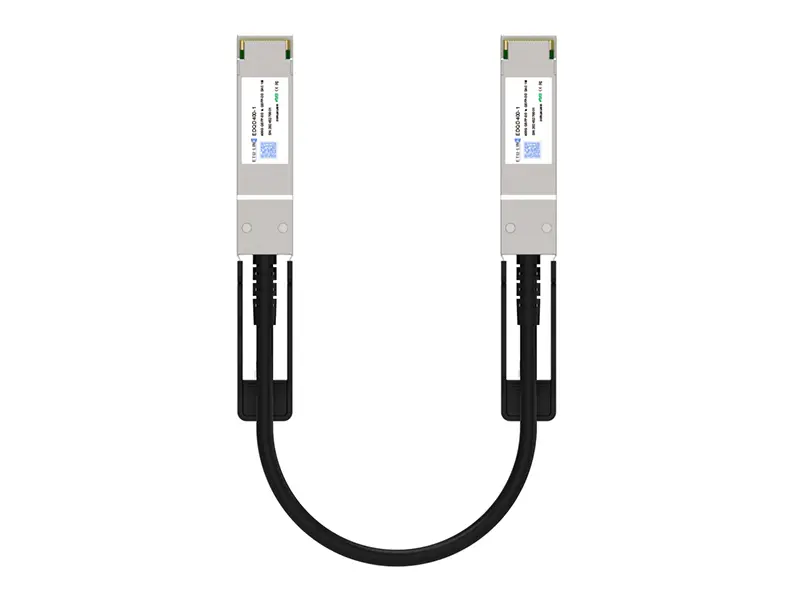 400G QSFP DD DAC
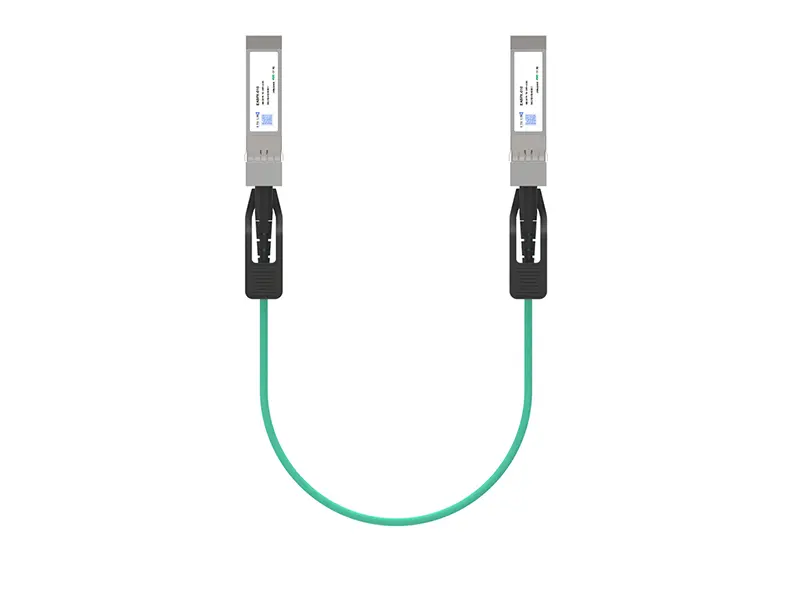 10G SFP+ AOC
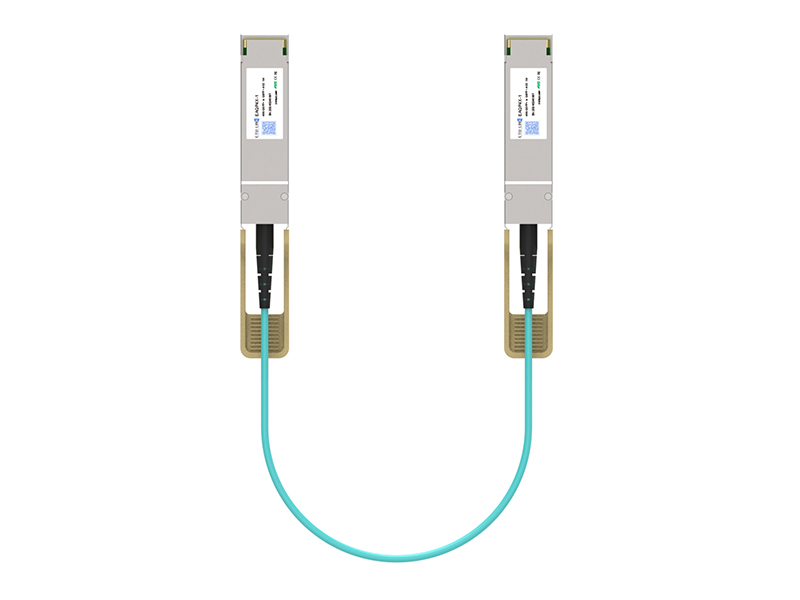 40G QSFP+ AOC
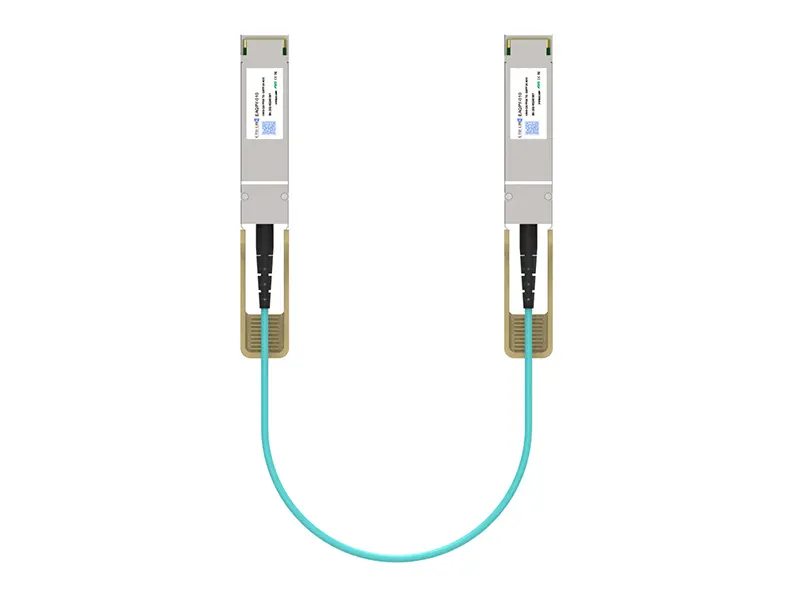 100G QSFP28 AOC
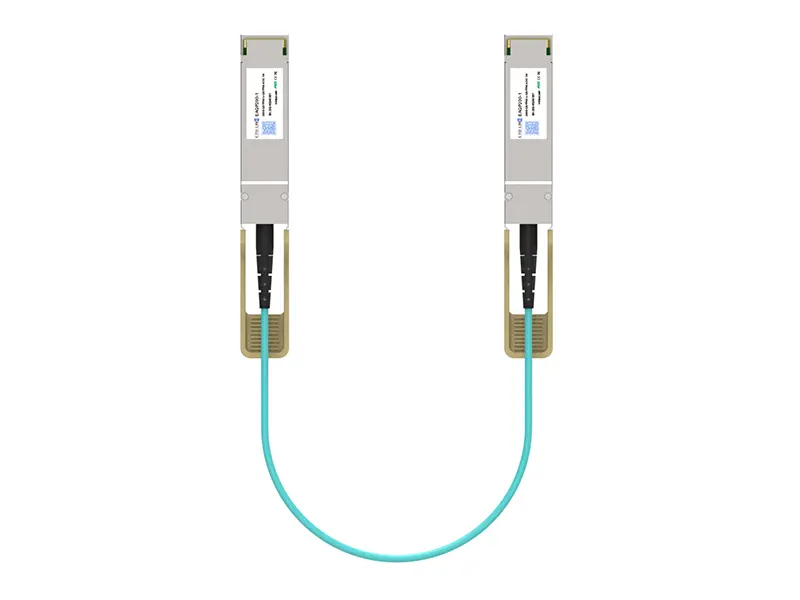 200G QSFP56 AOC
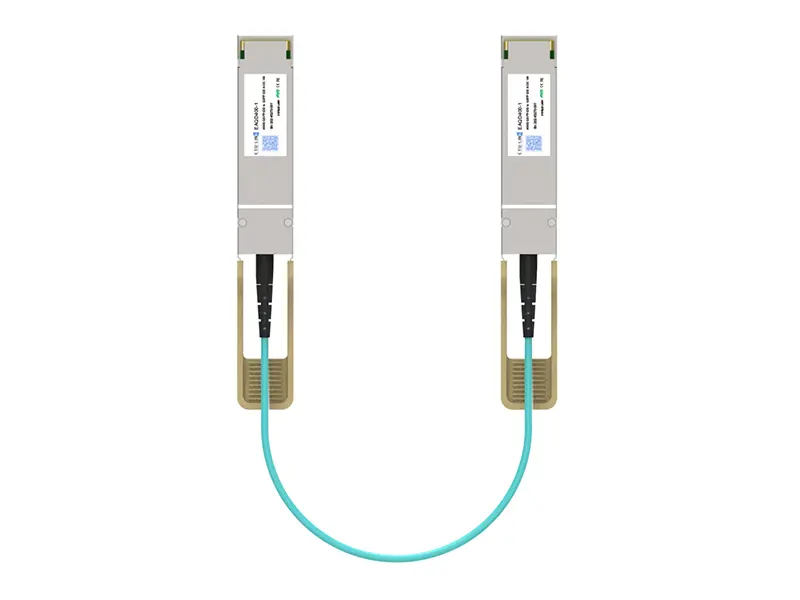 400G QSFP-DD AOC
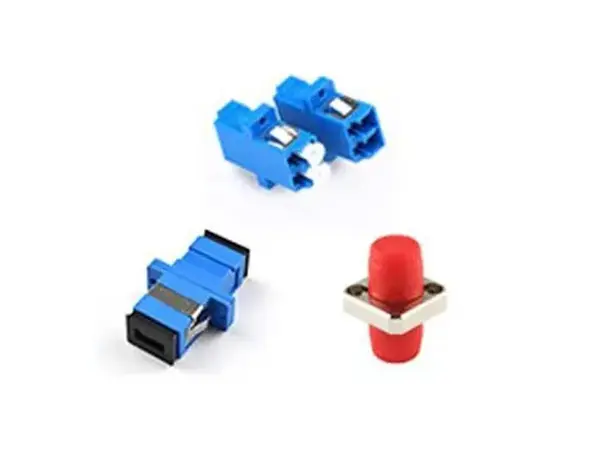 Adapter Details
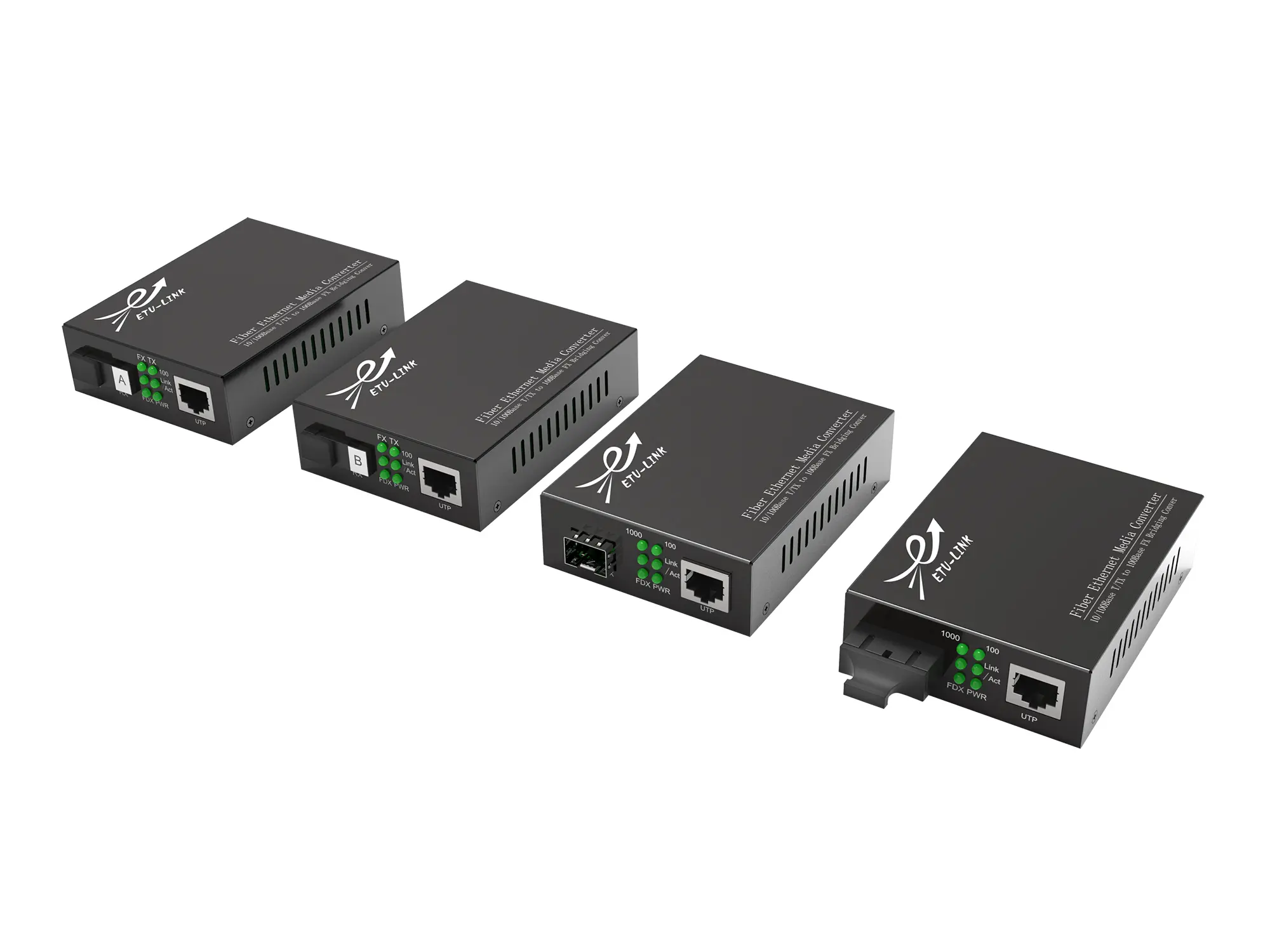 Media Converter