2026 How to Choose the Right 10GBASE SRL for Your Network Needs?
In today's fast-paced digital landscape, selecting the right 10GBASE SRL (Short Range Lite) solution is essential for network performance. Reports indicate that by 2026, global data traffic is expected to grow by over 30%. This growth emphasizes the need for faster, reliable connections. The 10GBASE SRL standard offers a cost-effective solution for short-range connections, ideal for modern data centers and enterprise networks.
When evaluating 10GBASE SRL options, several factors must be considered. Compatibility with current infrastructure is crucial. Many organizations face challenges due to outdated systems. Additionally, understanding fiber types, distances, and transceiver specifications is critical. Sometimes, too much focus is placed on price rather than performance. This can lead to issues down the line, impacting overall efficiency. Investing in quality now may prevent larger costs in the future.
Moreover, assessing your specific network requirements and future growth is imperative. A mismatch could result in inadequate performance or unnecessary expenses. Reflecting on your network goals and challenges will assist in making a more informed choice. Thus, while the 10GBASE SRL is a solid option, careful consideration of all aspects is vital for achieving optimal network performance.

Choosing the Right 10GBASE SRL: Understanding Network Requirements
When selecting the right 10GBASE SRL for your network, understanding your network requirements is crucial. Different setups require different technologies. Are you connecting data centers or smaller offices? This distinction affects your choice of SRL. Consider the distance your signals will travel. The optical transceiver should meet your reach requirements without losing data integrity.
Network density also plays a role. High-density environments may need compact solutions. If your infrastructure evolves frequently, flexibility becomes essential. This might involve more costs or technical considerations. Don't overlook compatibility with existing equipment. A mismatch here can lead to frustrating delays.
Lastly, think about future scalability. Your immediate needs should not box you in. Seek options that allow for growth. Is your organization expanding? You might want room for more connections later. Balancing current needs with foresight can be challenging. Examine all available options closely. What works now may not suffice in a few years. Keeping an eye on trends can aid in making informed decisions.
Evaluating Network Size and Future Scalability for 10GBASE SRL
When evaluating network size for 10GBASE SRL, it's crucial to consider both current traffic and anticipated growth. According to industry reports, more than 70% of networks will exceed their capacity within three years. With the rapid increase in data generation, selecting a solution that supports scalability is essential. This growth trajectory suggests that networks must be built to accommodate not just today's needs, but also tomorrow's demands.
Future scalability is not just about adding bandwidth. It's about strategically upgrading network infrastructure. A recent survey indicated that 65% of network managers acknowledge difficulties in scaling their existing systems. Proper evaluation of current layout and future needs can reveal gaps in capacity. Organizations often fail to project their growth accurately, leading to inadequate infrastructures. This oversight can cause costly downtime and performance bottlenecks when traffic spikes occur.
Investing in 10GBASE SRL should come with a plan for future upgrades. It’s vital to assess your network’s potential growth regularly. A miscalculation in expected traffic can render current assets insufficient. As more applications demand higher bandwidth, an adaptable framework becomes necessary. Striking the right balance between current needs and future requirements is a challenge many face as they build their networks today.
Evaluating Network Size and Future Scalability for 10GBASE SRL
Assessing Compatibility with Existing Network Infrastructure and Hardware
When considering a 10GBASE SRL for your network, compatibility is crucial. Your existing infrastructure plays a vital role in this decision. First, evaluate your current switches and routers. Are they capable of handling 10G speeds? Check the ports and transceivers. If they cannot support 10GBASE, you might face performance bottlenecks.
Next, look at the cabling. 10GBASE SRL requires specific fiber types. OM3 or OM4 multimode fiber is ideal. If your setup uses older cabling, it may not transmit at the required speeds. Be careful with distances too. The SRL specification works best over shorter lengths, typically under 300 meters. Are your runs longer? Reflect on potential signal degradation.
Finally, assess any legacy devices on your network. They can create compatibility issues. A seamless upgrade might not be possible if older systems are not designed for high speeds. It’s essential to consider future growth as well. Will your current hardware support additional expansion? Misalignment here can lead to headaches and unexpected costs down the road.
Analyzing the Importance of Distance and Coverage in 10GBASE SRL Selection
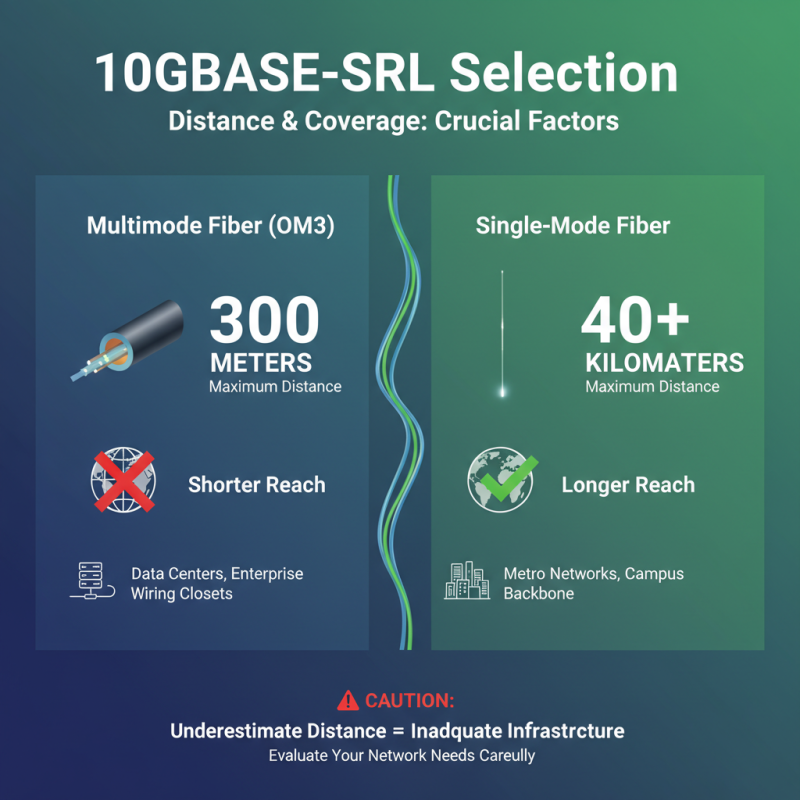
When selecting a 10GBASE SRL for your network, distance and coverage are crucial factors. The maximum distance for 10GBASE SRL transmission can reach 300 meters on OM3 multimode fiber. This distance is significantly shorter than that of single-mode fibers, which can extend beyond 40 kilometers. Organizations must evaluate their needs carefully. Many underestimate the importance of distance, leading to inadequate infrastructure.
Coverage affects the overall performance of data transmission. A study from the Fiber Channel Industry Association reported that networks can experience a 15-20% degradation in efficiency when the coverage exceeds recommended limits. This degradation poses a risk for mission-critical applications. It's essential to plan your physical layout before making a purchase.
Sometimes, simpler solutions are overlooked. For smaller installations, utilizing existing wiring can reduce costs. However, this choice may lead to a lack of future scalability. Understanding your long-term goals is vital. Investing in the right technology now could save money and effort later. Evaluate your coverage requirements and future expansion plans before finalizing your decision.
Cost-Benefit Analysis: Budgeting for 10GBASE SRL Solutions in 2026
When budgeting for 10GBASE SRL solutions in 2026, careful cost-benefit analysis is essential. The average implementation cost for 10GBASE SRL technology is projected to be around $10,000 per port. This figure can vary based on the network environment and specific requirements. For many organizations, this can feel prohibitively high. However, consider long-term savings through enhanced performance and increased bandwidth.
Connecting with reliable sources, such as the Ethernet Alliance, indicates that companies can achieve a 30% return on investment within three years. This data emphasizes the value of prioritizing quality over initial costs. It's important to assess both current and future network needs to ensure you don’t overspend on short-term solutions.
Tip: Evaluate your usage patterns. High traffic environments will benefit from 10G speeds. This may justify the costs more effectively than lower bandwidth solutions.
Another factor to consider is the lifecycle of your investment. Technology evolves rapidly. A solution that seems ideal now may fall short in two years. Keeping scalability in mind helps avoid frequent upgrades. This foresight can reduce overall expenses.
Tip: Conduct a thorough market analysis. Look for cost-efficient options that align with future network demands. The goal is to avoid unnecessary expenses later.

 400G
400G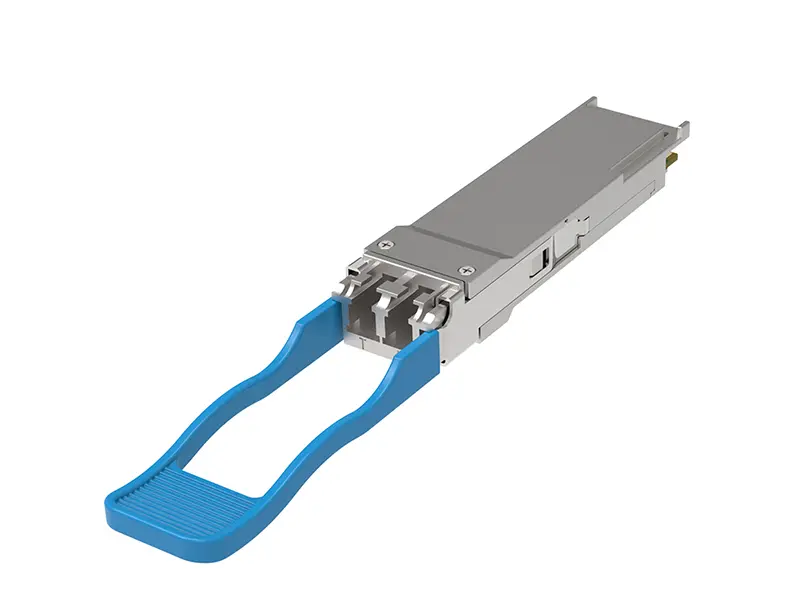 200G
200G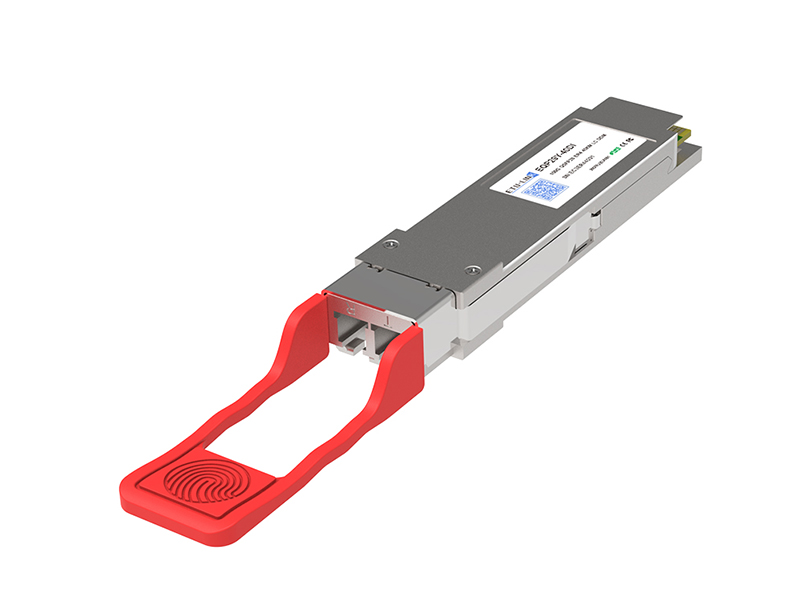 100G
100G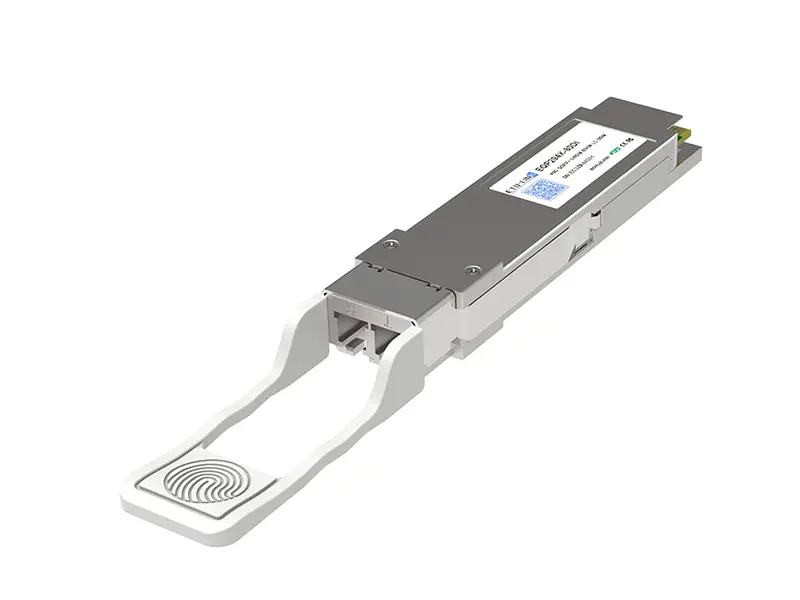 40G
40G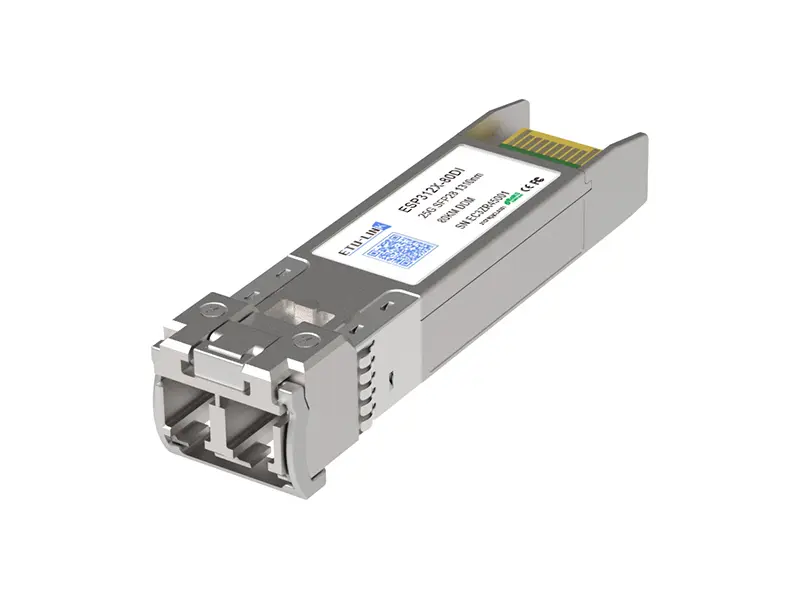 25G
25G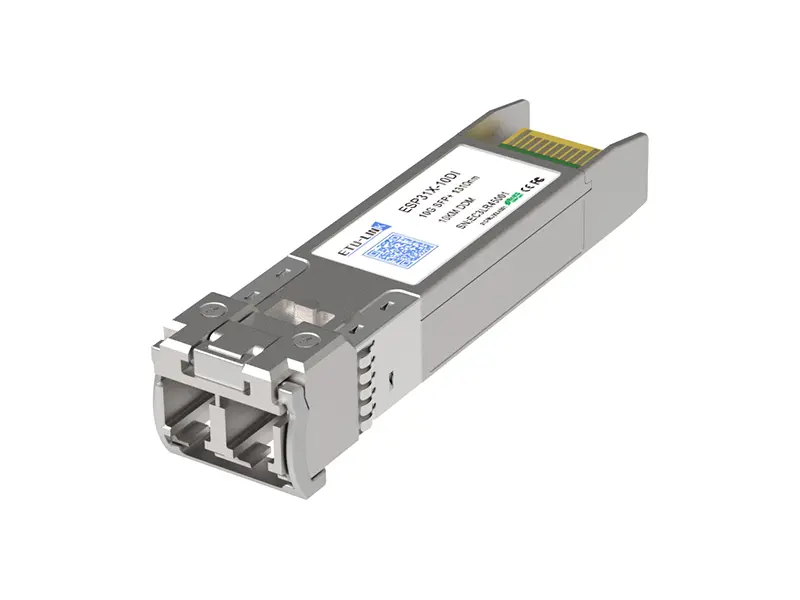 10G
10G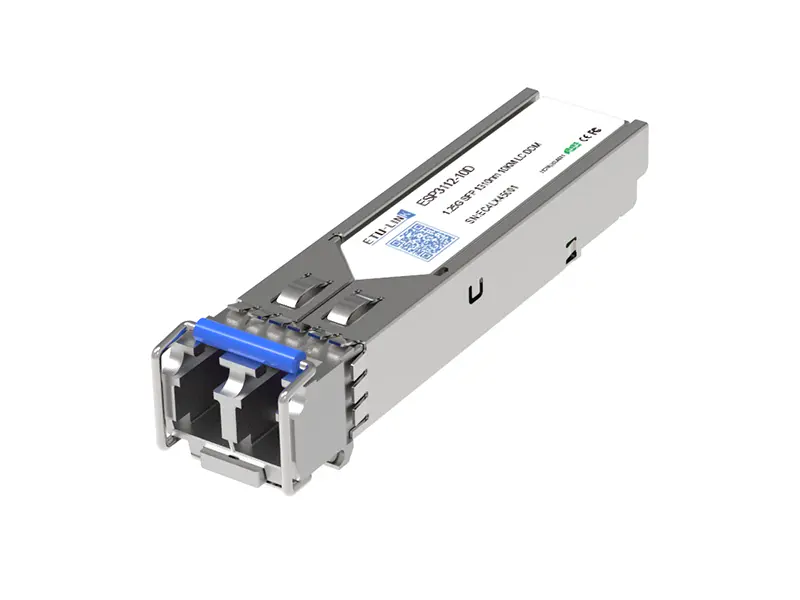 1G
1G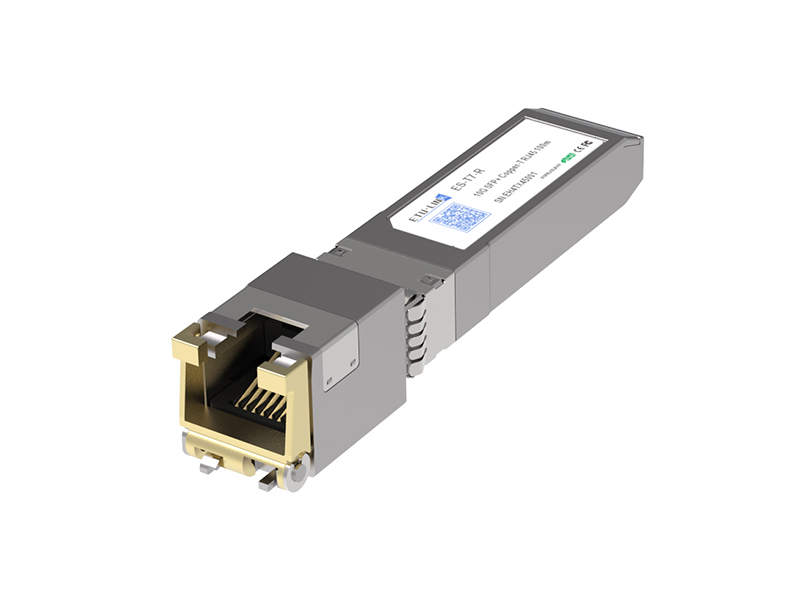 COPPER-T
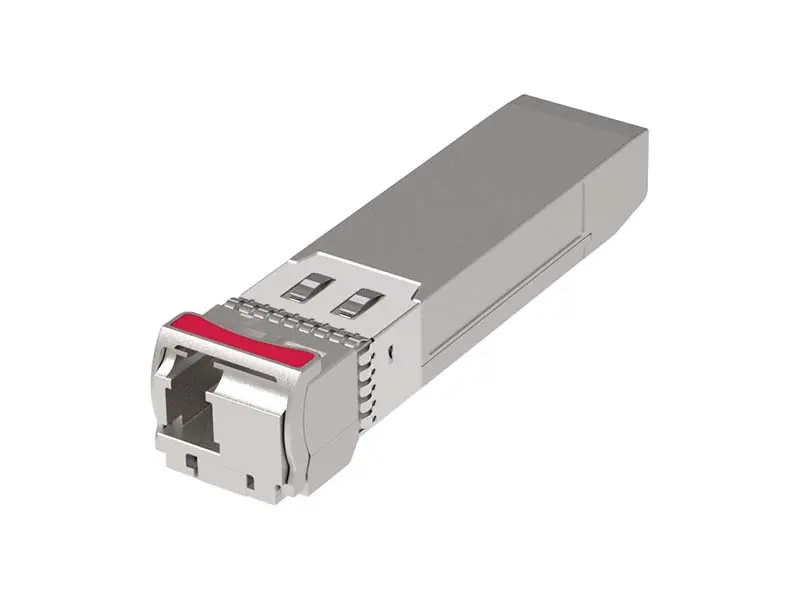 Other
Other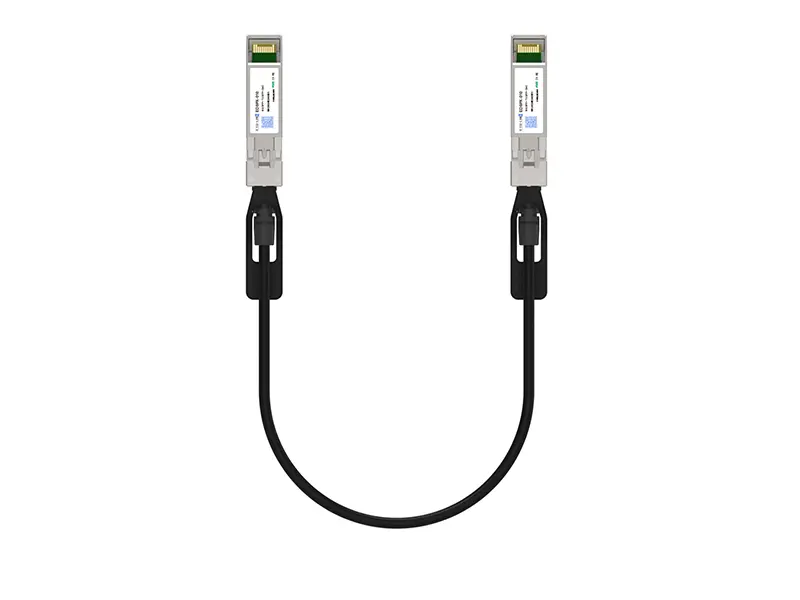 10G SFP+ DAC
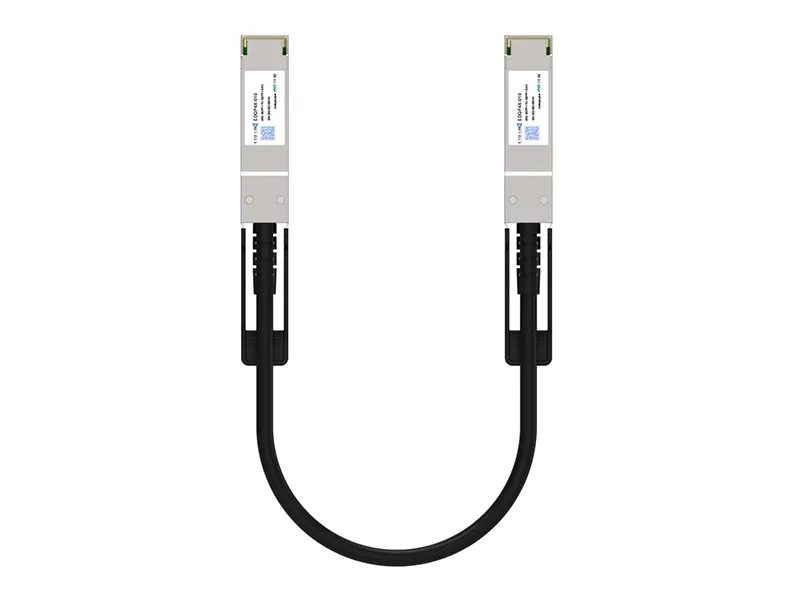 40G QSFP+ DAC
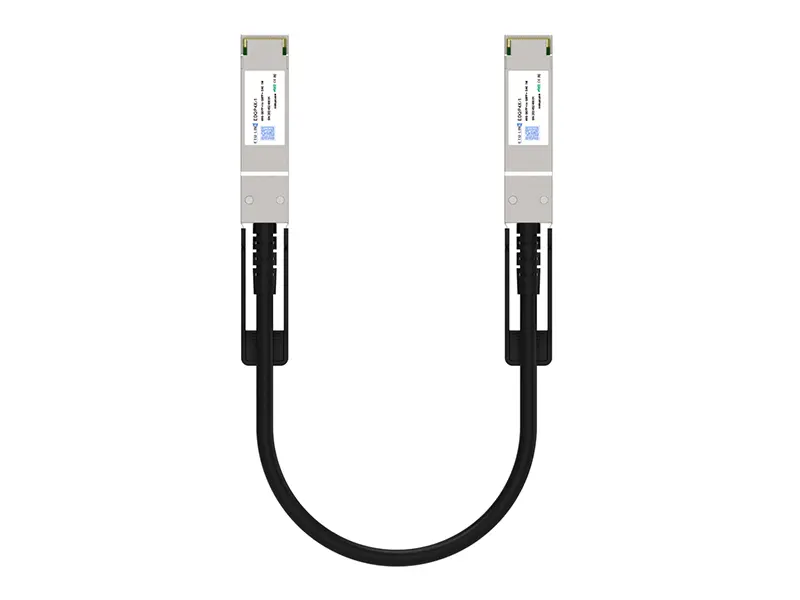 56G QSFP+ DAC
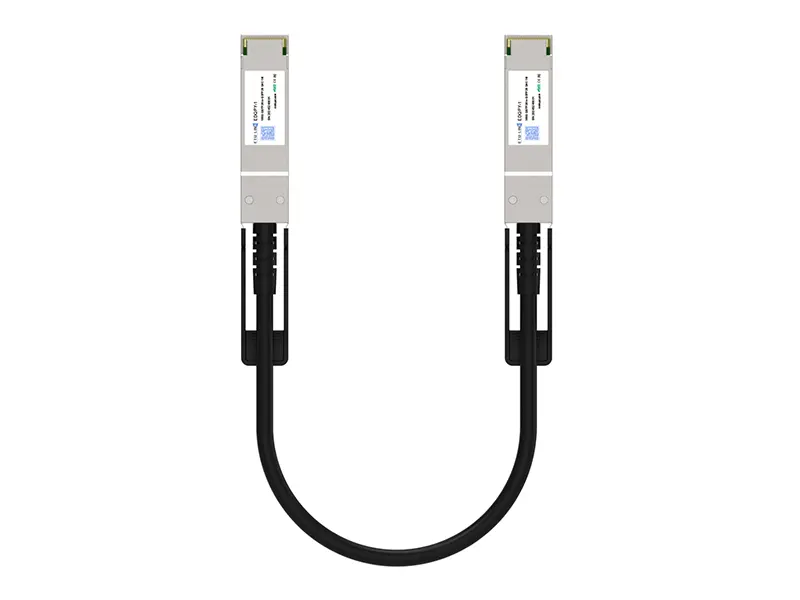 100G QSFP28 DAC
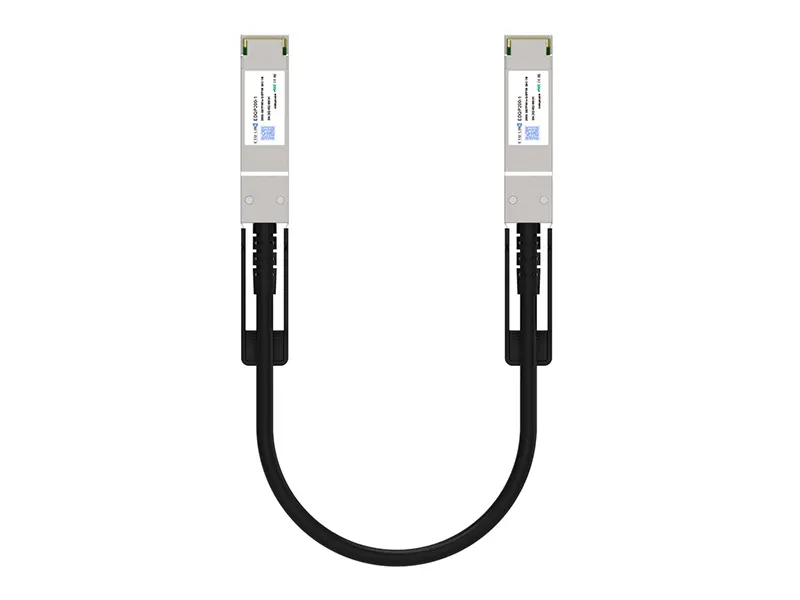 200G QSFP56 DD DAC
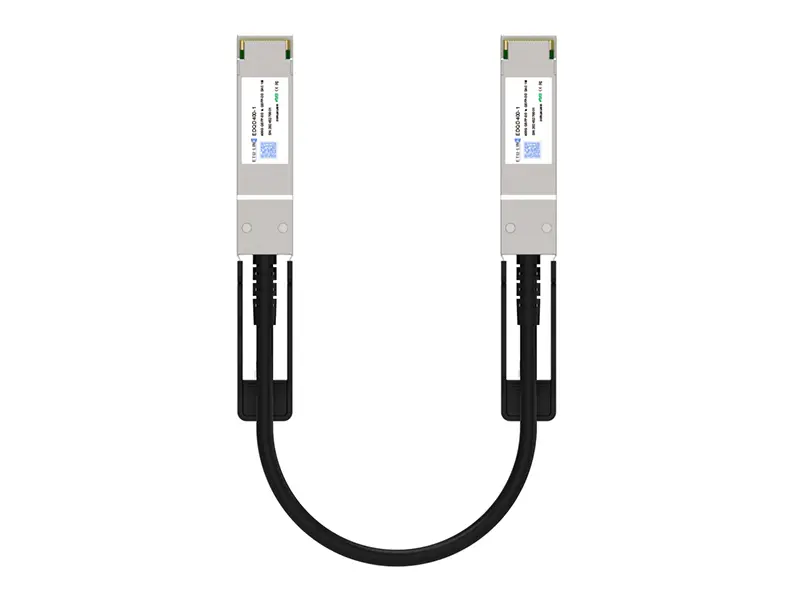 400G QSFP DD DAC
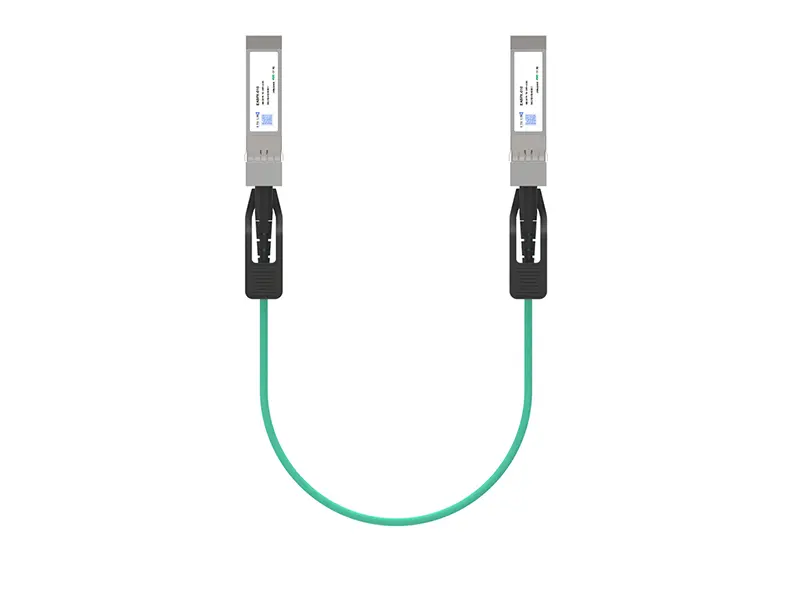 10G SFP+ AOC
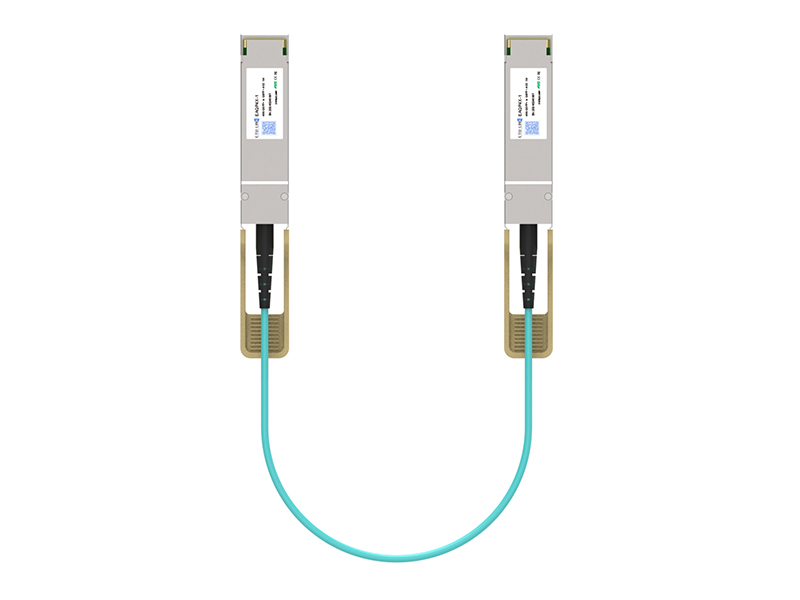 40G QSFP+ AOC
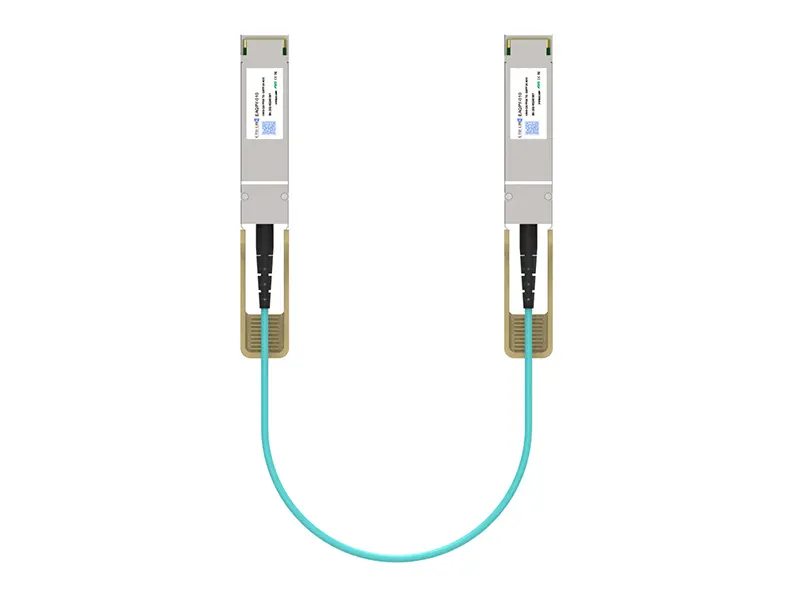 100G QSFP28 AOC
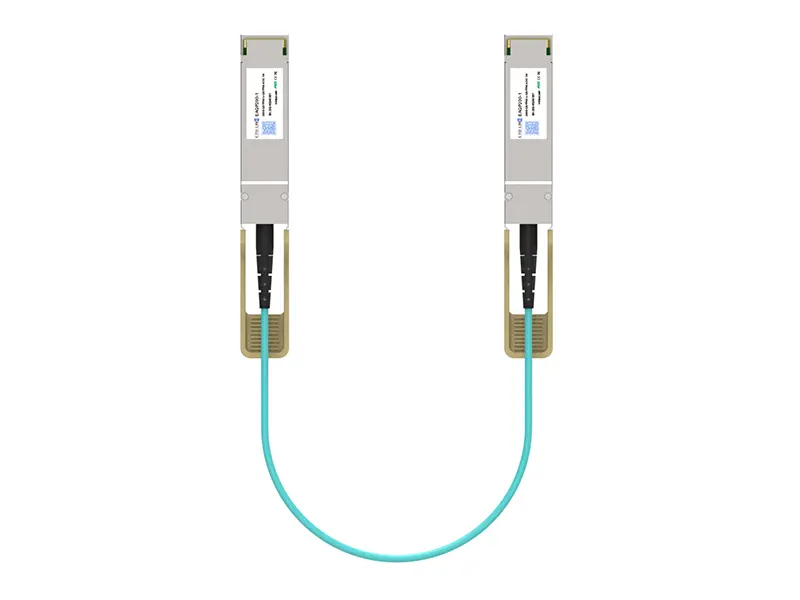 200G QSFP56 AOC
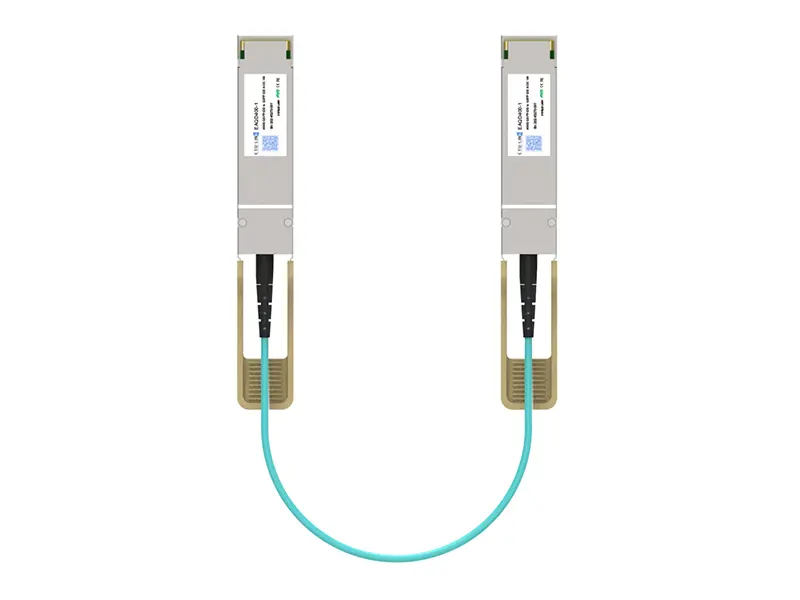 400G QSFP-DD AOC
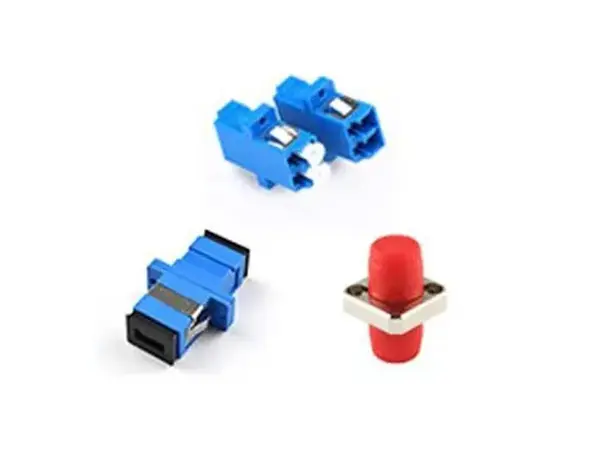 Adapter Details
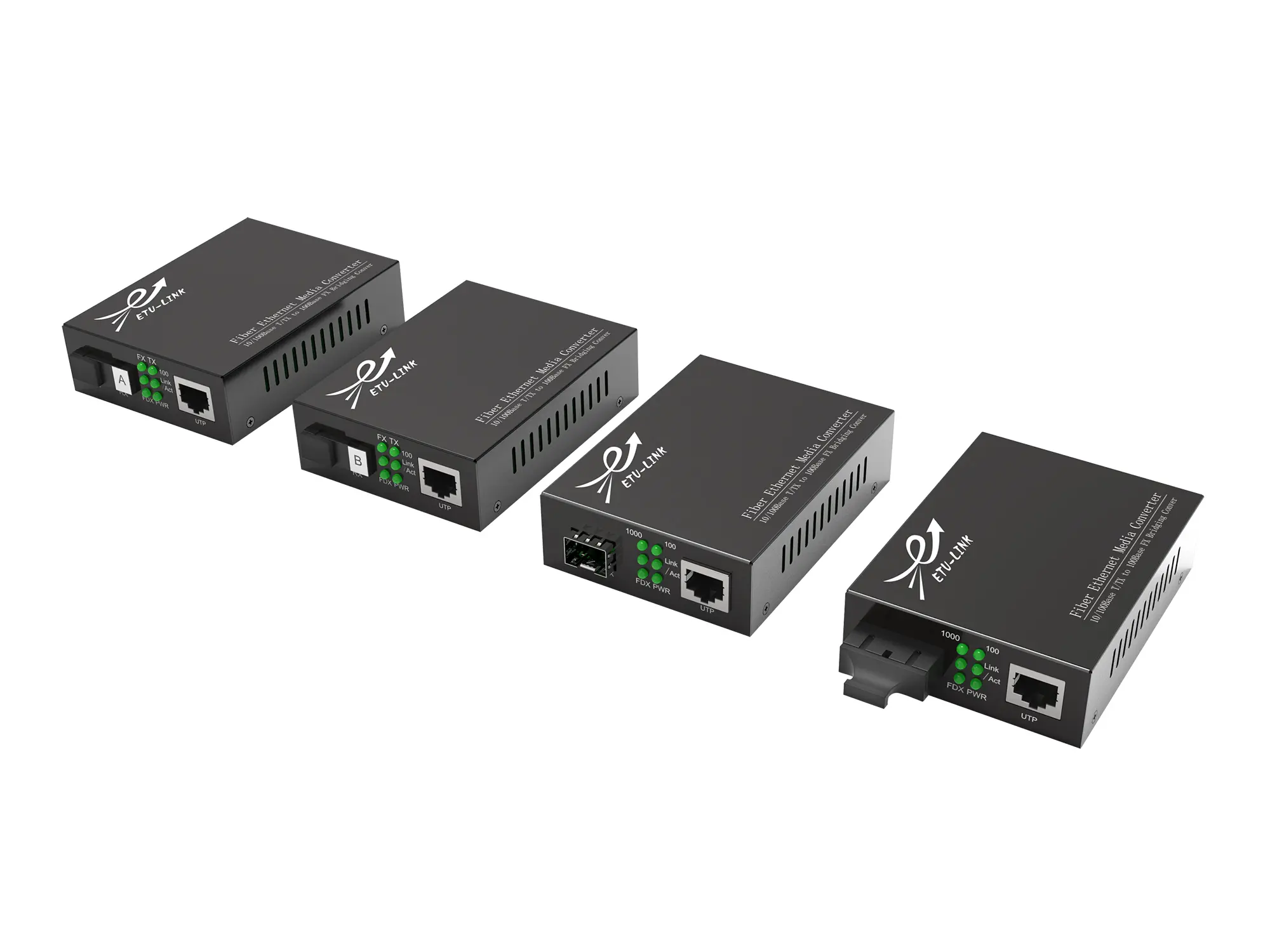 Media Converter