How to Choose the Right 10G SFP+ Active Optical Cable for Your Network?
In the evolving landscape of high-speed networking, selecting the right 10G SFP+ Active Optical Cable is crucial. Leading expert Dr. Jane Thompson, a veteran in optical networking, states, "Choosing the wrong cable can lead to network inefficiencies." Her insight emphasizes the need for informed decision-making.
The market offers various options, each with distinct advantages. Features like length, data rate, and power consumption play significant roles. Understanding these specifications helps prevent potential pitfalls. Some cables promise high performance but may fall short in certain environments. Real-world testing often reveals these discrepancies.
Moreover, buyer confusion is common. With many brands and models available, the selection process can be overwhelming. Users often overlook critical factors like compatibility and durability. Expert opinions highlight the importance of comprehensively evaluating options. Making a thoughtful choice ensures optimal network performance. Without proper attention, networks may suffer in speed and reliability.

Understanding 10G SFP+ Active Optical Cables and Their Benefits
10G SFP+
active optical cables (AOCs) are designed to deliver high-speed data transmission. They utilize fiber optics for communication, making them ideal for data centers and high-performance computing. AOCs resemble traditional copper cables but offer exceptional advantages. Their lightweight design eases installation and reduces congestion in server racks.
These cables provide low power consumption compared to standard copper solutions. They support distances up to 100 meters, even in high-density environments. This capability enhances flexibility during network setup.
However, heat can be a concern. Proper ventilation is crucial to prevent overheating. Assessing your network’s specific needs is essential before choosing AOCs.
Compatibility with existing equipment matters. Not all AOCs fit all devices seamlessly. Poor choices can lead to significant performance issues. Regular updates in technology also mean that information about standards can change. Keeping up-to-date with specifications is important.
Consider future growth and scalability when investing in AOCs. Balancing current requirements with future demands ensures a strategic approach.
Key Features to Consider When Choosing 10G SFP+ Active Optical Cables
When selecting a 10G SFP+ active optical cable, several key features come into play. First, consider the cable length. Cables range from a few meters to over 100 meters. Your specific networking needs will dictate the appropriate length. Ensure your choice can comfortably cover the distance between devices without degradation in signal quality.
Another critical feature is bandwidth capacity. Active optical cables typically support 10 Gbps data rates. Some applications may demand higher speeds or advanced capabilities. Always check the specifications to confirm that the cable meets your network’s requirements.
**Tips:** Always verify compatibility with your existing hardware. A mismatch can lead to performance issues. It's also wise to invest in durable and flexible designs. These cables are often installed in tight spaces where movement occurs frequently.
Lastly, consider power consumption. Active optical cables require power to operate, which can impact energy usage. Assess the overall cost, including power consumption, to ensure it fits your budget. Reflect on the balance between performance and efficiency.
Comparison of Key Features of 10G SFP+ Active Optical Cables
Comparing Lengths and Range for 10G SFP+ Active Optical Cables
When selecting a 10G SFP+ Active Optical Cable (AOC), understanding lengths and range is crucial. Industry standards indicate that most 10G AOCs can effectively transmit data over distances from 1 meter up to 300 meters. This range suits various applications, from data centers to smaller networks. Some reports suggest that using AOCs can reduce power consumption by up to 75%, making them efficient for long-distance connections.
Consider your specific needs. For instance, distances under 10 meters are common in server racks. In contrast, distances nearing 100 meters are typical for backbone applications. Selecting the wrong length can lead to increased latency or connectivity issues. It's not just about fitting a cable; it's about ensuring reliable performance.
Tip: Always check the attenuation specifications. A higher level of attenuation may indicate potential signal loss. Verify compatibility with your existing equipment; not all cables work seamlessly with every device. Investing in a quality cable can save future headaches. Remember to reflect on your network's growth. Planning for future expansions may influence your choice today.
Compatibility with Network Equipment for 10G SFP+ Active Optical Cables
Choosing the right 10G SFP+ Active Optical Cable (AOC) hinges significantly on its compatibility with your network equipment. Before making a purchase, ensure that the cable meets the specifications of your switches, routers, and servers. Not all equipment supports every type or brand of AOC. Checking the technical documentation of your devices can prevent incompatibility issues.
Many users overlook the importance of connector types. Different networking hardware may require specific types of connectors. If your devices use LC duplex, your cable must match this requirement. Mismatches can lead to connectivity problems which may be hard to troubleshoot. It’s crucial to verify this requirement during selection.
Another often neglected aspect is the cable length. AOCs typically come in various lengths. Choosing a cable that is too long may lead to signal degradation. Conversely, a cable that is too short could limit your setup options. Keep your layout in mind and measure carefully. This ensures optimal performance, as well as flexibility for future adjustments. Looking back at previous setups can provide insights into what works best.
Evaluating Cost and Performance Trade-offs for 10G SFP+ Active Optical Cables
Choosing the right 10G SFP+ Active Optical Cable (AOC) requires careful evaluation of cost and performance. Reports indicate that AOCs can be significantly cheaper than traditional copper cables over longer distances. For example, when deployed in distances exceeding 300 meters, AOCs can reduce costs by up to 30%. This makes them an attractive option for data centers aiming to optimize their budgets.
Performance trade-offs also play a crucial role. While AOCs are typically lighter and offer better flexibility, they may not always match the low latency of copper solutions. Studies suggest that latency differences can range from 5 to 20 microseconds, depending on the application. This slight delay might not affect everyday operations, yet in high-frequency trading environments, even minor delays can be critical. It's essential to analyze your network's unique demands.
Additionally, maintaining a balance between price and performance is challenging. Some organizations might opt for cheaper options, only to face compatibility issues later. Ensuring that AOCs meet specific protocols and standards is vital. Ignoring this can lead to frequent outages or reduced speeds, ultimately increasing maintenance costs. Evaluating these factors with precision helps create a well-rounded network strategy.

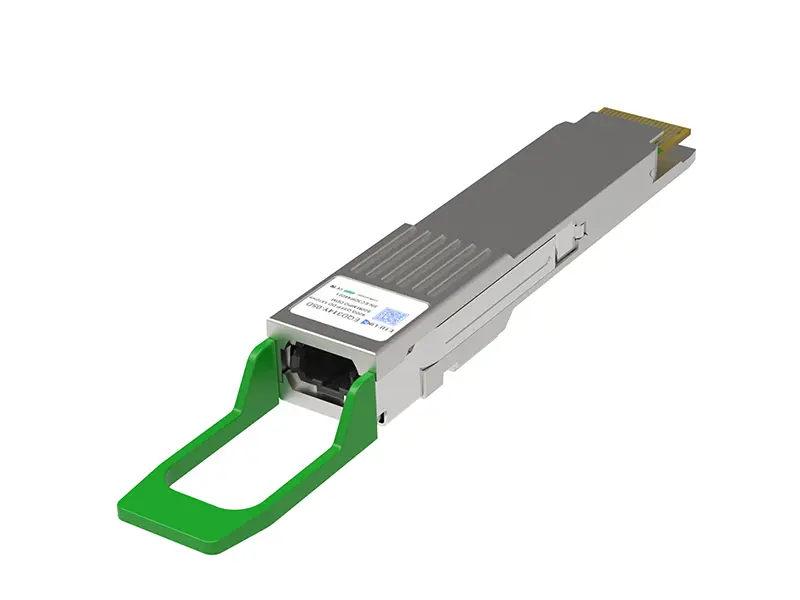 400G
400G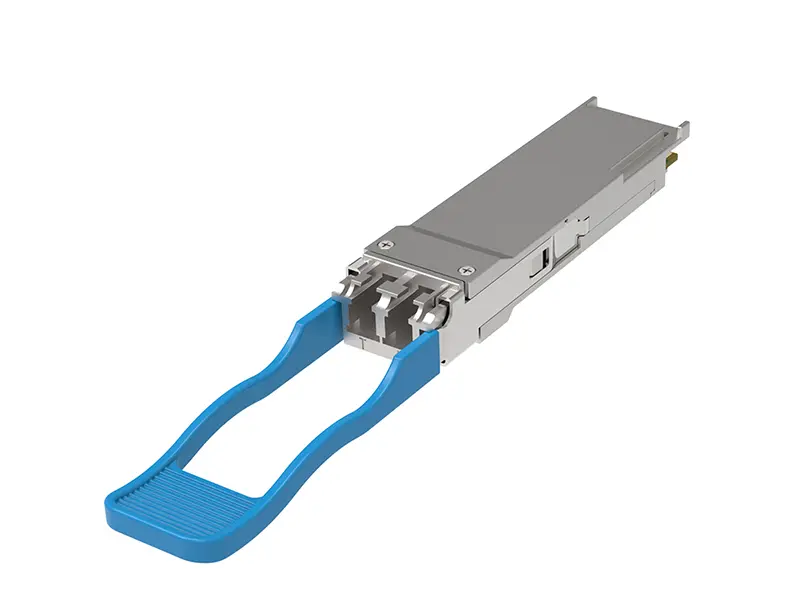 200G
200G 100G
100G 40G
40G 25G
25G 10G
10G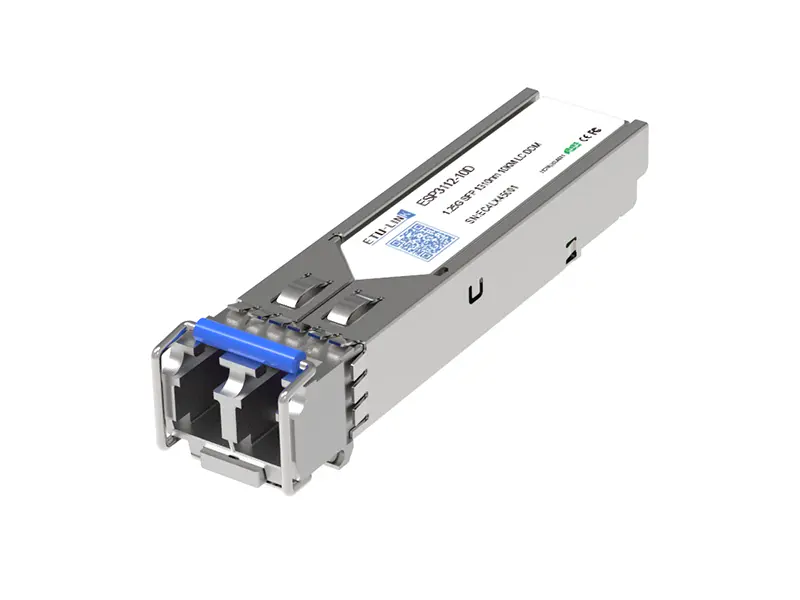 1G
1G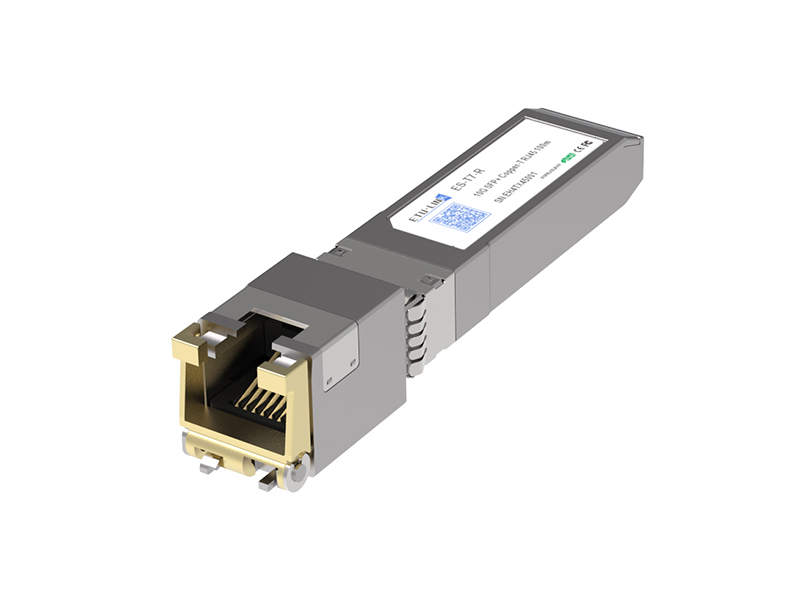 COPPER-T
 Other
Other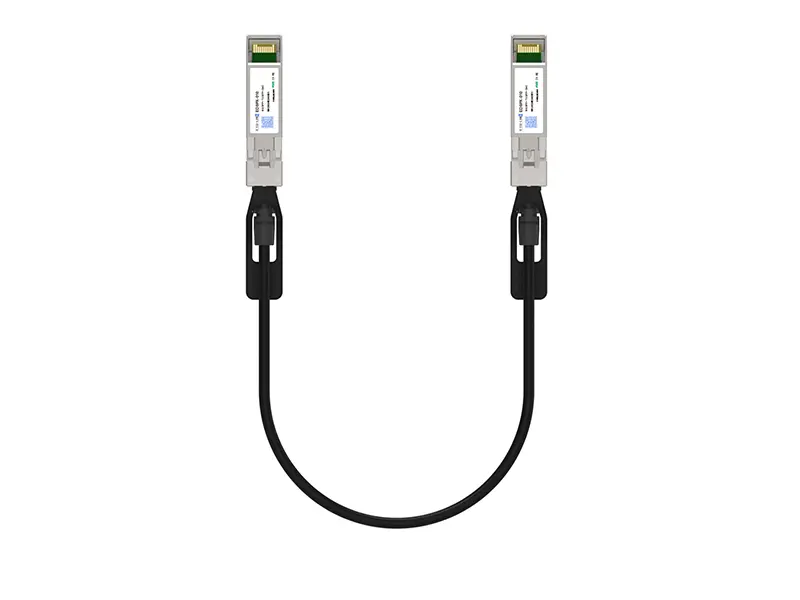 10G SFP+ DAC
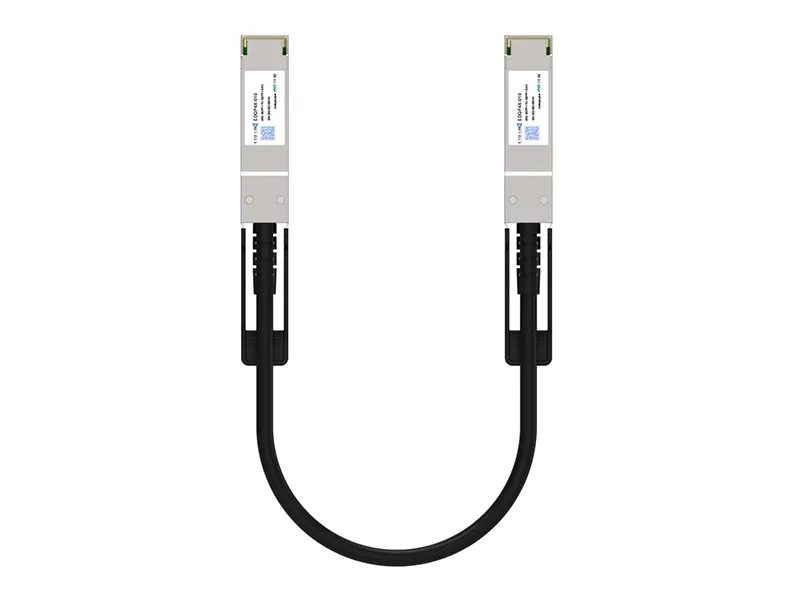 40G QSFP+ DAC
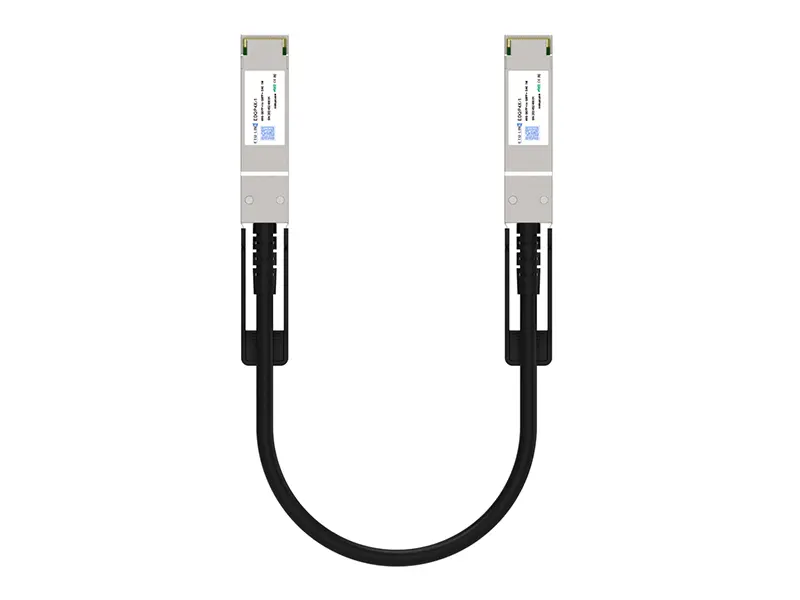 56G QSFP+ DAC
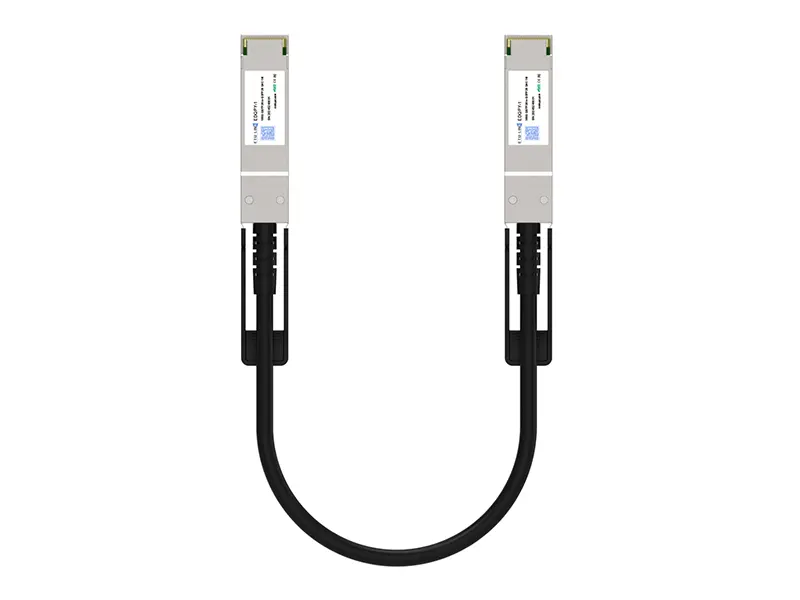 100G QSFP28 DAC
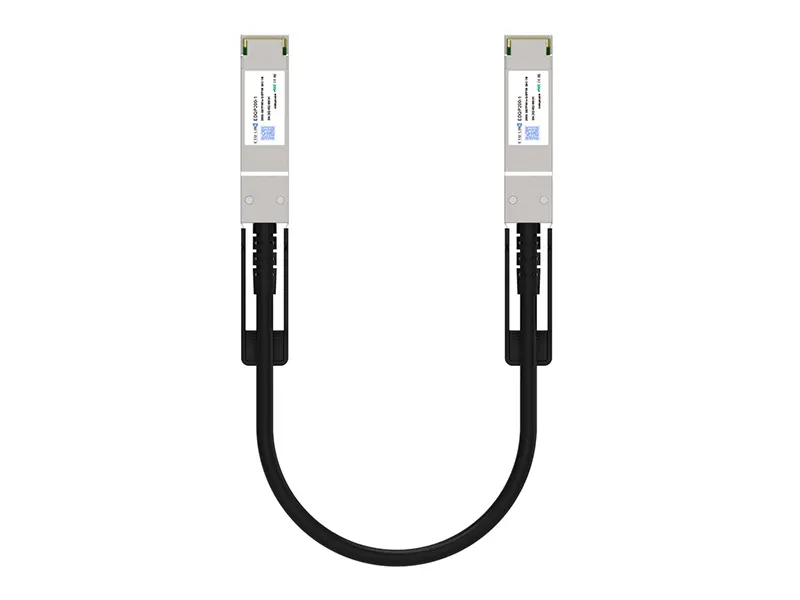 200G QSFP56 DD DAC
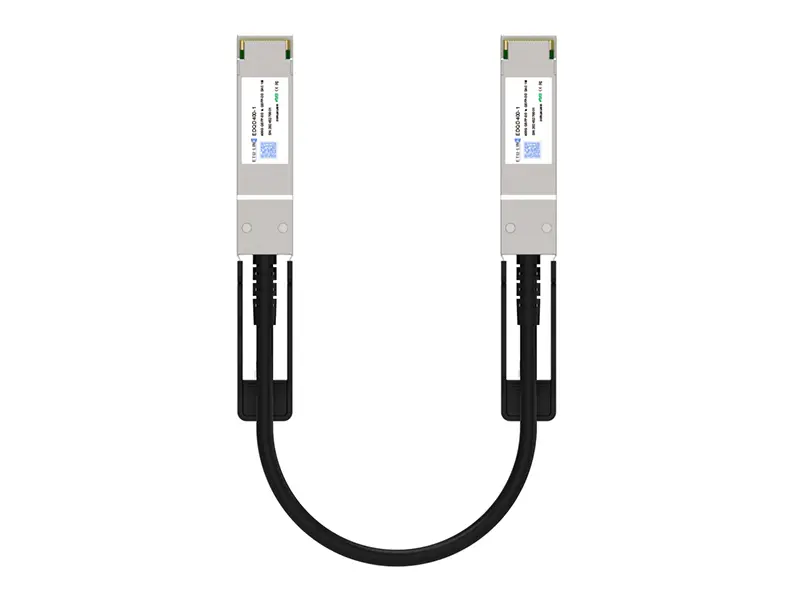 400G QSFP DD DAC
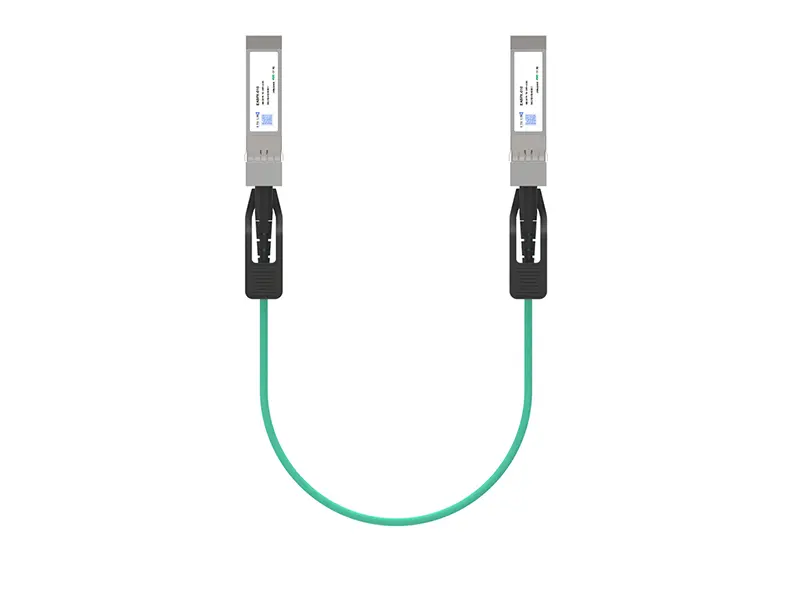 10G SFP+ AOC
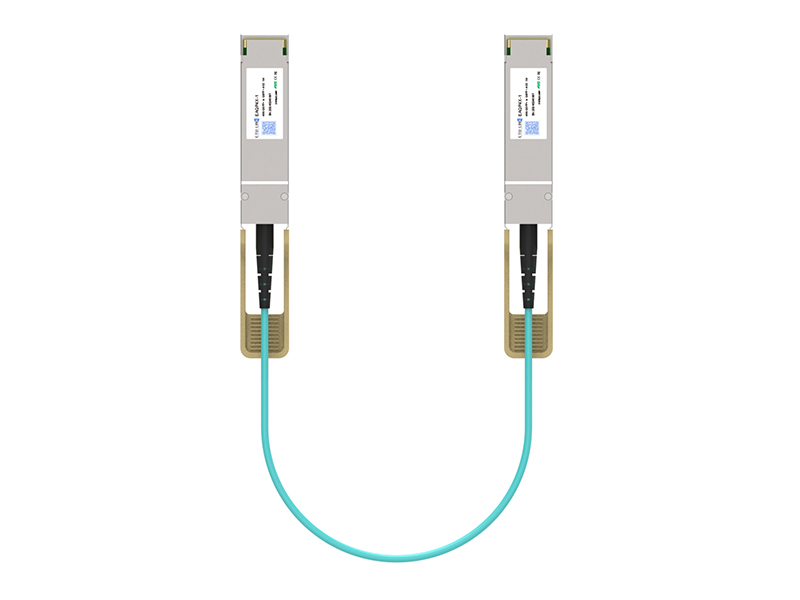 40G QSFP+ AOC
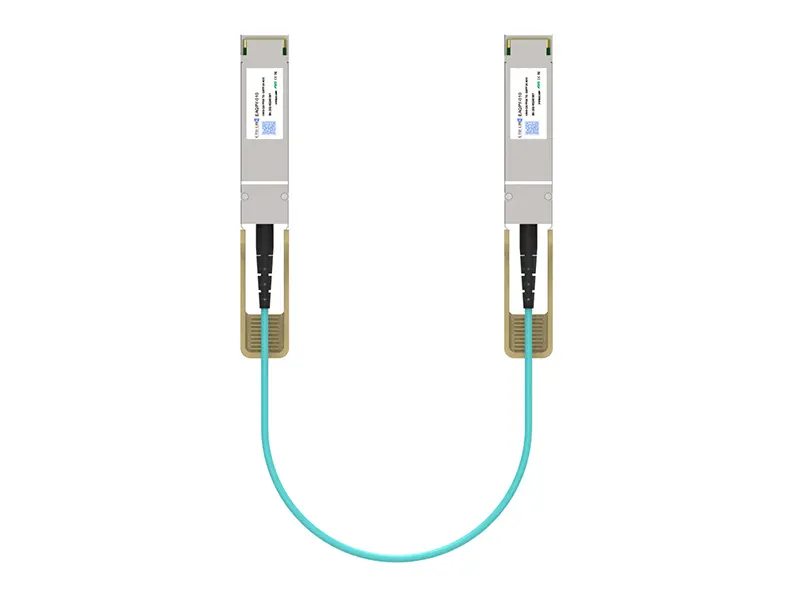 100G QSFP28 AOC
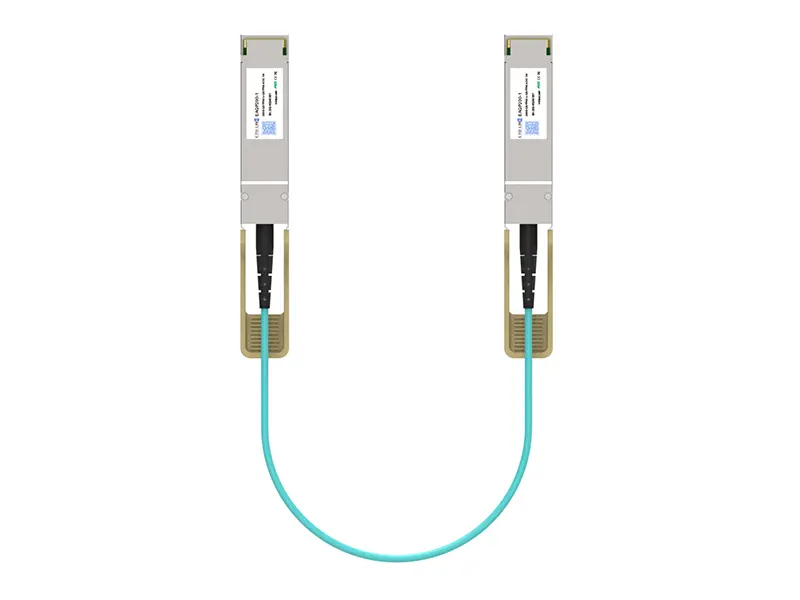 200G QSFP56 AOC
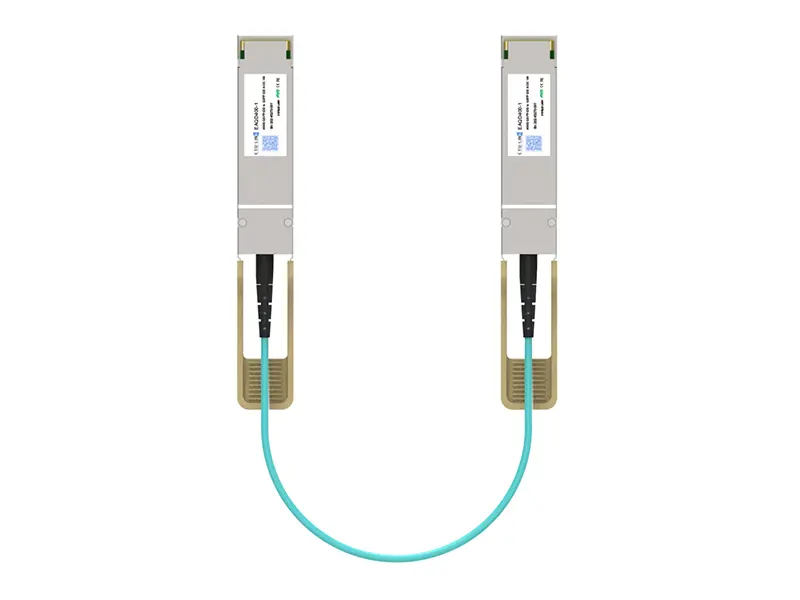 400G QSFP-DD AOC
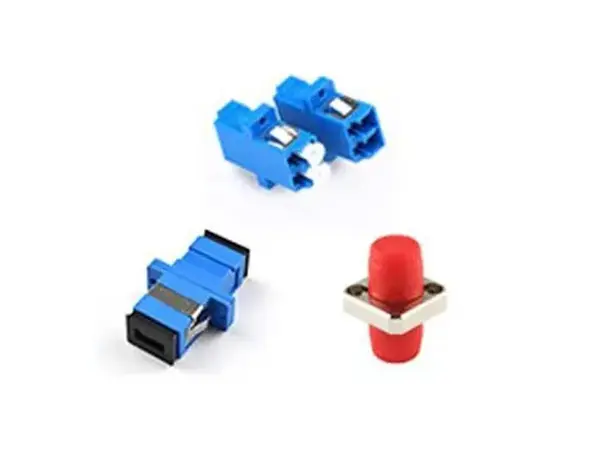 Adapter Details
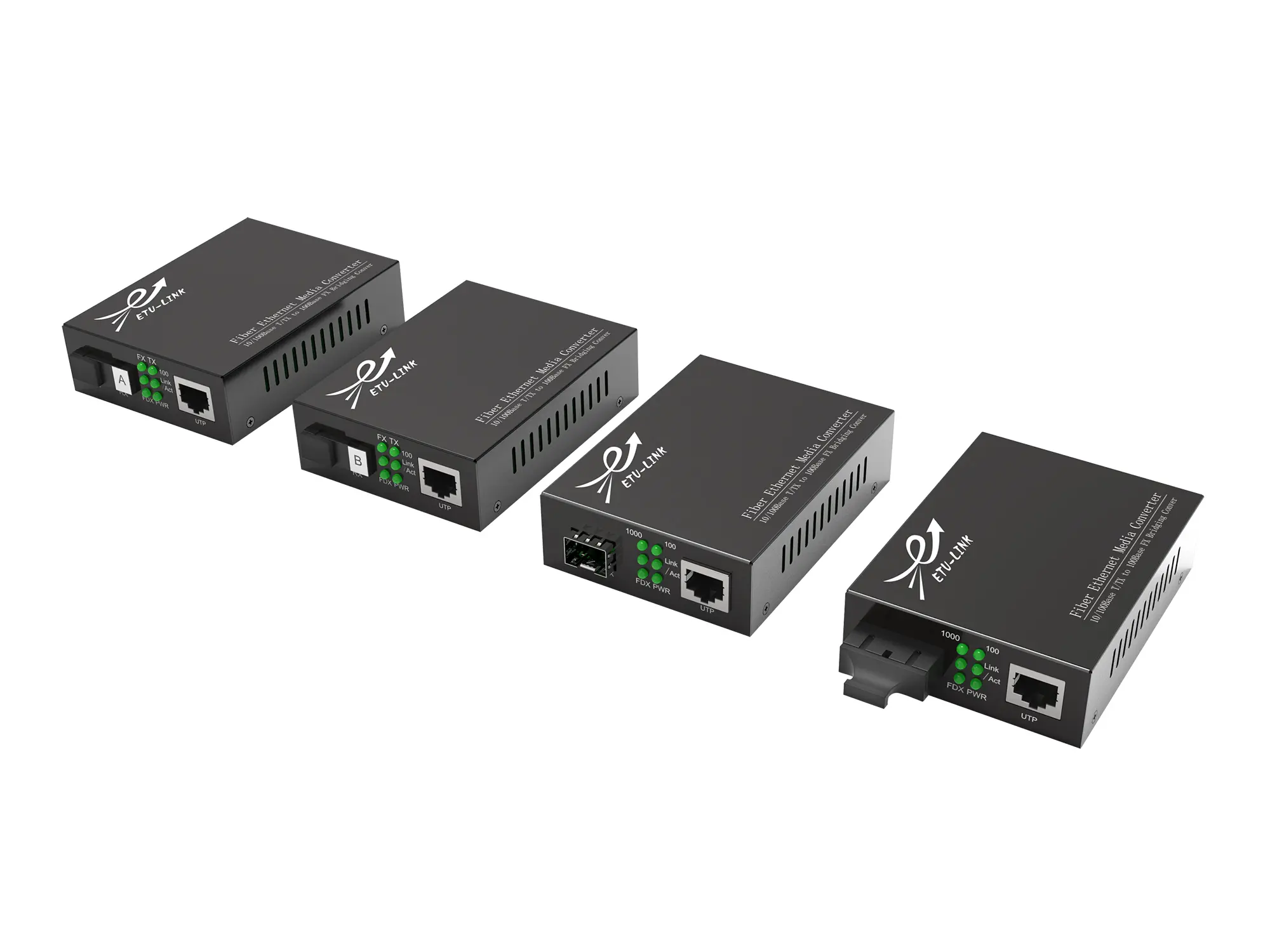 Media Converter