How to Choose Cisco QSFP 100G ZR4 S for Your Network Needs?
When considering network needs, the Cisco QSFP 100G ZR4 S emerges as a top choice. This high-performance module supports long-distance transmission. With its ability to offer speeds of up to 100 Gbps, it is an attractive option for data-intensive applications.
Choosing the right component often feels overwhelming. Different factors influence the decision, such as distance, compatibility, and cost. However, the Cisco QSFP 100G ZR4 S often stands out due to its reliability and efficiency. Many users appreciate its compact design that fits seamlessly into existing infrastructures.
There are nuances to understand when selecting this module. Users must reflect on their unique needs. For instance, is the deployment site robust enough for such equipment? Additionally, while the specs are impressive, are you optimizing your budget effectively? It’s crucial to weigh these considerations. The right choice could enhance your network performance significantly.

Understanding Cisco QSFP 100G ZR4 S: Key Specifications and Features
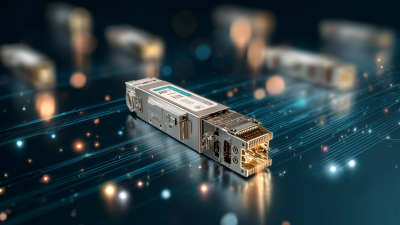
Understanding the Cisco QSFP 100G ZR4 S involves recognizing its core specifications and features.
This transceiver supports high-speed data transfer. It operates over long distances, up to 80 kilometers. In addition, it uses a wavelength of 1550 nm, ideal for long-haul communications. According to market reports, adopting such technology can enhance network
flexibility and efficiency significantly.
The QSFP interface provides four channels for data traffic. Each channel handles 25 Gbps. This results in a total bandwidth of 100 Gbps, meeting the demands of modern data centers.
However, some users may overlook compatibility issues with existing infrastructure. Attention to the intricate specifications is crucial. Failure to do so could lead to performance bottlenecks. Additionally, power consumption is another aspect to consider.
Professionals should examine how this component integrates with their unique setups.
While the QSFP 100G ZR4 S offers excellent performance, reflection on actual needs is necessary. Will your network truly benefit from this investment? Cost considerations should align with usage patterns.
Every decision involves trade-offs, and assessing these elements is vital for long-term success.
Evaluating Network Requirements for Optimal 100G ZR4 S Integration
Choosing the right 100G ZR4 S for your network can be challenging. It's essential to evaluate your network requirements thoroughly. Start by assessing your current bandwidth needs. Look for hotspots where data transfer is slow. This will help you identify the necessary capacity for future growth.
Tips: Always keep an eye on your traffic patterns. Network demands can shift unexpectedly. Update your evaluations regularly.
Next, consider the distance your signals need to travel. The 100G ZR4 S supports long distances, but it is not always necessary for all setups. Know your reach. If you only need to cover short distances, you might optimize your budget elsewhere.
Tips: Map your network layout before diving into purchases. A good layout can reveal overlooked areas of improvement.
Lastly, weigh compatibility with existing hardware. Integration should be smooth, but don’t overlook potential setbacks. Sometimes, older devices may struggle with newer technology. Regular testing can unveil hidden issues within your network.
Comparative Analysis: Cisco QSFP 100G ZR4 S vs. Other 100G Modules
When selecting optical modules for high-speed networks, it’s essential to compare options. The 100G modules vary in performance, cost, and range applicability. A common choice is the QSFP 100G ZR4 S module. It excels in long-distance data transmission over optical fiber. This module can support distances up to 80 kilometers. Its compact design allows for high port density, ideal for modern data centers.
In contrast, other 100G modules like the CWDM and LR options can perform differently. They often offer shorter distances but have their own advantages. Some may provide better cost efficiency for specific applications. It's vital to analyze your network's distance requirements and budget constraints. Are the cheaper modules worth it? Sometimes they may lack necessary features. The balance between cost and performance must be carefully assessed. Each option has strengths and weaknesses that need reflection.
Choosing the right module isn’t straightforward. Consider future scalability and technology evolution. Interoperability with existing systems is also key. A module that works well today may face compatibility challenges down the road. Testing and hands-on experience with different modules can also shed light on their specific benefits and drawbacks. Concentrate on what fits your specific needs rather than chasing the latest features.
Cost-Benefit Analysis of Implementing Cisco QSFP 100G ZR4 S in Network
When considering the integration of high-speed optical modules, a cost-benefit analysis is essential. The 100G ZR4 S modules offer fast data transmission over long distances. They can significantly improve network efficiency, but initial costs can be high. Evaluating the upfront investment against long-term benefits is crucial.
Many organizations face budget limitations. This can hinder the ability to implement such technology. However, delayed implementation may lead to increased latency or obsolescence of older systems. It’s vital to weigh these factors carefully. Calculate potential savings from increased productivity against the initial investment. It might reveal surprising insights.
Maintenance costs are another consideration. Keeping advanced systems running smoothly can be a challenge. Staff training and equipment upkeep can add to expenses. Yet, the right implementation can enhance overall network reliability. Remember, investing in technology is a journey, not a destination. Balancing innovation and practicality will yield the best results.
Future-Proofing Your Network Infrastructure with Cisco QSFP 100G ZR4 S
When considering network infrastructure, future-proofing is essential. The 100G ZR4 S technology provides high-speed connectivity. It meets the increasing demands for bandwidth. This capability is crucial as applications evolve and data traffic surges.
Tips: Assess your current and future networking needs. Think about data storage and cloud usage. What applications are critical now?
The 100G ZR4 S supports long-distance transmission. This can save costs on network expansion later. But installation can be tricky. Ensure your team is trained, and understand potential challenges.
Consult your stakeholders about their needs. Network growth doesn’t happen in isolation. Communication will reveal insights into future requirements. Take time to evaluate options and gather feedback.
How to Choose Cisco QSFP 100G ZR4 S for Your Network Needs?
| Feature |
Specification |
Benefit |
| Data Rate |
100G |
High bandwidth for data-intensive applications |
| Transmission Distance |
Up to 80 km |
Enables long-distance networking capabilities |
| Connector Type |
MPO |
Supports high-density applications |
| Protocol |
IEEE 802.3bm |
Ensures compatibility with existing standards |
| Power Consumption |
< 3.5W |
Energy-efficient operation |
| Operating Temperature |
0°C to 70°C |
Reliable performance in various environments |
| Form Factor |
QSFP |
Compact design for easy installation |

 400G
400G 200G
200G 100G
100G 40G
40G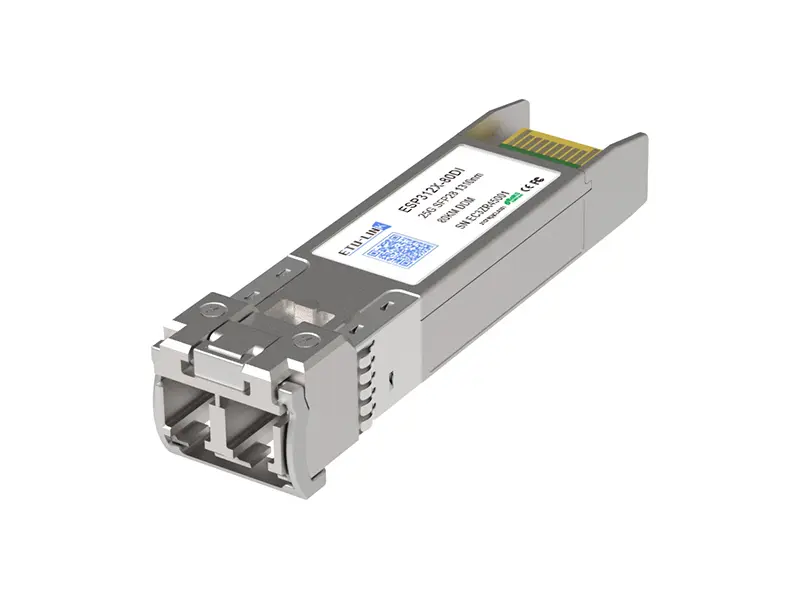 25G
25G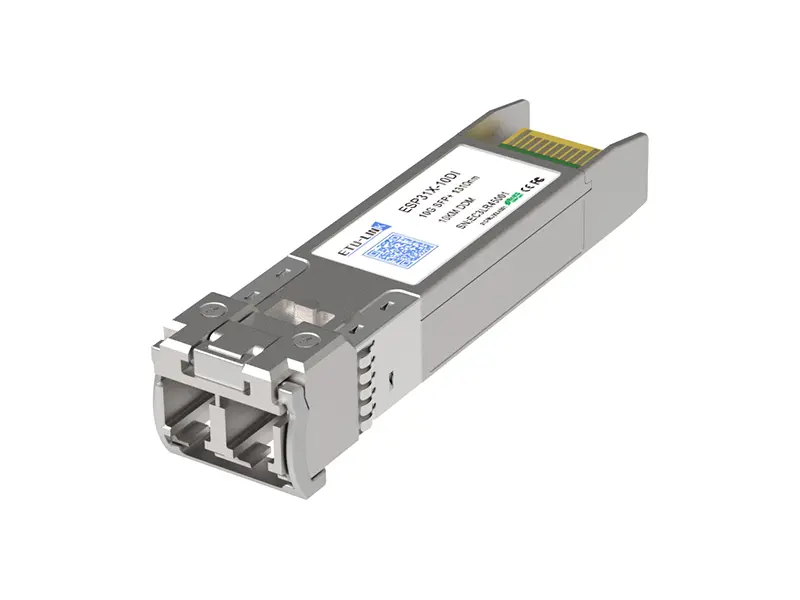 10G
10G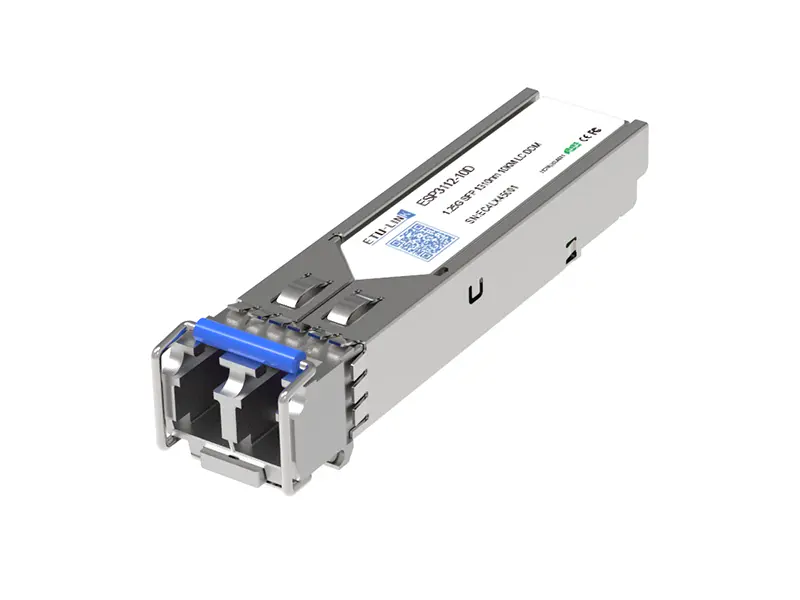 1G
1G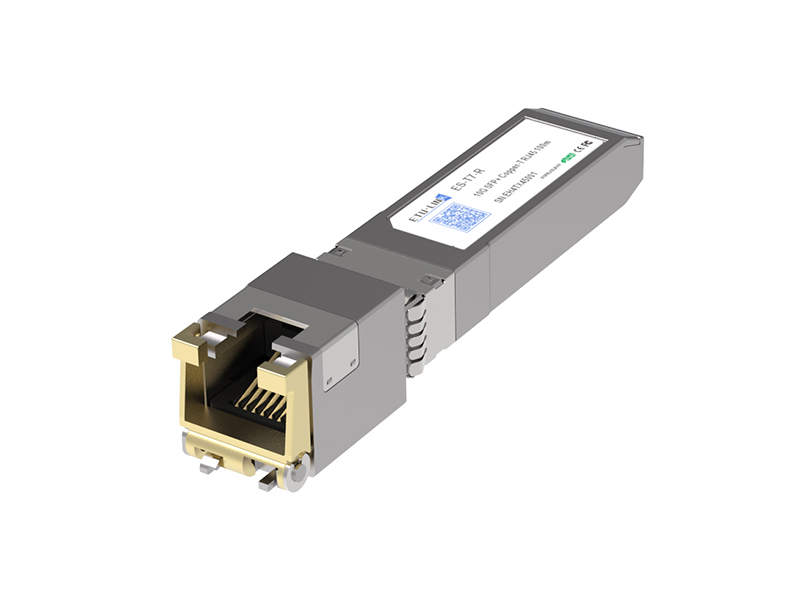 COPPER-T
 Other
Other 10G SFP+ DAC
 40G QSFP+ DAC
 56G QSFP+ DAC
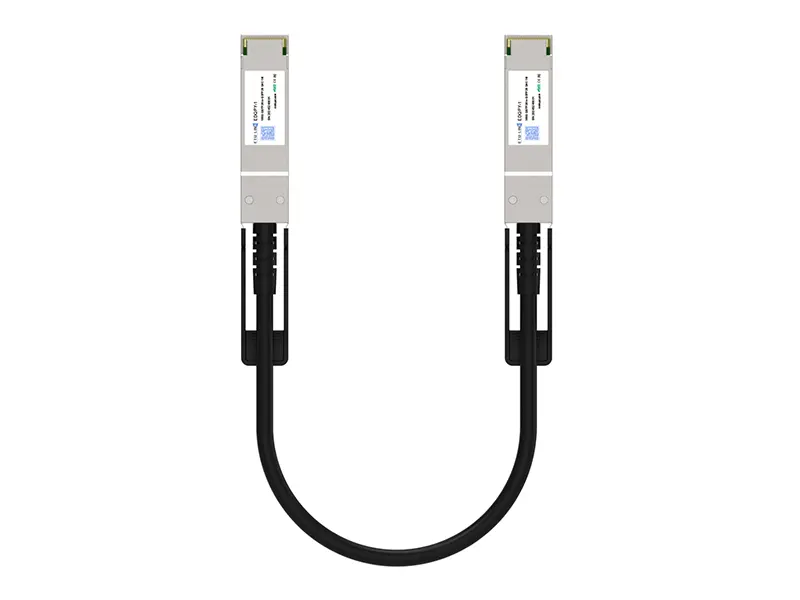 100G QSFP28 DAC
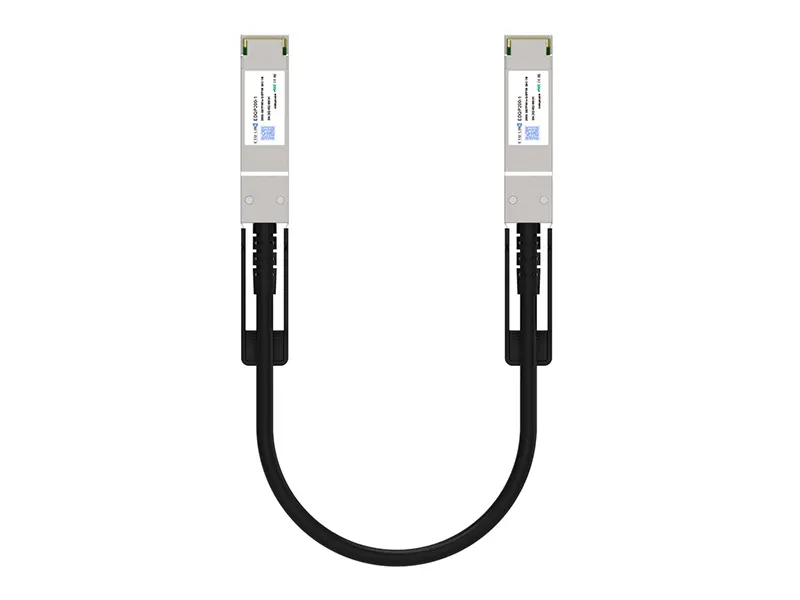 200G QSFP56 DD DAC
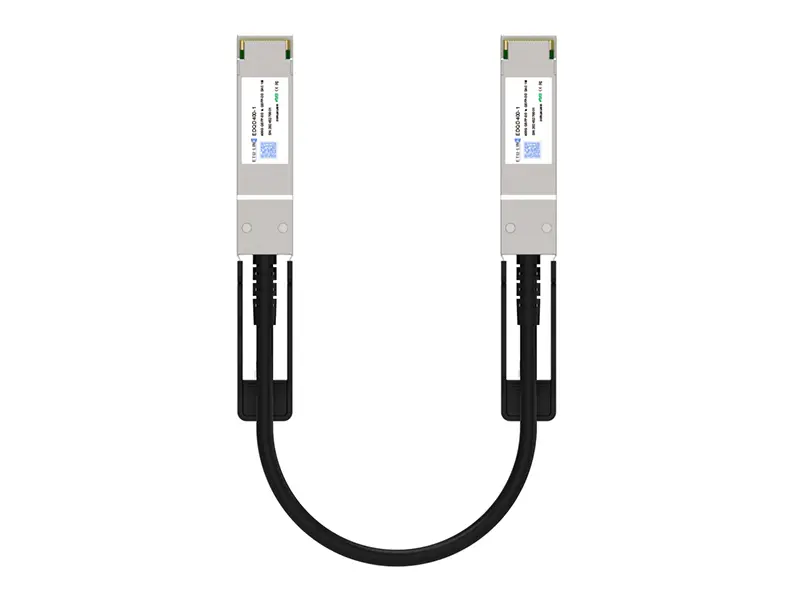 400G QSFP DD DAC
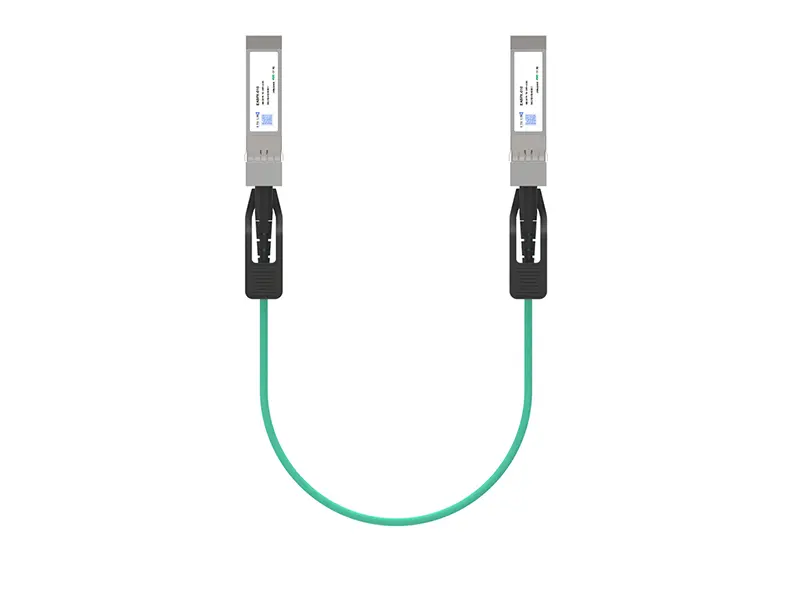 10G SFP+ AOC
 40G QSFP+ AOC
 100G QSFP28 AOC
 200G QSFP56 AOC
 400G QSFP-DD AOC
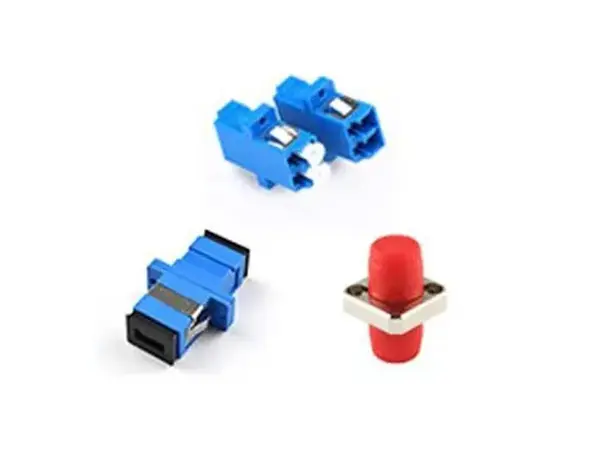 Adapter Details
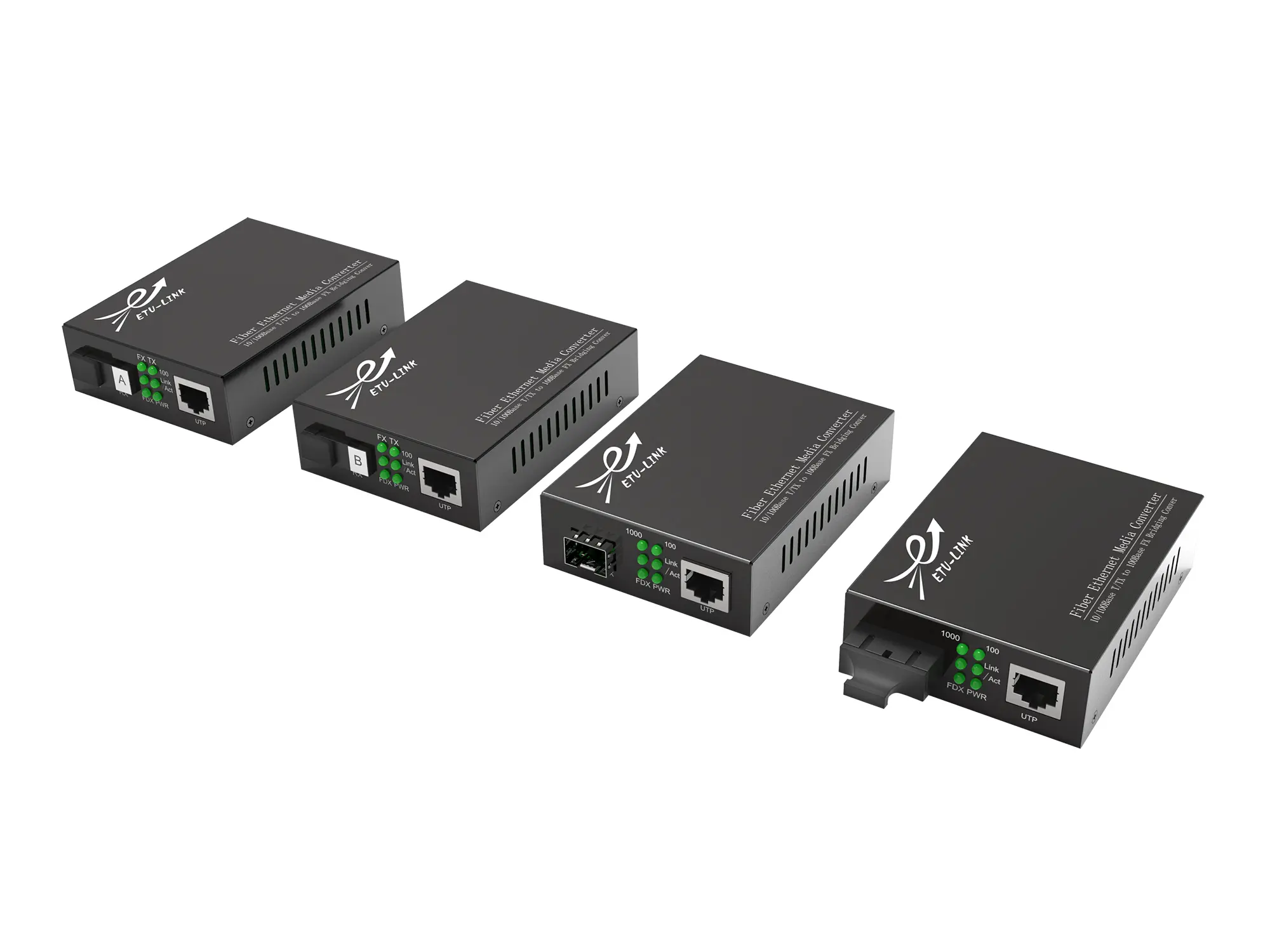 Media Converter