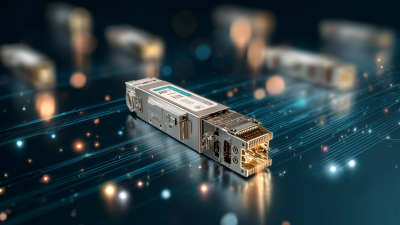
Why Choose Cisco DWDM SFP for Your Networking Needs?
In an era where reliable connectivity is paramount, the choice of networking components is crucial. The "Cisco DWDM SFP+" has become a go-to solution for many businesses looking to enhance their network performance. James Anderson, a renowned expert in optical networking, noted, "The Cisco DWDM SFP+ module offers unmatched flexibility and density." His observation rings true, especially in the context of modern networking challenges.
Cisco DWDM SFP+ modules facilitate high-capacity data transmission. They are built to support multiple wavelengths over a single fiber, crucial for maximizing bandwidth. These modules are not just efficient; they also offer exceptional performance reliability. However, organizations must carefully assess their specific needs before deploying these solutions. Relying solely on vendor claims can lead to suboptimal results.
Adopting the Cisco DWDM SFP+ might seem like an obvious choice. Yet, understanding your network's unique demands is vital. Investing in the right infrastructure is not just about following trends; it's about making informed decisions. The flexibility of Cisco’s solutions can be a game-changer, but it also requires comprehensive planning. Make sure to evaluate all options for optimal results.

Advantages of Cisco DWDM SFP in High-Density Networking Environments
In today's high-density networking environments, choosing the right equipment is crucial. Cisco DWDM SFP (Dense Wavelength Division Multiplexing Small Form-Factor Pluggable) modules stand out for their capacity and efficiency. These modules enable multiple data streams to be transmitted over a single optical fiber, significantly enhancing bandwidth. Studies show that organizations can achieve up to 96 wavelengths on a single fiber, with each wavelength carrying 100 Gbps or more. This capability dramatically boosts data throughput and optimizes network resource utilization.
Furthermore, Cisco DWDM SFP modules are designed for seamless integration into existing network infrastructure. They support various protocols, making them versatile for different networking needs. According to the latest industry report from Dell'Oro Group, the DWDM market is expected to reach $10 billion by 2025, driven by the demand for higher bandwidth and lower latency solutions. However, network managers should also consider the complexity that comes with such high-density connections. Implementing these modules requires a thorough understanding of network architecture.
Despite their advantages, some organizations may face challenges in managing such intricate setups. Misconfiguration can lead to data loss and increased latency. Keeping abreast of firmware updates and hardware compatibility is essential. Real-world experiences suggest that ongoing training and support for teams are vital to maximizing the benefits of Cisco DWDM SFP in these dynamic environments.
Why Choose Cisco DWDM SFP for Your Networking Needs? - Advantages of Cisco DWDM SFP in High-Density Networking Environments
| Feature |
Description |
Benefit |
| High Capacity |
Supports multiple wavelengths over a single fiber |
Increased data throughput with minimal infrastructure |
| Scalability |
Easily upgrade bandwidth without major changes |
Future-proof networking capabilities |
| Reduced Latency |
Optimized routing and transmission efficiency |
Faster data delivery, enhancing application performance |
| Cost-Effectiveness |
Lower total cost of ownership compared to traditional methods |
Enhanced ROI for network investments |
| Reliability |
Robust design with high availability |
Minimized downtime and operational disruptions |
| Interoperability |
Compatible with a wide range of devices |
Flexibility in integrating into existing networks |
Impact of Cisco DWDM SFP on Bandwidth Efficiency and Data Transmission
When considering bandwidth efficiency in modern networking, Cisco DWDM SFP modules offer significant advantages. These small form-factor pluggable transceivers allow for dense wavelength division multiplexing, enabling multiple signals to travel simultaneously over a single optical fiber. This capability maximizes the use of available bandwidth, which is crucial for high-demand applications like cloud services and streaming.
Data transmission becomes more reliable with Cisco DWDM SFP. Each wavelength can carry its own stream of data, reducing latency and minimizing congestion. The result is smoother performance and improved user experience. However, it's worth noting that not every network environment may benefit equally. Proper assessment of existing infrastructure is essential for optimal results.
While DWDM technology presents numerous benefits, it also requires careful planning. Network operators must ensure compatibility with existing equipment. Future scalability is another consideration. Reflecting on these aspects is vital, as overlooking them can lead to wasted resources and inefficiencies. Balancing innovative technology with practical implementation can enhance network effectiveness.
Comparative Analysis: Cisco DWDM SFP vs. Traditional Transceivers
When evaluating the choice of transceivers for networking, many professionals are leaning towards DWDM SFP (Dense Wavelength Division Multiplexing Small Form-factor Pluggable) options. A comparative analysis reveals several key advantages over traditional transceivers. DWDM SFPs are designed for higher bandwidth, enabling the transmission of multiple data streams over a single fiber. According to a recent industry report, DWDM technology can boost network capacity by up to 400%, significantly improving efficiency.
One notable aspect of DWDM SFPs is their ability to extend transmission distances without loss of signal integrity. In practical applications, these transceivers can sustain up to 80 kilometers, compared to the limited range of traditional optical transceivers. The added performance, combined with increasing demand for data, showcases the inadequacy of older technologies in supporting modern networking needs.
Tips: Choose DWDM SFPs if your network requires robust performance and scalability. Be mindful of the costs, as initial investments may be higher. However, the long-term benefits often outweigh these upfront expenses. Consider conducting regular assessments of your network to ensure compatibility and efficiency.
Cost-Benefit Evaluation of Implementing Cisco DWDM SFP Solutions
As organizations look to upgrade their networking needs, the financial implications of choosing a
Dense Wavelength Division Multiplexing (DWDM) approach become
crucial. Reports indicate that implementing DWDM solutions can result in an impressive bandwidth
increase of up to 400% compared to standard
networking technologies. This translates into better performance for high-data-demand applications.
However, the upfront costs of deploying such solutions can be daunting.
A cost-benefit assessment reveals that, while initial investments for
DWDM SFP modules can appear high, they offer significant long-term savings. According to industry analysis,
enterprises can expect a return on investment (ROI) of around 25%
within two years, with further savings as operational efficiencies increase. Improved energy efficiency in new
installations may also reduce operational costs by approximately
15%, addressing both financial and environmental concerns.
Moreover, scalability remains a critical factor. The modular nature of DWDM solutions allows companies to expand
their networks incrementally. However, the complexity of integration can lead to unexpected costs and delays.
Organizations must carefully evaluate their current infrastructure
and long-term goals when considering DWDM technologies to avoid potential pitfalls. Adopting a cautious
approach may prevent unforeseen challenges down the road, leading to more sustainable business decisions.
Future-Proofing Network Infrastructure with Cisco DWDM SFP Technology
As businesses navigate the complexities of digital transformation, many are turning to advanced networking solutions. Cisco DWDM SFP technology stands out due to its ability to enhance scalability and significantly increase bandwidth capacity. According to a recent report by the International Telecommunication Union, by 2025, global data traffic is expected to reach 175 zettabytes. This growing demand requires reliable and state-of-the-art network solutions.
DWDM, or Dense Wavelength Division Multiplexing, allows multiple signals to be transmitted on a single fiber. This results in efficient usage of existing infrastructure. A study from Fiber Optic Association indicates that companies employing DWDM technologies can boost their network capacity by up to 400%. This technology ensures organizations can accommodate increasing bandwidth needs without major overhauls. Yet, it does come with challenges; improper implementation can lead to network congestion, causing more harm than good.
Transitioning to a future-proof network is not without its pitfalls. Organizations must invest time in understanding their requirements and explore tailored solutions. A recent survey highlighted that 52% of organizations face difficulties when integrating new technologies into their existing setups. This emphasizes the necessity for strategic planning alongside technology adoption. Future-proofing a network is not merely about choosing advanced tools; it involves a holistic approach that considers ongoing maintenance and scalability.

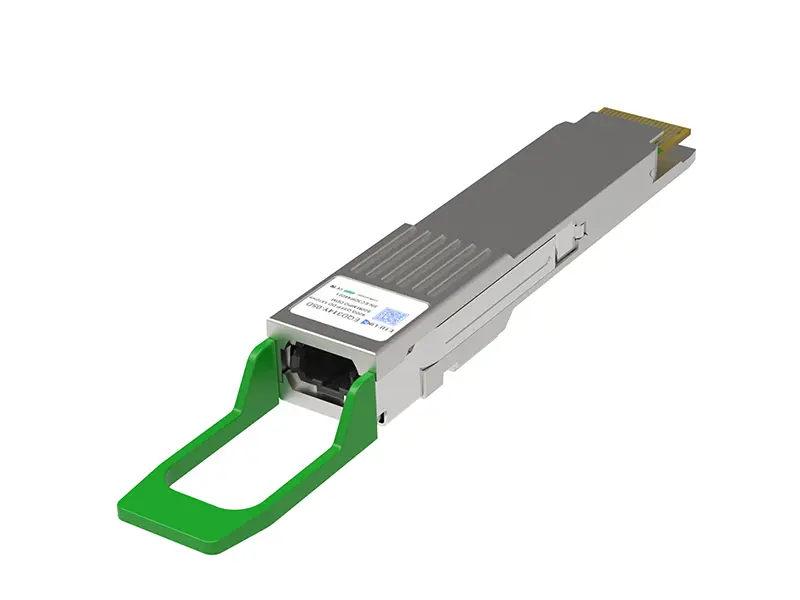 400G
400G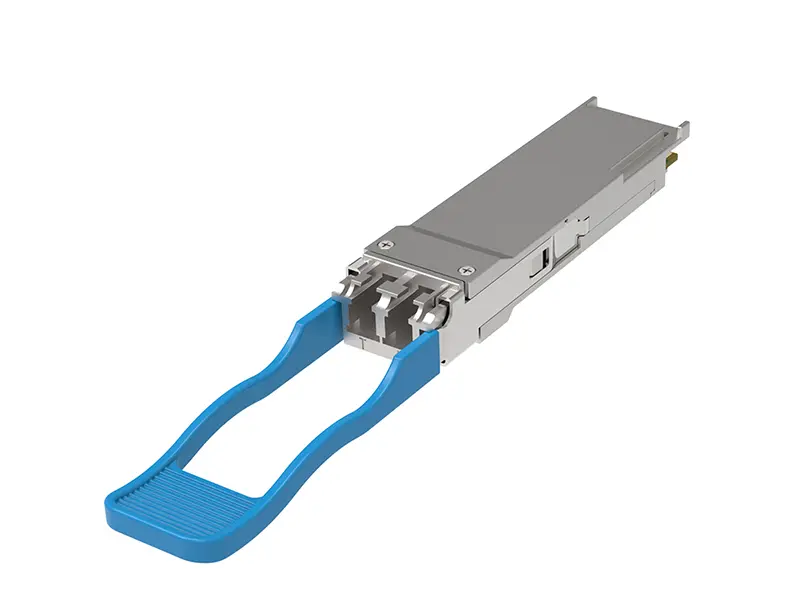 200G
200G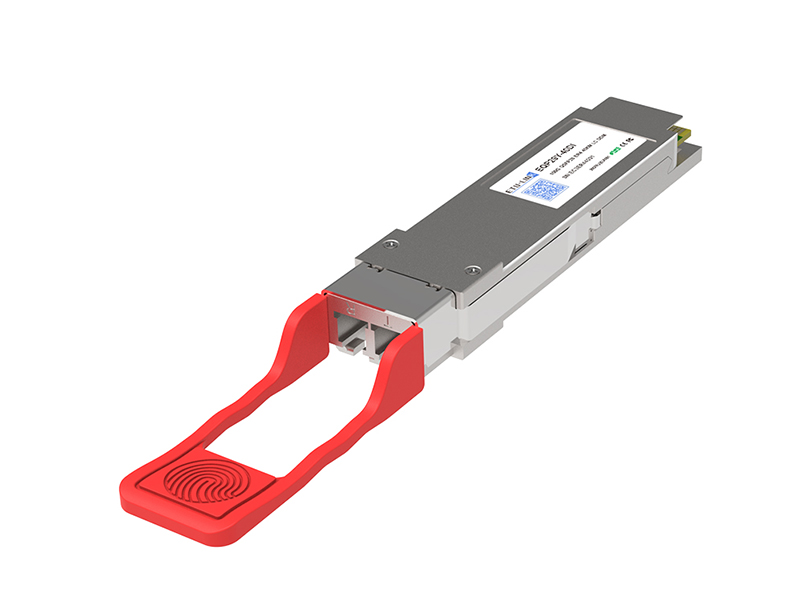 100G
100G 40G
40G 25G
25G 10G
10G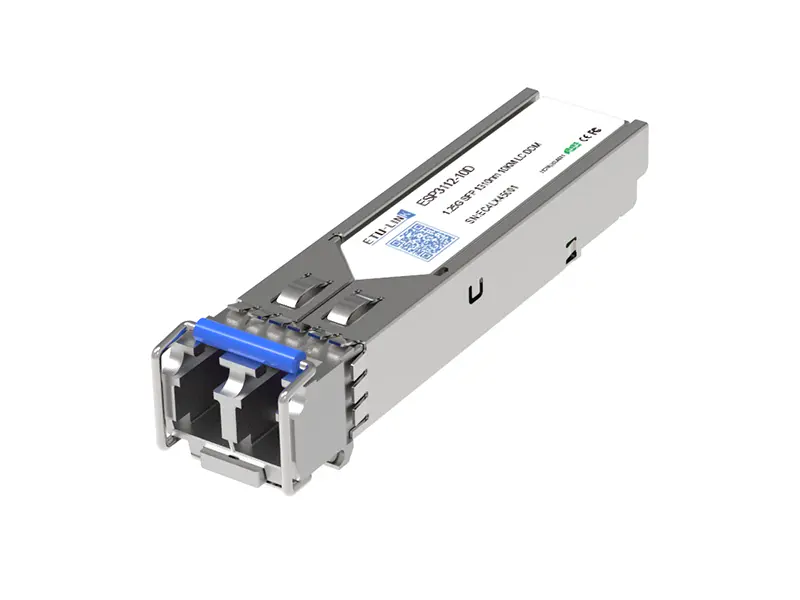 1G
1G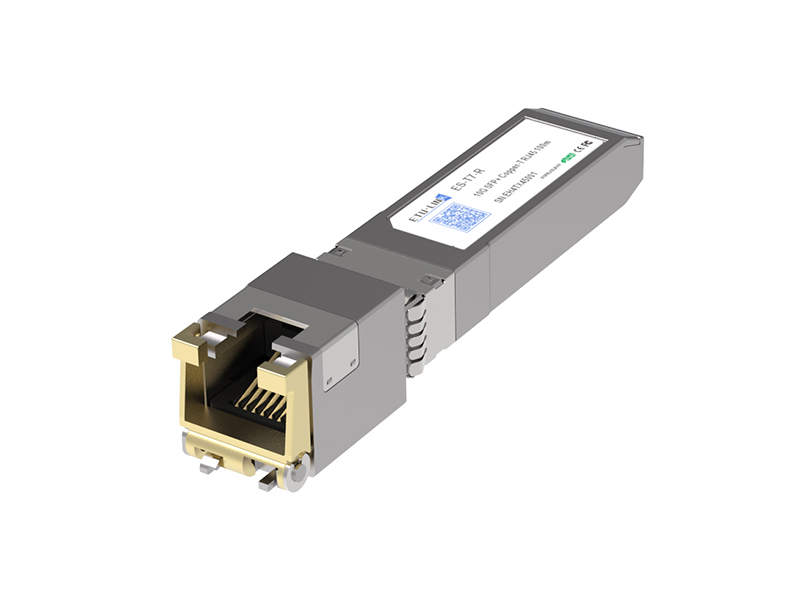 COPPER-T
 Other
Other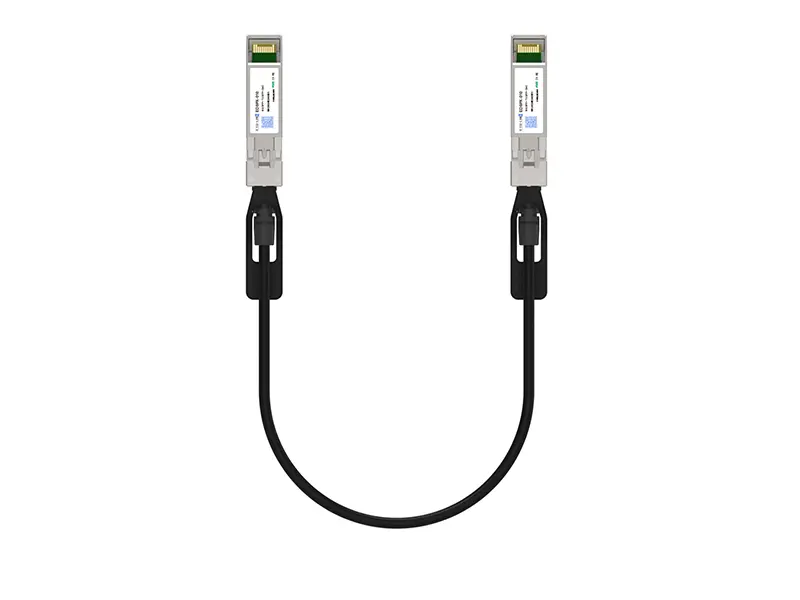 10G SFP+ DAC
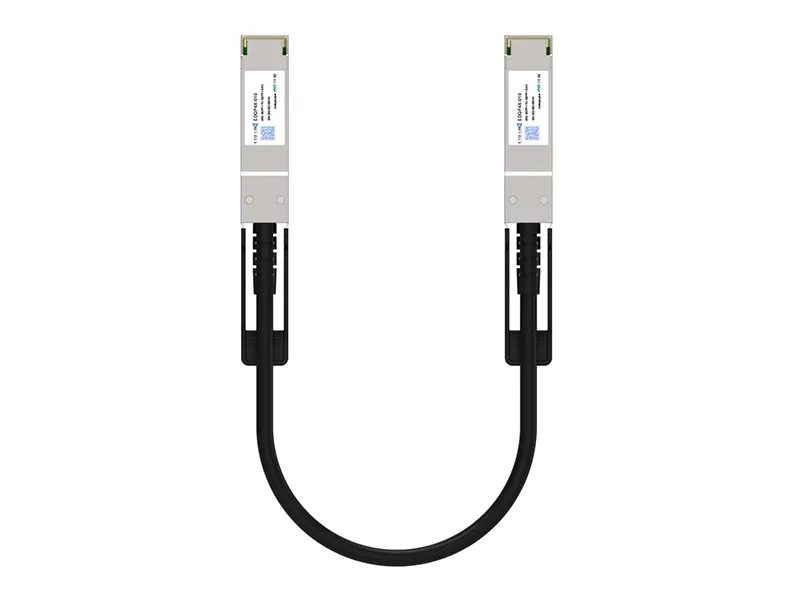 40G QSFP+ DAC
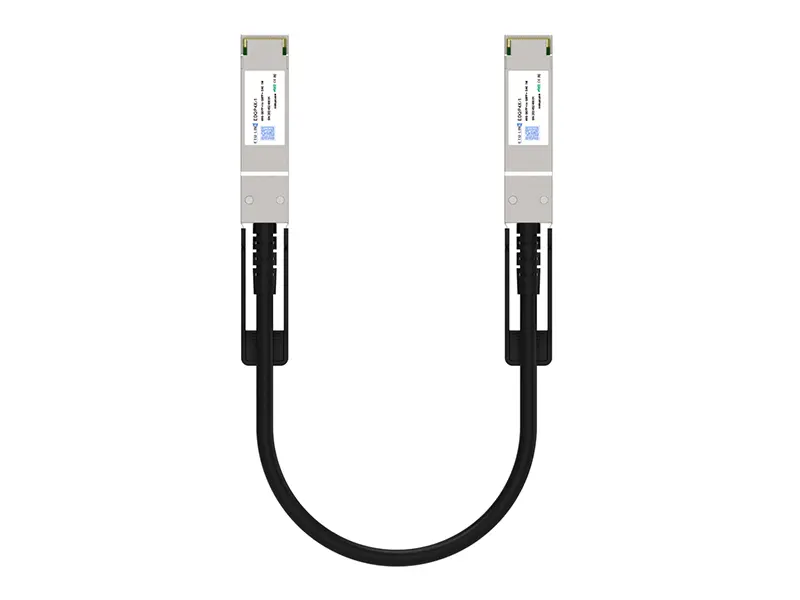 56G QSFP+ DAC
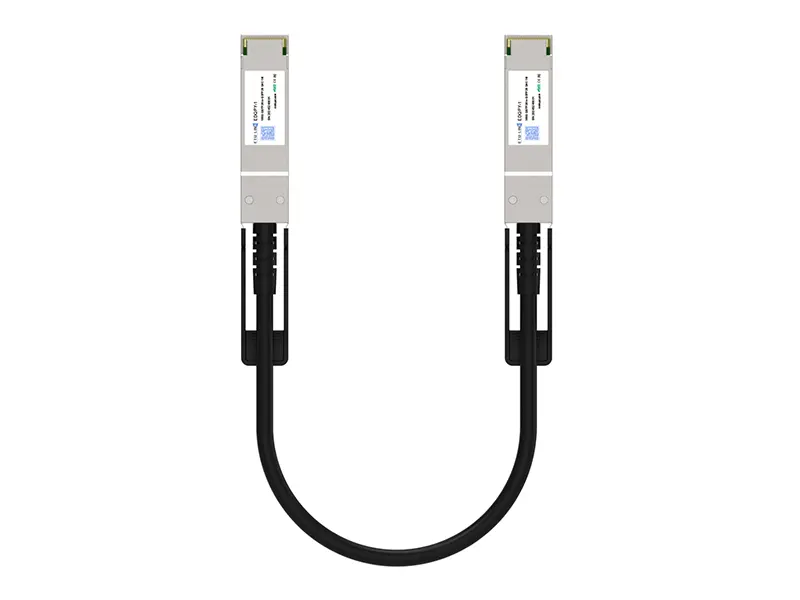 100G QSFP28 DAC
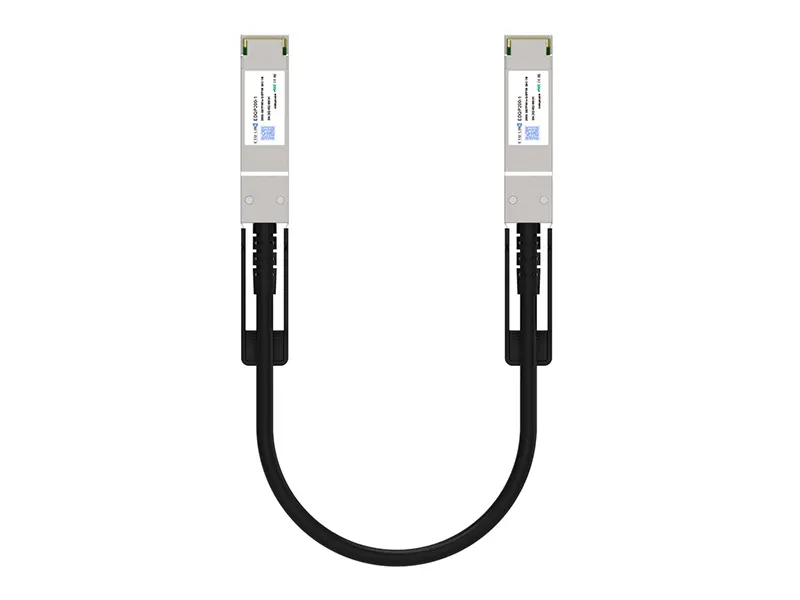 200G QSFP56 DD DAC
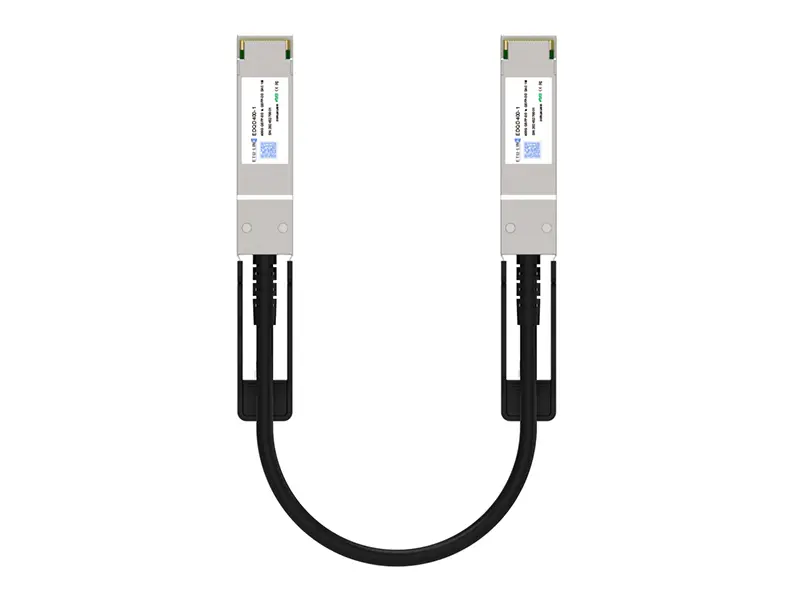 400G QSFP DD DAC
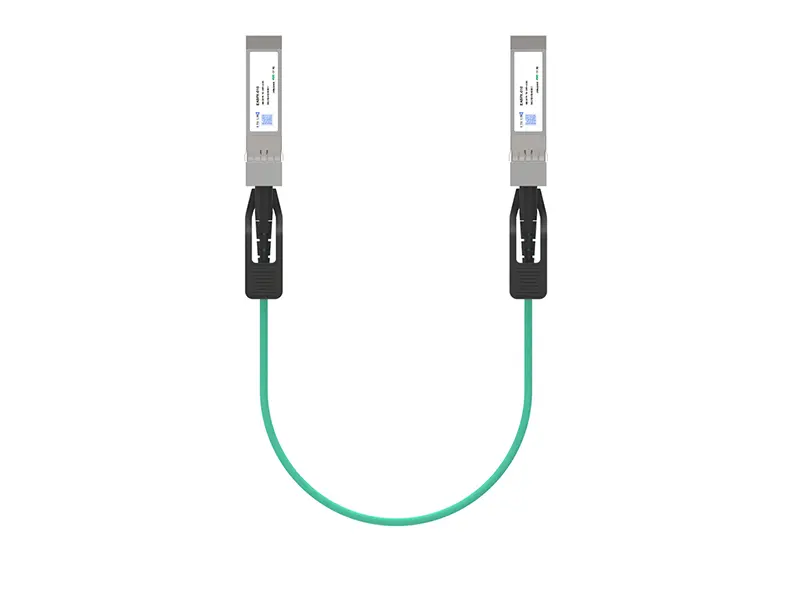 10G SFP+ AOC
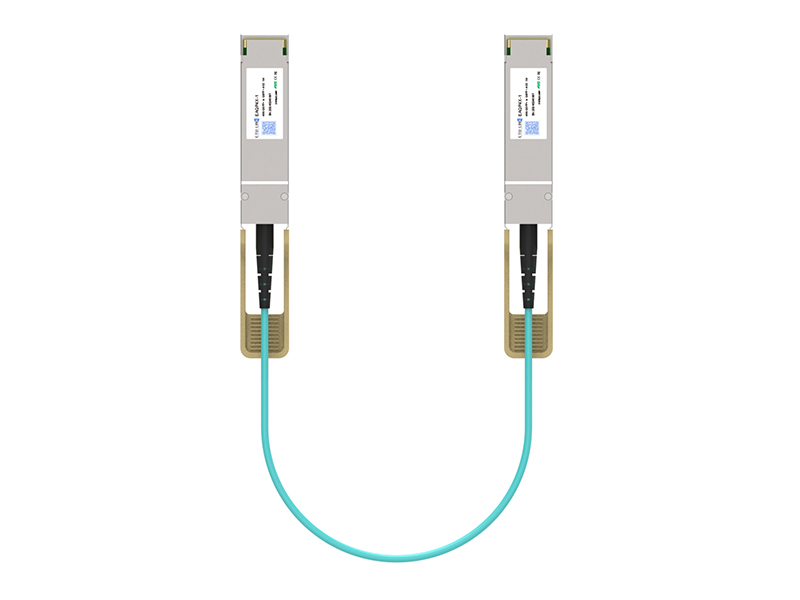 40G QSFP+ AOC
 100G QSFP28 AOC
 200G QSFP56 AOC
 400G QSFP-DD AOC
 Adapter Details
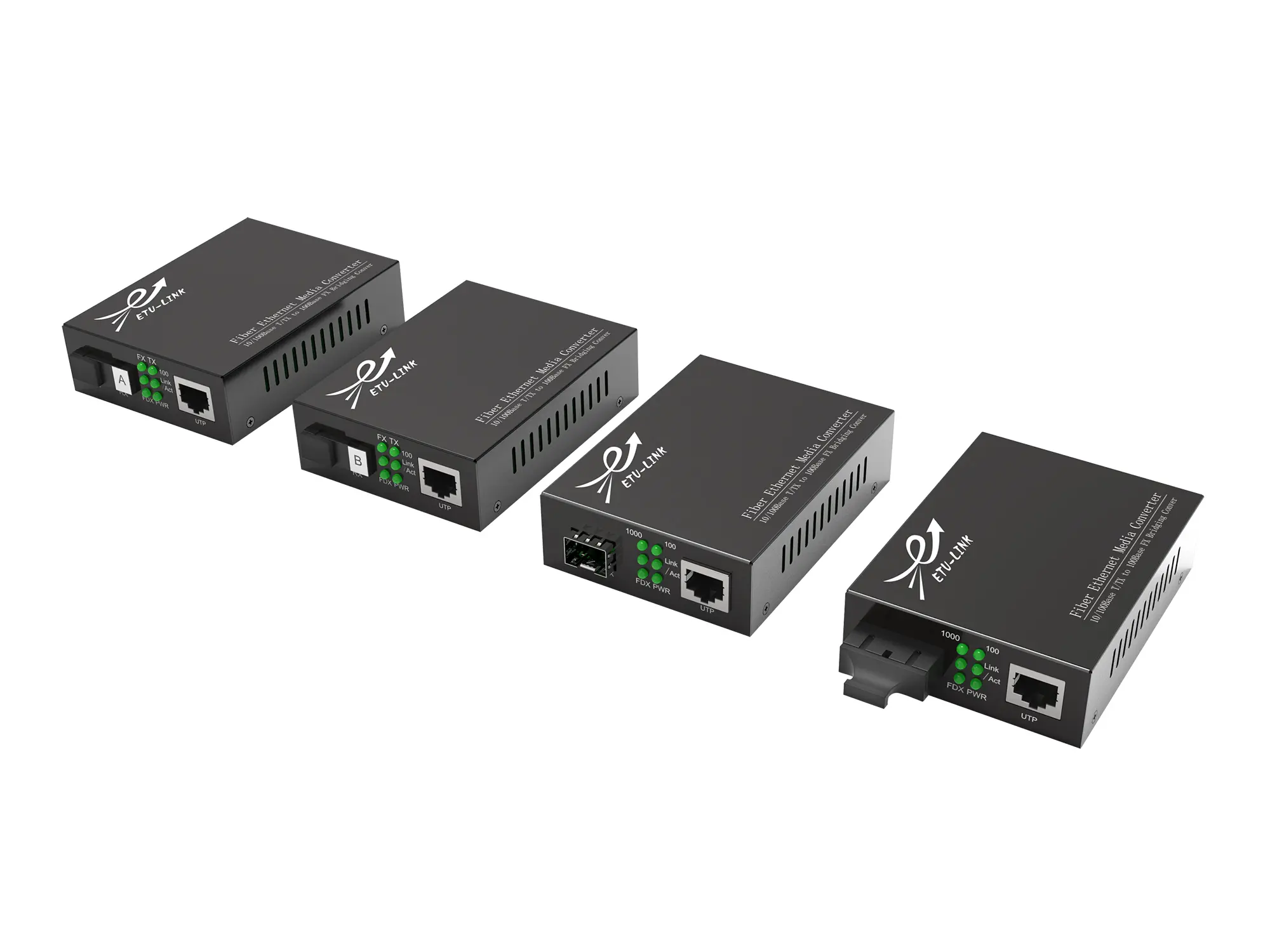 Media Converter