Why You Should Choose 10GbE SFP+ Transceivers for Your Network Upgrade
In today's fast-paced digital landscape, businesses are constantly seeking ways to enhance their network infrastructure to meet the demands of increased data traffic and connectivity. One effective solution gaining traction is the adoption of 10GbE SFP+ transceivers. These small form-factor pluggable modules offer a robust and scalable approach to upgrading network capabilities, providing high-speed, reliable connections while maintaining flexibility in deployment.
As organizations look to future-proof their networks, choosing 10GbE SFP+ transceivers becomes a strategic decision. They facilitate greater bandwidth and faster data transfers compared to previous generation transceivers, supporting the growing need for speed in various applications, including cloud computing, data centers, and high-performance computing environments. Moreover, the modular nature of SFP+ transceivers allows for easy integration into existing network setups, simplifying the upgrade process without extensive overhauls.
By investing in 10GbE SFP+ transceivers, companies position themselves to handle the increasing demands of modern networking with confidence. This introduction explores the key benefits and considerations of selecting these high-performance components as part of a comprehensive network upgrade strategy.
Understanding 10GbE SFP+ Transceivers and Their Functionality
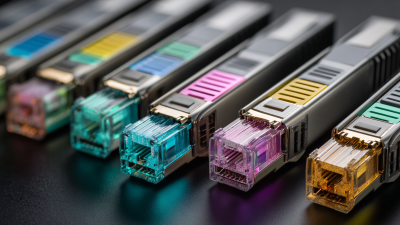
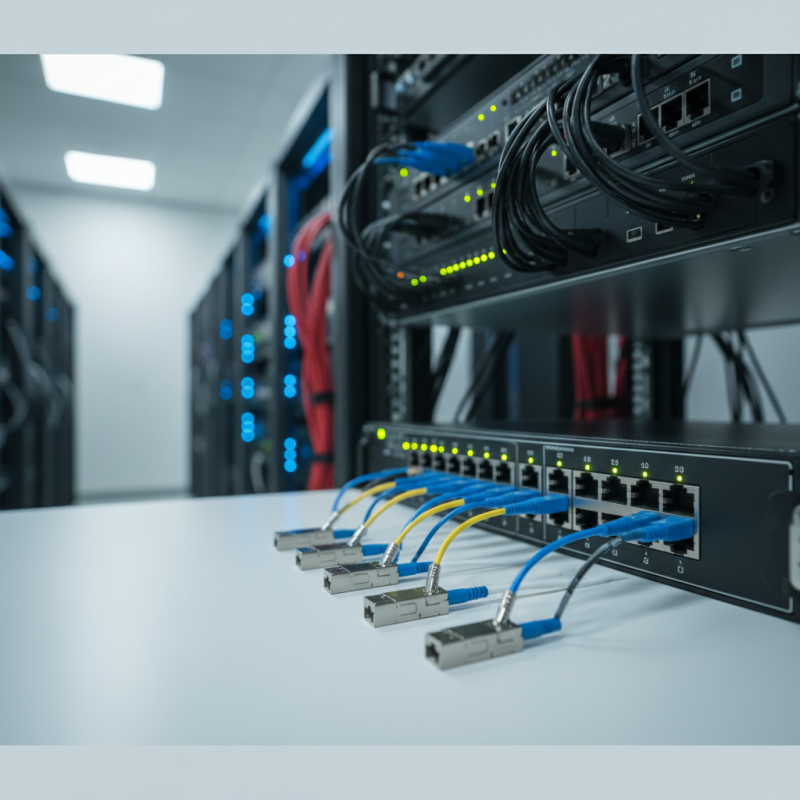
10GbE SFP+ transceivers are essential components in modern network infrastructure, offering a scalable solution for businesses experiencing rapid data growth. These pluggable devices support 10 Gigabit Ethernet connections, enabling high-speed data transfer over fiber optic and copper cabling. According to industry reports, the demand for 10GbE SFP+ transceivers is projected to grow by over 20% annually as organizations adopt faster network technology to accommodate applications like cloud computing, big data, and high-definition video streaming.
One of the key benefits of 10GbE SFP+ transceivers is their versatility. They can be used in a variety of networking environments, from data centers to enterprise networks, providing connectivity options that accommodate different distances and cable types. For example, the transceivers can support distances ranging from 300 meters to over 40 kilometers, depending on the chosen optical module. This adaptability allows organizations to tailor their network solutions effectively to meet their specific needs.
Tip: When selecting 10GbE SFP+ transceivers, consider factors such as compatibility with existing hardware, required transmission distances, and the type of cabling used. Evaluating these aspects will help you maximize the performance and efficiency of your network during the upgrade process. Additionally, keep an eye on emerging technologies, as innovations in transceiver technology may further enhance your network's capabilities.
Comparing 10GbE SFP+ Transceivers with Other Transceiver Types
When it comes to upgrading your network, the choice of transceivers can significantly impact performance and reliability. Comparing 10GbE SFP+ transceivers with other types, such as SFP or SFP28, reveals some critical advantages. The 10GbE SFP+ standard offers higher data rates, ensuring that your network can handle bandwidth-intensive applications more efficiently.
This can be particularly beneficial in environments with heavy data usage, such as data centers or enterprise networks, where speed and performance are paramount.
Tips: Consider the specific requirements of your network before making a decision. Evaluate factors such as the types of connections in use, the distances the signals need to travel, and the overall architecture of your network. This assessment will help you identify the right transceiver that will enhance your network's capability.
Another advantage of 10GbE SFP+ transceivers is their versatility. They are compatible with various types of cabling, including multimode and single-mode fiber, allowing for greater flexibility in deployment.
This adaptability makes them a suitable choice for both current needs and future expansions, enabling your network to scale as demands increase without requiring a complete overhaul of your infrastructure.
Tips: Always check the compatibility of the transceivers with your existing network devices. Investing in 10GbE SFP+ transceivers could save costs in the long run by reducing the need for frequent upgrades and ensuring a longer lifespan for your equipment.
Benefits of Upgrading to 10GbE SFP+ Transceivers for High-Speed Networking
Upgrading to 10GbE SFP+ transceivers can significantly enhance your network performance, catering to the increasing demands of data transfer and connectivity in various industries. According to a report by the International Data Corporation (IDC), data generation is expected to reach 175 zettabytes by 2025, demanding more robust networking capabilities. In this landscape, 10GbE SFP+ transceivers provide a solution that not only supports high-speed data transmission but also improves overall network efficiency.
The benefits of transitioning to 10GbE SFP+ transceivers extend beyond just speed. They enable reduced latency and increased bandwidth, accommodating applications such as cloud computing, virtualization, and high-definition video streaming. A study published by TechTarget reveals that organizations implementing 10GbE solutions have reported a 30-50% improvement in network performance. Furthermore, these transceivers are designed for interoperability and scalability, making them an ideal choice for organizations looking to future-proof their network infrastructure as technologies evolve. By investing in 10GbE SFP+ transceivers, companies can ensure they remain competitive in an increasingly data-driven world.
Key Considerations When Choosing 10GbE SFP+ Transceivers for Your Setup
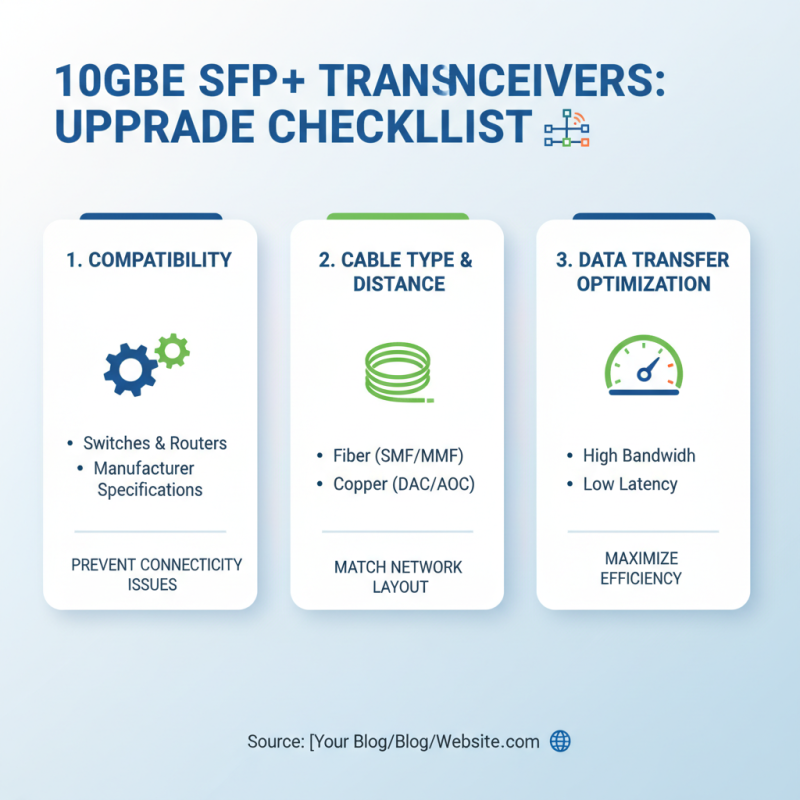
When considering an upgrade to your network infrastructure, selecting the right 10GbE SFP+ transceivers is crucial for achieving optimal performance. One of the key considerations is compatibility with existing equipment. Ensure that the SFP+ transceivers you choose align with your network switches and routers. Different manufacturers may have unique specifications, so verifying that your devices can support the chosen transceivers will prevent connectivity issues and maximize data transfer efficiency.
Another important factor is the transmission distance required for your setup. 10GbE SFP+ transceivers are available in various types, including short-range and long-range options. Short-range transceivers are ideal for connections within a single building or data center, while long-range transceivers are necessary for connections between buildings or over longer distances. Assess your specific requirements to determine the appropriate type, as this will affect not only performance but also the overall reliability of your network. Finally, consider the cabling and environmental factors, such as whether your setup needs copper or optical connections, as different environments can influence the selection of transceivers.
Future-Proofing Your Network with 10GbE SFP+ Technology
As networks continue to evolve, the demand for higher bandwidth and speed becomes a priority. Investing in 10GbE SFP+ transceivers is a strategic move that ensures your network remains capable of handling future technology advancements. According to a report by the International Data Corporation (IDC), global IP traffic is expected to reach 4.8 zettabytes per year by 2022, necessitating faster data transfer rates. The 10GbE SFP+ technology offers a significant upgrade over older systems, enabling organizations to manage increasing data loads effectively.
Moreover, as businesses embrace cloud computing and big data analytics, the flexibility of 10GbE SFP+ transceivers becomes evident. The Ethernet Alliance reports that over 60% of IT decision-makers view network speed as a crucial factor in their infrastructure plans. With 10GbE SFP+, companies can future-proof their networks, allowing for seamless scalability and adaptability to rising data demands without requiring a complete overhaul of existing systems. This transition enhances not only performance but also the overall resilience and reliability of the network.
Comparison of Network Speeds: 1GbE vs. 10GbE SFP+ Transceivers
This chart compares the bandwidth capabilities and usage scenarios of 1GbE and 10GbE SFP+ transceivers to illustrate the advantages of upgrading to 10GbE technology.

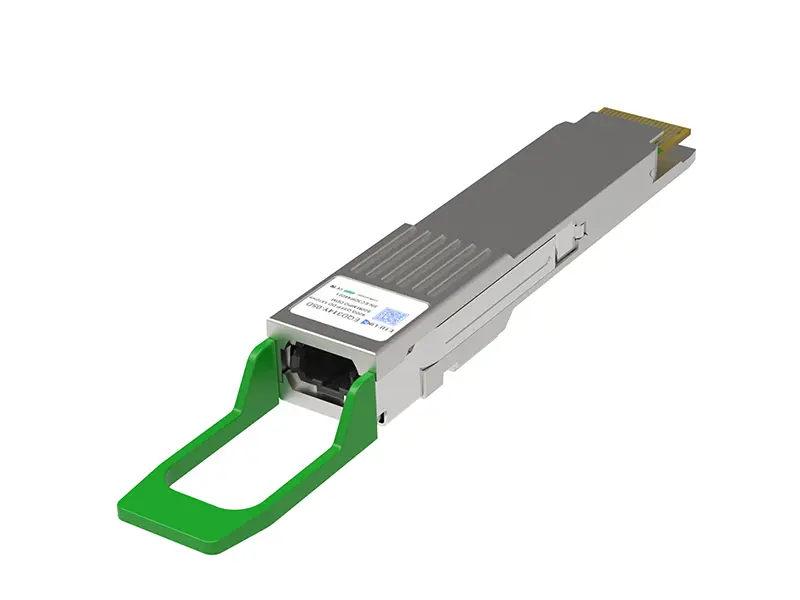 400G
400G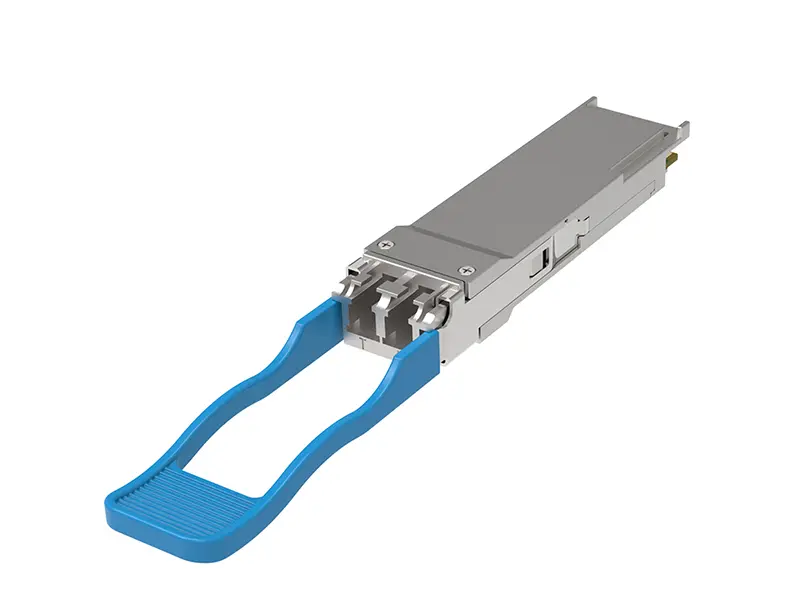 200G
200G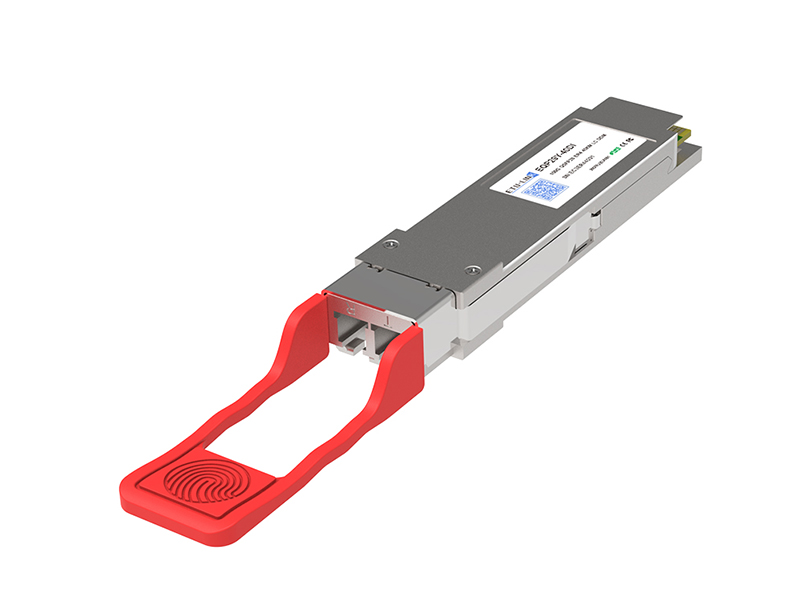 100G
100G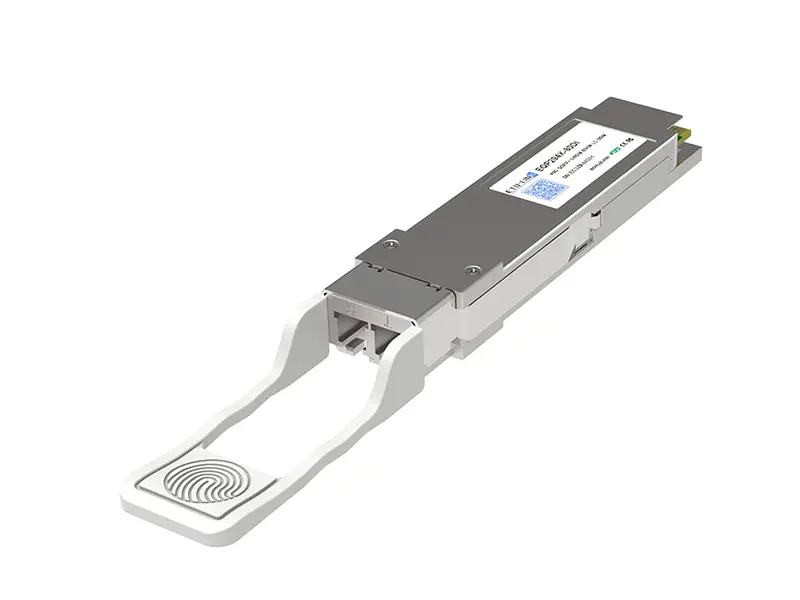 40G
40G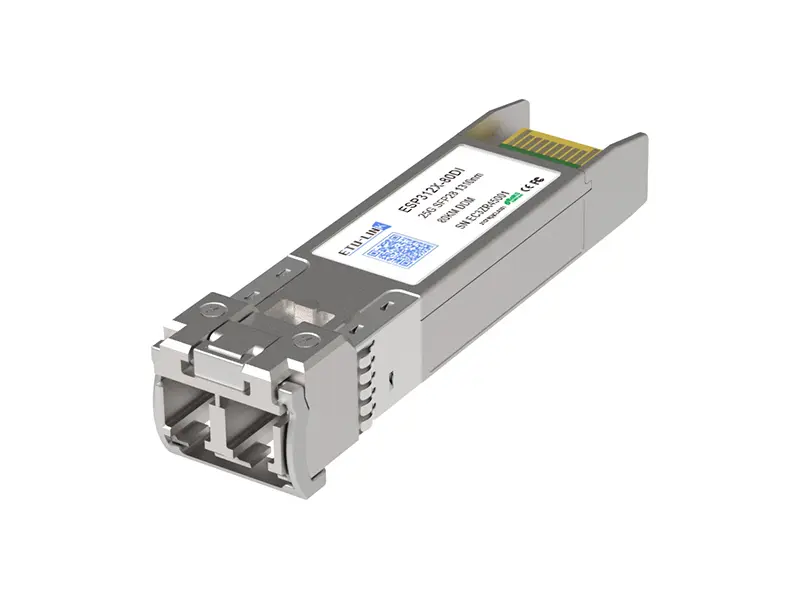 25G
25G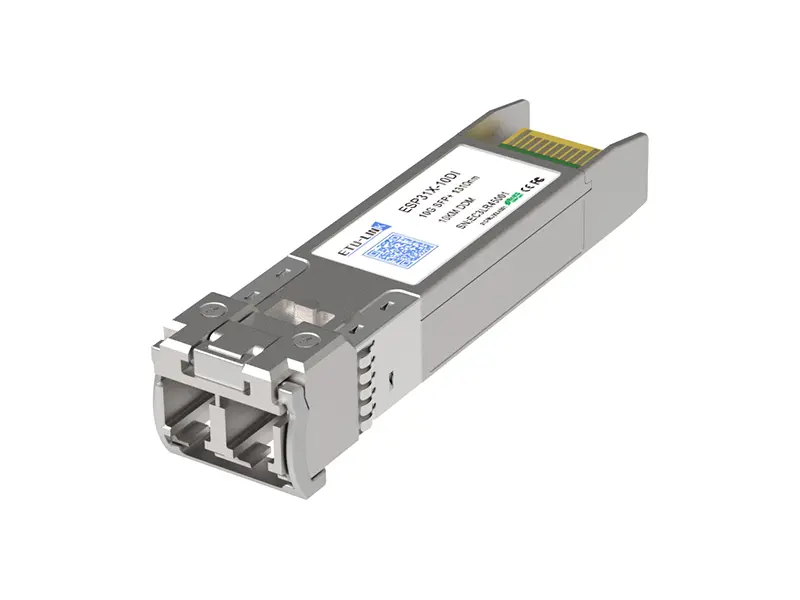 10G
10G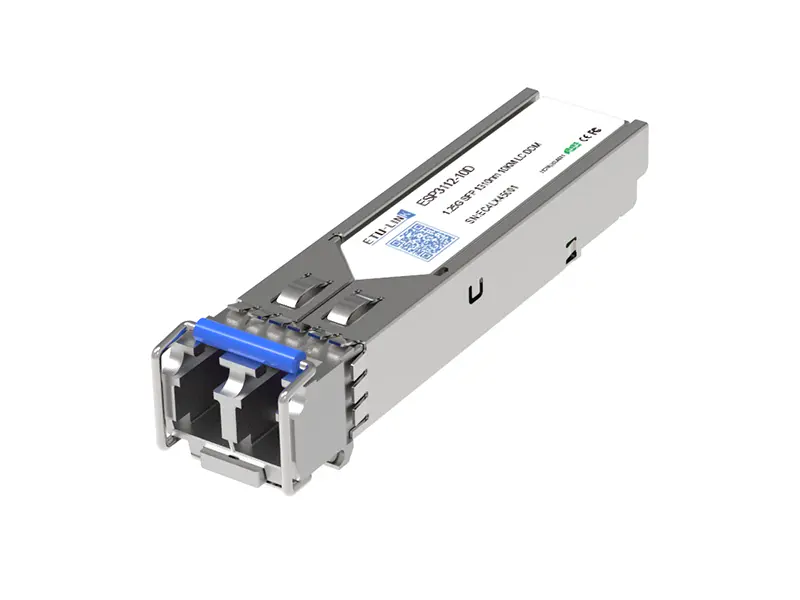 1G
1G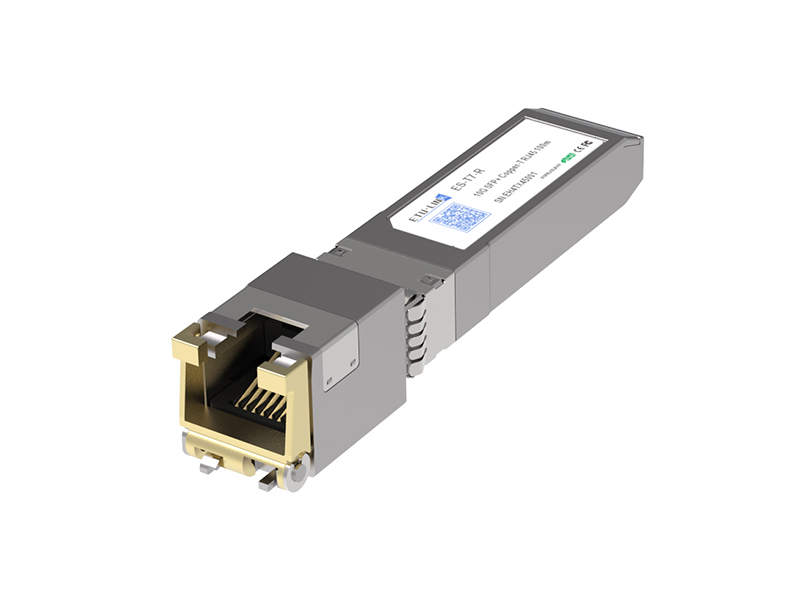 COPPER-T
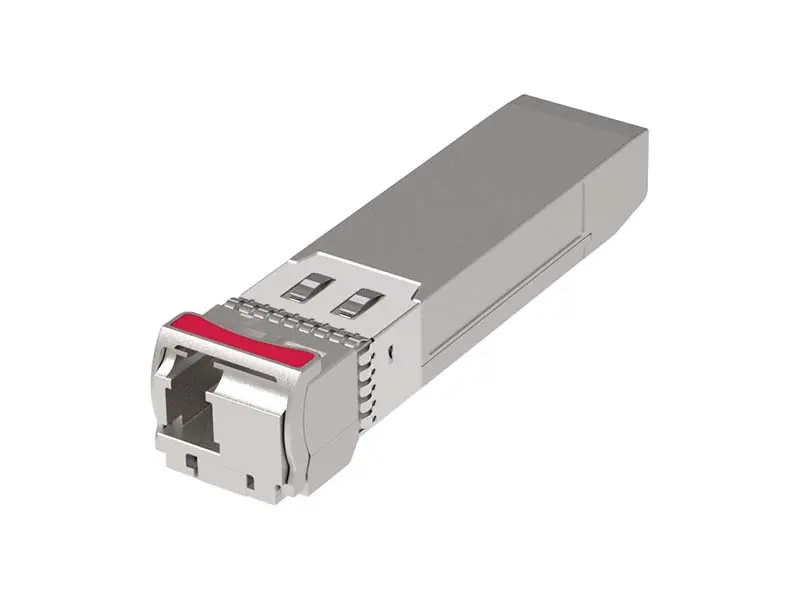 Other
Other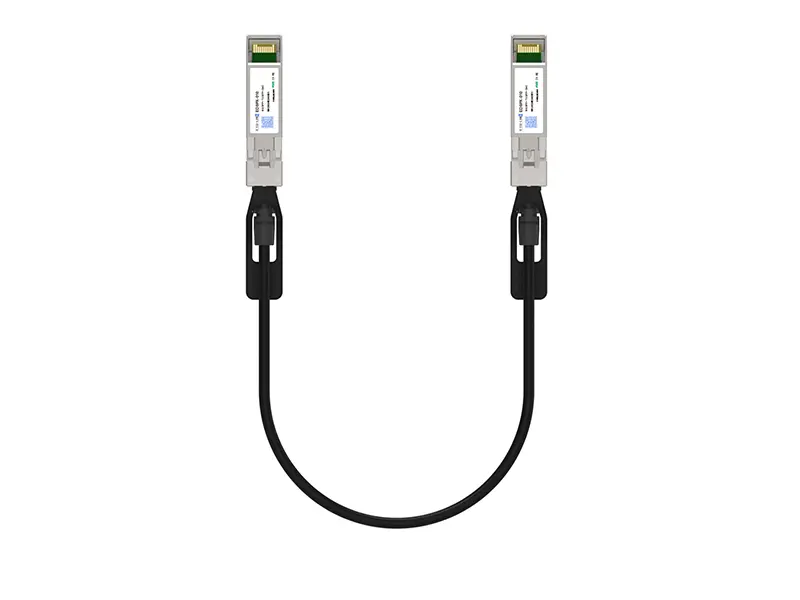 10G SFP+ DAC
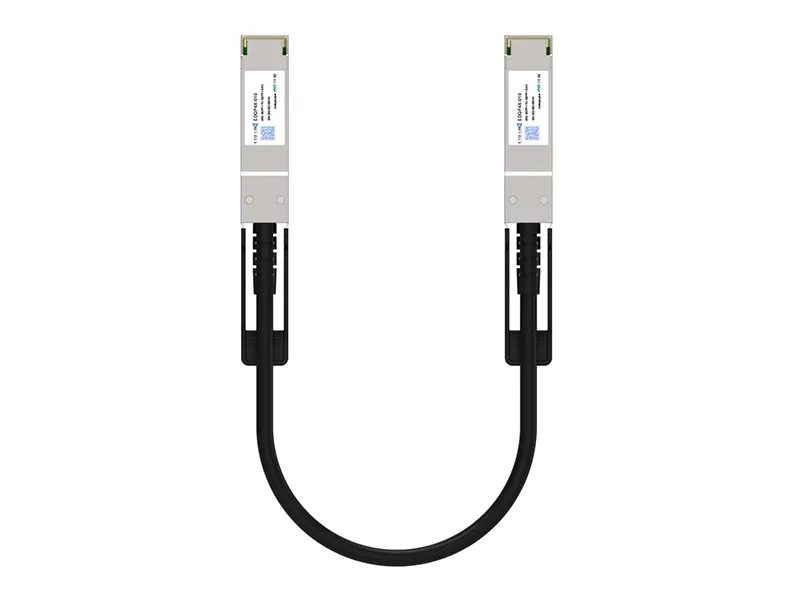 40G QSFP+ DAC
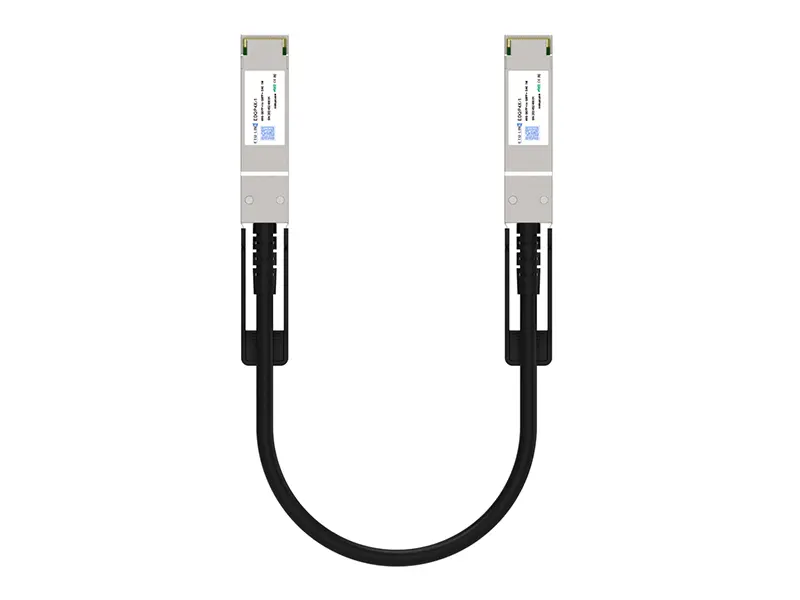 56G QSFP+ DAC
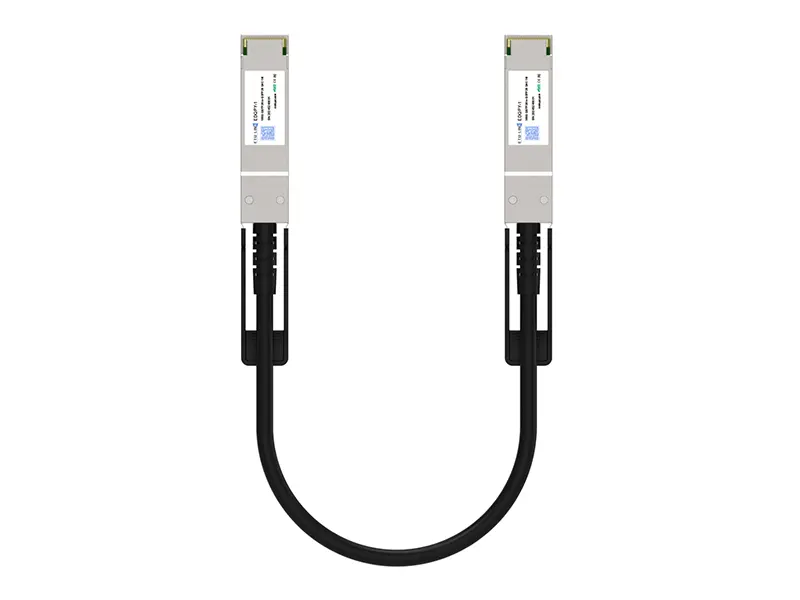 100G QSFP28 DAC
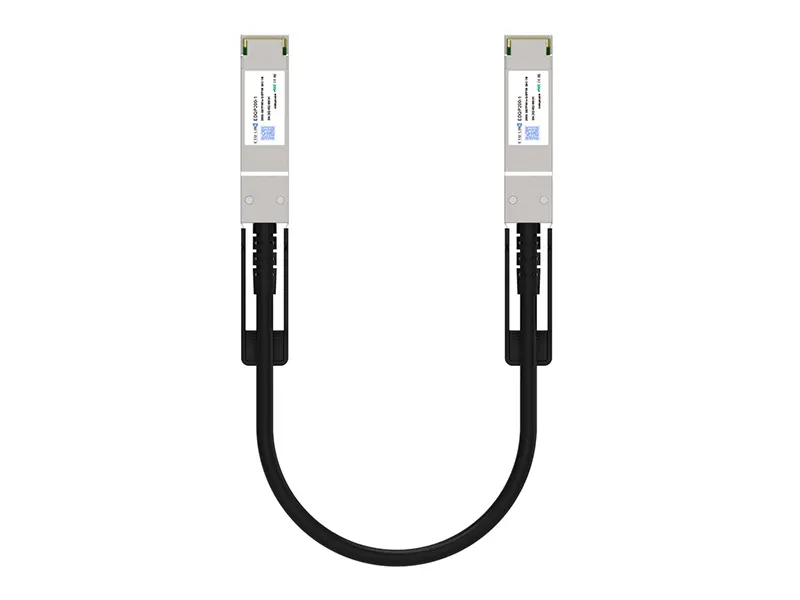 200G QSFP56 DD DAC
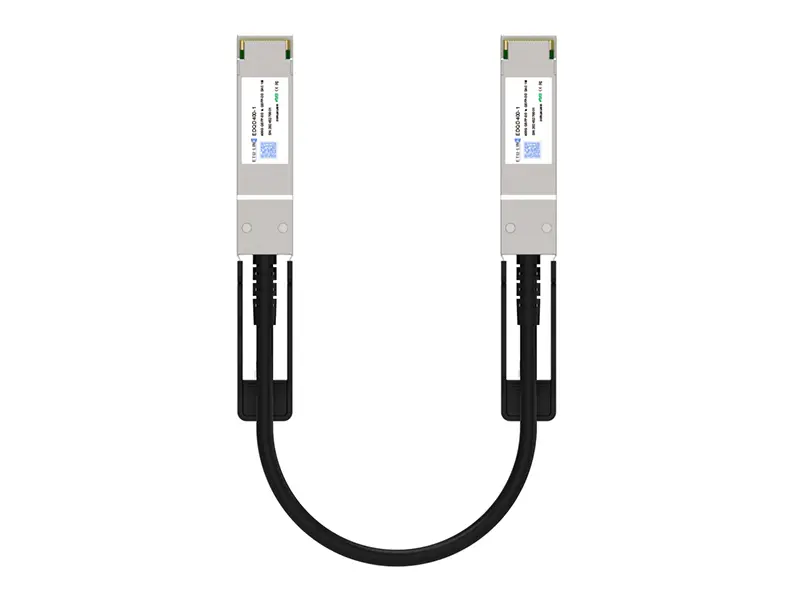 400G QSFP DD DAC
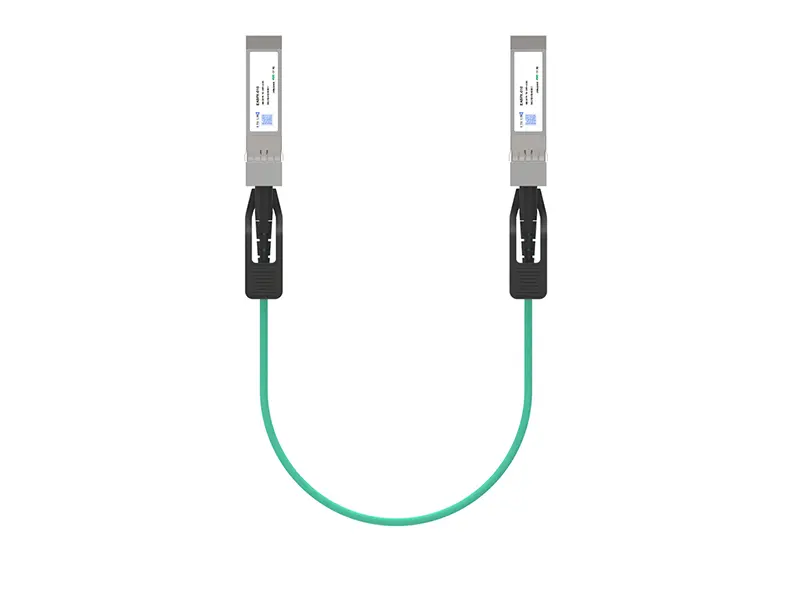 10G SFP+ AOC
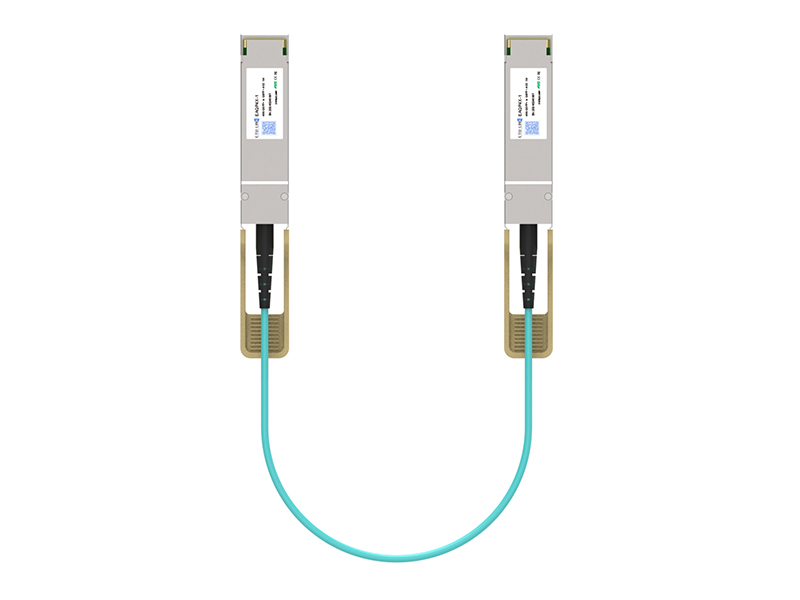 40G QSFP+ AOC
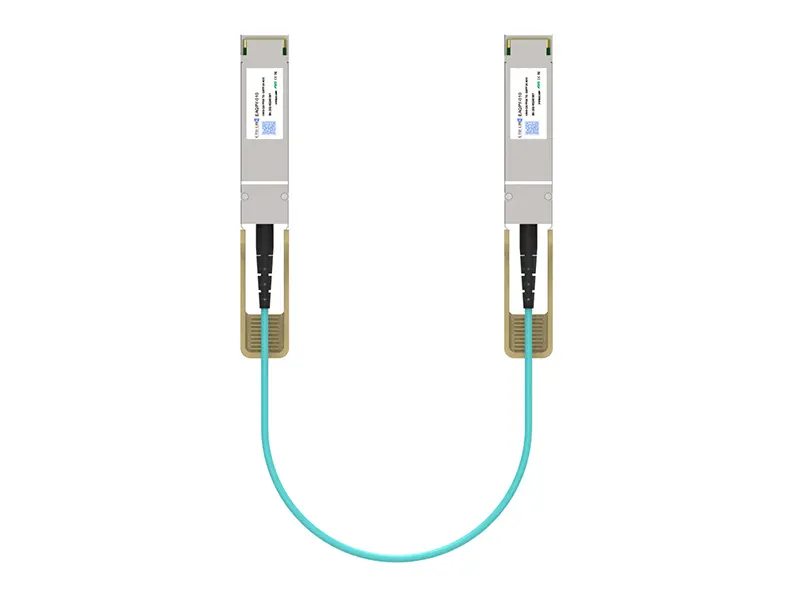 100G QSFP28 AOC
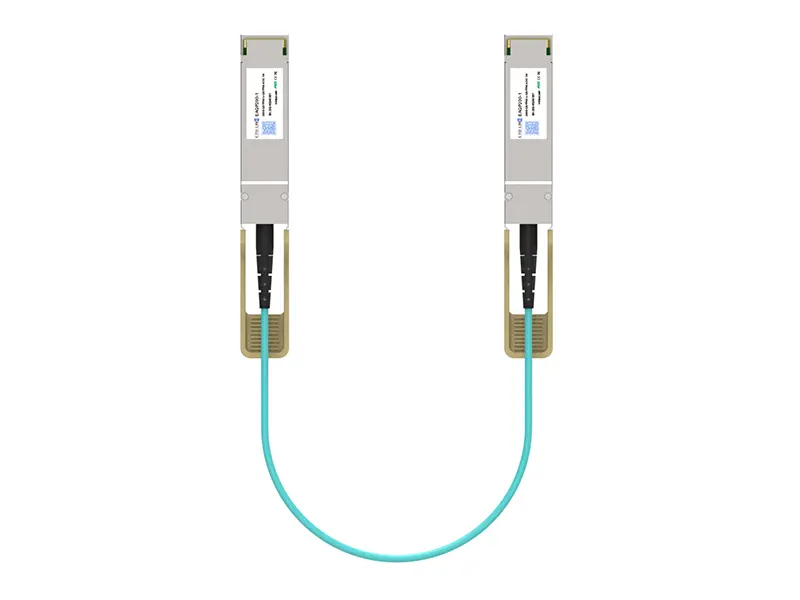 200G QSFP56 AOC
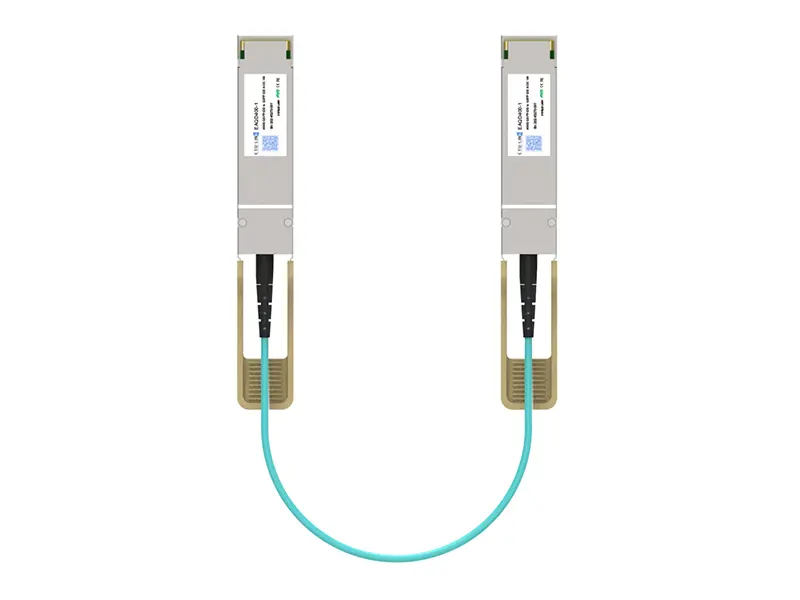 400G QSFP-DD AOC
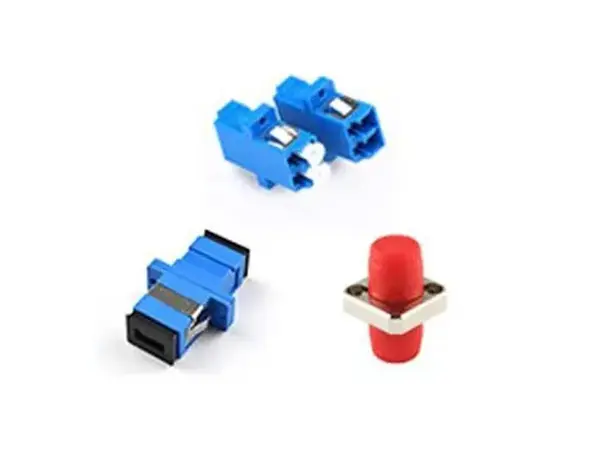 Adapter Details
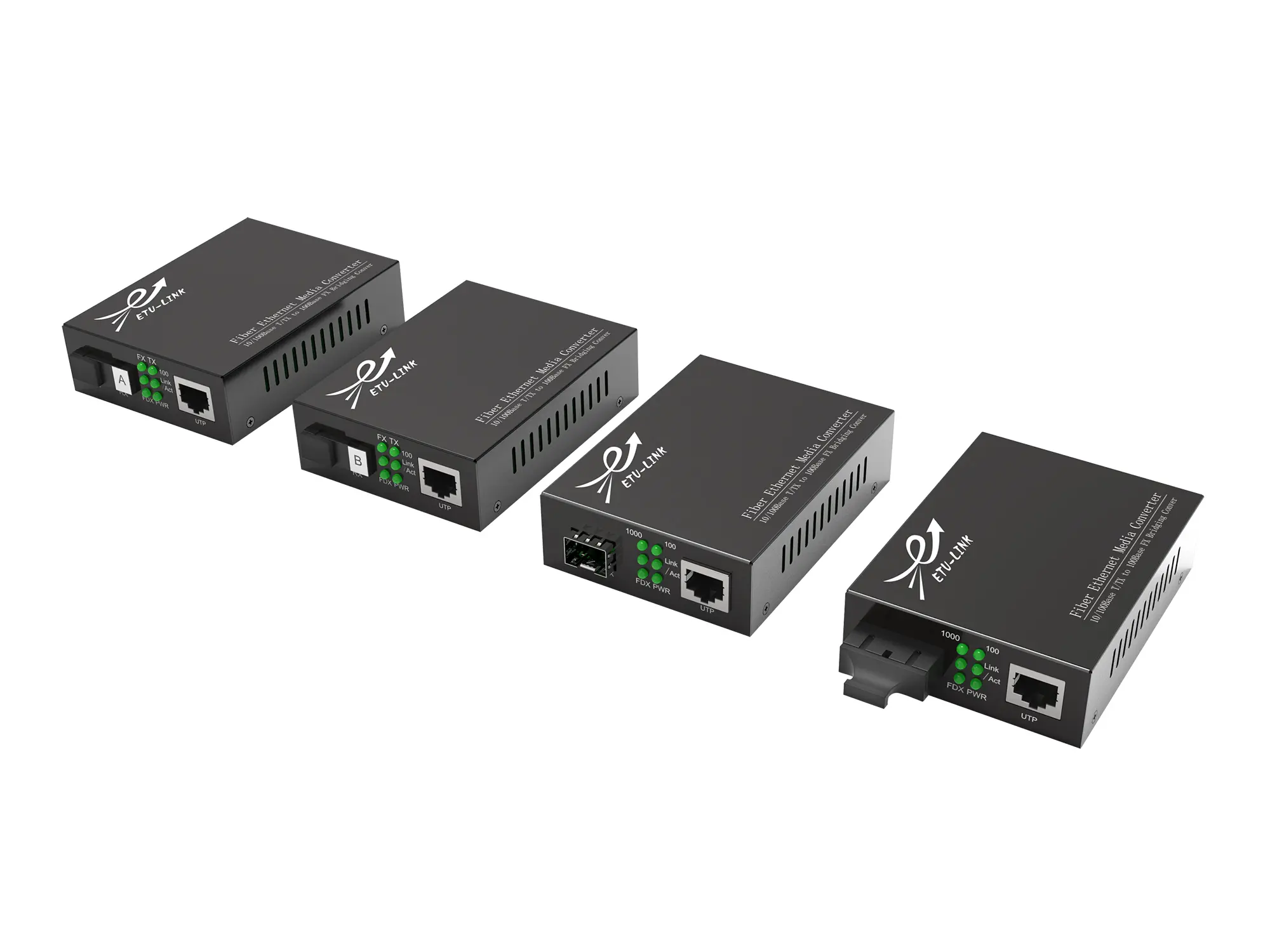 Media Converter