What is the Best SFP+ 10G Transceiver for Your Network?
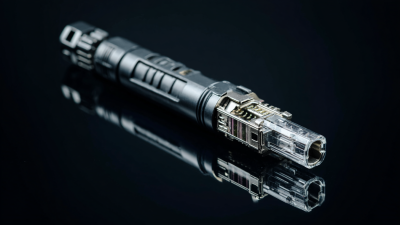
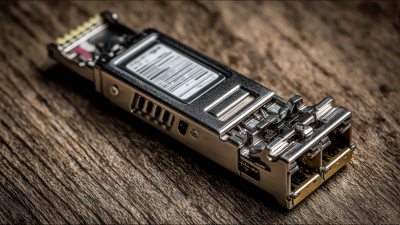
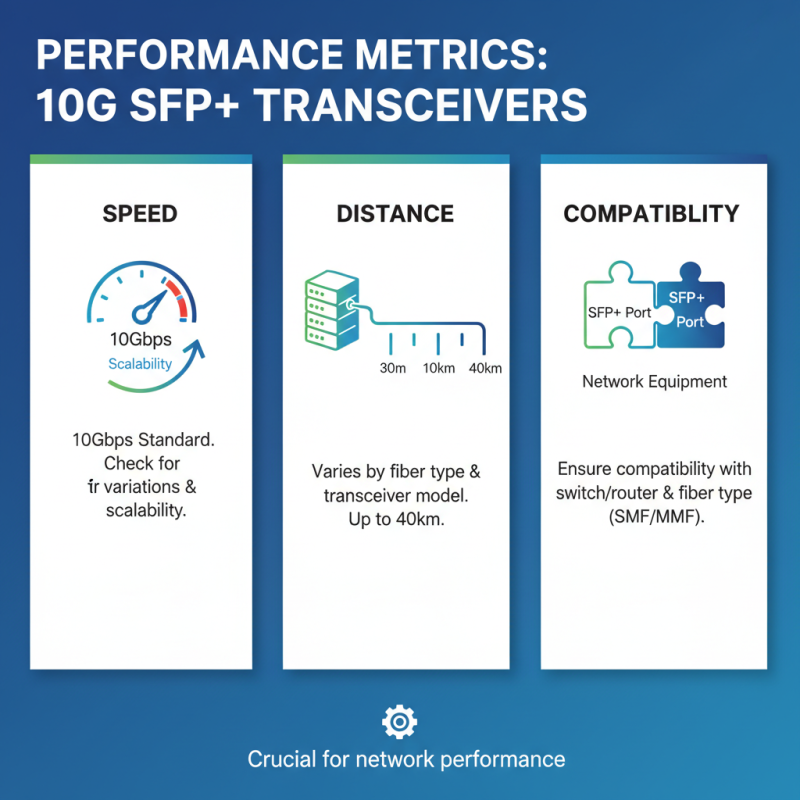
In the world of networking, choosing the right SFP+ 10G Transceiver is crucial. These small yet powerful devices enhance data transmission speeds. With various options available, it can be overwhelming to decide which one fits your needs best.
Different factors influence the decision. Compatibility with your current network setup is key. Not all transceivers work seamlessly with every device. Additionally, you must consider the distance the signal needs to travel. Some transceivers excel over short distances, while others are designed for long-range communication.
Budget constraints can also complicate the selection process. More expensive models often promise better performance, but is that always the case? It’s essential to weigh the pros and cons carefully. Remember, the ultimate goal is to ensure reliable and efficient network performance. A thoughtful choice of SFP+ 10G Transceiver can lead to lasting benefits, both for your network and for your peace of mind.
Understanding SFP+ 10G Transceivers: Key Features and Specifications
SFP+ 10G transceivers play a vital role in modern networks. These small, hot-swappable devices connect network switches, routers, and servers. They support high-speed data transmission, essential for today’s data demands. Understanding their key features is crucial for making an informed choice.
One important specification is the transmission distance. SFP+ transceivers can range from short-range to long-range options. Short-range transceivers typically cover distances up to 300 meters. Longer-range ones can extend over 40 kilometers. Another key aspect is the wavelength. A variety of wavelengths exist, each suitable for specific applications. For example, the 850nm wavelength works well for short distances, while 1550nm is used for longer reaches.
Keep in mind that compatibility is a common concern. Not all transceivers work with every device. It’s essential to verify compatibility to avoid connectivity issues. Additionally, cost can vary significantly. More expensive transceivers may offer better performance, but cheaper options can perform adequately for less demanding scenarios. Balancing quality and budget is often tricky. This requires careful consideration of your network's unique needs.
Types of SFP+ 10G Transceivers: A Comparative Analysis
When choosing a 10G SFP+ transceiver, understanding the types available is crucial. There are several variations on the market. These differ mainly in distance, data rates, and the type of fiber used. Some transceivers are built for long-range communication, while others serve short distances. The right choice largely depends on your specific networking needs.
Consider multimode and single-mode fibers. Multimode transceivers are generally less expensive but are only effective over shorter distances. On the other hand, single-mode options can transmit data over several kilometers. Each type has its own pros and cons. For example, multimode transceivers often use LED light sources which are cheaper but may produce higher signal loss over longer distances.
Another factor to consider is compatibility. The market is flooded with various standards, and not every transceiver works with every device. This can lead to frustration when trying to link devices together. Additionally, some transceivers may have varying wavelengths that affect performance. It’s essential to research and ensures compatibility with your existing network equipment. Getting it wrong could lead to unnecessary expenses and complications in your network setup.
Market Leaders: Top Manufacturers of SFP+ 10G Transceivers
When selecting SFP+ 10G transceivers, understanding market leaders is vital. Top manufacturers provide reliable products. They offer various options tailored for different network needs. Many focus on high-speed data transfer and low latency. Performance is essential in today’s data environment.
Various manufacturers dominate the SFP+ market. Their transceivers are used in multiple industries. However, some may not meet specific requirements. Compatibility issues can arise. Testing before deployment is advisable. Quality assurance should not be overlooked.
Innovation plays a significant role in this field. Manufacturers continuously update their products. This leads to enhanced performance and efficiency. However, not every update is flawless. Users often report inconsistencies. Thorough research and feedback are necessary for optimal choices.
Performance Metrics: Evaluating Speed, Distance, and Compatibility
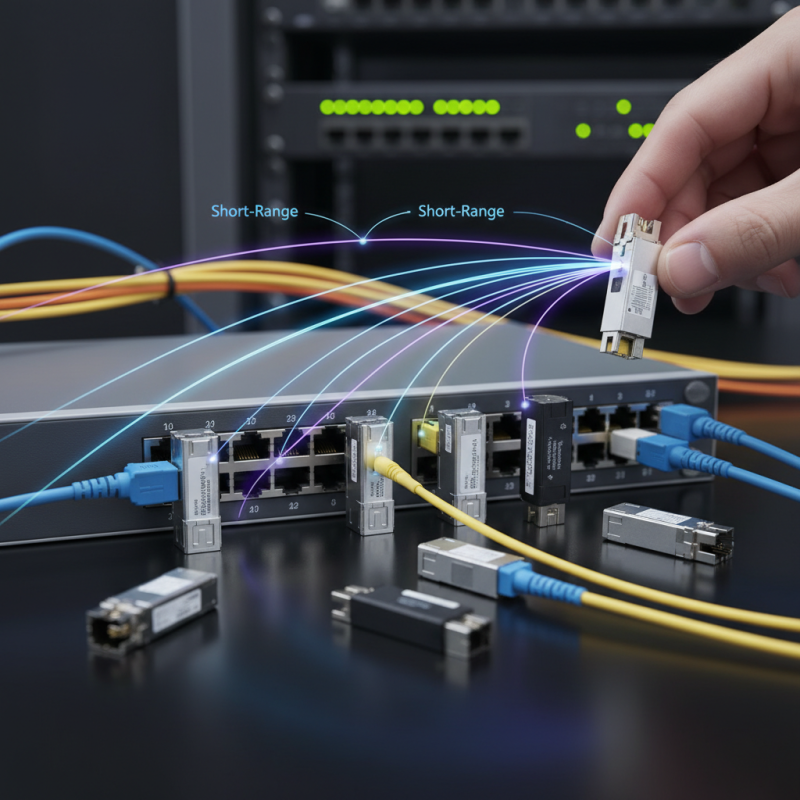
When choosing a 10G SFP+ transceiver, performance metrics are crucial. Speed is a primary consideration. Most transceivers support 10Gbps, but check for variations. Some can scale up, catering to specific network demands.
Distance matters more than you think. Standard multimode transceivers generally operate up to 300 meters. On the contrary, single-mode can reach distances exceeding 10 kilometers. Your choice should align with your network layout and geographical constraints.
Compatibility is often overlooked but is vital. Not all transceivers work seamlessly with every switch. It’s essential to review compatibility lists provided by manufacturers. This can prevent unexpected hurdles.
Tip: Before investing, conduct a network assessment. Identify your speed requirements and distance needs first.
Additionally, consider future scalability. Will your needs evolve? Being proactive now can save time and money later. Tracking industry standards also helps gauge your investment.
Tip: Regularly review your network performance. This can highlight areas needing enhancement. A well-tuned network supports growth and efficiency.
Cost-Effectiveness: Choosing the Best Value SFP+ 10G Transceivers for Your Network
When selecting SFP+ 10G transceivers, cost-effectiveness is key. Many options exist, but finding the best value requires careful consideration. Look for transceivers that offer a solid performance without breaking the bank. Some models may promise high speeds but come with hidden costs, such as installation or compatibility issues.
Understand your network needs. If your setup is simple, high-end transceivers may be unnecessary. Evaluate how many ports you need and which distances will be covered. Some models might work great over short distances but falter in larger setups. Keep in mind that a cheaper price tag does not always equal lower quality.
Ultimately, balancing quality and price is essential. It's easy to be swayed by flashy specifications or marketing hype. Take time to read reviews and user feedback. Some transceivers, while affordable, may have reliability issues. Aim for options that fit your budget but also stand the test of time.
What is the Best SFP+ 10G Transceiver for Your Network?
| Transceiver Type |
Range |
Data Rate |
Price (USD) |
Warranty (Years) |
| SR |
Up to 300m |
10 Gbps |
50 |
2 |
| LR |
Up to 10km |
10 Gbps |
150 |
3 |
| LRM |
Up to 220m |
10 Gbps |
100 |
2 |
| ER |
Up to 40km |
10 Gbps |
250 |
3 |
| ZR |
Up to 80km |
10 Gbps |
400 |
5 |

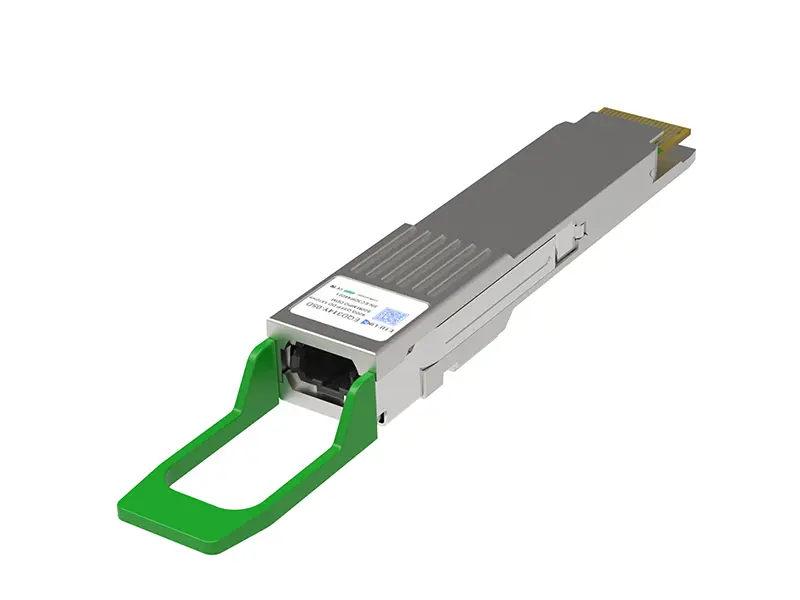 400G
400G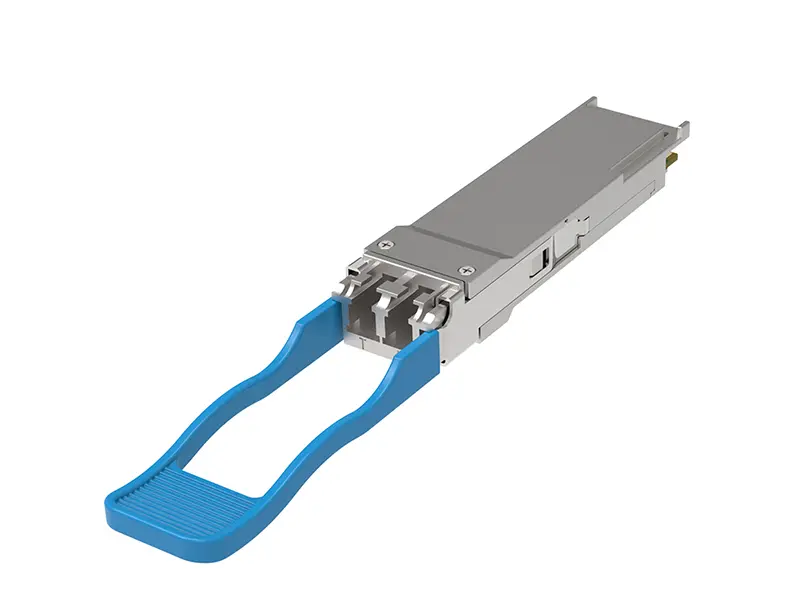 200G
200G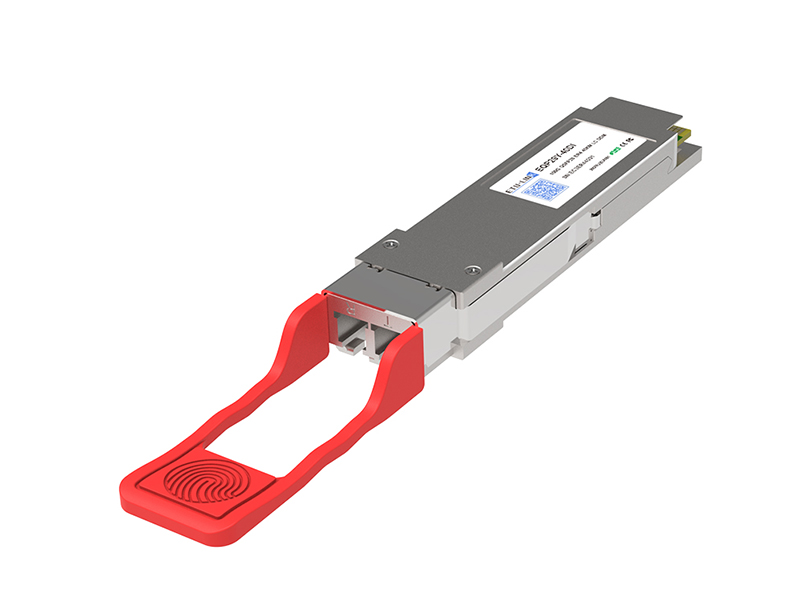 100G
100G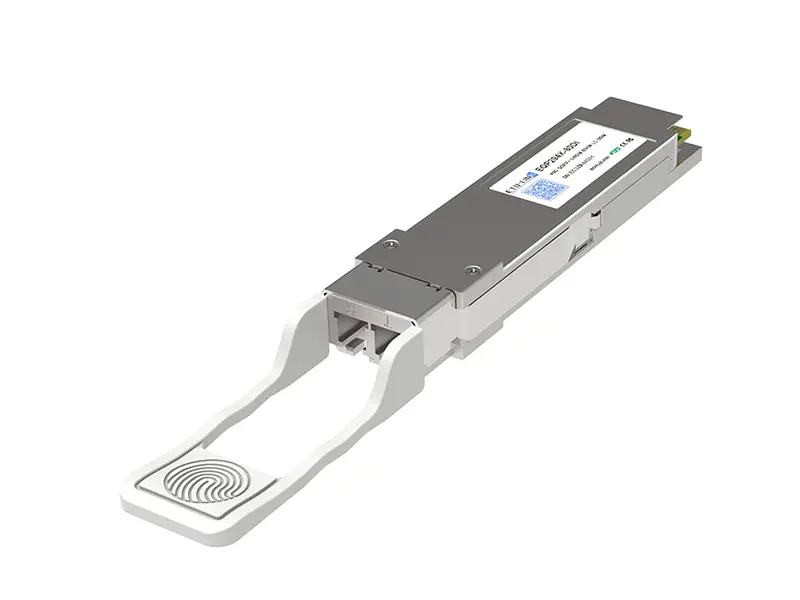 40G
40G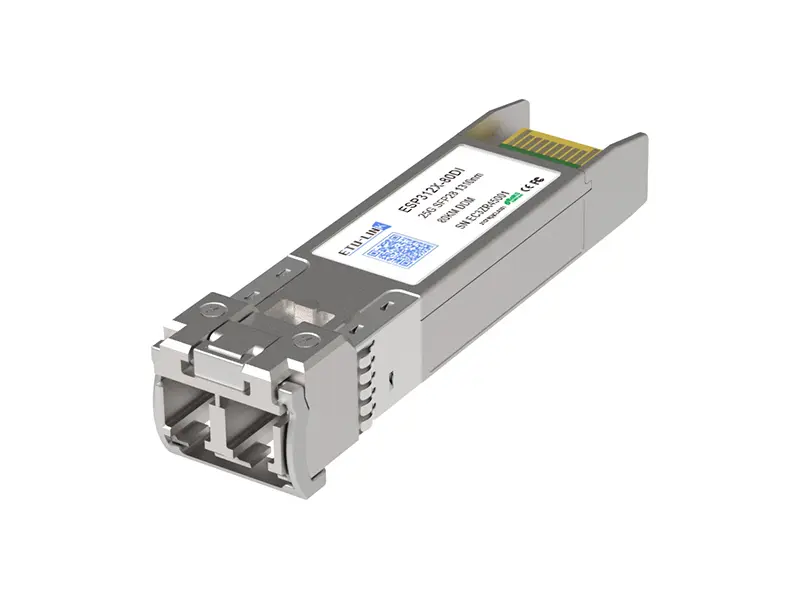 25G
25G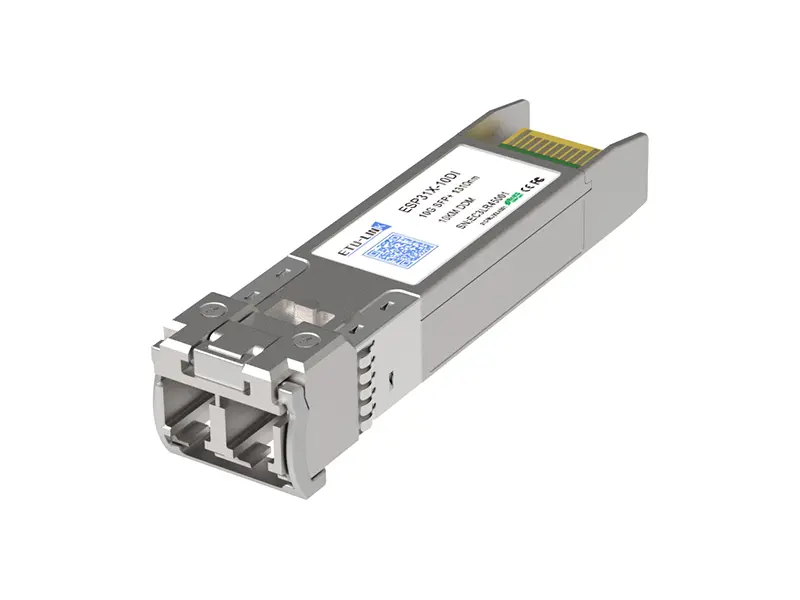 10G
10G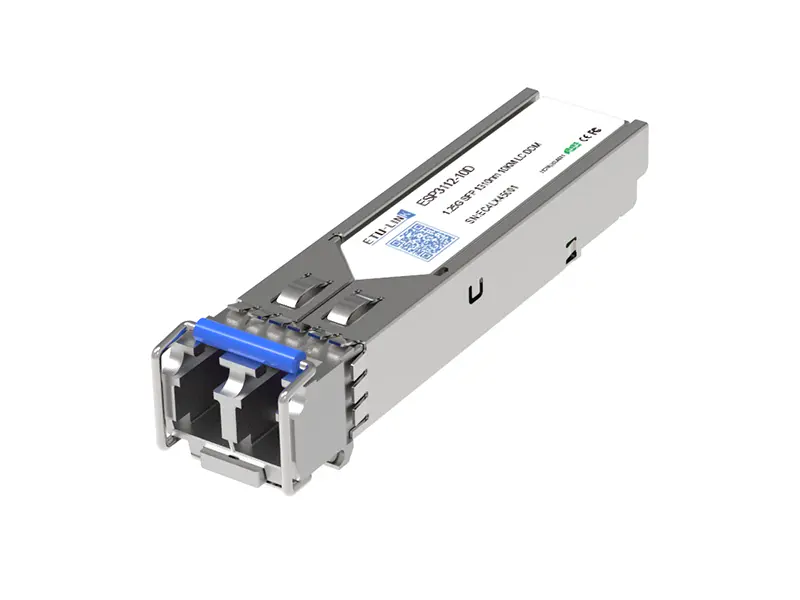 1G
1G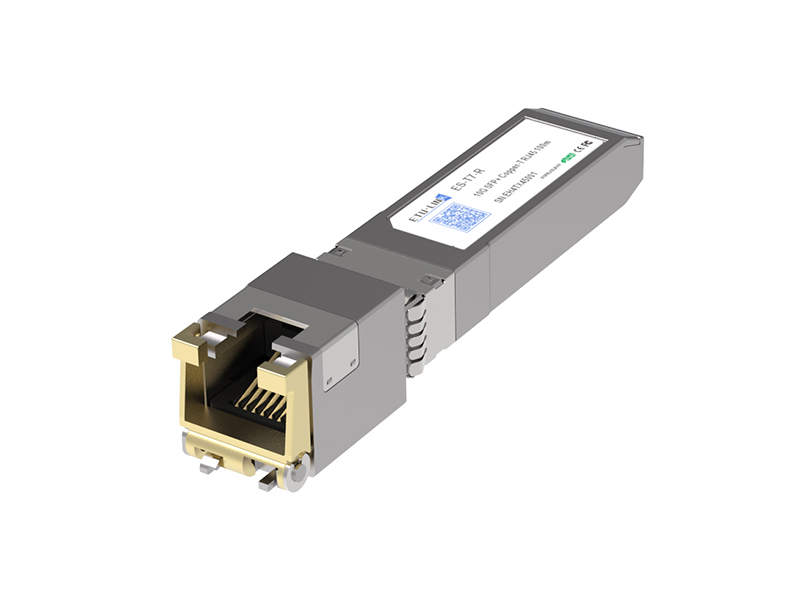 COPPER-T
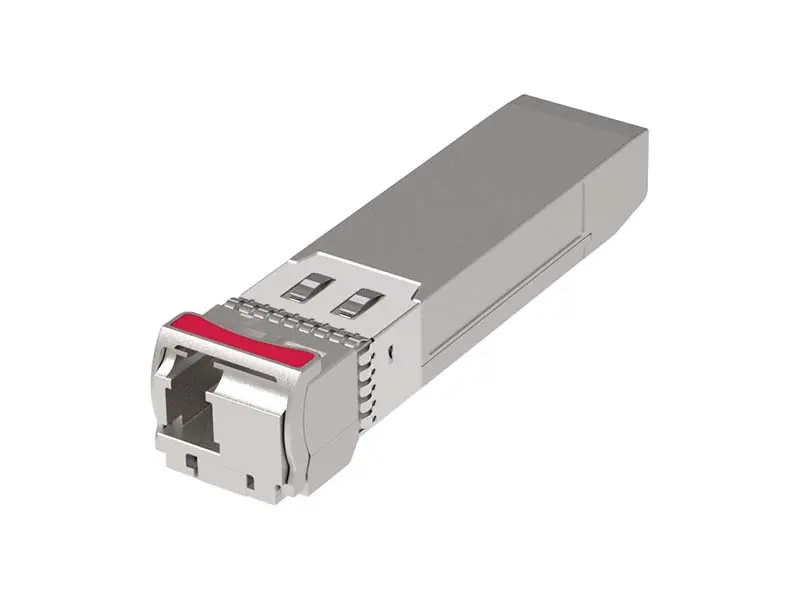 Other
Other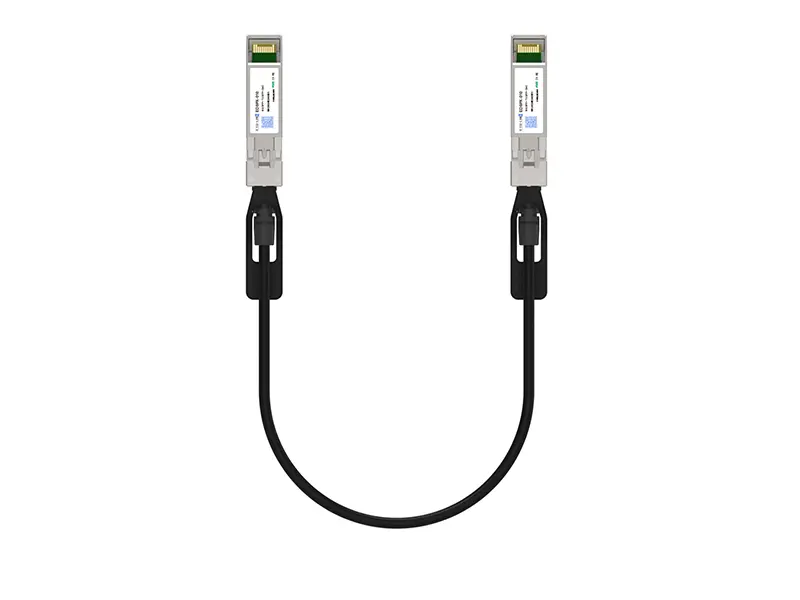 10G SFP+ DAC
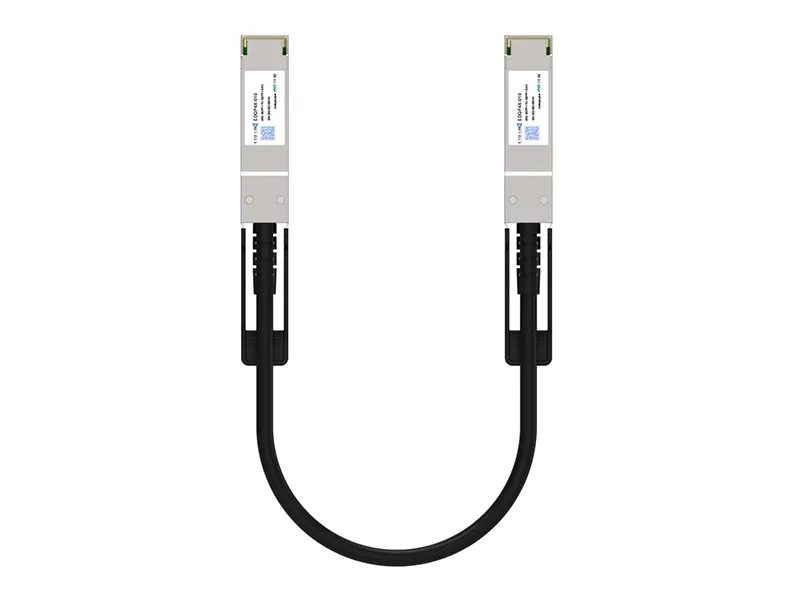 40G QSFP+ DAC
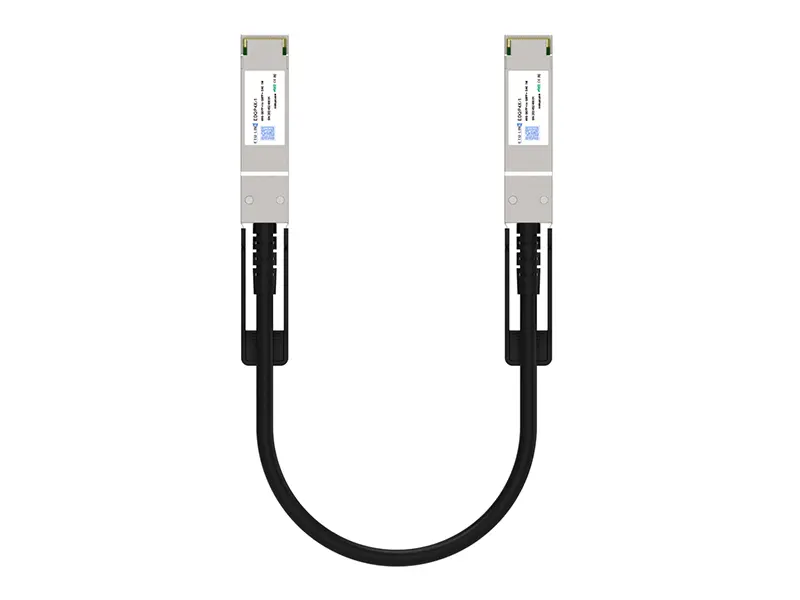 56G QSFP+ DAC
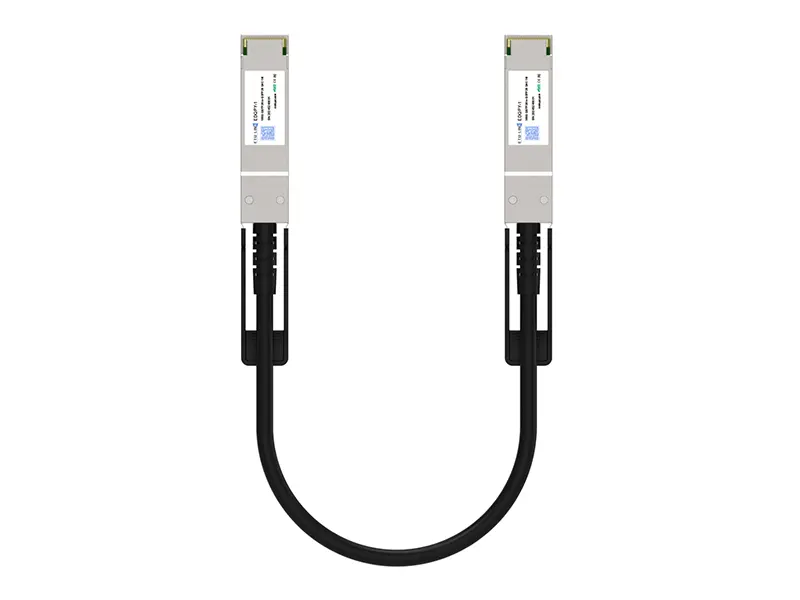 100G QSFP28 DAC
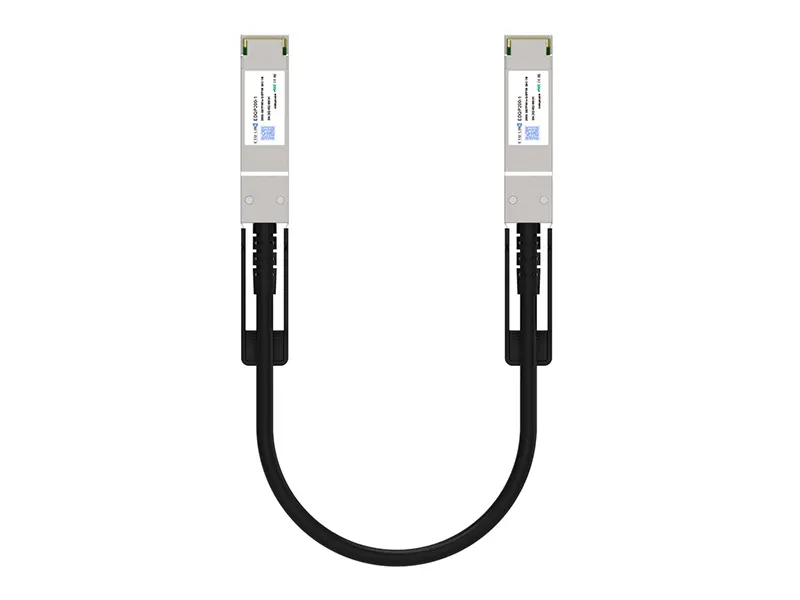 200G QSFP56 DD DAC
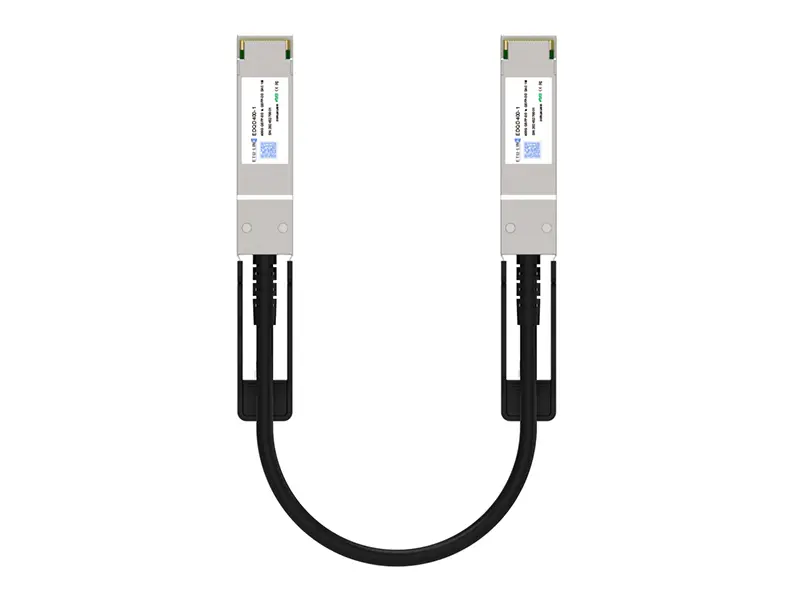 400G QSFP DD DAC
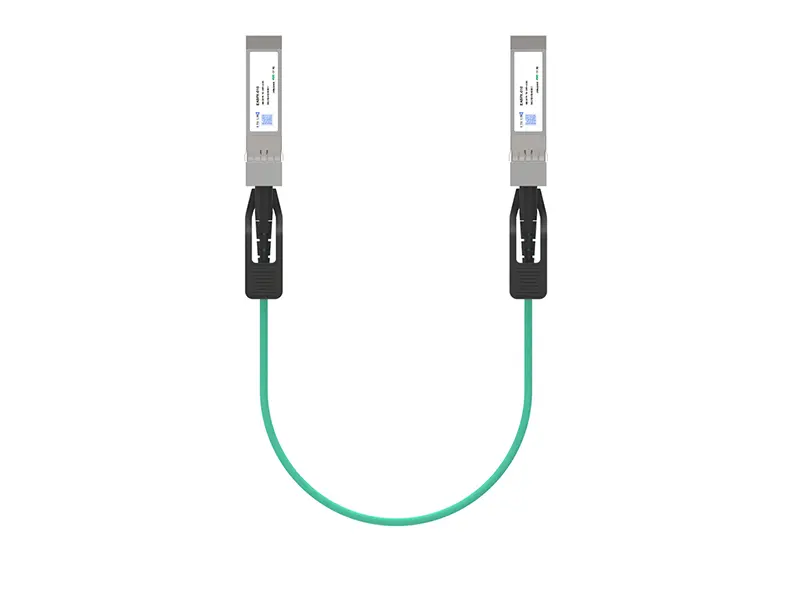 10G SFP+ AOC
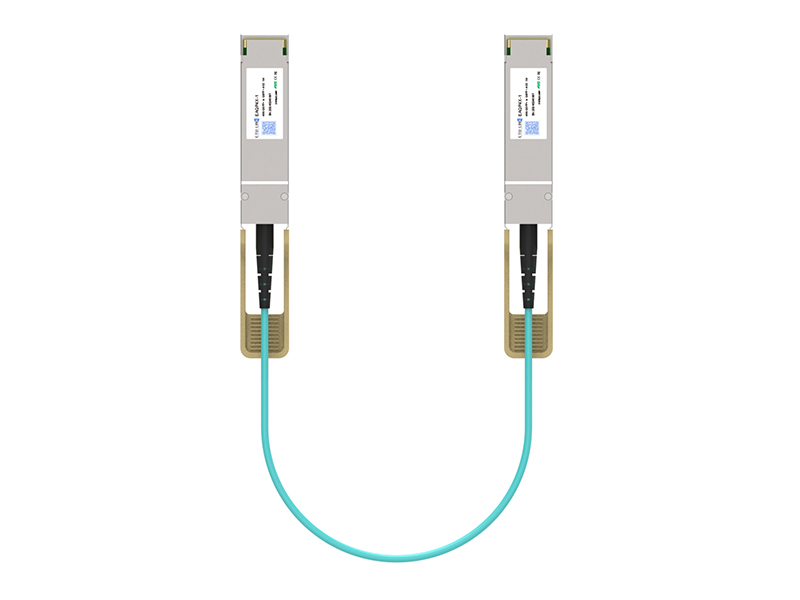 40G QSFP+ AOC
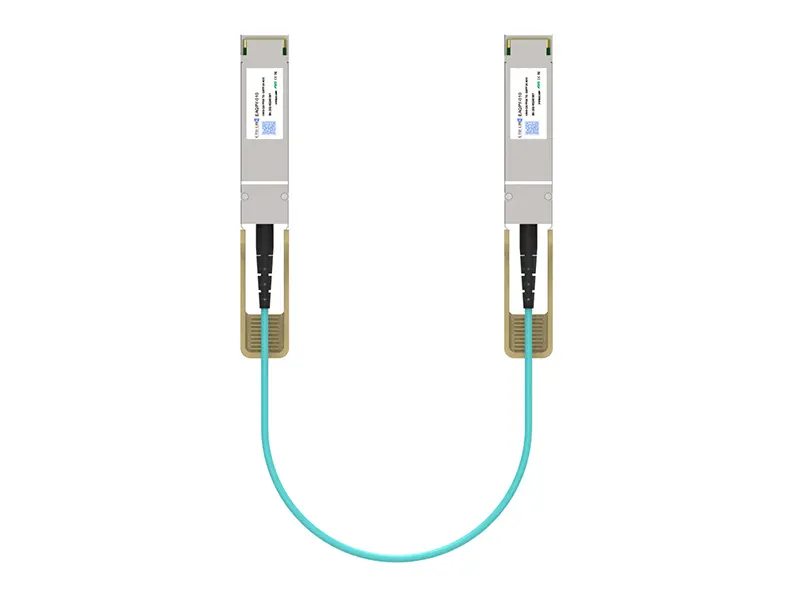 100G QSFP28 AOC
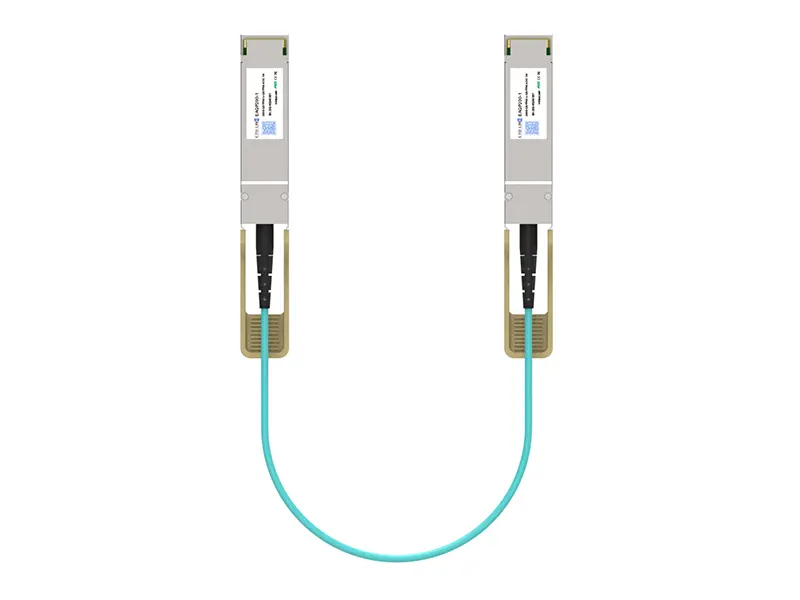 200G QSFP56 AOC
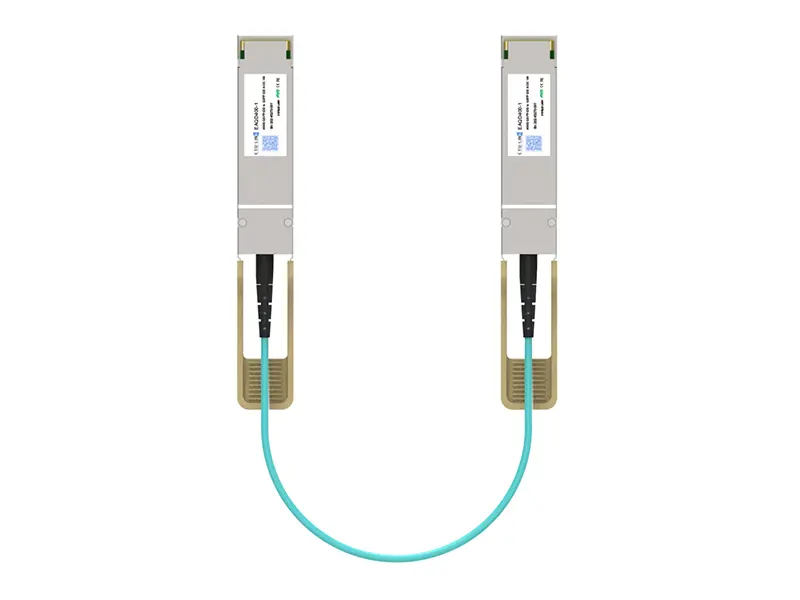 400G QSFP-DD AOC
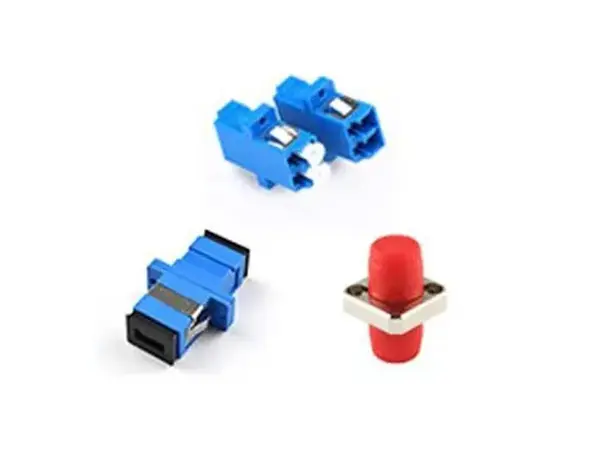 Adapter Details
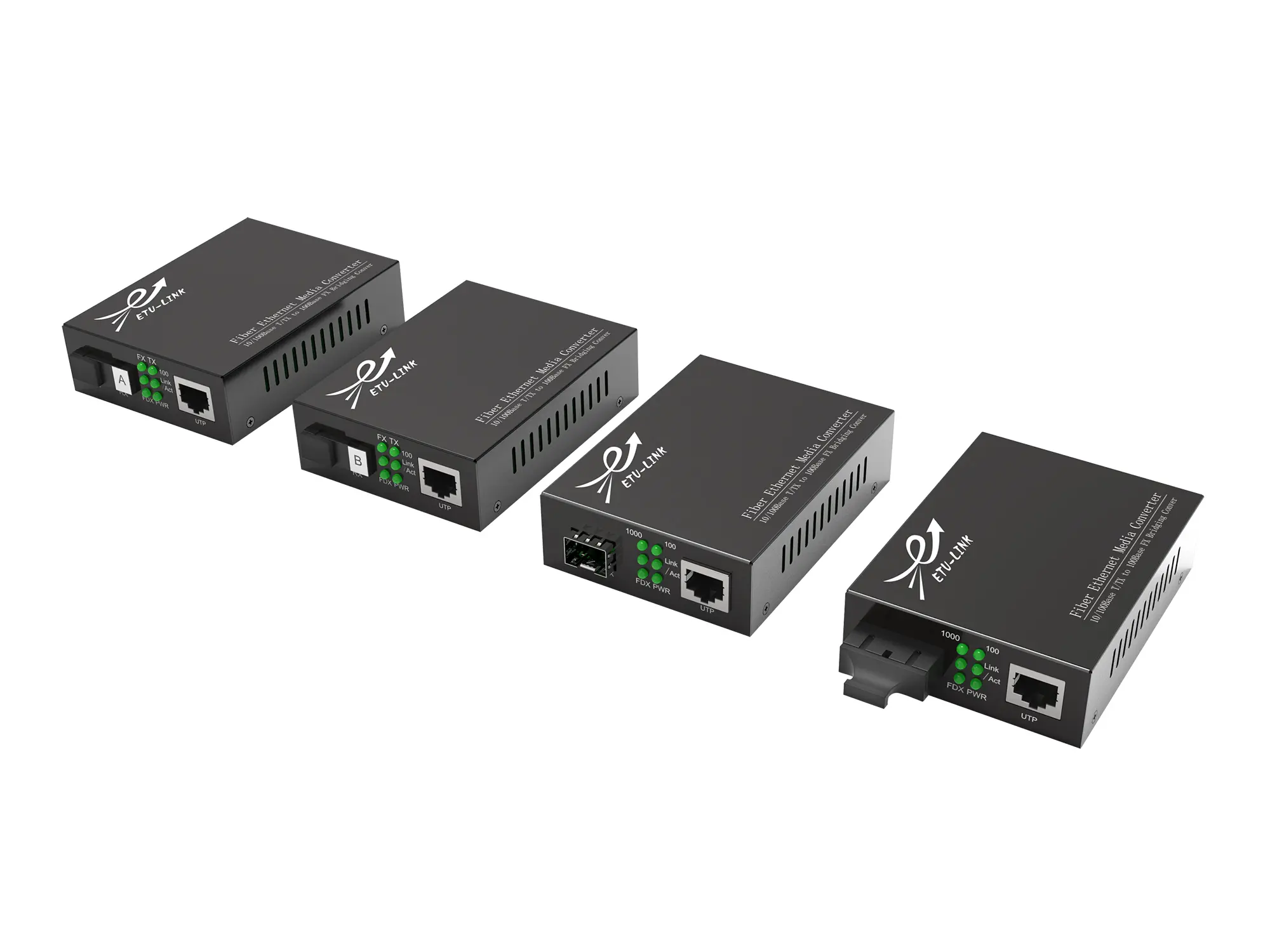 Media Converter