Best Cisco DWDM SFP+ Modules for High Speed Connectivity?
In the era of high-speed connectivity, the choice of network modules can make a significant difference. Cisco DWDM SFP+ modules stand out due to their ability to transmit data over long distances with exceptional reliability. These modules enable service providers and enterprises to expand their network capacity efficiently.
One key advantage of Cisco DWDM SFP+ is their compatibility with various Cisco platforms, making integration seamless and cost-effective. Users often report improved performance and reduced latency when implementing these modules. However, selecting the right model can be challenging, given the wide range of options available.
It's essential to consider specific needs and deployment environments. Not all Cisco DWDM SFP+ modules are created equal. Each offers unique specifications and features, which can lead to confusion during selection. Reflecting on past choices may help in making a more informed decision moving forward. Understanding the strengths and limitations of each module is crucial for optimizing network performance.

Top Features of Cisco DWDM SFP+ Modules for Enhanced Connectivity
DWDM SFP+ modules are essential for high-speed connectivity. They improve the performance of networks significantly. With their ability to transmit multiple data streams, they enhance bandwidth efficiency. These modules can handle up to 100 Gbps, providing a solid infrastructure for demanding applications.
One attractive feature of these modules is their compact design. They fit easily into existing systems, making upgrades simpler. Additionally, these modules have the ability to operate over long distances. This reduces the need for multiple hardware components. However, managing temperature fluctuations remains a challenge.
Overheating can lead to performance issues and system instability.
Compatibility is another key consideration. Not all SFP+ modules work seamlessly with every system. Users often face difficulties confirming compatibility. This can lead to unexpected downtime. Despite these complexities, the benefits of high-speed connectivity remain clear.
Organizations must evaluate their specific needs carefully. The right DWDM SFP+ module brings high performance and reliability to modern networks.
Understanding the Role of DWDM Technology in High-Speed Networks
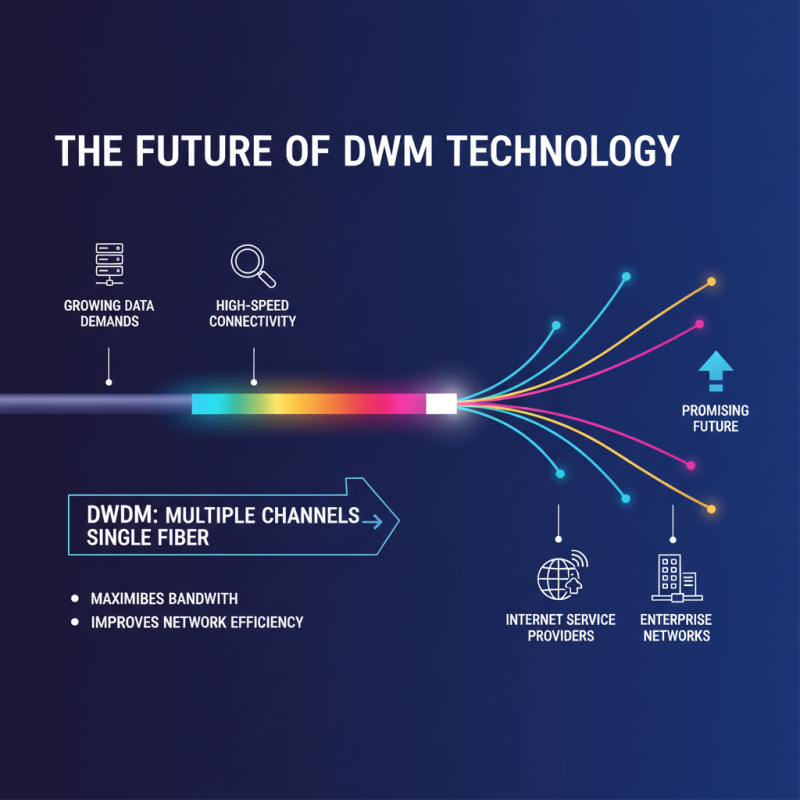
Dense Wavelength Division Multiplexing (DWDM) technology plays a crucial role in high-speed networks. It allows for multiple data streams to travel simultaneously over a single optical fiber. This capability significantly enhances bandwidth without needing additional fiber infrastructure. An increasing number of service providers rely on this technology to meet growing data demands.
High-speed connectivity is no longer a luxury. It’s essential for businesses and service providers. DWDM can support data rates exceeding 100 Gbps per channel. This is vital as data centers expand and cloud services grow. However, the implementation of DWDM systems can be challenging. Proper alignment and configuration are key to achieving optimal performance. Many organizations overlook these technical details, leading to underperformance.
Network reliability is another concern. DWDM systems require precise monitoring and maintenance. Inconsistent performance can arise from aging equipment or environmental factors. Regular assessments are crucial to ensure systems adapt to evolving uses. Organizations must invest in both technology and training. Awareness of both challenges and solutions can guide better decision-making in deploying DWDM solutions.
Comparative Analysis of Cisco DWDM SFP+ Modules and Alternatives
In the rapidly evolving world of network connectivity, the choice of DWDM SFP+ modules can significantly impact performance. Current market reports indicate that network traffic is expected to grow by 25% annually. As more data is transmitted, selecting the right module becomes critical for high-speed connectivity. Some modules support data rates up to 100 Gbps. But they may not always deliver consistent performance under high loads.
When comparing Cisco DWDM SFP+ modules with alternatives, one must consider factors like compatibility, cost, and performance metrics. Data shows that while some alternatives offer lower prices, they may lack the same reliability. In a study by a leading tech firm, nearly 30% of these alternatives showed higher packet loss rates. This could lead to outages, which can impact business operations.
Quality should not be compromised for cost. Examining compatibility with existing infrastructure is essential. Not all modules work seamlessly with current systems. Users may experience challenges, and not every vendor provides robust support. Investing in a well-reviewed module could yield significant long-term benefits.
Performance Comparison of DWDM SFP+ Modules
Key Performance Metrics for Selecting DWDM SFP+ Modules
Selecting the right DWDM SFP+ modules can significantly impact network performance. Key performance metrics are essential in this decision-making process. The modulation format is critical. Research indicates that advanced formats, like QPSK, improve spectral efficiency and enhance capacity. Standard SFP+ modules often fall short in high-demand environments. These newer formats, combined with coherent detection technologies, allow for higher data rates over longer distances.
Another important metric is sensitivity. Higher sensitivity translates into better performance in challenging conditions. Reports from industry analysts suggest that modules with a sensitivity of -30 dBm enable reliable communication over multiple network layers. However, not all modules meet this critical threshold. Delving into temperature ranges is also wise. Extreme temperatures can impact module reliability. Regularly, manufacturers fail to test their products in varied conditions, leading to potential failures.
Finally, consider interoperability. Modules should work seamlessly across different environments. A lack of compliance with standards can lead to integration issues. Incompatibility between different vendors' equipment can slow down network speeds. Some users overlook this aspect. They prioritize price over functionality. This often results in delays and increased costs. Thus, balancing performance metrics with practical needs is vital for optimizing high-speed connectivity.

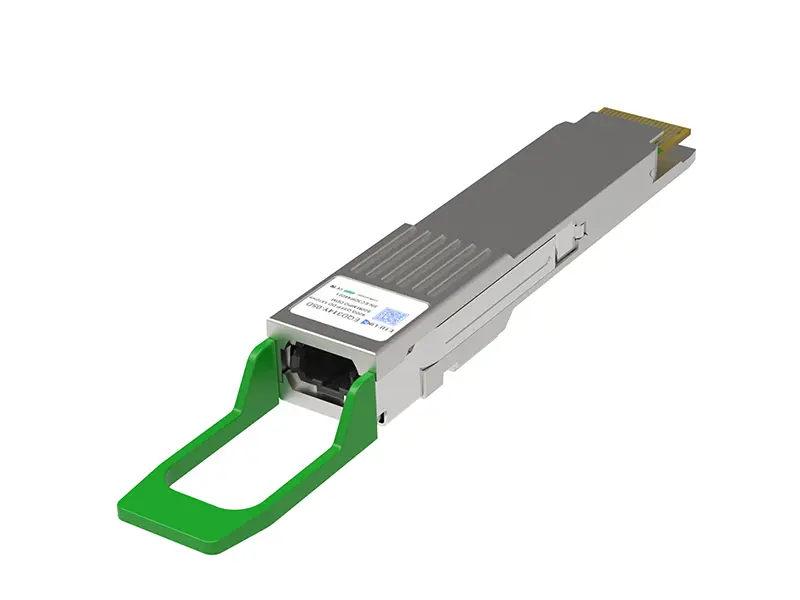 400G
400G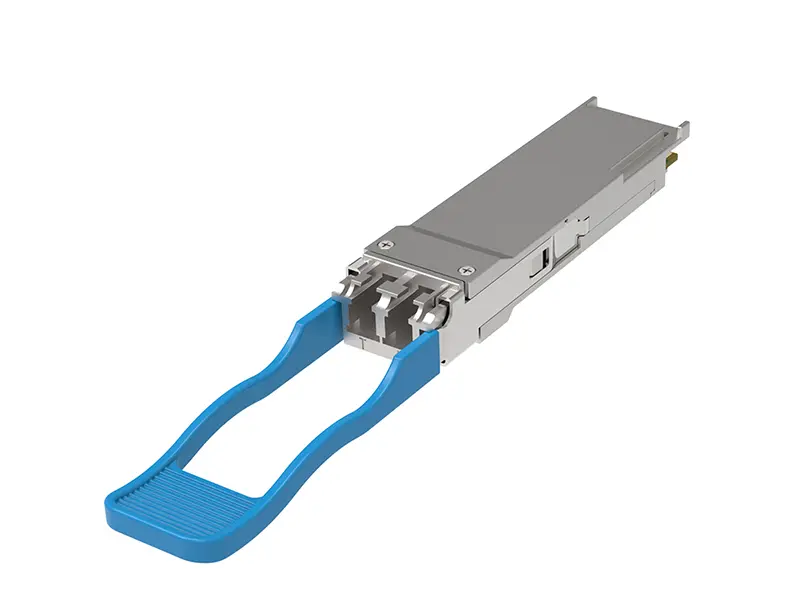 200G
200G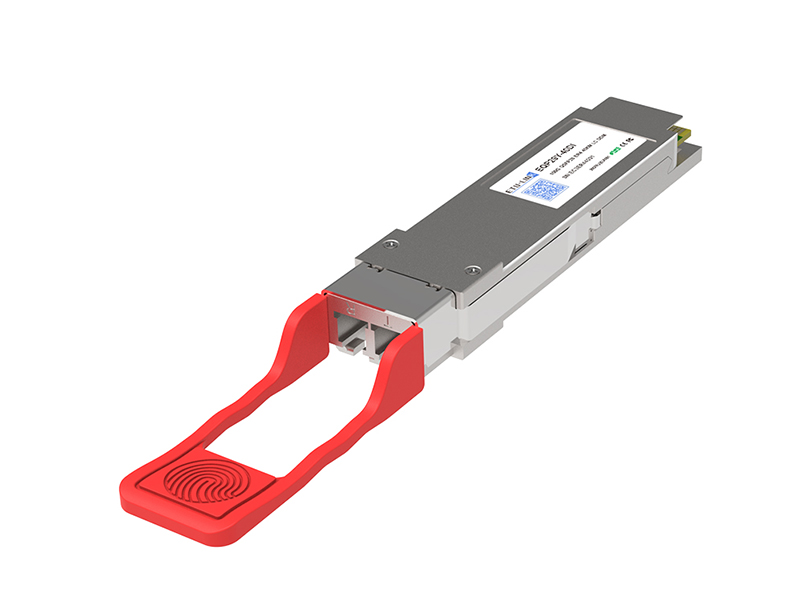 100G
100G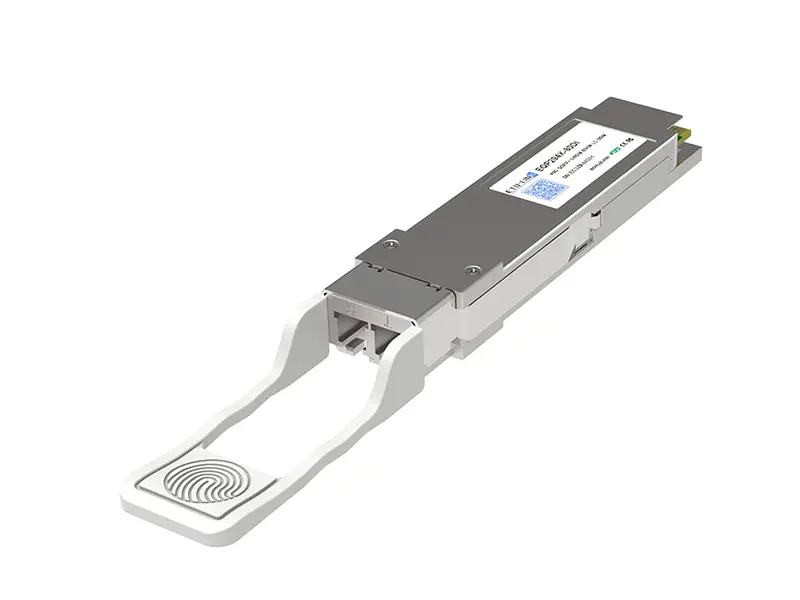 40G
40G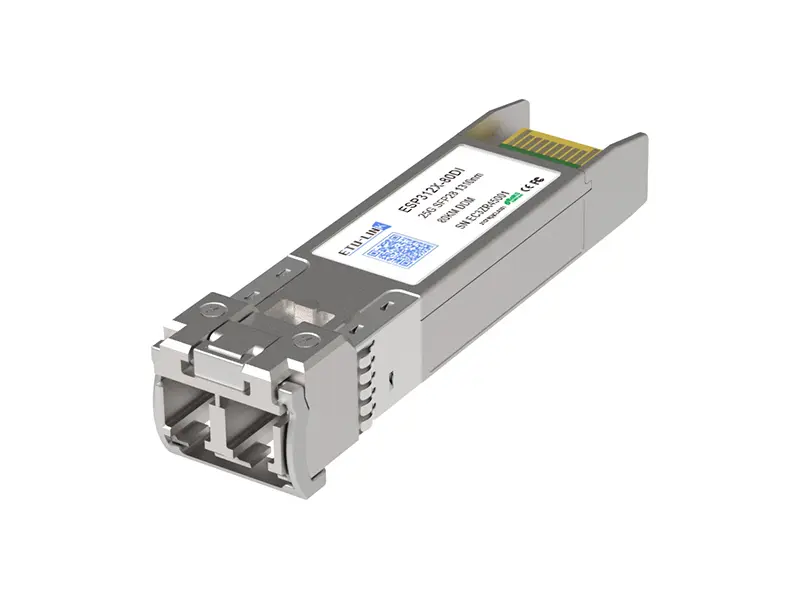 25G
25G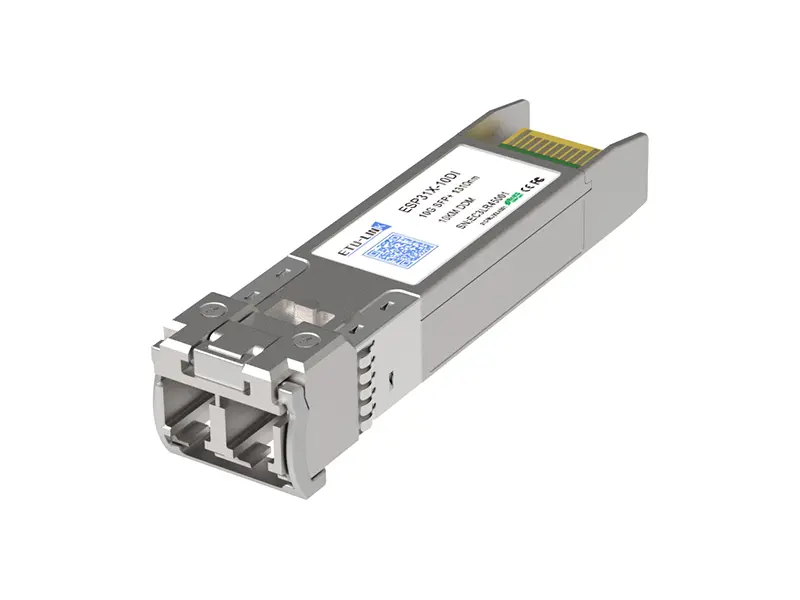 10G
10G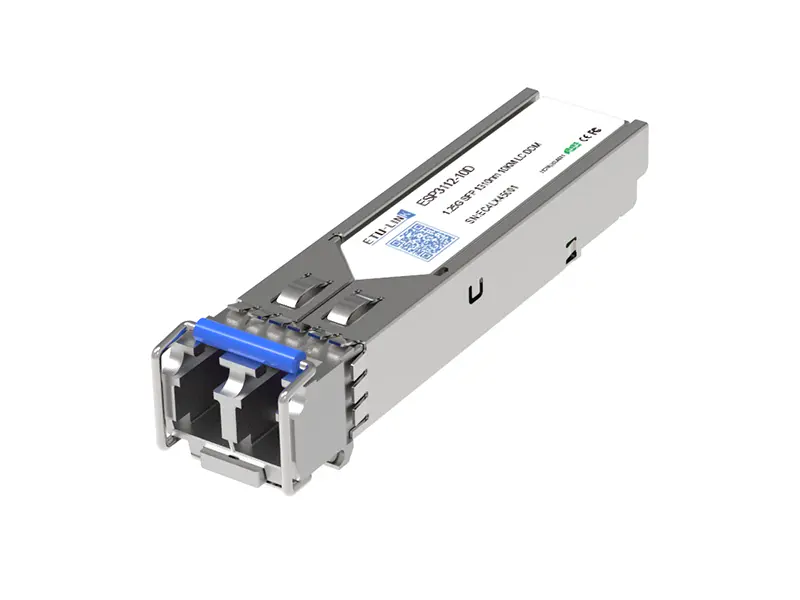 1G
1G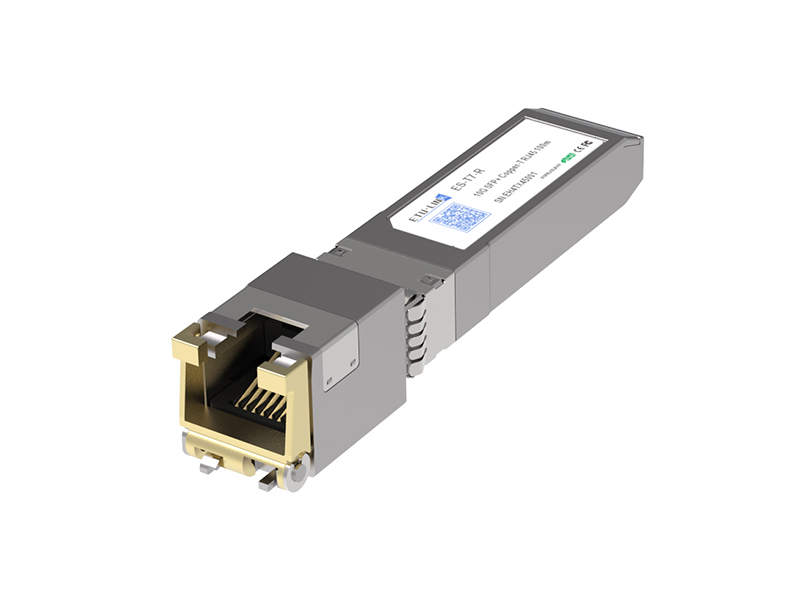 COPPER-T
 Other
Other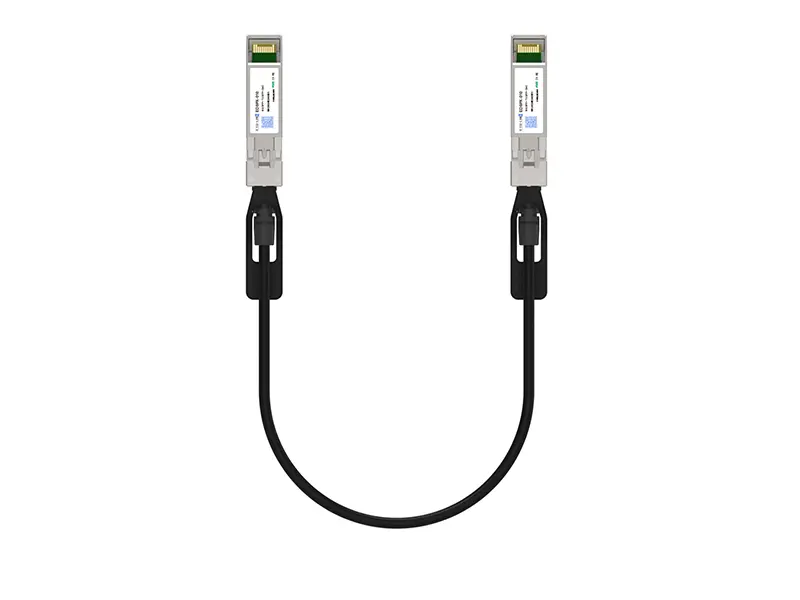 10G SFP+ DAC
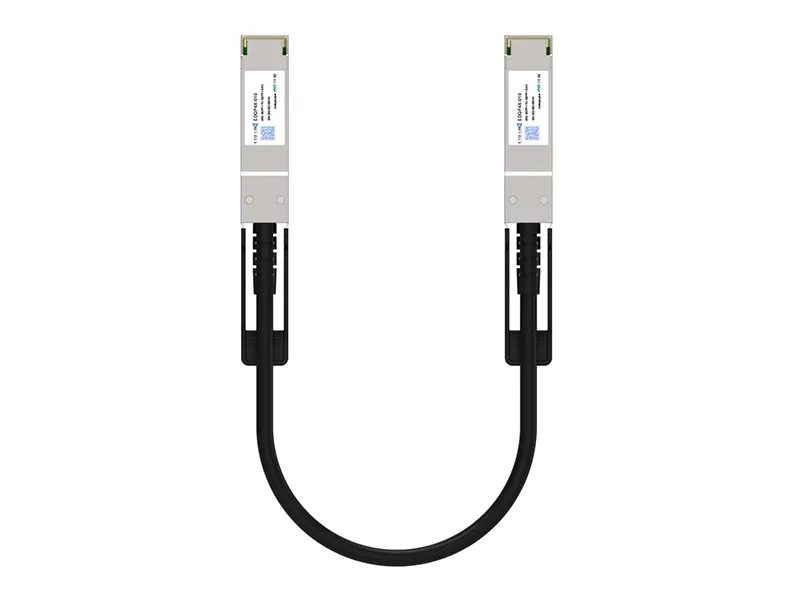 40G QSFP+ DAC
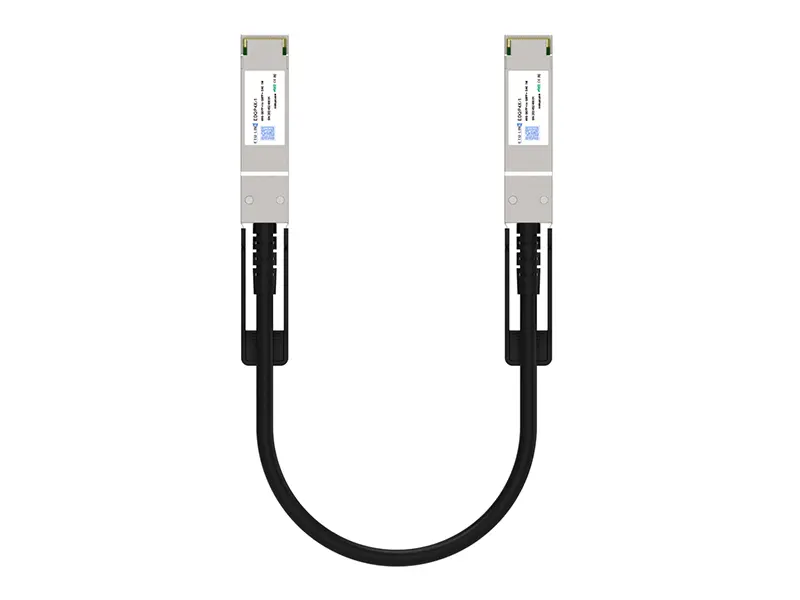 56G QSFP+ DAC
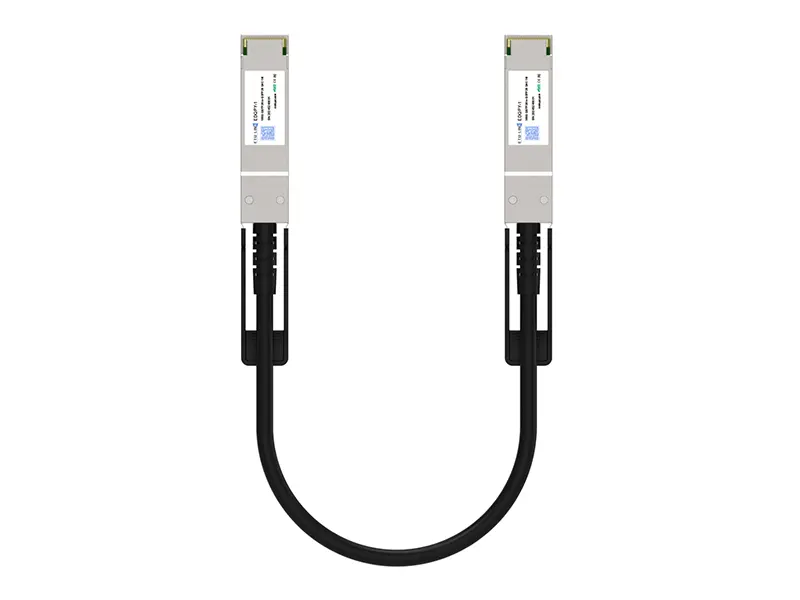 100G QSFP28 DAC
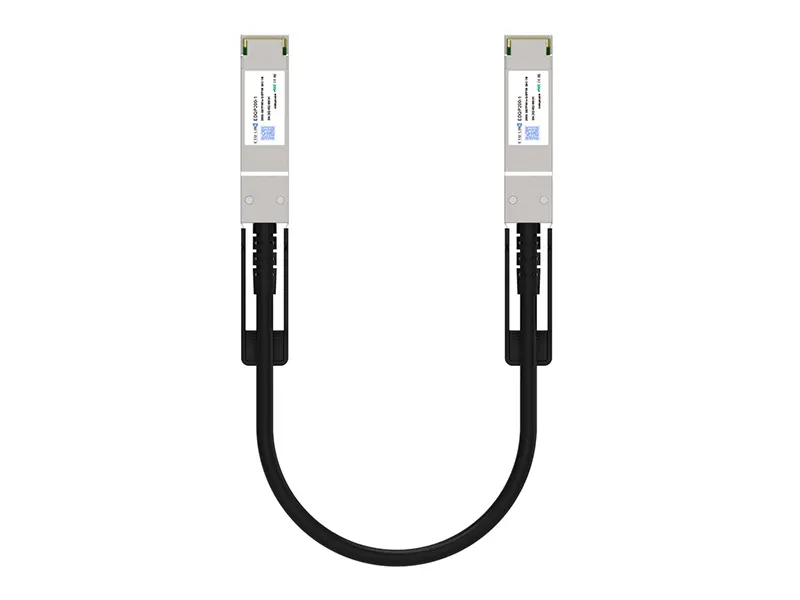 200G QSFP56 DD DAC
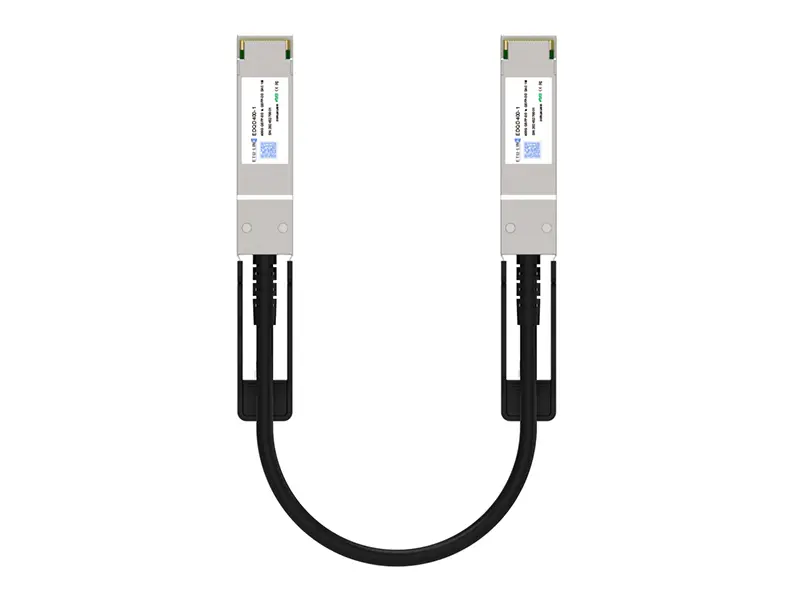 400G QSFP DD DAC
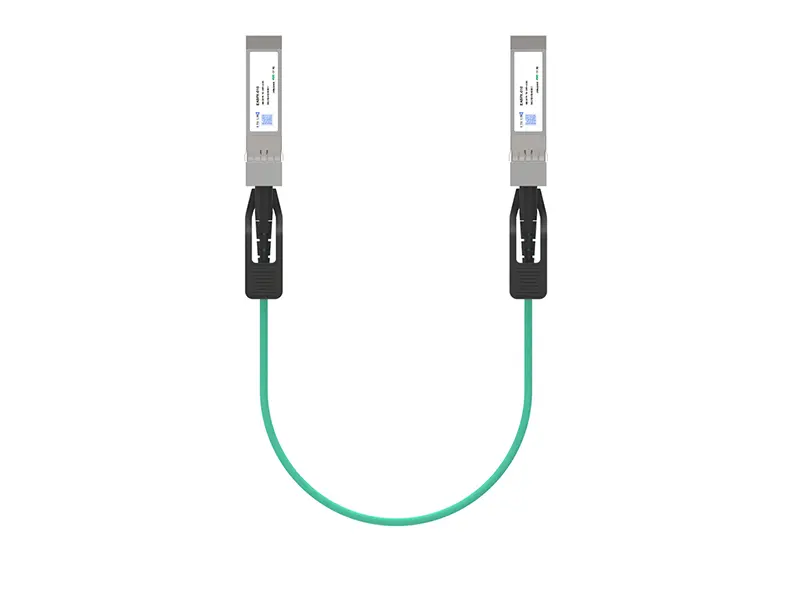 10G SFP+ AOC
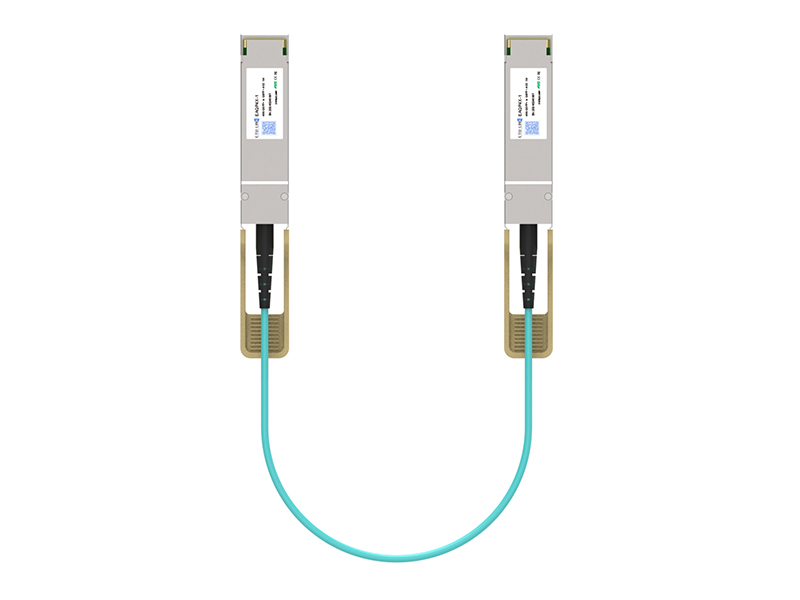 40G QSFP+ AOC
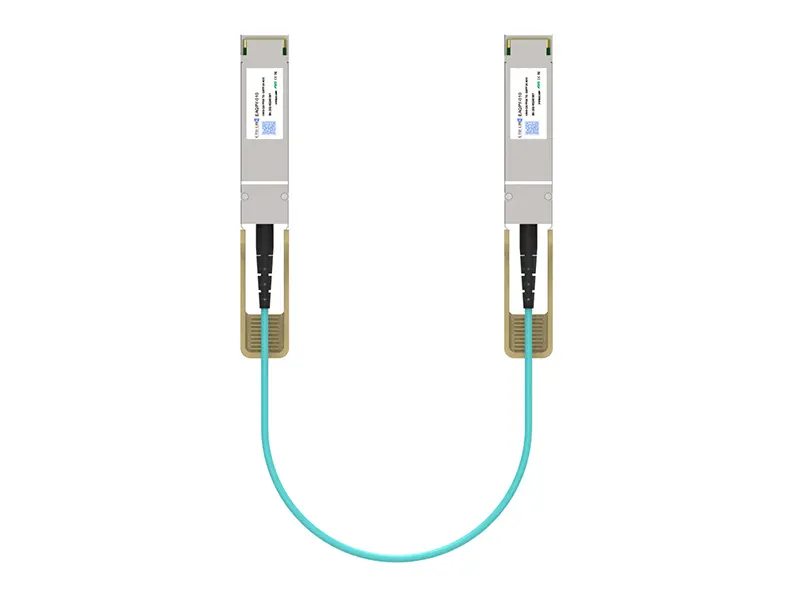 100G QSFP28 AOC
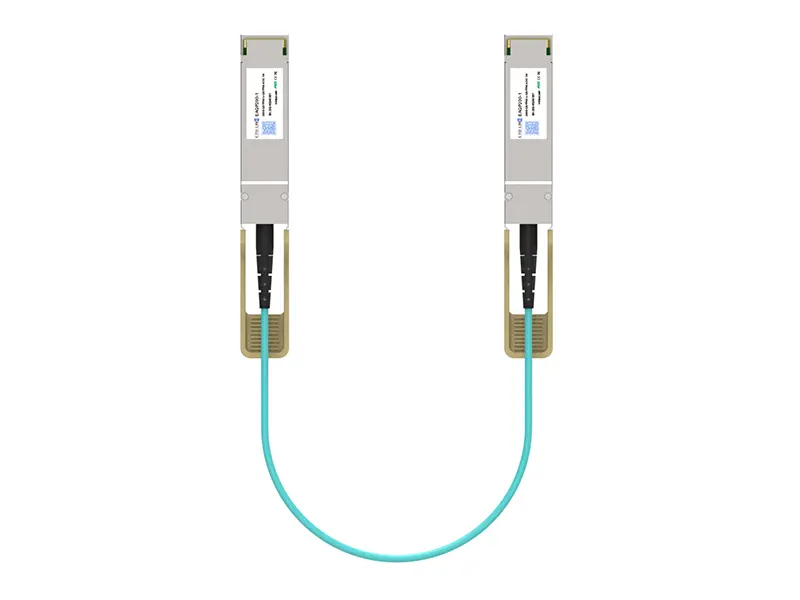 200G QSFP56 AOC
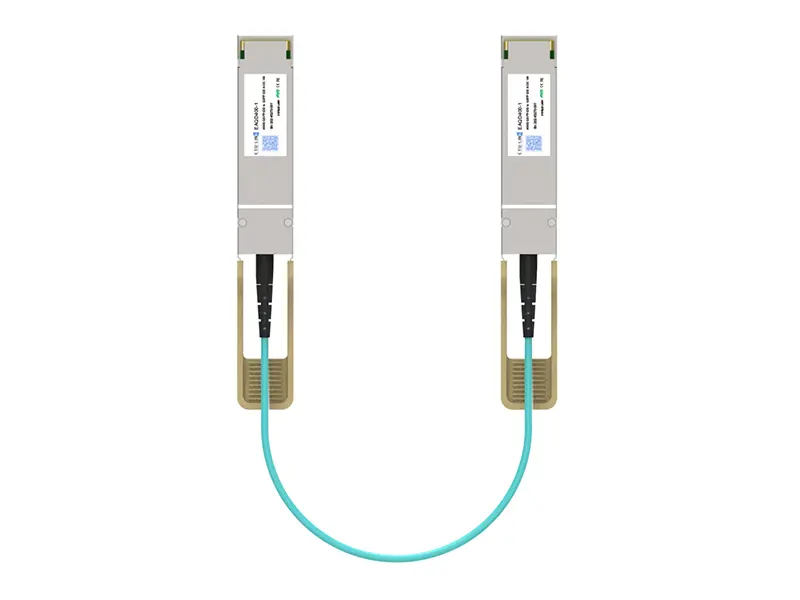 400G QSFP-DD AOC
 Adapter Details
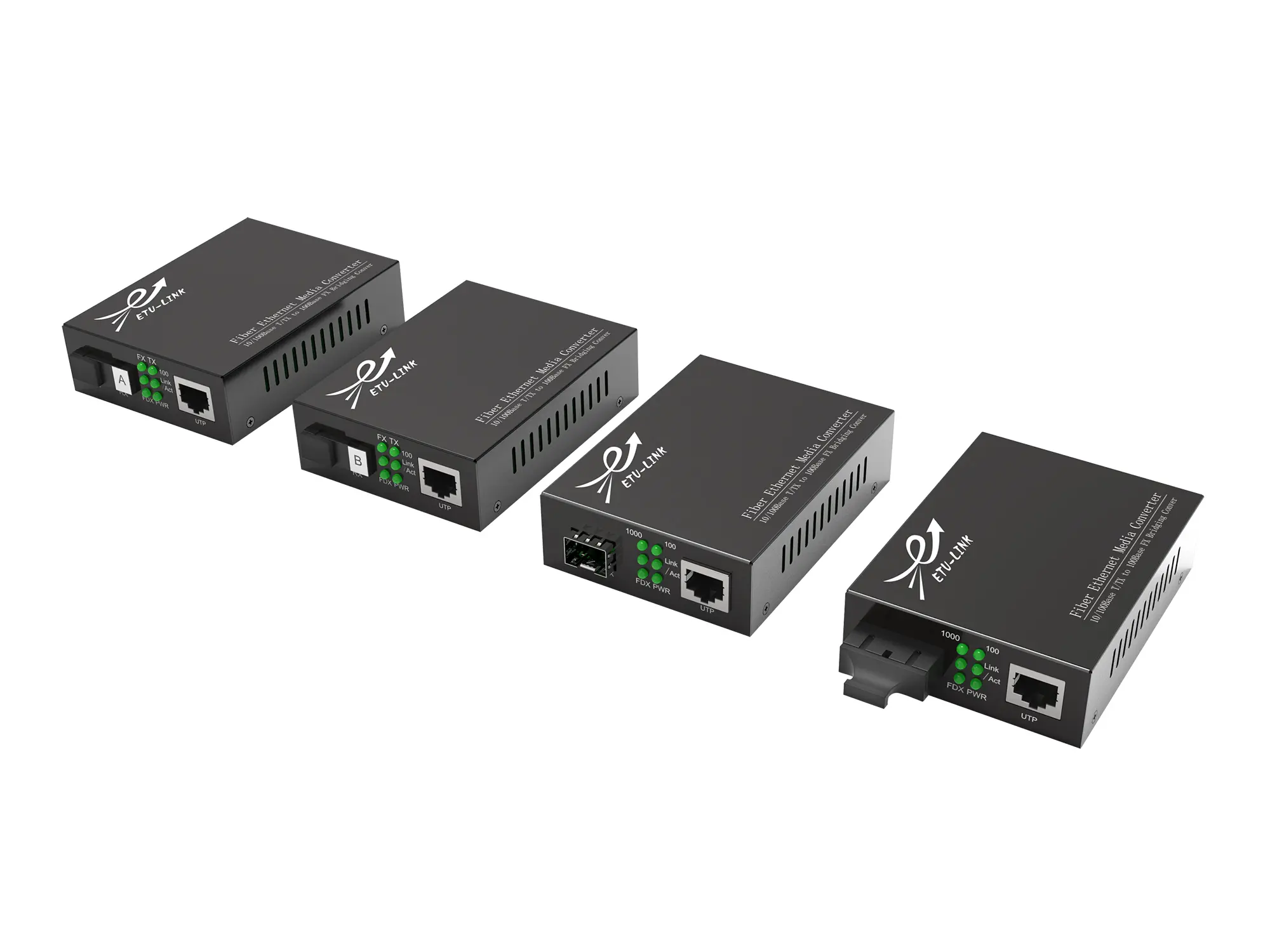 Media Converter