Top 10 Benefits of 25G SFP28 Active Optical Cable?
In today's high-speed networking environment, the demand for efficient data transmission is at an all-time high. According to a recent report by Dell'Oro Group, the growth of data center traffic is projected to increase by over 30% annually. This surge emphasizes the importance of reliable and fast connectivity solutions. The 25G SFP28 Active Optical Cable stands out as an essential tool for meeting these demands.
The 25G SFP28 Active Optical Cable offers numerous benefits that enhance network performance. It provides high bandwidth, making it an ideal choice for data centers requiring rapid data transmission. With a reach of up to 300 meters, this cable ensures robust connectivity between devices, facilitating seamless communication. Its lightweight design and flexibility streamline installation and maintenance while reducing clutter.
Despite its advantages, there remains a need for critical assessment. The cost of deploying 25G SFP28 Active Optical Cables can be significant. Organizations must weigh these expenses against the benefits of enhanced performance. Also, compatibility with existing equipment can pose challenges. Therefore, thorough evaluation before implementation is essential.
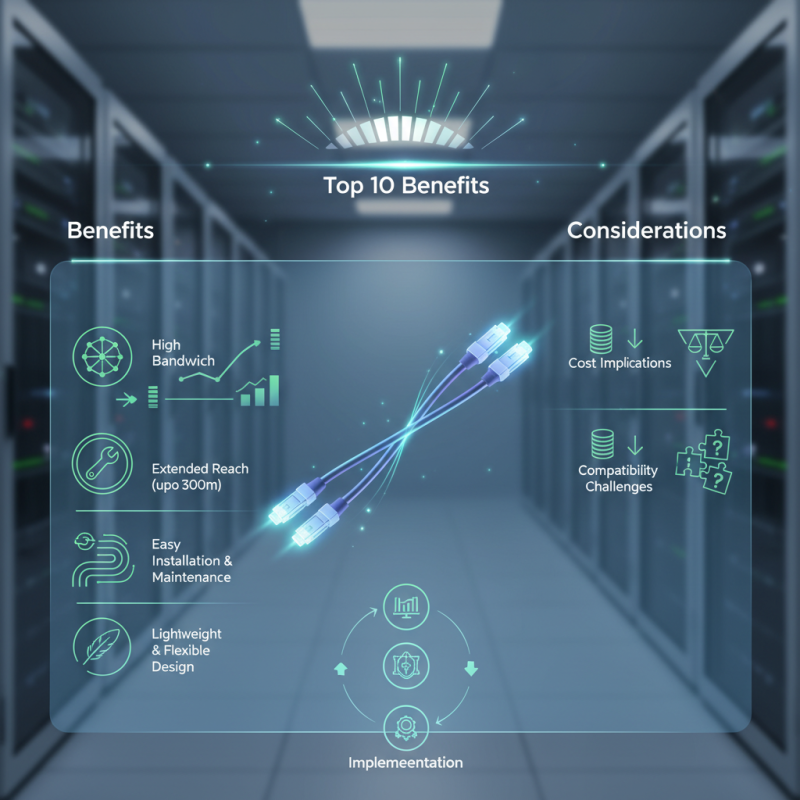
Overview of 25G SFP28 Active Optical Cables and Their Functionality
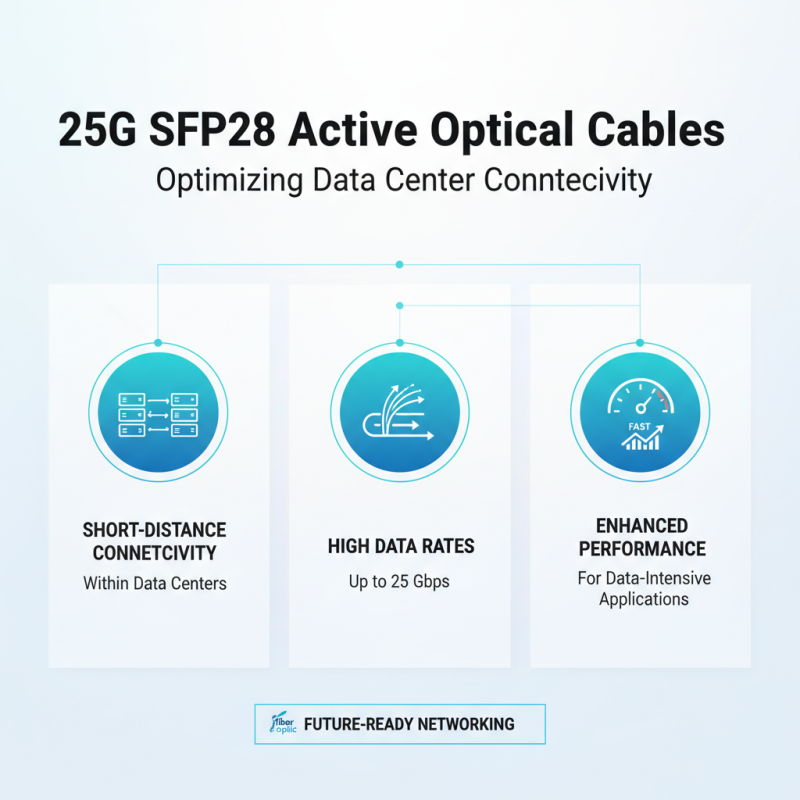
25G SFP28 Active Optical Cables are gaining popularity in networking. They help connect devices over short distances, usually within data centers. These cables offer high data rates, up to 25 Gbps. This translates to better performance for data-intensive applications.
The functionality of these cables lies in their design. They combine fiber optics with integrated transceivers. This design makes them lightweight and flexible. Installation becomes easier, especially in tight spaces. There’s a lower risk of signal loss. This is crucial for maintaining speed and reliability in communication.
Tips: Always check compatibility before purchase. Not all systems support 25G SFP28. Consider future needs as well.
Another thing to keep in mind is cable lengths. Shorter cables often perform better. However, longer distances can lead to decreased performance. Make sure to test cables in your environment. Monitor signal integrity frequently. Balancing length and performance is key.
Enhanced Data Transmission Speeds with 25G SFP28 Cables
The 25G SFP28 active optical cable stands out for its remarkable data transmission speeds. With the capability of achieving up to 25 Gbps, these cables significantly enhance bandwidth efficiency. Such speeds are vital for applications like data centers, high-performance computing, and cloud-based systems. According to a report from the Optical Fiber Communication Conference, the demand for higher speeds has doubled over the past few years.
Tips: Ensure compatibility between your network equipment and 25G SFP28 cables. Not all devices support this advanced technology.
Increased data speed is not without challenges. For instance, transitioning from older technologies can lead to sporadic performance issues. Organizations may need to retrain staff or invest in new infrastructure. Network operators should conduct comprehensive assessments before upgrading. The cost-benefit analysis is crucial in this phase.
Tips: Monitor your network performance before and after implementing new cables. This will help identify potential bottlenecks.
25G SFP28 cables provide low latency, essential for real-time applications. These cables can reduce signal delay, enhancing user experience. However, installing these cables does require proper planning and knowledge. Ensure cable management practices are up to date. Regular audits can prevent future issues.
Cost-Effectiveness of Implementing 25G SFP28 Active Optical Solutions
The implementation of 25G SFP28 Active Optical Cables (AOCs) brings notable cost-effectiveness for data centers. One industry report noted that infrastructure costs can drop by up to 30% when transitioning from traditional copper solutions. This is largely due to reduced power consumption and lower cooling requirements. AOCs utilize less energy compared to copper, which can lead to significant savings over time.
Maintenance costs also decrease with 25G AOCs. The durability of optical cables means fewer replacements are needed. A report from a leading research organization suggests that organizations could save nearly 15% annually on maintenance. Additionally, these cables simplify installation due to their lightweight nature and flexibility. This ease of deployment translates to lower labor costs in setting up networks.
However, challenges exist. While AOCs provide cost benefits, their initial investment can be a barrier. Some companies may hesitate to shift from established systems. Moreover, the technology requires training for staff. This can lead to unexpected expenses in the transition phase. Thus, while the long-term savings are compelling, initial costs and staff readiness are critical to consider.
Improved Energy Efficiency in Data Centers Using 25G SFP28 Cables
The deployment of 25G SFP28 Active Optical Cables (AOCs) in data centers has transformed energy efficiency. An industry report indicates that these cables can reduce energy consumption by up to 40% compared to older technologies. This is crucial as data centers account for about 2% of the global energy usage, making efficiency improvements vital.
One specific area of impact is cooling requirements. 25G SFP28 AOCs generate less heat. As a result, air conditioning demands decrease. This means lower operating costs and a reduced carbon footprint. However, not every installation benefits equally. Some facilities may still rely on outdated systems, hindering energy savings.
Tips: Always evaluate the compatibility of your existing infrastructure. Upgrading may not yield benefits if not paired with suitable hardware. Regularly monitor energy consumption to quantify savings. Small adjustments can lead to significant improvements over time.
The shift to 25G technology also emphasizes the need for continuous evaluation of infrastructure. As traffic demands increase, some data centers may find themselves under-equipped. Data shows a 25% increase in bandwidth usage year-over-year. Staying ahead means being proactive in assessing energy-efficient technologies. Embracing change is essential; avoiding stagnation can lead to better efficiency and sustainability.
Versatility and Future-Proofing with 25G SFP28 Active Optical Cables
The versatility of 25G SFP28 Active Optical Cables (AOCs) makes them an ideal choice for modern data centers. These cables support high-speed data transmission over longer distances compared to traditional copper cables. Typically, they provide a range of up to 300 meters. This can significantly enhance the flexibility of data center layouts. With an increase in cloud services, demand for high bandwidth is critical.
Reports from industry experts indicate that by 2025, the global demand for 25G connectivity is expected to grow by over 50%. This spike is tied to the need for faster data processing and improved performance in network traffic. In dynamic environments, where data flow is unpredictable, having adaptable solutions is essential. However, transitioning to 25G systems requires careful planning and investment. Many organizations hesitate, worried about compatibility and future-proofing.
The future-proofing aspect of 25G SFP28 AOCs is noteworthy. As businesses evolve, they must be prepared for the next generation of networking technology. These cables are compatible with existing Ethernet standards, easing upgrades for many network infrastructures. Yet, users often overlook the importance of fiber cleanliness during installation. Impurities can degrade performance. This is a common challenge that can be mitigated with careful handling and awareness.
Top 10 Benefits of 25G SFP28 Active Optical Cable
| Benefit |
Description |
| High Bandwidth |
Supports up to 25 Gbps data transfer rates, ideal for high-demand applications. |
| Low Power Consumption |
Designed for energy efficiency which helps in reducing operational costs. |
| Compact Size |
Smaller form factor makes it easier to deploy in space-constrained environments. |
| Scalability |
Easily scalable to meet future bandwidth needs without complete infrastructure overhauls. |
| Durability |
Robust design ensures longevity and reliability in various environments. |
| Compatibility |
Works seamlessly with existing network equipment supporting SFP28 interfaces. |
| Enhanced Signal Integrity |
Reduces data loss and improves performance with advanced optical technology. |
| Flexibility |
Can be used in various applications, including data centers and enterprise networks. |
| Cost-Effective |
Offers a cost-effective solution for high-speed connectivity needs. |
| Future-Proofing |
Ready for upcoming advancements in data rates and networking technologies. |

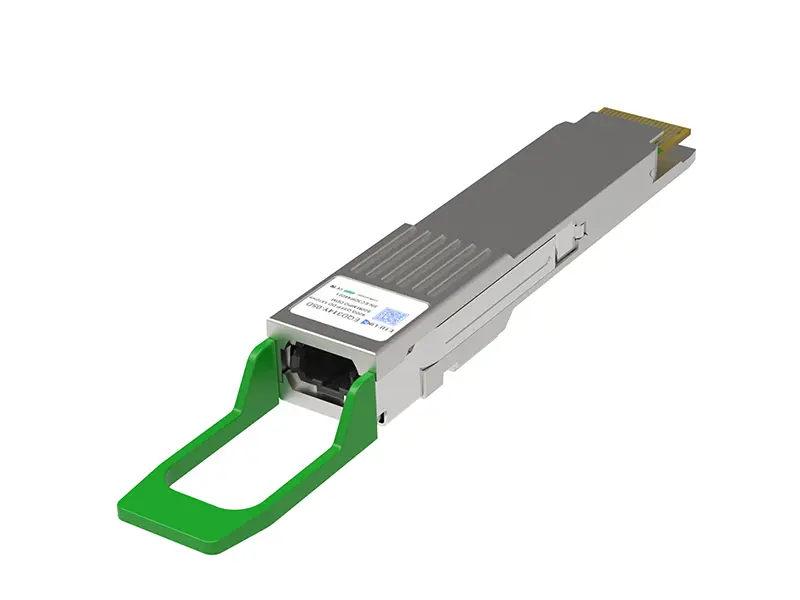 400G
400G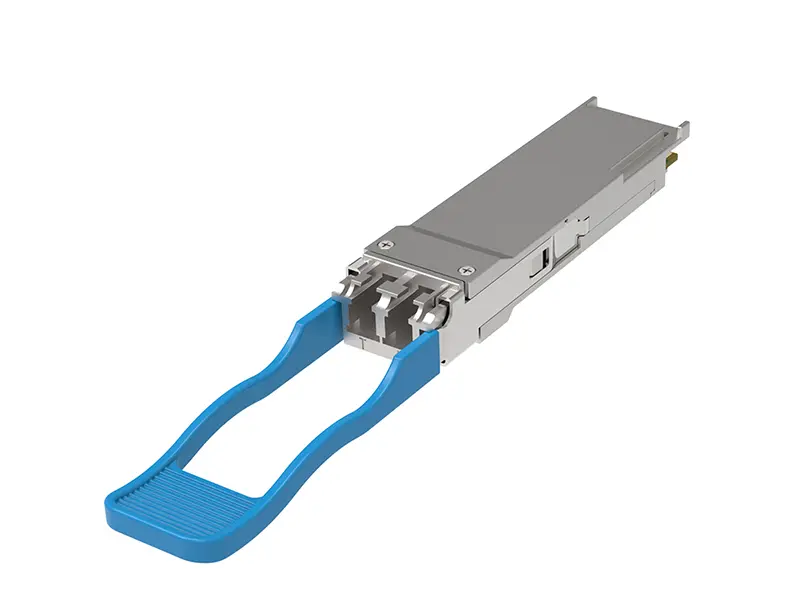 200G
200G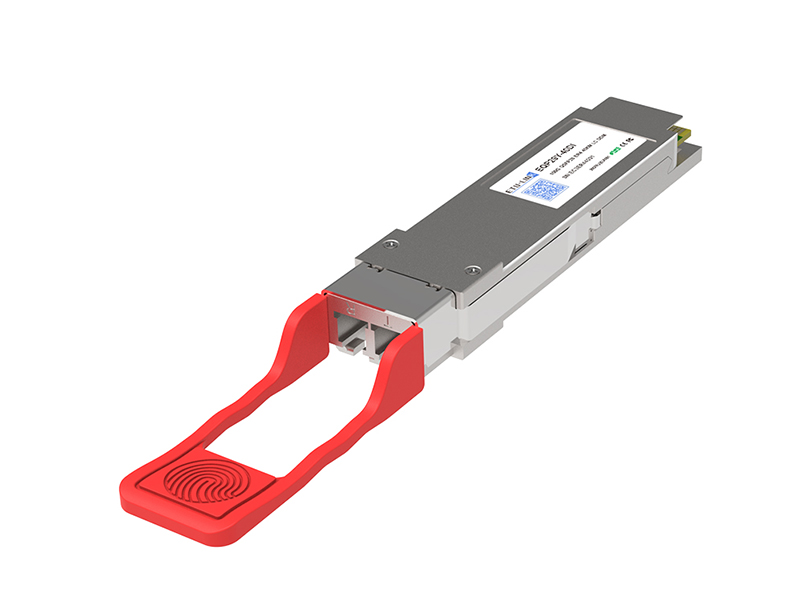 100G
100G 40G
40G 25G
25G 10G
10G 1G
1G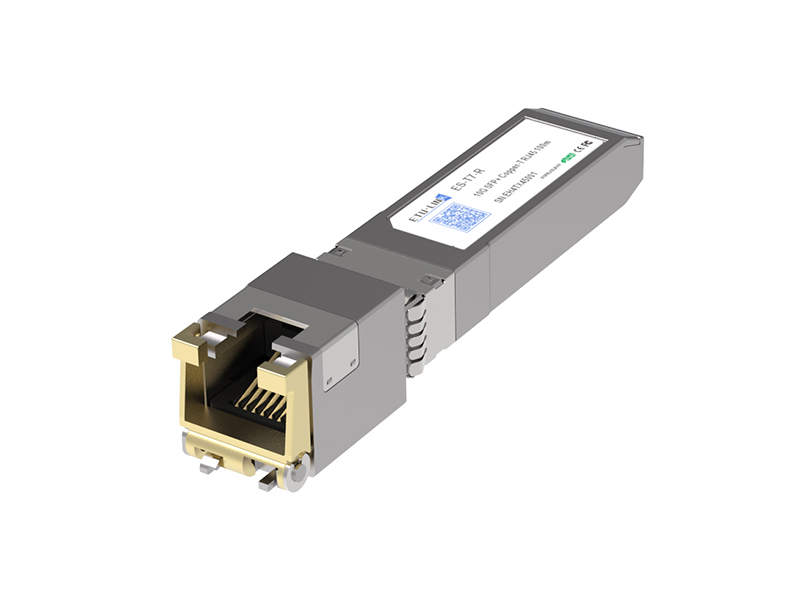 COPPER-T
 Other
Other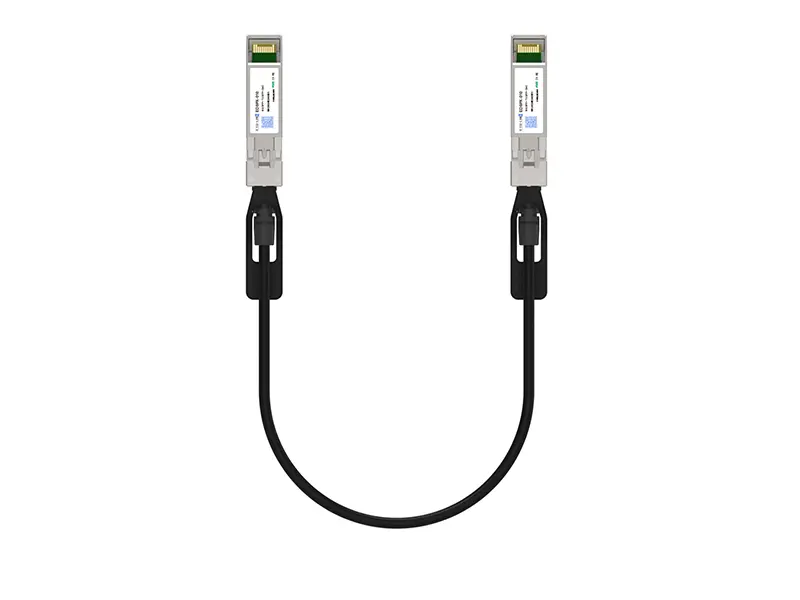 10G SFP+ DAC
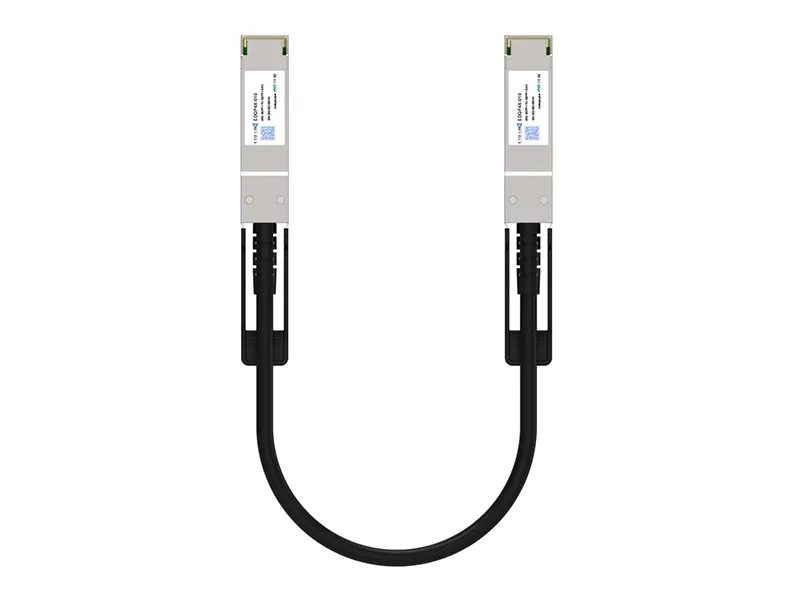 40G QSFP+ DAC
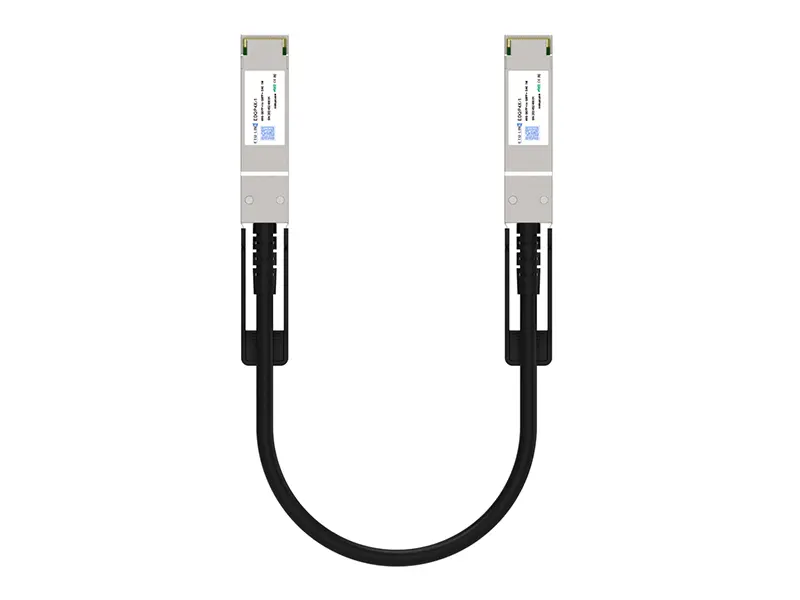 56G QSFP+ DAC
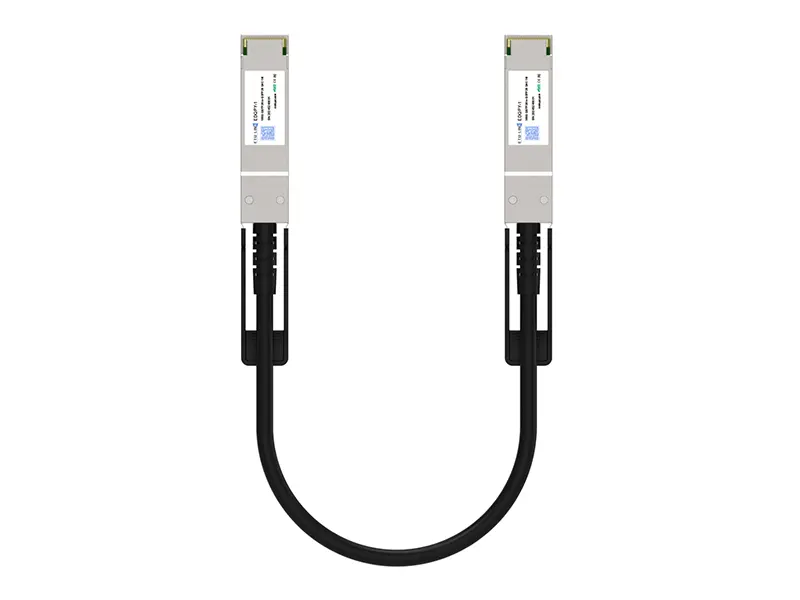 100G QSFP28 DAC
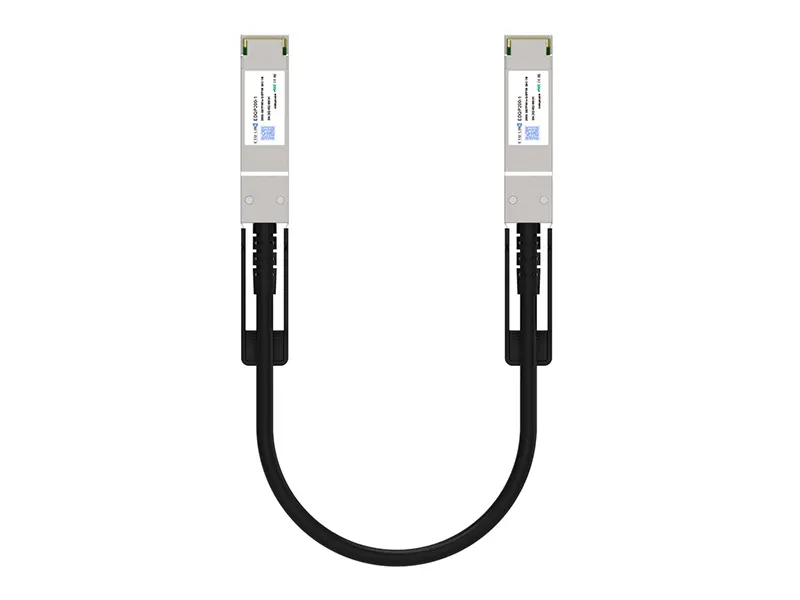 200G QSFP56 DD DAC
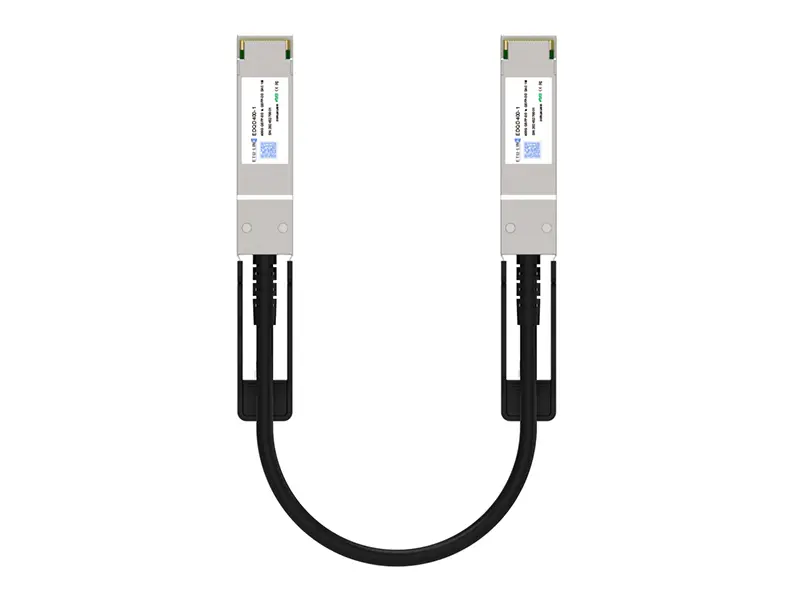 400G QSFP DD DAC
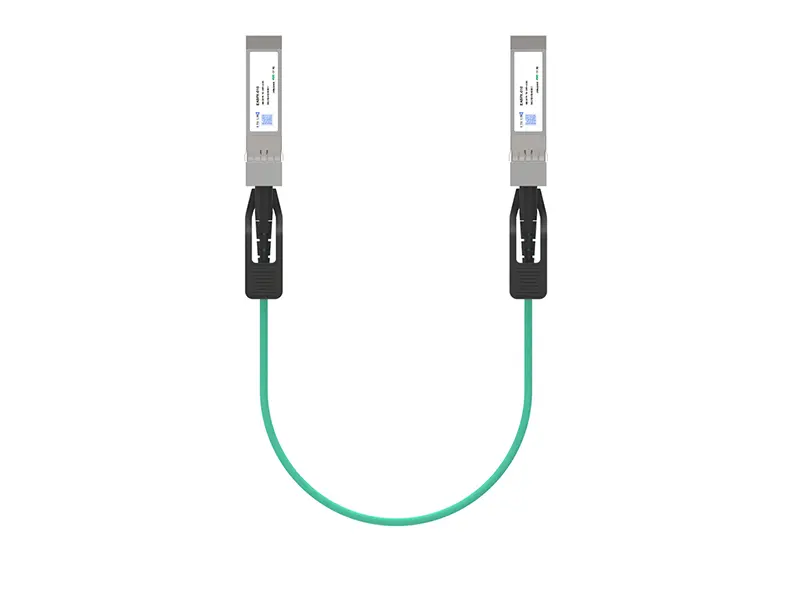 10G SFP+ AOC
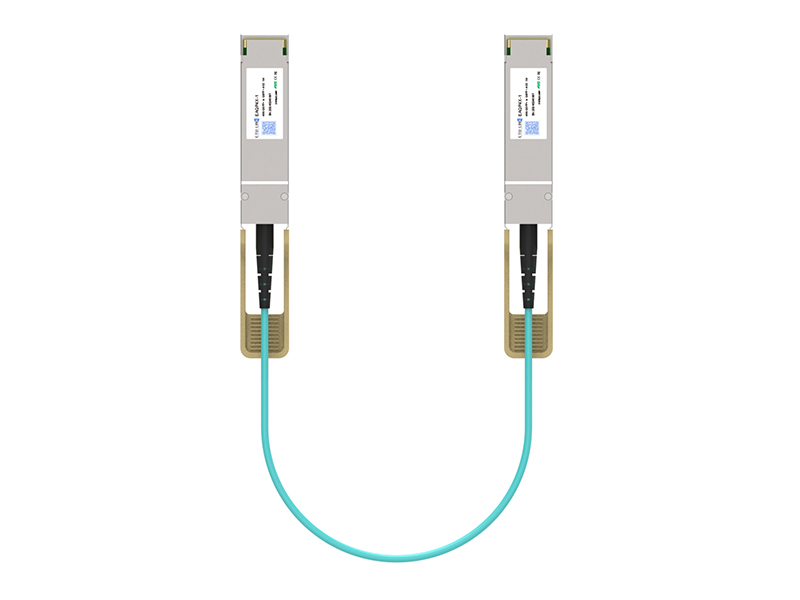 40G QSFP+ AOC
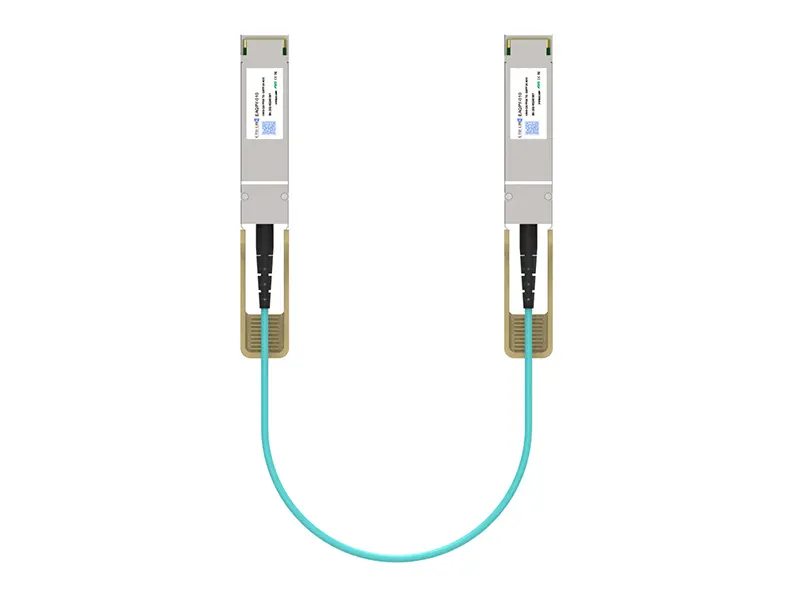 100G QSFP28 AOC
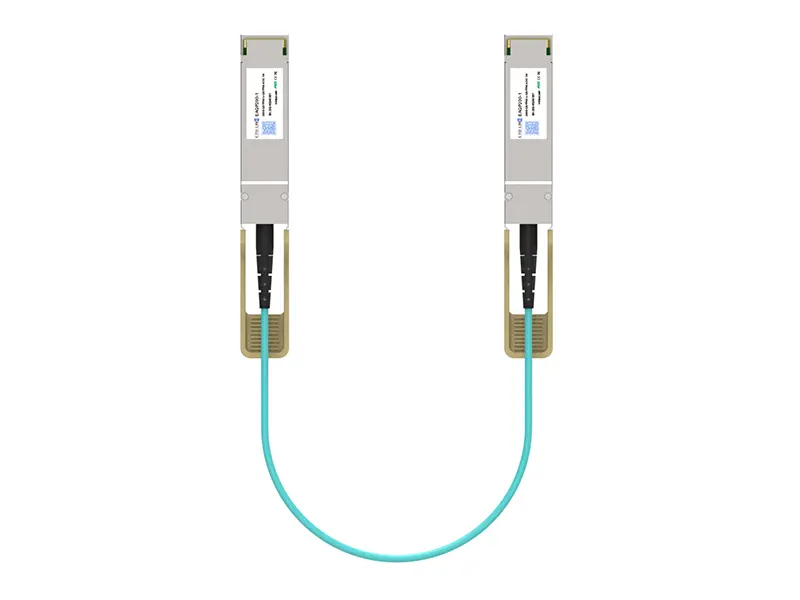 200G QSFP56 AOC
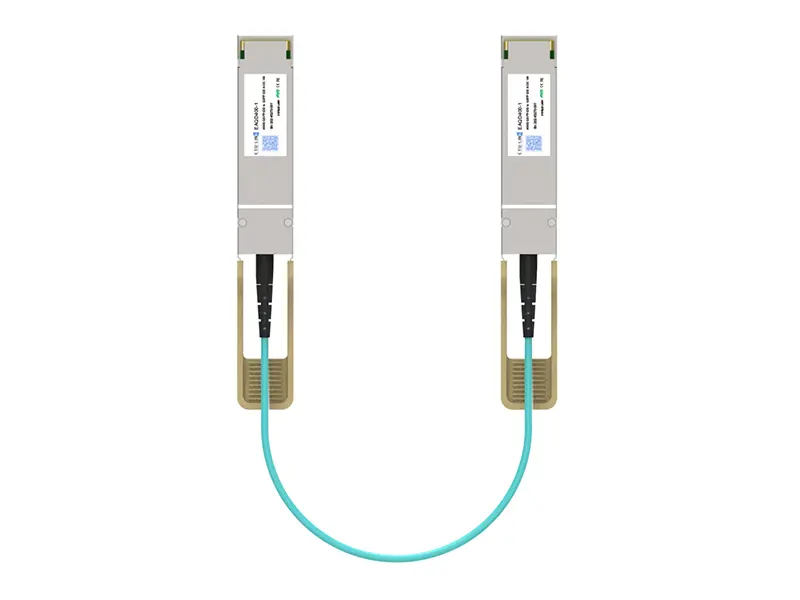 400G QSFP-DD AOC
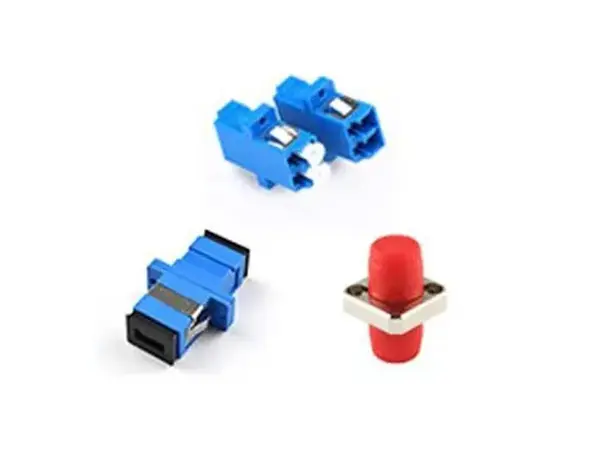 Adapter Details
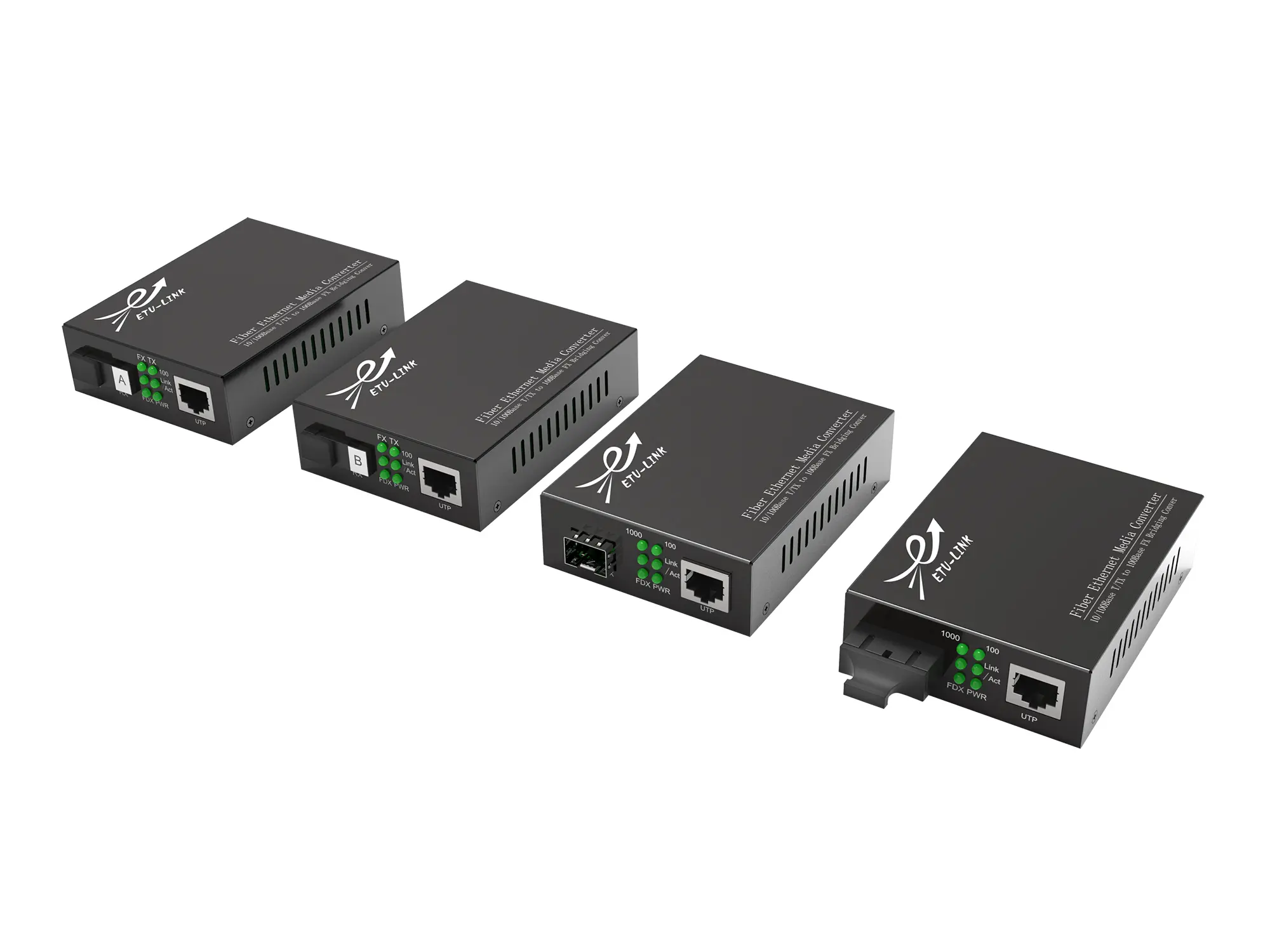 Media Converter