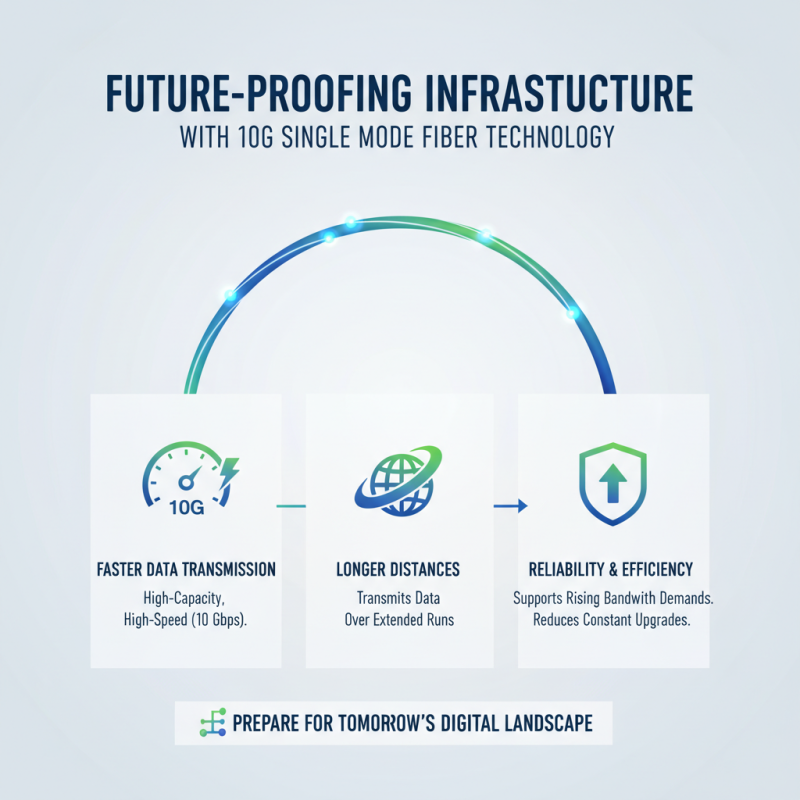
What Are the Benefits of 10G Single Mode Fiber for Global Buyers
In the rapidly evolving landscape of telecommunications, 10G Single Mode Fiber has emerged as a critical innovation. Its promise of high-speed data transmission and enhanced bandwidth appeals to global buyers seeking reliable solutions. With a capacity to support advanced applications, this technology paves the way for superior performance in various sectors.
The advantages of 10G Single Mode Fiber are numerous. It allows for long-distance communication without significant signal loss, making it ideal for expansive networks. Additionally, its lightweight design simplifies installation processes in diverse environments. This innovation caters to businesses needing fast, stable connections, yet it also raises questions about infrastructure costs and compatibility.
Adopting 10G Single Mode Fiber might challenge some organizations. Existing systems may require upgrades to fully leverage this potential. Understanding its limitations is essential for buyers considering this technology. As markets continue to grow, the benefits of investing in 10G Single Mode Fiber outweigh the concerns for many, but proper evaluation is key.

Benefits of 10G Single Mode Fiber for High-Speed Connectivity
10G Single Mode Fiber (SMF) is revolutionizing high-speed connectivity, making it a remarkable choice for global buyers. Its ability to transmit data over long distances without degradation is unmatched. This fiber type supports speeds exceeding 10 Gbps, ideal for data-intensive applications. Businesses can benefit from seamless video conferencing, cloud computing, and high-definition streaming.
In addition, 10G SMF installations require less fiber than traditional copper cables. This efficiency translates to reduced costs in the long run. Fewer cables mean easier maintenance and less physical space needed for infrastructure. This makes it easier for businesses with limited resources to manage their networking needs.
Tips: Ensure your installation team is well-trained in handling fiber optics. Proper installation is key to maximizing performance. Keep your connections clean. Dust can significantly impact signal quality. Regular inspections of your network will help prevent future issues. As technology advances, taking these steps can safeguard your investment.
Cost-Effectiveness of 10G Single Mode Fiber in Global Markets
The global demand for high-speed internet has led to an increased focus on fiber optic technology. Among various types, 10G single mode fiber stands out for its cost-effectiveness. This type of fiber offers significant advantages in telecommunications while keeping expenses manageable. The lower installation and maintenance costs can be appealing for buyers worldwide.
A key benefit of 10G single mode fiber is its reliance on light transmission over long distances. This feature ensures minimal signal loss and high data rates, even in expansive networks. As companies expand their digital infrastructure, a sound investment in this technology seems necessary. However, some buyers may overlook potential installation challenges, which could offset initial savings. Proper planning is crucial.
Additionally, the scalability of 10G single mode fiber contributes to its economic viability. As demands for bandwidth grow, businesses can upgrade their infrastructure without undergoing complete overhauls. Yet, it's essential to consider the evolving nature of technology. What may seem cost-effective today could require reevaluation in the future, necessitating a proactive approach in decision-making.
Applications of 10G Single Mode Fiber in Various Industries
10G Single Mode Fiber (SMF) is becoming increasingly important across various industries. Its ability to transmit data over long distances with minimal loss makes it ideal for telecommunications.
Organizations rely on high-speed connections for efficient communication. Hospitals, for example, use 10G SMF for telemedicine, enabling real-time consultations and rapid data exchanges between specialists.
In the financial sector, 10G Single Mode Fiber supports high-frequency trading. Speed is crucial in this field. A millisecond can make a significant difference in millions of dollars. Companies benefit from reduced latency and increased bandwidth with 10G SMF. This fiber type also supports secure transactions, ensuring sensitive data is protected.
However, implementation challenges exist. The cost of installation can be high. Integration with existing systems might require additional resources. Training staff to handle new technology is another hurdle. Some organizations may be hesitant due to these factors. Nevertheless, the long-term benefits of 10G SMF can outweigh the initial struggles. Adopting this advanced technology enhances operational efficiency and positions businesses for future growth.
Comparative Analysis of 10G Single Mode Fiber and Other Fiber Types
10G single mode fiber (SMF) is gaining attention in the global market for its impressive performance. Compared to multimode fiber, it significantly reduces signal loss over long distances. This makes it ideal for data centers and telecommunications. The low attenuation rate enables faster data transmission, which is crucial for high-demand applications.
When comparing 10G SMF to other fiber types, another key advantage is its capacity for higher bandwidth. It supports multiple wavelengths of light, maximizing the use of each fiber strand. This is particularly valuable in urban areas where network congestion can slow down performance. Users often cite improved reliability and longevity as compelling benefits.
Tip: When selecting 10G single mode fiber, consider the installation environment. Proper handling during installation is essential to prevent damage.
It's worth noting that while 10G SMF has many benefits, it may require more upfront investment. Understanding potential challenges, like the need for specialized connectors, is crucial.
Tip: Always consult with a fiber expert before making a decision. Their insights can guide you toward the best options, minimizing costly mistakes.
Benefits of 10G Single Mode Fiber Comparison
This chart illustrates the comparative benefits of 10G Single Mode Fiber against other common fiber types in terms of cost efficiency, maximum distance, and bandwidth capacity. It showcases the superior distance and bandwidth advantages of 10G Single Mode Fiber, making it a preferred choice for high-performance networking needs.

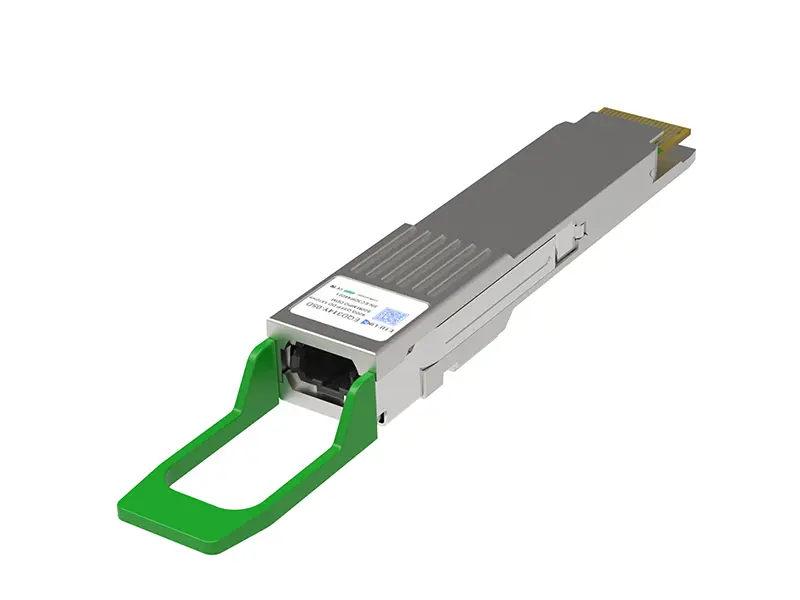 400G
400G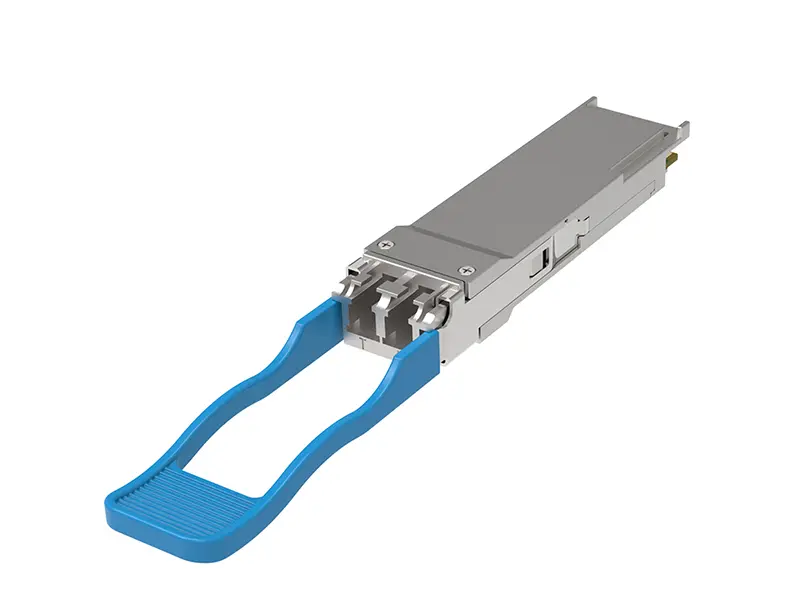 200G
200G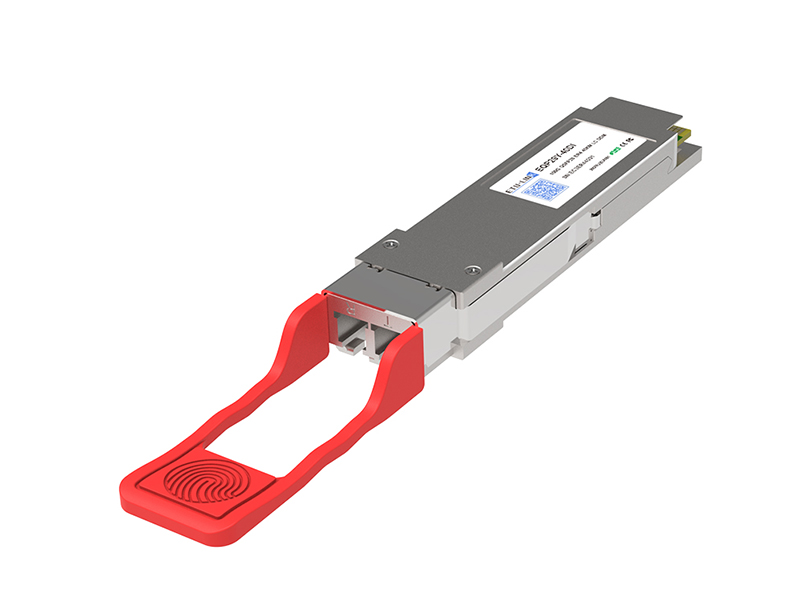 100G
100G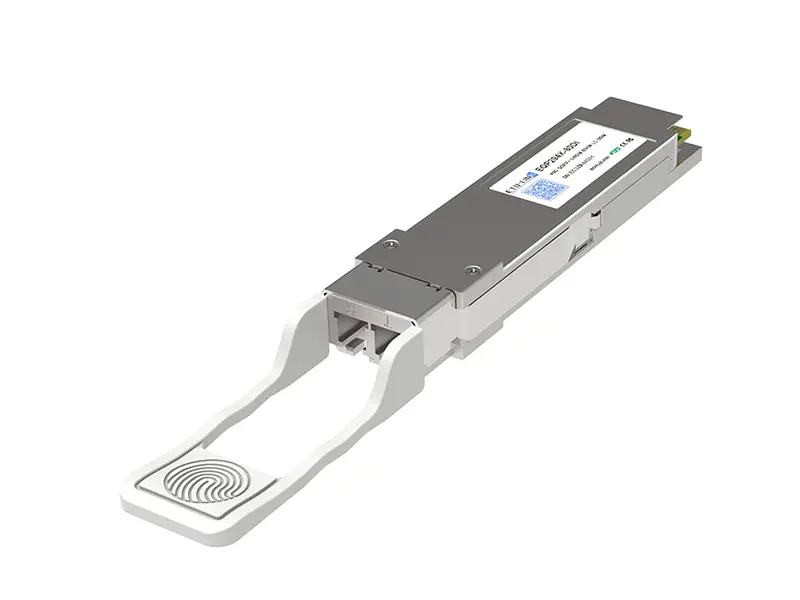 40G
40G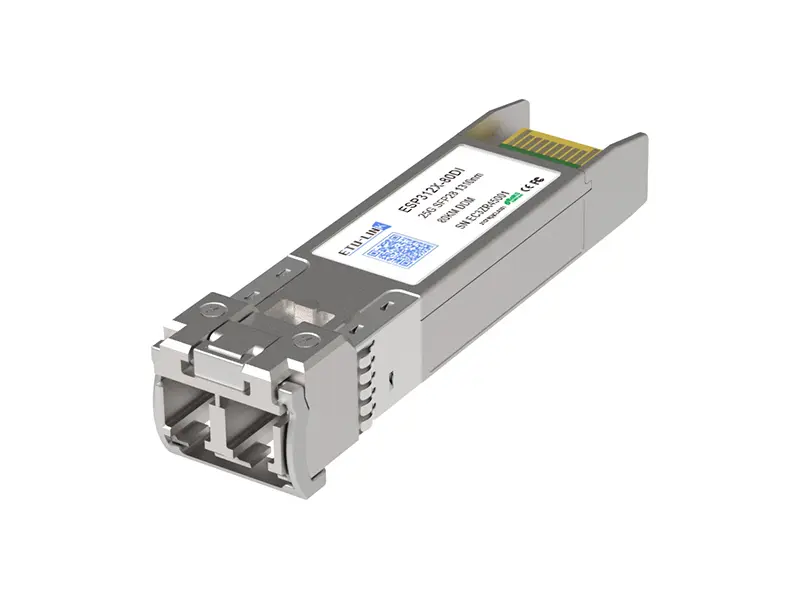 25G
25G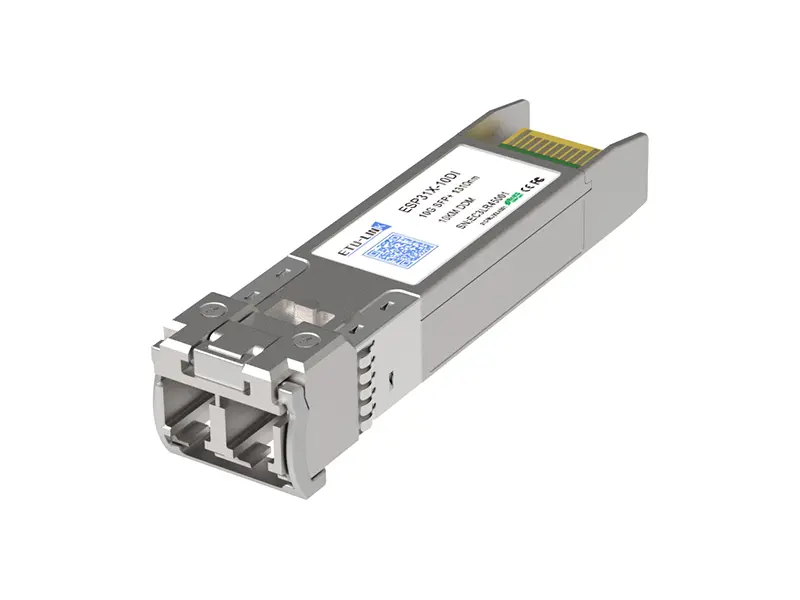 10G
10G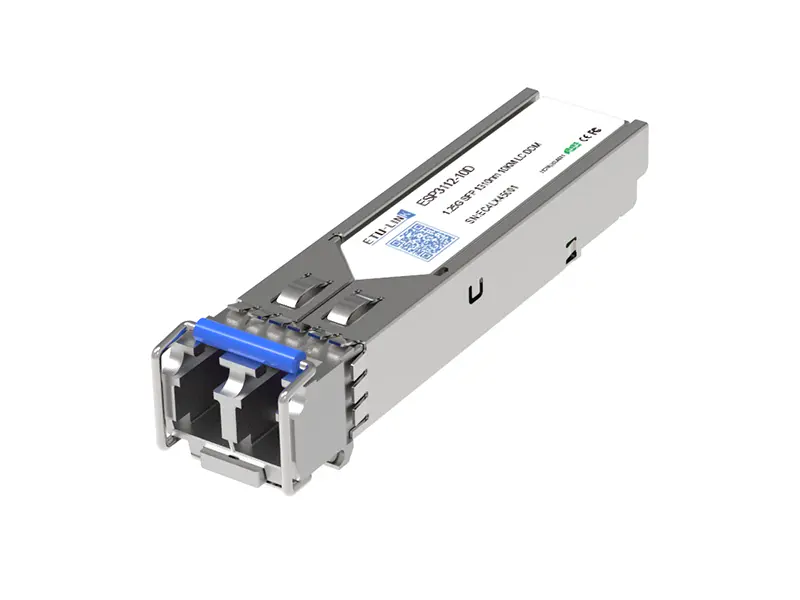 1G
1G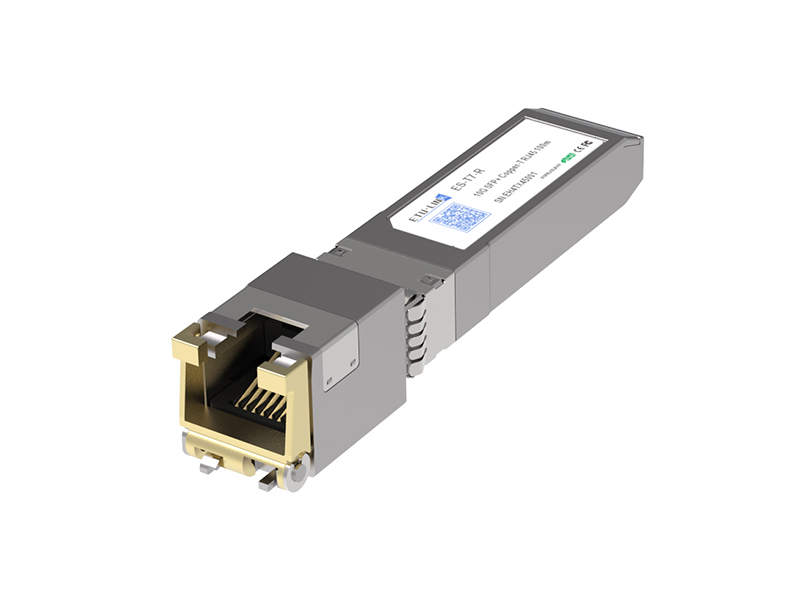 COPPER-T
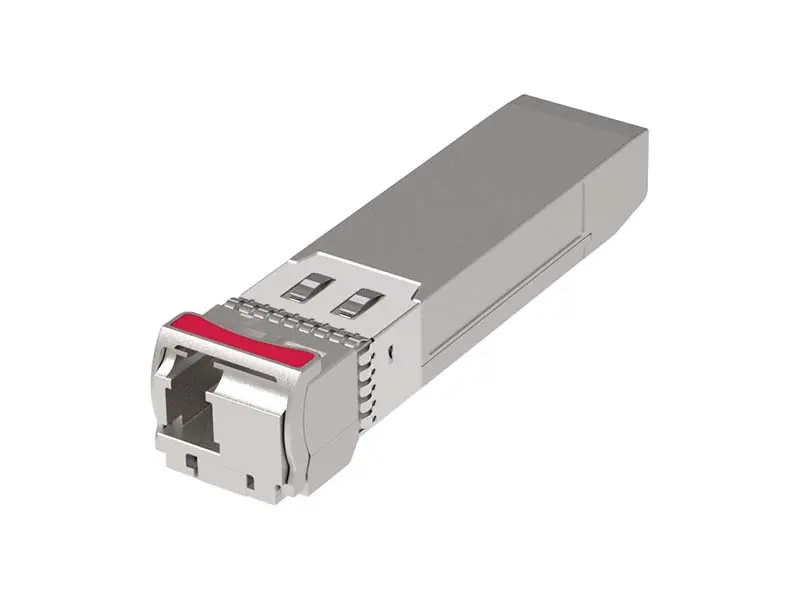 Other
Other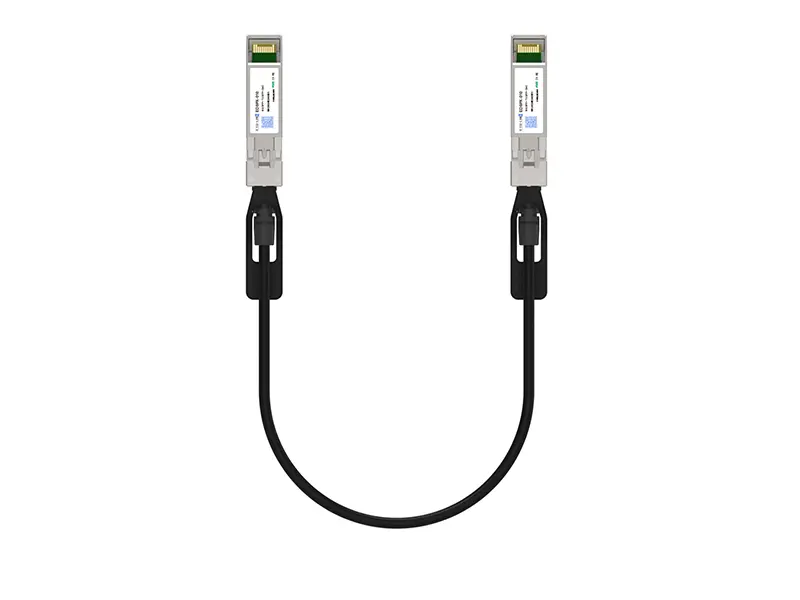 10G SFP+ DAC
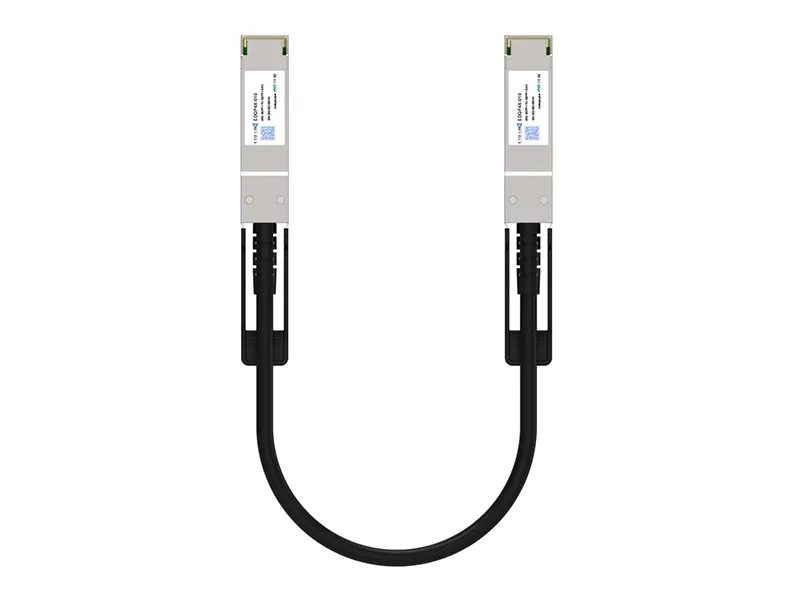 40G QSFP+ DAC
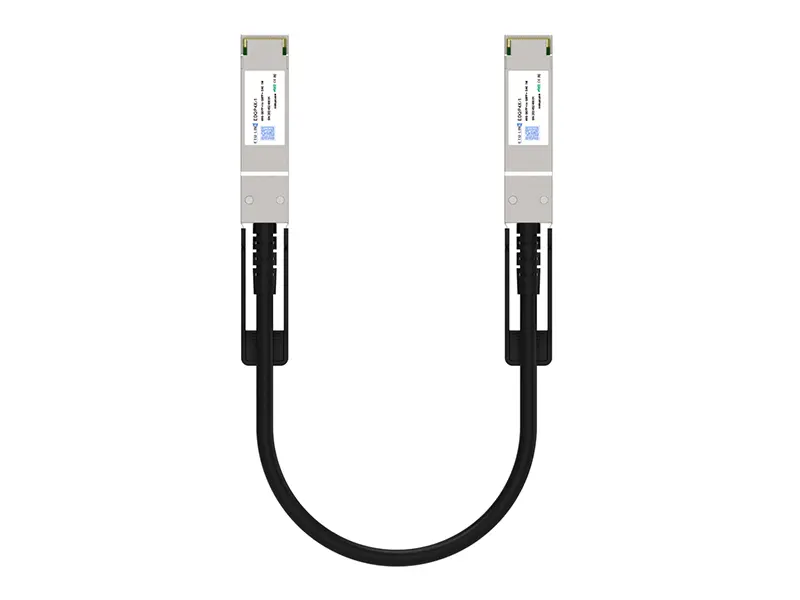 56G QSFP+ DAC
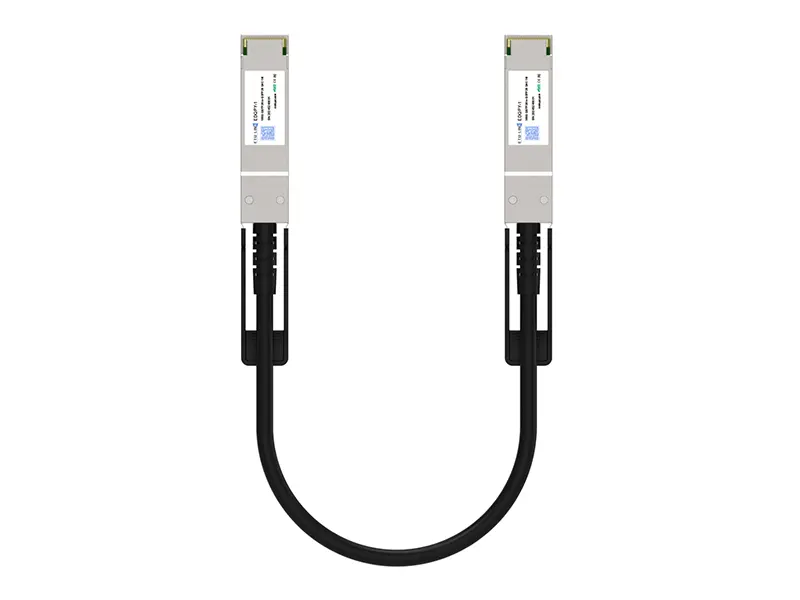 100G QSFP28 DAC
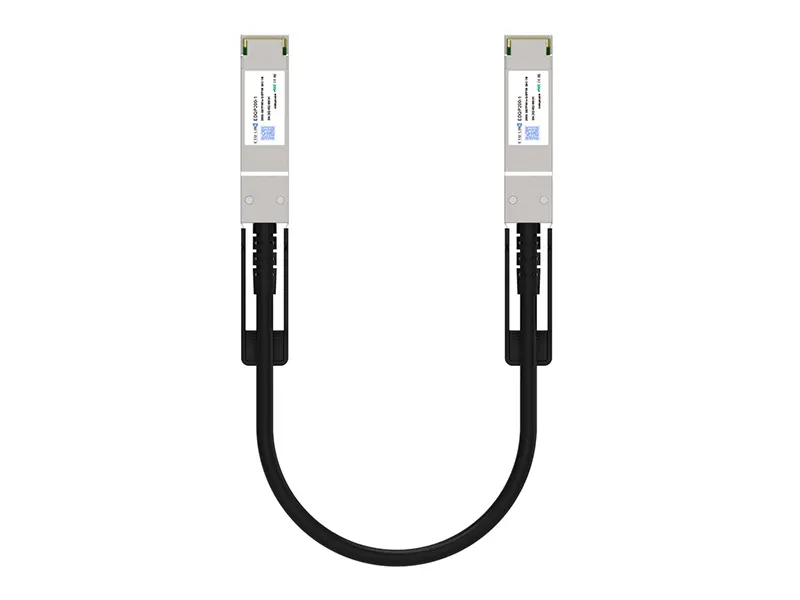 200G QSFP56 DD DAC
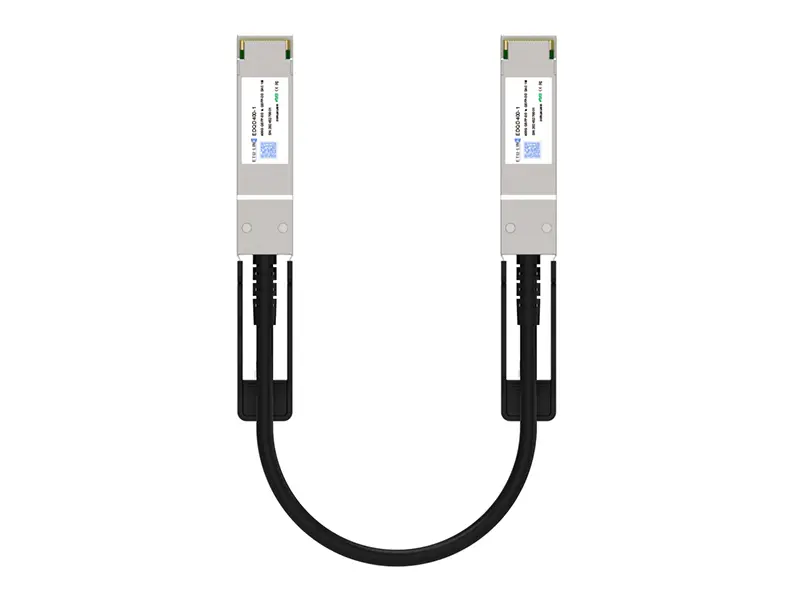 400G QSFP DD DAC
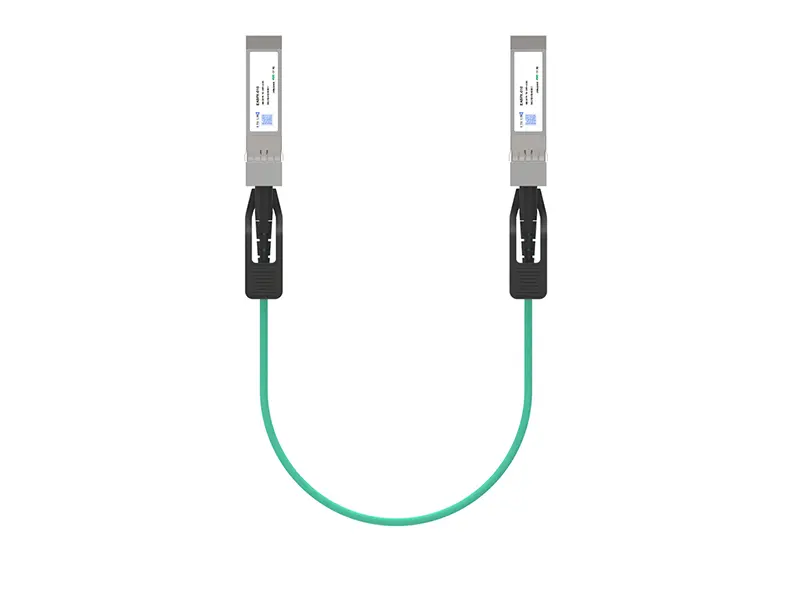 10G SFP+ AOC
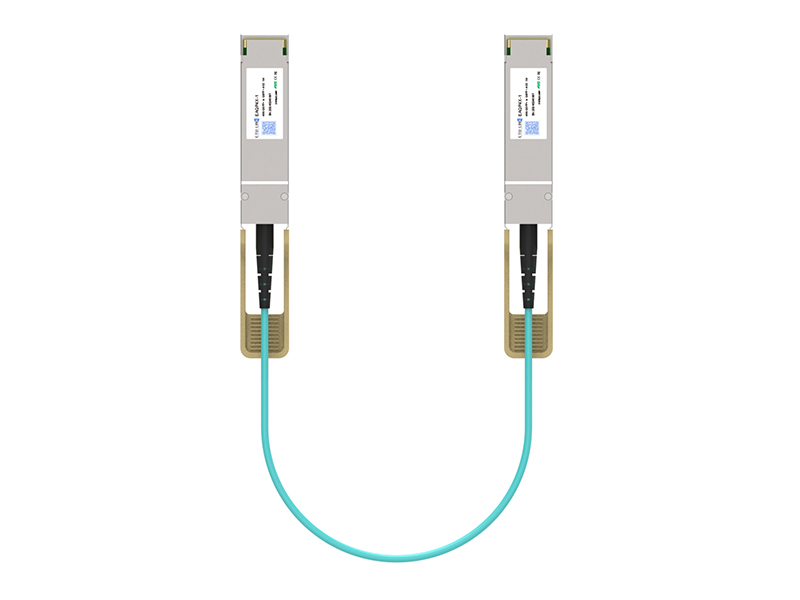 40G QSFP+ AOC
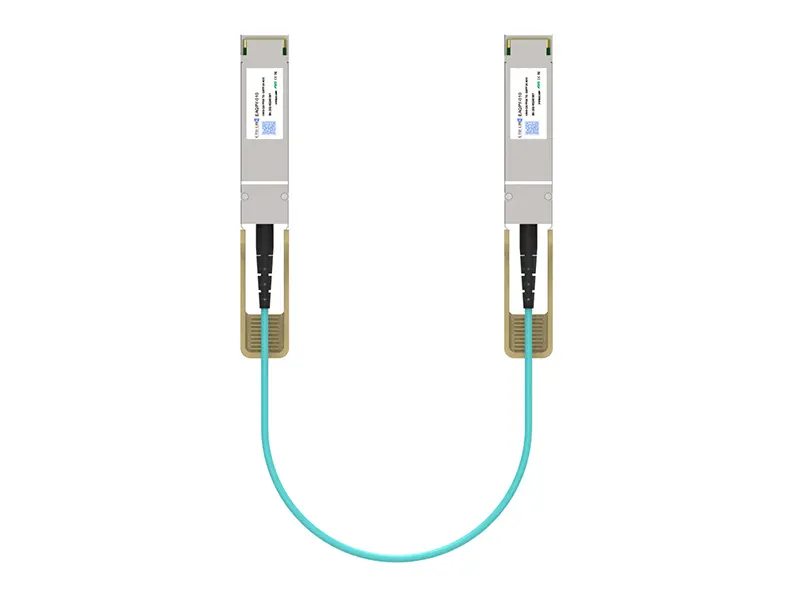 100G QSFP28 AOC
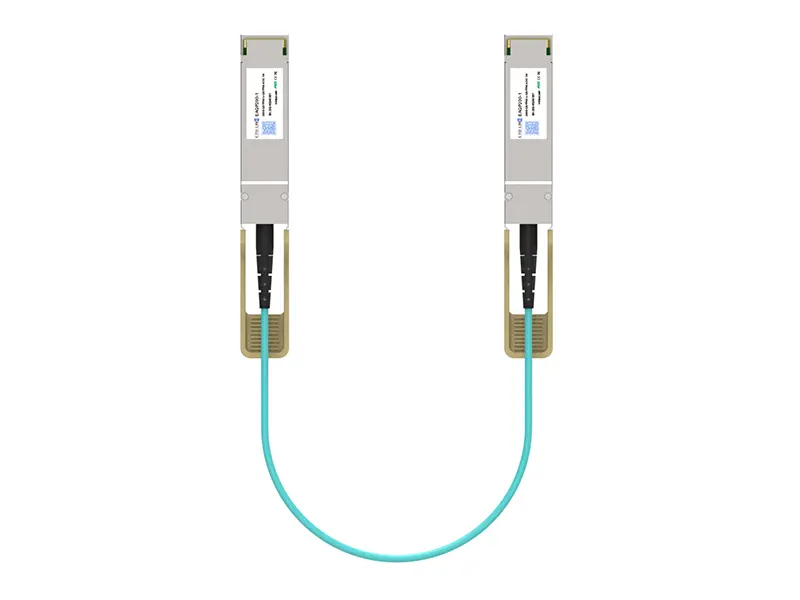 200G QSFP56 AOC
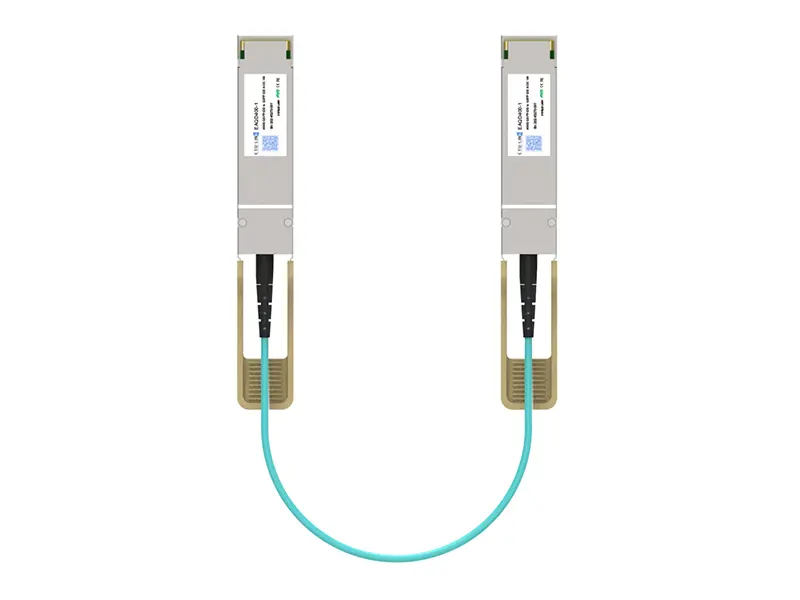 400G QSFP-DD AOC
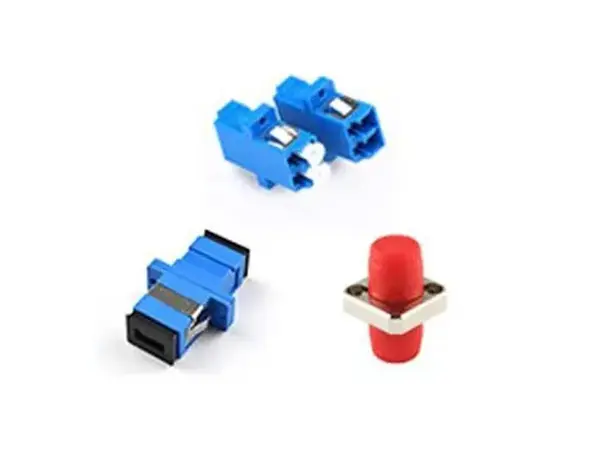 Adapter Details
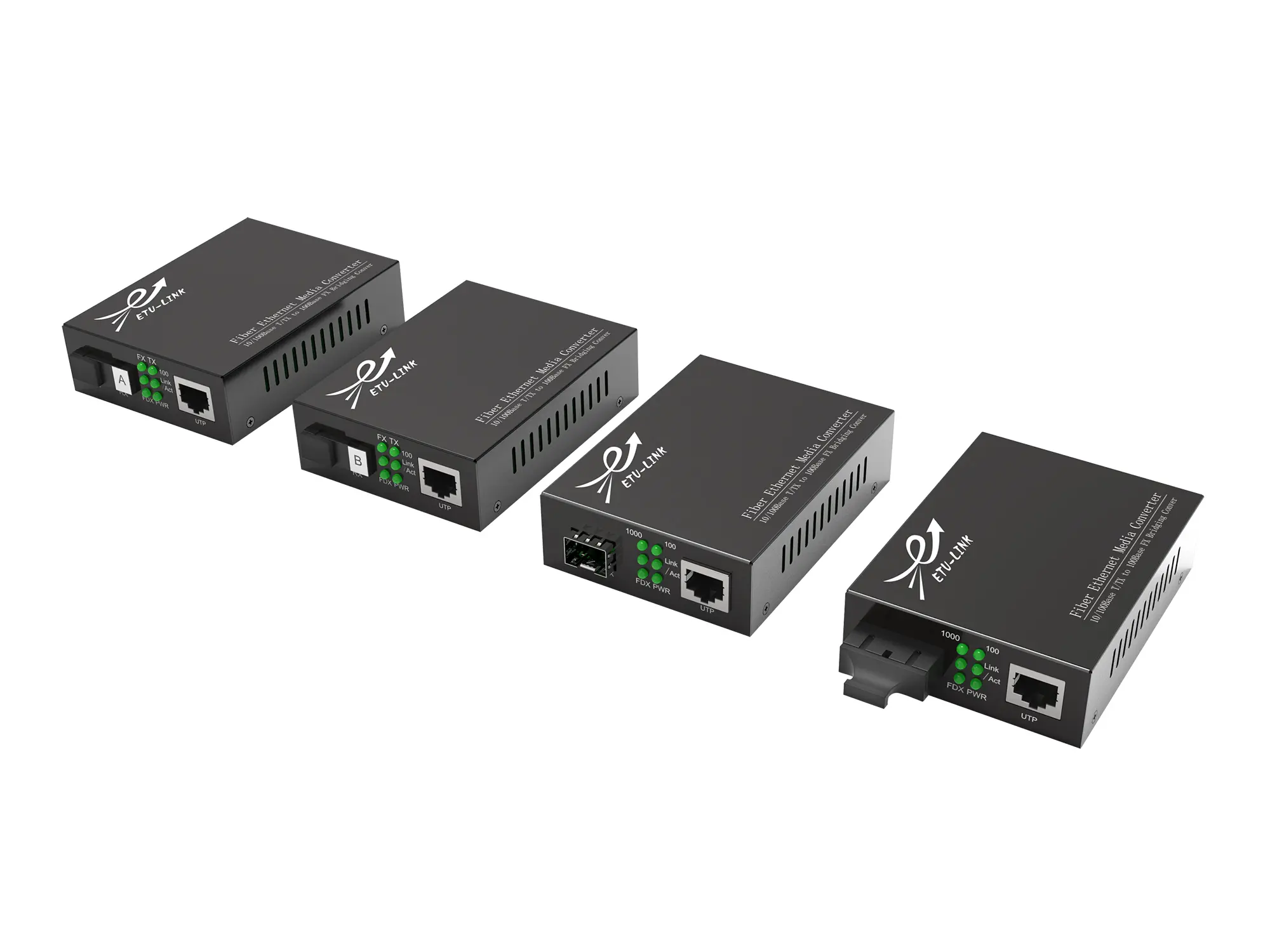 Media Converter