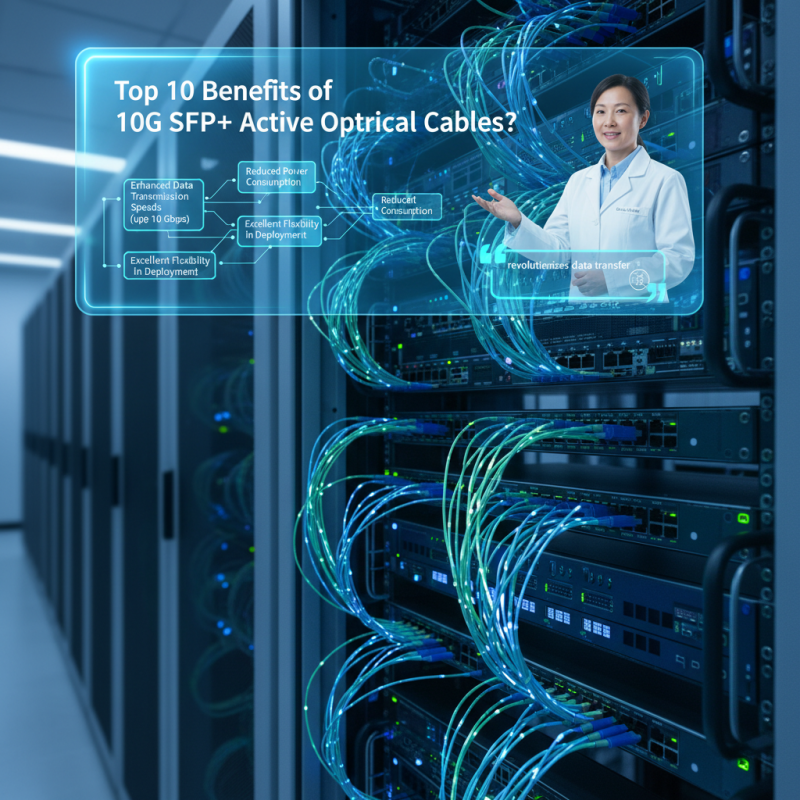
Top 10 Benefits of 10G SFP+ Active Optical Cables?
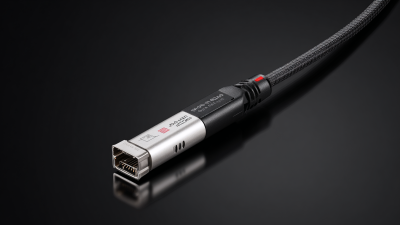
In the world of high-speed networking, the 10G SFP+ Active Optical Cable stands out for its exceptional performance. Dr. Lisa Chen, a leading expert in optical communication technology, states, "The 10G SFP+ Active Optical Cable revolutionizes data transfer, making it faster and more efficient." This statement captures the essence of why these cables are gaining traction in data centers and enterprise networks.
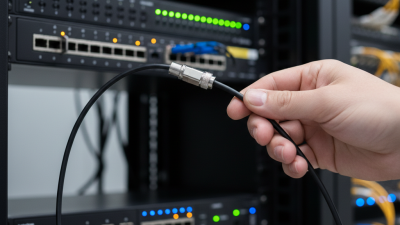
The advantages of using 10G SFP+ Active Optical Cables are significant. They offer enhanced data transmission speeds, reaching up to 10 Gbps. This speed is crucial for businesses that rely on rapid data access. Additionally, these cables provide excellent flexibility in deployment. Their lightweight design makes them easy to install in various environments. However, the cost can be a consideration. Companies must evaluate their budgets versus the performance benefits.
Another key benefit is the reduced power consumption. The passive operation of these cables leads to lower energy costs. Yet, not every setup requires them. Some environments may still prefer traditional copper cables for specific applications. This decision should not be taken lightly. Understanding the unique requirements of a network is vital in making the right choice.
Overview of 10G SFP+ Active Optical Cables
10G SFP+ Active Optical Cables (AOCs) have become essential in modern data centers. These cables use advanced optics to transmit data over long distances. Unlike traditional copper cables, AOCs provide superior performance and lower power consumption. They can achieve distances of up to 100 meters while maintaining high-speed data transfer.
According to industry reports, the demand for high-speed cabling continues to rise. Studies show that data centers may experience a 30% increase in efficiency with AOCs. They are lightweight, making installation easier. Their flexibility allows for various configurations. However, some users report compatibility issues with older equipment. It’s crucial to verify compatibility before purchase.
Tips: Regularly assess your cabling needs. Technology evolves quickly. Monitor advancements in optical cable technology and performance standards. Be wary of lower-cost options; they may compromise quality. Always consider the specific requirements of your network environment. Doing so helps ensure optimal performance and reliability.
Key Technical Features of 10G SFP+ Active Optical Cables
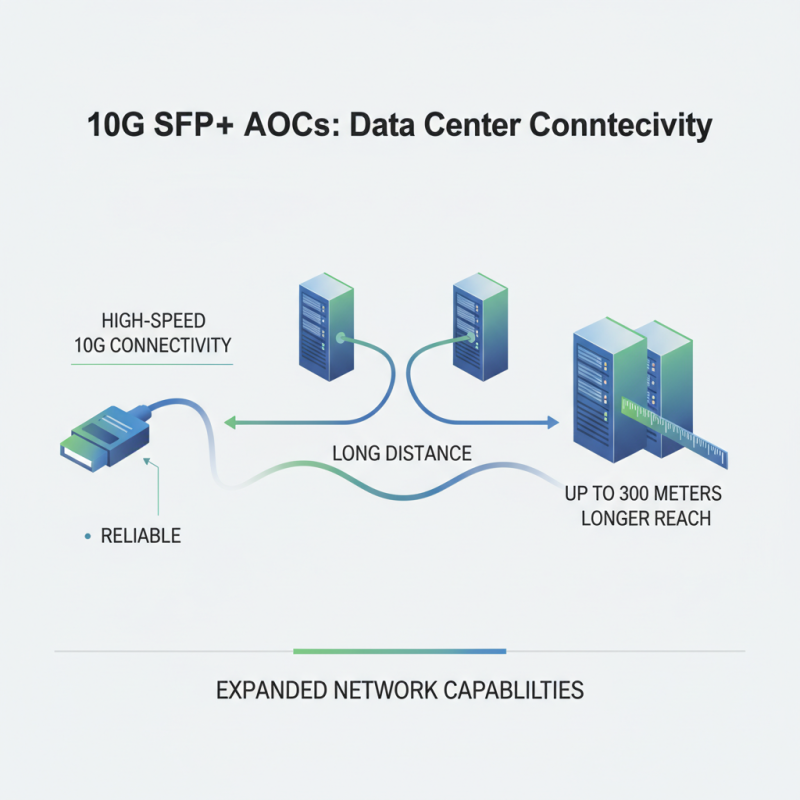
10G SFP+ active optical cables (AOCs) are gaining popularity in data centers. They provide reliable, high-speed connections. These cables operate over longer distances than standard copper options, reaching up to 300 meters. This flexibility is key in expanding network capabilities.
The technical features of 10G SFP+ AOCs are impressive. They use advanced technology to maintain low latency. According to a recent industry report, these cables can achieve data rates of 10 Gbps with minimal signal loss. The lightweight design eases installation, reducing strain on ports and equipment. However, the initial cost may deter some organizations.
Tips: Always check compatibility before purchasing. Not every AOC works with all equipment. It's also wise to assess future needs. Some networks may outgrow current cable lengths quickly.
The durability of 10G SFP+ AOCs is noteworthy. They are designed to withstand harsh environments. However, improper handling can lead to damage. Careful installation is crucial. This carefulness can prevent costly downtime. Overall, while these cables offer many benefits, reflection on specific needs is essential.
Significant Performance Improvements with 10G SFP+ Cables
With the growing demand for bandwidth, 10G SFP+ Active Optical Cables (AOCs) have become essential in modern data centers. They deliver significant performance improvements over traditional copper cables. A 2021 report by the International Data Corporation (IDC) shows that organizations using 10G AOCs can achieve up to 90% faster data transmission rates. This speed enhances the efficiency of data-heavy applications and reduces latency, crucial for real-time analytics.
In addition to speed, these cables provide impressive flexibility. Their lightweight design allows for easier installation in dense cabling environments. A recent survey indicated that over 70% of IT professionals favor AOCs for their reduced weight and improved scalability. However, while these benefits are evident, there are still challenges. Some users reported issues with compatibility and physical limitations due to their connection types. These factors can limit their adoption in certain older systems.
Despite these hurdles, the cost-effectiveness of 10G SFP+ AOCs is noteworthy. While the initial investment may be higher, the long-term savings on energy usage and space can offset those costs. Data from a 2022 report suggested that organizations could reduce energy consumption by 30% when transitioning to 10G AOCs. This makes them a viable option for companies looking to stay competitive. Yet, ongoing evaluations of user experiences and feedback are critical to optimizing their effectiveness in diverse settings.
Top 10 Benefits of 10G SFP+ Active Optical Cables
| Benefit |
Description |
| High Bandwidth |
Supports data rates up to 10 Gbps, allowing for faster data transfer. |
| Long Reach |
Can transmit data over longer distances compared to traditional copper cables. |
| Reduced Latency |
Ensures lower latency in data transmission, improving performance in time-sensitive applications. |
| Improved Signal Integrity |
Provides better resistance to electromagnetic interference, ensuring cleaner signals. |
| Lightweight and Flexible |
Typically lighter and more flexible than copper cables, facilitating easier installation. |
| Energy Efficient |
Generally consumes less power compared to equivalent copper solutions. |
| Enhanced Durability |
Designed to withstand harsher environments and reduce wear and tear. |
| Future-Proofing |
Aids in transitioning to higher speeds in future networks. |
| Cost-Effective |
Often more cost-effective for high-bandwidth applications over long distances. |
| Simple Integration |
Easily integrates with existing network infrastructures without major changes. |
Cost-Effectiveness and Energy Efficiency Benefits
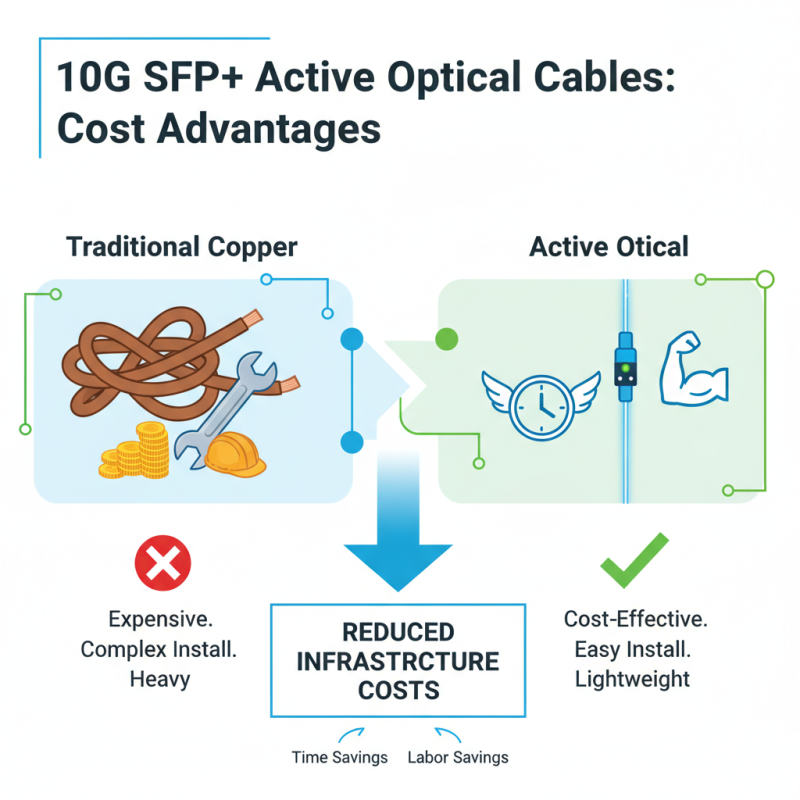
10G SFP+ Active Optical Cables offer several cost-effective advantages. First, they reduce infrastructure costs. Traditional copper cabling can be expensive. It often requires additional infrastructure. Optical cables, in contrast, can be lighter and easier to install. This leads to savings in both time and labor.
Energy efficiency is another vital aspect. 10G SFP+ cables consume less power compared to older technologies. Lower energy demands result in reduced operational costs over time. This can significantly impact budgets for large organizations. Additionally, improved thermal performance means better cooling requirements. Less heat generation leads to reduced cooling energy costs.
However, some may find initial investments daunting. Making a switch can be challenging. There are compatibility issues to consider. Not all existing systems support optical cables. This means additional upgrades could be necessary. Organizations must weigh costs against benefits. Careful planning and evaluation become essential for maximizing overall savings.
Applications and Use Cases for 10G SFP+ Active Optical Cables
10G SFP+ Active Optical Cables are seeing increased use in various industries. Their flexibility makes them suitable for data centers, enterprise networks, and broadcasting. These cables deliver high-speed data transfer with minimal latency. They also boast longer distances without signal degradation, making them effective for large-scale installations.
When connecting devices, think about cable length. A shorter cable often ensures better performance. However, consider your layout. Sometimes a longer cable is unavoidable. Just ensure it’s not coiled up. Coiling can degrade signal quality over time.
Security applications benefit greatly from these cables. They provide reliable connections for IP cameras and servers. The reliable data transfer ensures that surveillance systems work seamlessly. In healthcare settings, they connect medical devices to networks, enabling real-time data sharing.
Tip: Always check compatibility with existing systems. Mismatches can cause headaches down the line. Another essential step is regular testing of cables. This can identify issues before they become serious problems. Don't overlook this; you’ll save time and money in the long run.

 400G
400G 200G
200G 100G
100G 40G
40G 25G
25G 10G
10G 1G
1G COPPER-T
 Other
Other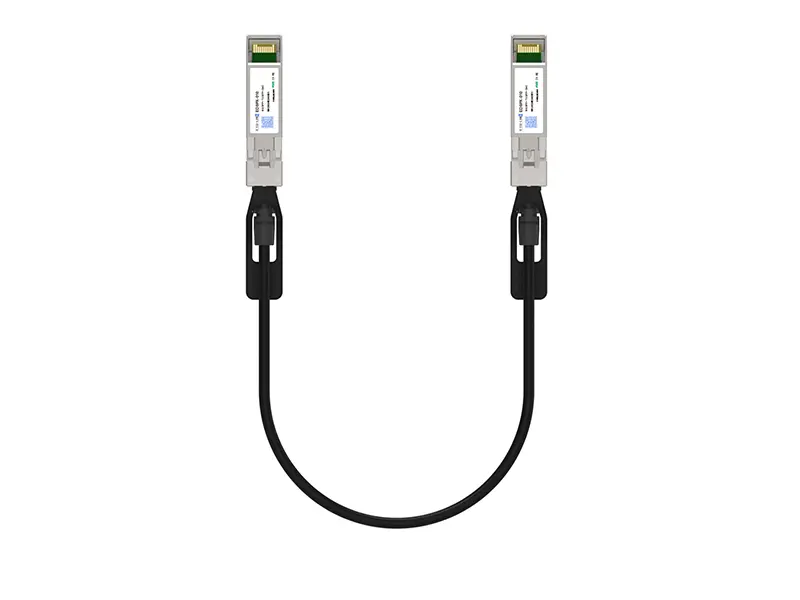 10G SFP+ DAC
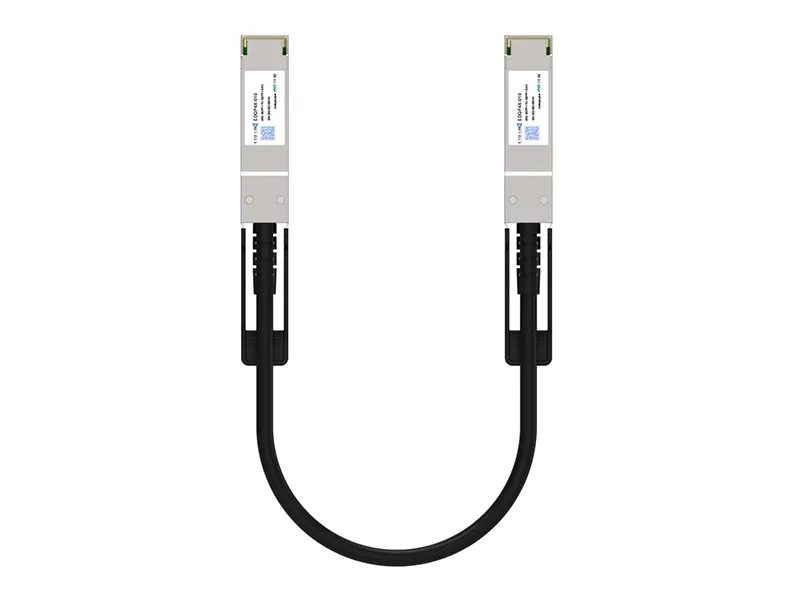 40G QSFP+ DAC
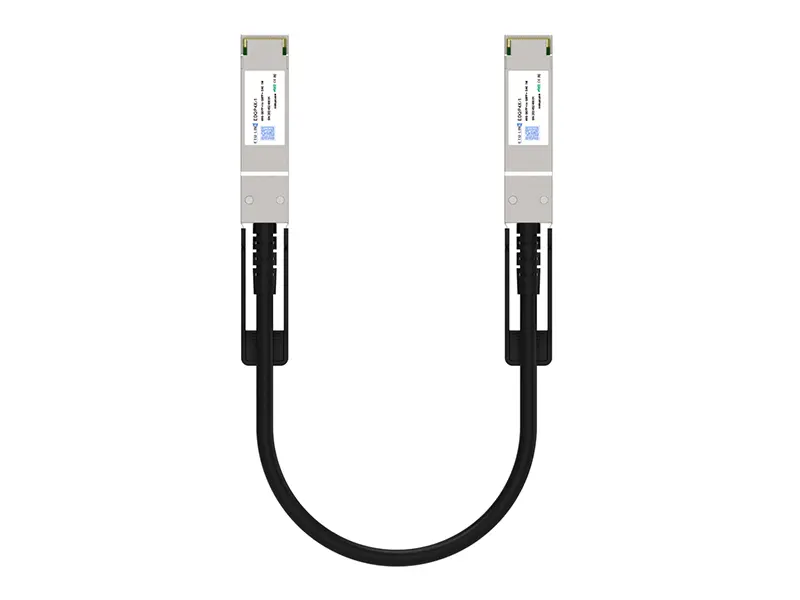 56G QSFP+ DAC
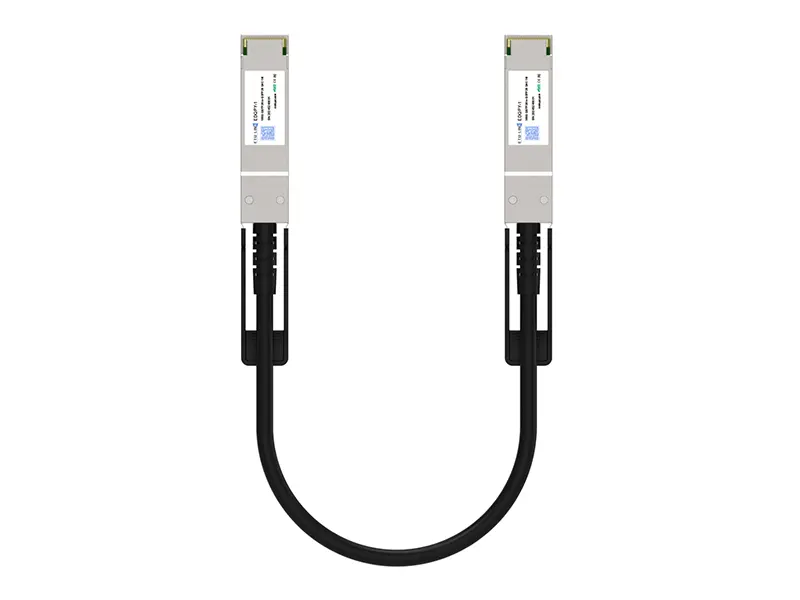 100G QSFP28 DAC
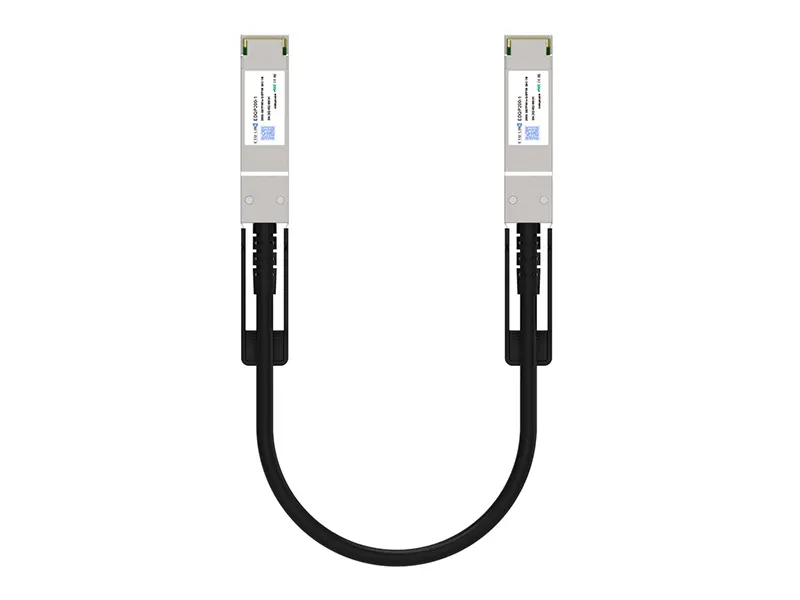 200G QSFP56 DD DAC
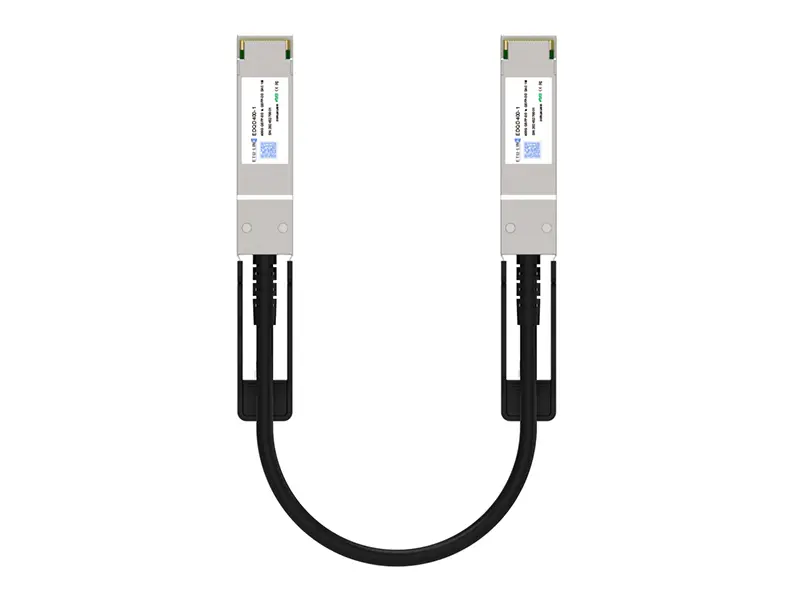 400G QSFP DD DAC
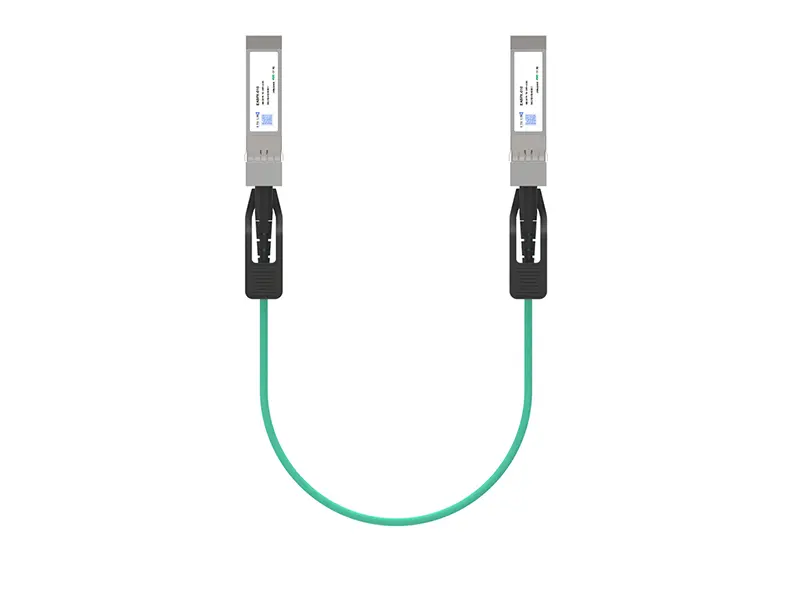 10G SFP+ AOC
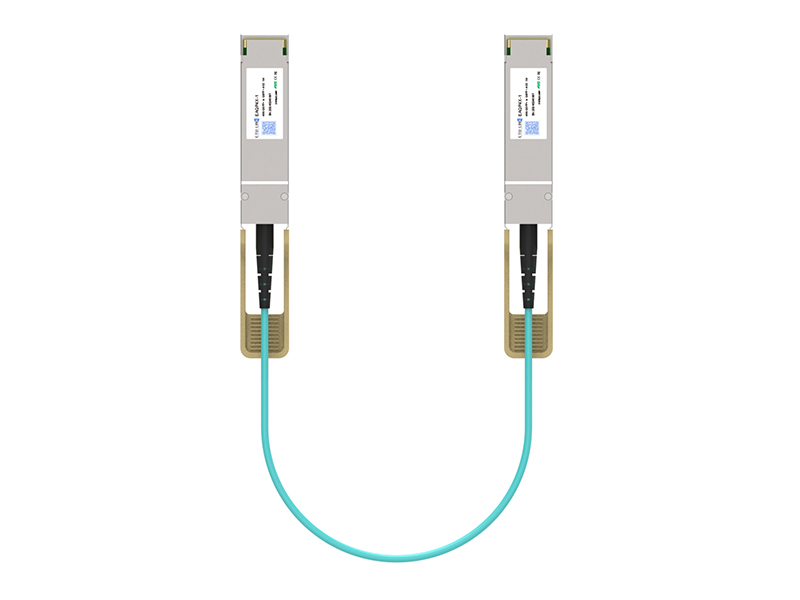 40G QSFP+ AOC
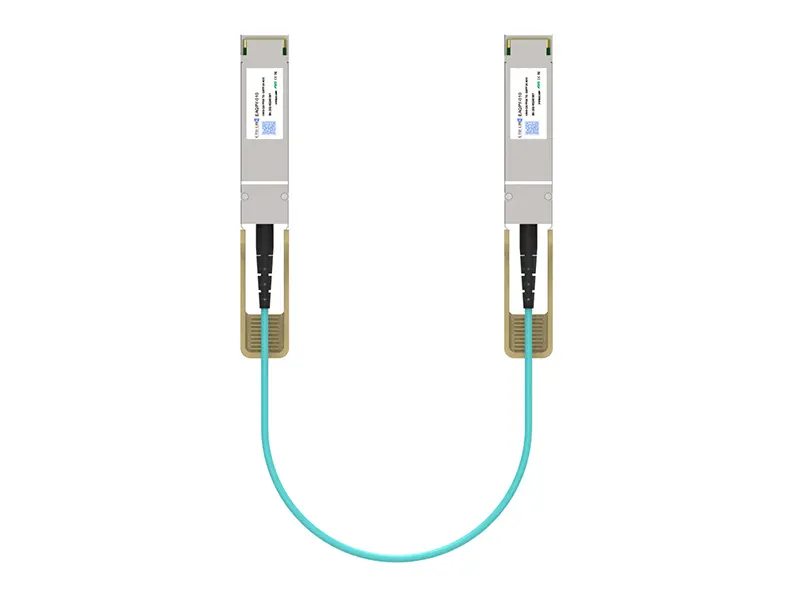 100G QSFP28 AOC
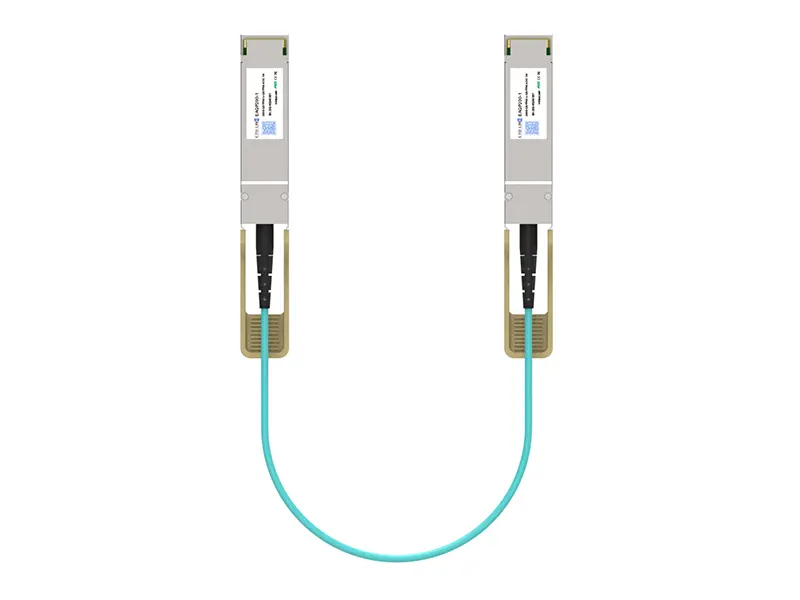 200G QSFP56 AOC
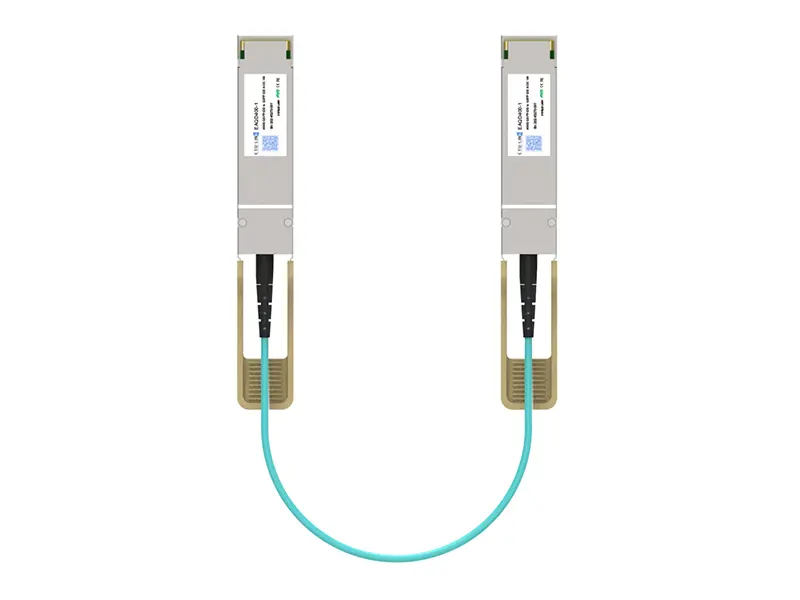 400G QSFP-DD AOC
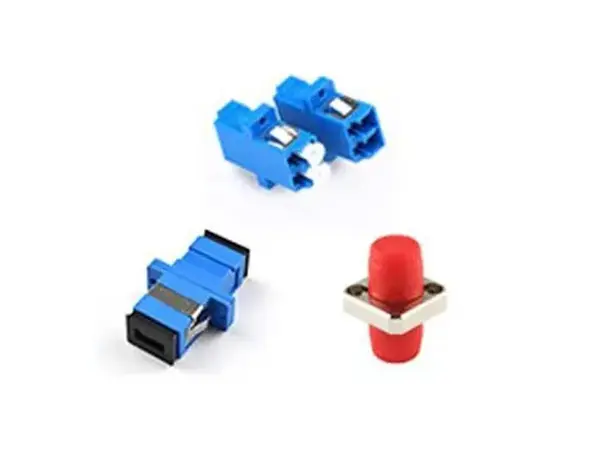 Adapter Details
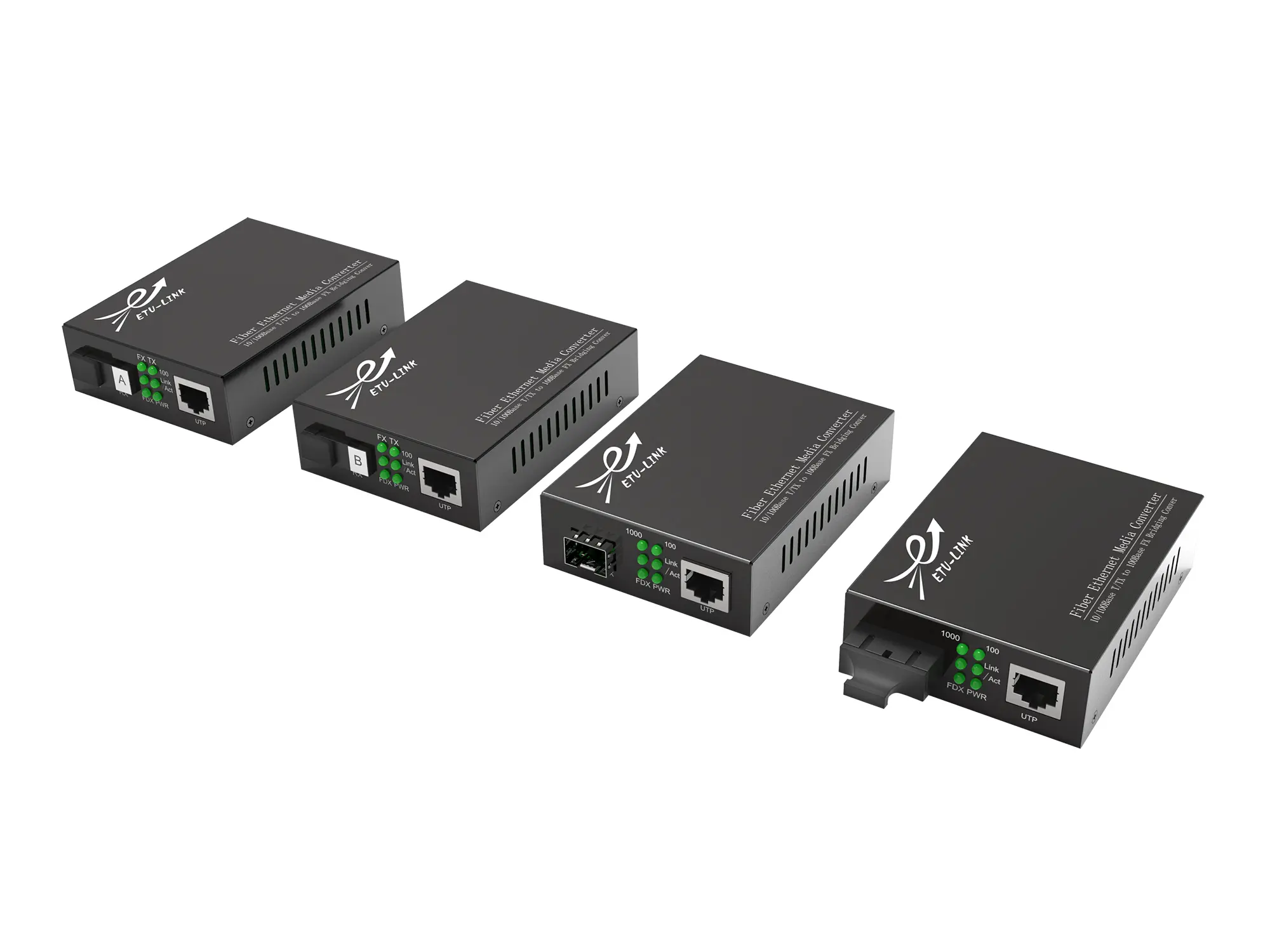 Media Converter