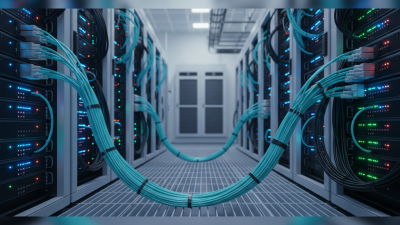
Top 10 Benefits of 10G SFP+ Active Optical Cable for Buyers
In the realm of high-speed connectivity, the "10G SFP+ Active Optical Cable" has emerged as a transformative solution. Renowned industry expert Dr. Emily Chen states, “The 10G SFP+ Active Optical Cable changes the game for data centers.” This technology is redefining how data is transmitted in various sectors.
The benefits of using 10G SFP+ Active Optical Cables are numerous. They offer superior transmission rates, reduced energy consumption, and lightweight design. These cables can reach lengths up to 300 meters, making them ideal for expansive setups. Their reliability in harsh environments cannot be overlooked.
However, buyers must remain cautious. The market is filled with varying quality levels, and not all cables perform equally. Understanding the fine print can be challenging. Investing in a reputable product is crucial for achieving optimal network performance. The 10G SFP+ Active Optical Cable stands out, but careful selection is key to unlocking its full potential.
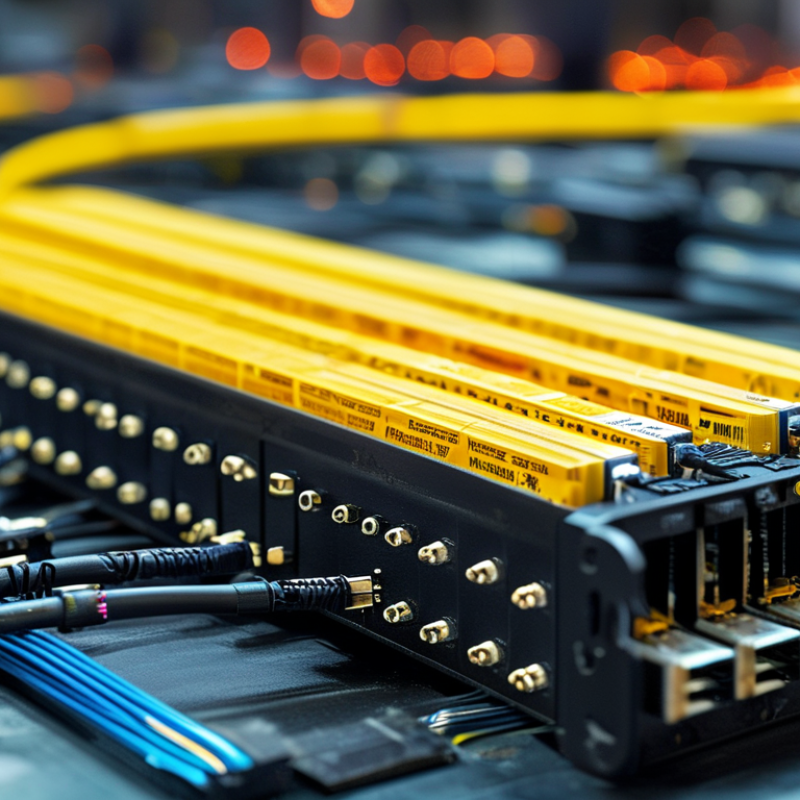
Key Features of 10G SFP+ Active Optical Cables
In the fast-evolving world of data transmission, 10G SFP+ Active Optical Cables (AOCs) stand out for their impressive features. These cables provide a solid and reliable connection over long distances. They can transmit data up to 300 meters effectively. This capability makes them perfect for data centers and campus networks.
One key feature of 10G SFP+ AOCs is their lightweight design. Unlike copper cables, they reduce strain on infrastructure. Many users appreciate their flexibility. The integration of multimode fiber improves bandwidth and signal quality. This ensures that data is transmitted without interruption. Additionally, they consume less power compared to traditional copper cables, which helps reduce operational costs.
However, there are challenges to consider. Installation may require specific skills. Users could face compatibility issues with existing network hardware. Additionally, prices may vary, leading to confusion for budget-conscious buyers. Flexibility is great, but it can also lead to misuse if not handled properly. Understanding these nuances is crucial for informed purchasing decisions.
Cost-Effectiveness Compared to Traditional Solutions
The rise of 10G SFP+ Active Optical Cables (AOCs) presents a compelling argument for cost-effective networking solutions. Traditional copper cables often involve significant setup and maintenance costs. In contrast, AOCs eliminate many of these expenses, providing an efficient way to achieve high-speed connections. Recent reports indicate that AOCs can reduce installation costs by up to 30% compared to copper alternatives, mainly due to their lightweight and flexible design.
Moreover, the longevity of AOCs contributes to their cost-effectiveness. Industry analysis shows that these cables can last up to 10 years with minimal degradation. This durability reduces the need for frequent replacements, a common issue with copper cables. Additionally, AOCs require less power, translating into lower energy costs over time. A study found that energy savings could amount to 15% annually for organizations using AOCs.
Despite these benefits, some issues remain. Certain environments might experience performance drops due to external factors. However, most data centers can experience smooth operations with proper installation. As businesses navigate these challenges, understanding the nuances of AOCs will lead to informed decisions. Balancing initial investments with long-term savings is crucial for maximizing their benefits.
Top 10 Benefits of 10G SFP+ Active Optical Cable for Buyers - Cost-Effectiveness Compared to Traditional Solutions
| Benefit |
Description |
Cost-Effectiveness |
| High Bandwidth |
Supports up to 10 Gbps data transfer rates. |
Reduces the need for multiple connections, lowering overall costs. |
| Lightweight Design |
Easier to handle and install compared to traditional fiber cables. |
Lower installation costs due to ease of handling. |
| Greater Distance |
Effective for longer runs up to 300 meters. |
Minimizes the need for repeaters, saving on additional hardware costs. |
| Lower Power Consumption |
Uses less power than traditional copper cables. |
Reduces energy costs over time. |
| Interference Resistance |
Not susceptible to electromagnetic interference. |
Improves reliability without the need for additional shielding costs. |
| Future-Proofing |
Adapts to future networking technologies. |
Reduces long-term upgrade costs. |
| Temperature Resilience |
Works effectively in diverse environments. |
Reduces costs related to temperature management systems. |
| Easy Integration |
Compatible with existing SFP+ ports. |
Lowers transition costs when upgrading infrastructure. |
| Enhanced Data Integrity |
Improved signal quality ensures reliable data transmission. |
Reduces costs associated with data loss and retransmission. |
| Reduced Maintenance |
Longer lifespan decreases replacement frequency. |
Saves on long-term maintenance and replacement expenses. |
Enhanced Data Transmission Speeds and Bandwidth Efficiency
In today's fast-paced digital landscape, enhanced data transmission speeds and bandwidth efficiency are vital. The 10G SFP+ Active Optical Cable meets these needs with remarkable effectiveness. Users experience unparalleled speed, which allows for smoother data transfers. This makes it ideal for data centers and cloud storage environments.
Bandwidth efficiency is equally critical. The 10G SFP+ Active Optical Cable optimizes data flow, reducing latency. With high data rates, users can connect multiple devices without experiencing degradation. However, long cables can sometimes lead to signal loss, and this needs careful consideration.
These cables also exhibit resilience against interference. This aspect helps maintain reliability in varied environments. Nevertheless, it is essential to evaluate the specific requirements of your setup. Not every situation demands high-speed cables. Some installations may benefit from lower-speed solutions, thereby saving costs while meeting bandwidth needs.
Top 10 Benefits of 10G SFP+ Active Optical Cable
Improved Flexibility and Ease of Installation
The rise of 10G SFP+ Active Optical Cables (AOCs) has transformed the landscape of data transmission with their improved flexibility and ease of installation. These cables, boasting a lightweight design, facilitate efficient data transfer over longer distances. According to a recent industry report, AOCs can transmit data up to 100 meters without signal degradation. This capability is pivotal in data centers where space can be constrained.
For installation, AOCs surpass traditional copper cables. They are thinner and more maneuverable, allowing easier routing through tight spaces. This reduces potential downtime during setups and maintenance. Industry statistics reveal that proper installation methods using AOCs can lead to a 25% reduction in installation time. Shorter setups lead to faster deployment, which can be crucial in high-demand environments.
Tip: Always assess your cabling needs before purchasing. Understand the distance and data rates required. Make sure to seek expert advice when unsure about which cable type to select.
Ultimately, while AOCs offer significant advantages, they may not suit all scenarios. Users should reflect on environment factors and long-term needs. Planning ensures you make the most out of your technological investments.
Tip: Consider both current and future scalability for your data transmission needs. Choosing the right cable now can save future headaches.
Durability and Longevity of Active Optical Cables
When considering the durability and longevity of 10G SFP+ Active Optical Cables (AOCs), several factors come into play. These cables are designed to withstand harsh conditions. They can operate effectively in environments with extreme temperatures. This resilience is crucial for data centers and high-performance networks. Users appreciate that AOCs endure physical stress better than traditional copper cables. They resist wear and tear over time.
Active Optical Cables feature advanced materials. The fiber optic components are protected by robust jackets. This construction enhances their longevity. Unlike copper, AOCs do not corrode or degrade from environmental exposure. They can last for many years with minimal maintenance. Users often find that the initial investment pays off in the long run.
However, not all AOCs perform the same under extreme conditions. Some may not handle bends or prolonged exposure to sunlight well. Therefore, it's essential to choose cables that meet specific use-case requirements. Understanding the intended application can lead to better longevity. The potential for variability in quality emphasizes the need for careful selection.

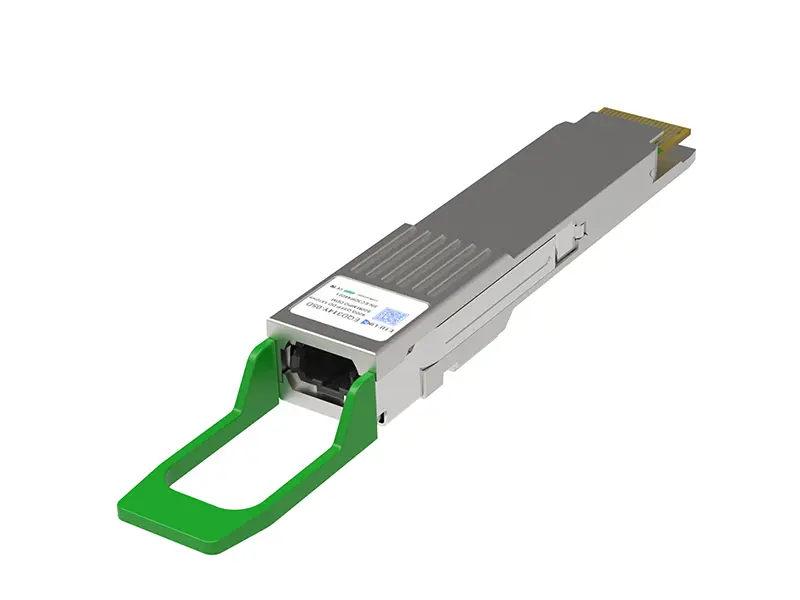 400G
400G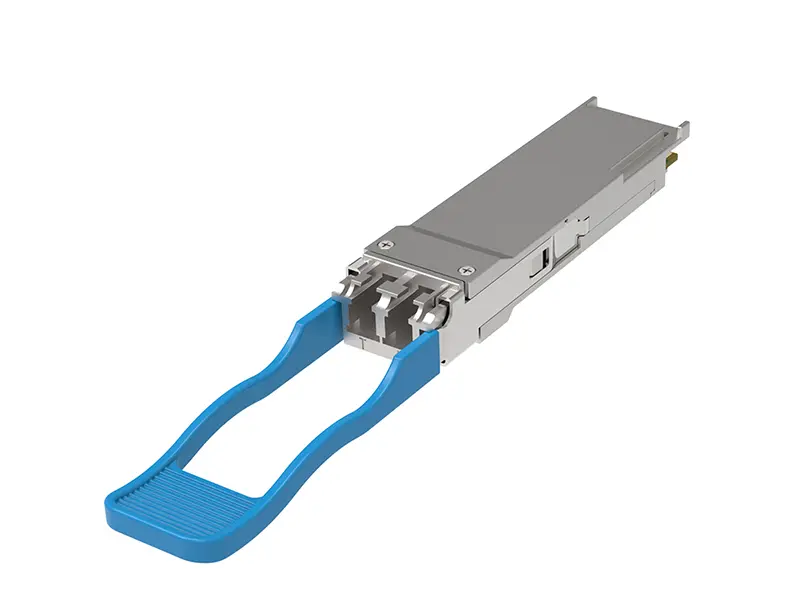 200G
200G 100G
100G 40G
40G 25G
25G 10G
10G 1G
1G COPPER-T
 Other
Other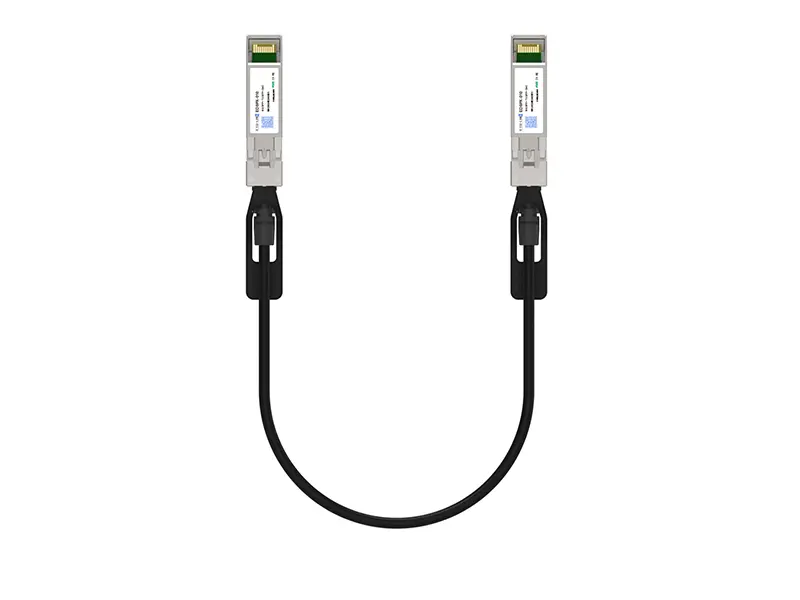 10G SFP+ DAC
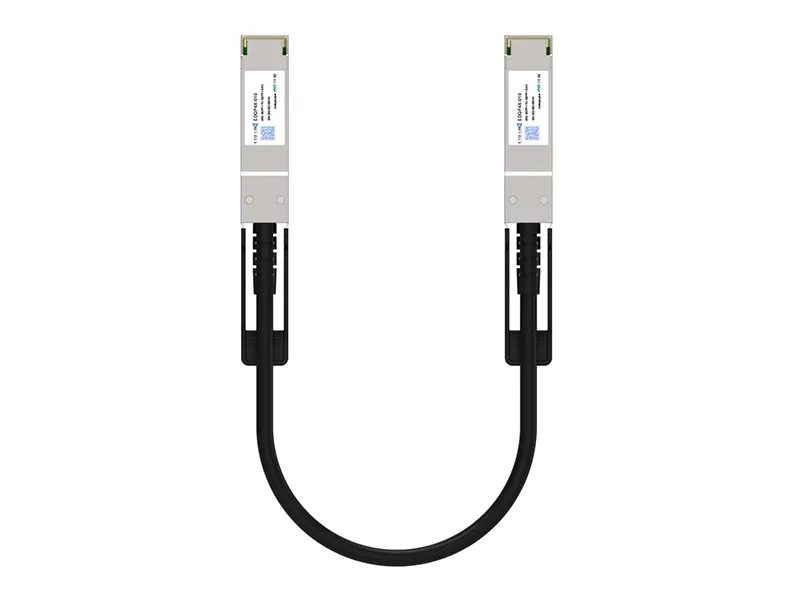 40G QSFP+ DAC
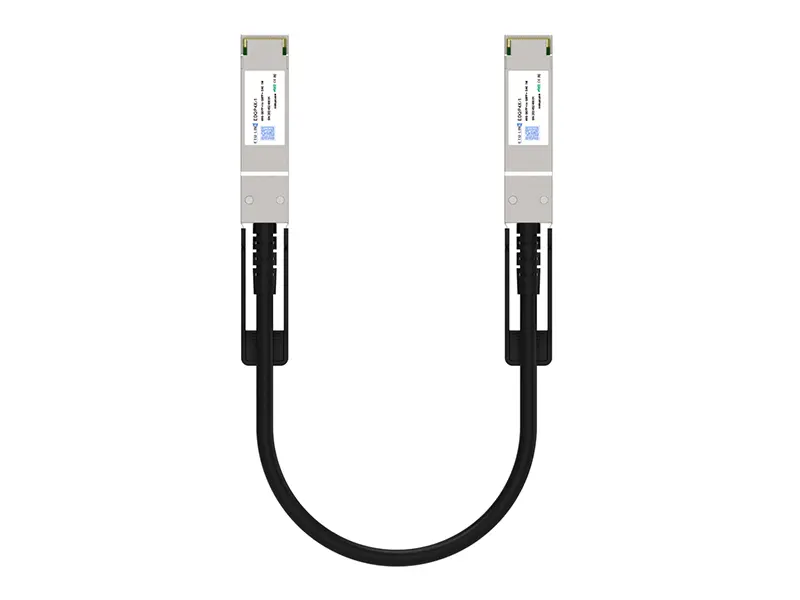 56G QSFP+ DAC
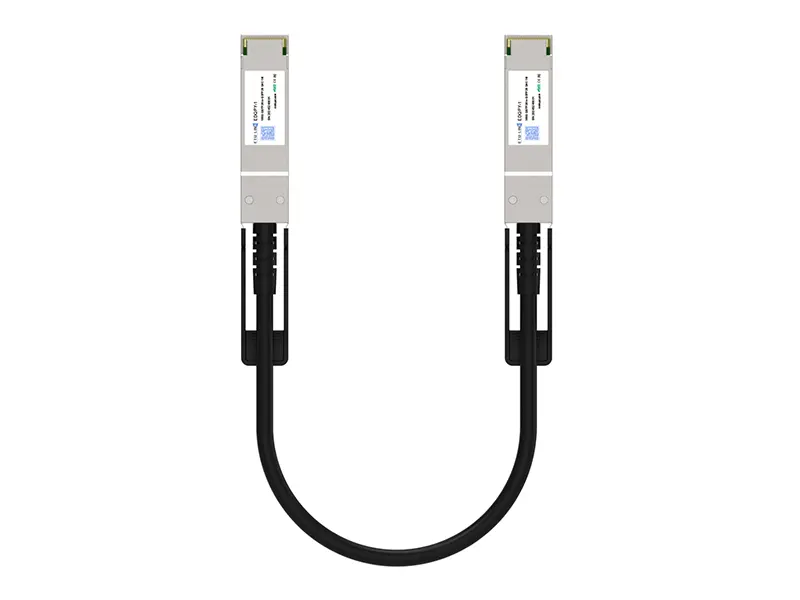 100G QSFP28 DAC
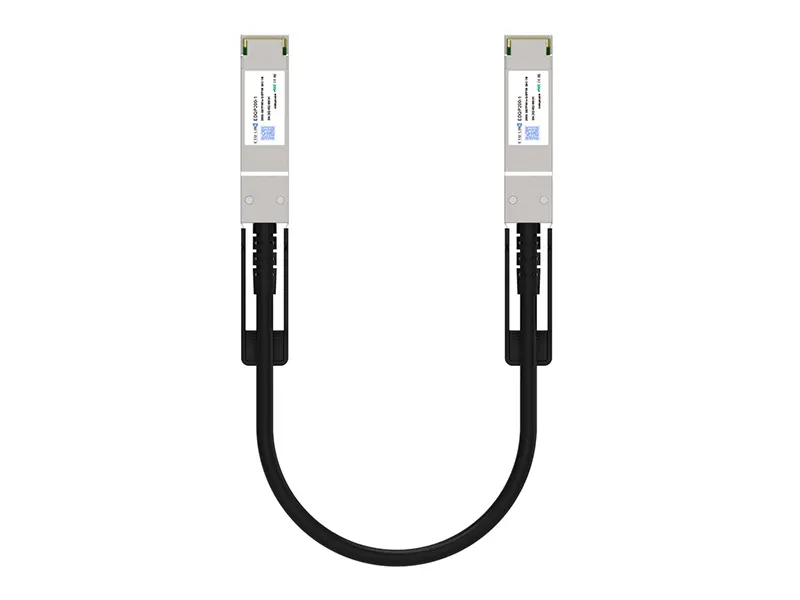 200G QSFP56 DD DAC
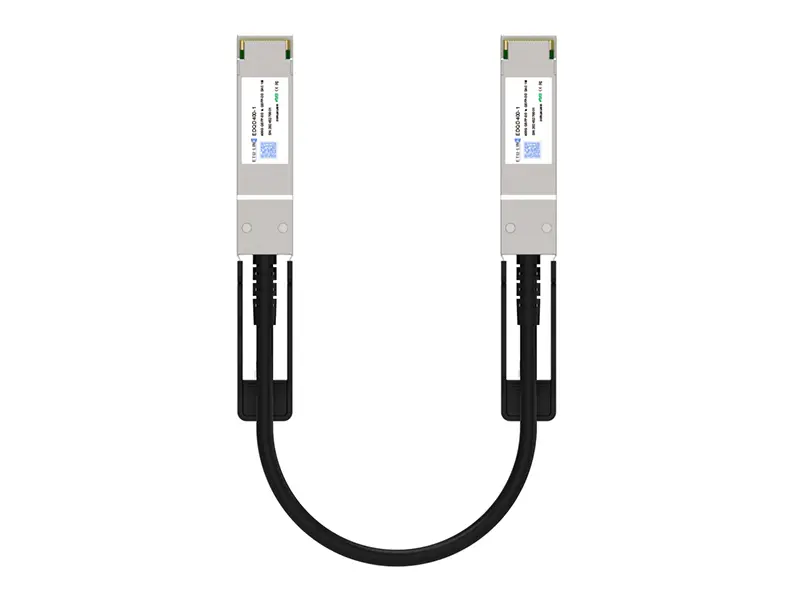 400G QSFP DD DAC
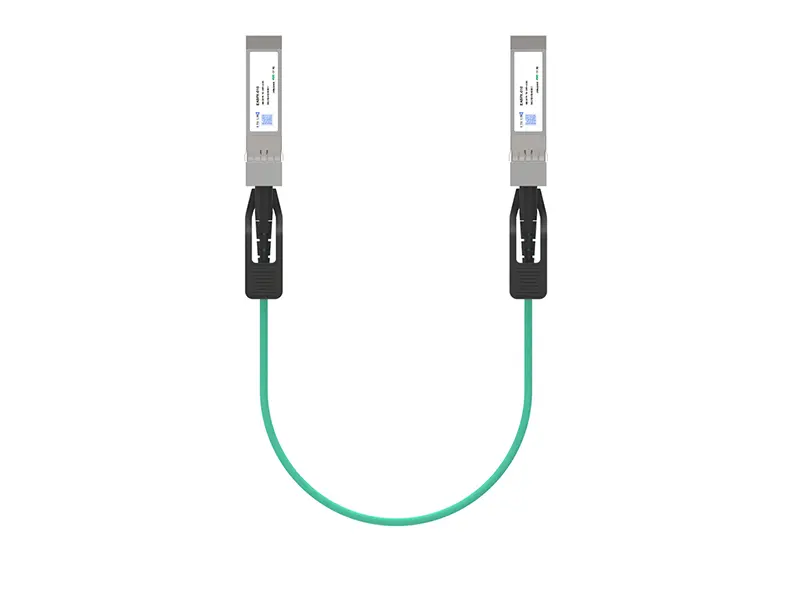 10G SFP+ AOC
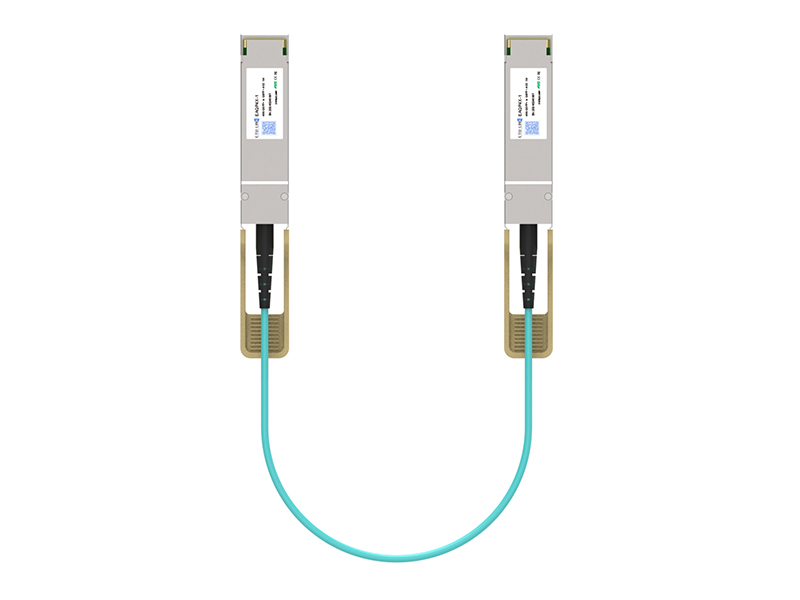 40G QSFP+ AOC
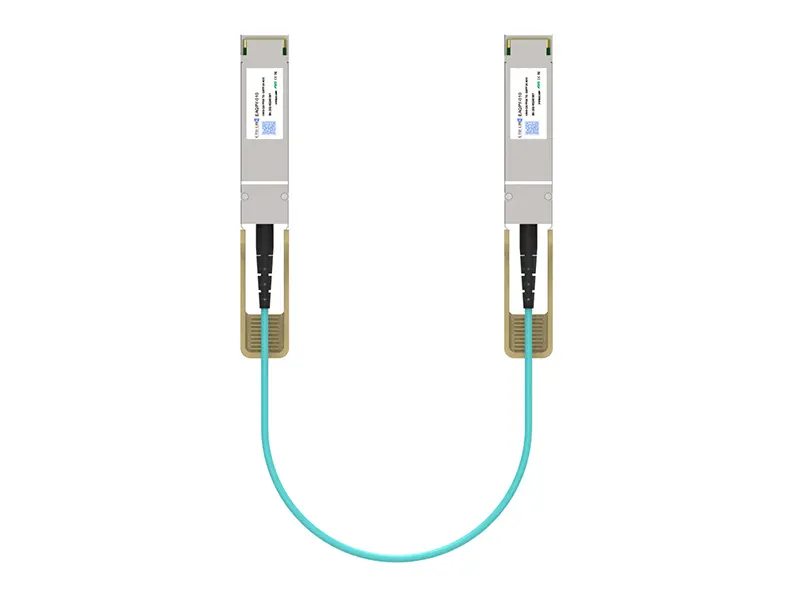 100G QSFP28 AOC
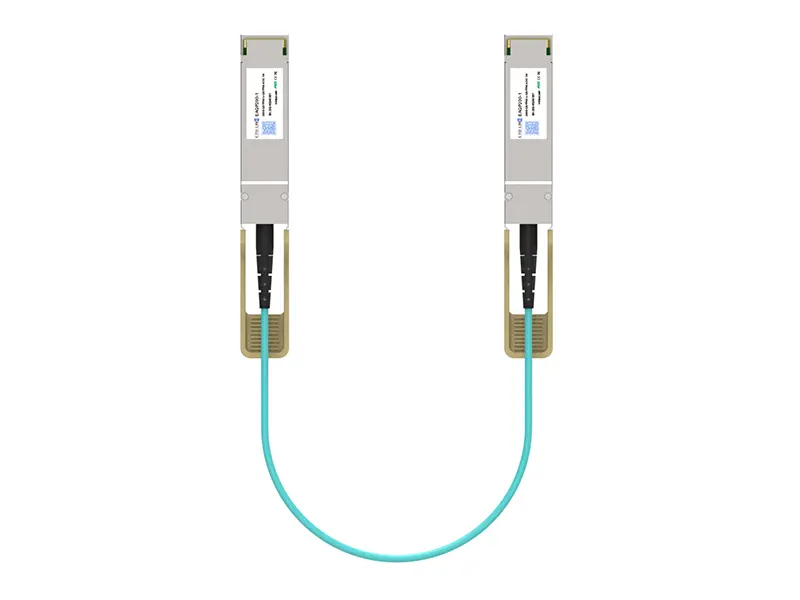 200G QSFP56 AOC
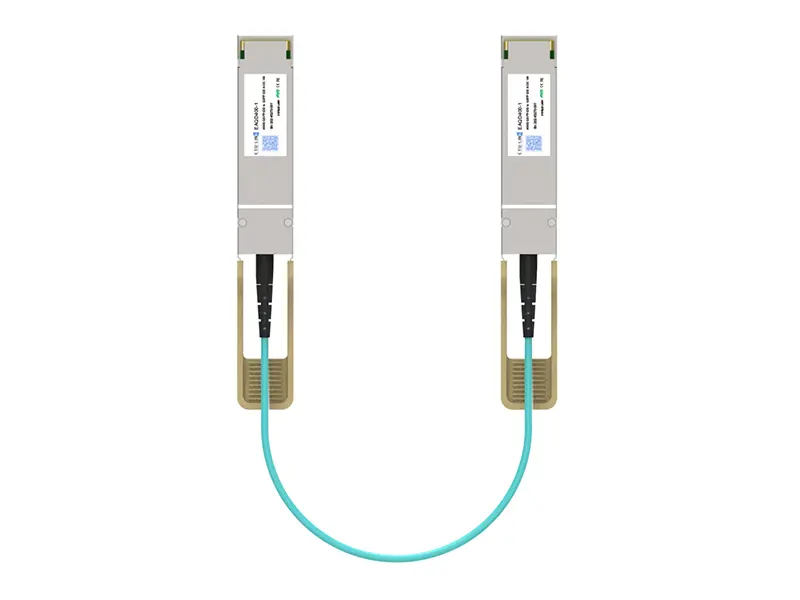 400G QSFP-DD AOC
 Adapter Details
 Media Converter