56G QSFP Active Optical Cable Top Tips for Performance and Compatibility
The rapid evolution of data communication technologies has paved the way for advanced solutions such as the 56G QSFP+ Active Optical Cable. This innovative cable addresses the increasing demand for higher bandwidth and faster data transfer rates across various applications, particularly in data centers and high-performance computing environments. According to a recent industry report by the Optical Fiber Communications Conference, the global market for active optical cables is projected to reach $10.5 billion by 2025, underlining the growing reliance on these sophisticated connectivity solutions.
As noted by Dr. Michael Chen, a leading expert in high-speed interconnect technologies, "The adoption of 56G QSFP+ Active Optical Cables is critical for achieving the next level of performance in data transmission." His observation highlights the indispensable role that these cables play in supporting the infrastructure necessary for 5G networks and beyond. With superior signal integrity and improved transmission distances compared to traditional copper cables, the 56G QSFP+ Active Optical Cable stands as a cornerstone for future-ready connectivity, ensuring compatibility across various platforms and protocols.
In this article, we will explore essential tips for maximizing the performance and compatibility of 56G QSFP+ Active Optical Cables in modern networking environments. Understanding these insights can significantly enhance your deployment strategies, ensuring optimal operational efficiency and reliability in high-speed applications.

56G QSFP Active Optical Cable: Understanding the Technology Behind It
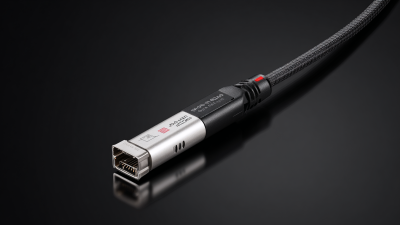
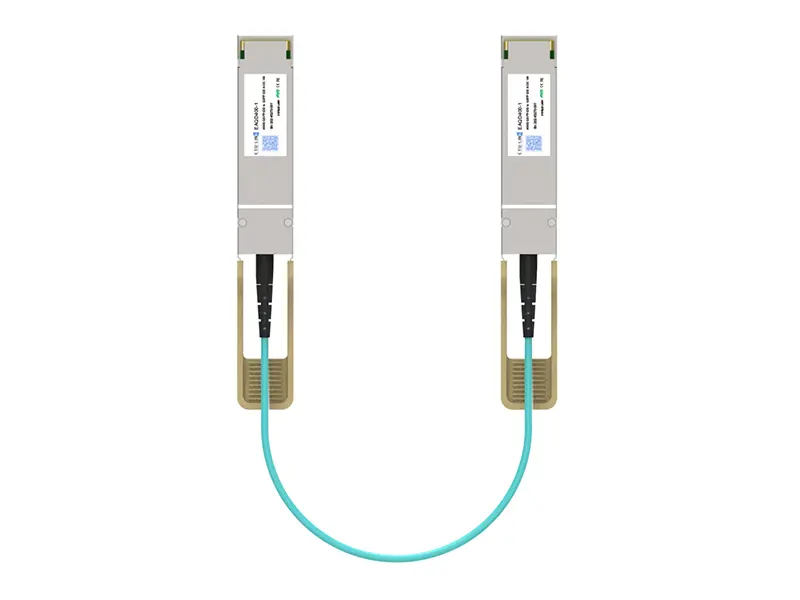
The 56G QSFP Active Optical Cable (AOC) represents a significant advancement in high-speed data transmission technology. Using optical fibers to facilitate efficient data transfers, these cables are designed to support high bandwidth demands while ensuring minimal signal loss. Understanding the technology behind the 56G QSFP AOC begins with recognizing its capability to transmit data over long distances, often exceeding the limits of traditional copper cables. This feature is particularly crucial for data centers and high-performance computing environments where maintaining data integrity and speed is paramount.
The operational principles of the 56G QSFP AOC rely on the interplay between advanced materials and signal modulation techniques. By utilizing multimode optical fibers, these cables achieve a remarkable combination of flexibility and performance. The optical transceivers on either end convert electrical signals into light pulses, which travel through the fibers, allowing for data transmission at speeds up to 56 Gbps. Furthermore, the design of these cables includes features that enhance compatibility with various networking systems, making them a versatile choice for diverse infrastructure setups. As technology continues to evolve, understanding these foundational elements of AOC technology will be essential for optimizing network performance and ensuring seamless integration within existing systems.
56G QSFP Active Optical Cable Performance Metrics
This bar chart showcases the performance metrics of 56G QSFP Active Optical Cables in terms of bandwidth, latency, and reach. These metrics are crucial for understanding the technology's capabilities and compatibility with various networking applications.
Key Performance Metrics for 56G QSFP Active Optical Cables in Data Centers
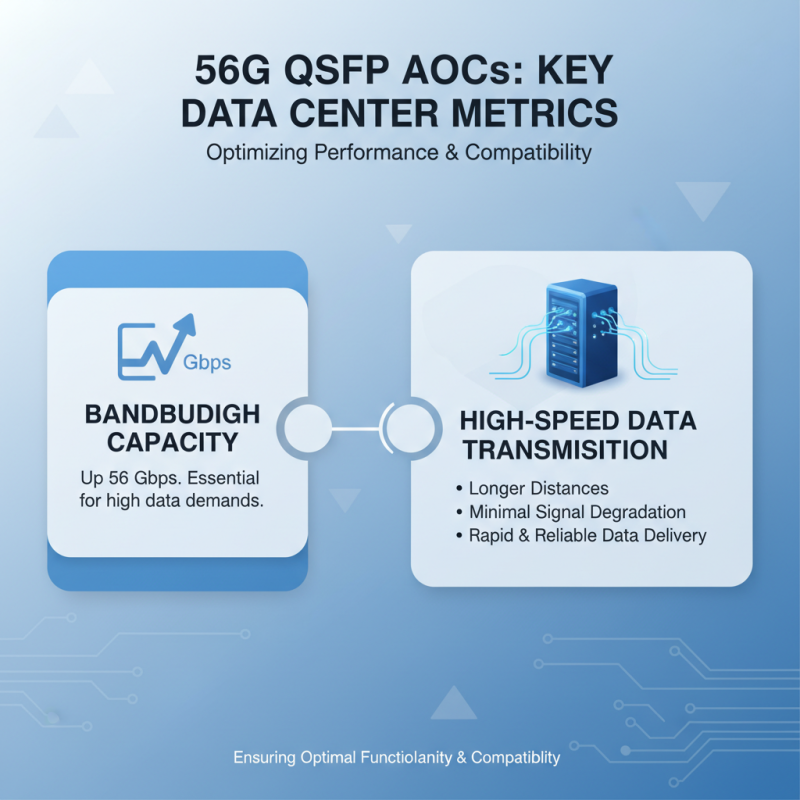
When evaluating 56G QSFP Active Optical Cables (AOCs) for data center applications, several key performance metrics emerge as critical for ensuring optimal functionality and compatibility. First and foremost, bandwidth capacity stands out as a pivotal factor. The 56G QSFP AOCs are designed to handle high data rates up to 56 Gbps, which is essential for data centers adapting to ever-increasing data demands. This high bandwidth allows for extensive data transmission across larger distances without significant signal degradation, ensuring that data is delivered rapidly and reliably.
In addition to bandwidth, latency is a crucial performance metric to consider. Low latency is vital for applications that require real-time data processing, such as financial transactions and live data analytics. By providing reduced latency, 56G QSFP AOCs enhance the responsiveness of the data center’s network infrastructure. Furthermore, power consumption is another important aspect to review, as these cables must deliver high performance while maintaining energy efficiency. Lower power usage not only contributes to cost savings in energy bills but also supports sustainability initiatives within data centers. Thus, a careful assessment of these performance metrics helps ensure that the selected 56G QSFP Active Optical Cables can meet the operational demands of modern data centers efficiently.
Compatibility Considerations for 56G QSFP Active Optical Cables with Legacy Systems
When integrating 56G QSFP active optical cables into existing infrastructures, compatibility with legacy systems becomes a crucial factor. Legacy systems, often running on older standards, may not support the higher bandwidths and signaling methods offered by 56G technology. Therefore, a thorough assessment of the system’s architecture is necessary to determine if upgrades or modifications are required to accommodate the new cable technology effectively.
Additionally, issues such as connector type, cabling protocols, and transmission distance must be carefully evaluated. While 56G QSFP cables can provide enhanced performance over their predecessors, they must be paired with compatible endpoints and switches to function optimally.
Users should check for firmware updates or compatibility notes from existing equipment manufacturers to ensure seamless integration, ultimately optimizing data throughput and system reliability. Compatibility examinations are essential in preventing potential disruptions and ensuring that the benefits of the new technology can be fully realized without compromising existing system integrity.
Best Practices for Installation and Maintenance of 56G QSFP Active Optical Cables
When it comes to the installation of 56G QSFP Active Optical Cables, adherence to best practices is crucial for optimizing performance and ensuring compatibility with existing systems. One of the primary considerations is to ensure that you handle the cables with care during installation. Active optical cables are typically sensitive to bending and physical strain, so maintaining proper routing and avoiding excessive twists and turns will help prevent damage and performance degradation. Additionally, when connecting these cables, ensure that both ends are properly aligned and seated into their respective ports to avoid signal loss.
In terms of maintenance, regularly inspecting your 56G QSFP Active Optical Cables can significantly enhance their lifespan and functionality. Look for any signs of wear or damage, such as fraying insulation or corroded connections, and address these issues promptly. It’s also advisable to keep the cables clean and free from dust and debris, which can interfere with signal transmission. Using appropriate cleaning methods and materials is essential; avoid harsh chemicals that could damage the fibers. By following these installation and maintenance strategies, you can maximize the efficiency and reliability of your optical networks.
Future Trends and Developments in 56G QSFP Active Optical Cable Technologies
The future of 56G QSFP active optical cable technology is poised for rapid advancements driven by the increasing demand for higher bandwidth and faster data transmission rates in data centers and high-performance computing environments. As application requirements evolve, the development of optical cables that can support 56G applications is essential to meet these needs. Innovations in materials and design are expected to significantly enhance performance, allowing for improved signal integrity and reduced latency, which will become critical factors for industries relying on real-time data processing.
Moreover, as the adoption of 56G technologies continues to rise, interoperability and compatibility with existing infrastructures will be vital. Emerging technologies are likely to focus on ensuring seamless integration of optical cables within current network systems, accommodating various protocols and standards. With the rise of AI, 5G, and IoT applications, the demand for scalable solutions will drive further research and development in optical interconnects, leading to the creation of more robust and versatile 56G active optical cables that can easily adapt to evolving network environments. This trend not only signifies a shift towards faster and more efficient data transmission but also opens up new possibilities for enhanced connectivity across industries.
56G QSFP Active Optical Cable Top Tips for Performance and Compatibility - Future Trends and Developments in 56G QSFP Active Optical Cable Technologies
| Parameter |
Value |
Comments |
| Max Data Rate |
56 Gbps |
Optimized for high throughput applications |
| Cable Type |
Active Optical Cable (AOC) |
Uses optical fibers with electrical-to-optical conversion |
| Max Distance |
100 meters |
Suitable for data centers and short-range connections |
| Connector Type |
QSFP |
Standardized connector for high-speed data transmission |
| Power Consumption |
< 1W per port |
Energy efficient optical technology |
| Compatibility |
Backward compatible with existing standards |
Ensures interoperability with older systems |
| Future Trends |
Enhanced data rates and lower latency |
Focus on increasing bandwidth in data centers |

 400G
400G 200G
200G 100G
100G 40G
40G 25G
25G 10G
10G 1G
1G COPPER-T
 Other
Other 10G SFP+ DAC
 40G QSFP+ DAC
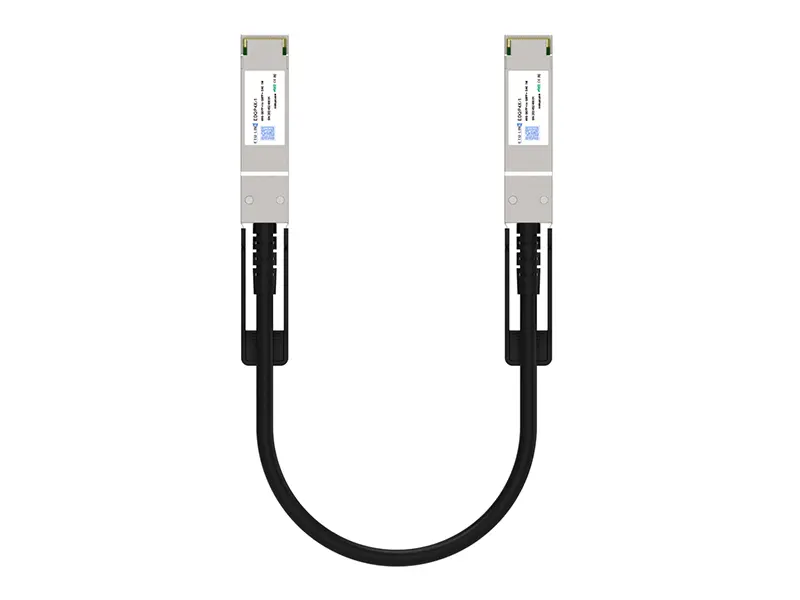 56G QSFP+ DAC
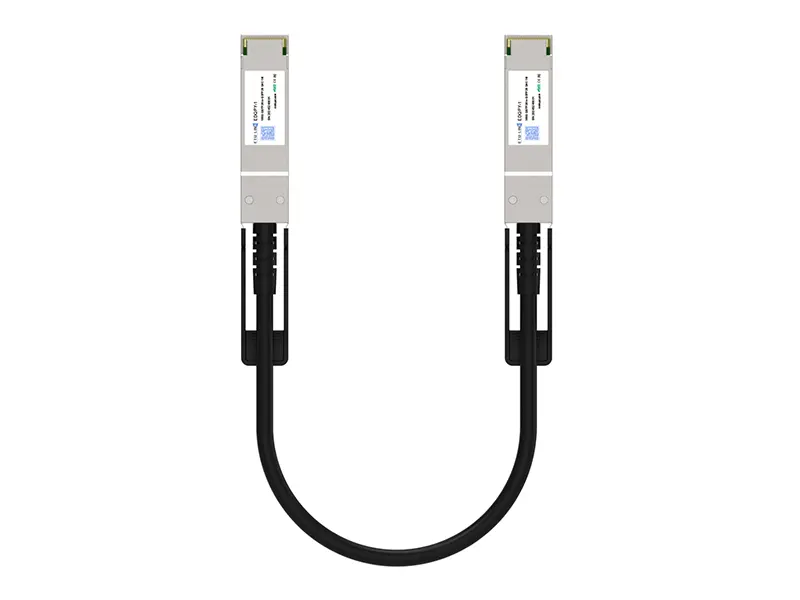 100G QSFP28 DAC
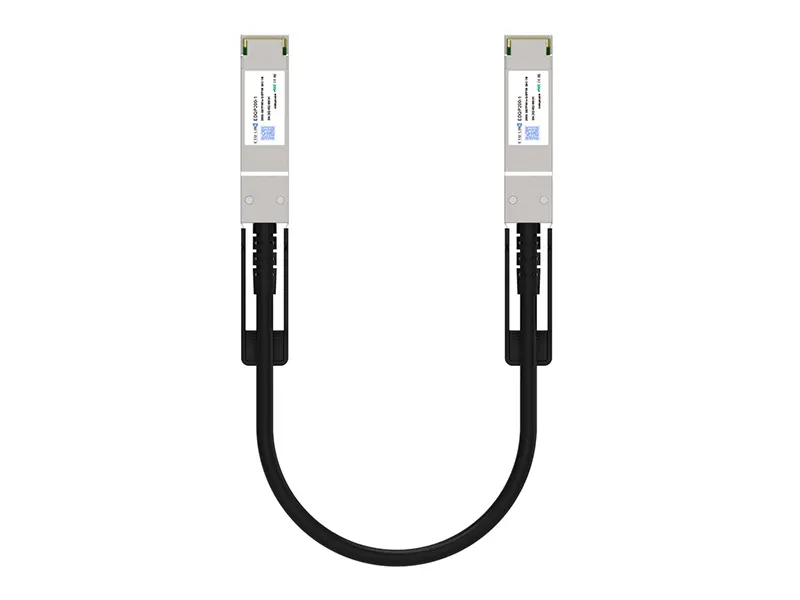 200G QSFP56 DD DAC
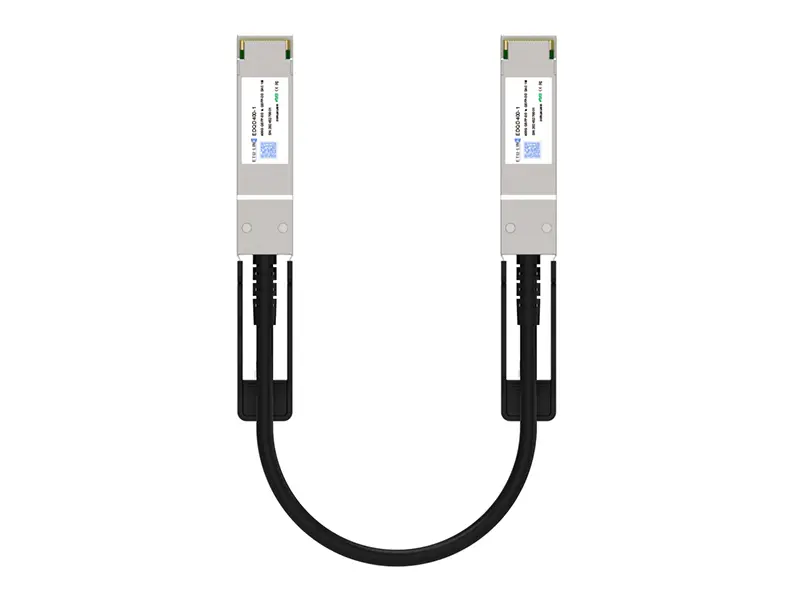 400G QSFP DD DAC
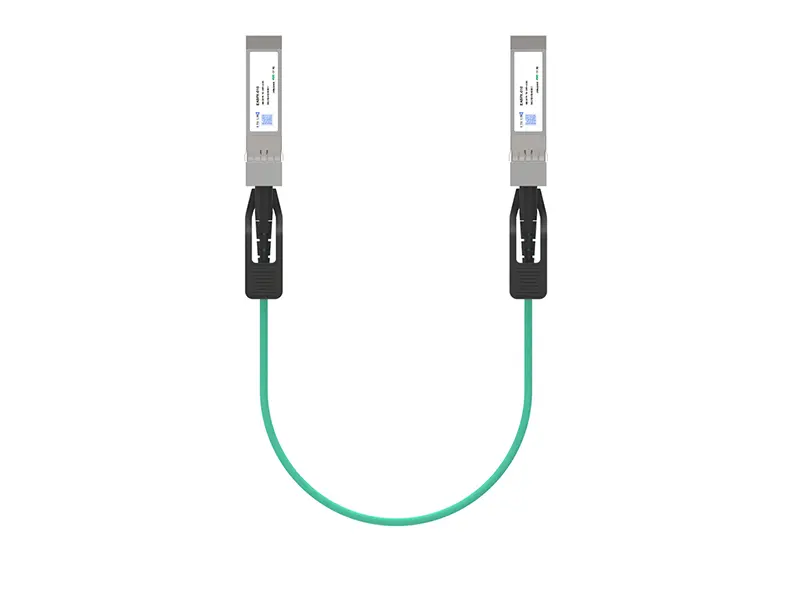 10G SFP+ AOC
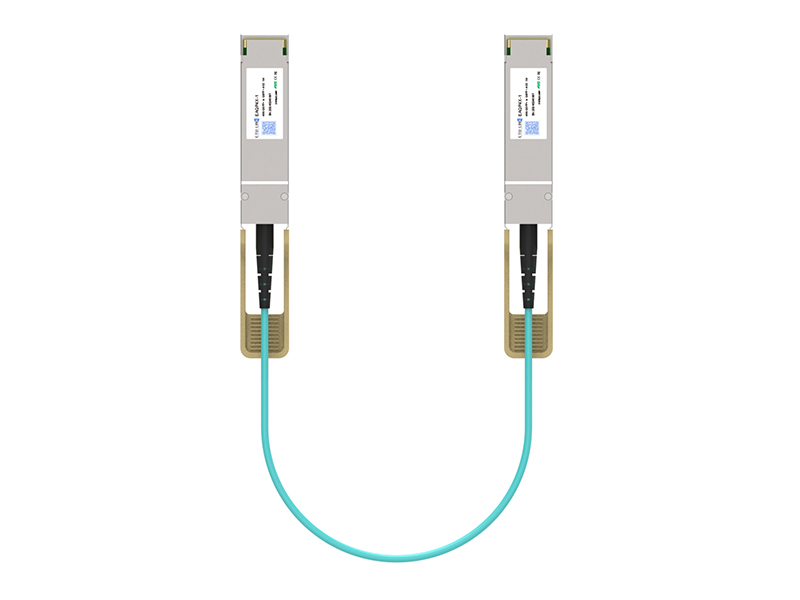 40G QSFP+ AOC
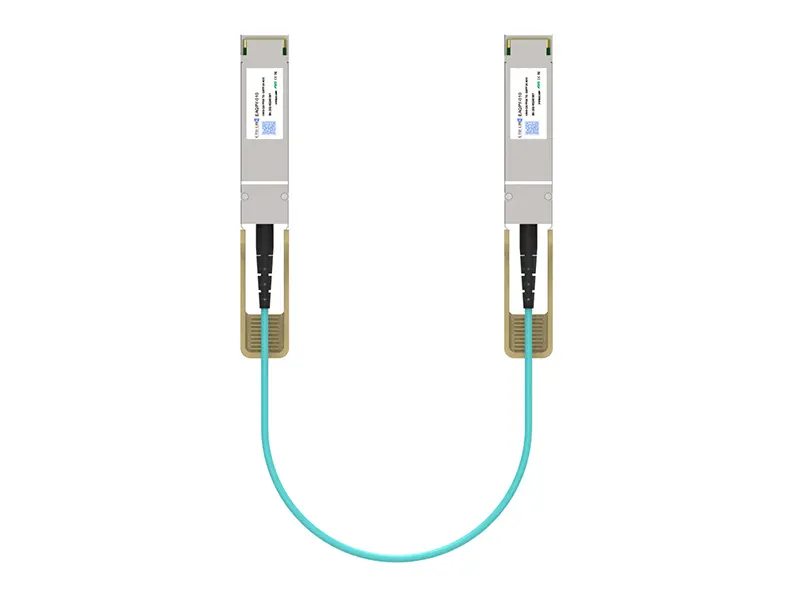 100G QSFP28 AOC
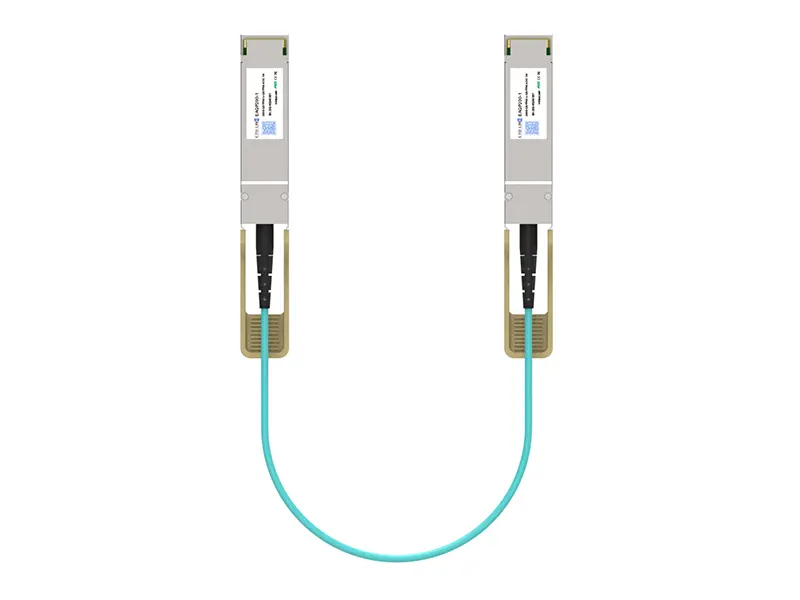 200G QSFP56 AOC
 400G QSFP-DD AOC
 Adapter Details
 Media Converter