Why Choose 40G QSFP+ Active Optical Cable for High Speed Connectivity Solutions
In today's fast-paced digital landscape, the demand for high-speed connectivity solutions has never been more critical. Among the options available, the 40G QSFP+ Active Optical Cable stands out as a premier choice for organizations seeking to enhance their network performance and efficiency. Designed to support the increasing bandwidth requirements of data centers and cloud computing, this innovative technology offers a compelling combination of speed, reliability, and flexibility.
The 40G QSFP+ Active Optical Cable utilizes advanced optical technology to deliver high data rates over long distances, making it an ideal solution for various applications, including data center interconnects, high-performance computing, and enterprise networking. Unlike traditional copper cables, which face limitations in terms of distance and signal integrity, the 40G QSFP+ Active Optical Cable provides a lightweight, energy-efficient alternative that ensures optimal performance without compromising on quality.
Furthermore, the ease of installation and maintenance associated with the 40G QSFP+ Active Optical Cable allows organizations to streamline their operations while minimizing downtime. As businesses increasingly rely on robust and high-speed connectivity to remain competitive, understanding the advantages of the 40G QSFP+ Active Optical Cable becomes essential for making informed decisions about network infrastructure.

Benefits of 40G QSFP+ Active Optical Cables for Connectivity
When it comes to high-speed connectivity solutions,
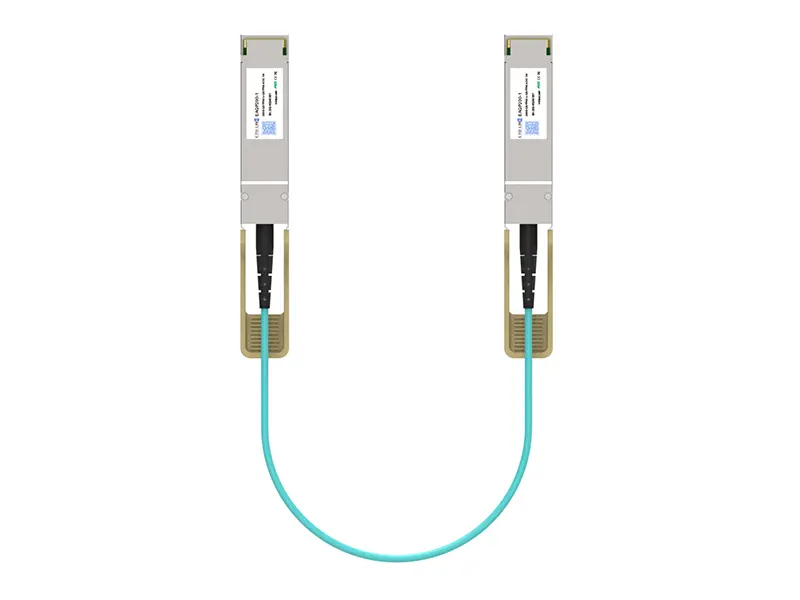
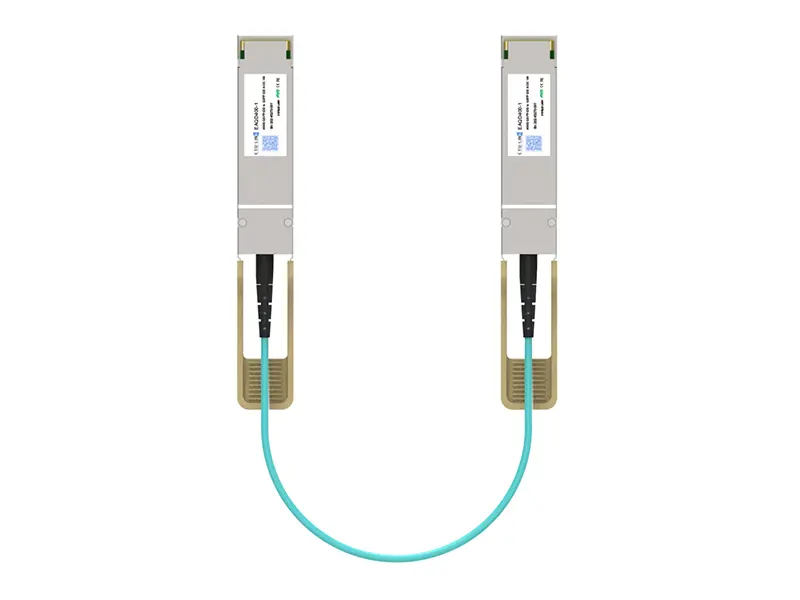
40G QSFP+ Active Optical Cables (AOCs) stand out for their impressive performance and numerous benefits.
One of the primary advantages is their ability to support extremely high data transfer rates over significant distances.
Unlike traditional copper cables, AOCs utilize fiber optics, allowing them to transmit data at speeds up to 40 Gbps while maintaining signal integrity even over longer runs.
This feature makes them particularly suitable for data centers and enterprise networks that require rapid data exchange and minimal latency.
In addition to their speed, 40G QSFP+ AOCs are lightweight and flexible, which simplifies installation and management.
Their compact design allows for better airflow and reduced clutter in network environments.
Another noteworthy benefit is power efficiency; AOCs consume less power compared to their copper counterparts,
which translates into cost savings and a smaller environmental footprint.
This is particularly advantageous in large-scale deployments where energy consumption is a concern.
Tips: When selecting 40G QSFP+ AOCs, consider the specific distance requirements and the type of environments they will be deployed in, as these factors can significantly impact performance.
Always ensure compatibility with existing network infrastructure to maximize the benefits of these advanced connectivity solutions.
Regularly check for updates on fiber optics technology to stay informed about potential improvements in speed and efficiency.
Comparison with Other High-Speed Connectivity Options
When considering high-speed connectivity solutions, the 40G QSFP+ Active Optical Cable (AOC) stands out when compared to other options like traditional copper cables and passive optical cables. AOC technology offers reduced latency and enhanced performance due to its ability to transmit data with minimal signal loss. Unlike traditional copper cables, which can suffer from significant attenuation over longer distances, AOCs maintain high bandwidth even at lengths exceeding 100 meters. This is particularly advantageous in data centers or environments with dense networking requirements.
In contrast to passive optical cables, which can be limited by the need for external power or environmental constraints, AOC eliminates those issues while still delivering impressive speed capabilities. Its flexibility and lightweight design make installation straightforward, especially in tight spaces where routing can be a challenge. Ultimately, the AOC not only provides a higher performance standard but also supports scalability for future network demands, making it a preferred choice for organizations looking to optimize their high-speed connectivity infrastructure.
Why Choose 40G QSFP+ Active Optical Cable for High Speed Connectivity Solutions
The chart compares the average latency of various high-speed connectivity options, highlighting the efficiency of the 40G QSFP+ Active Optical Cable. With the lowest average latency of 0.5 ms, it offers superior performance compared to other options such as 10G SFP+ AOC and Direct Attach Copper.
Applications and Use Cases for 40G QSFP+ Active Optical Cables
The 40G QSFP+ Active Optical Cable (AOC) has become increasingly essential in various high-speed connectivity solutions, prominently in data centers, high-performance computing (HPC), and telecommunications networks. Its compact design allows for high-density installations, making it ideal for environments where space is a premium. According to a report by MarketsandMarkets, the global optical interconnect market is projected to reach $2.95 billion by 2025, driven by the increasing demand for high bandwidth and low latency connections, particularly in cloud computing and big data applications.
In high-performance computing environments, the requirement for fast data transfer rates and minimal signal degradation is critical. The 40G QSFP+ AOC delivers low power consumption and reduced weight compared to traditional copper solutions, making it an attractive choice for long runs where traditional cables may struggle. Research indicates that using AOC can lead to power savings of up to 75% in some scenarios, which is significant for organizations looking to improve energy efficiency. Furthermore, industries like financial services and scientific research, which rely on real-time data analysis, benefit greatly from the swift interconnectivity capabilities provided by 40G QSFP+ AOCs, ensuring smooth data flow and enhancing overall operational efficiency.
Why Choose 40G QSFP+ Active Optical Cable for High Speed Connectivity Solutions - Applications and Use Cases
| Application |
Use Case |
Data Rate |
Distance |
Connector Type |
| Data Center Interconnect |
High-speed data transfer between switches |
40 Gbps |
Up to 100 m |
QSFP+ |
| High-Performance Computing |
Connecting compute nodes in clusters |
40 Gbps |
Up to 150 m |
QSFP+ |
| Broadcast and Video Production |
Real-time video streaming and editing |
40 Gbps |
Up to 70 m |
QSFP+ |
| Telecommunications |
Backbone connectivity in networks |
40 Gbps |
Up to 300 m |
QSFP+ |
| Storage Networking |
Connecting storage arrays to servers |
40 Gbps |
Up to 100 m |
QSFP+ |
Technical Specifications and Performance Metrics of 40G QSFP+
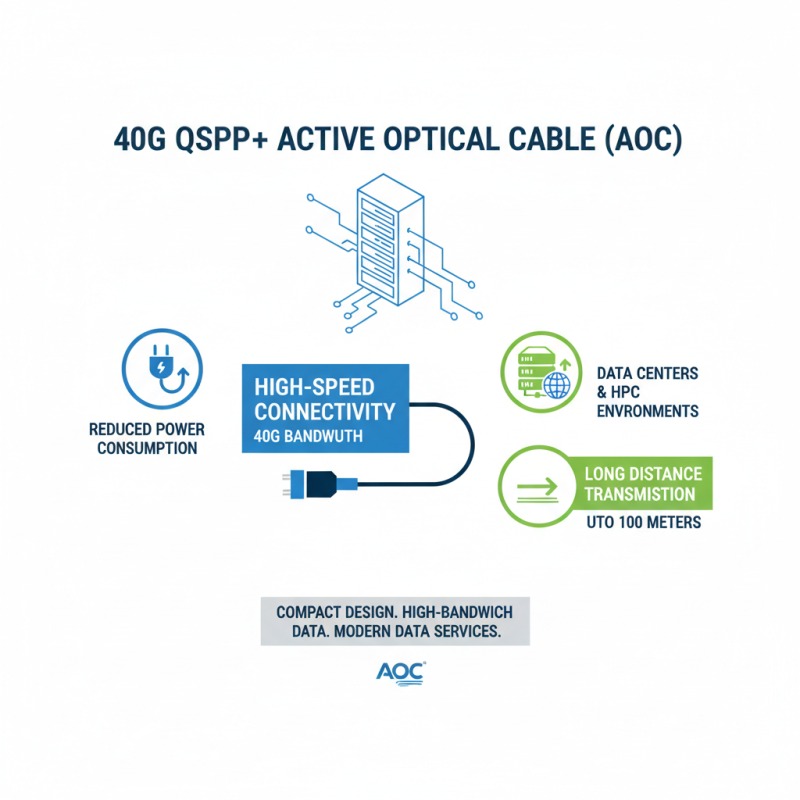
The 40G QSFP+ Active Optical Cable (AOC) stands out as an optimal choice for high-speed connectivity solutions, particularly in data centers and high-performance computing environments. With reduced power consumption and a compact design, this cable facilitates high-bandwidth data transmission over considerable distances, meeting the demands of modern data services.
In terms of technical specifications, the 40G QSFP+ AOC typically supports data rates up to 40 Gbps over multimode fiber, ensuring robust performance. The operating distance can reach up to 100 meters, depending on the specifications of the fiber used, thus allowing flexibility in system design. Additionally, features such as low latency and low energy consumption enhance its appeal, making it suitable for applications that require rapid data exchange and reliability. The standardized form factor ensures compatibility with a wide range of network equipment, which is vital for seamless integration into various networking installations.
Installation and Maintenance Considerations for 40G QSFP+ Cables
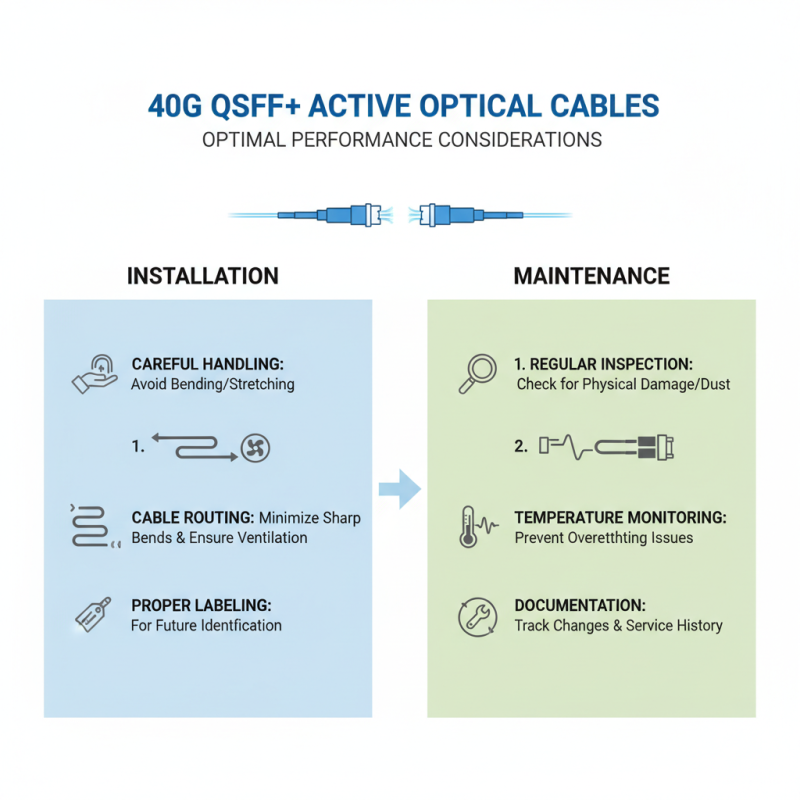
When considering the installation and maintenance of 40G QSFP+ Active Optical Cables, several factors come into play to ensure optimal performance in high-speed connectivity solutions. Firstly, the installation process demands careful handling of the cables to avoid physical damage, as these delicate fibers are sensitive to excessive bending or stretching. It is essential to plan the cable layout in a way that minimizes sharp bends and allows for adequate ventilation, as heat can impact performance. Proper labeling of cables during installation can facilitate future maintenance, reducing downtime and confusion.
Maintenance of 40G QSFP+ cables is relatively straightforward, but it requires regular inspections to ensure optimal performance. Operators should check for visible signs of wear, such as fraying or discoloration, which may indicate potential failure points. Additionally, it's beneficial to maintain a clean environment around the installation area; dust and debris can interfere with connection quality. Implementing routines for inspecting connectors and ensuring they are free from contaminants can enhance the longevity and performance of the cables. By adhering to these installation and maintenance guidelines, users can maximize the benefits of 40G QSFP+ Active Optical Cables in their networking infrastructure.

 400G
400G 200G
200G 100G
100G 40G
40G 25G
25G 10G
10G 1G
1G COPPER-T
 Other
Other 10G SFP+ DAC
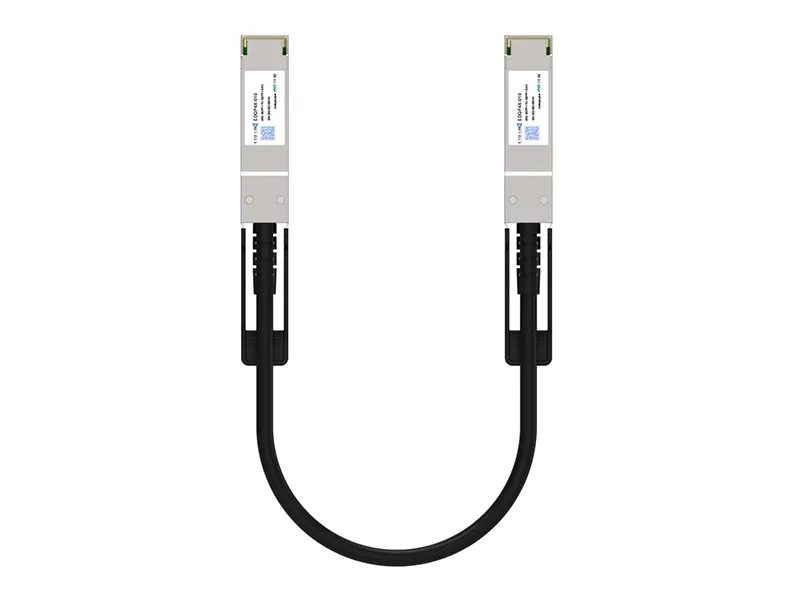 40G QSFP+ DAC
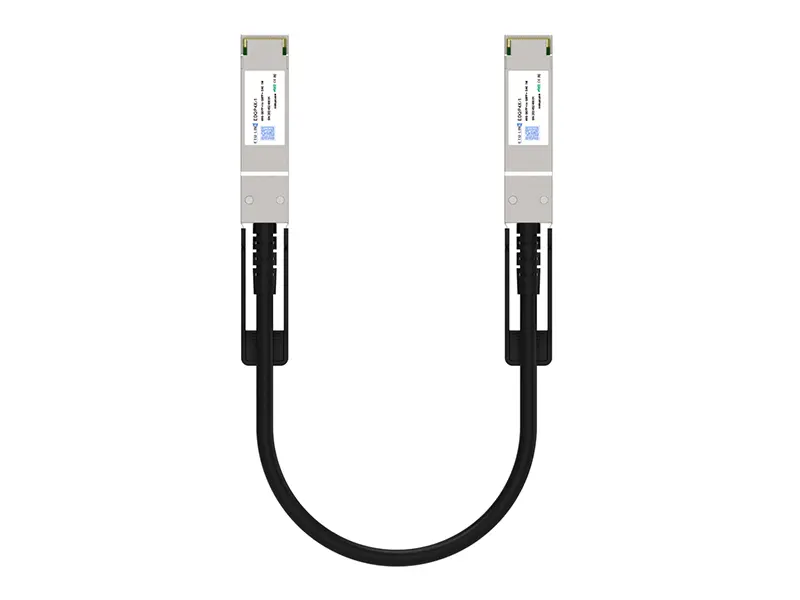 56G QSFP+ DAC
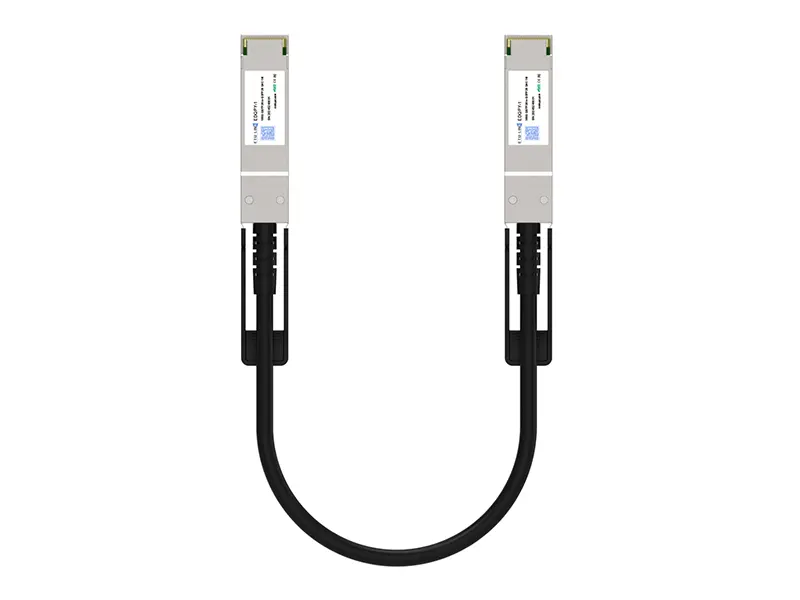 100G QSFP28 DAC
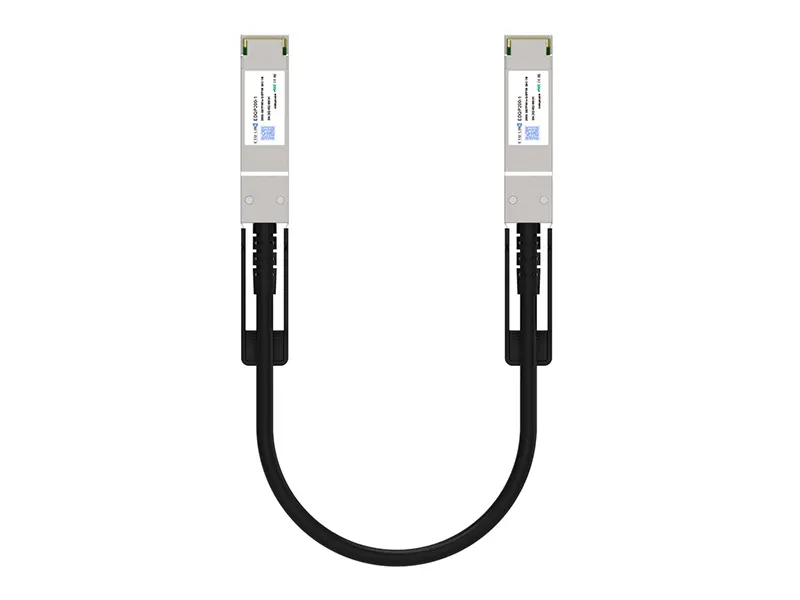 200G QSFP56 DD DAC
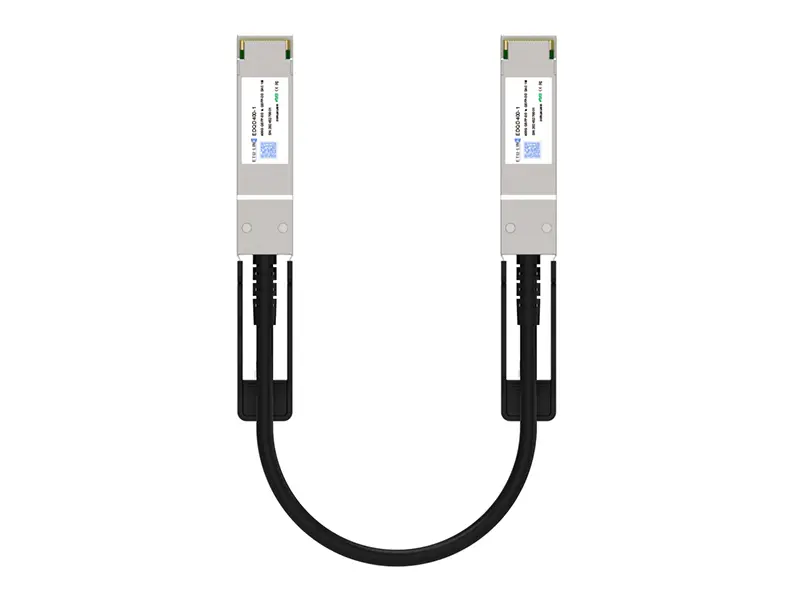 400G QSFP DD DAC
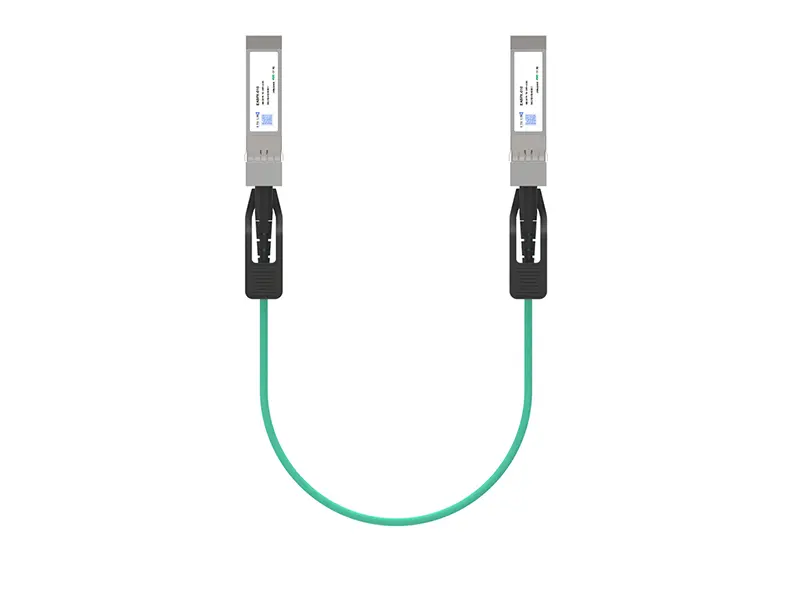 10G SFP+ AOC
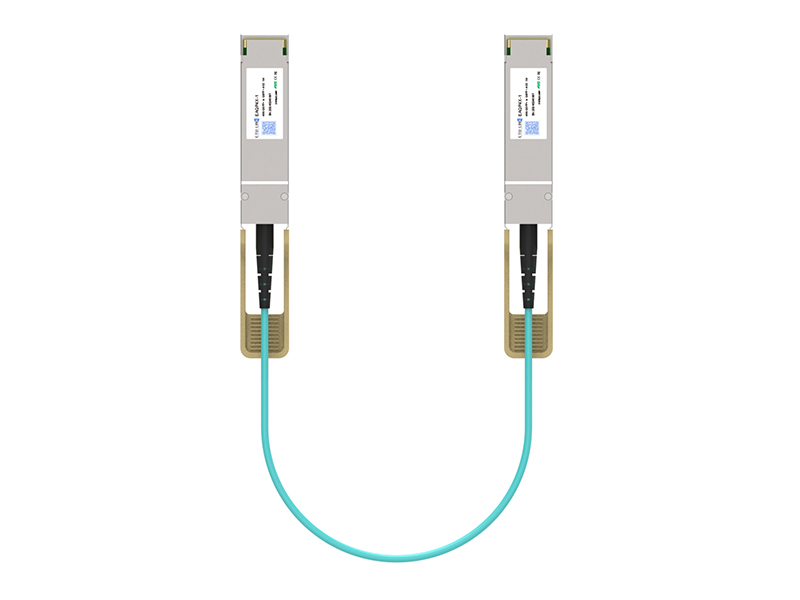 40G QSFP+ AOC
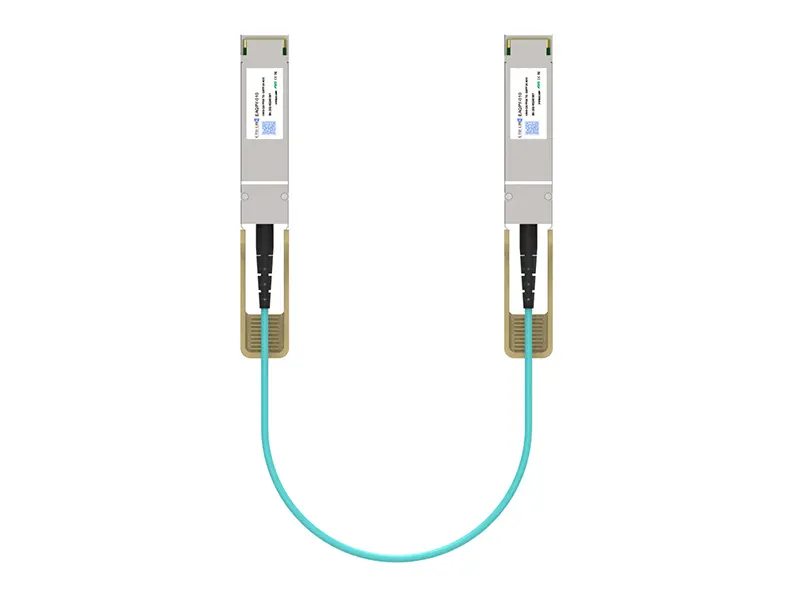 100G QSFP28 AOC
 200G QSFP56 AOC
 400G QSFP-DD AOC
 Adapter Details
 Media Converter